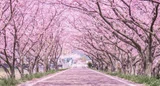
消えていく線をみていた、八十八夜│On the eighty-eighth night, I watched a line slowly disappear.

この春、雨が多い鹿児島。
ふと見上げると、雨上がりの空に
もともとあった雲が、すっと消えていくような跡が残っていました。
まるで空にひと筋、透明な線を引くように。

ほどけるように消えていくその軌跡を、
しばらく静かに眺めていました。
今日は八十八夜。この日に新茶を飲むと、
一年を健やかに過ごせると言われています。
家の裏の一段上がった丘に、
整然と並ぶ茶の木々たち。
やわらかな新芽が気持ちよさそうに
芽吹いています。

山で愛犬を走らせているあいだ、
私は透き通るような新芽を、
ひとつひとつ摘み取りました。
鉄のフライパンで新芽を煎り、
手でゆっくりと揉んでいく。

その瞬間、「ぷん」と、瑞々しく芳醇な香りが立ちのぼりました。
この日は出かける用事があったので、
摘んだ新芽は、酸化しないように
庭の野草とブレンドすることにしました。
ヨモギ、ビワの葉、柿の葉、ドクダミ。
今の私をじわりと整えてくれる、
滋味深い一杯になりました。

最近、発達障害支援員の仕事を
卒業しました。
最後の大切な仕事は、B型就労の方への
苔盆栽の指導でした。

思い返せば、20年ほど前。
私は景色盆栽の小林健二さんのもとへ
通っていました。
奥沢のスタジオで触れた、
小林さんの指先の動き、美しい所作、
言葉遣い。
ハリネズミの盆栽鉢に植えられた苔の、
あの洗練された可愛らしさ。
あのとき受け取った「美しさ」は、
今も私の中にある大事な感性。
私もその美しさを大切にしてくれる誰かへと手渡していきたいなと感じています。
ふと、庭の梅の木に目をやると、
今年はたくさんの実がついています。
竹細工で出た削りカスを、
木の根元にまいていたからでしょうか。

竹の力が土に還り、木を潤しているように
感じます。
自然からいただいたものを、また自然へ。
人から受け取ったものを、また誰かへ。
目には見えない大きな循環の中に、
私は生かされているのですね。
一杯のお茶、竹の削りカスの香りから
そんなことを感じました。
Spring rains come often in Kagoshima. One day, as I looked up, I noticed something unusual in the sky after the rain—what seemed like a trace where a cloud had quietly disappeared. It was as if a single transparent line had been drawn across the sky.
I stood there for a while, silently watching that fading path as it gently unraveled and vanished.
Behind my house, on a small rise, rows of tea bushes grow in neat order. Tender new leaves have begun to emerge. While letting my dog run freely in the hills, I carefully picked those light-filled young shoots, one by one. Today is Hachijūhachiya, the eighty-eighth night from the beginning of spring—a day when drinking newly harvested tea is said to bring health for the year ahead. I roasted the fresh leaves in an iron pan, then slowly kneaded them by hand. In that moment, a soft “pun” sound rose along with a fresh, rich fragrance.
As I had plans to go out later, I decided to blend the leaves with wild herbs from the garden: mugwort, loquat leaves, persimmon leaves, and dokudami. It became a quietly nourishing cup—something that gently brings me back into balance.
Recently, I stepped away from my work as a support staff member for people with developmental disabilities. My final meaningful task was teaching a moss bonsai workshop to those in a Type B employment program. Thinking back, about twenty years ago, I studied under Kenji Kobayashi, a landscape bonsai artist. In his studio in Okusawa, I was deeply moved by the grace of his hands, his refined gestures, and the care in his words. I still remember the delicate charm of moss planted in a hedgehog-shaped bonsai pot. The sense of beauty I received then remains a quiet treasure within me. And now, I feel a wish to pass that beauty on to someone who will cherish it as well.
When I turn my eyes to the plum tree in the garden, I see it bearing many fruits this year. Perhaps it is because I scattered the shavings from my bamboo craft work at its base. It feels as though the strength of the bamboo has returned to the soil, nourishing the tree.
What we receive from nature returns to nature. What we receive from others is passed on to someone else. Within this great, unseen cycle, I am simply being allowed to live.
The fragrance rising from a single cup of tea seemed to quietly teach me that.