


Growing up, some games really meant something, and left you feeling impacted in some way, becoming integral building blocks as we learned the language of games. Now, there are plenty of reasons why gamers at large don’t like the fact that we’ve entered an era of modern remasters and remakes — and one of them is the lack of new IPs, sure — but at the same time, let’s not forget that modern remakes do have their benefits when done right.
One of the biggest ones is that they introduce foundational classics to a new audience, with the polish and presentation that today’s players expect. Some games are simply too important to be left behind in the dust of outdated UI and tank controls. These games shaped us, and younger gamers deserve to experience them not through a clunky port or YouTube recap, but through a lovingly built remake that brings out the best in what made them unforgettable.
5 Spec Ops: The Line (2012)
The war shooter that didn’t want to be fun
Source: Steam 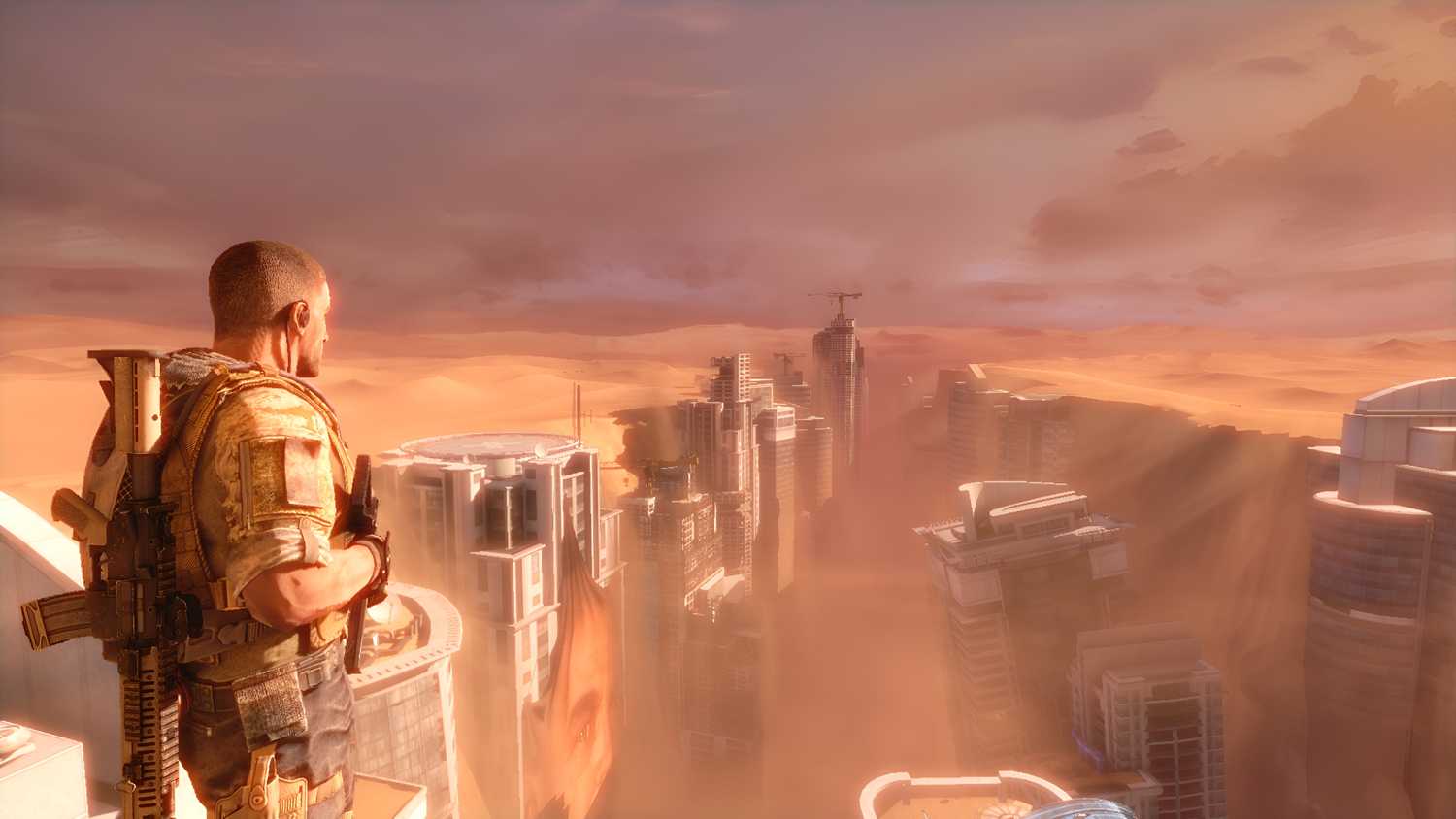
Source: Steam 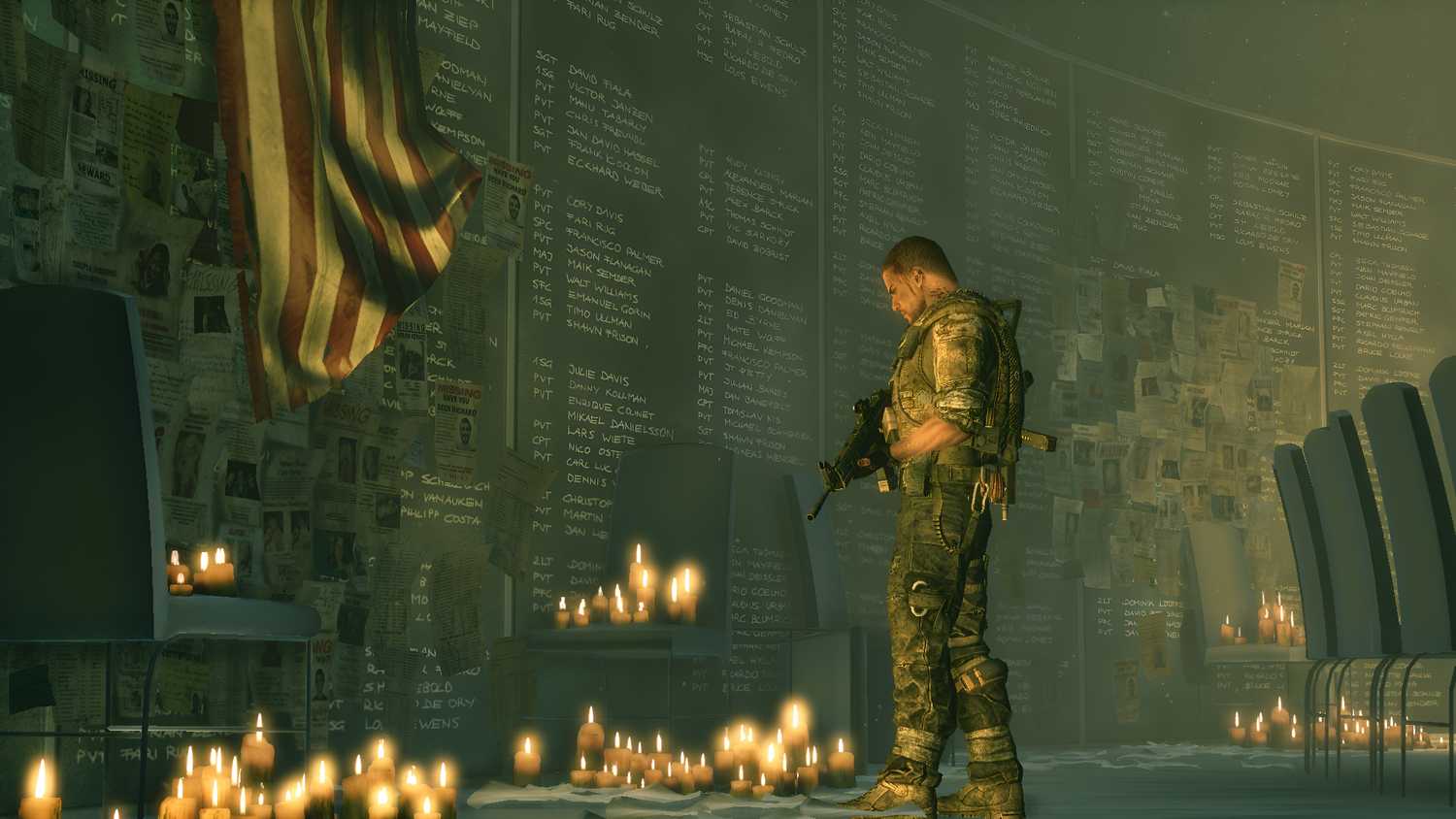
Source: Steam 
Source: Steam 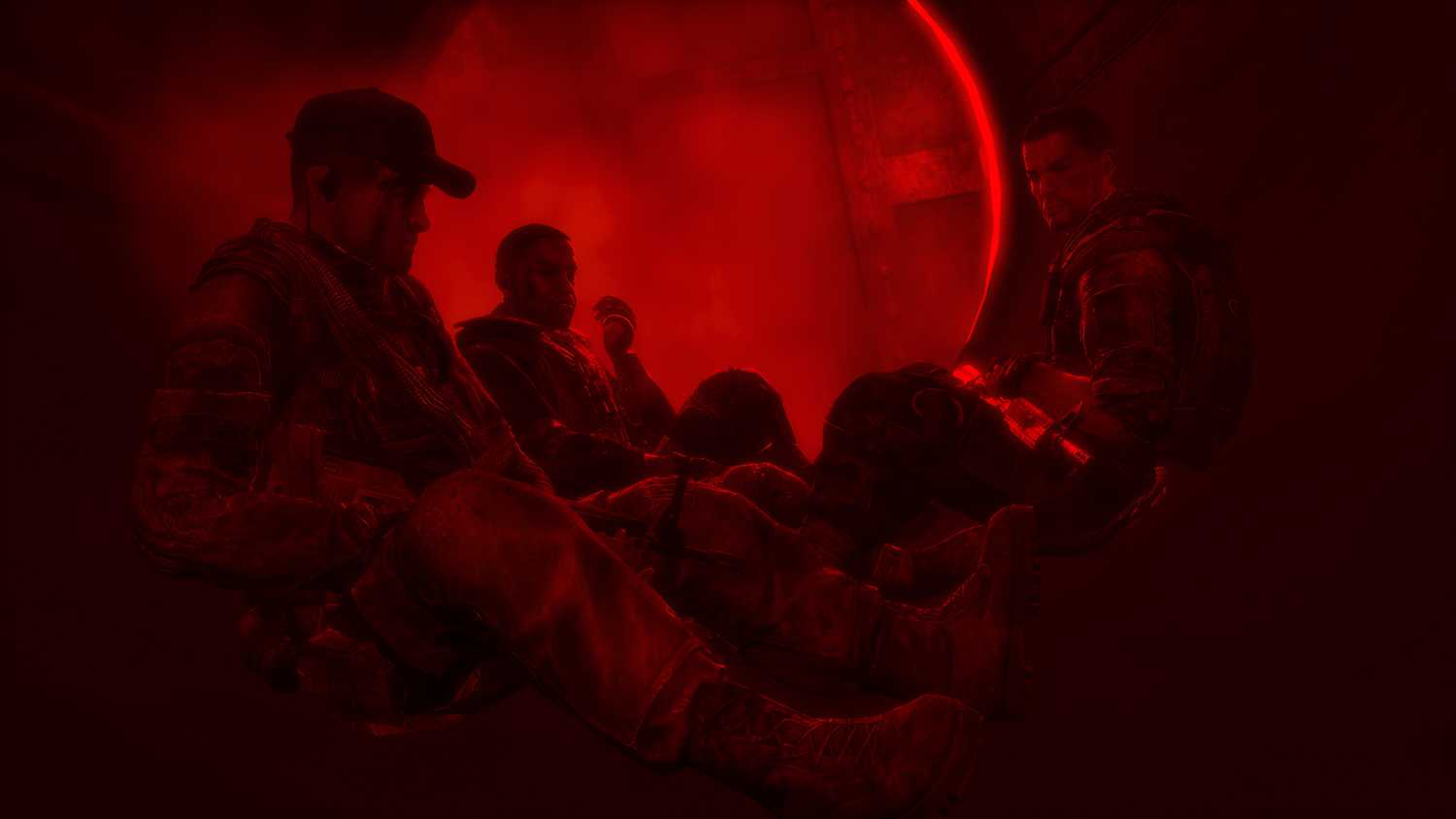
Source: Steam 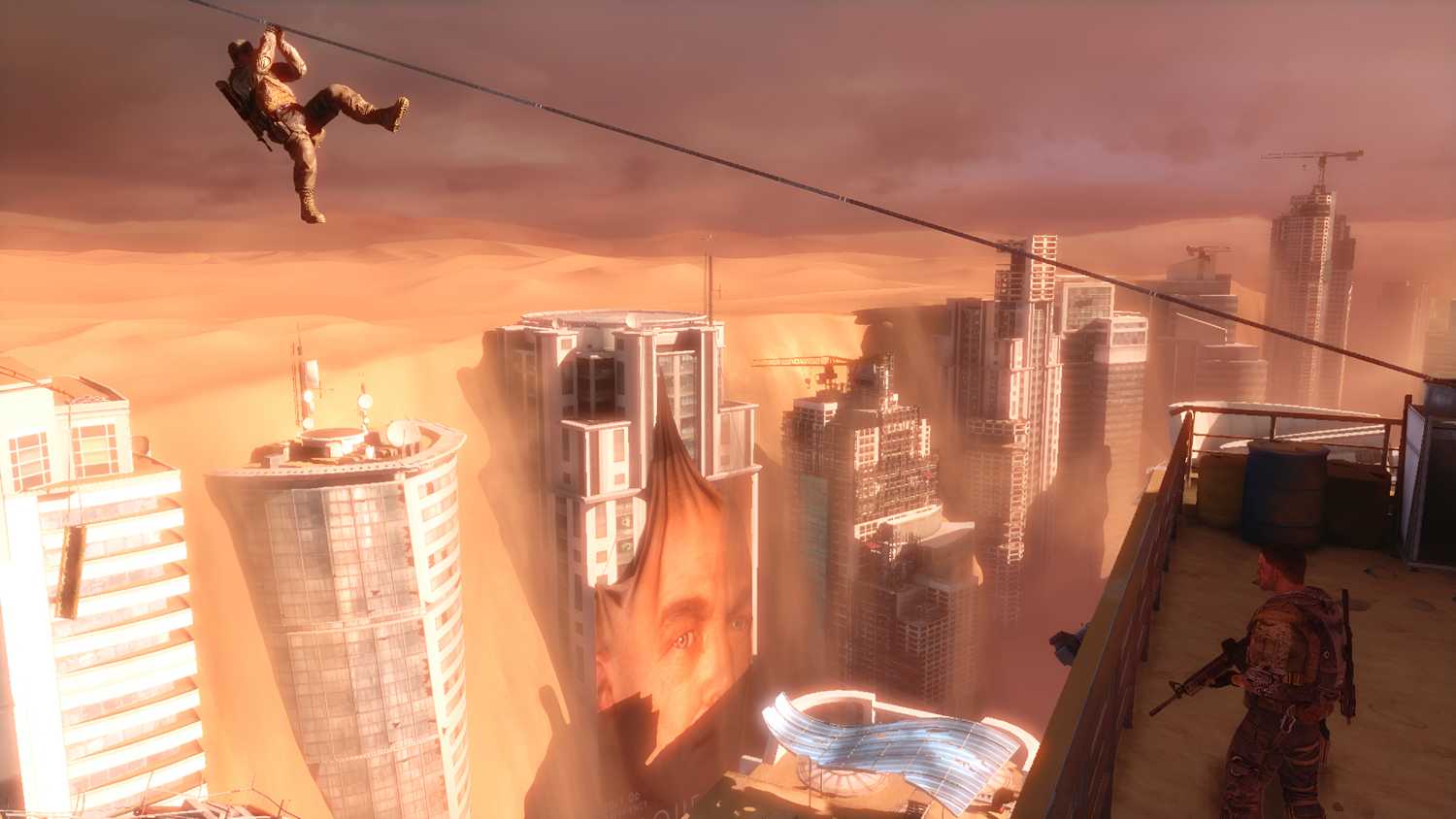
Source: Steam


Source: Steam 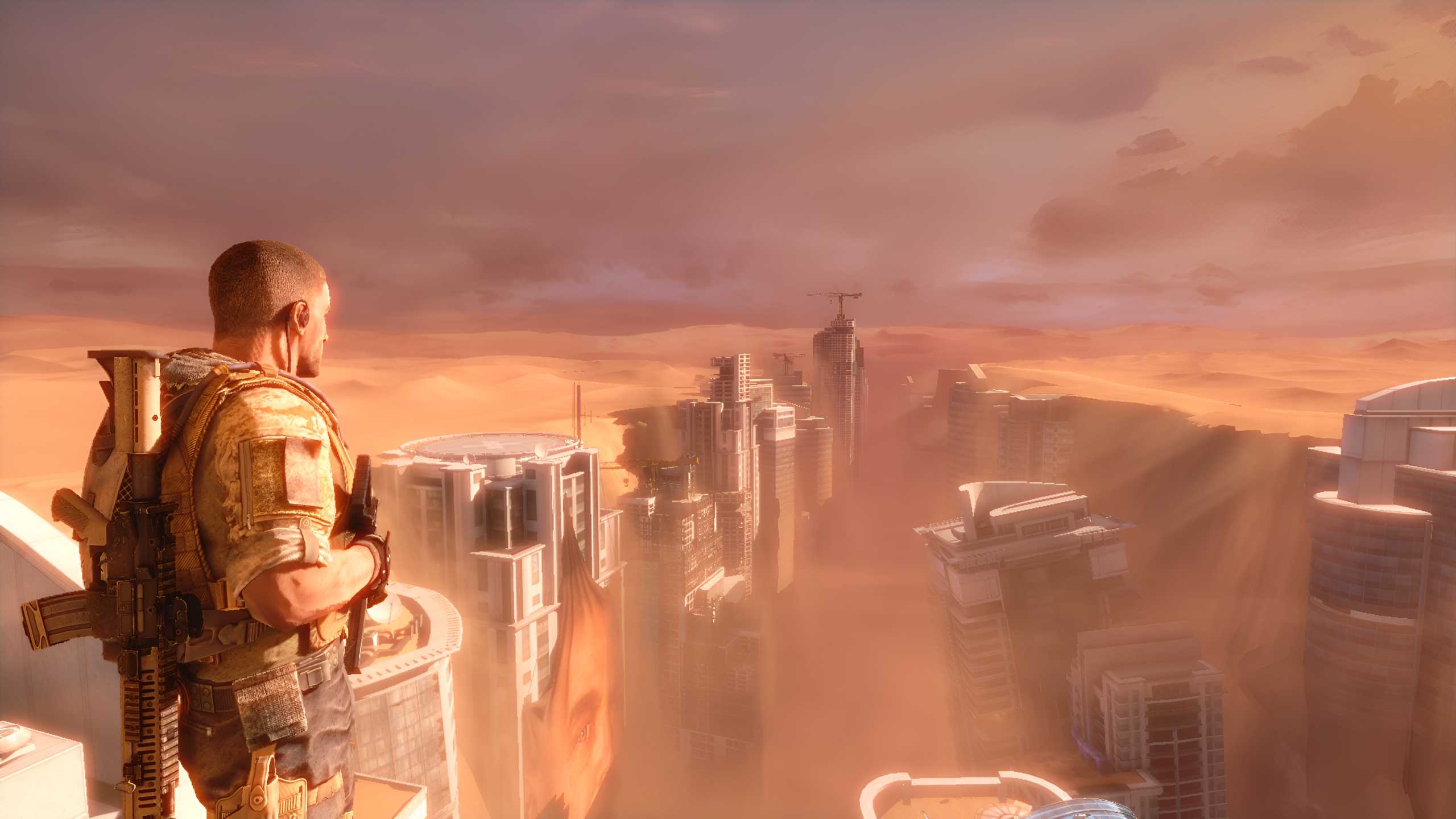
Source: Steam 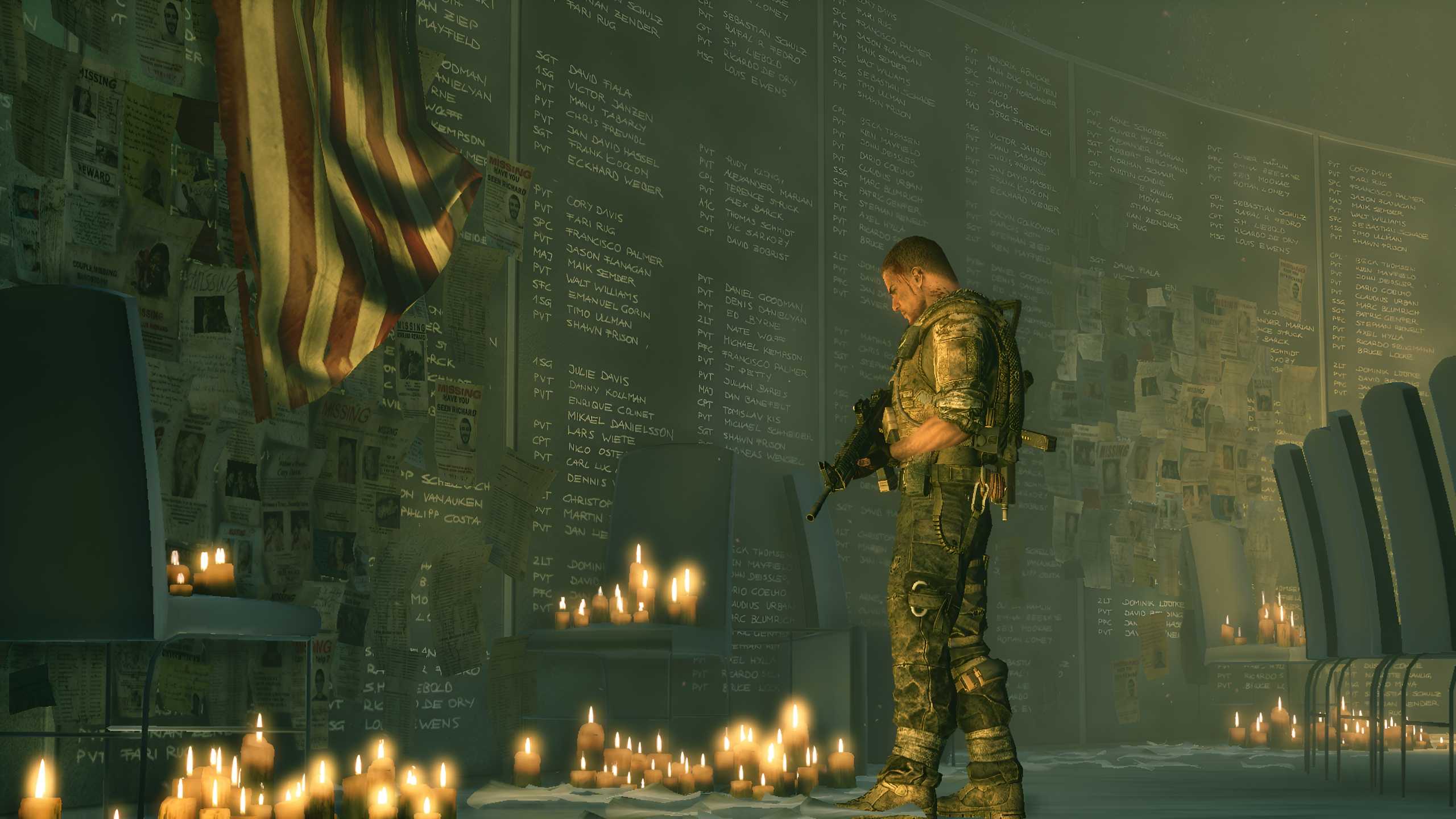
Source: Steam 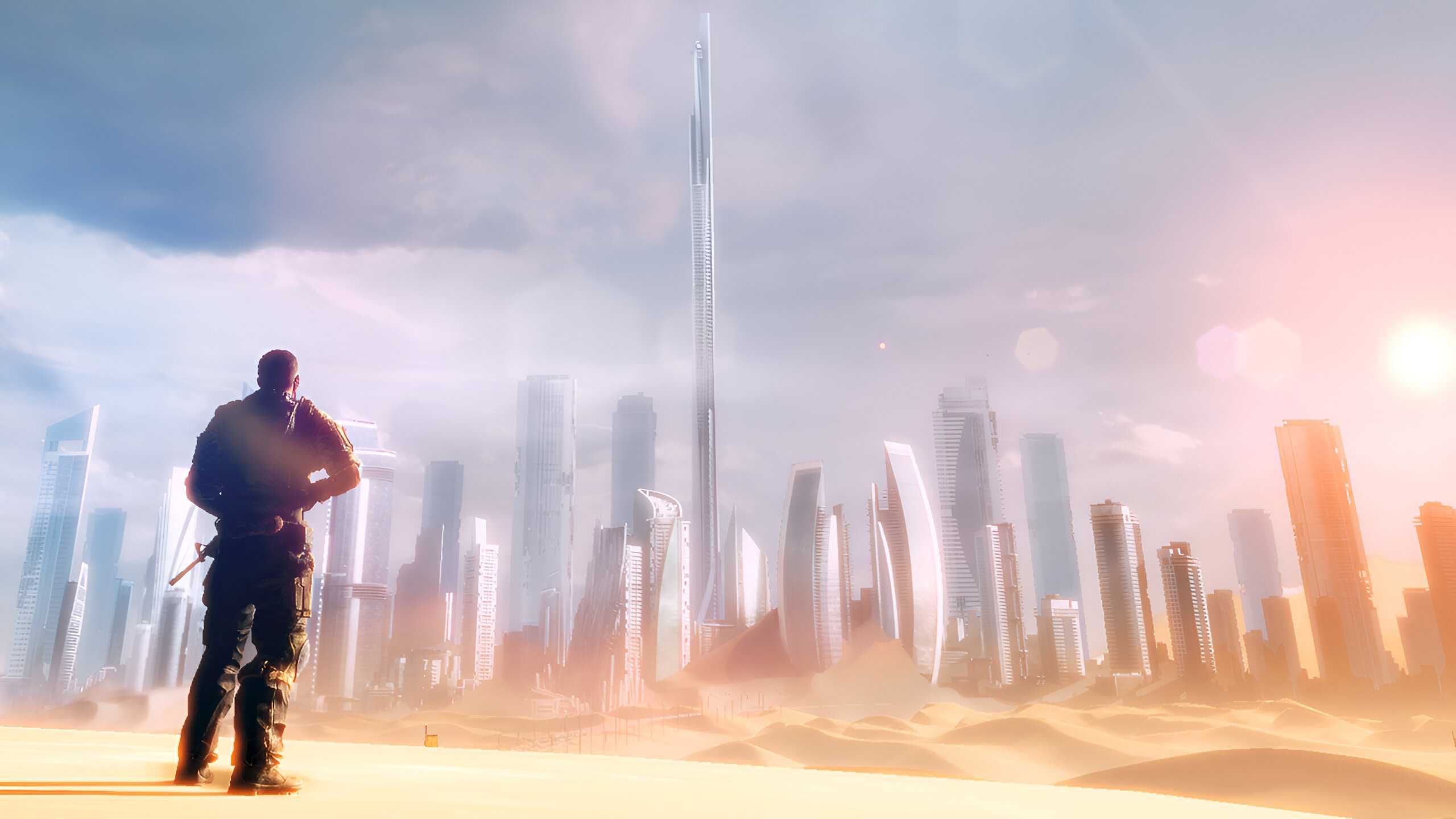
Source: Steam 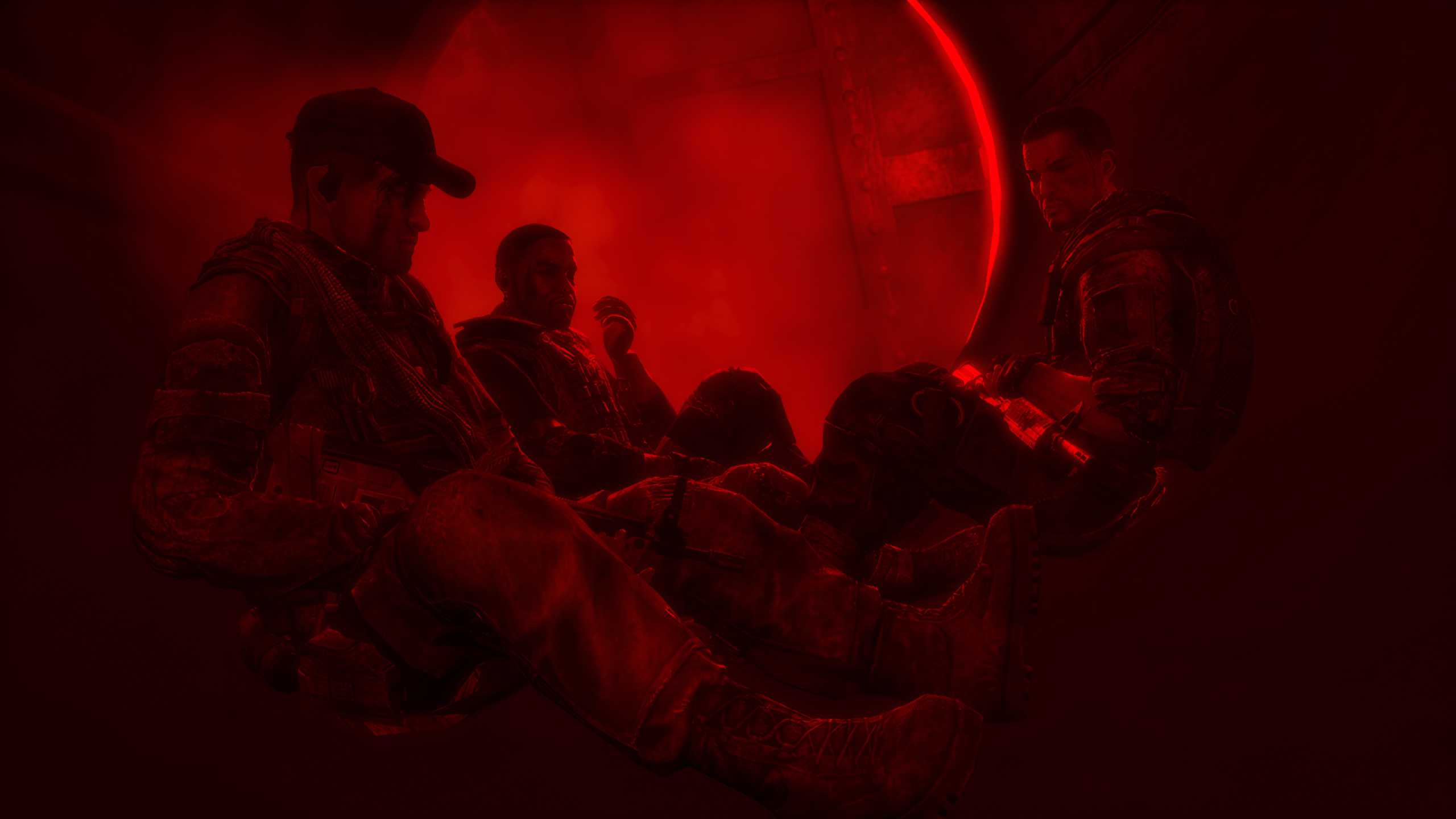
Source: Steam 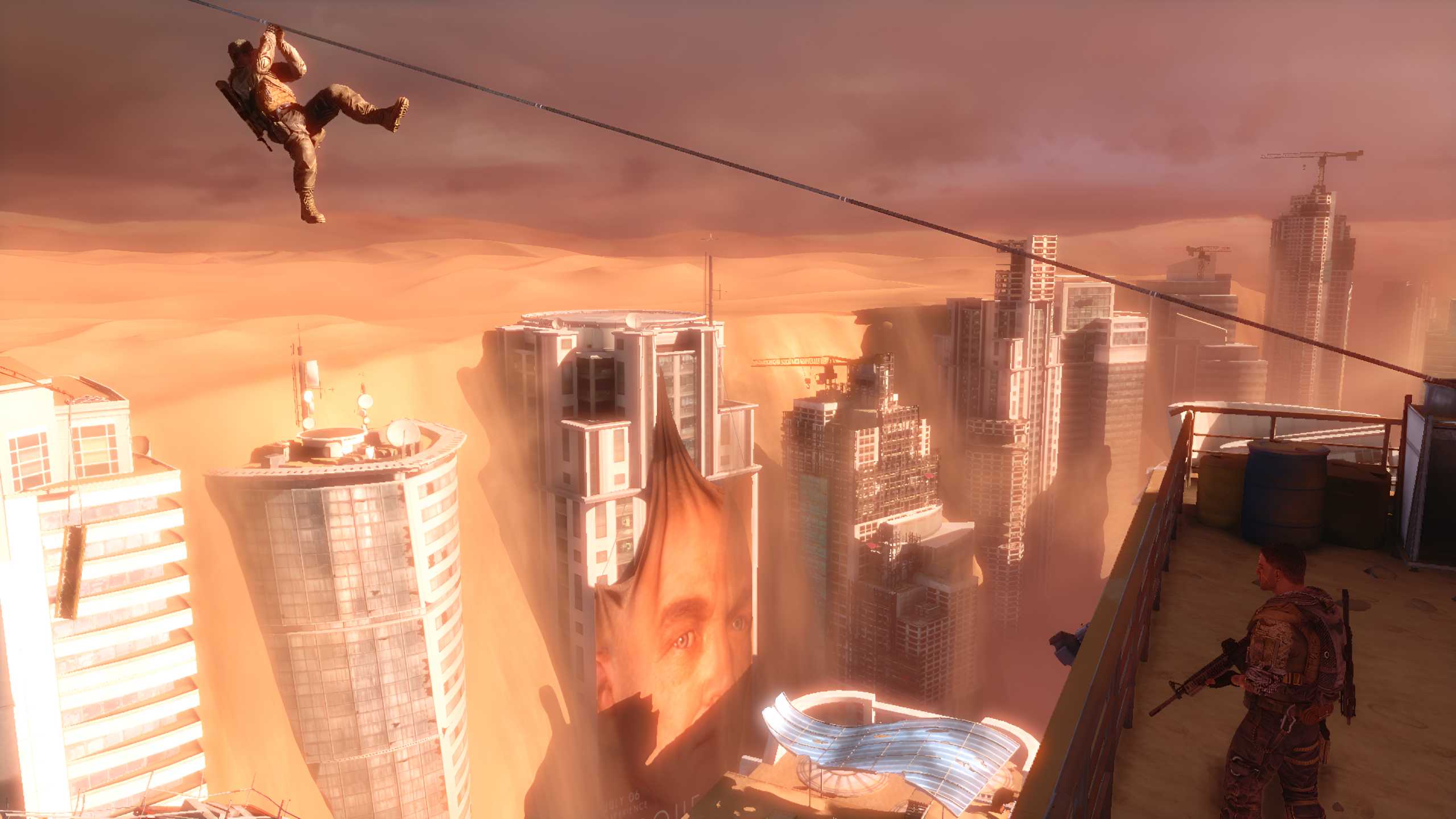
Source: Steam



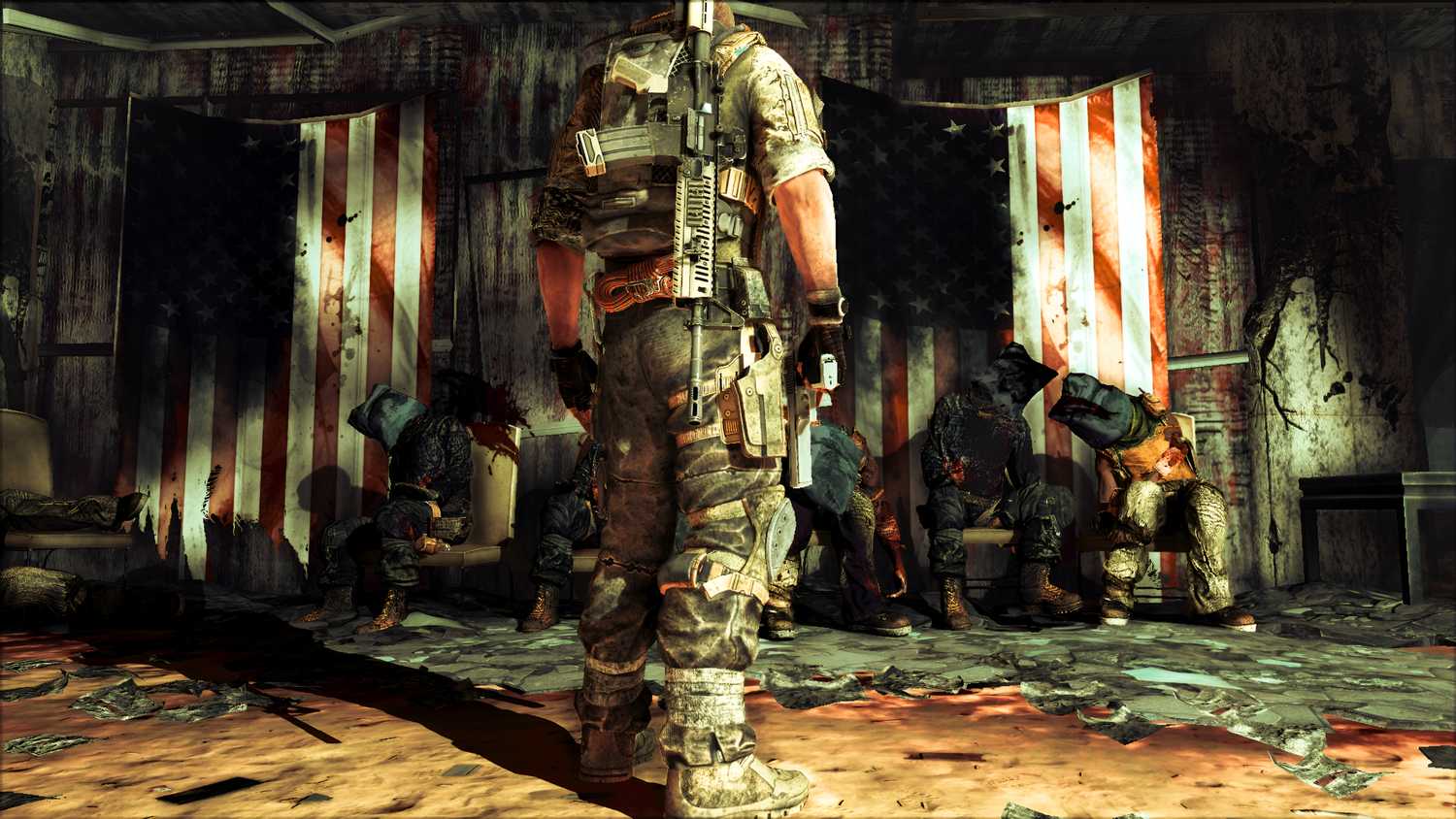
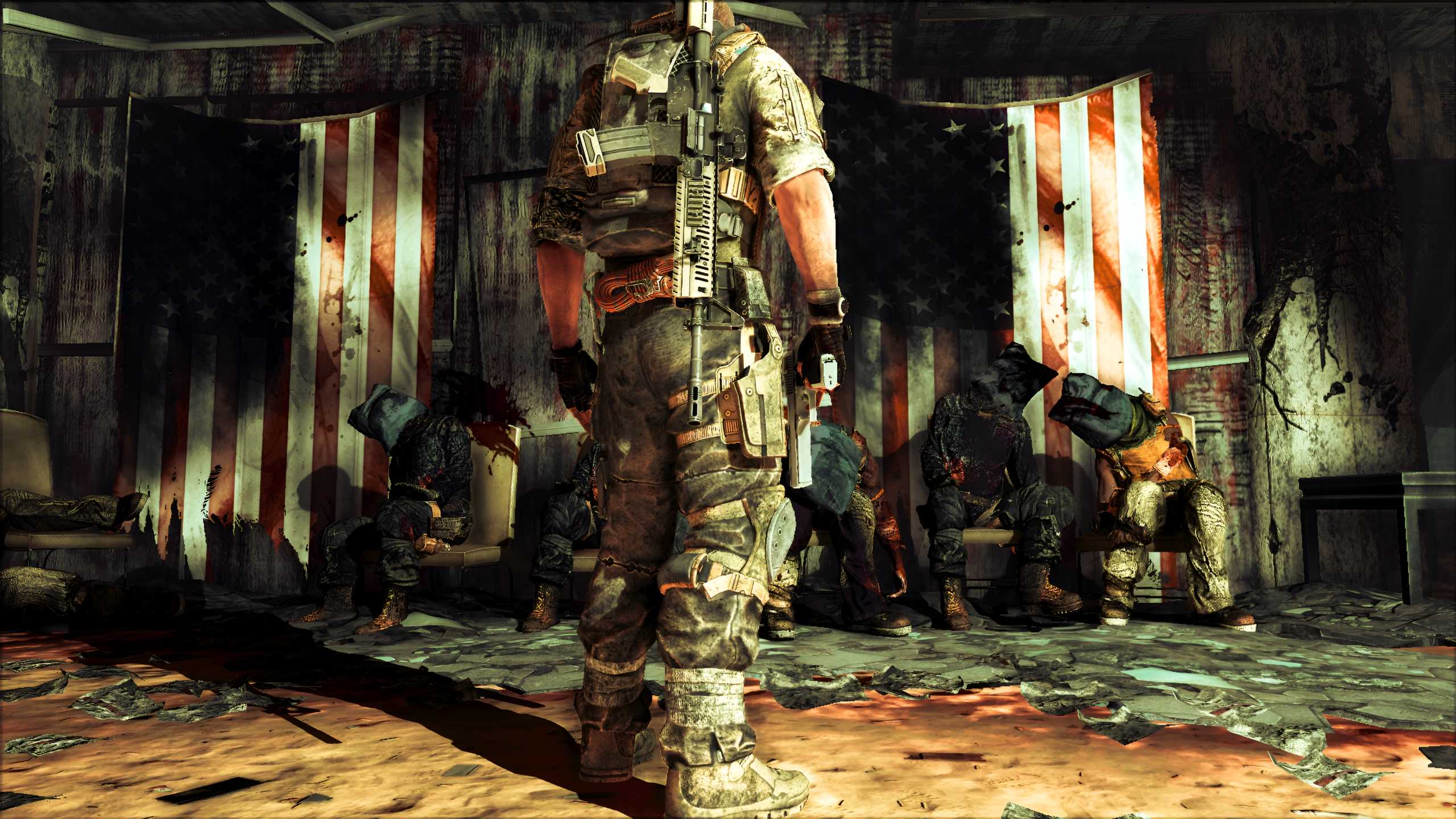
Spec Ops: The Line remains one of the best game suggestions I’ve ever received, outside of Elden Ring and the fantastic indie platformer Cave Story. Set in a futuristic, sand-swallowed Dubai, it tells a story that’s loosely inspired by Joseph Conrad’s Heart of Darkness, and it asks players the one thing shooters never do — “Are you the hero here?” Released during the golden age of brooding, biceps-first military shooters like Gears, Battlefield, and Call of Duty, The Line stood out by deliberately making you uncomfortable. You play as Captain Walker, sent on a search and rescue mission to Dubai, not knowing he’s going to be descending into madness instead.
Every enemy you shoot, every objective you complete, pulls you deeper into the idea that maybe, just maybe, you're not saving anyone at all. The ending remains with me to this day, and was the reason I used Spec Ops: The Line as the subject of my end-of-semester assignment on Conrad’s book in college. It was quite ironic that the game never performed as well as the other shooters it held up a mirror to, and a remake could be its second chance to find the audience that missed it the first time.
4 F.E.A.R. (2005)
Horror is always better when the AI is smarter than you
Source: Steam 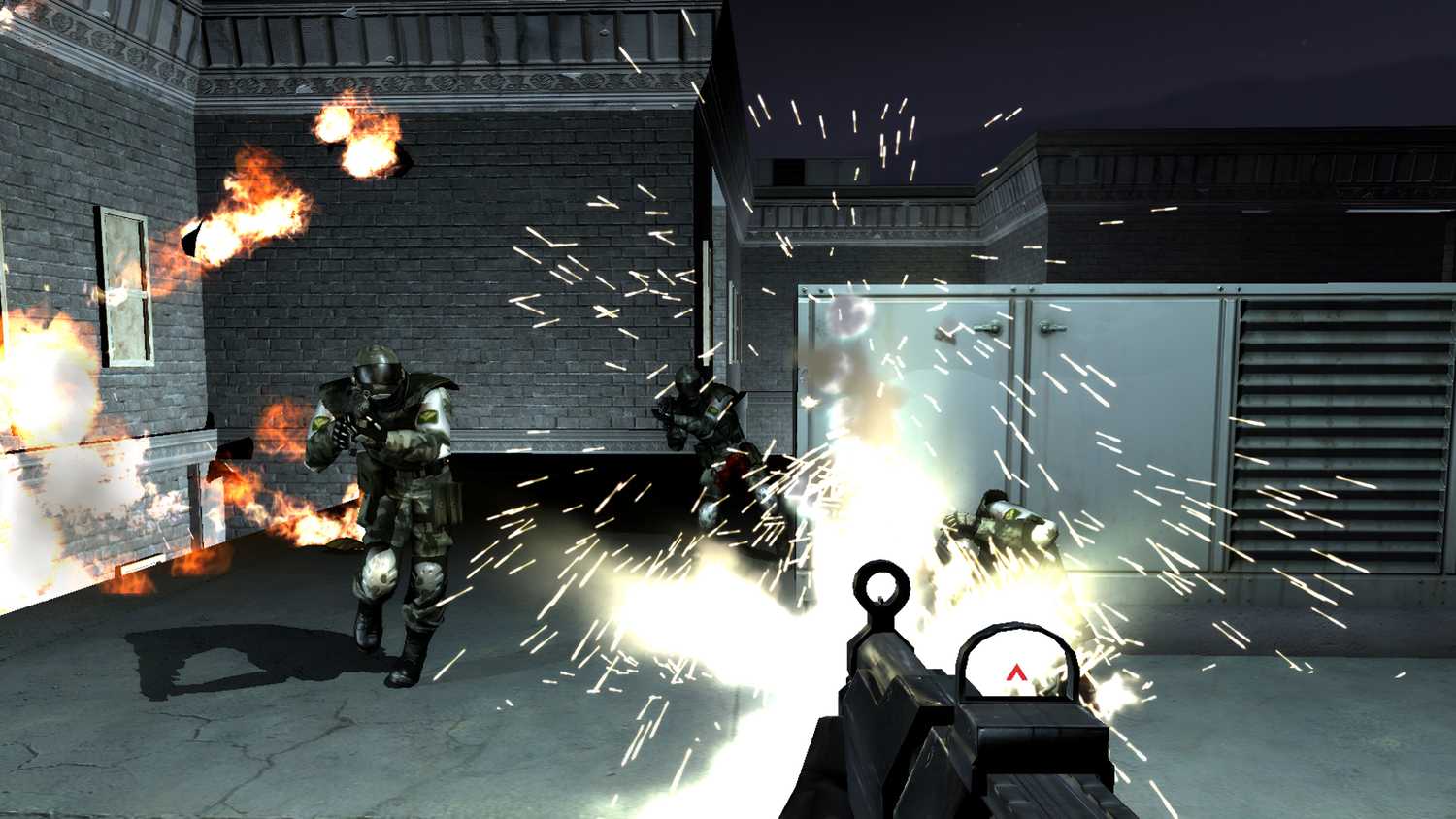
Source: Steam 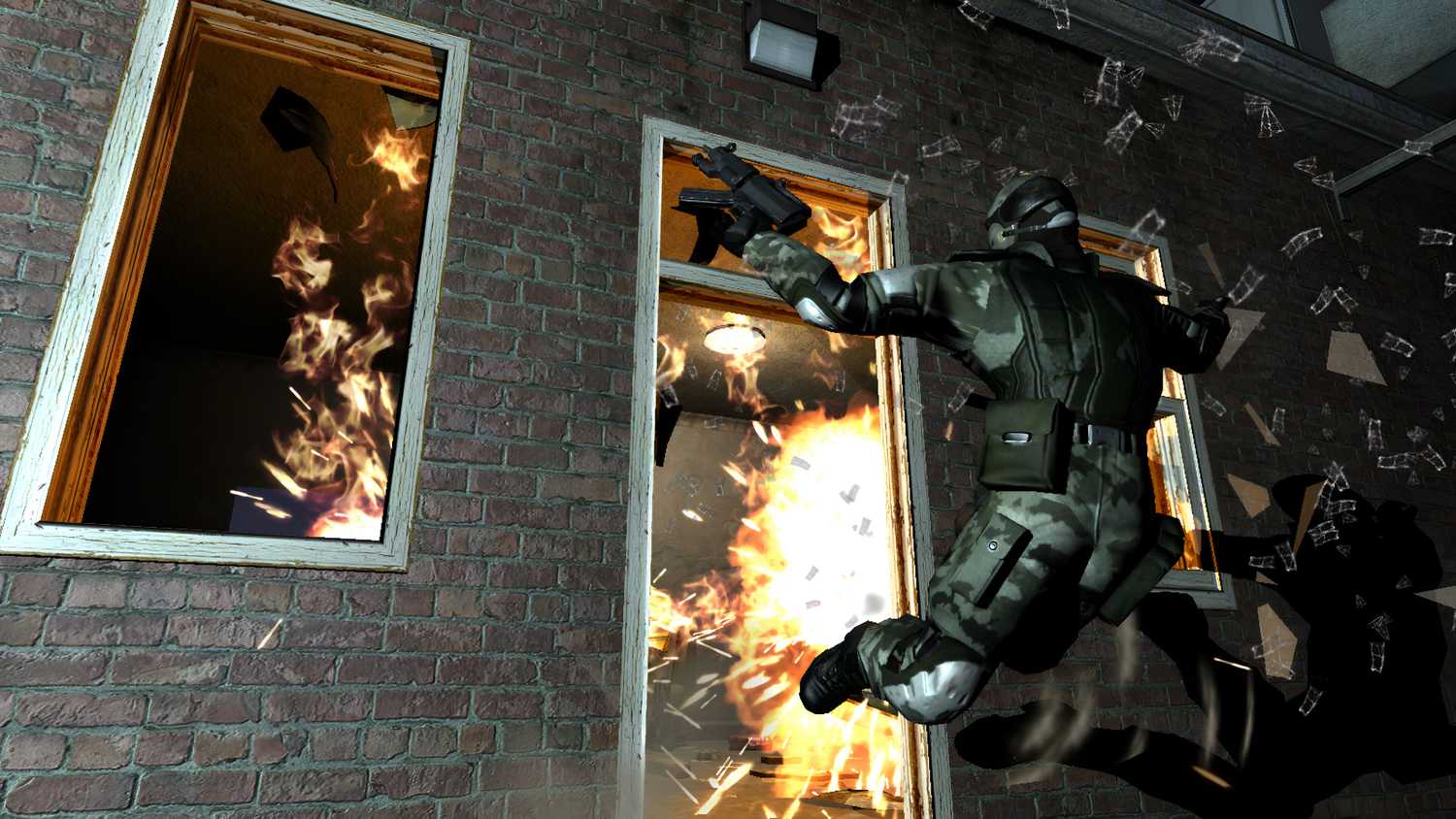
Source: Steam 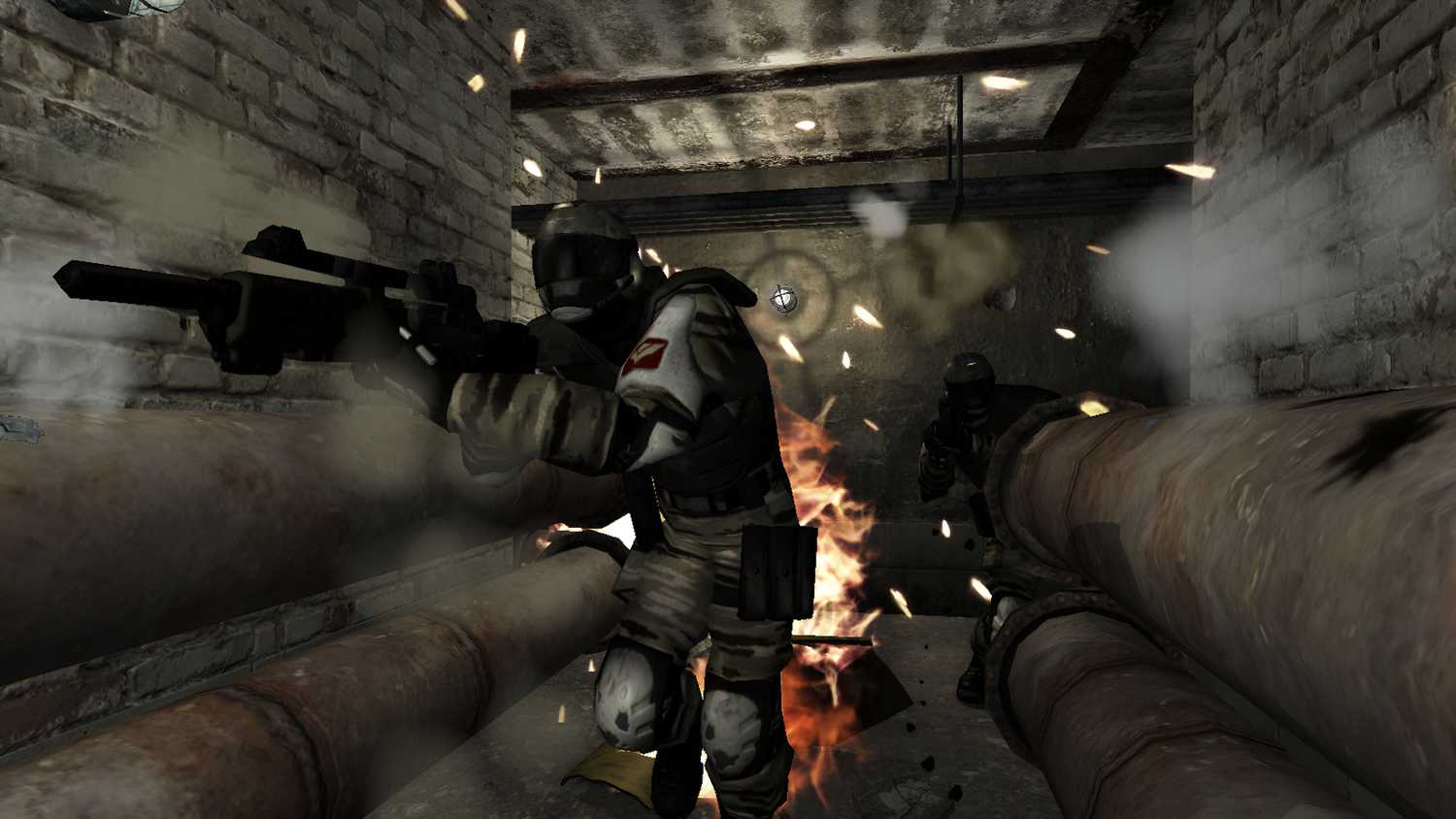
Source: Steam 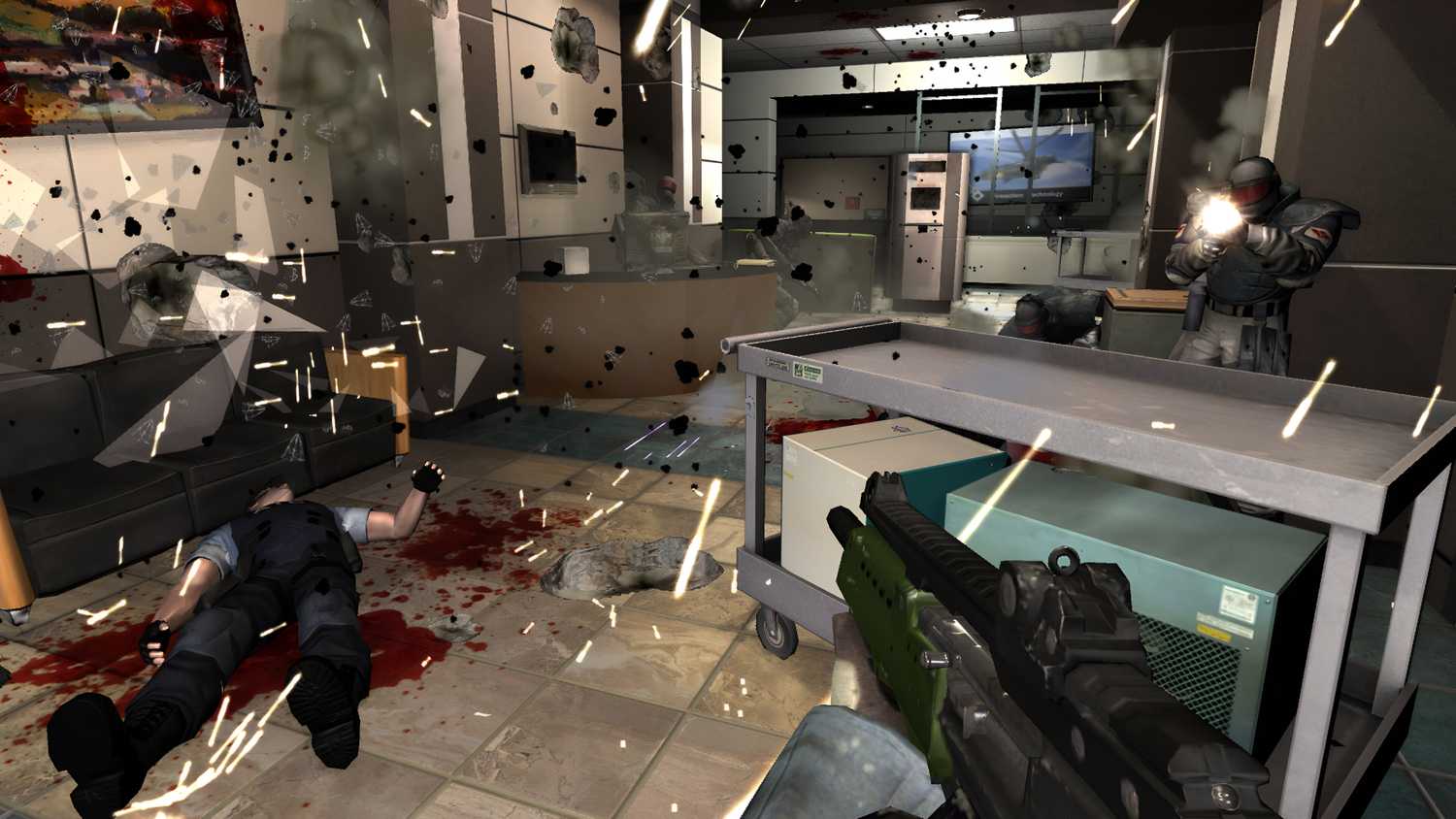
Source: Steam


Source: Steam 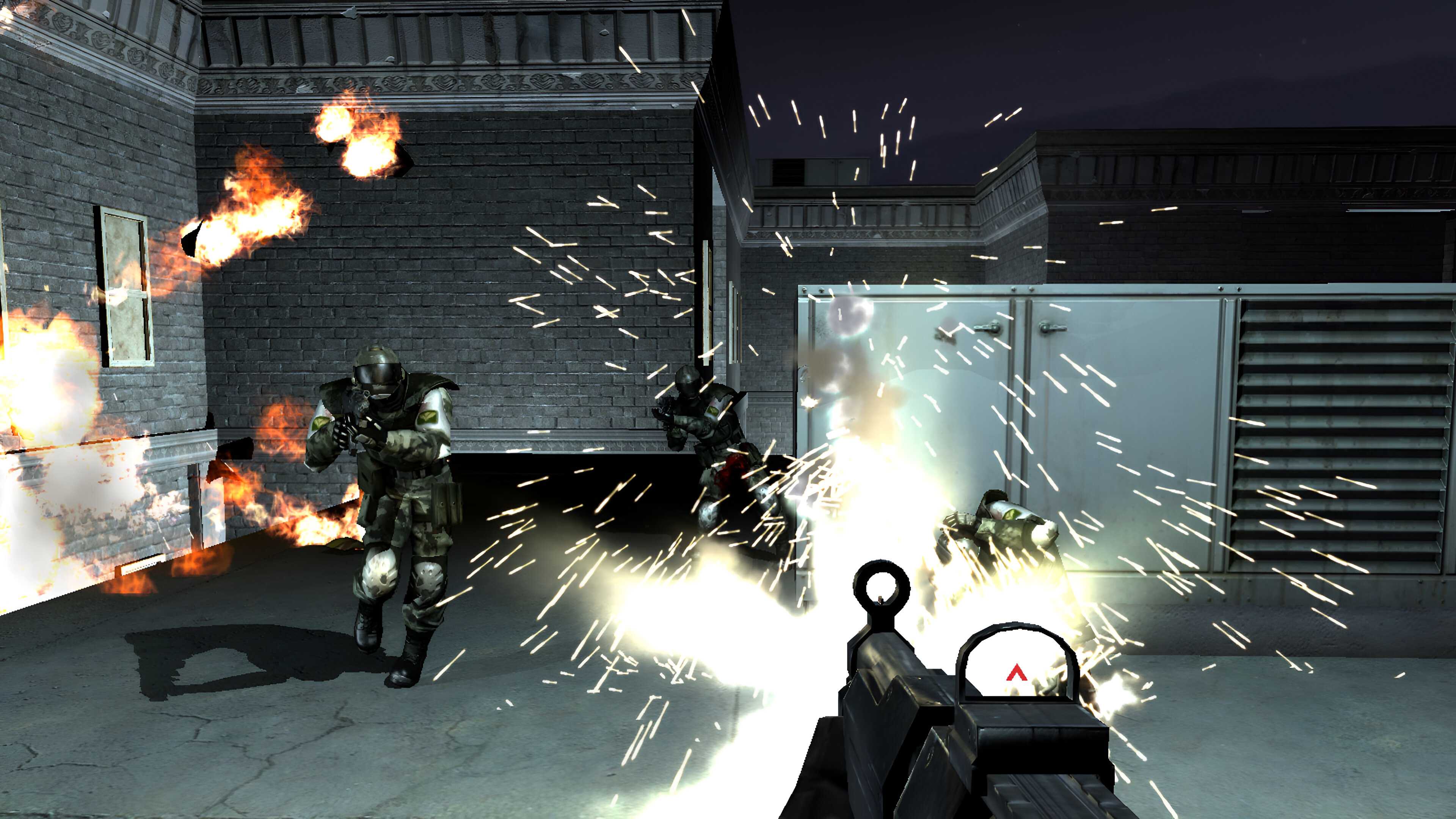
Source: Steam 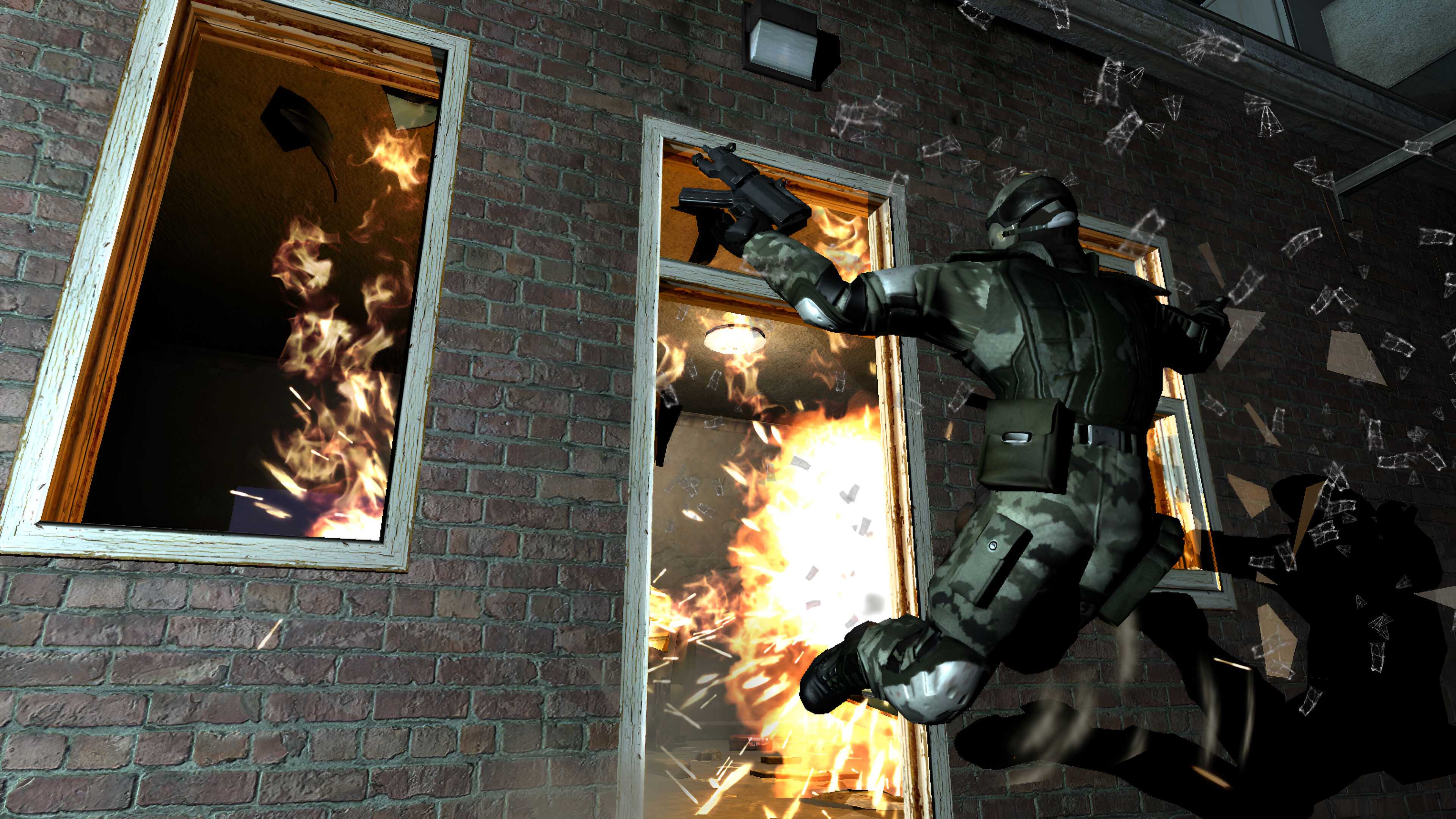
Source: Steam 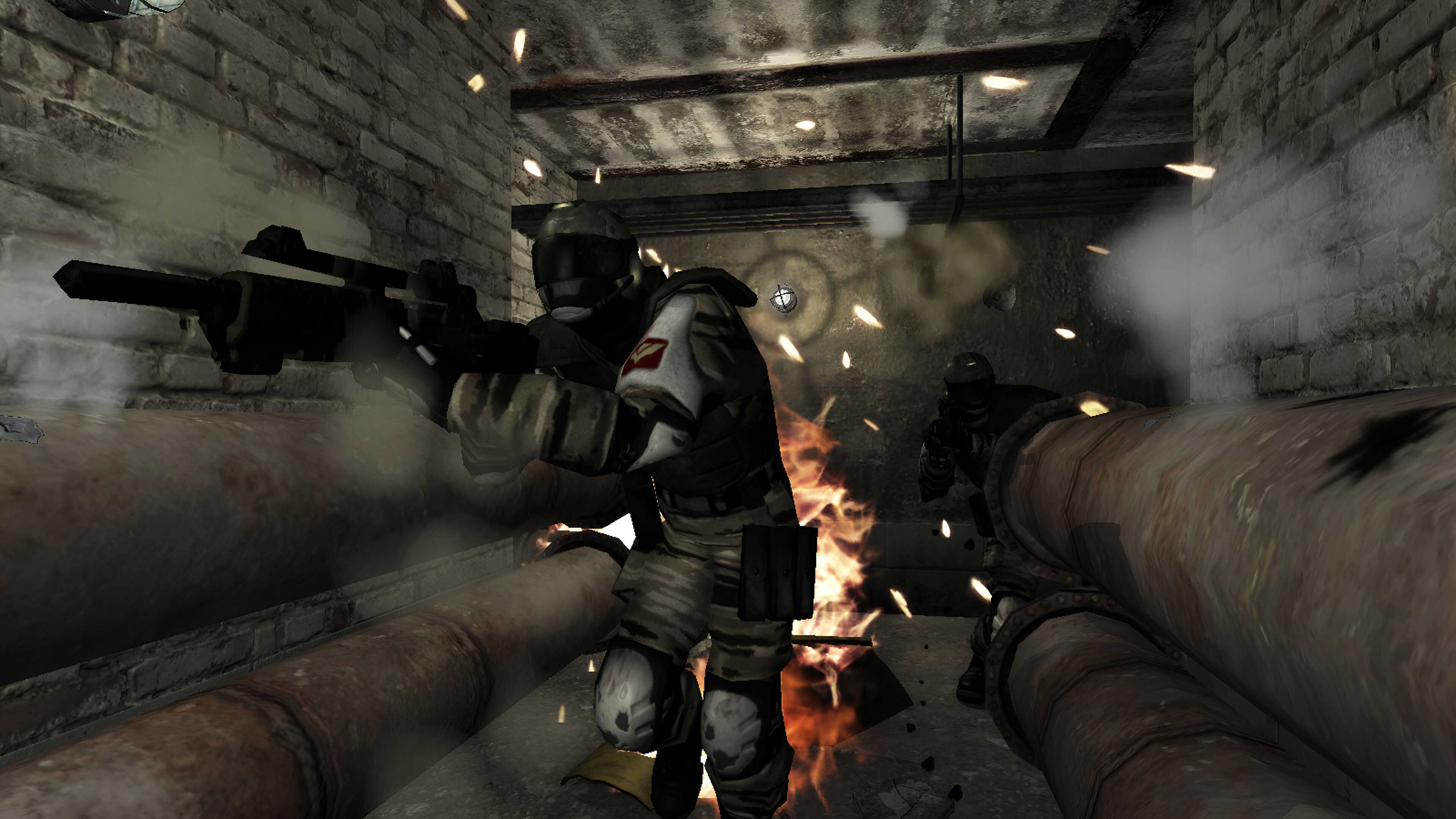
Source: Steam 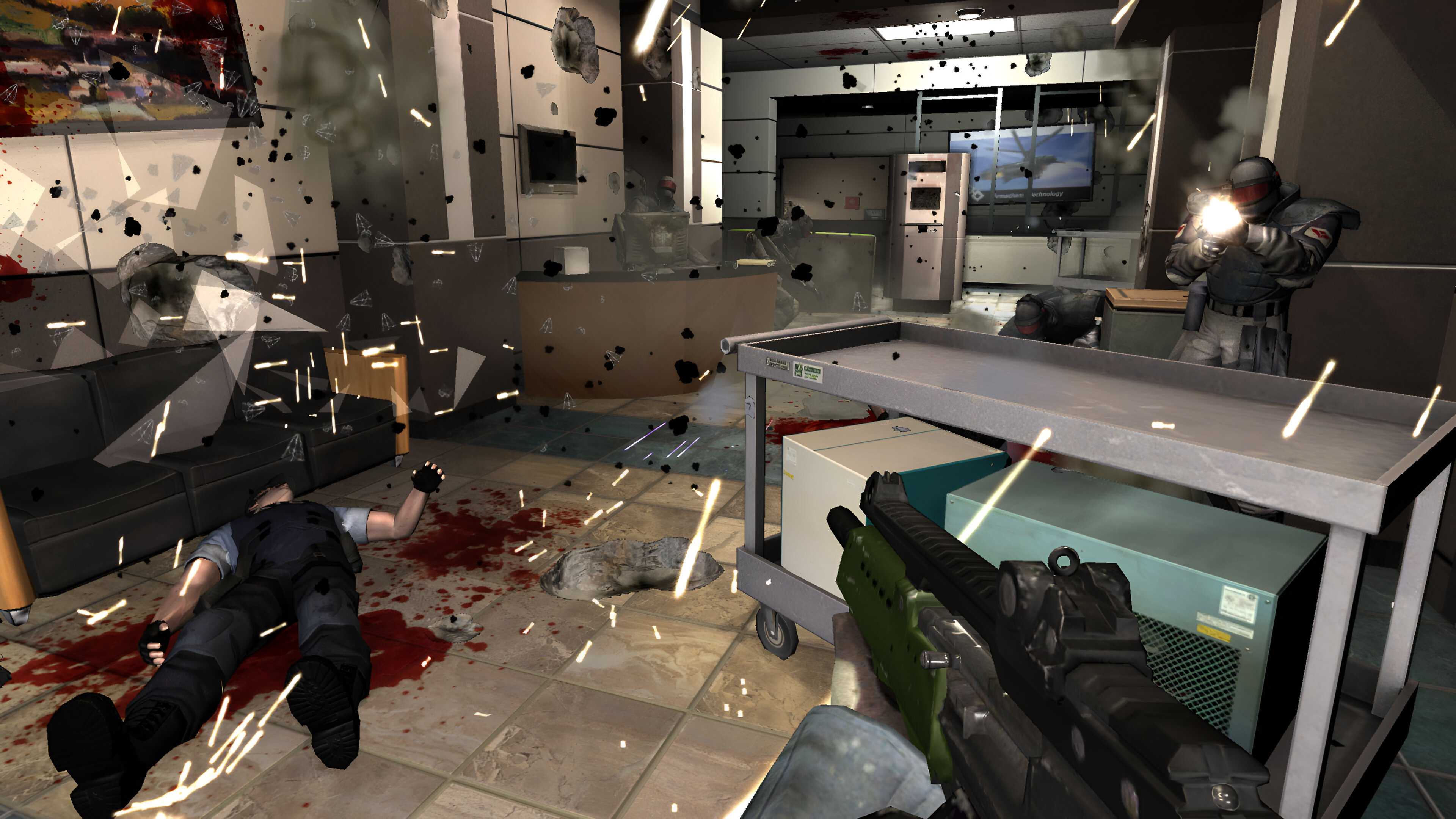
Source: Steam
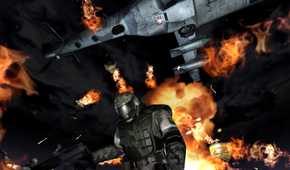
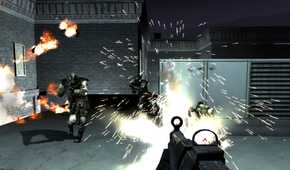
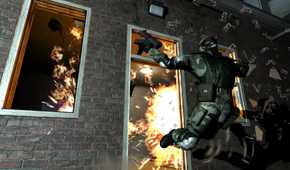
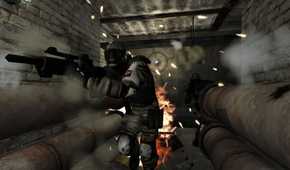
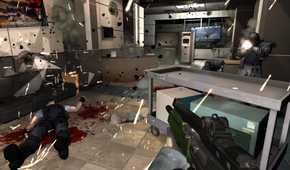
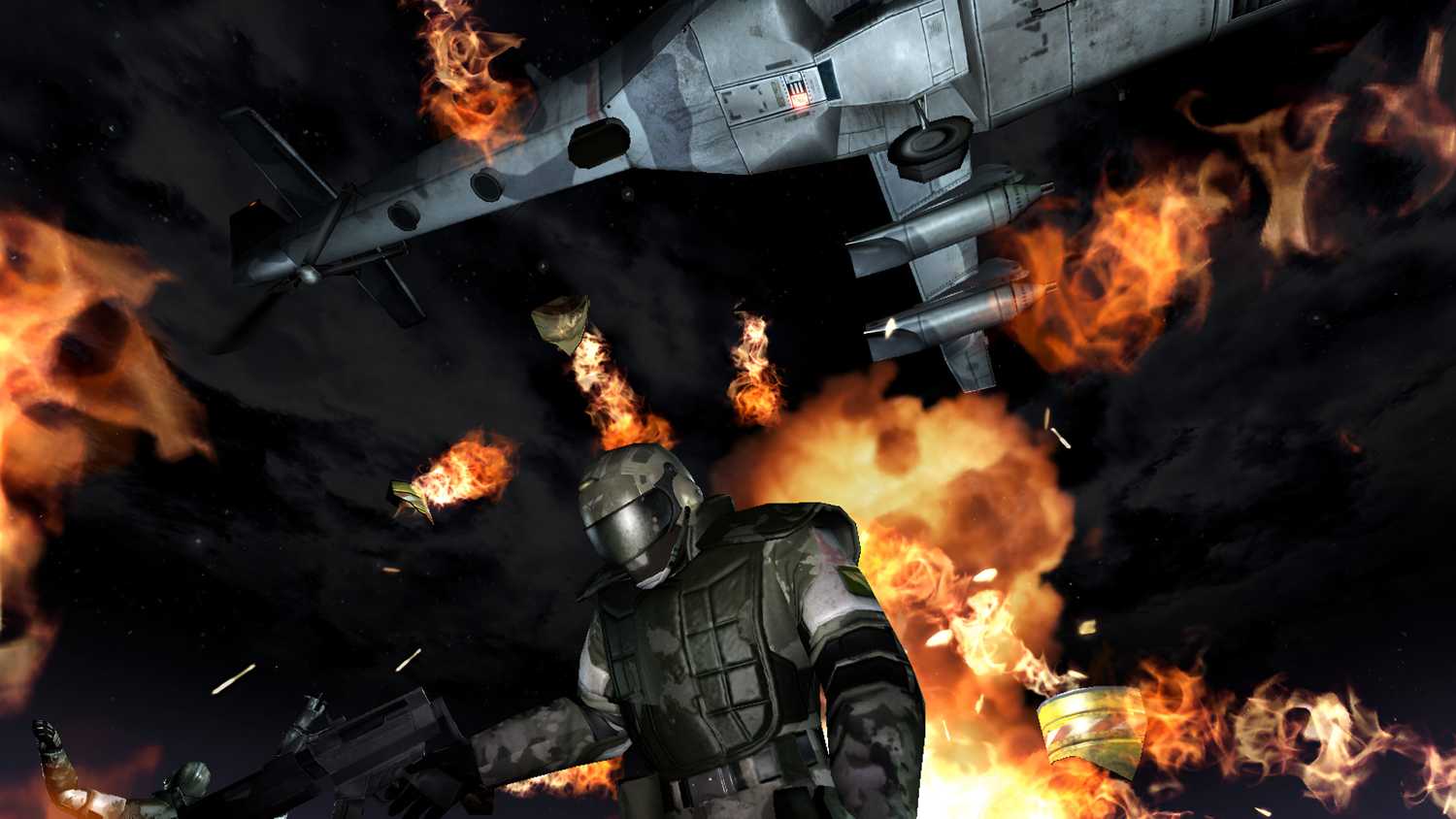
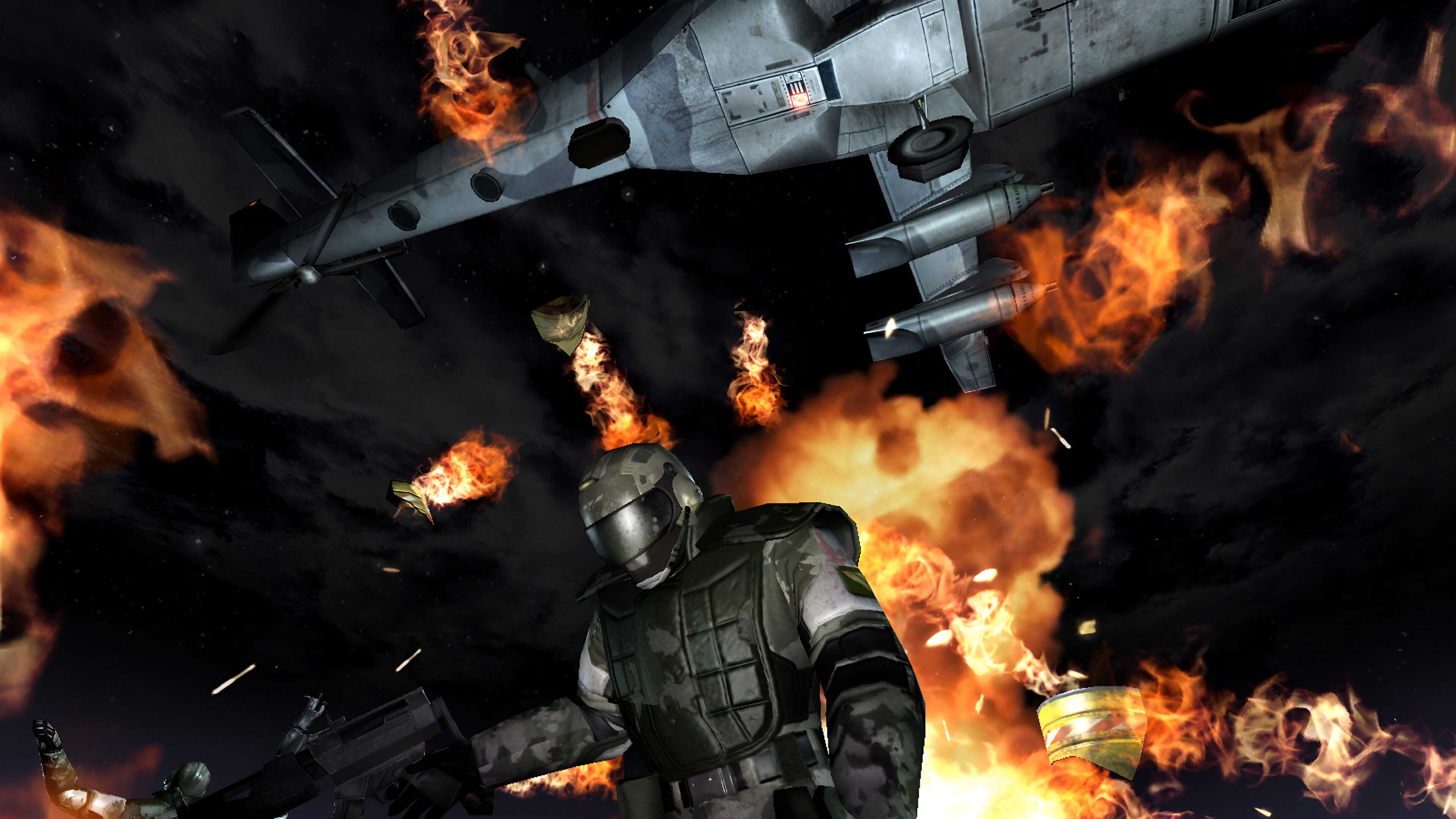
A remake of 2005’s F.E.A.R. might never happen, especially since Monolith Productions, the studio, was just shuttered by Microsoft. But that doesn’t change the fact that F.E.A.R. remains one of the greatest horror FPS games ever made, thanks to an AI system so advanced that it still holds up well today. Enemies in F.E.A.R. flanked you, cornered you, tossed grenades to flush you out, and actually communicated with each other.
Combine that with a genuinely unsettling horror story, and you have something special. Younger gamers need a remake of F.E.A.R., not just to understand how tight design can elevate a shooter, but also to remind them that horror doesn’t need jump scares every two minutes to be terrifying. Sometimes, all you need is Alma standing silently at the end of a hallway — and the creeping realization that you might not make it out of this office complex alive.
3 Deus Ex (2000)
We need to talk about JC Denton (again)
Source: Steam 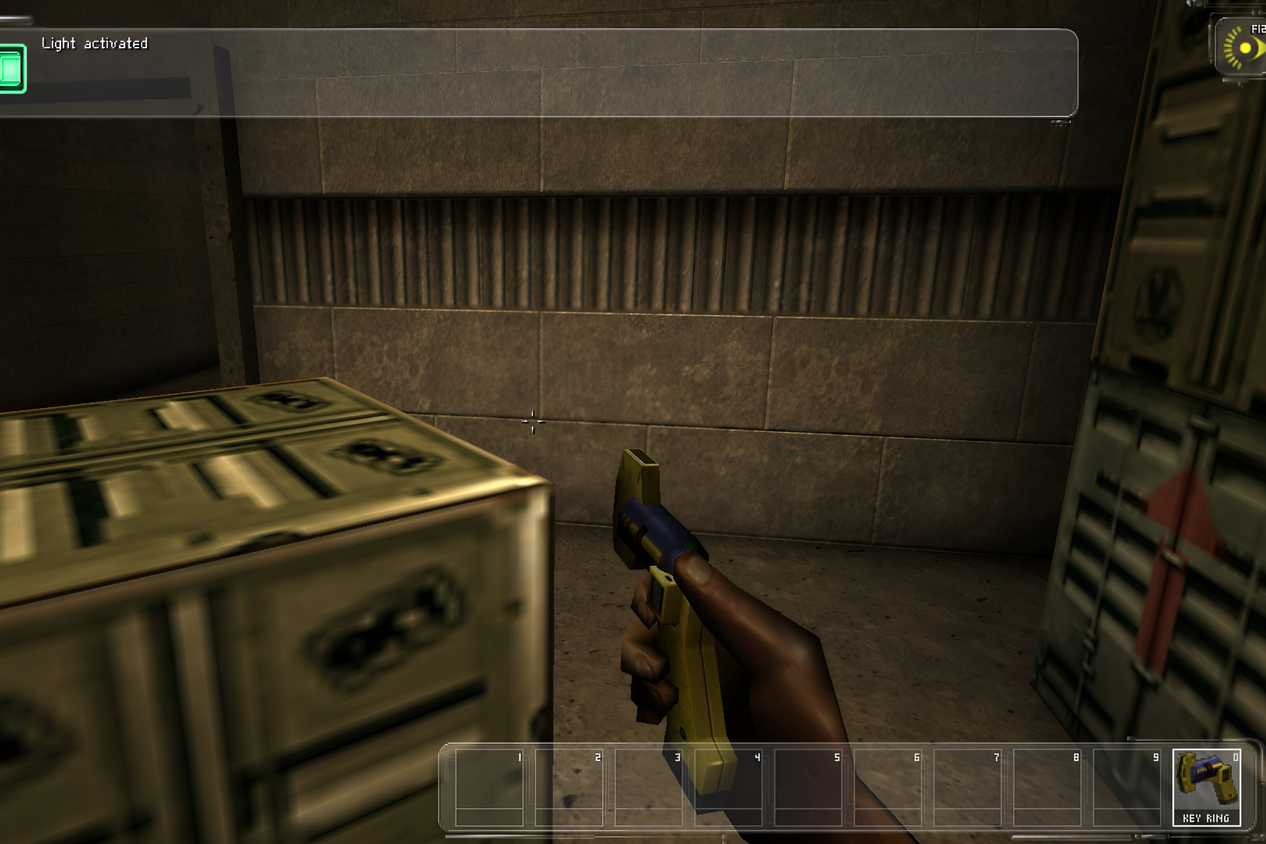
Source: Steam Screenshots 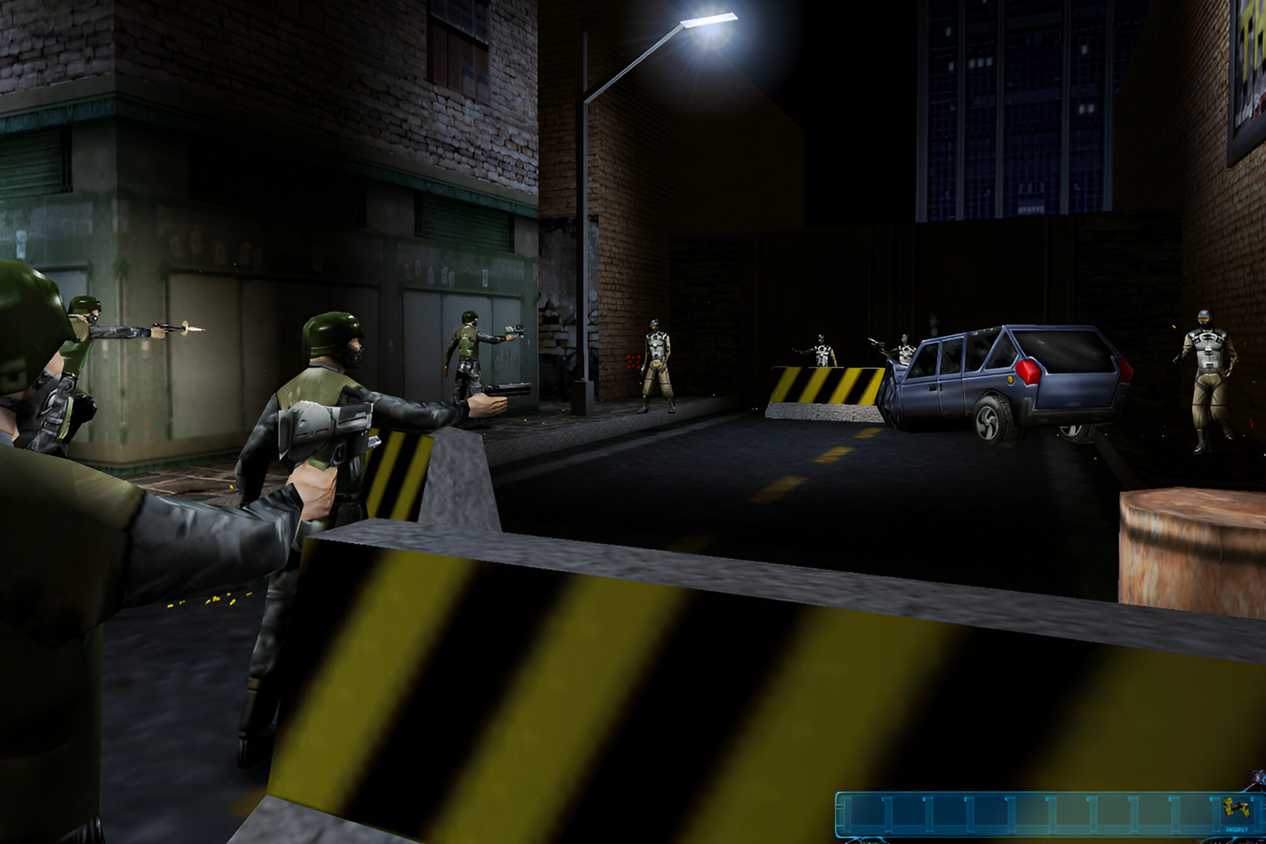
Source: Steam 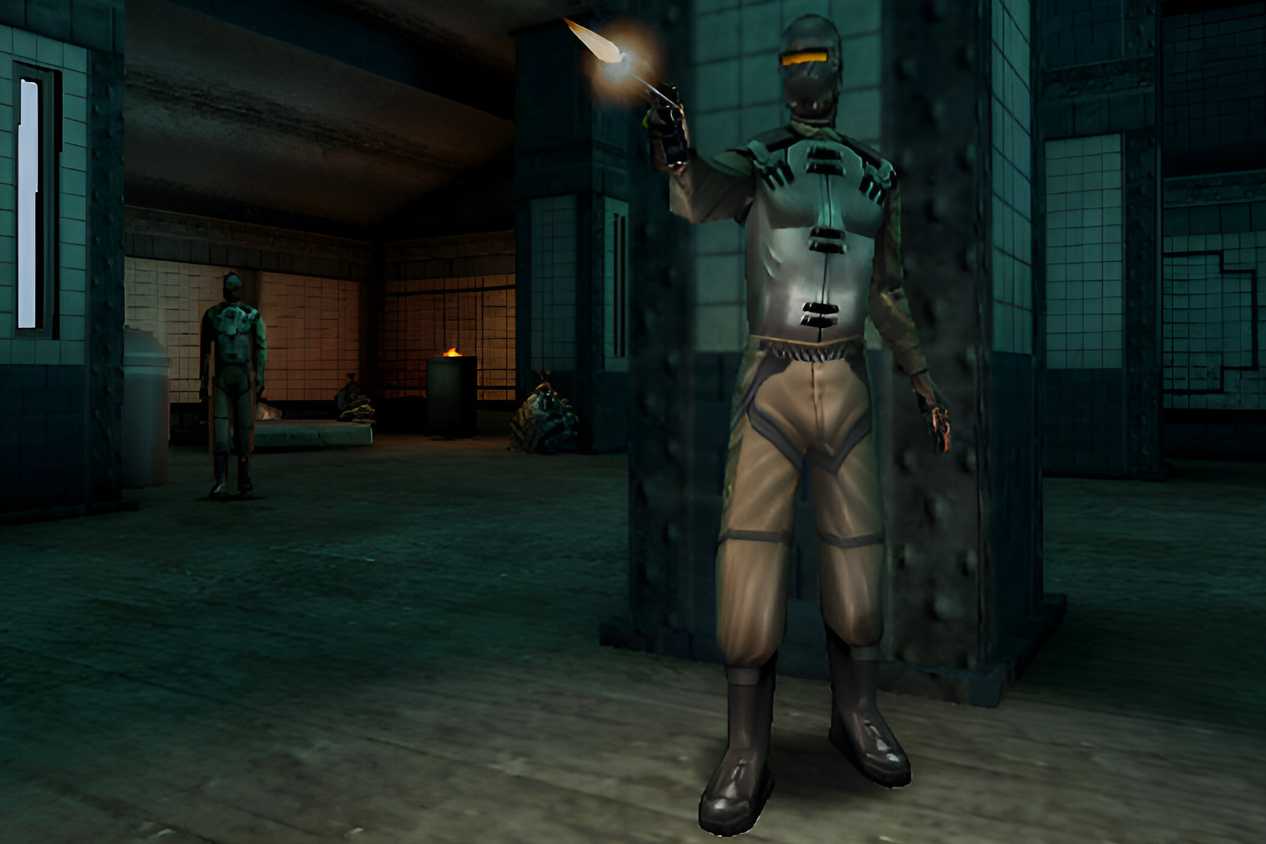
Source: Steam 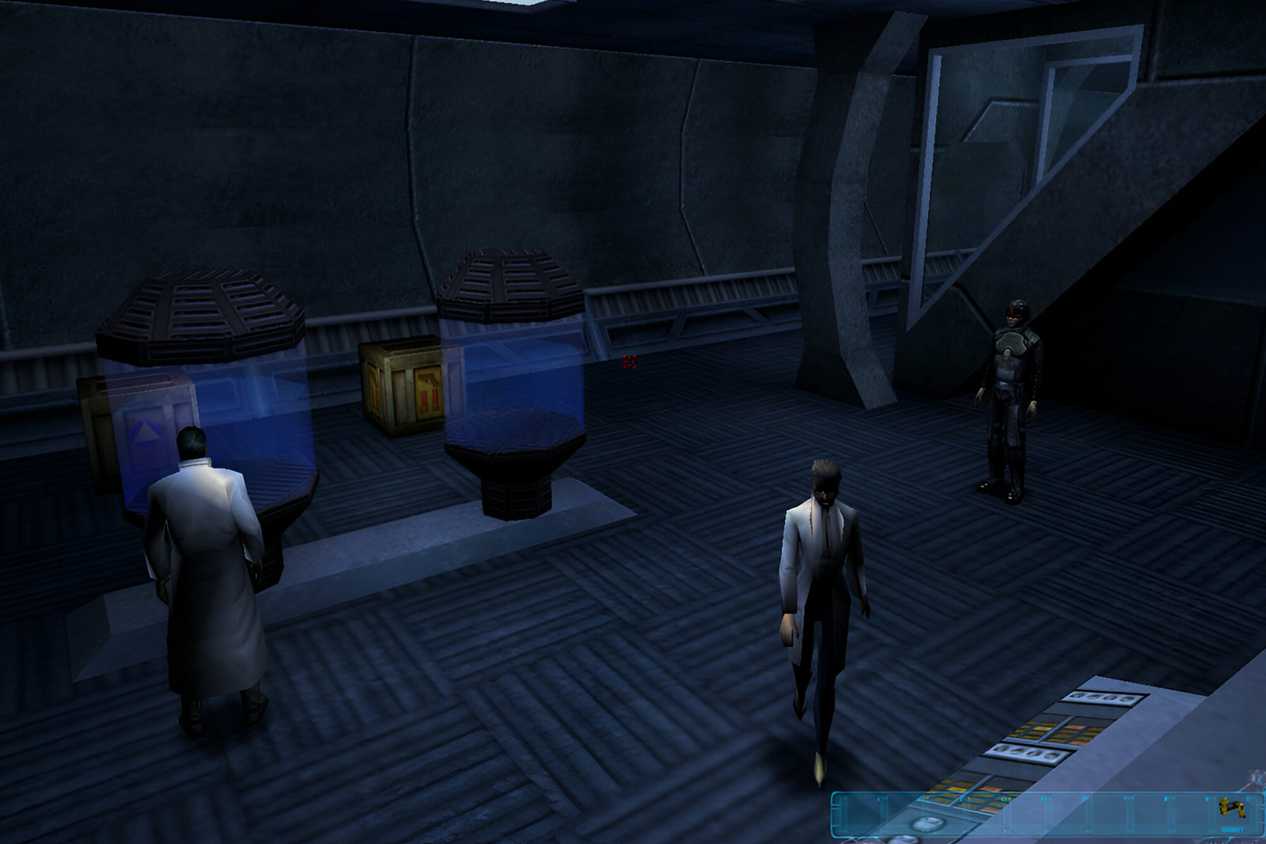
Source: Steam


Source: Steam 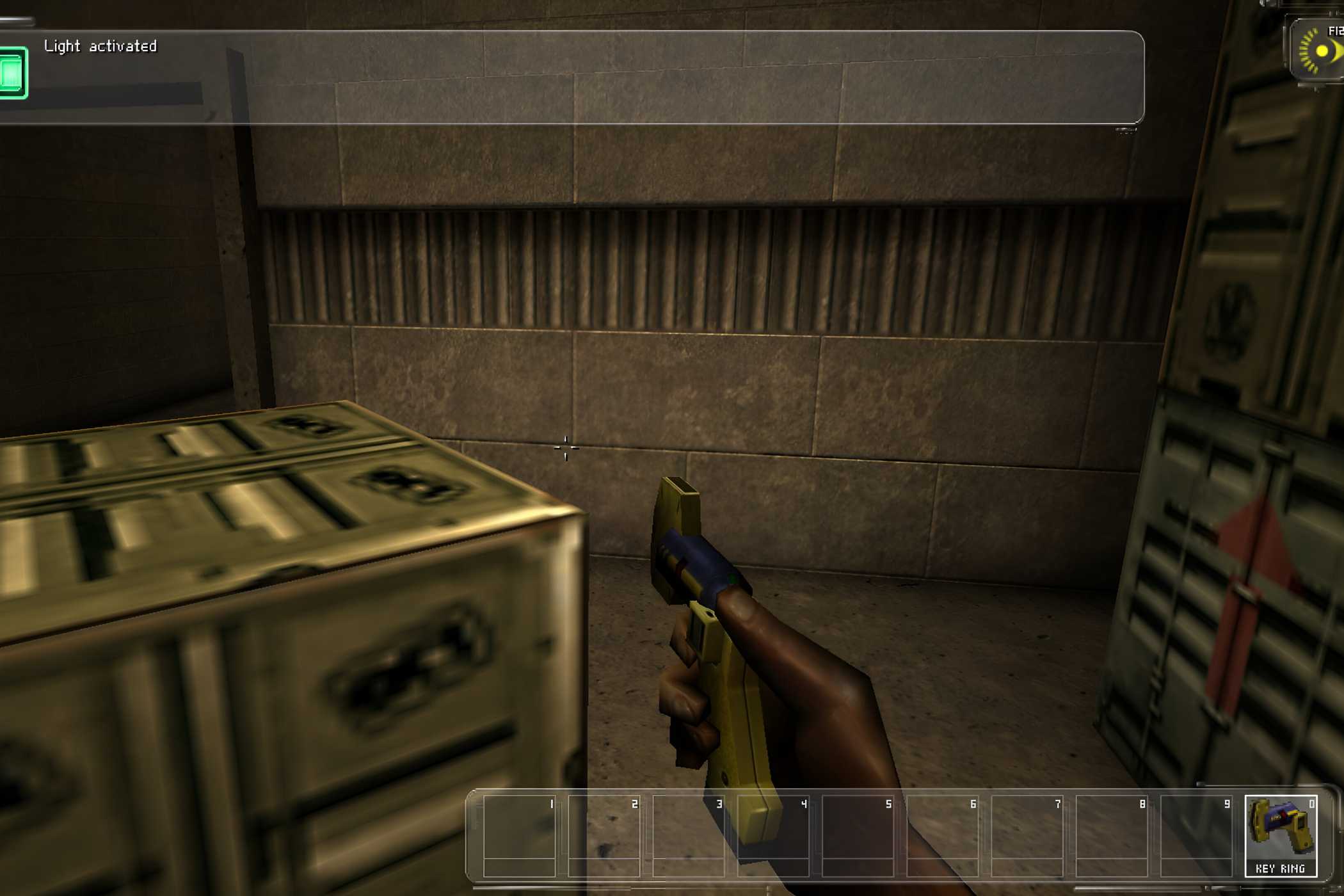
Source: Steam Screenshots 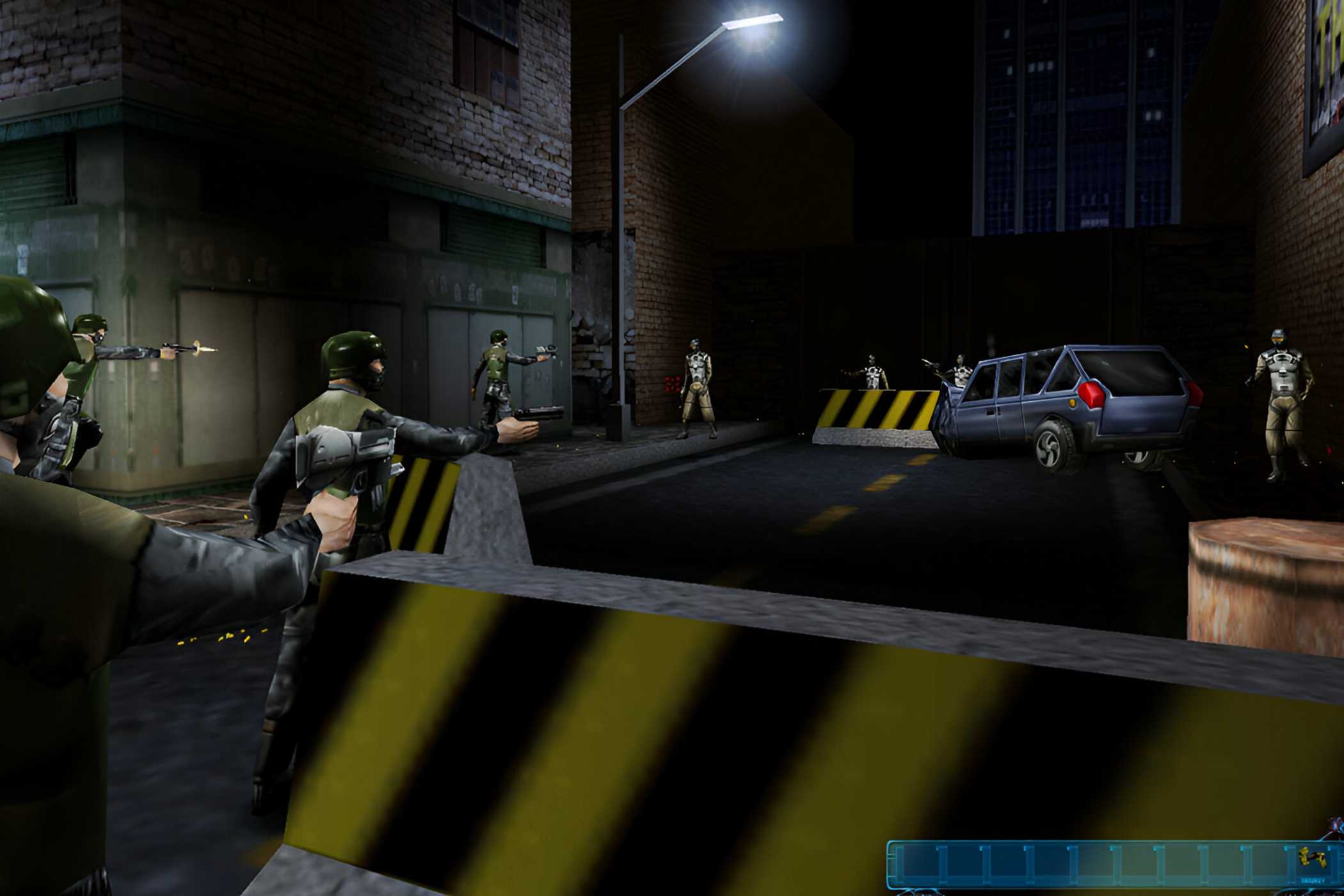
Source: Steam 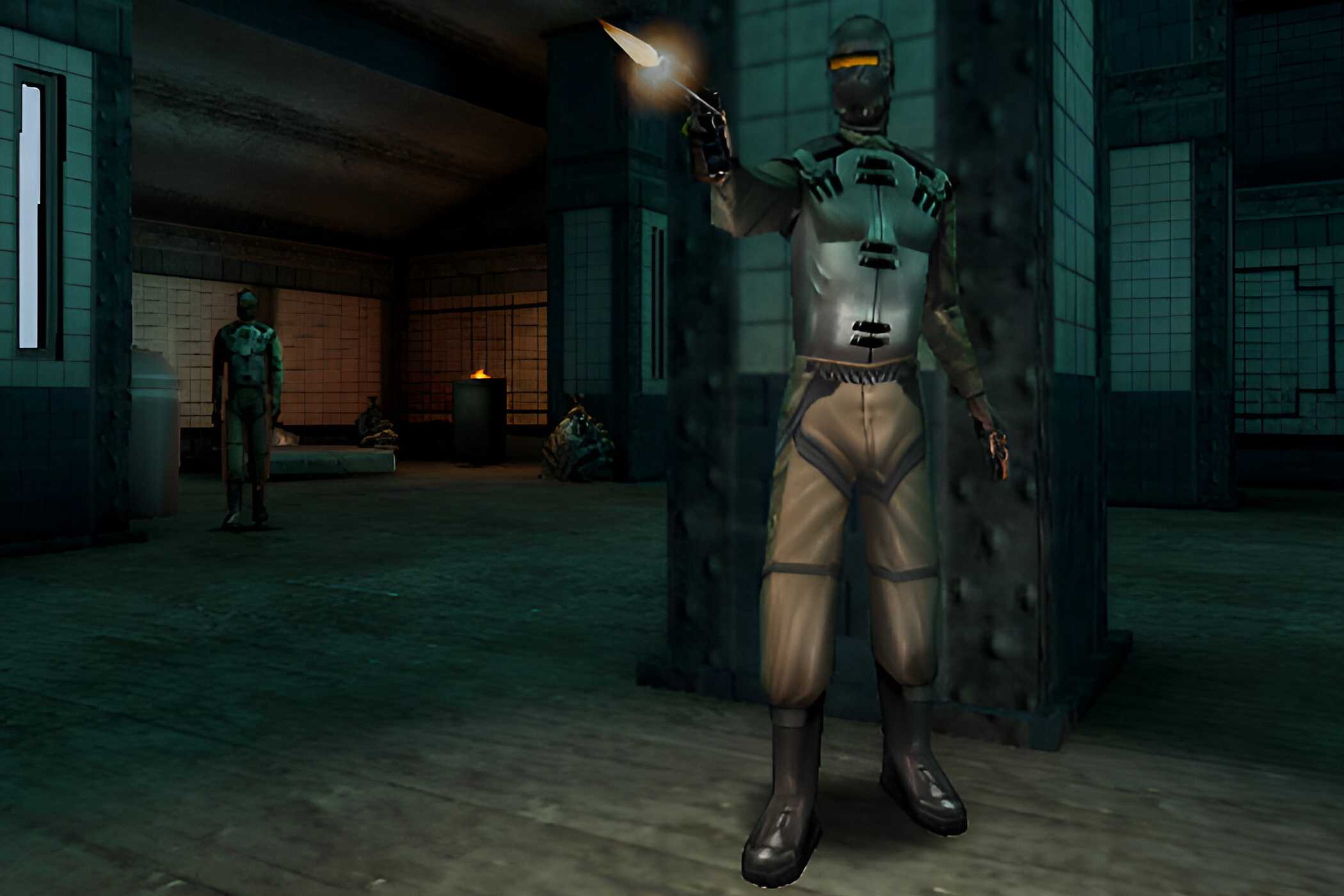
Source: Steam 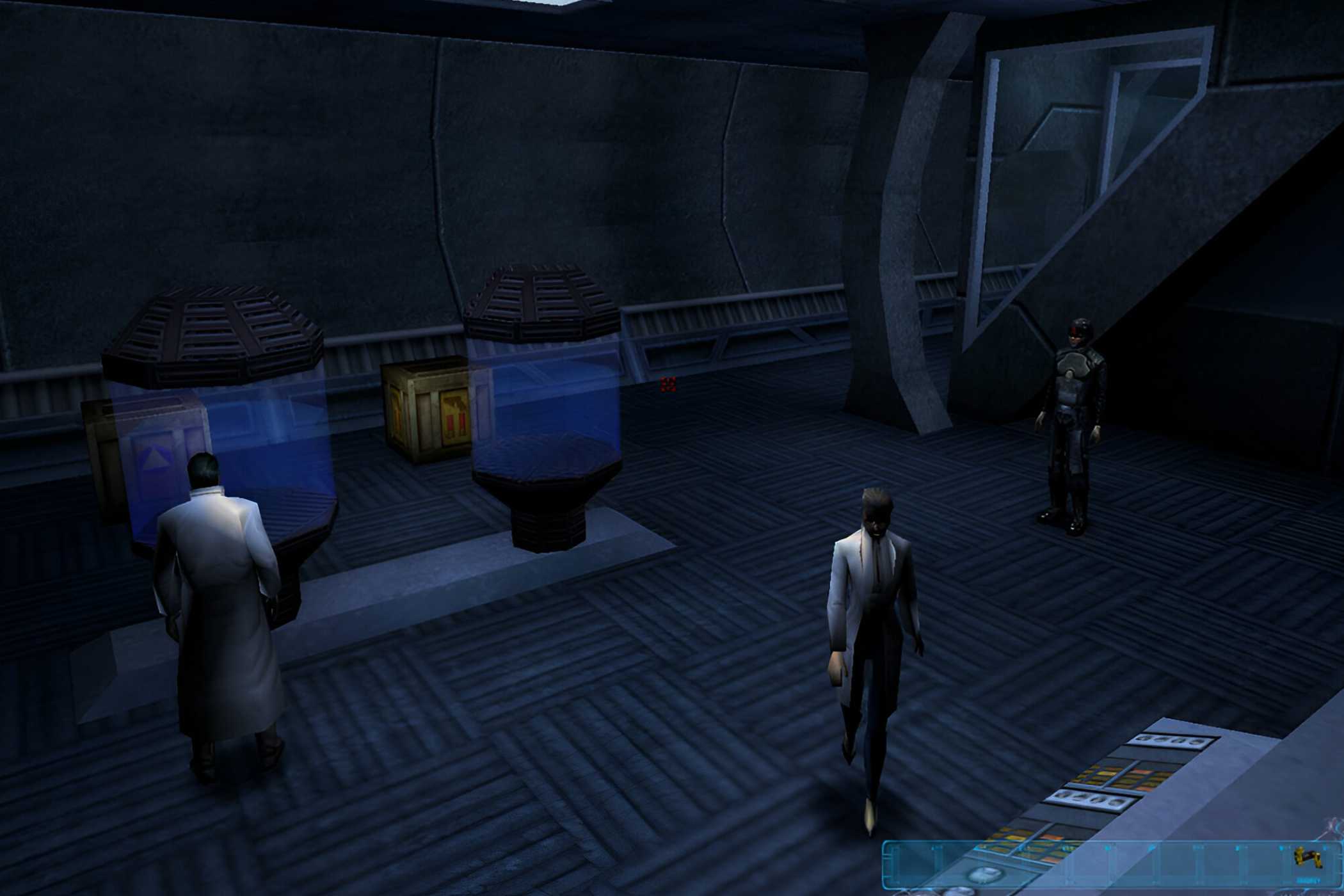
Source: Steam
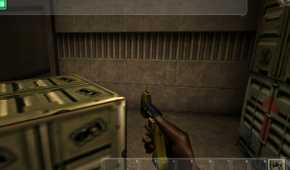
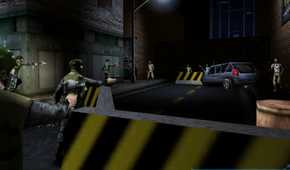
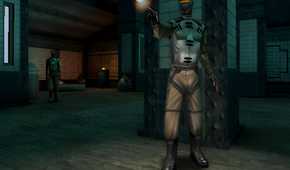
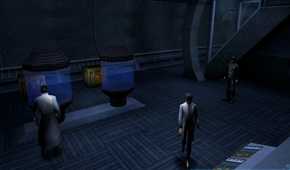
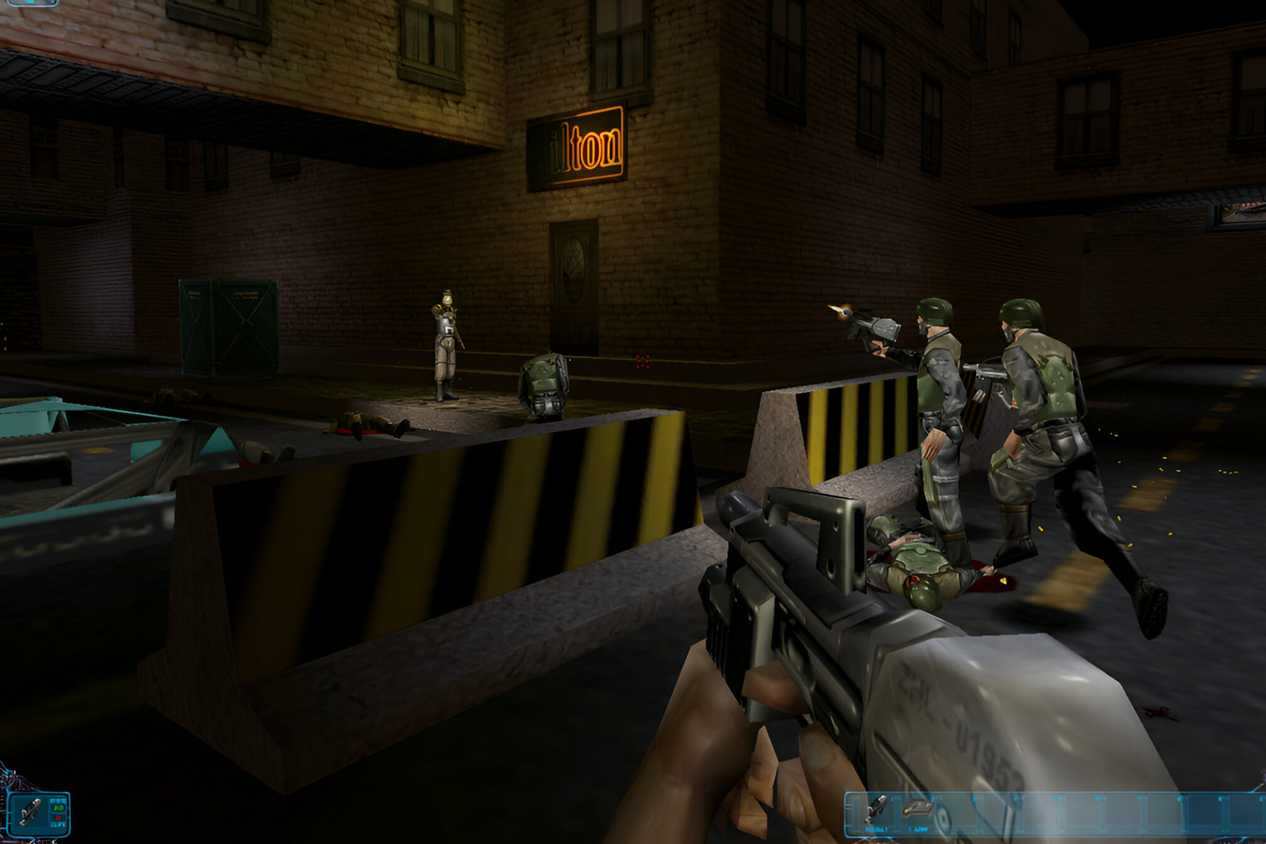
As much as I’d love a remake of 2011’s Deus Ex: Human Revolution, I know deep down that it’s the original Deus Ex from 2000 that truly deserves the overhaul. Set in a dystopian cyberpunk future, this game gave us government conspiracies, global pandemics, economic collapse, terrorism, and nanotech-powered agents. The Deus Ex games have always portrayed a future that you can almost see and feel, and this one rings rather close to home, too.
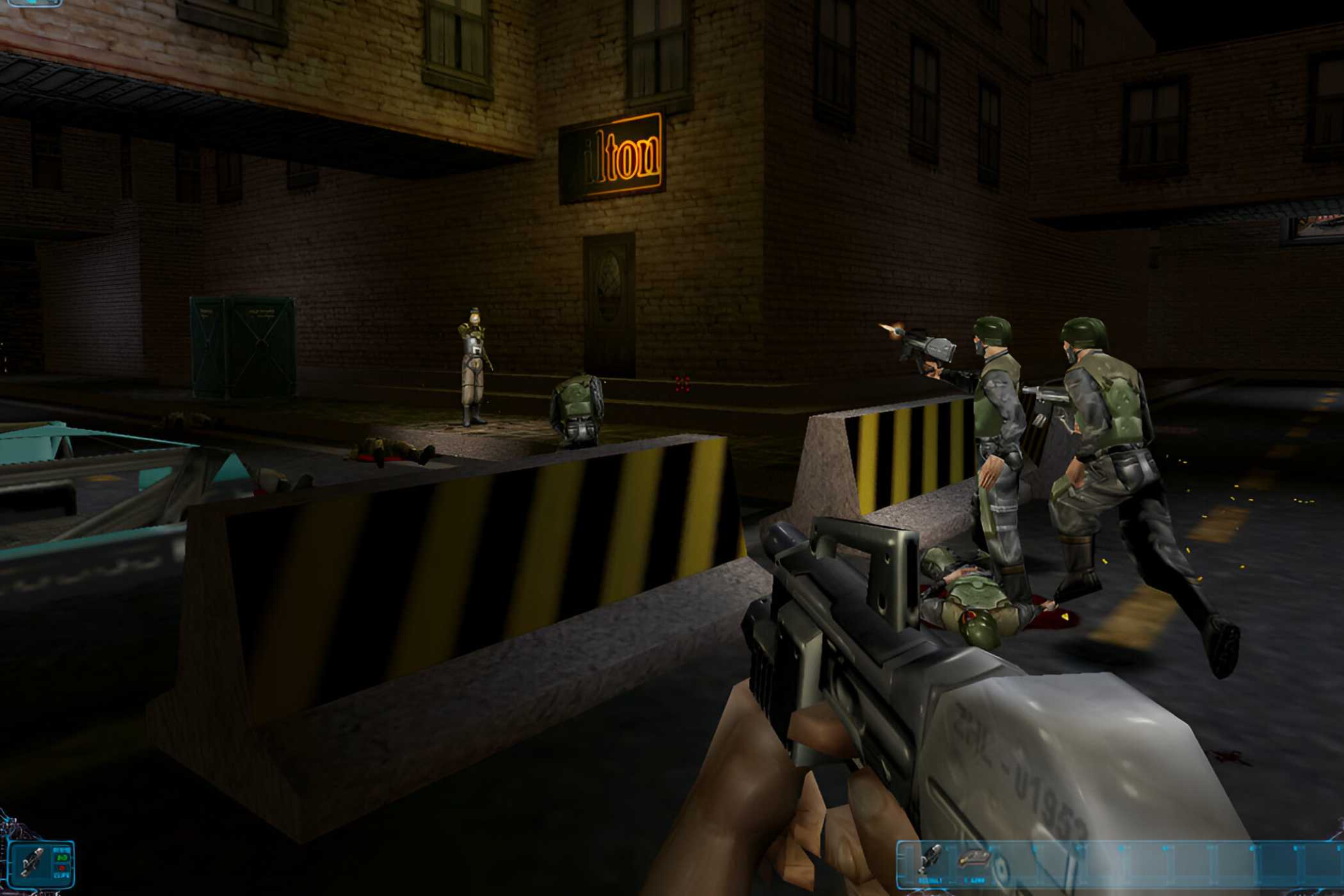
Playing as JC Denton, you were given total agency. Want to sneak through a mission without killing anyone? Go ahead. Want to hack every computer instead of opening doors? That’s viable. Want to blow up a wall and go in loud? That works too. It taught gamers growing up with it almost every aspect of game design.
However, Deus Ex is not an easy game to return to. The dated visuals, clunky menus, and stiff voice acting are barriers, and I took several tries to play this game because its datedness is palpable. It took a considerable amount of effort to finish an otherwise fantastically written adventure. A modern remake could preserve that player's freedom and give younger audiences a lens into how far and deep games can go when they trust the player.

- Released
- June 23, 2000
- ESRB
- M For Mature 17+ // Blood, Violence
- Developer(s)
- Ion Storm
- Publisher(s)
- Eidos Interactive
- Engine
- Unreal Engine 1
- Multiplayer
- Local Multiplayer
- Franchise
- Deus Ex
- Number of Players
- 1
- Steam Deck Compatibility
- Playable


WHERE TO PLAY


- Genre(s)
- Action RPG, FPS, Stealth

2 L.A. Noire (2011)
Because the face may lie, but the eyes still twitch
Source: Steam 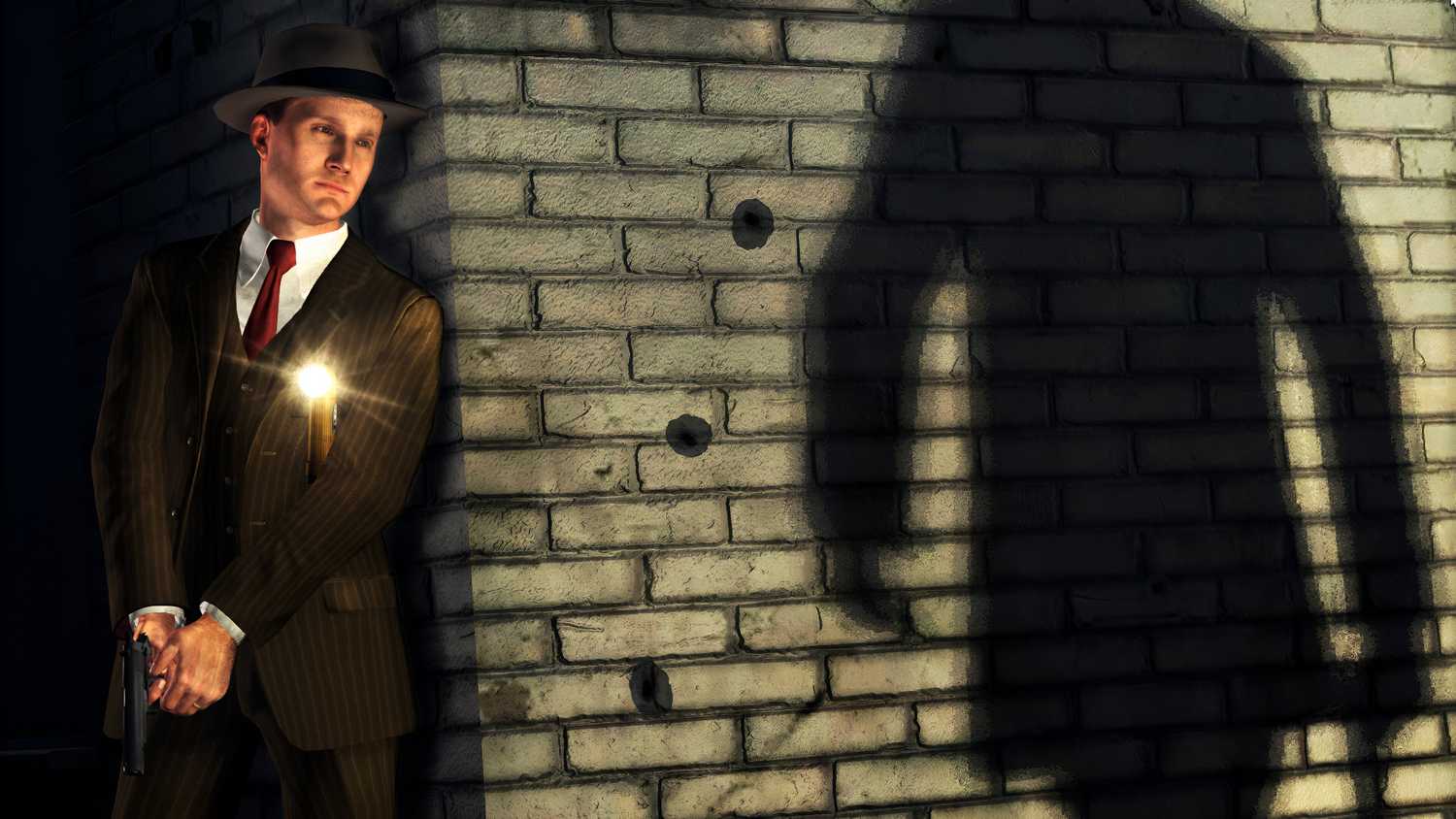
Source: Steam 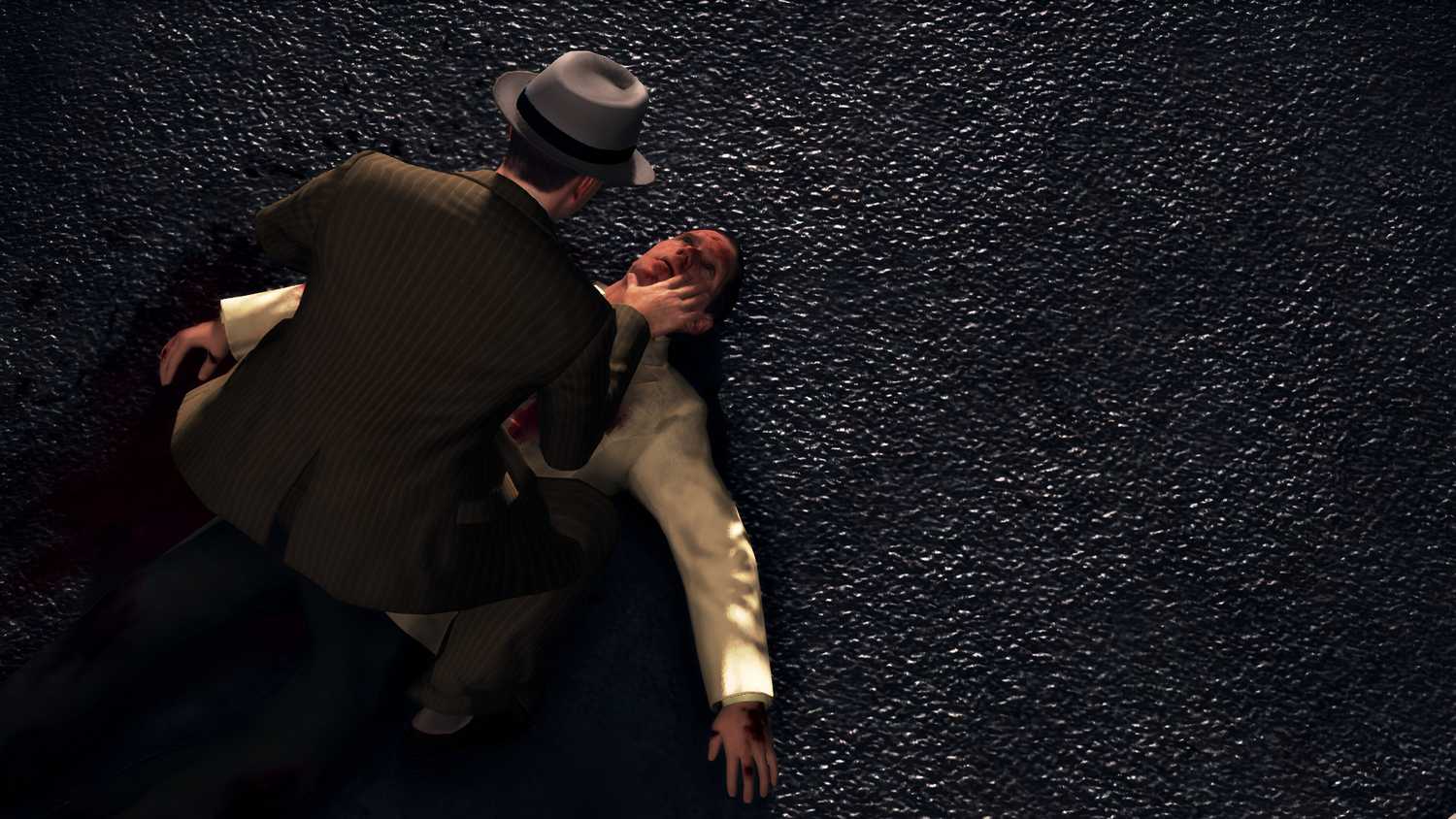
Source: Steam 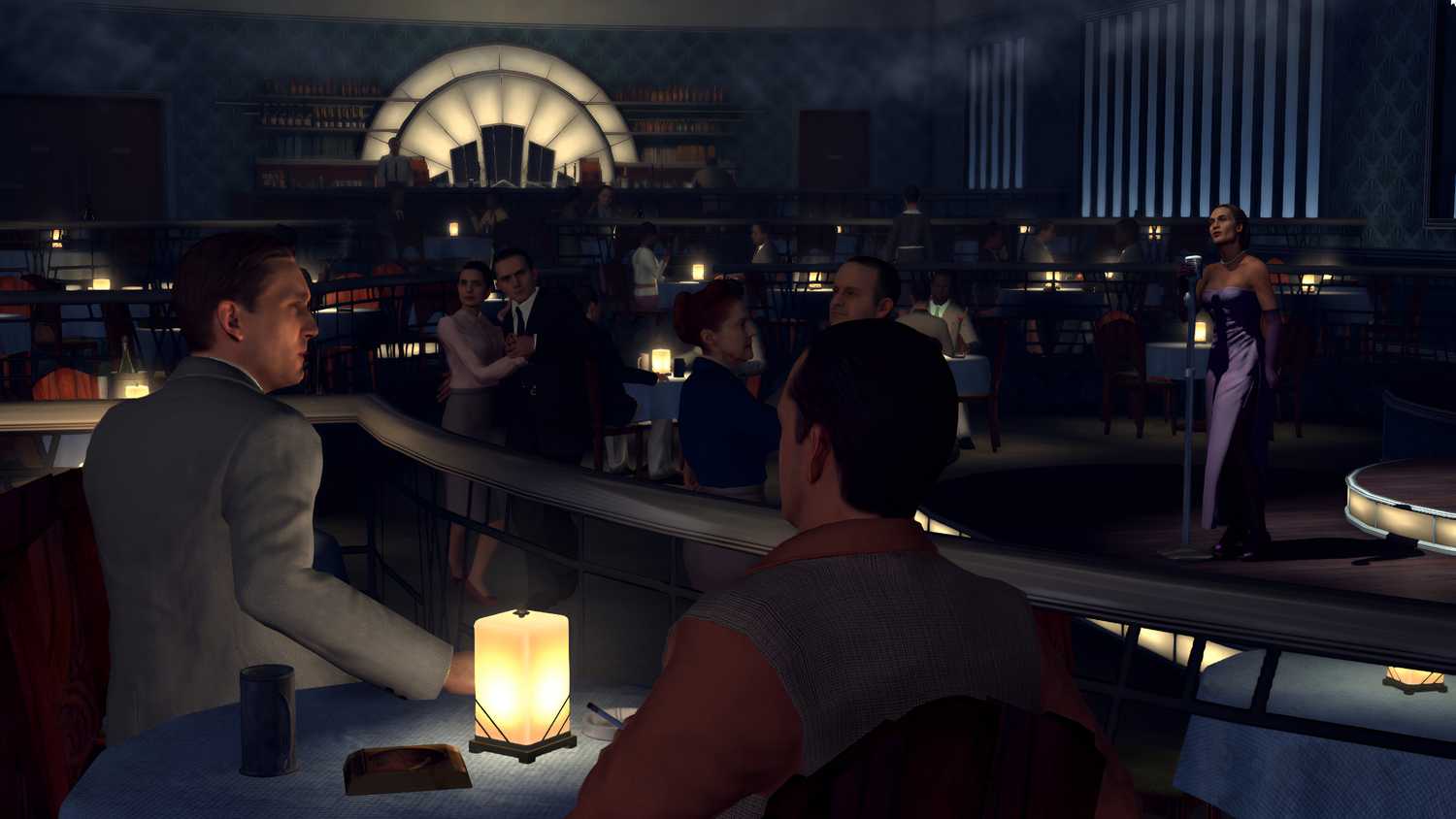
Source: Steam 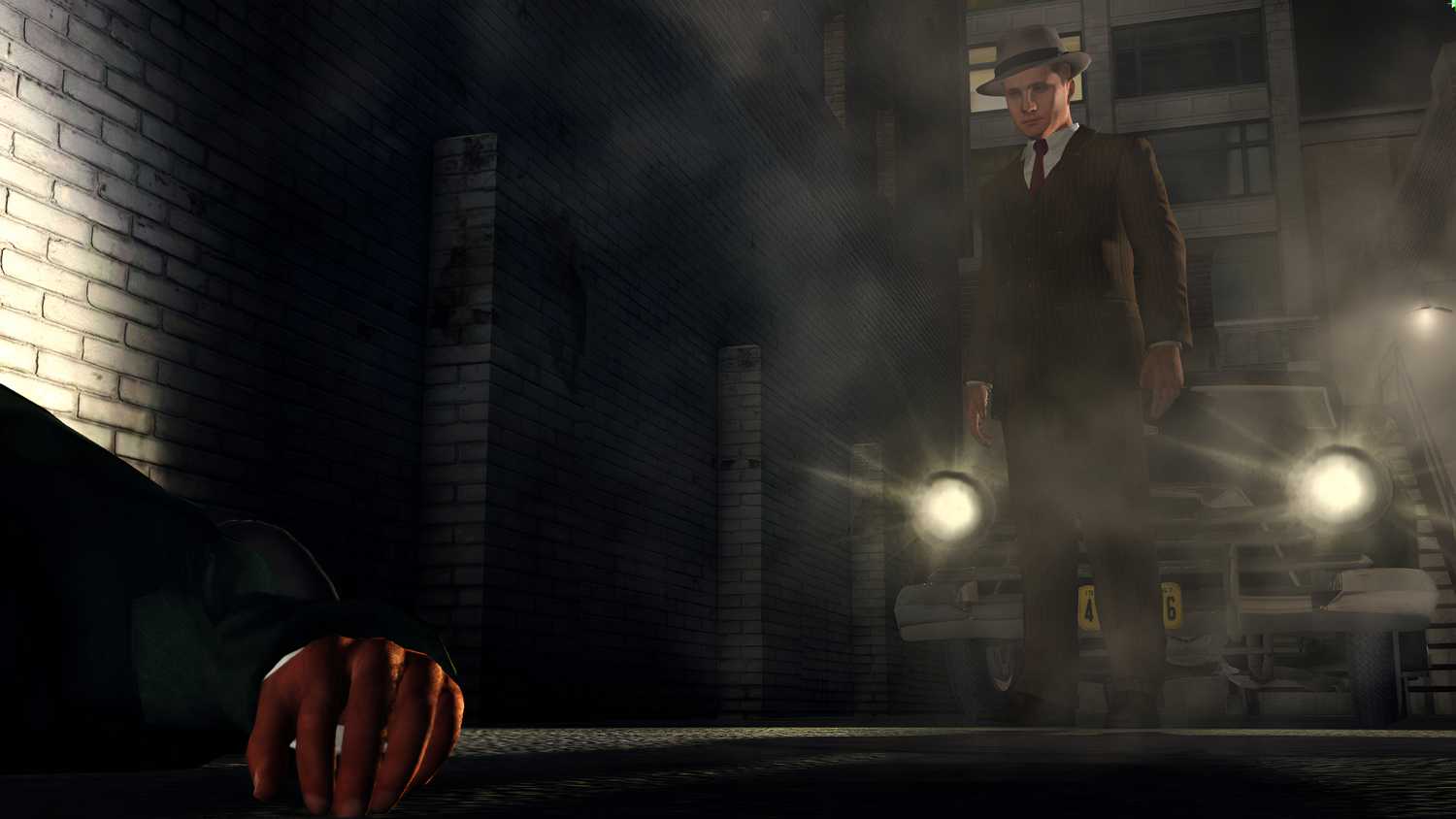
Source: Steam


Source: Steam 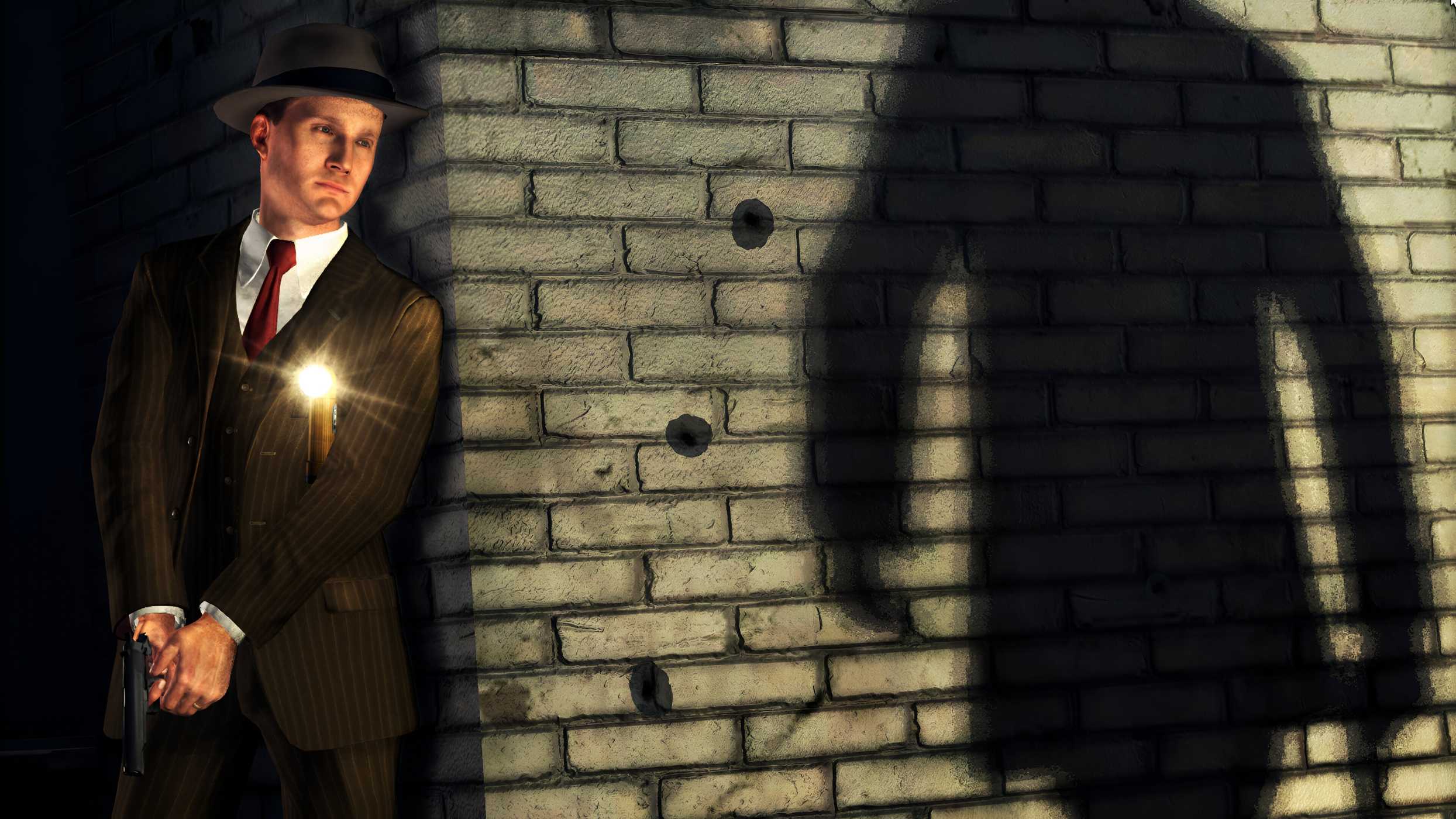
Source: Steam 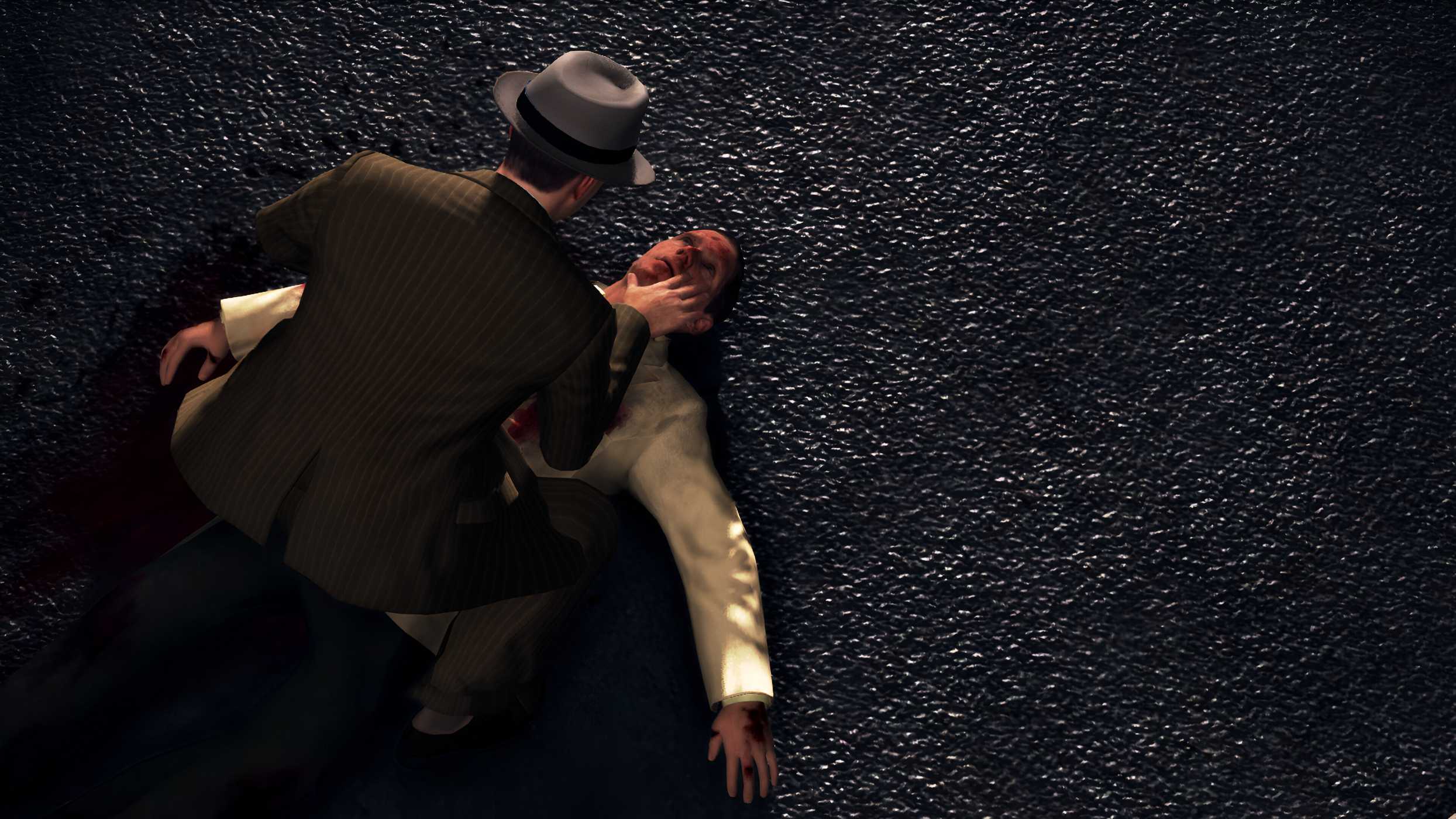
Source: Steam 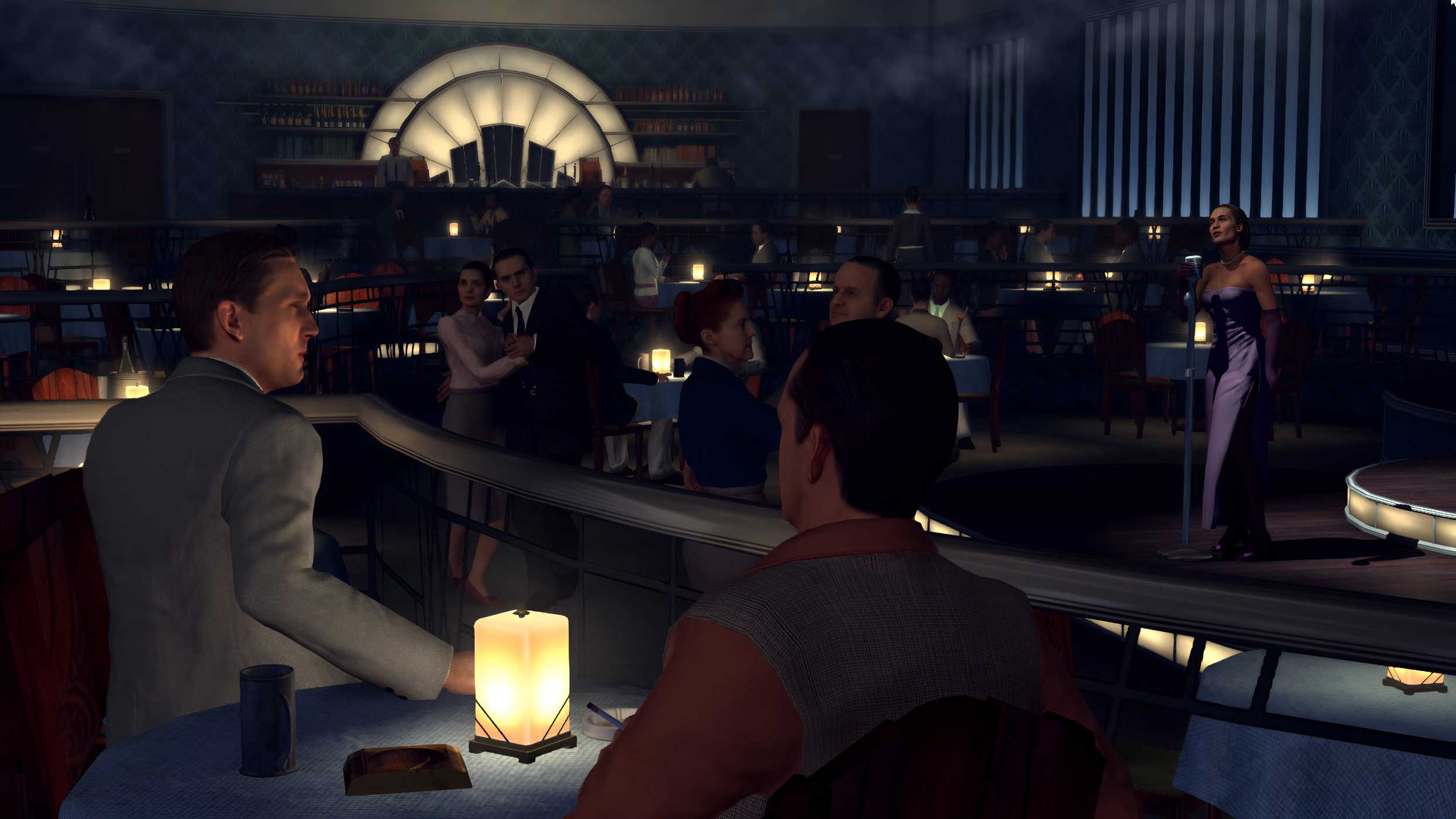
Source: Steam 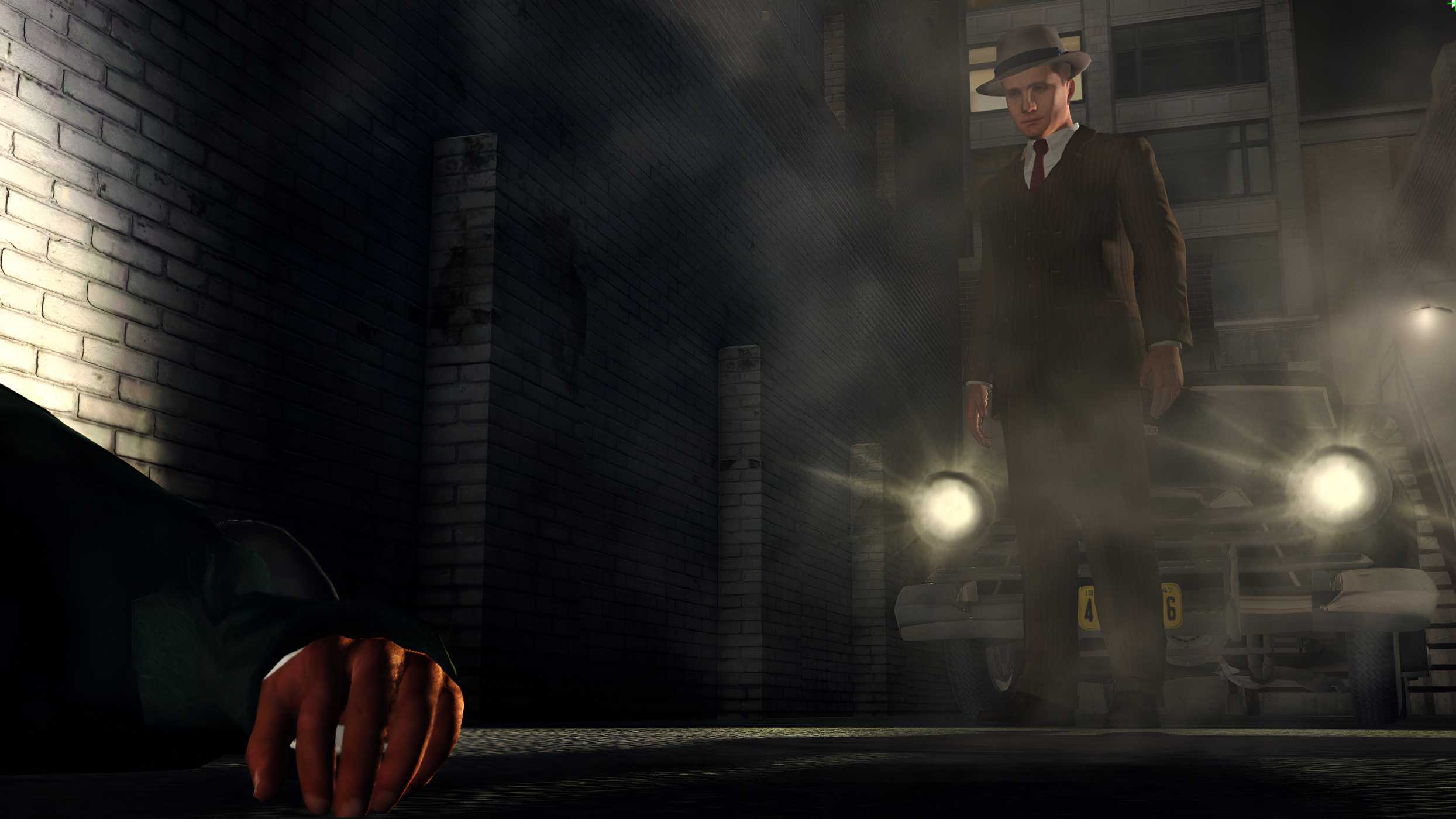
Source: Steam



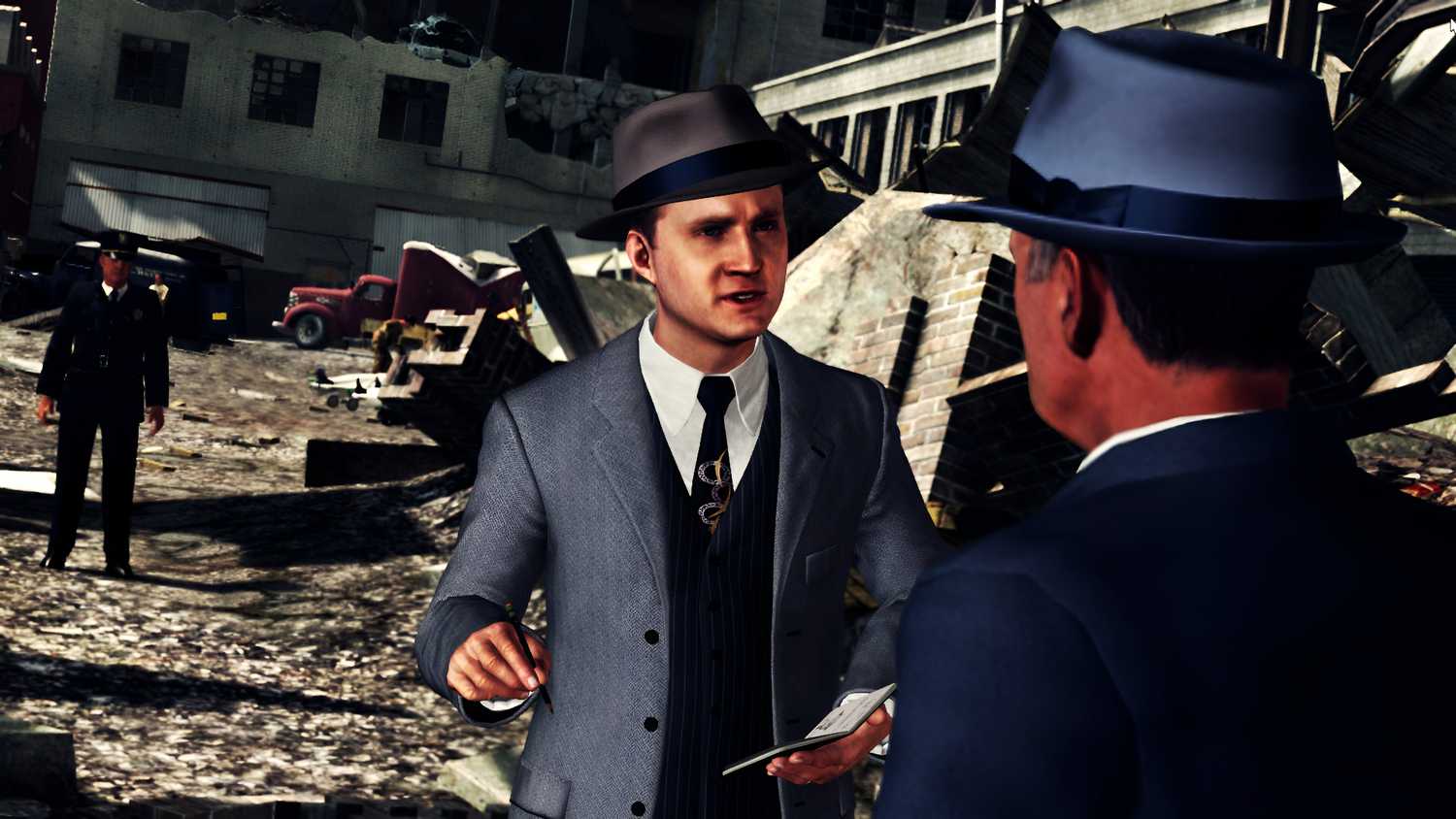
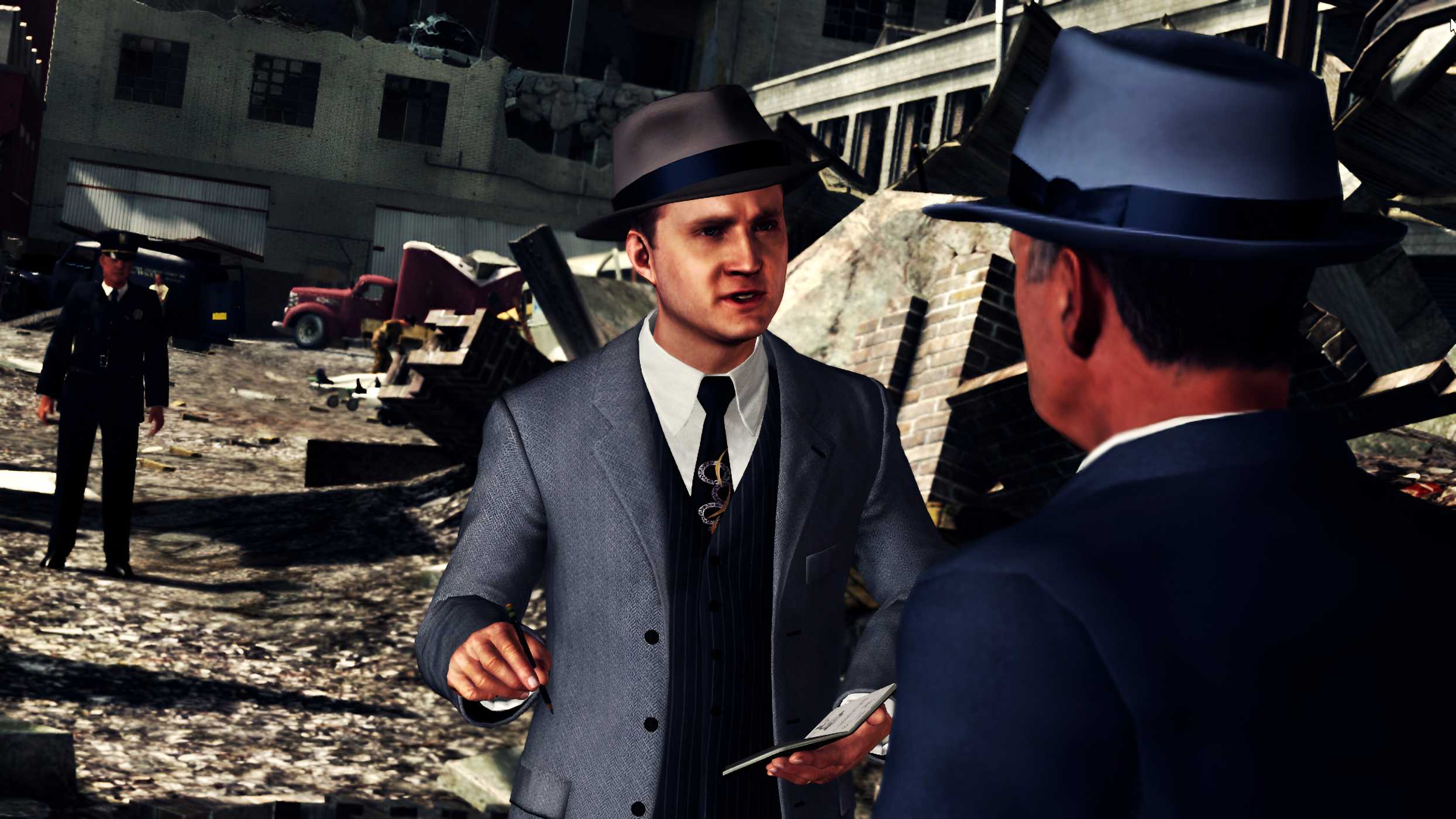
When it launched back in 2011, L.A. Noire stunned players with facial animation tech that made every twitch of the eye and tremble of the lip a clue — or a trap. You played Cole Phelps, a war veteran turned LAPD detective, walking the tightrope between justice and bureaucracy in a post-WWII Los Angeles that reeked of glamour, grief, and deep-rooted corruption.
At its core, L.A. Noire was about reading people — not just through their words, but through their micro-expressions, their silences, and their pain. But the gameplay, while revolutionary, didn’t always live up to the ambition. The interrogation mechanics were clunky, the open world was under-used, and the game’s pacing often undercut its more potent themes.
A remake could change all of that. With today’s tech, those interrogation sequences could evolve into something far more immersive and reactive. But more than anything, a remake could double down on the game’s exploration of post-war trauma, racial injustice, and systemic rot — subjects that hit just as hard today, if not harder. Younger players deserve a version of L.A. Noire that trusts them not just to solve a case, but to wrestle with what justice really looks like.

- Released
- May 17, 2011
- ESRB
- m
- Developer(s)
- Team Bondi
- Publisher(s)
- Rockstar Games
- Engine
- havok
WHERE TO PLAY


- Genre(s)
- Action, Adventure
1 Need for Speed: Most Wanted (2005)
Yes, it’s for the younger generation (but really, it’s for me)


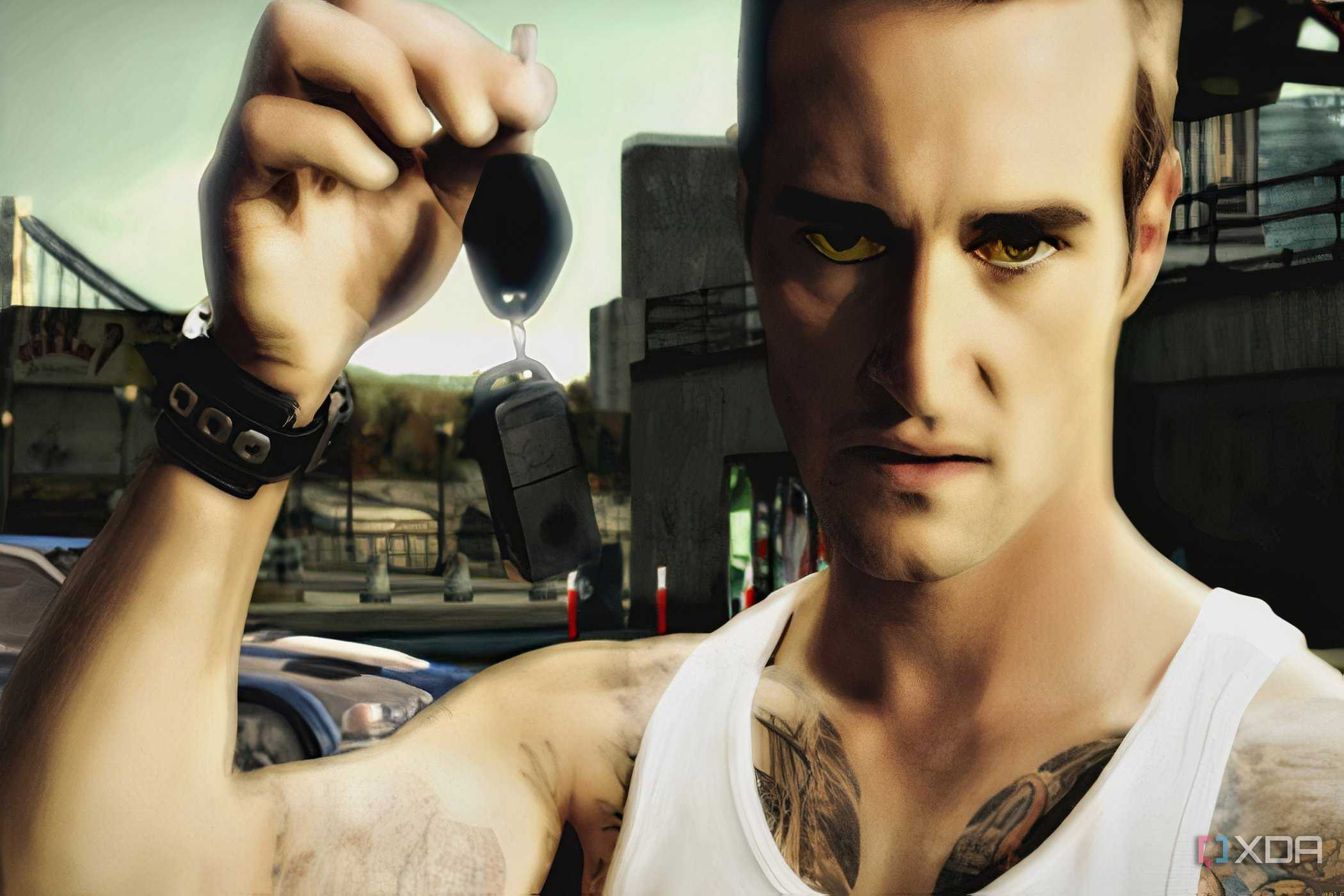
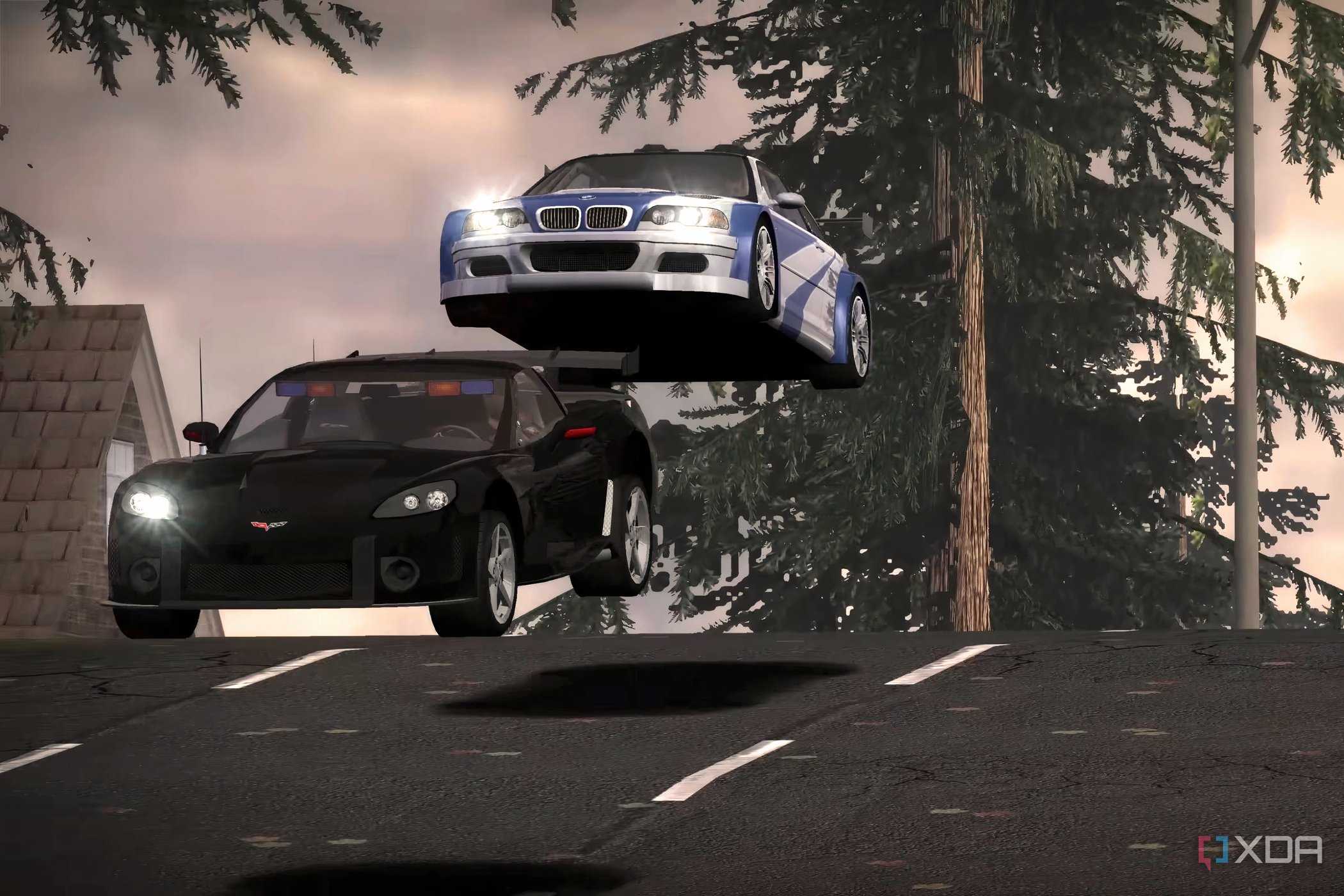
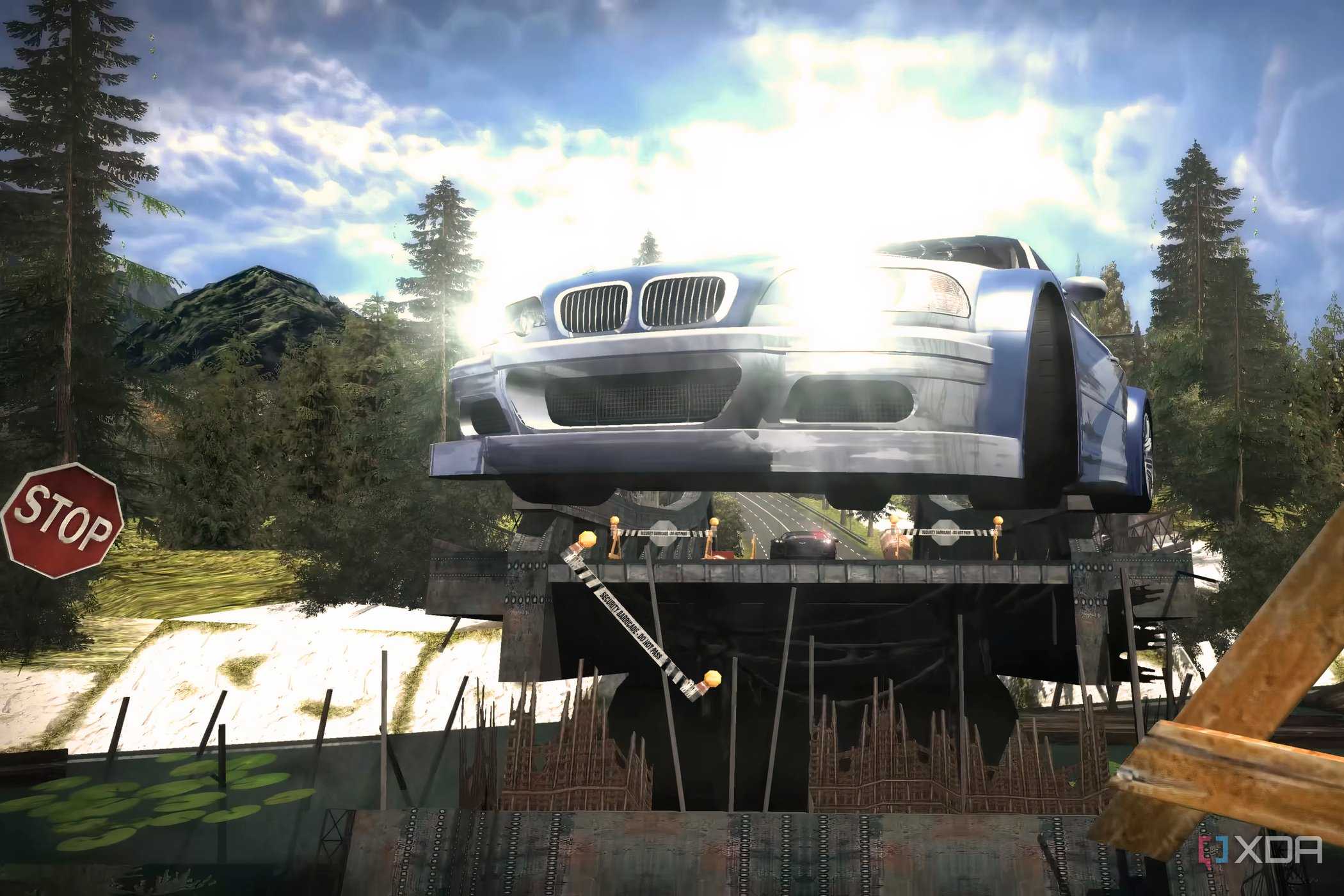
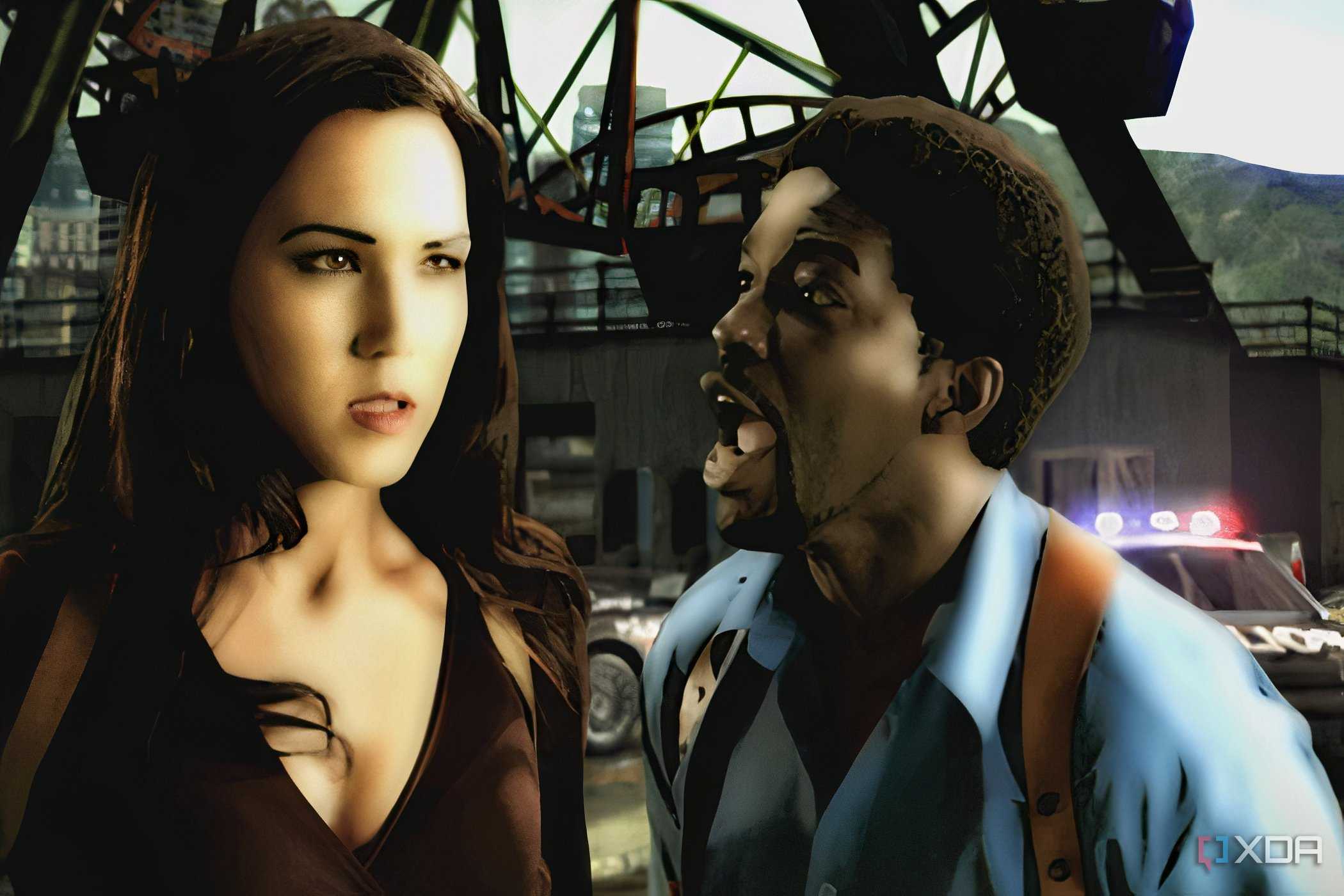
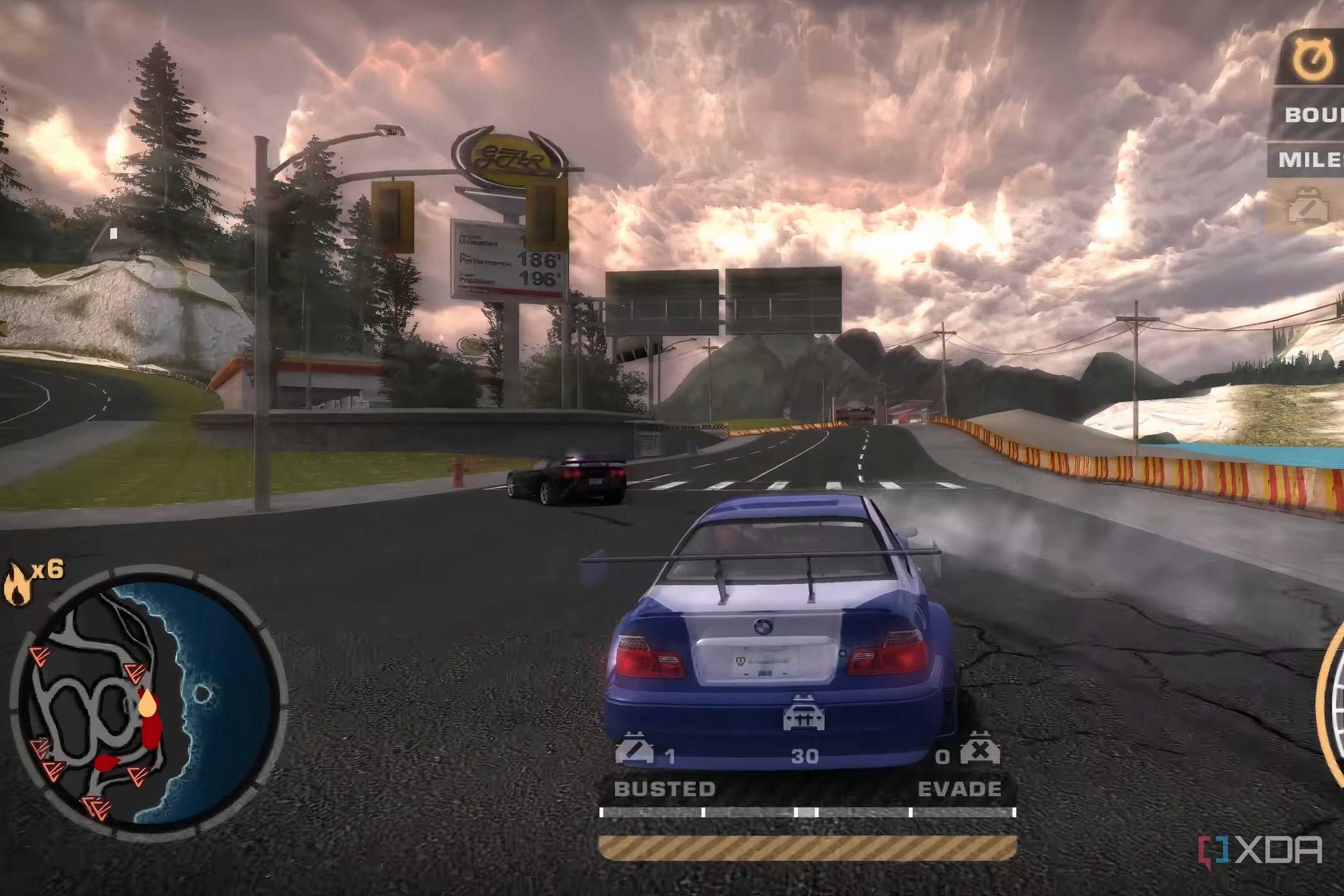



Let’s be honest, 2005's Need for Speed: Most Wanted is the one game where I’m first in line the moment a remake drops, pushing past the younger gamers I claim I want it for. This game was one of the last racing games where style, stakes, and storytelling somehow blended into an unforgettable coming-of-age experience. New to town, you lose your car, climb the blacklist, and tear up Rockport City — all while dodging one of the most entertaining cops in video game history.
Modern AAA games rarely carry that kind of rebellious angst anymore. Everything’s so polished, so photorealistic, so emotionally mature. Sometimes, I just want a game to scream at me in screeching tire sounds and angsty guitar riffs.
A remake of Most Wanted could deliver that perfect blend of arcade racing and edgy narrative that newer racers have forgotten. And hey, maybe this time, without the infamous yellow filter. Younger gamers need this one, not just for nostalgia’s sake, but to remember when racing games weren’t trying to be Forza, they were trying to be cool. It's an even bigger shame that we'd have gotten a true sequel to NFS: Most Wanted in 2012, instead of the Criterion game we did end up getting.
What came before deserves more than a texture pack
We’re not asking for every old game to get a full-on remake. But there’s a world of difference between a quick and lazy remaster versus a thoughtful recreation of a classic that meant something. These aren’t just “old games.” They’re defining moments in gaming history — stories that pushed boundaries, mechanics that influenced generations, and experiences that still resonate if given the right coat of paint.
Younger players deserve to see how we got here. Not through fuzzy upscales or clunky ports, but through modern recreations that respect the past and embrace the future. Because sometimes, a remake isn’t about reliving the past — it’s about making sure it lives on.
