


There’s something about video games that makes them more than just entertainment — they shape you. As someone who grew up alongside games, they’ve been more than just a hobby. They were teachers, companions, and mirrors to parts of myself I hadn’t yet understood.
These five games didn’t just leave an impression — they left a lesson. Each of them arrived in my life at just the right time, and in their own unique way, they changed me. This isn’t just a list of great titles — it’s a heartfelt tribute to some of the greatest games that helped raise me, shape me, and teach me how to live.
5 Deus Ex: Human Revolution
The future is what we shape, not what we inherit

Source: Steam 
Source: Steam 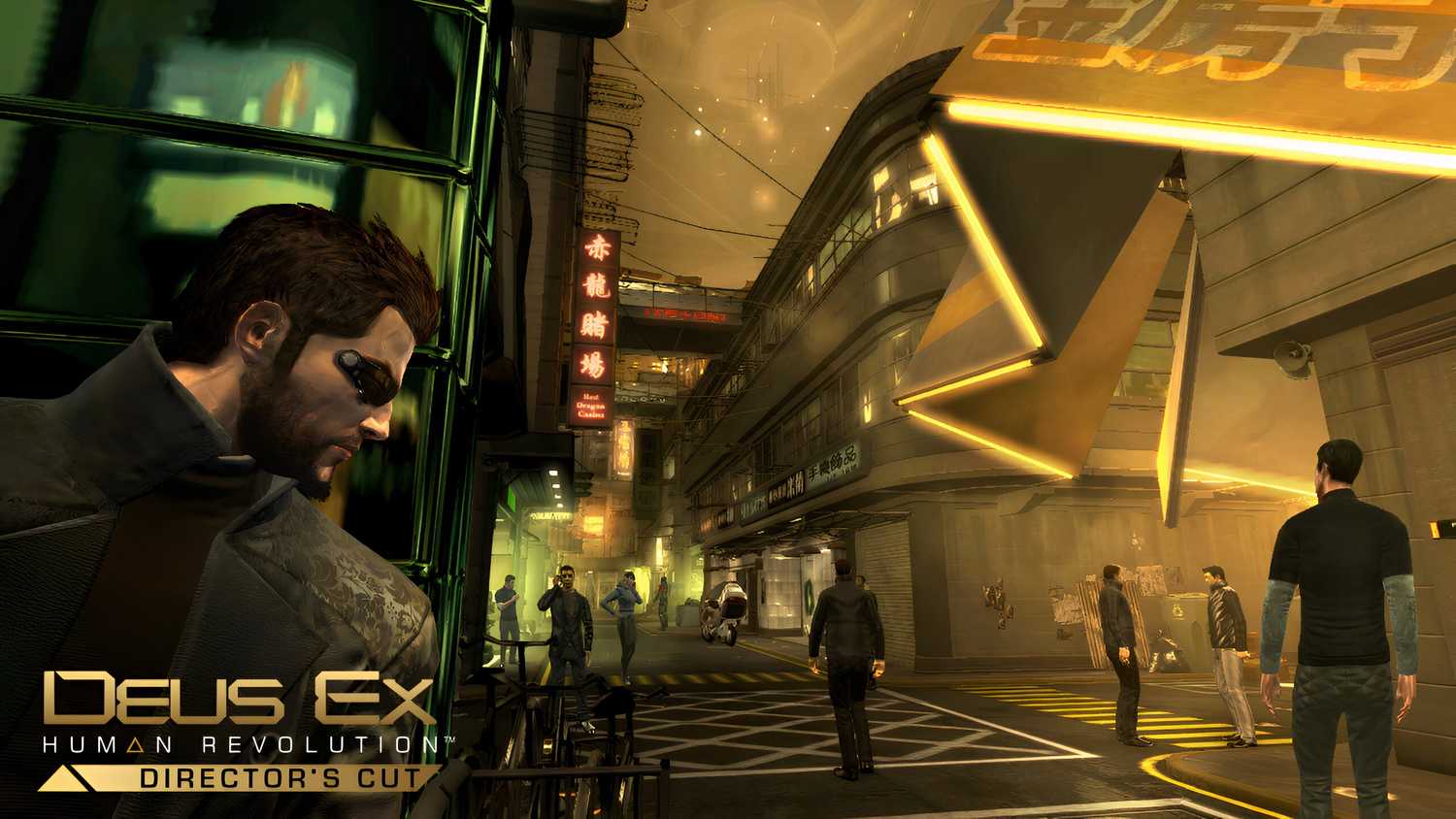
Source: Steam 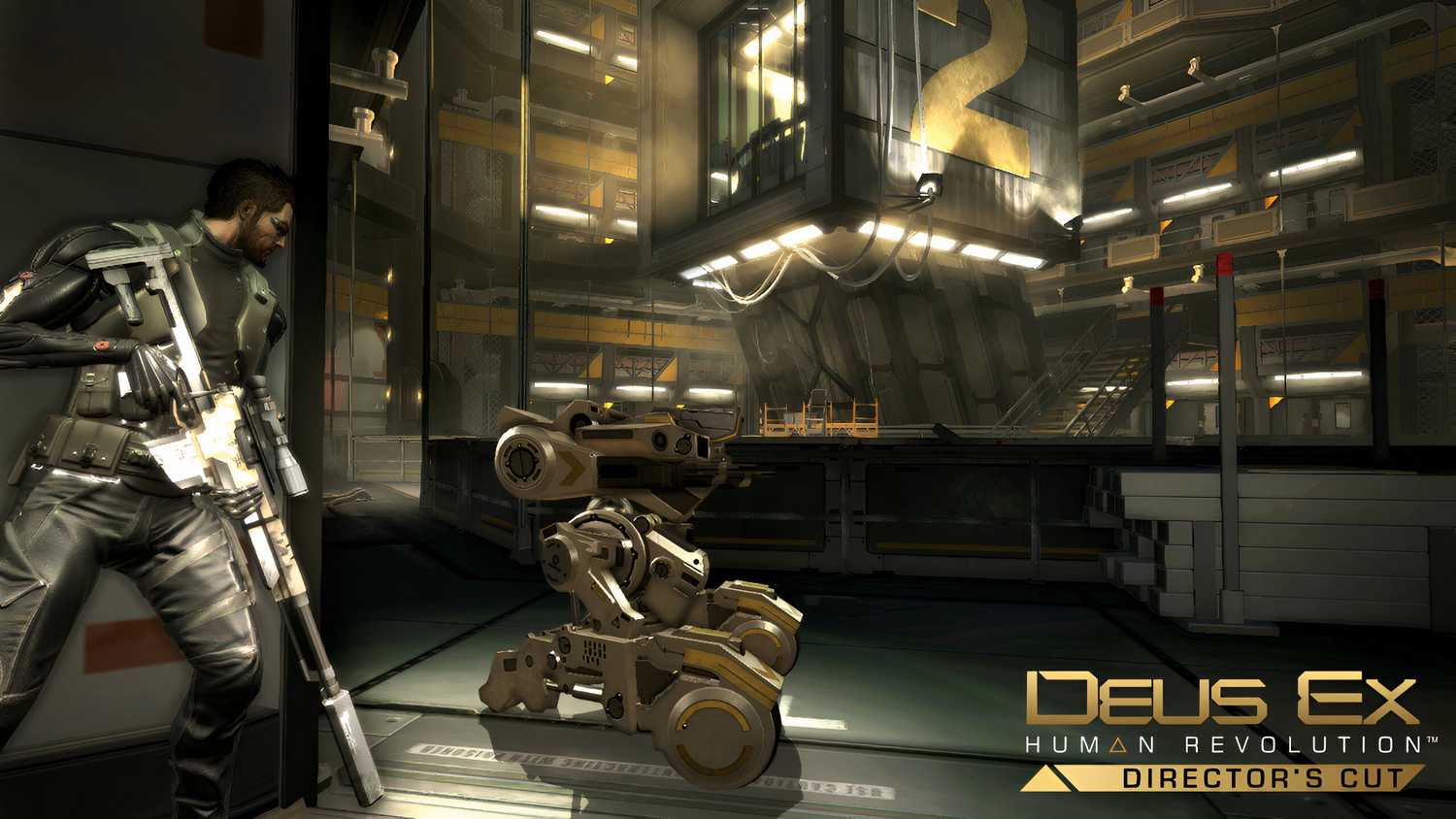
Source: Steam 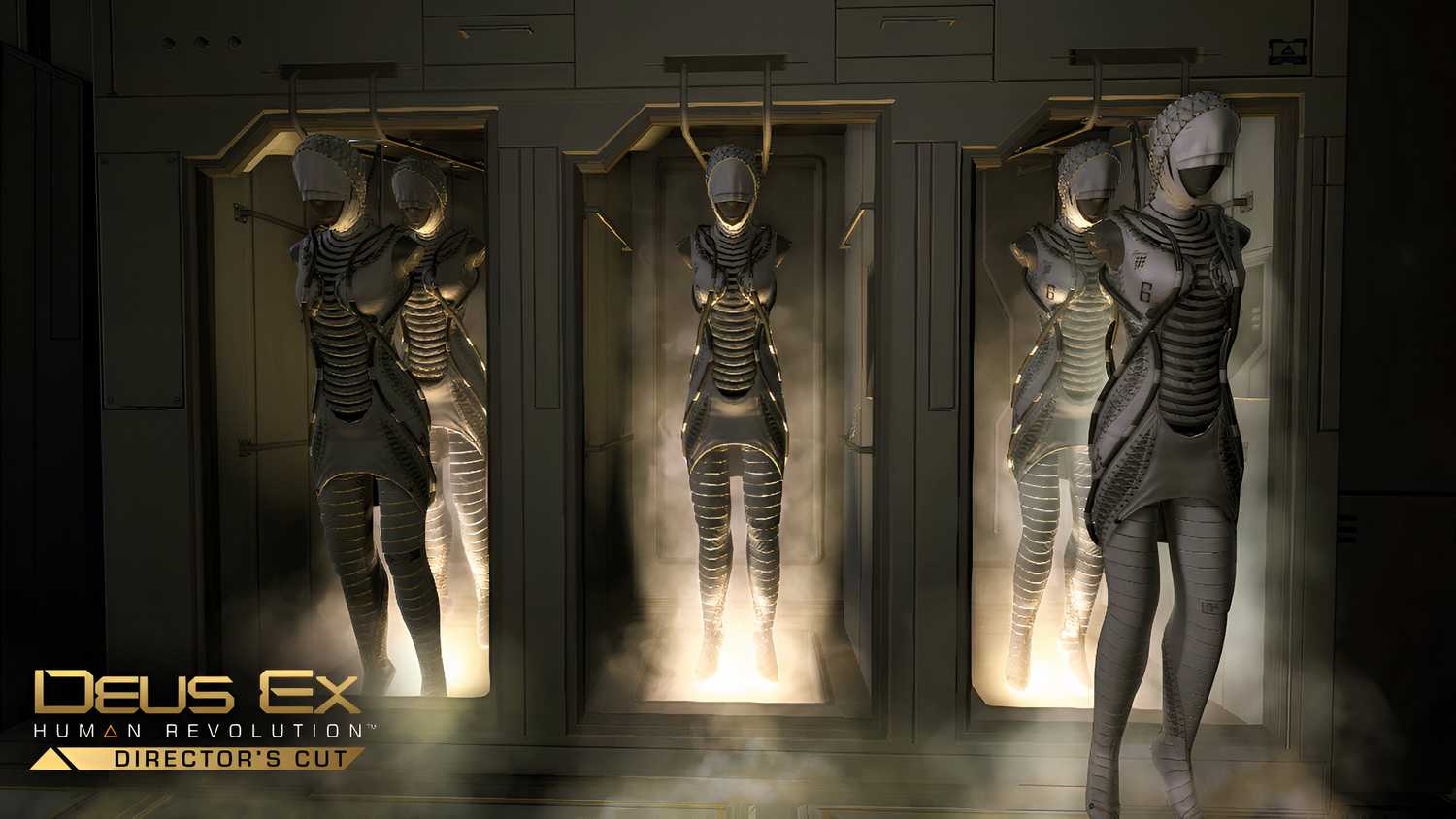
Source: Steam



Source: Steam 
Source: Steam 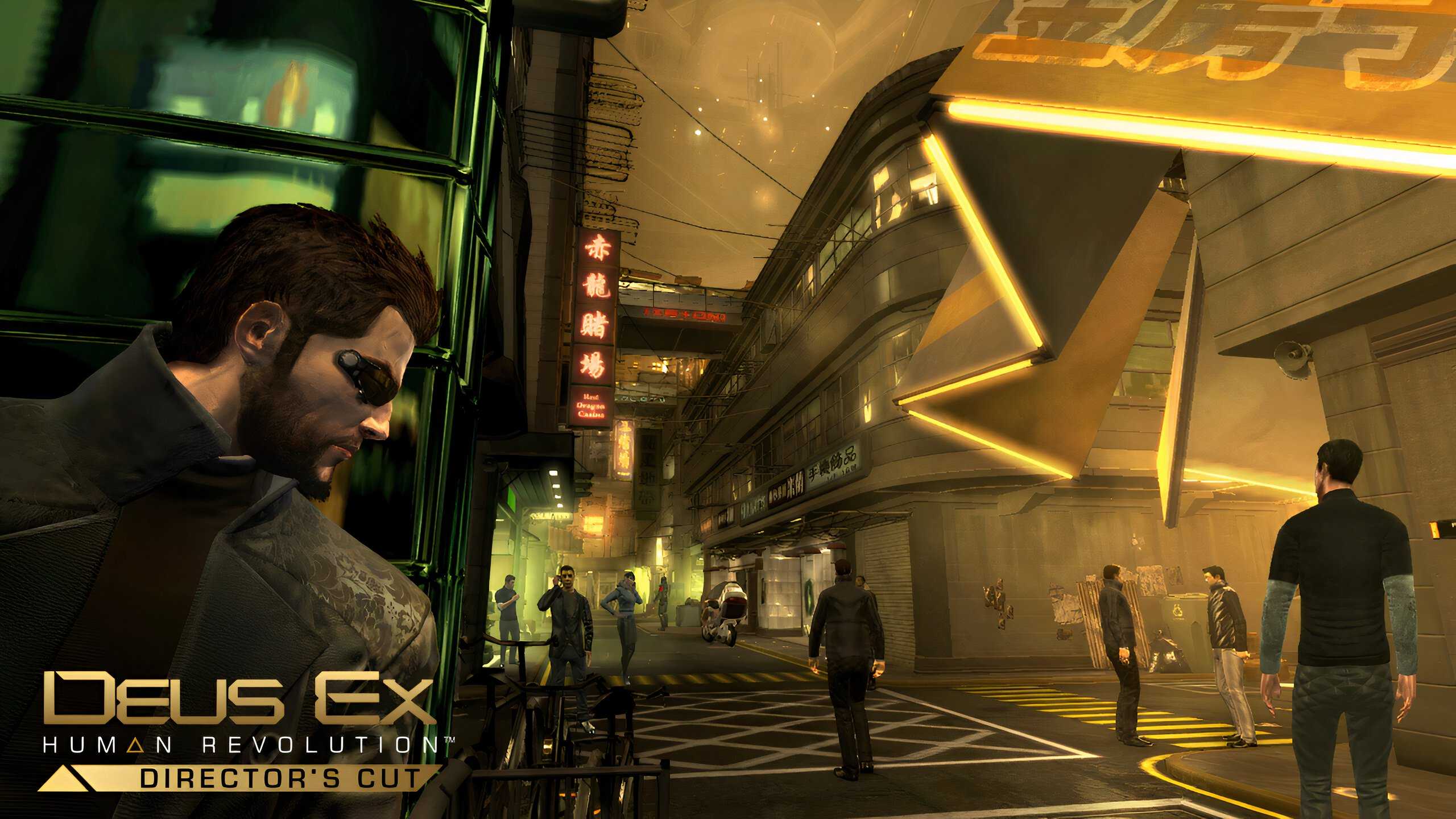
Source: Steam 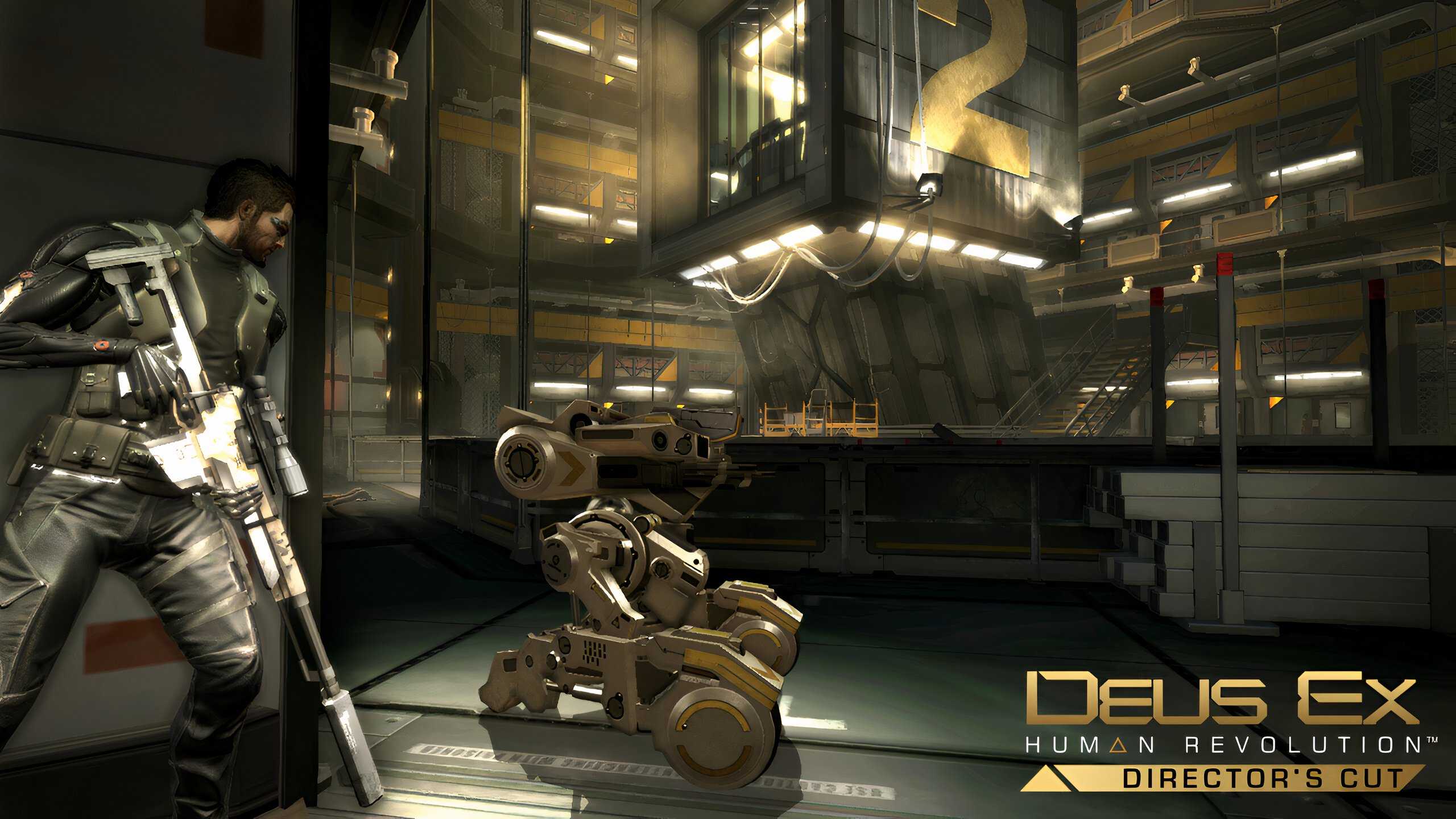
Source: Steam 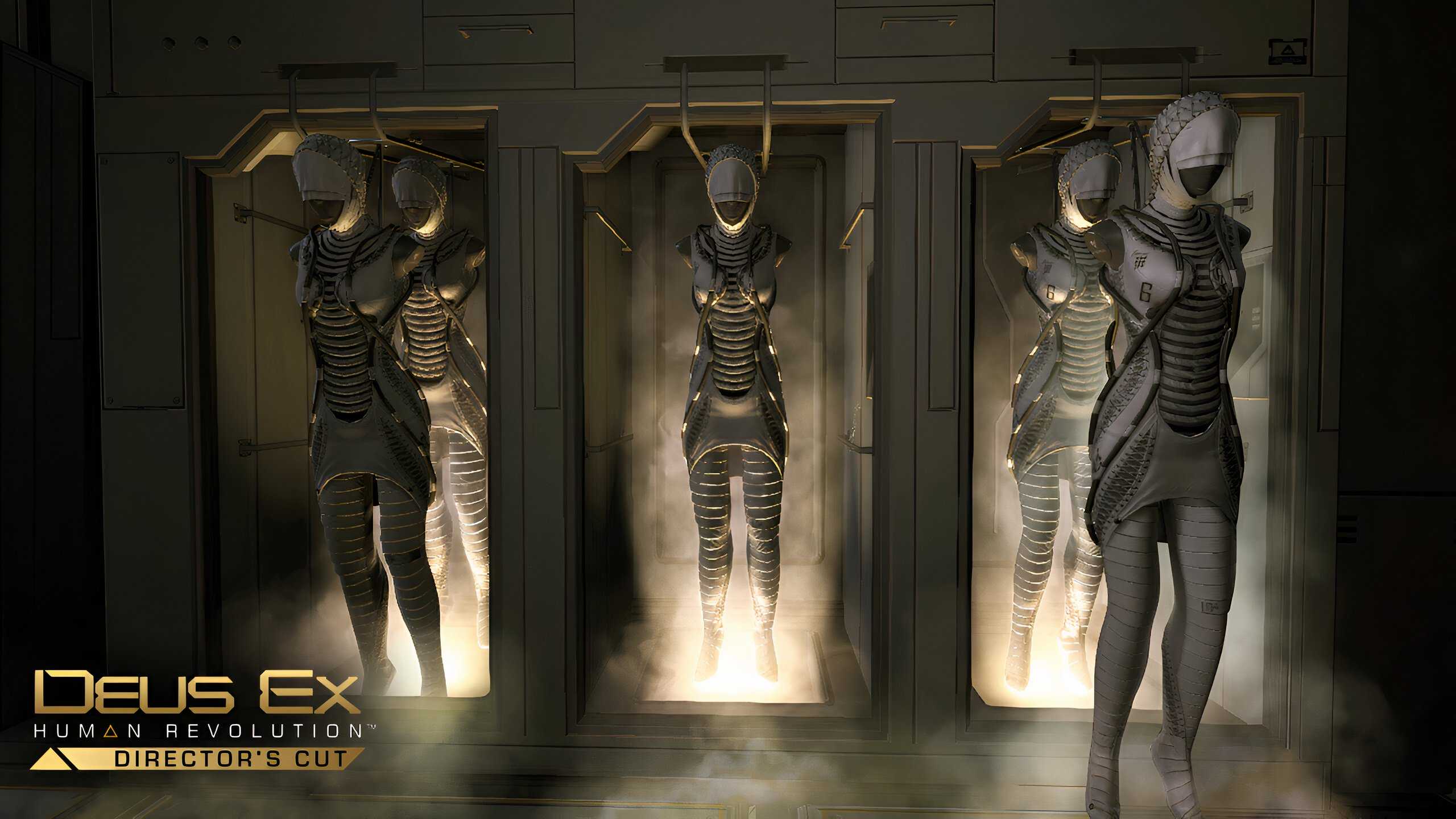
Source: Steam





I was in sixth grade when Deus Ex: Human Revolution changed how I looked at games — and, honestly, the world. In the infinite wisdom of my 12-year-old self, I somehow played the Missing Link first — a fantastic DLC by all means. Still, this was my very first brush with a serious, choice-driven, action RPG. I had only just begun exploring what “AAA” meant in gaming, and here was a title that didn’t just let me play — it made me decide. It was the first time a game truly made me feel like the protagonist, in a world where choices were both mechanical and philosophical.
I learned to read people, to understand them, and say what they needed to hear — not in a manipulative way, but as a genuine skill in emotional intelligence. It was the game’s core philosophy — “There is always another way” — that changed how I approached problems. As I explored, learned, adapted, and scoured every nook and cranny of the hubs to find alternate routes, I discovered hidden lore, listening to the whispers of a world teetering on the edge of something dark and irreversible.
When I finally reached the multiple endings, I realized I was deciding humanity’s future and its values. The bleak, gold-tinged dystopia in front of me made me think hard about what kind of world I wanted to live in. That day, I came closer to understanding what environmentalism meant, what unchecked progress could cost, and how easy it is for manipulation to masquerade as choice. Deus Ex didn’t just make me a better gamer — it made me a more aware person.
Deus Ex: Human Revolution (Director's Cut)
- $20 at Steam
-
$20$2 at Xbox Games Store (expires Apr 30)
4 Sekiro: Shadows Die Twice
Get up, get better
Source: Steam 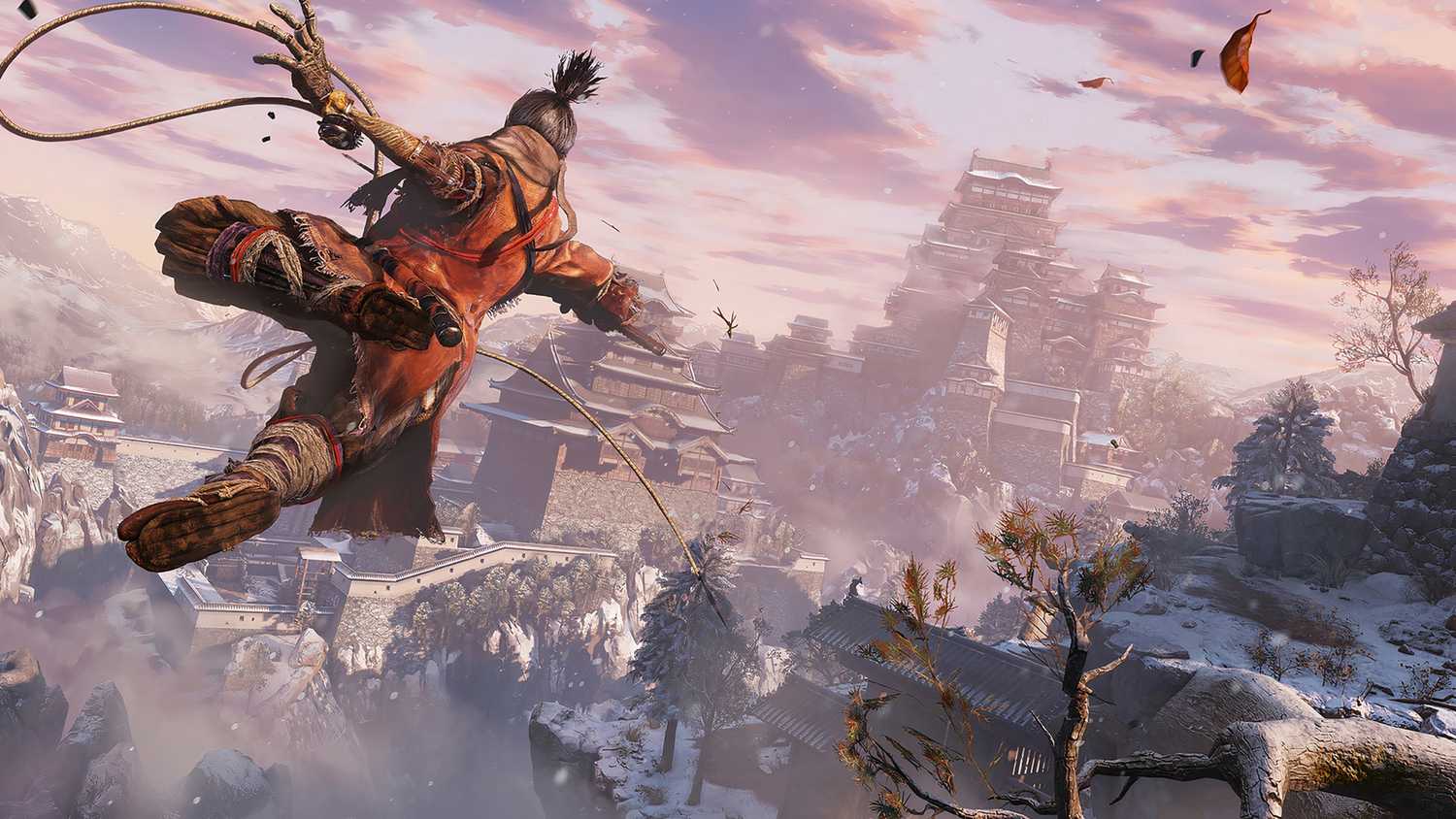
Source: Steam 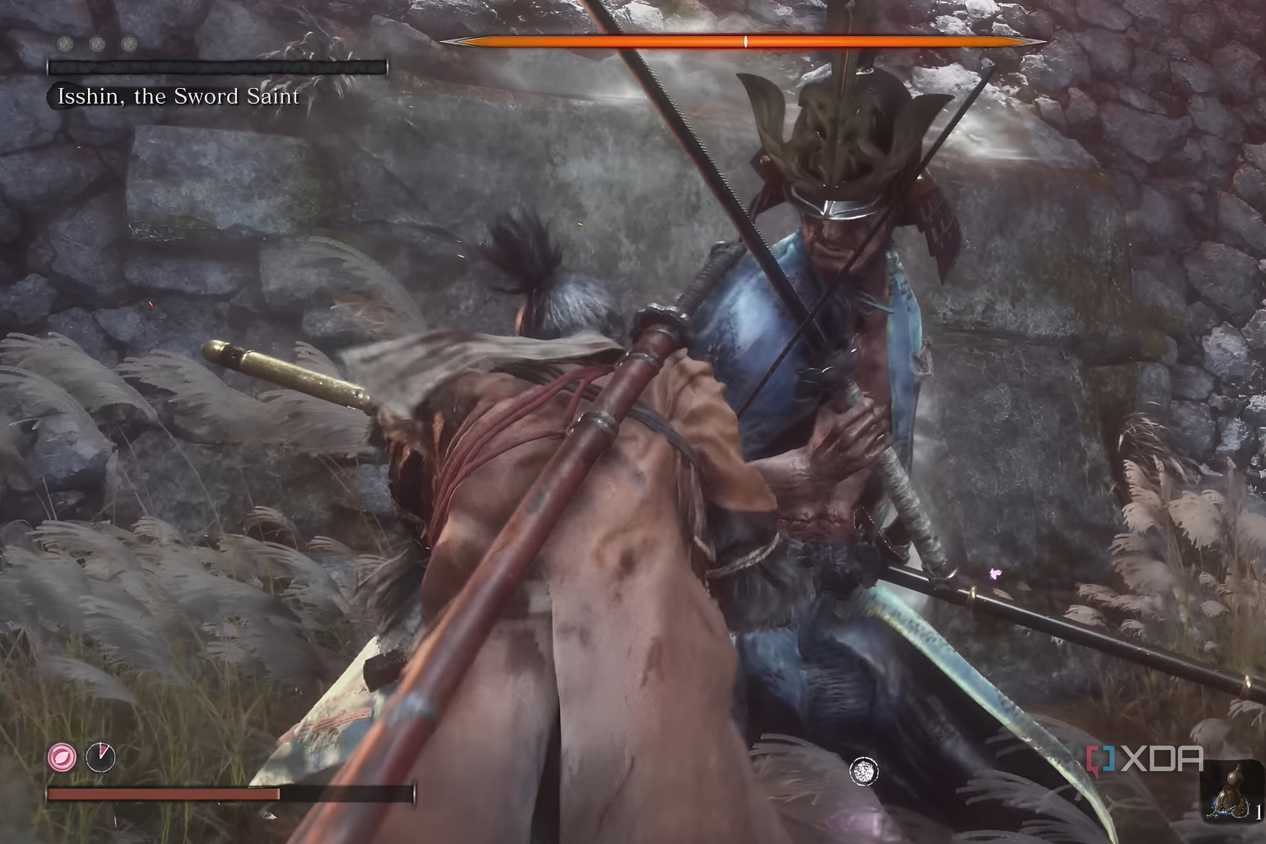


Source: Steam 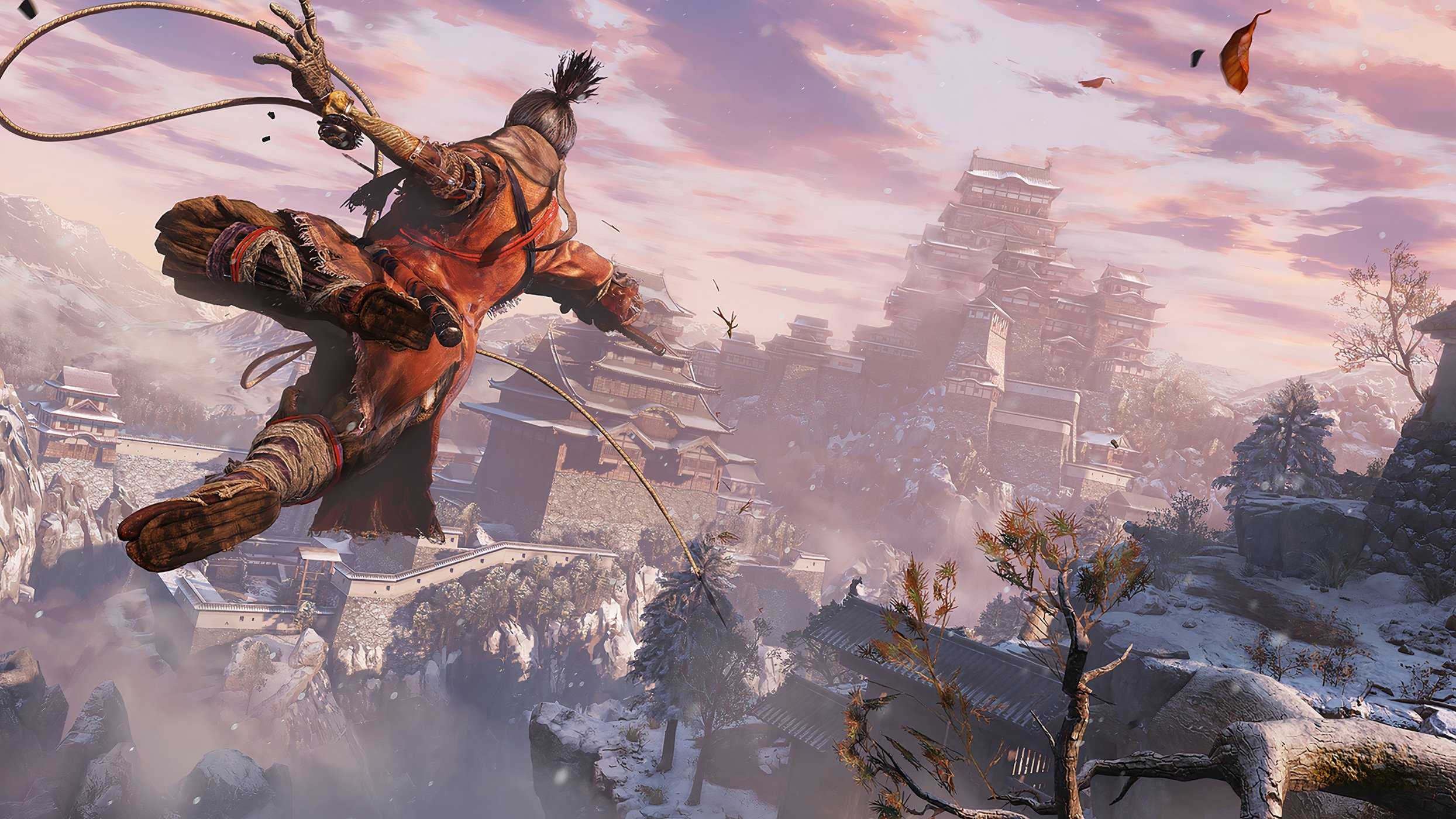
Source: Steam 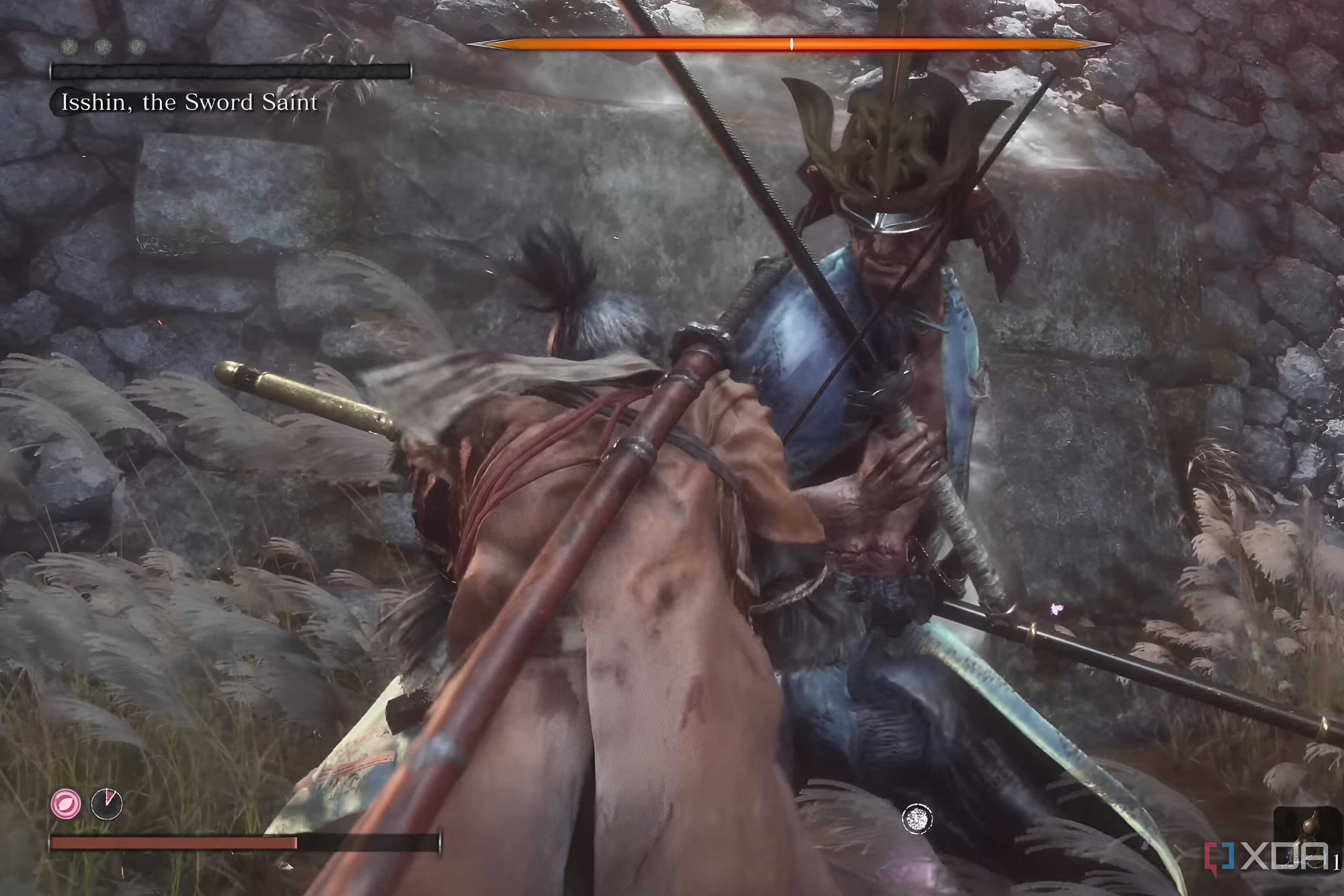
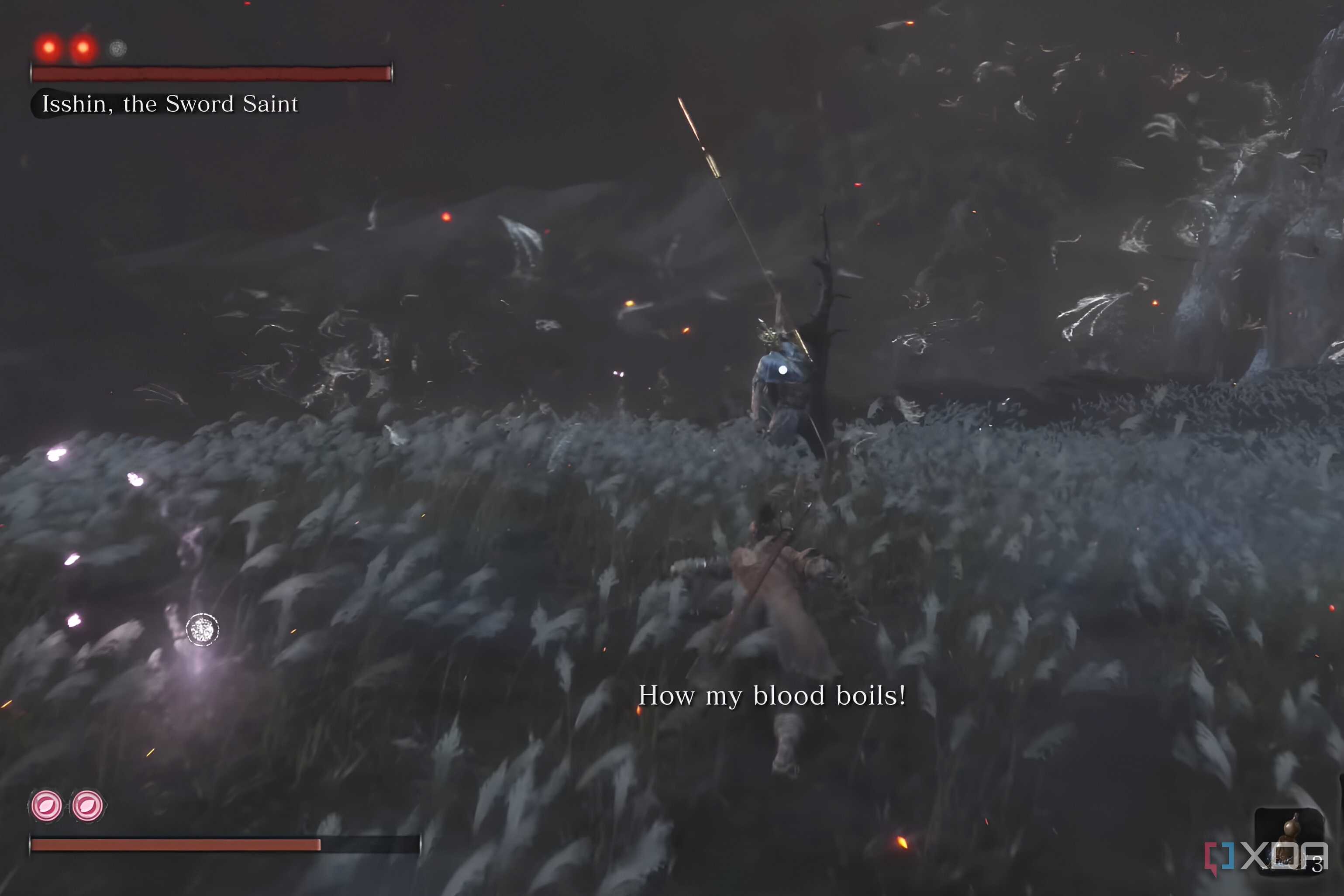
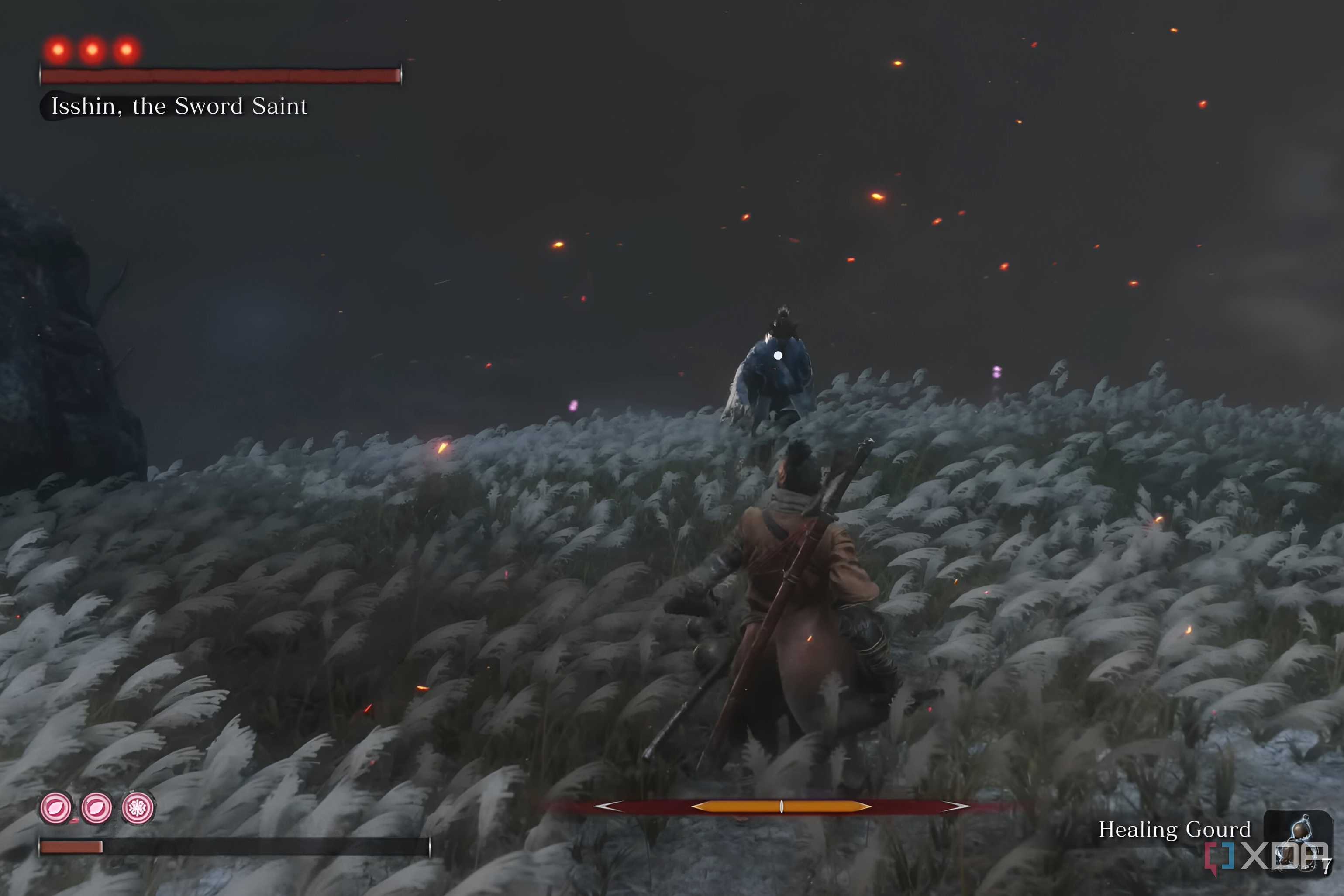



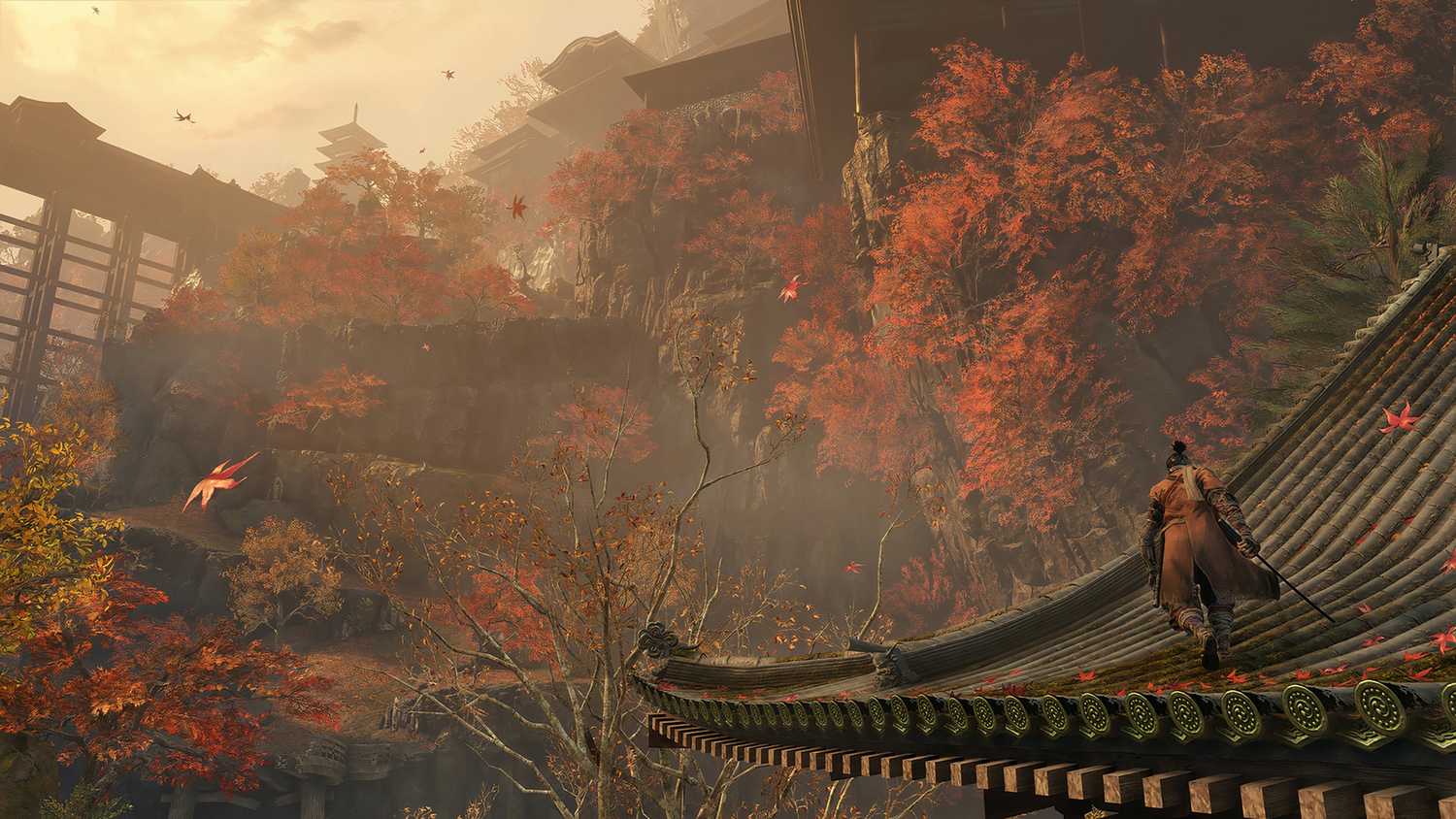
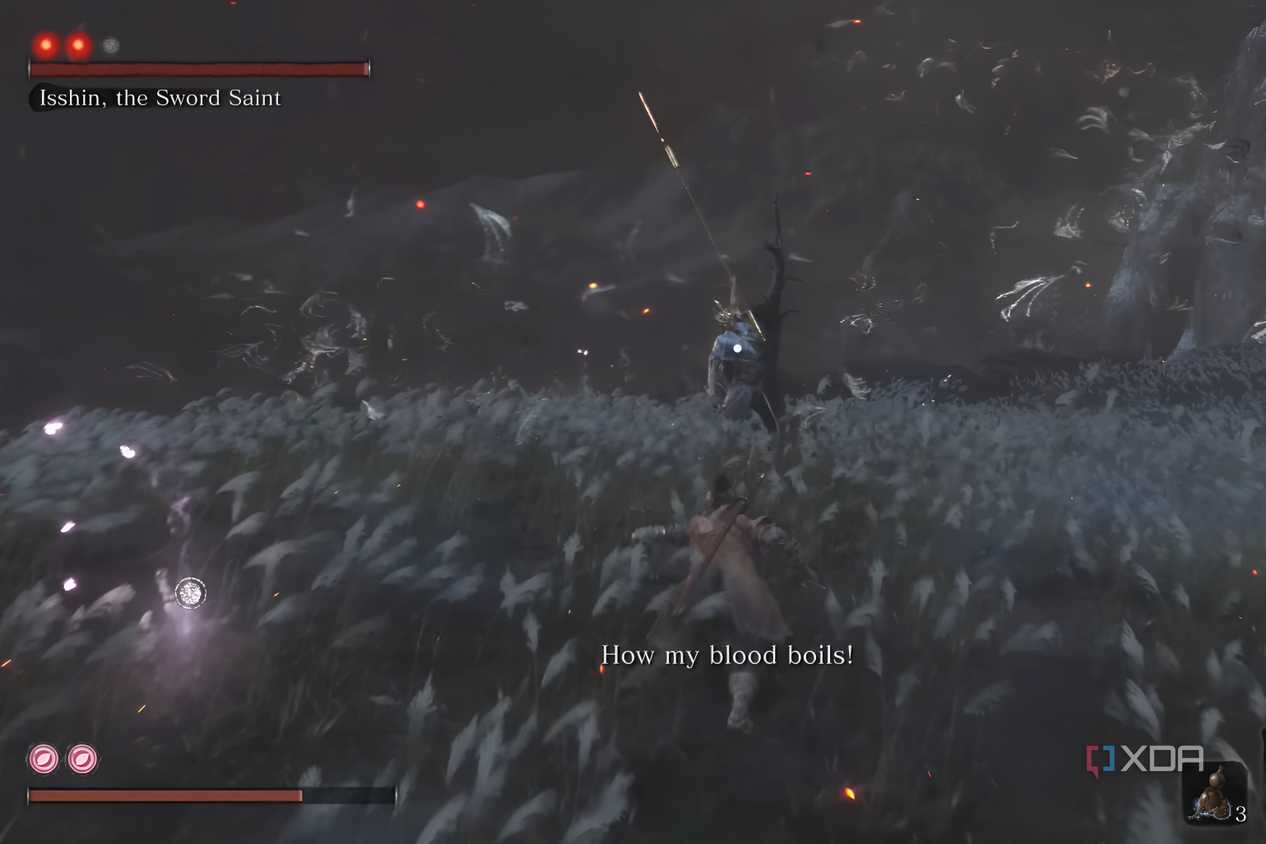
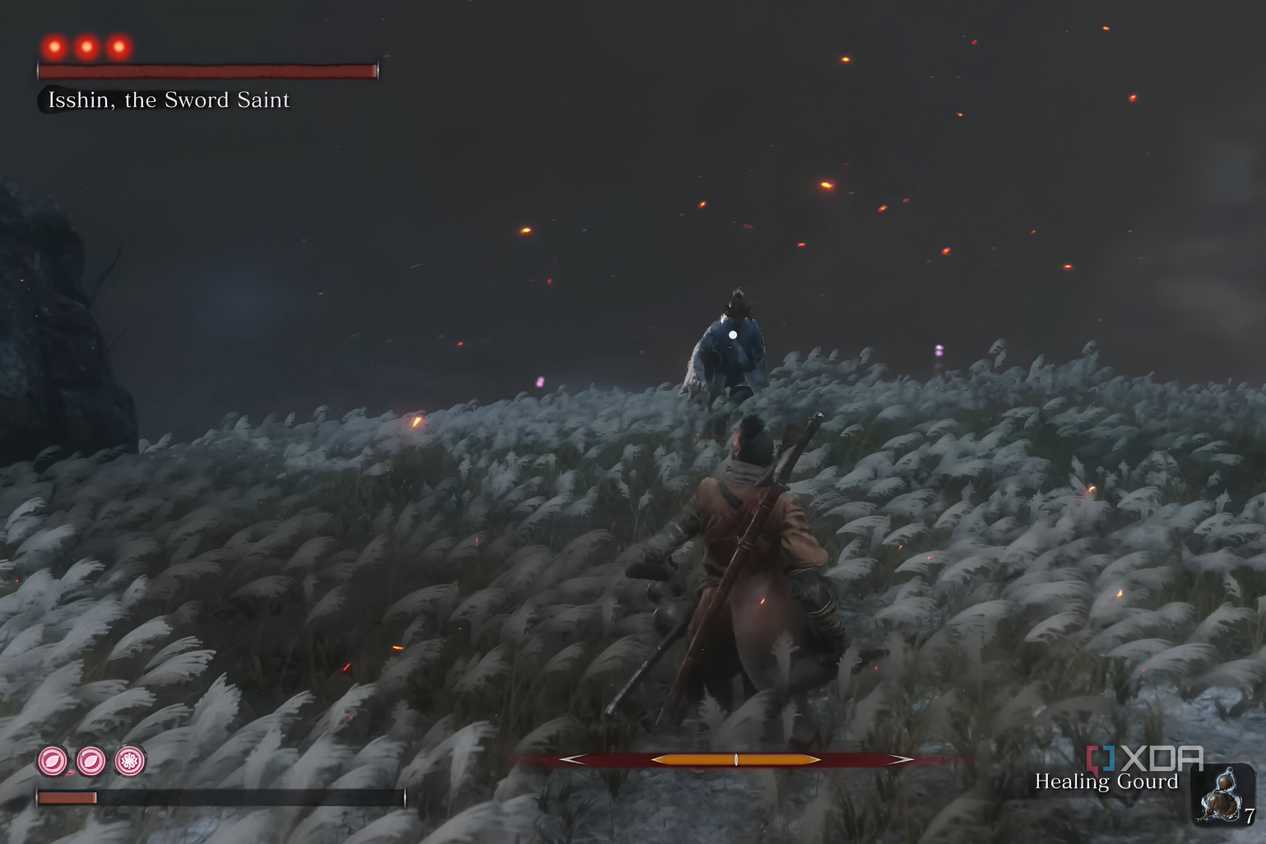
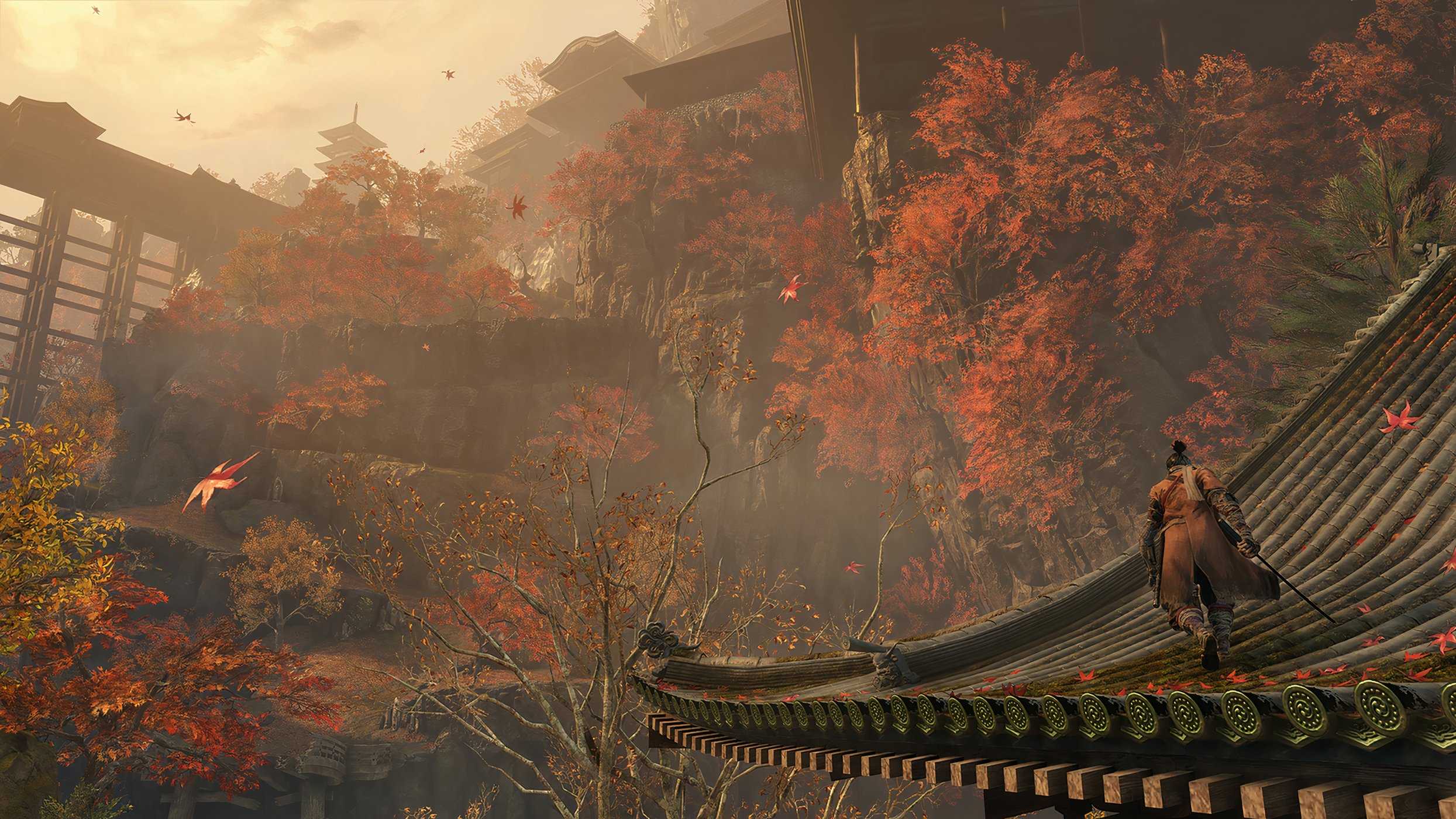
I’ve always loved the freedom of games that give you sprawling weapon choices, armor sets, and different builds to experiment with. And while I wasn’t a FromSoftware loyalist until Elden Ring rewired my brain, I understood why their Soulsborne formula was beloved. So when I realized Sekiro: Shadows Die Twice gave you none of that — no armor sets, no diverse weapon loadouts, just a single katana from start to finish — I was intrigued. I didn’t play it until 2020, but the lesson it etched into me has never faded.
With no tools to fall back on and no crutches to lean on, I had no option but to improve. There was no hiding behind overpowered gear — just me, my sword, and the unrelenting challenge of the next enemy. Every time I fell, I got back up, only to fall again — until the falls themselves became part of the rhythm. There was no shortcut, no cheese strategy. The only real option was to get better to overcome the difficulties ahead, not just in the game, but in how I carried myself beyond it. Sekiro taught me that sometimes, there’s nothing to blame but your own shortcomings, and the only way to move forward is to grow.
More than any Soulsborne game, Sekiro lives rent-free in my heart. Not because I beat it, though that’s definitely a badge of honor, but because it showed me the power of self-reliance. No hand-holding. No way out. Just a lesson that when you remove every excuse, what remains is the person you have to become.
Sekiro: Shadows Die Twice (GOTY Edition)
- $60 at Steam
- $60 at Xbox Games Store
- $60 at PlayStation Store
3 Gone Home
Let love be love
Source: Steam 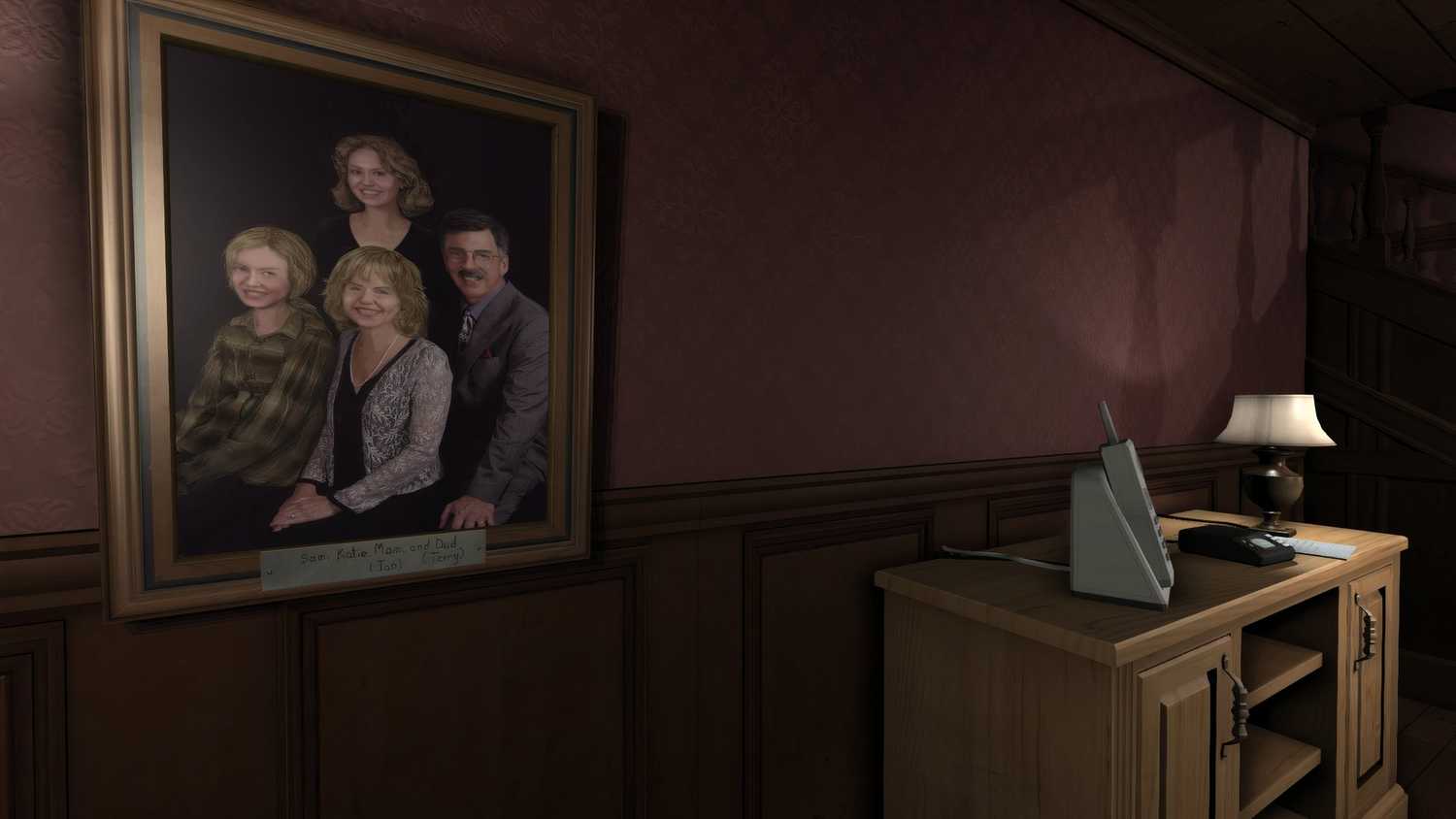
Source: Steam 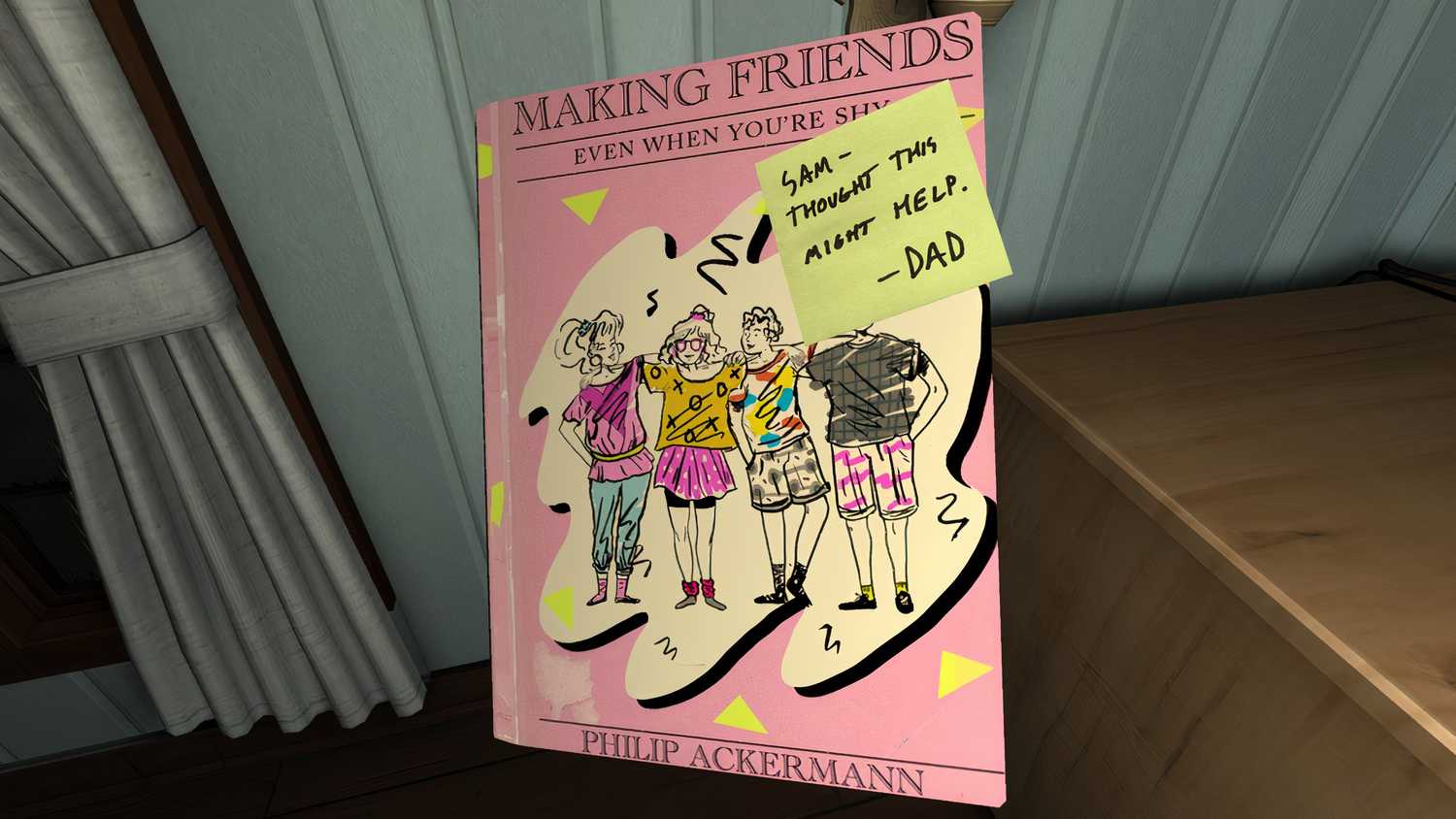
Source: Steam 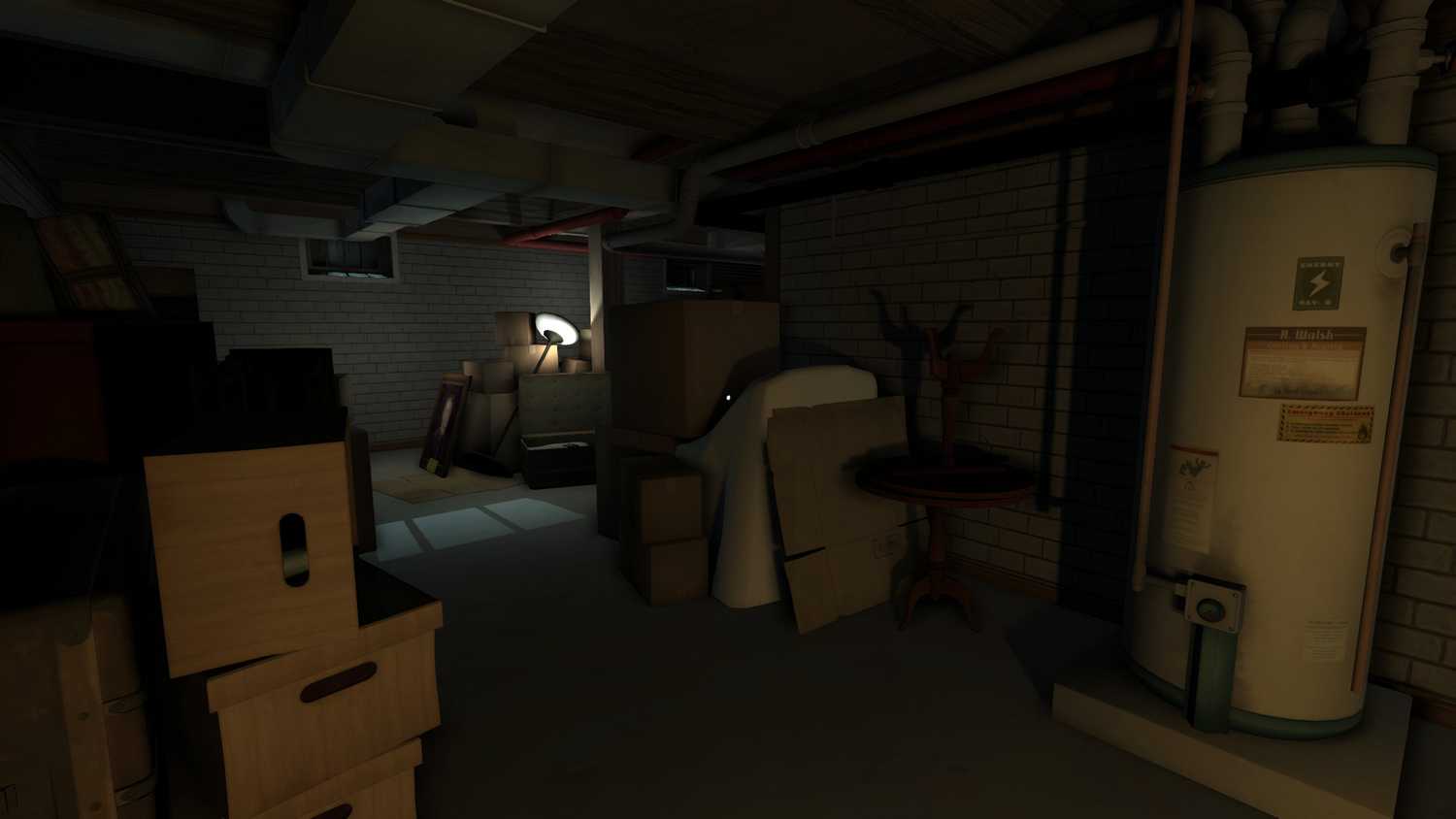
Source: Steam 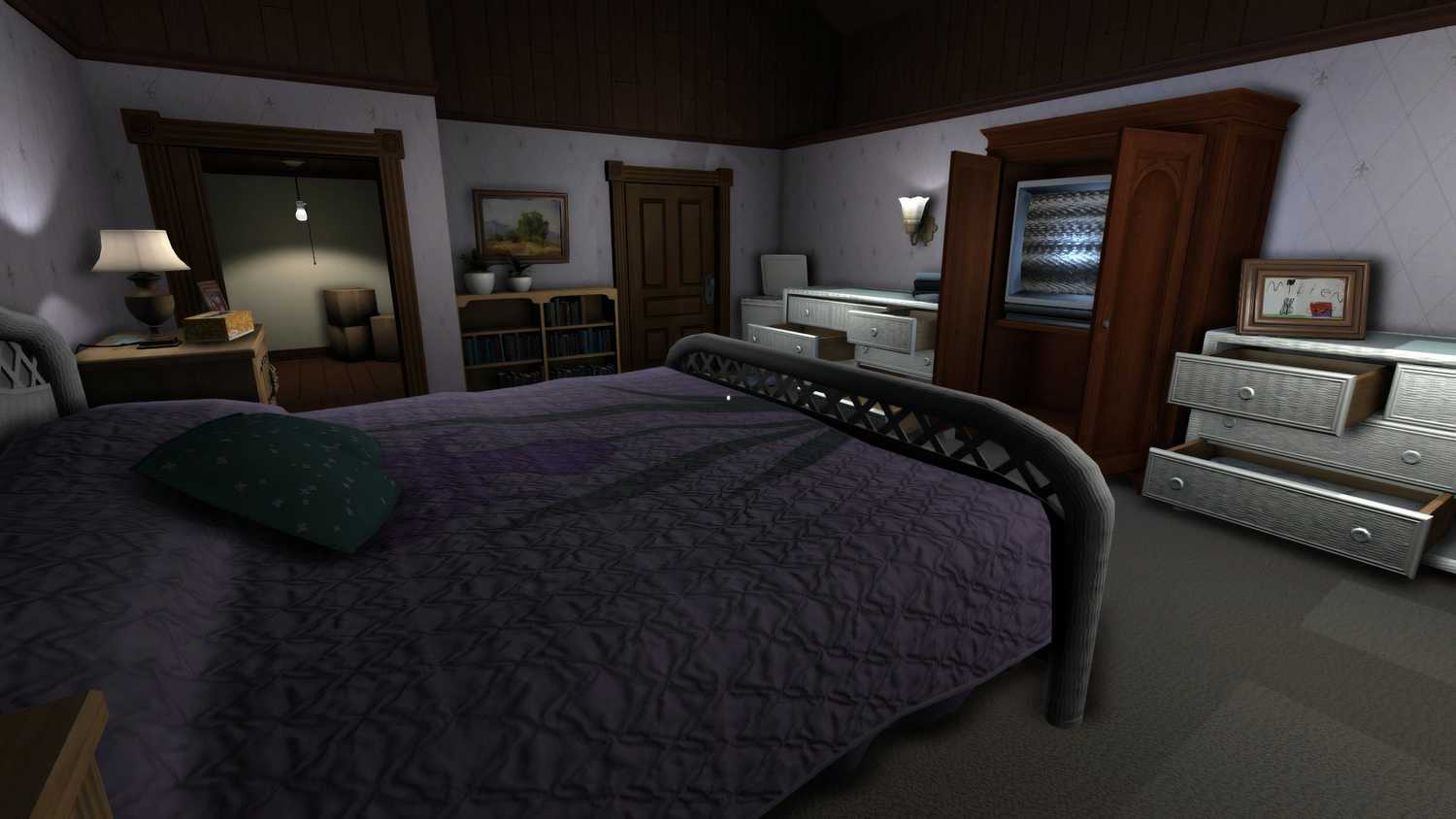
Source: Steam


Source: Steam 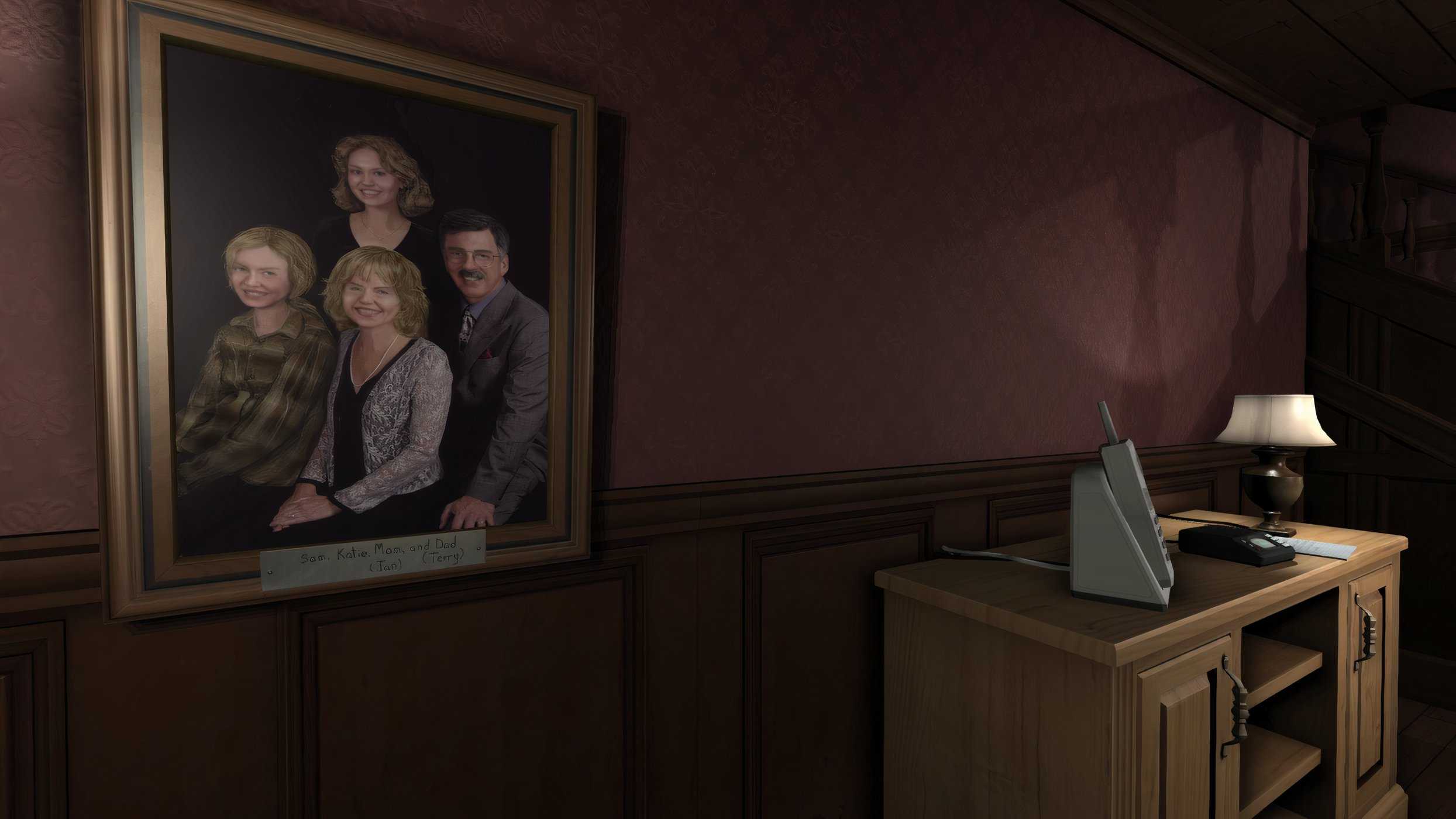
Source: Steam 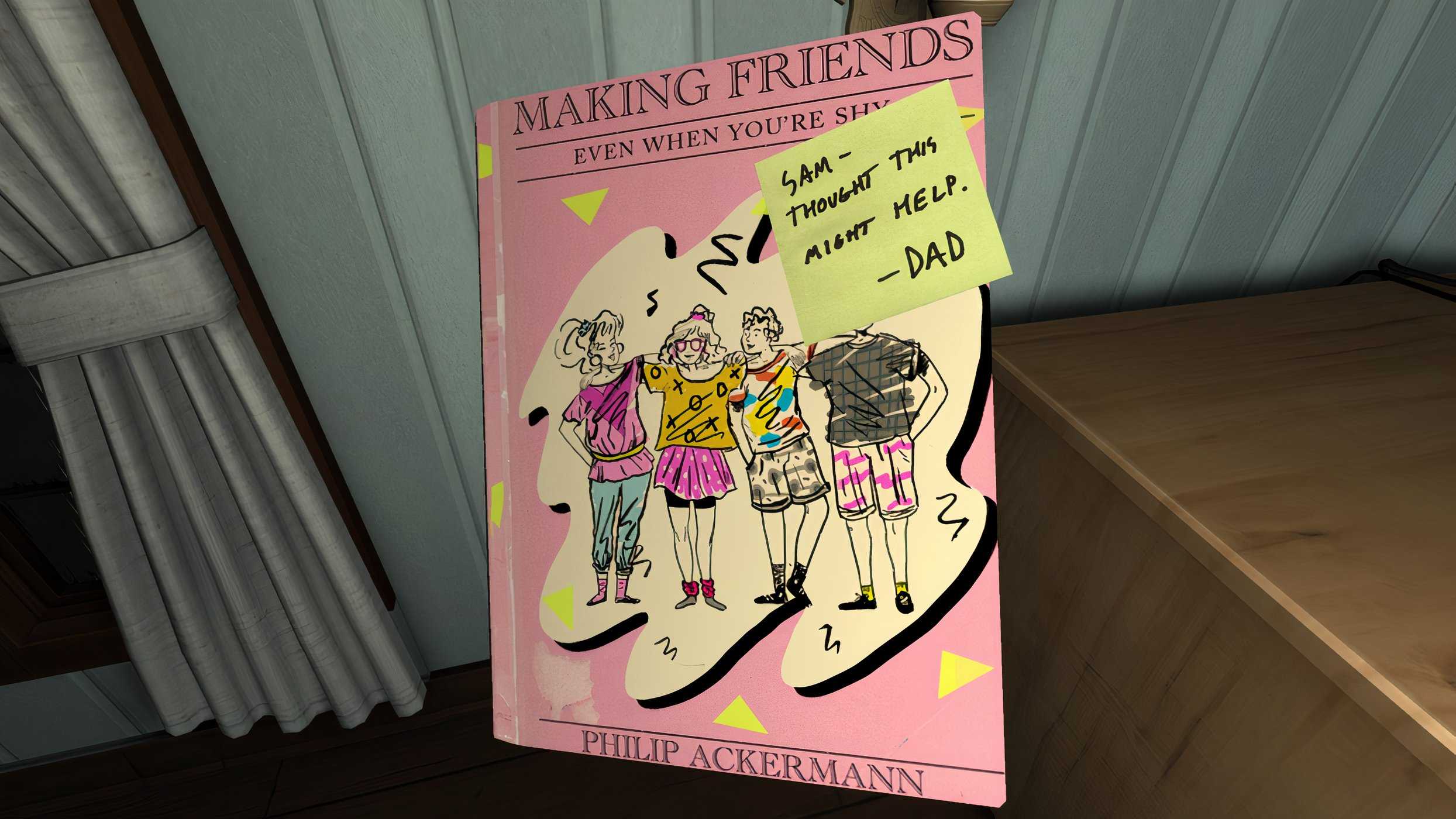
Source: Steam  Credit: Source: Steam
Source: Steam 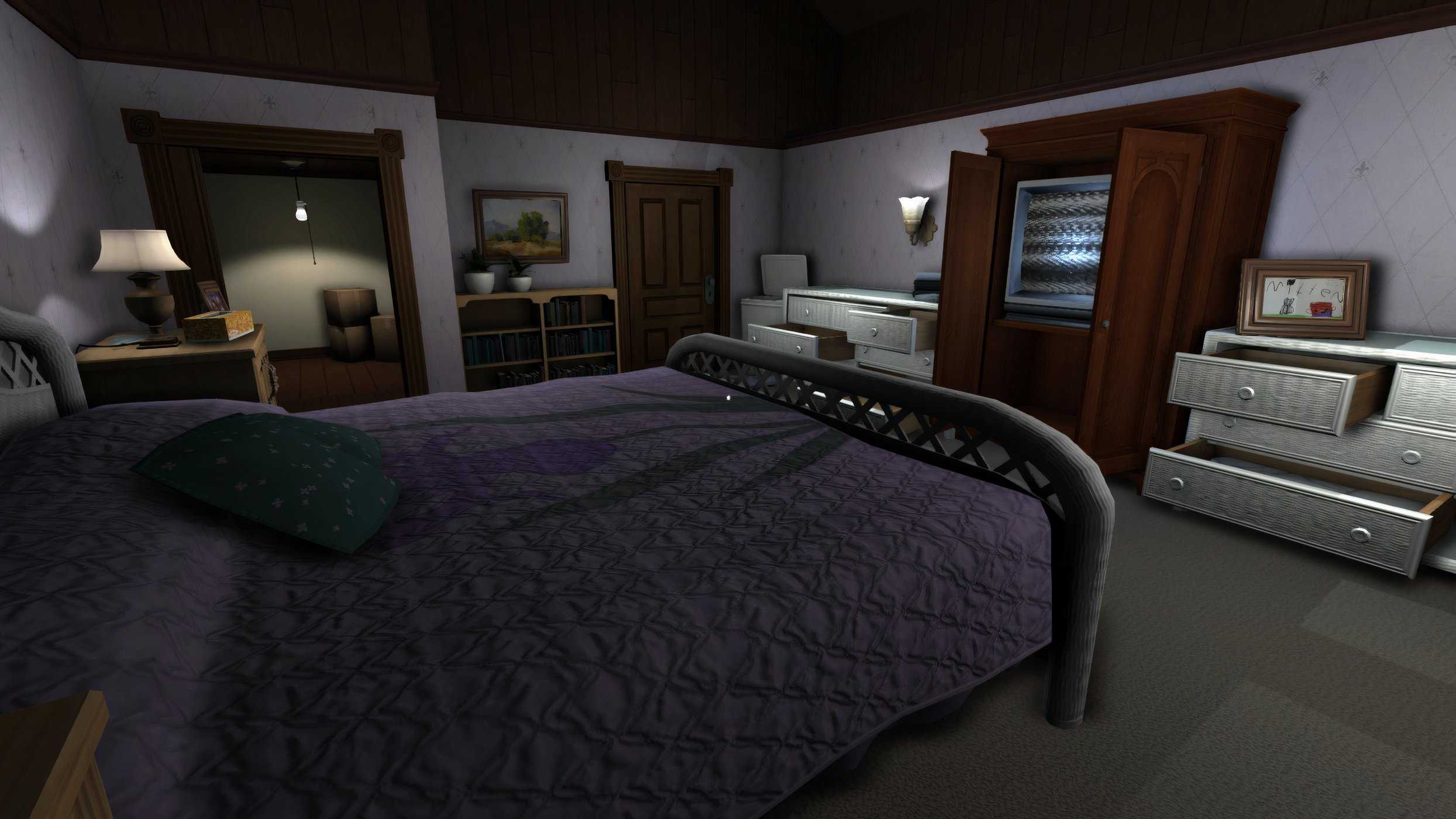
Source: Steam





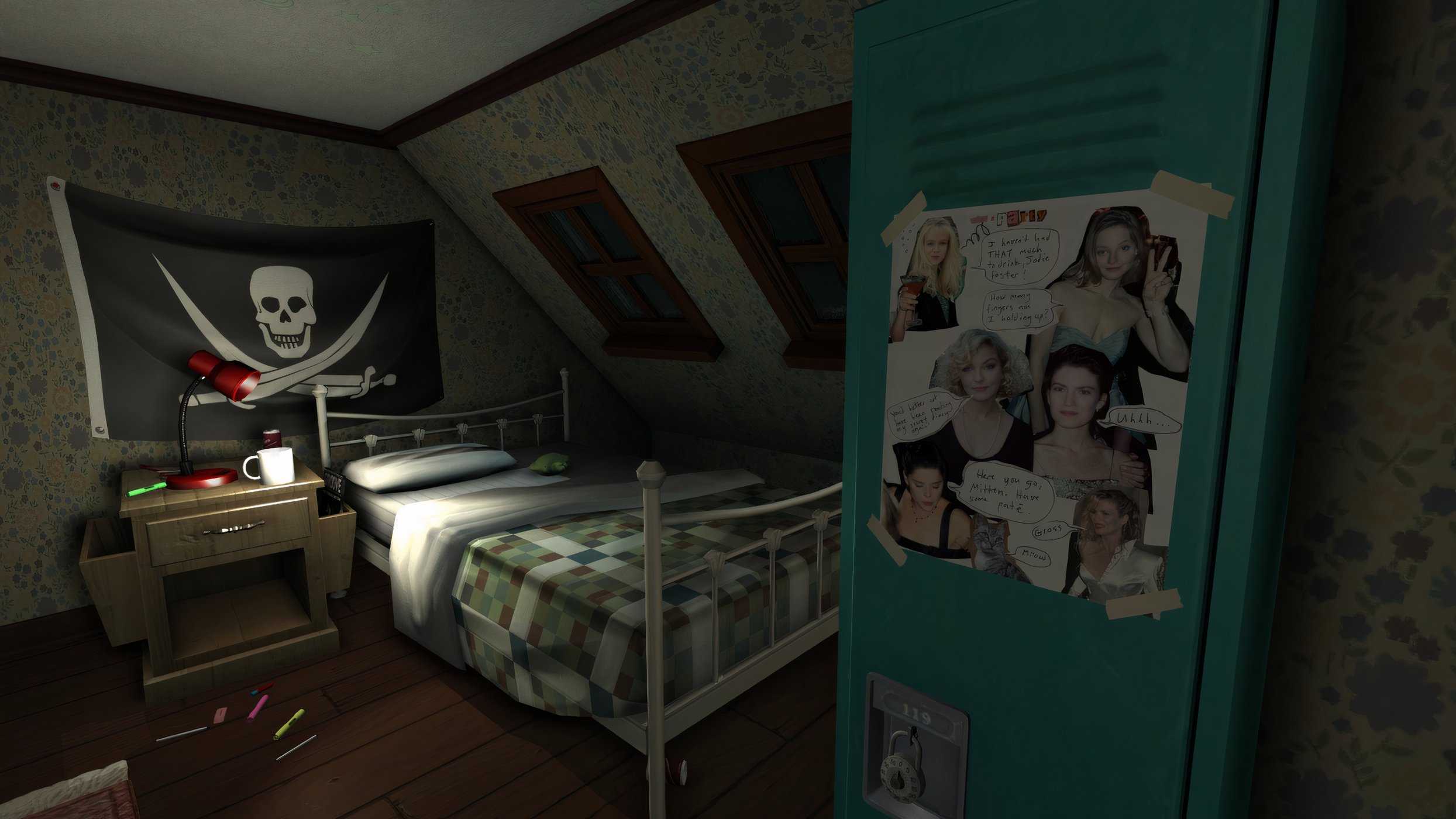
I was a teenager still adjusting to adolescence when Gone Home found its way into my life. I’d just stepped into the world of “bigger” games after finally securing my long-dreamt-of ATI Radeon HD 5670. I can’t remember how Gone Home landed on my PC, but I’ll always be thankful it did. It was one of the first indie games I ever played — and it arrived at a time when I was part of a generation straddling East and West, growing up watching American and British TV while still rooted in Indian culture. In that pre-woke, pre-reckoning world, the idea of sensitization toward marginalized identities was still in its infancy.
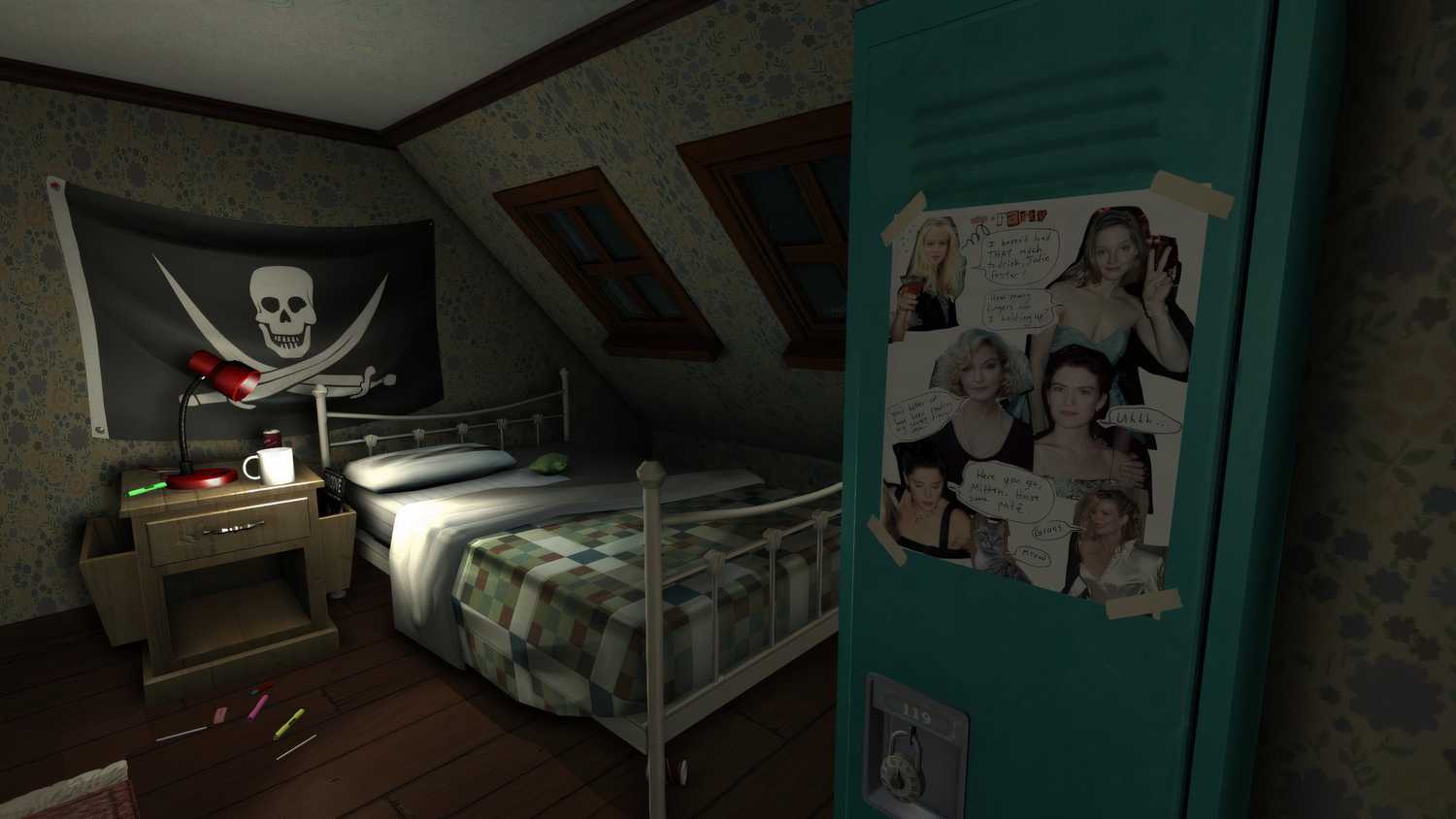
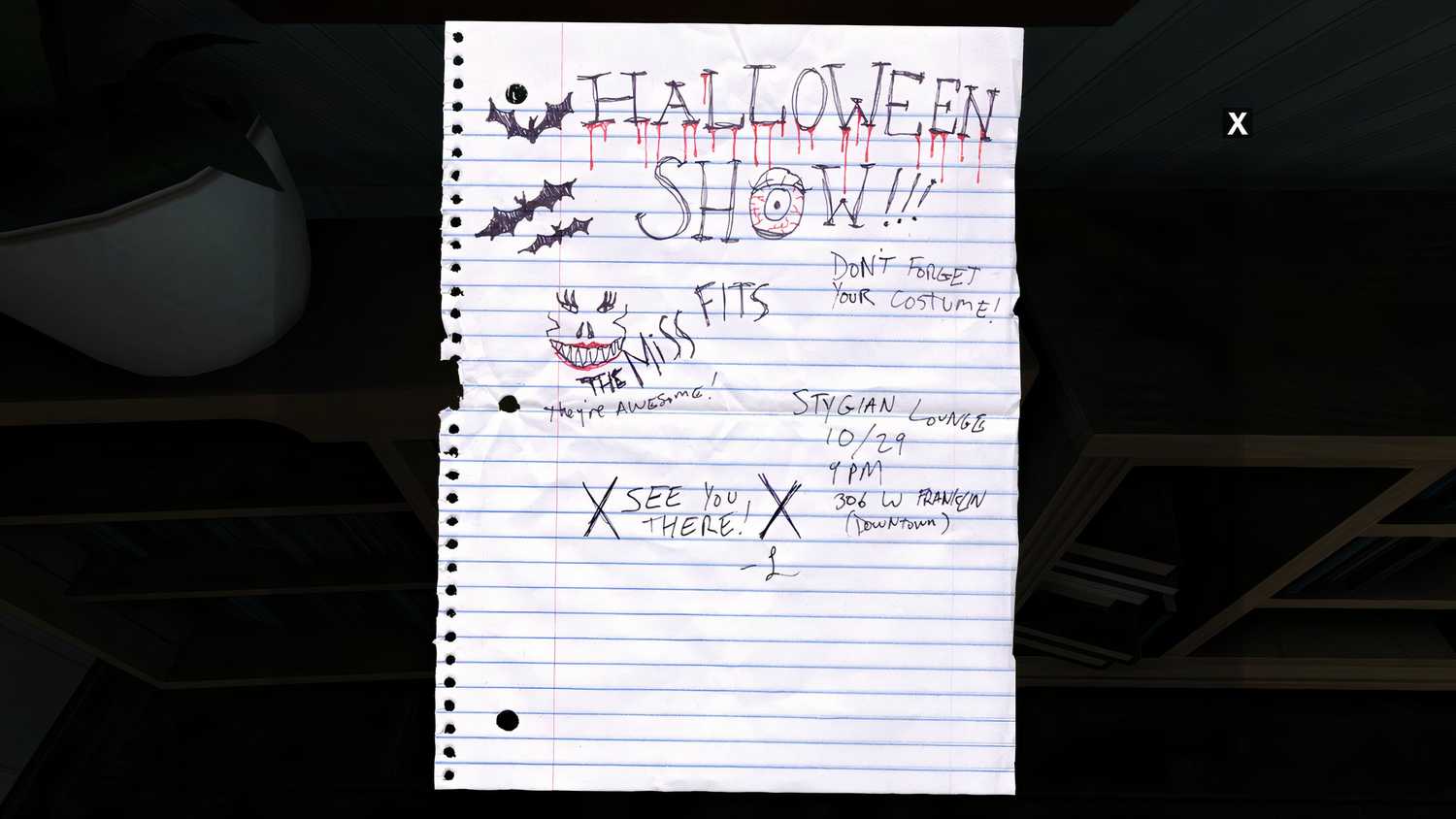
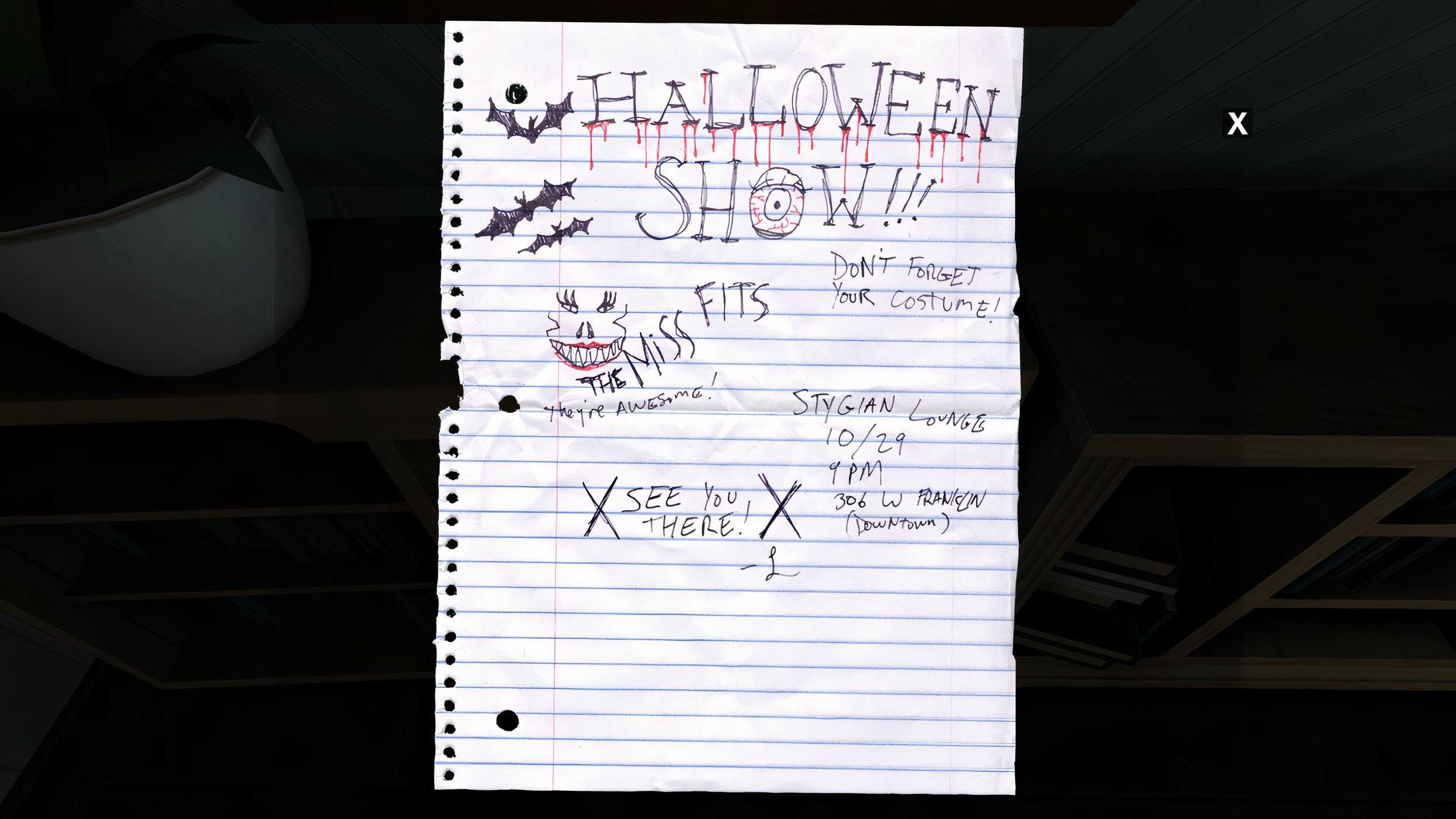
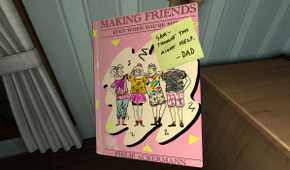
At first, I expected a horror-adventure — stormy weather, creaky floors, a spooky mansion with no one home. And yet, as I moved from room to room, I began to realize I was not uncovering a ghost story, but something far more human. Through journal entries, scribbled notes, and letters, I began piecing together the story of my sister, Sam, and her growing love for Lonnie, another girl at her school. As I read their words, I found myself rooting for them without even realizing I was stepping over invisible lines I didn’t know had been drawn in my mind.
It was the first time I truly felt the message of acceptance. I saw, firsthand, that love doesn’t need validation — it just is. That, no matter who it’s between, love blooms the same way, stings the same way, and means just as much. By the time Sam left home to be with Lonnie, I wasn’t just teary-eyed — I was different. Gone Home didn’t preach. It showed. And in doing so, it taught me to re-examine personal biases, to unlearn, to listen, and above all, to let love be love.
Gone Home
- $15 at Steam
- $15 at Xbox Games Store
- $15 at PlayStation Store
-
$15$3 at Nintendo eShop (expires Apr 28)
2 Last of Us Part II
Regret is the most corrosive emotion


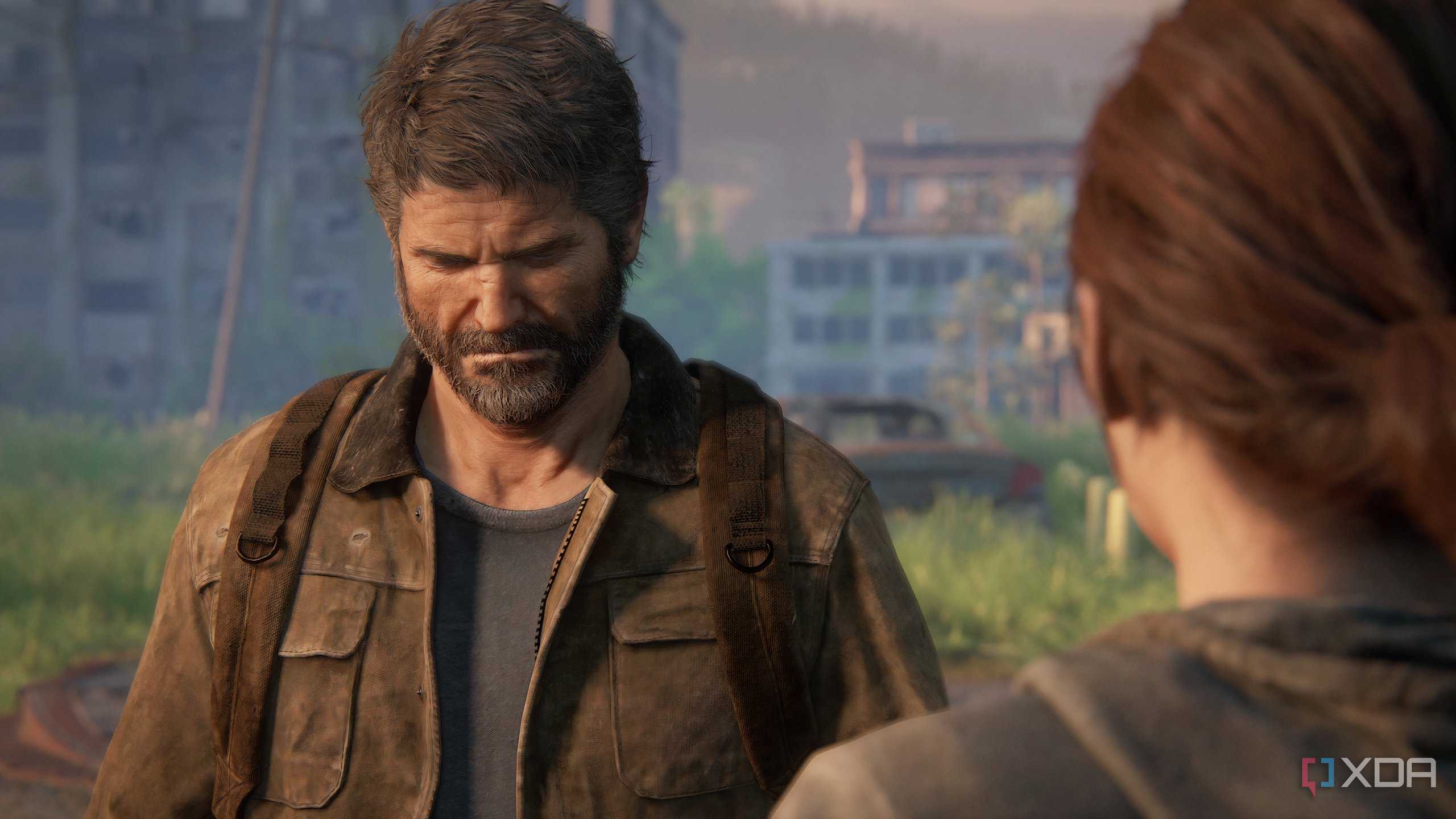
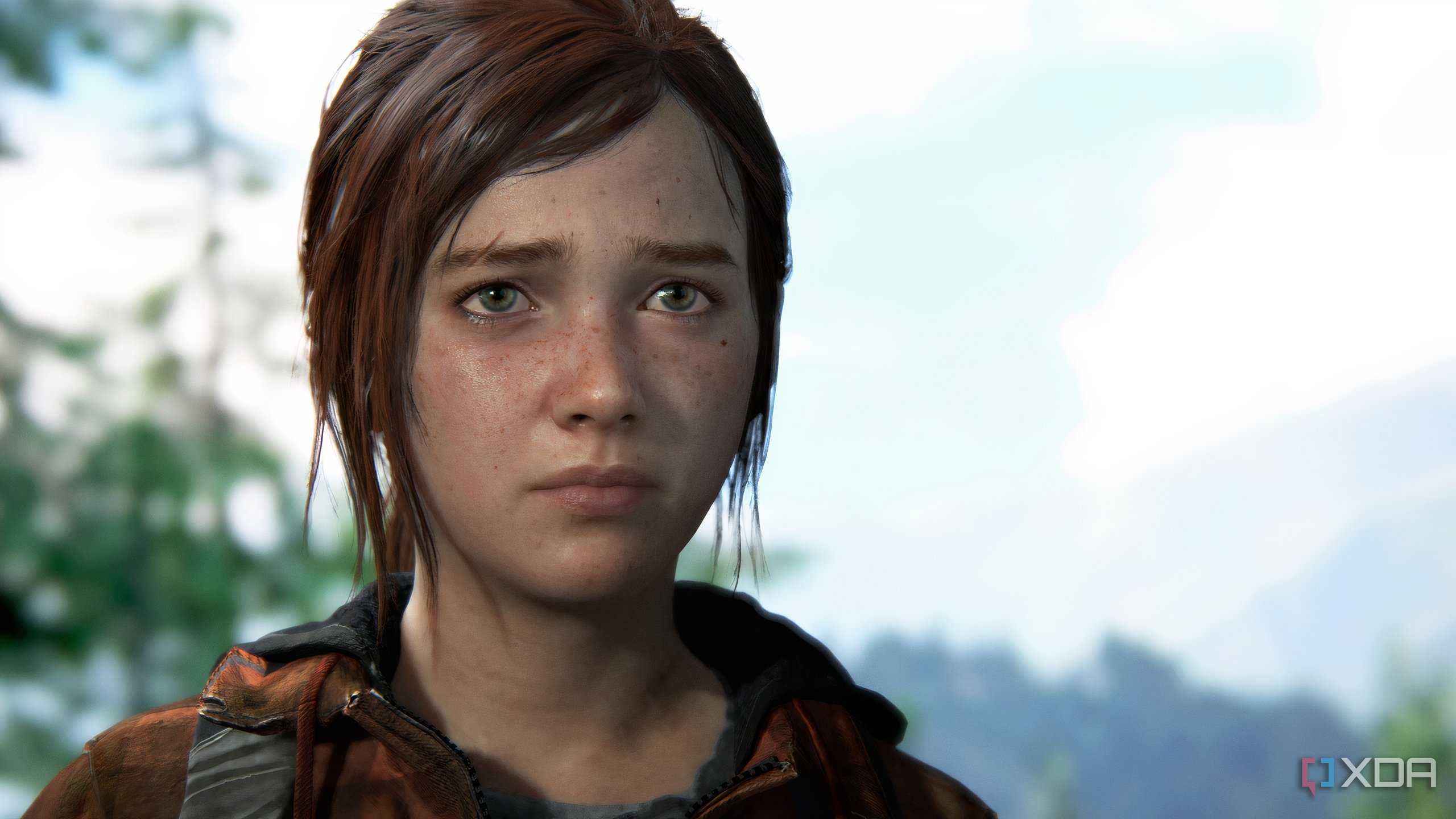
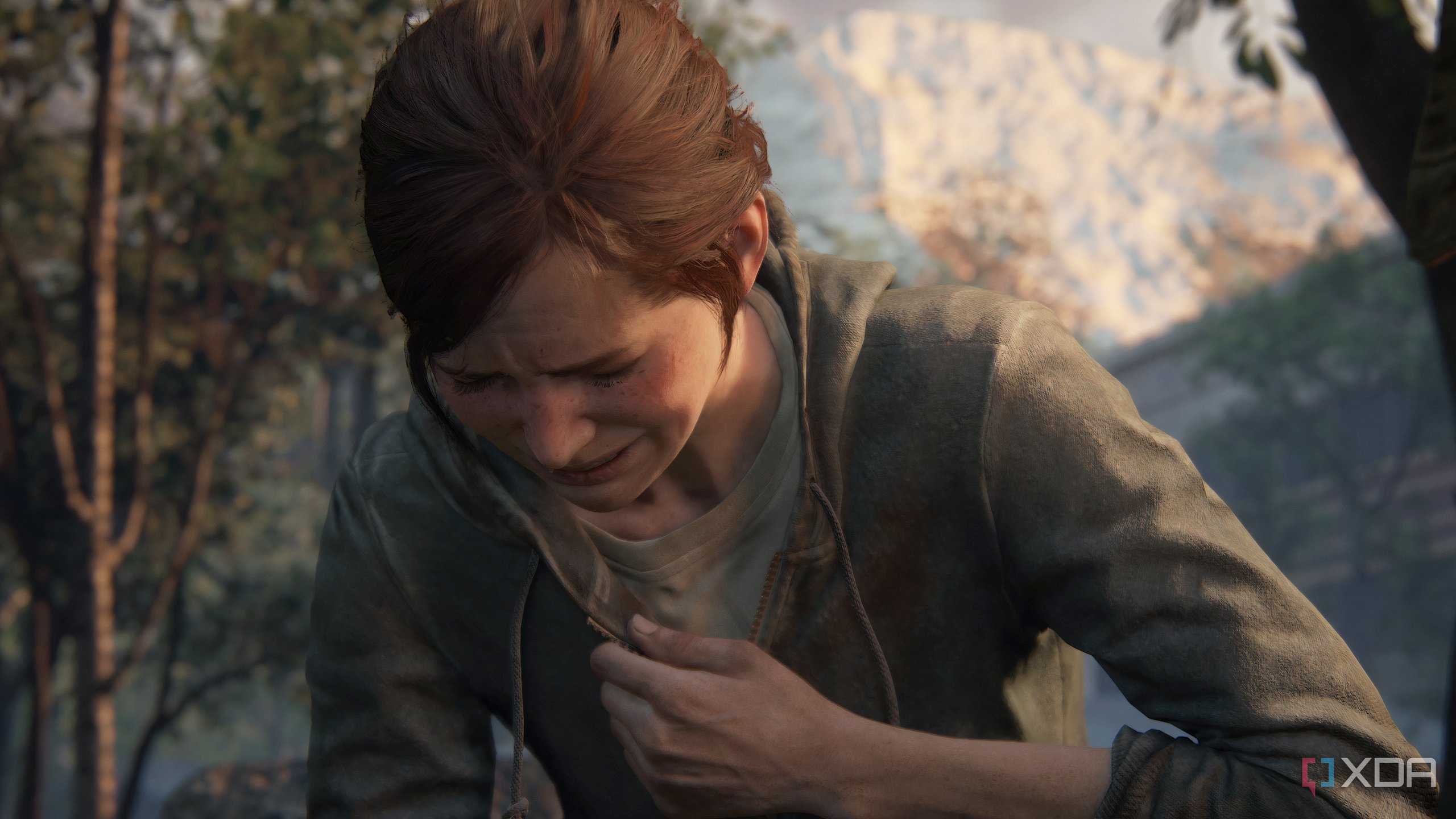
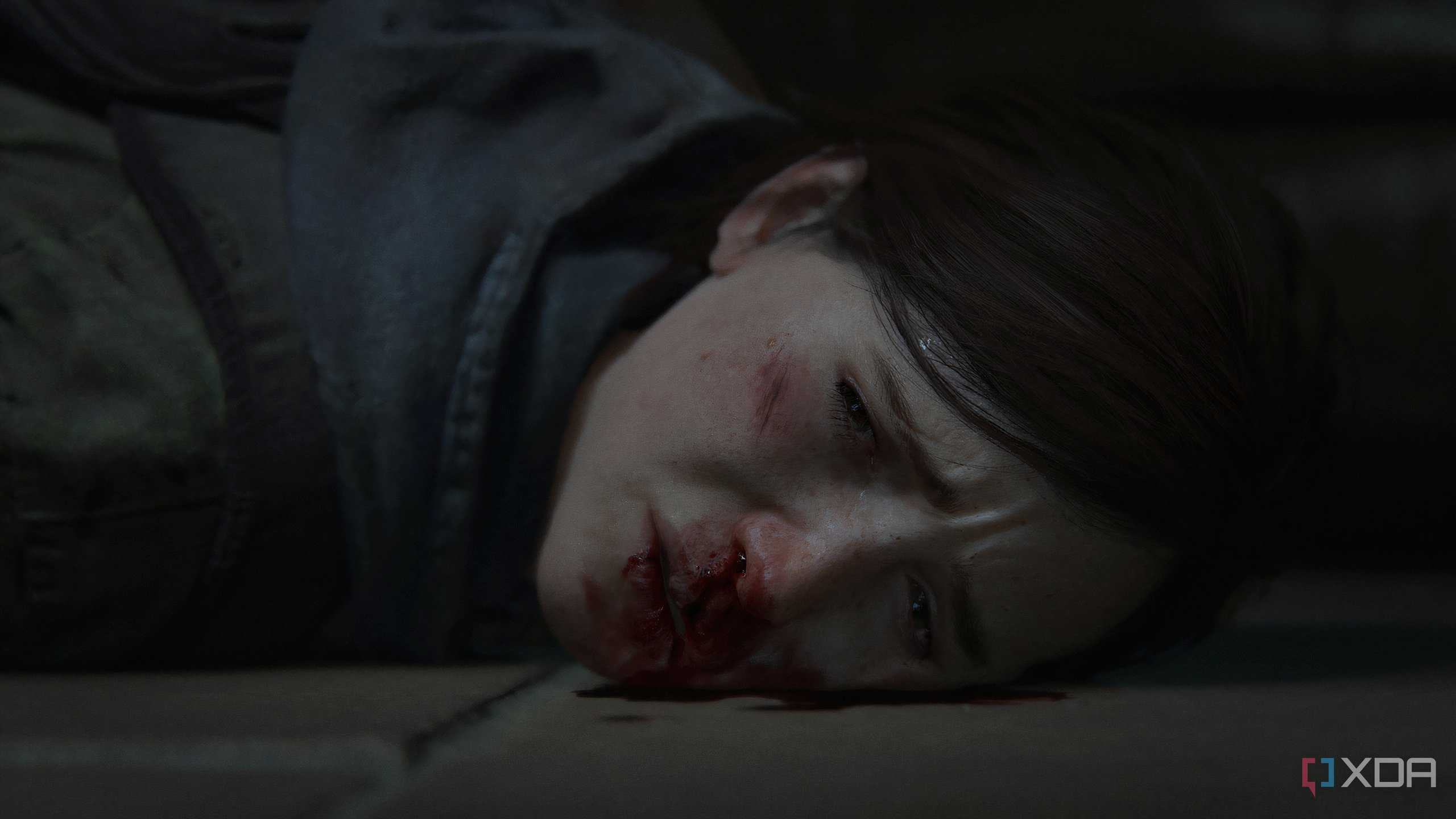
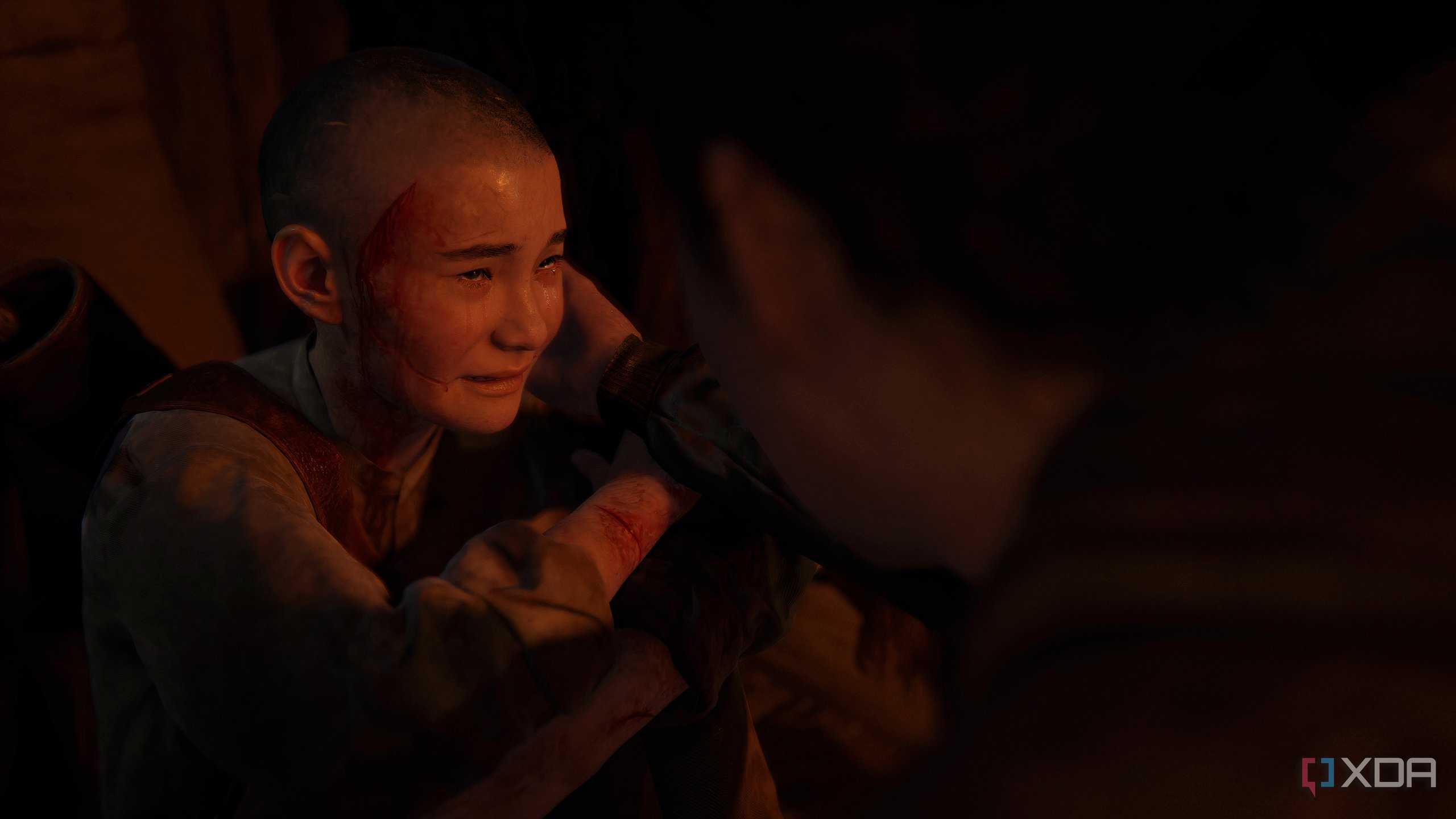




The Last of Us was a phenomenal game, sure, but it was Part II that shattered me. I played it on release day in 2020, at the height of the pandemic, when the world was still, and the silence outside mirrored the heaviness I felt inside. But this game... this game wasn’t something I could binge. I’d sit down to play, only to find my controller feeling heavier with each passing hour. The more I played, the more the grief seeped into me, until I had to stop — not because the game wasn’t incredible, but because it was too much. It forced me to sit with emotions I wasn’t ready to confront.
What The Last of Us Part II taught me is something that no piece of media has ever had — that regret is the most corrosive thing a person can carry. It doesn’t just haunt you — it twists you. It poisons your choices, your relationships, and your sense of self. Ellie’s descent wasn’t about vengeance; it was about the slow rot of something left unresolved, and how that rot spreads until there’s nothing left but pain. That message didn’t just hit close to home — it barged in and demanded change. It gave me the push I needed to mend a relationship in my own life that I’d let fester for far too long.
The biggest token of gratitude I could offer this game was permanence, having Ellie’s moth etched onto my skin. A reminder of what was lost, what was found, and what must never be taken for granted again.
The Last of Us Part II
- $50 at Steam (Remastered)
- $50 at PlayStation Store (Remastered) (PS5)
- $40 at PlayStation Store (PS4)
1 Life is strange
Do what’s right, even if it isn’t what you want
Source: Steam 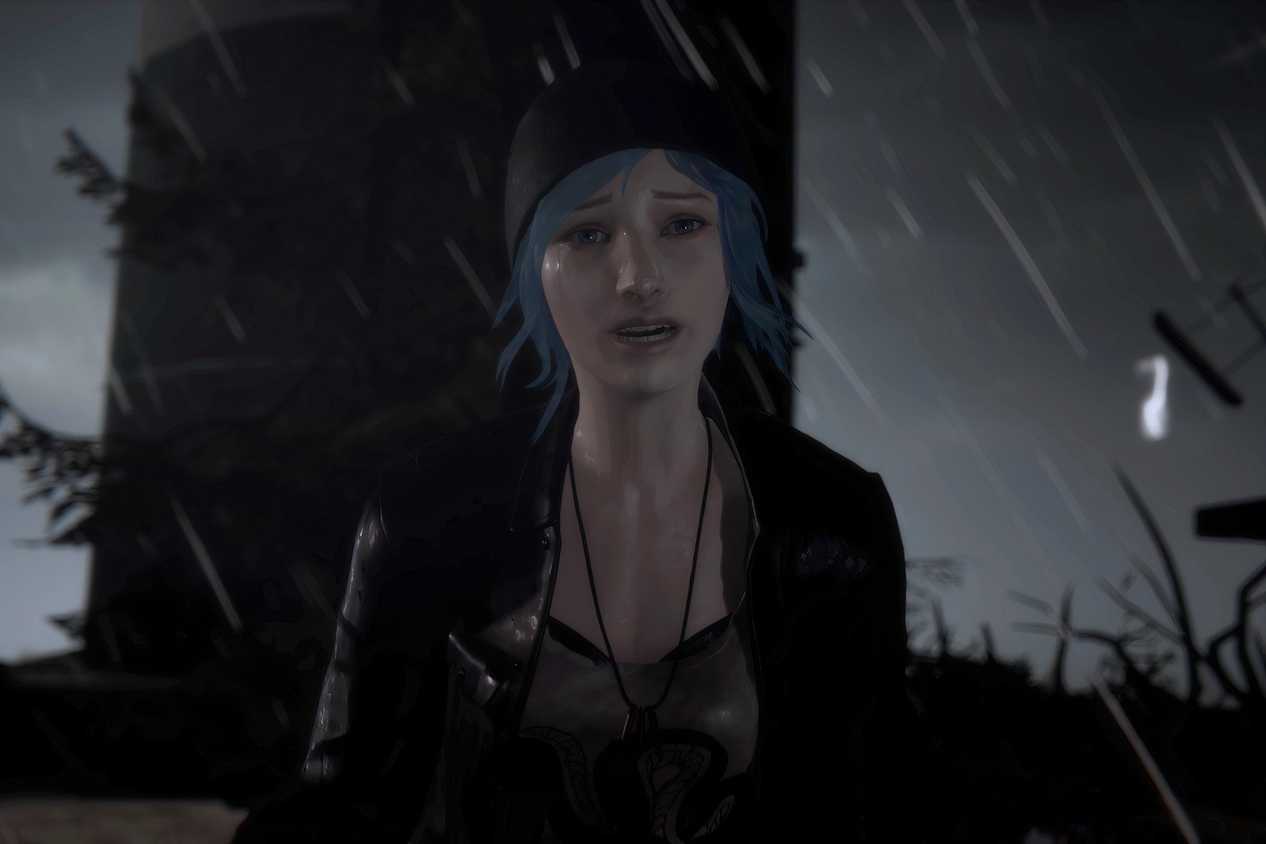
Source: Steam 
Source: Steam 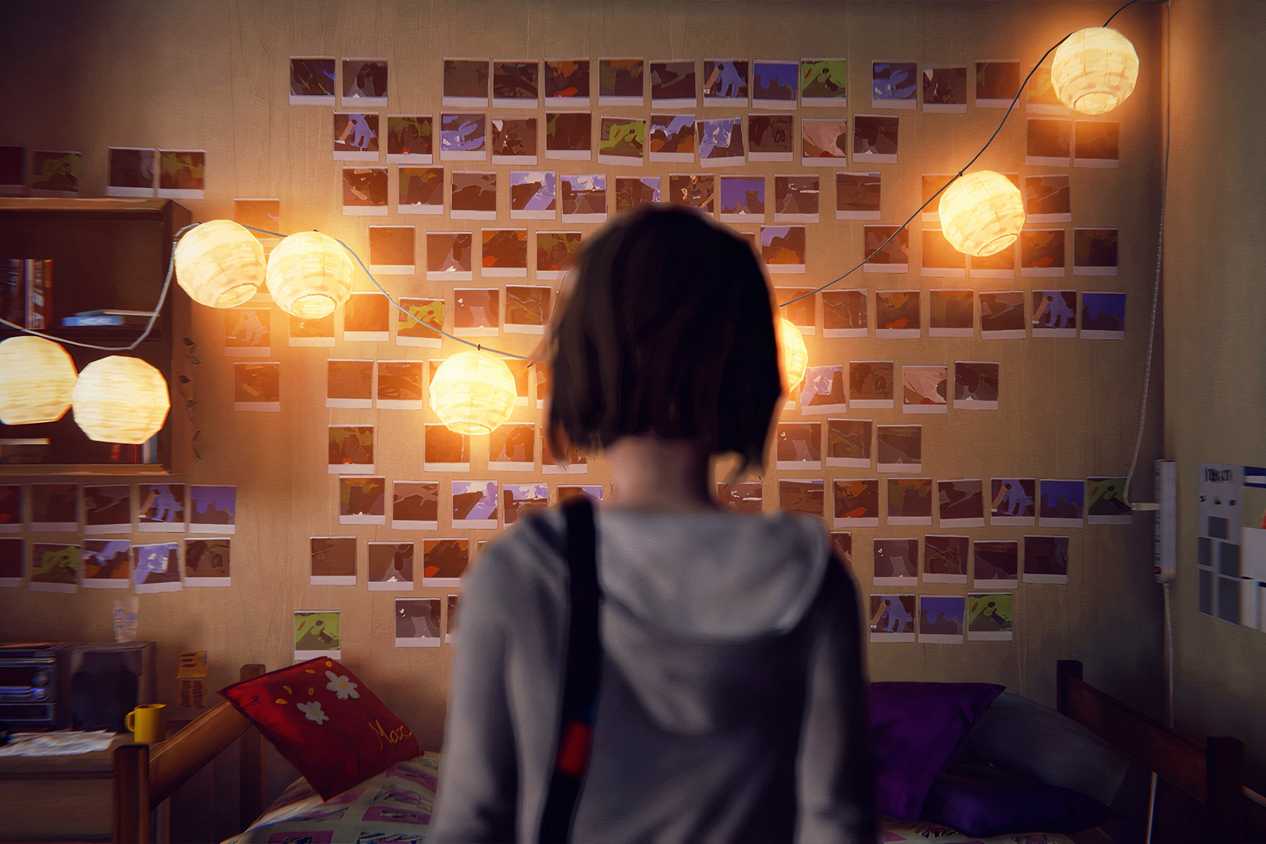
Source: Steam 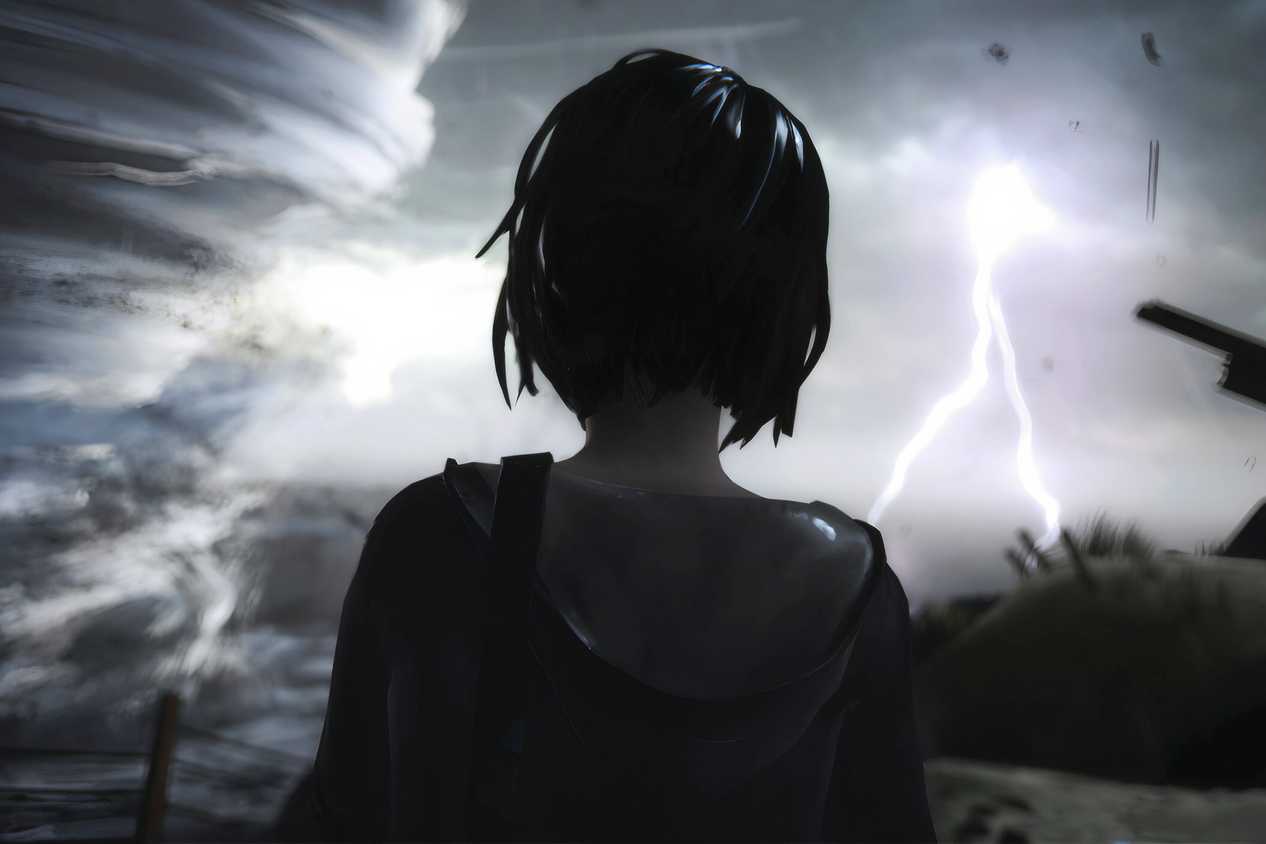
Source: Steam


Source: Steam 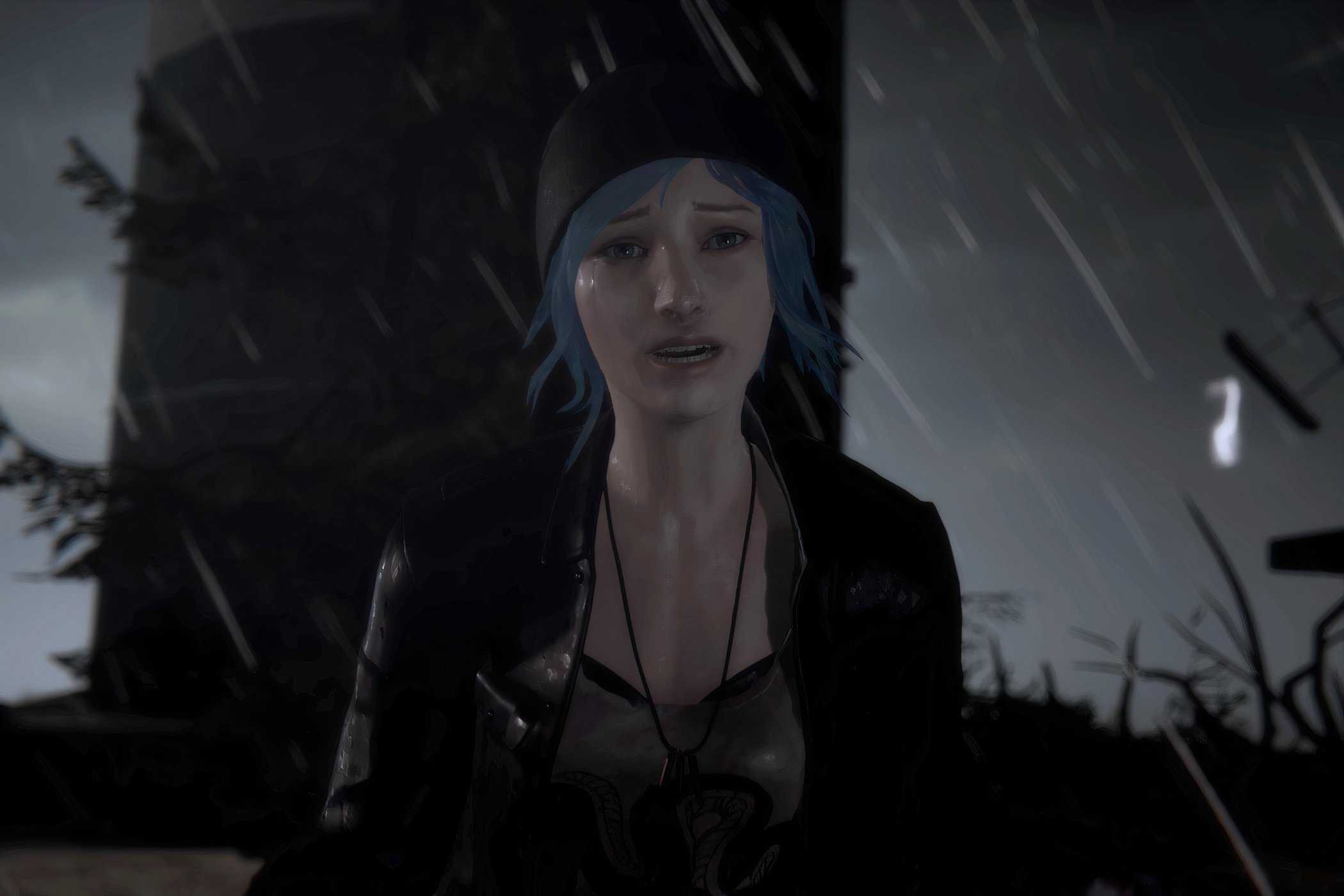
Source: Steam 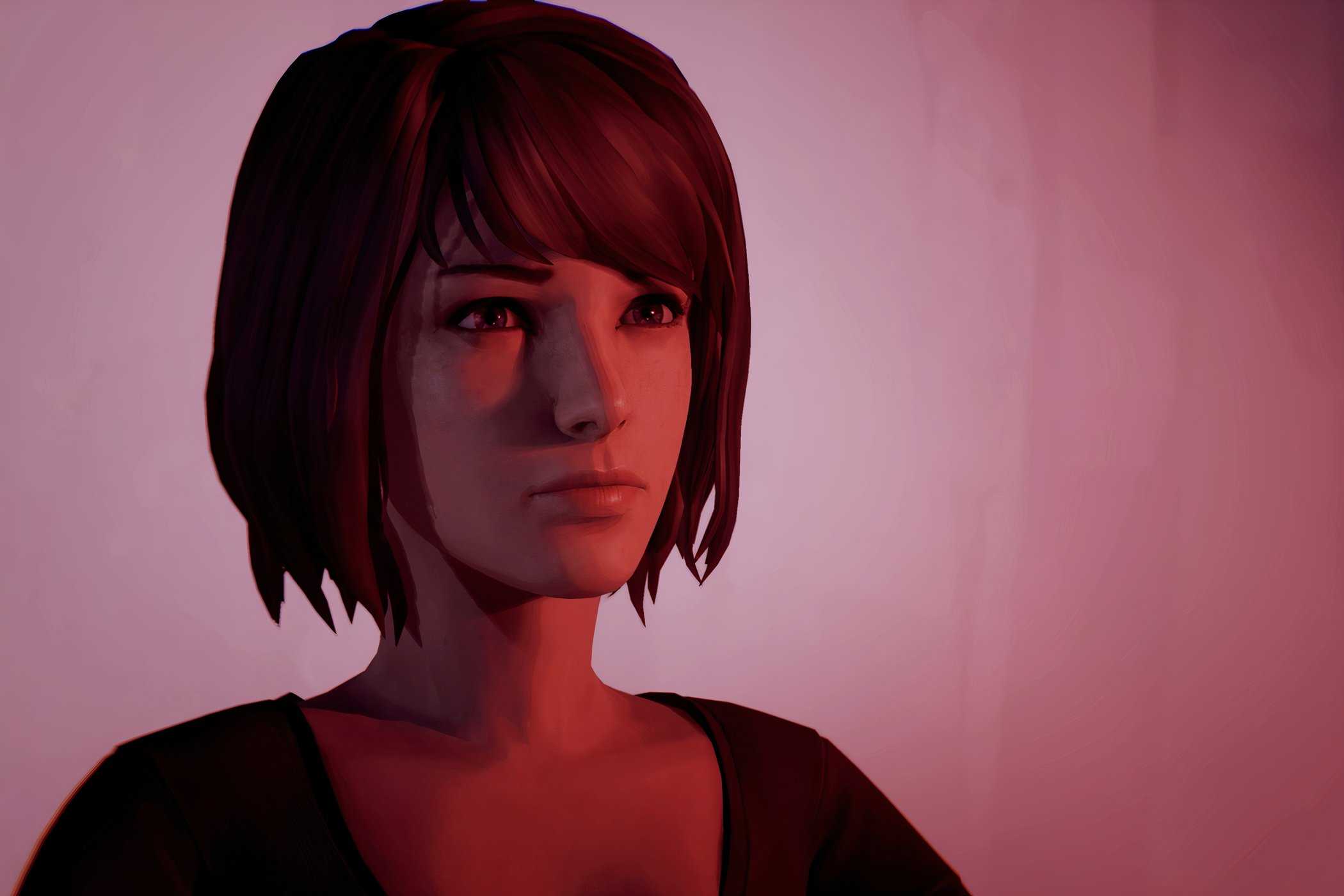
Source: Steam 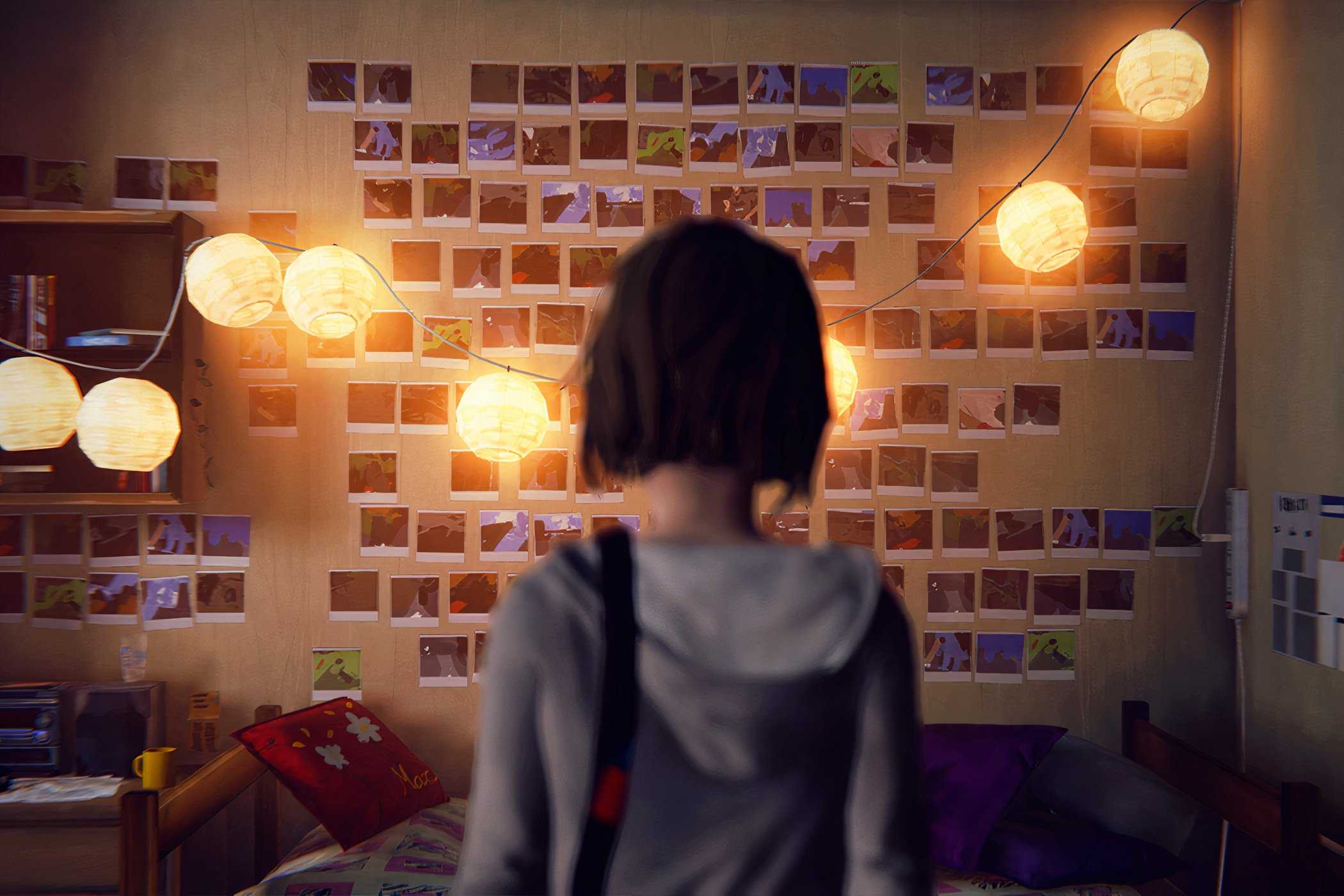
Source: Steam 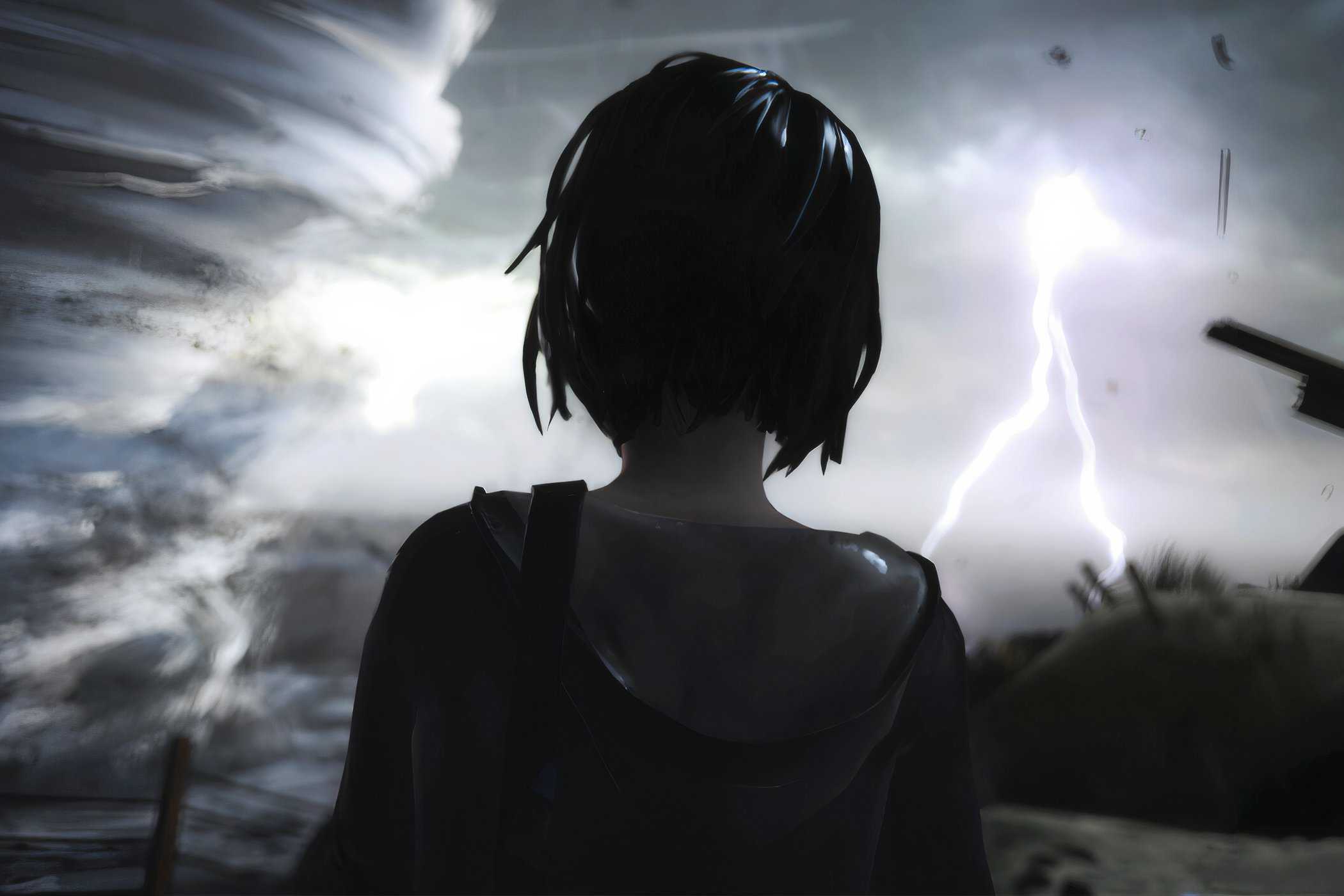
Source: Steam





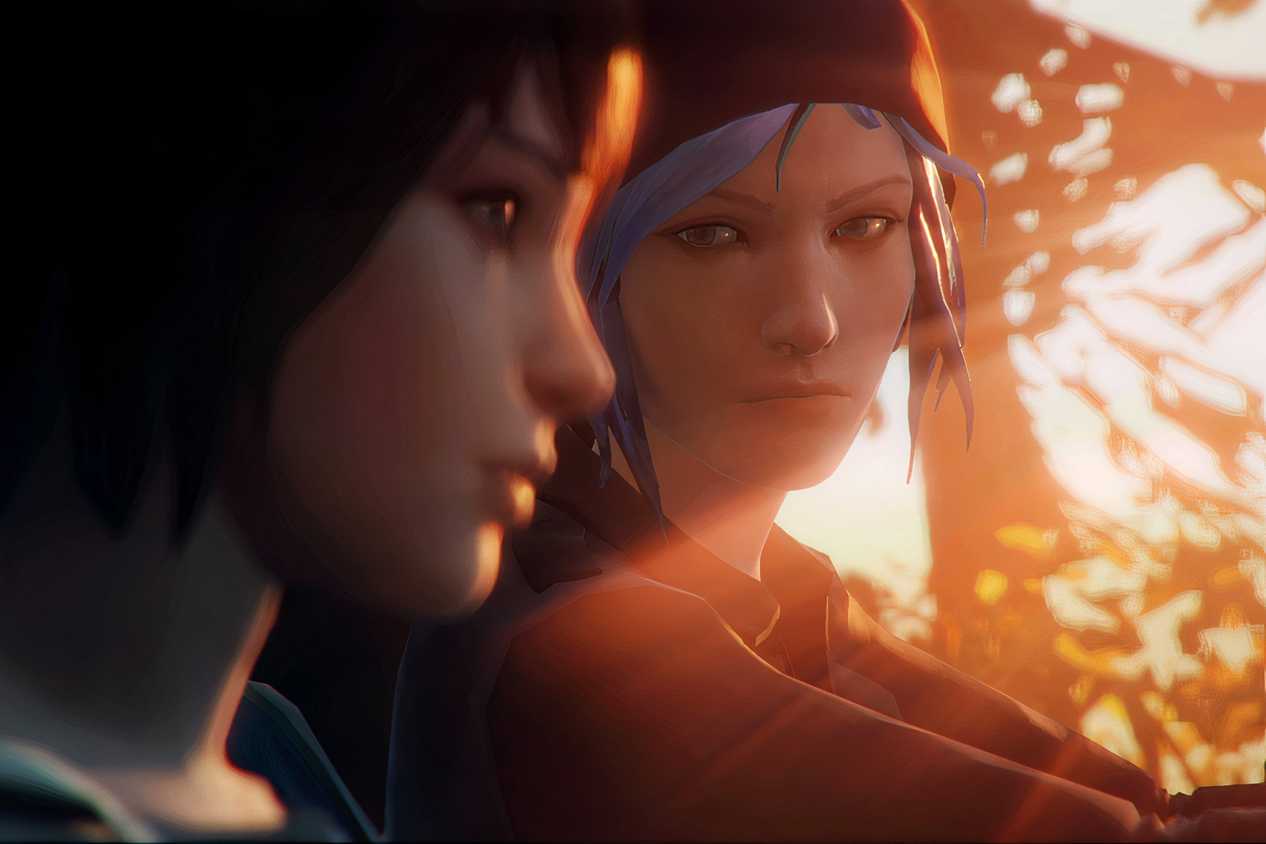
As I walked in the shoes of Max Caulfield down the hallway of Blackwell Academy, with To All of You by Syd Matters echoing softly in the background, I knew I was going to love Life is Strange. I was lucky — each episode had already been released by the time I got to it, so I got to experience the whole journey uninterrupted, over the span of two unforgettable days. More recently, I had the joy of introducing my new-to-gaming partner to the remastered editions and watching her fall just as deeply in love with Max and Chloe’s world as I once had.
Still, nothing hits quite like that first playthrough. Life is Strange wasn’t about grand battles or over-the-top drama — it was about quiet heartbreaks, human flaws, and the kinds of decisions that stay with you long after the credits roll. Max’s choices, both big and small, ripple throughout the game. And it was the first time I truly understood that a well-written character doesn’t need to save the world to leave a mark — they just need to be honest.
When I reached the final decision, choosing between a whole town and the person you love most, I froze. It was one of the hardest moral choices I’ve ever faced in a game. That moment taught me that strength isn’t always loud or triumphant — it’s quiet, gut-wrenching, and necessary. Doing what’s right doesn’t always feel good. But it’s what defines you.
Life is Strange Remastered
- $40 at Steam
- $40 at Xbox Games Store
- $40 at PlayStation Store
- $40 at Nintendo eShop
What games can leave behind
Looking back on these games, it’s hard not to get a little emotional. They’ve given me more than skill or stories — they’ve given me perspective, purpose, and a better understanding of who I am. Not every game needs to be life-changing, but when one is, it stays with you forever. These weren’t just pixels and polygons — they were deeply personal experiences that helped me navigate growing up. They reminded me to be kinder, stronger, and more self-aware. And for that, I’ll always be grateful. Because sometimes, growing up doesn’t just happen in life — it happens on-screen, one lesson at a time.
