


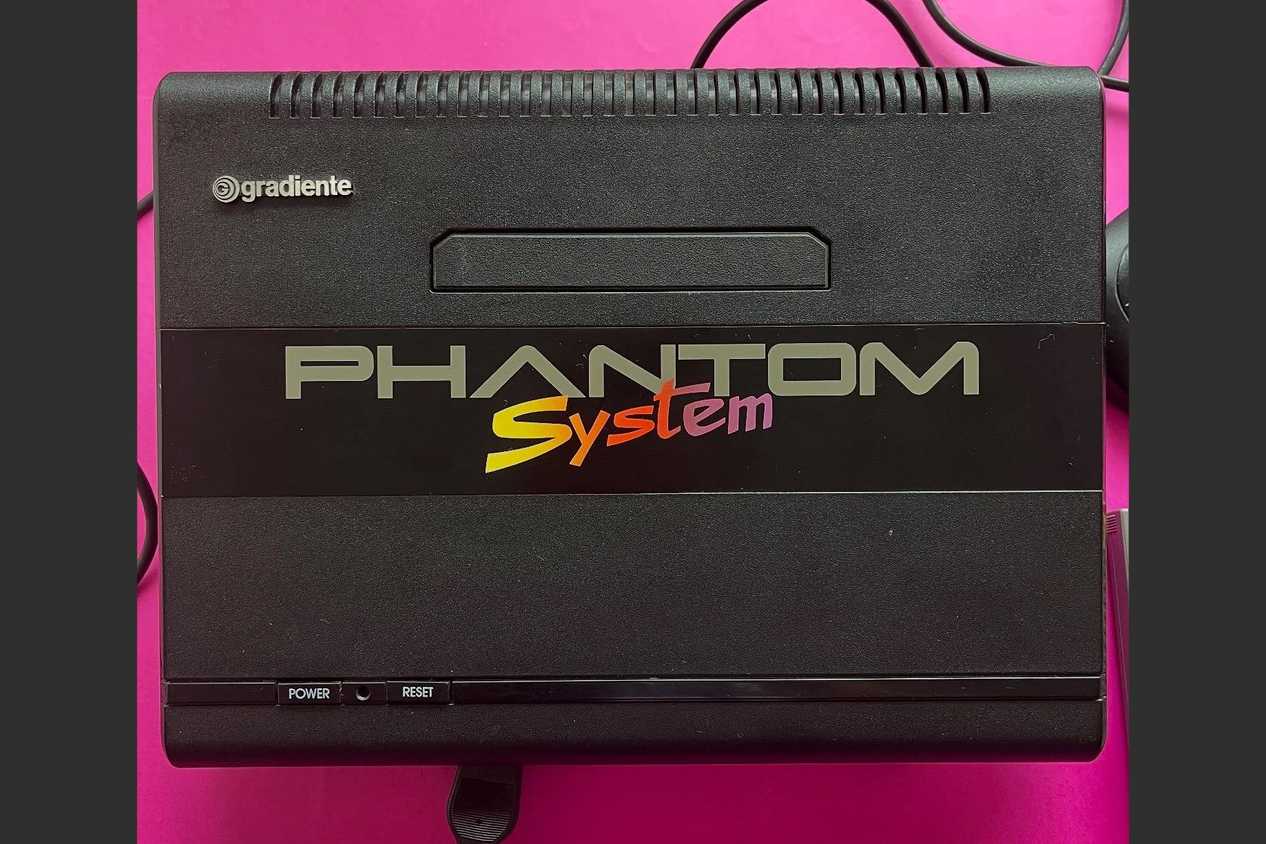
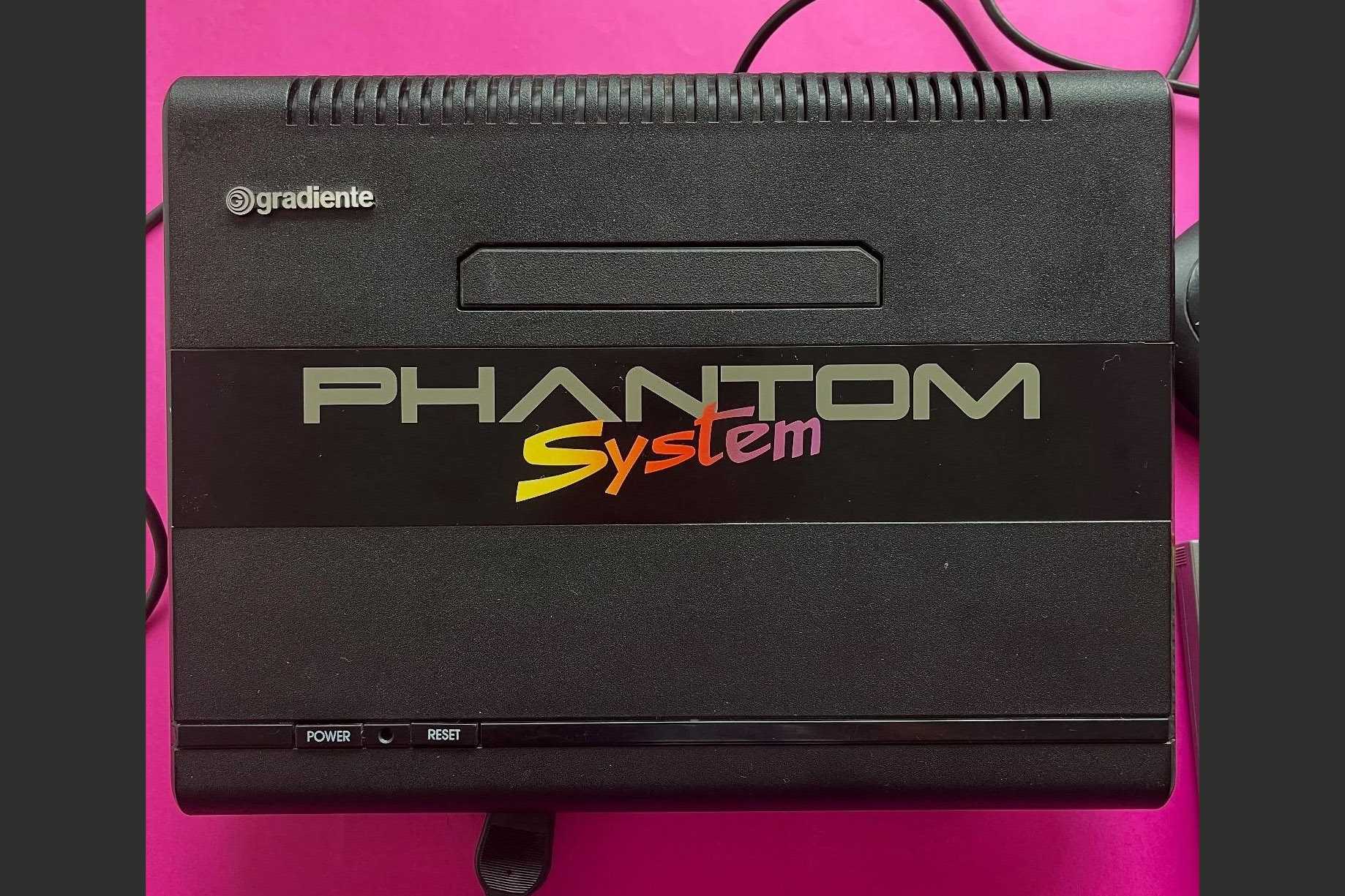
For a whole generation of Brazilian kids, the Nintendo Entertainment System was never called that. It was the Phantom System — a console released by Brazilian electronics company Gradiente in 1989. It came in a shell originally designed for the Atari 7800, used a Sega Mega Drive controller, and played both NES and Famicom cartridges. The motherboard was reverse-engineered in-house and didn’t use any of Nintendo’s proprietary chips. It wasn’t licensed. It wasn’t official. But in Brazil, it was the NES.
The Phantom existed because the real one never showed up. High import tariffs, protectionist trade laws, and Brazil’s PAL-M video standard made it nearly impossible to bring in foreign consoles. Nintendo didn’t want to deal with the hassle, so Gradiente filled the gap. They didn’t just make the hardware — they also released bootleg NES games under the in-house label Falcon Soft. These weren’t black market carts passed around behind the counter—they were boxed, on the shelves, and sold nationwide.
The Phantom System became a massive success. And that’s what got Nintendo’s attention. They flew to Brazil, not to shut Gradiente down, but to cut a deal. In 1993, Gradiente partnered with toy manufacturer Estrela to form Playtronic, becoming Nintendo’s official local manufacturer and distributor. It was a strategic move: the only legal way to sell the NES in Brazil was to build it there. Just like Sega had done with Tectoy, Nintendo was now piggybacking off a company that had already proven it could reach the market.
How Brazil’s trade policies accidentally created a black market gaming empire
Protectionist policies meant to build an industry ended up locking people out

In the 1970s and ’80s, under military dictatorship, the government introduced a set of policies known as the Market Reserve. The idea was to block foreign tech and grow a domestic IT industry by requiring companies to “buy Brazilian.” Tariffs were high. Licensing was strict. Imports were practically impossible.
The logic followed an old industrial playbook. Similar strategies had helped Brazil shift from agriculture to manufacturing in previous decades. Tariffs protected local producers, built internal capacity, and helped move the economy forward. But by the time these policies were applied to tech, the world had changed. Brazil wasn’t entering the industrial age—it was trying to join the digital one, and these weren’t the tools for that transition.
Instead of nurturing innovation, the policies created scarcity. Instead of opening access, they boxed it in. Essential tools like computers and consoles became unaffordable — or just unavailable. An entire generation of kids were shut out of the digital world not because they lacked interest, but because the system made it unreachable.
The U.S. responded — but with pressure, not protection

Meanwhile, the U.S. wasn’t just watching this unfold from the sidelines. American tech companies, frustrated by Brazil’s closed economy, lobbied the Reagan administration for action. After years of negotiations and unmet promises, the U.S. retaliated. In 1987, it imposed $105 million in tariffs on Brazilian exports and restricted imports of certain computer products. The number wasn’t arbitrary — it matched the annual losses U.S. firms claimed to suffer under Brazil’s trade policies.
But this wasn’t about stopping Brazil from harming U.S. markets. Brazil wasn’t dumping cheap tech into the U.S. or undercutting American producers. It just wasn’t buying enough American goods. The tariffs weren’t defensive. They were coercive, meant to pressure Brazil into opening its economy.
Reagan’s approach was coercive. Targeted, yes — but still built on the wrong idea. And it didn’t work. Brazil didn’t back down. The restrictions stayed in place.
Here’s a better way to think about it. Imagine two countries: one makes widgets, the other makes gizmos. The gizmo-producing country says, “If you’re not going to import more of our gizmos, we’re going to make your widgets more expensive for our people to buy.” That’s not protecting a local industry. It’s using tariffs to strong-arm another nation into compliance. It doesn’t address harm — it just applies pressure.
Now imagine the opposite: the widget-making country suddenly floods the gizmo market with underpriced goods, threatening to wipe out its domestic industry. In that case, imposing tariffs might be a rational way to rebalance the playing field. That’s the difference between protection and coercion. One defends fairness. The other demands submission.
Tariffs can be useful — but not like this

Tariffs have their place. When used precisely — to protect essential industries or correct trade imbalances — they can be an effective policy tool. Historically, they’ve helped countries transition out of agrarian economies or shield emerging sectors from predatory practices. They’re not inherently bad. They’re just often misused.
There's a similar problem today. The Trump administration’s trade war followed the same flawed logic, only broader and blunter. Tariffs were applied across industries, with vague goals and little strategic focus. Instead of defending critical sectors, they became political leverage. The result was predictable: higher prices, strained relationships, and no meaningful shift in trade behavior.
This is where the past and present speak to each other. Brazil misapplied industrial-era tactics to a digital-era economy, and the result was isolation, not growth. The U.S. now risks repeating the mistake, applying 20th-century tools to 21st-century challenges. And if we’re moving into an era defined by AI, automation, or something else entirely, we can’t afford to get it wrong again.
Brazil shows us that coercive trade policy doesn’t create innovation — it creates workarounds. It doesn’t have open access — it forces people to find their own way in. And when the system fails to provide, that’s exactly what they’ll do. That’s where the Phantom System came from.
The engineer who reverse-engineered Nintendo
The console Brazil couldn’t have

At a time when import laws made it nearly impossible to sell foreign consoles in Brazil, Sega figured out the only legal path: build it locally. They partnered with Tectoy, a Brazilian electronics company, and started manufacturing the Master System inside the country. That’s what made it legal. And it wasn’t just a factory arrangement — Tectoy translated games into Portuguese, customized content for Brazilian players, and ran a full-scale ad campaign across magazines and television. The result? The Master System exploded in popularity. For a while, it felt like everyone had one.
Gradiente wanted to do the same thing with Nintendo. They tried to license the NES, offering to manufacture it in-country and adapt it to Brazil’s PAL-M television broadcast system. Nintendo kept saying no. Meanwhile, clones from companies like Dynacom and Dismac were already taking off. Sega was thriving, and Nintendo still hadn’t shown up, so Gradiente stopped asking.
Reverse-engineering a workaround
Source: Instagram - retrozoone 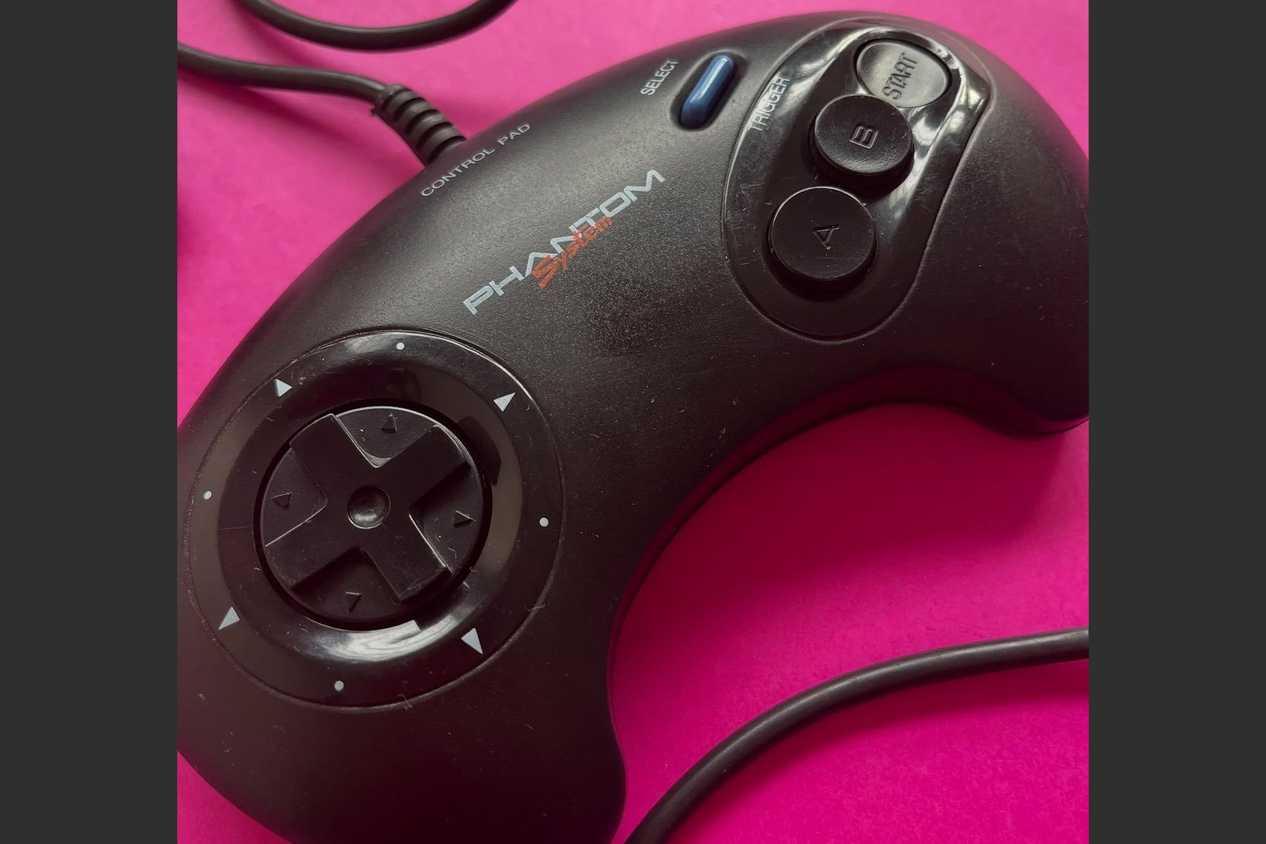
Source: Instagram - retrozoone 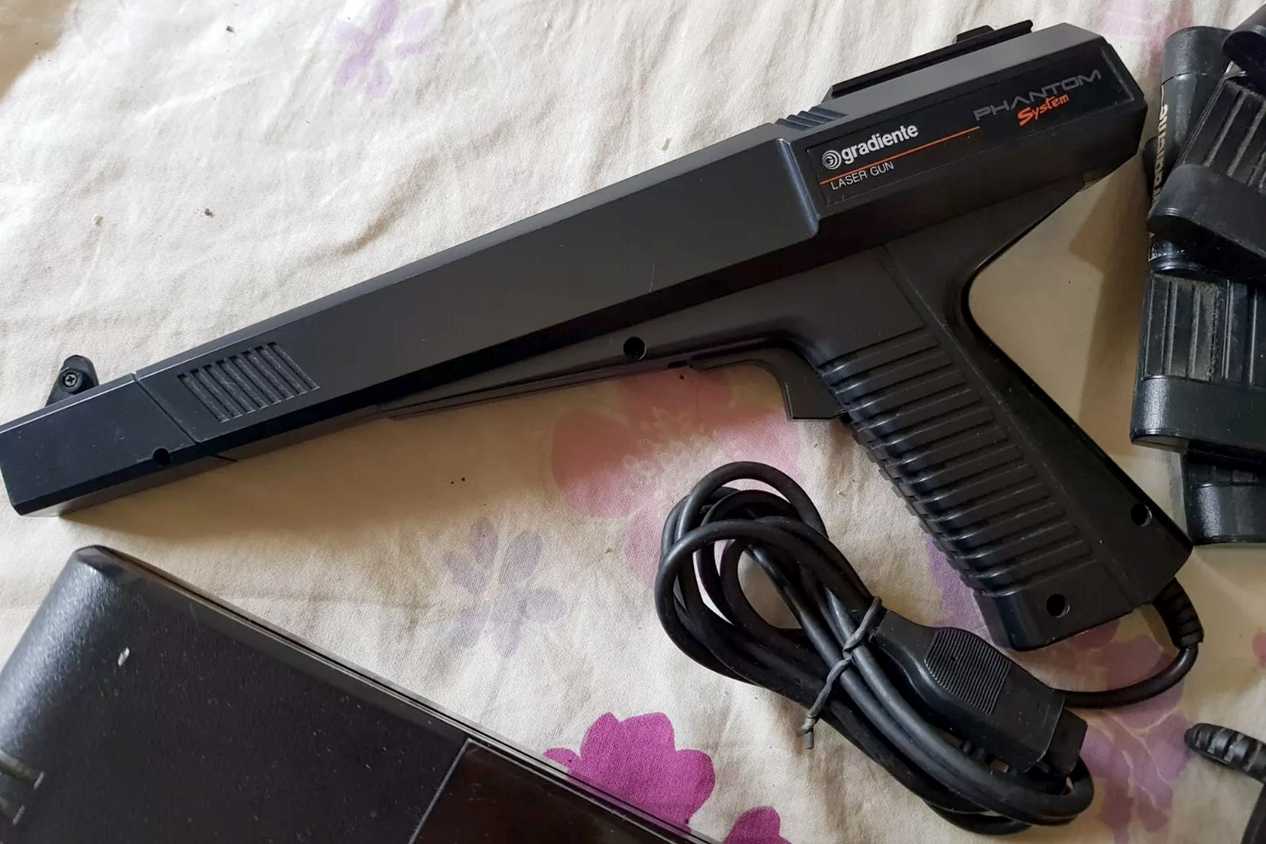
Source: eBay 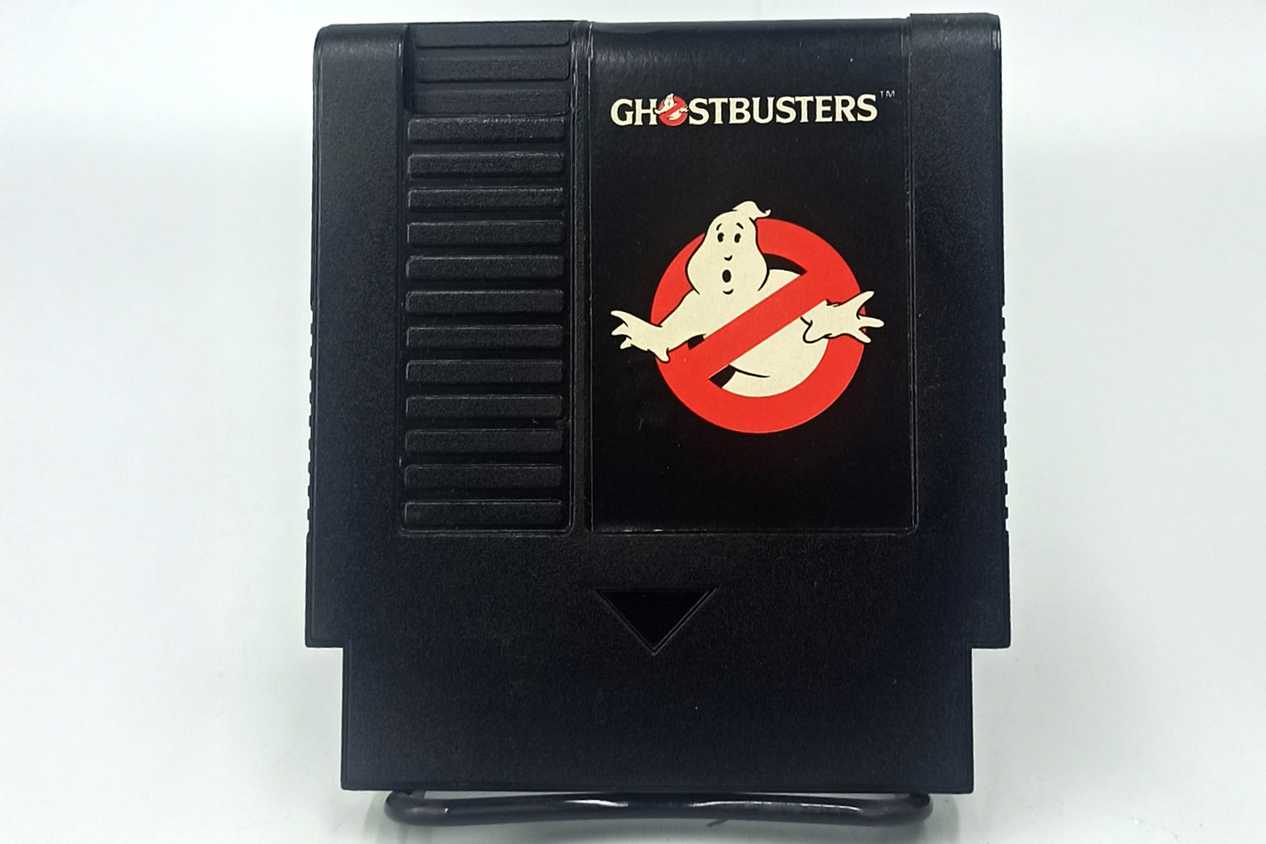
Source: Livros Universo 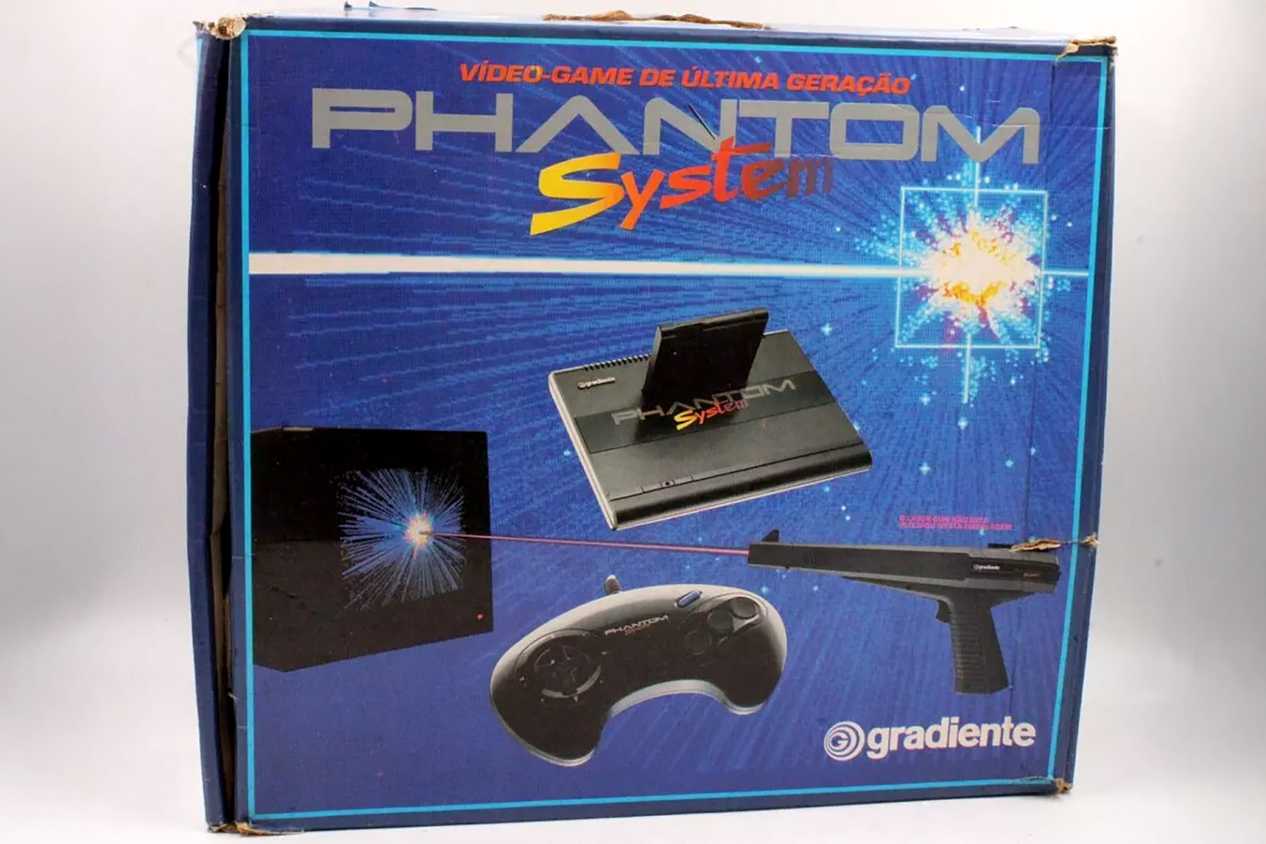
Source: mercadolivre 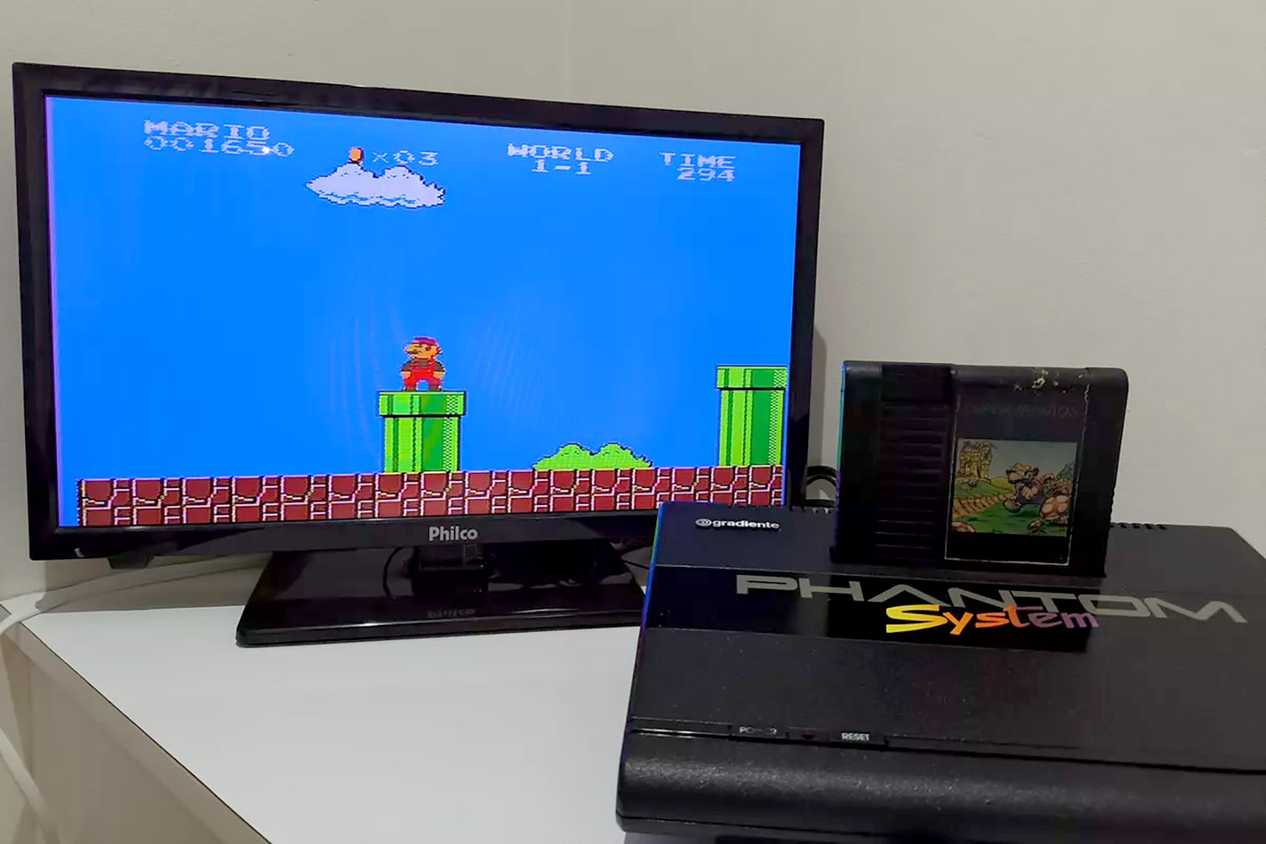
Source: mercadolivre


Source: Instagram - retrozoone 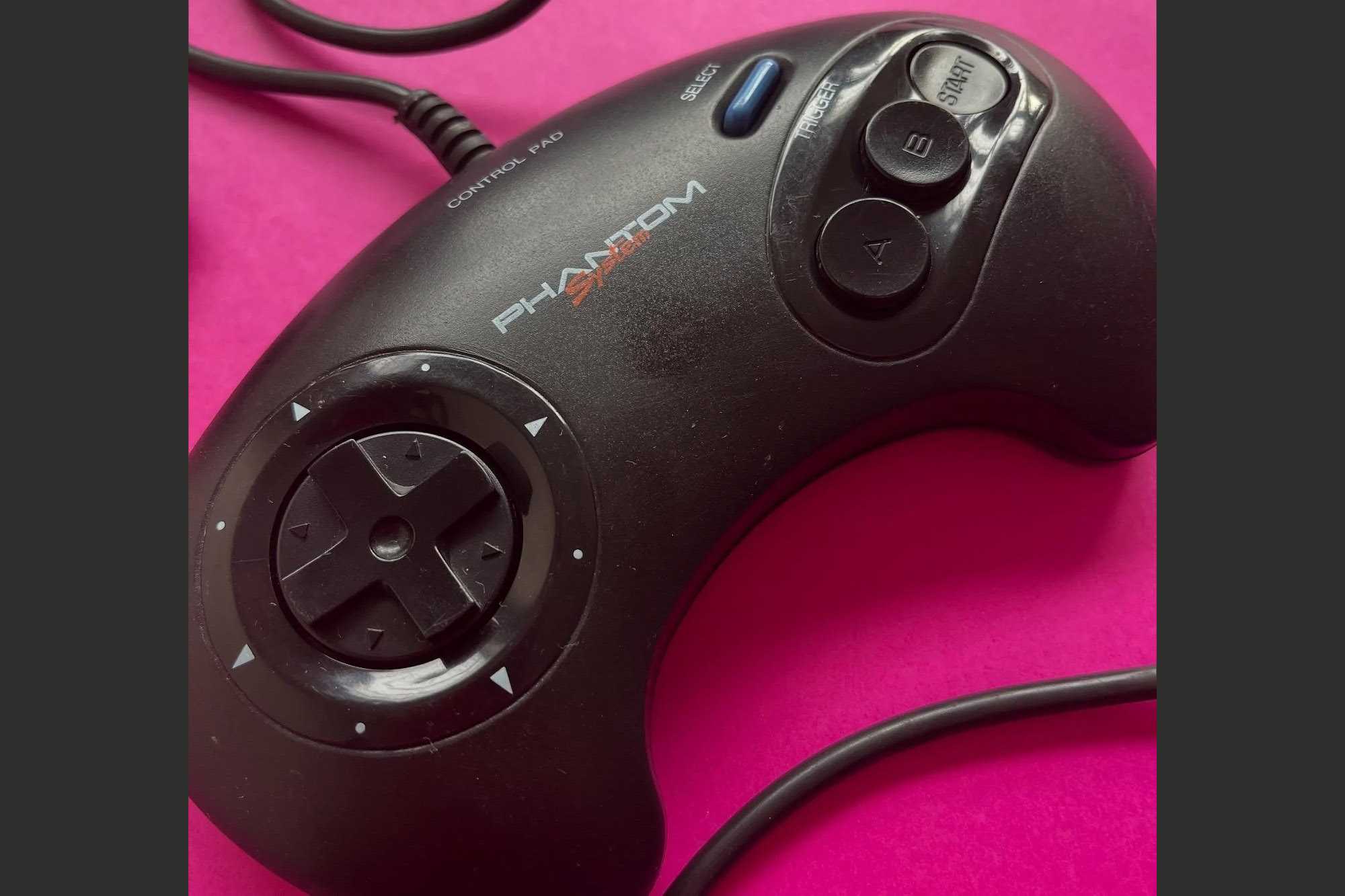
Source: Instagram - retrozoone 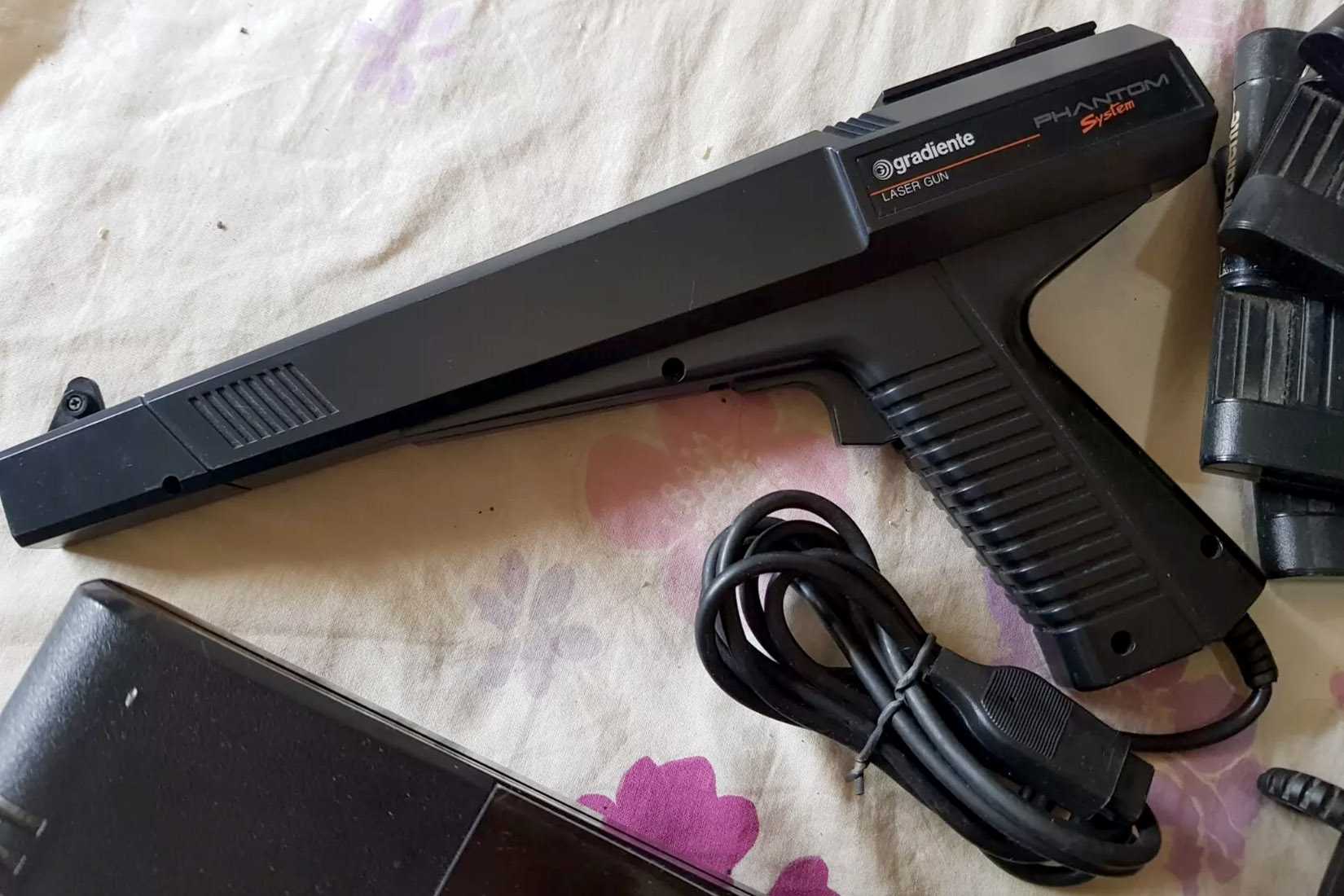
Source: eBay 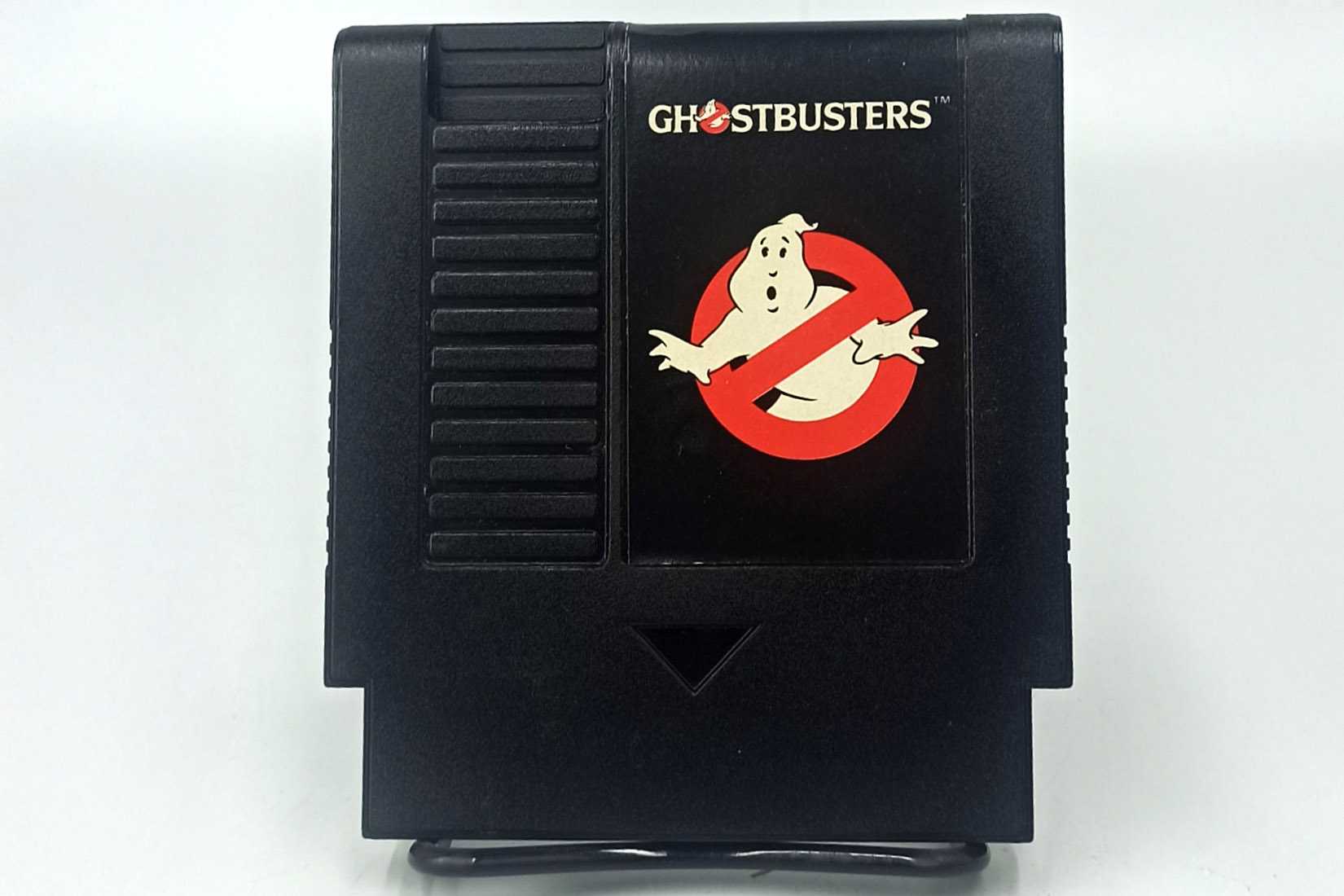
Source: Livros Universo 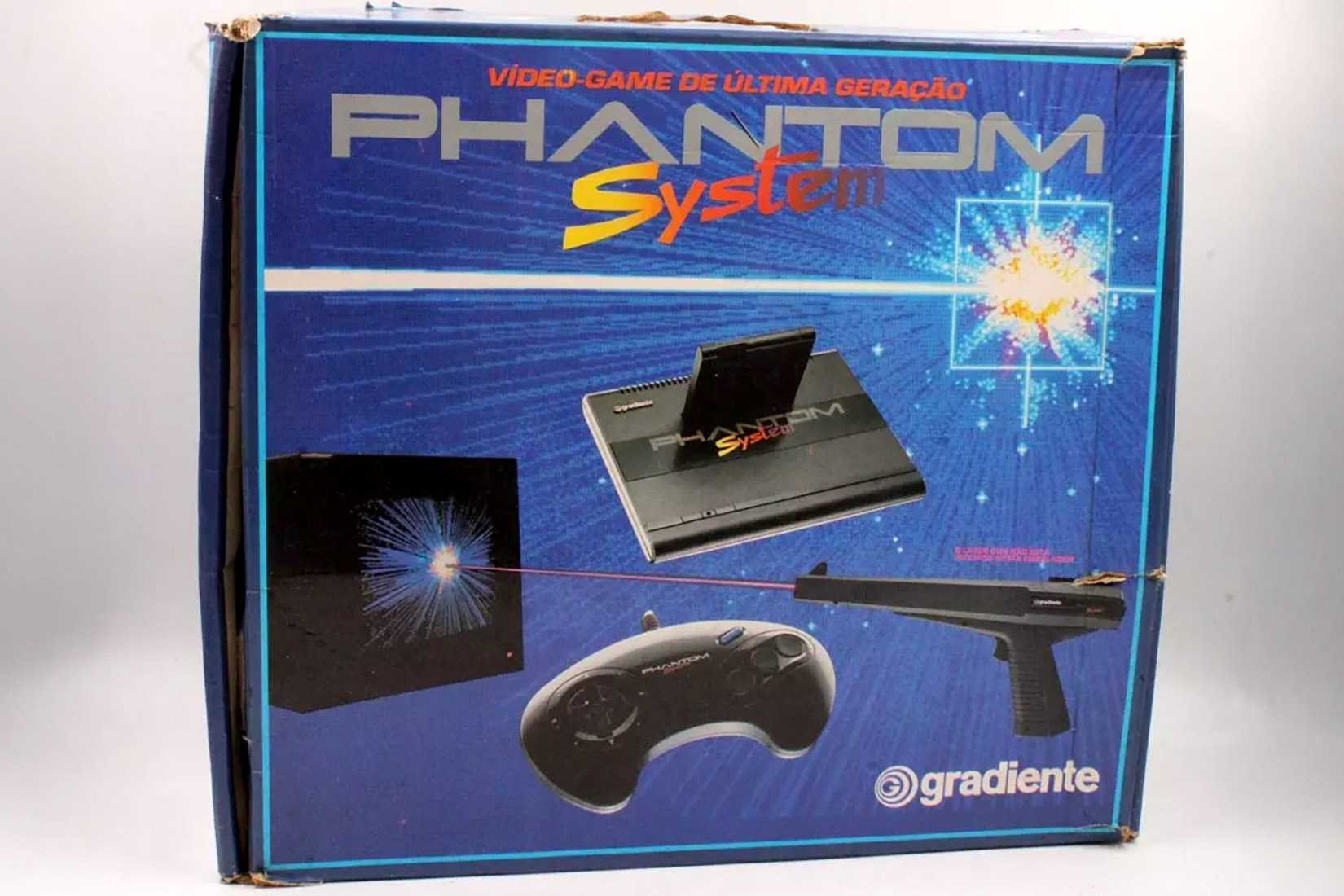
Source: mercadolivre 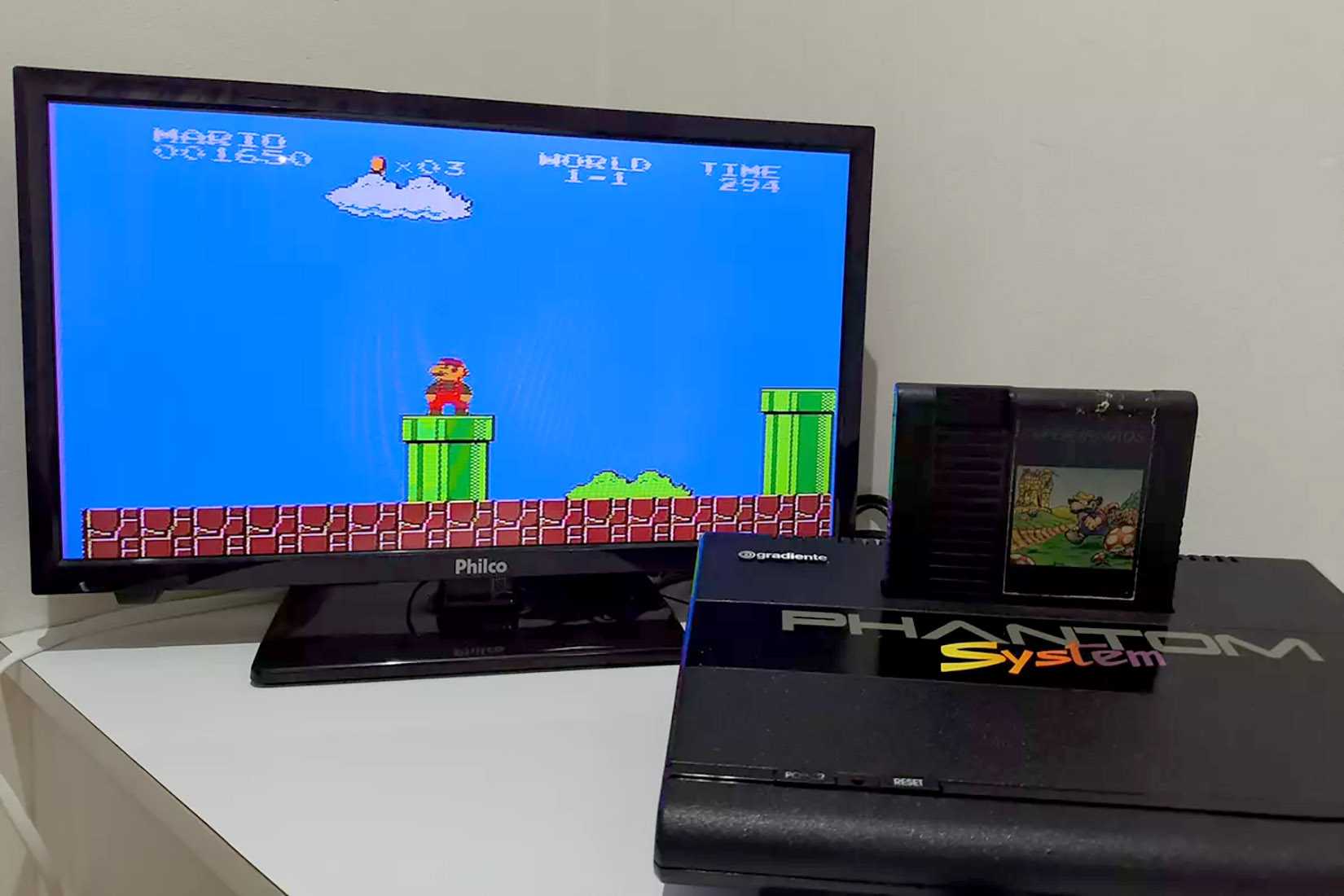
Source: mercadolivre
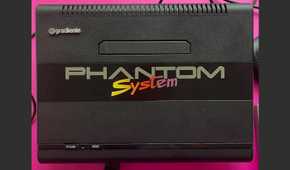


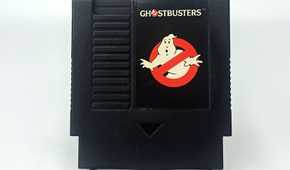
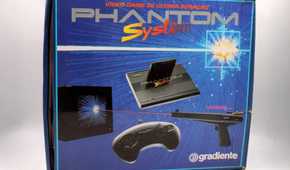
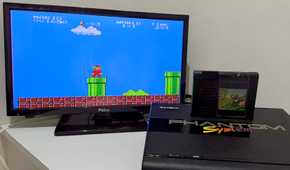
Marcos Santos, one of Gradiente’s engineers, decided to build their own version of the NES. He reverse-engineered the hardware from scratch, figuring out how to make it compatible with both NES and Famicom cartridges, how to get it working with PAL-M output, and how to avoid using Nintendo’s proprietary chips so they couldn’t be sued.
They housed the system in a leftover Atari 7800 shell. Gradiente had been preparing to launch the 7800 in Brazil, but scrapped the plan when interest in Atari started to fade. Rather than waste the tooling, they kept the case and used it for the new console. They paired it with a controller modeled after the Sega Mega Drive and gave it a name: the Phantom System.
It launched in 1989. Games were sold under Gradiente’s Falcon Soft label — bootlegs — but boxed and on store shelves like any other release. And the console worked well. For kids growing up in Brazil, this was the NES.
Eventually, Nintendo flew representatives to Brazil to confront Gradiente. Santos remembered the conversation.
“They came over here to talk to us. ‘This is a copy you guys made!’ No, this is not a copy. You could say that when you insert the cartridge, but I don’t use your chipset. I have not copied your product.”
Nintendo changes its tune

By the early 90s, the Phantom System had done more than disrupt the market — it had defined it. Nintendo’s absence had created a vacuum, and Gradiente filled it with something Brazilian kids already trusted. So when Nintendo finally came to the table, it wasn’t with legal threats. It was with an offer.
In 1993, Gradiente partnered with toy manufacturer Estrela to create Playtronic Industrial Ltda., a joint venture that became Nintendo’s official representative in Brazil. But this wasn’t just about distribution. Playtronic became the first company outside Japan licensed to manufacture Nintendo consoles and cartridges. The same factory in Manaus that once built the Phantom System was now producing the SNES — this time officially, adapted for PAL-M, with even American NES cartridges rolling off the line.
It was a full-circle moment. Nintendo had spent years refusing to enter Brazil, only to end up licensing the same company that reverse-engineered their console and bootlegged their games.
The same factory that once built the Phantom System was now building the SNES, but by then, the moment had passed. The clone market had already raised a generation of players. The Phantom System had done its job so well that when the official NES finally arrived, it felt more like a follow-up than the original. For millions of kids, the real thing had come and gone — and it didn’t have Nintendo’s name on it.
Even so, the deal marked a turning point. Brazil had gone from being locked out of the official gaming industry to becoming part of Nintendo’s global supply chain. In the years that followed, Playtronic would go on to manufacture and distribute the SNES, NES, Game Boy, and even the Virtual Boy. Later systems followed through other partnerships. Despite all the early resistance, Nintendo was finally in Brazil — for real this time.
Brazil made it weird — and wonderful
Figuring it out as you go

In Brazil, most games weren’t in Portuguese, and for a lot of kids, that didn’t matter. A huge number of titles were smuggled in or bootlegged from Japan or the U.S., so even reading the screen was sometimes off the table. But if you loved games, you played them anyway.
Not everyone felt the same way about it. Some kids got frustrated when they couldn’t understand what was going on. Others just powered through — learning through trial and error, skipping dialogue they couldn’t read, or making up their own stories to accompany the action. One Redditor even said they started learning English just to play The Legend of Zelda.
It reminded me of playing Asteroids as a kid. The graphics were so minimal that I’d fill in the story myself. I wasn’t just moving a triangle around the screen — I was in the cockpit, an ace fighter pilot, up there blowing up space rocks to save Earth. Sometimes, when the official story is out of reach, you make your own.
Changing the cartridge, changing the story
Source: eBay 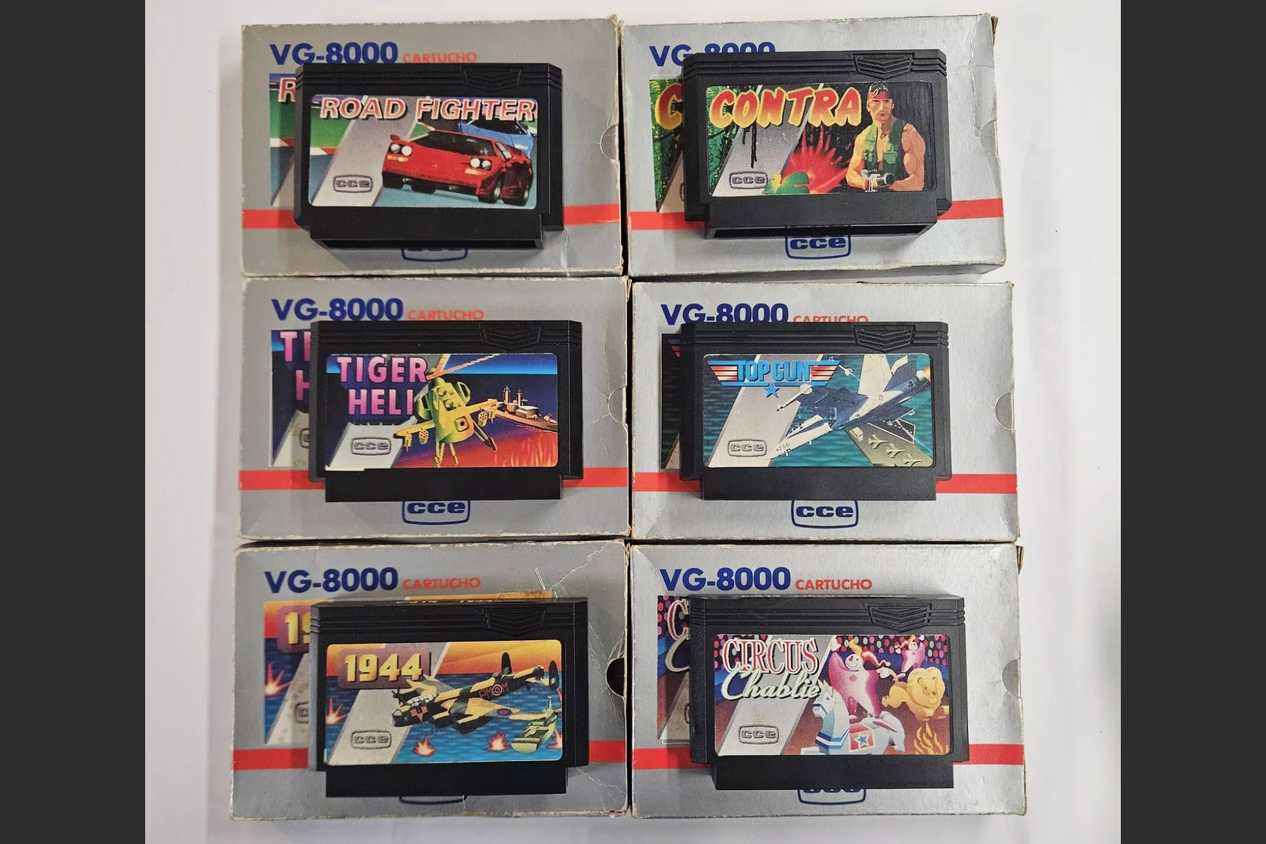
Source: eBay 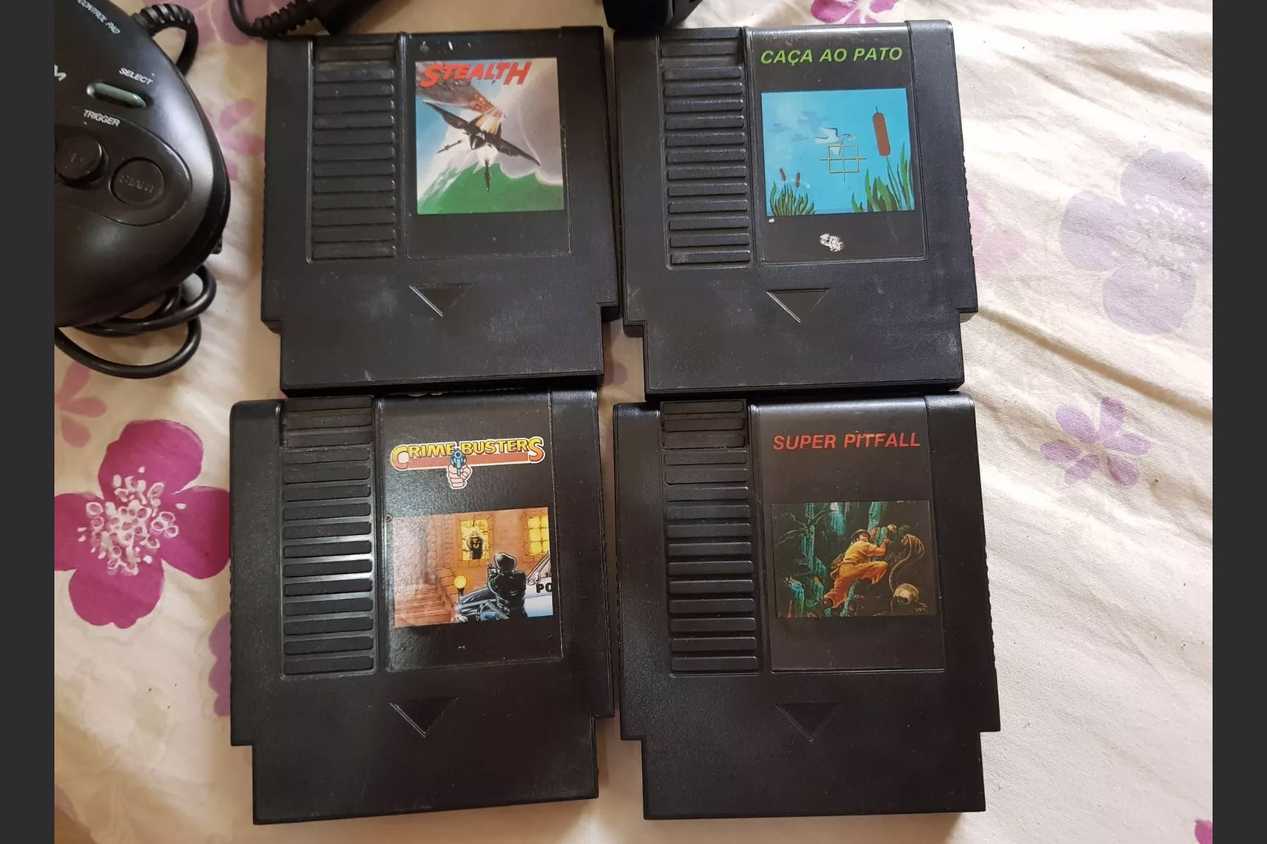
Source: eBay 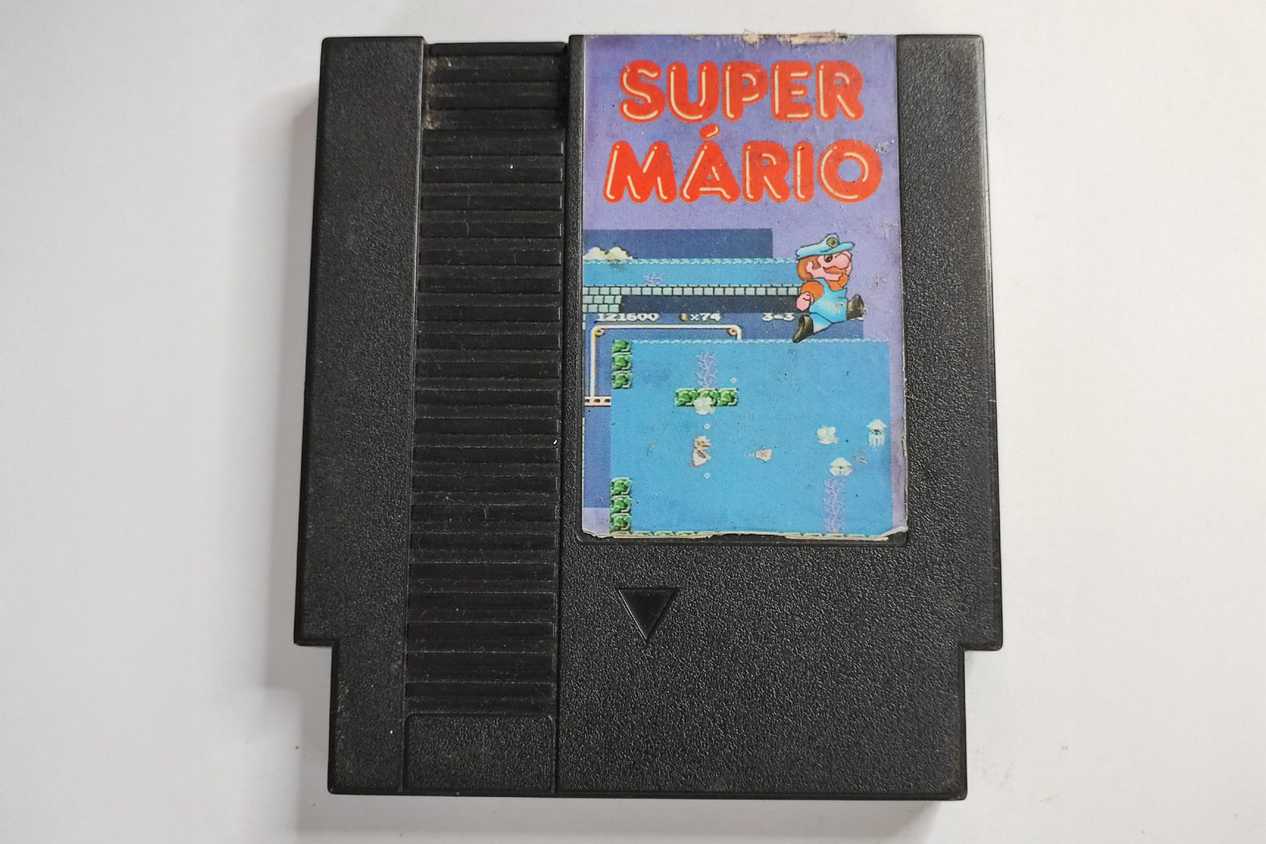
Source: Diego Ferreira Leiloes 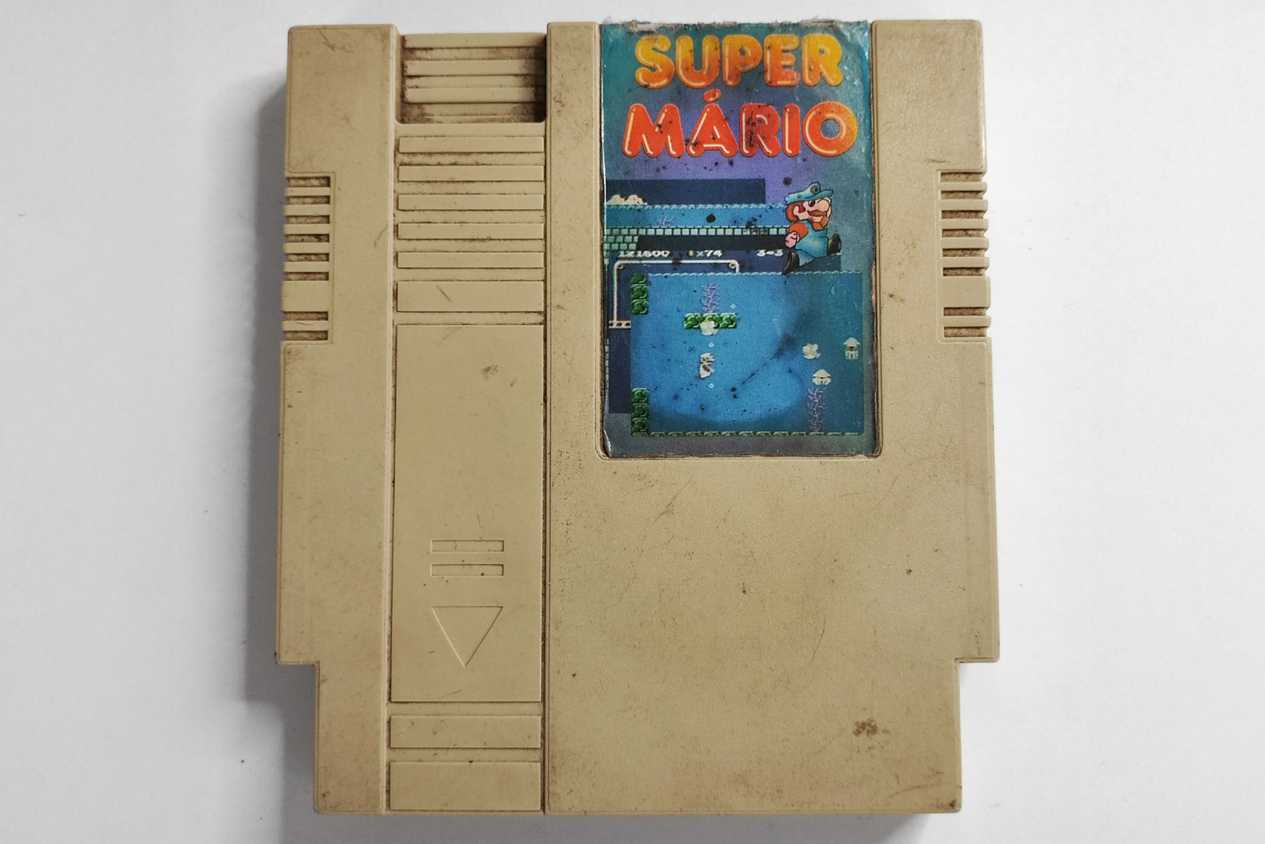
Source: Diego Ferreira Leiloes 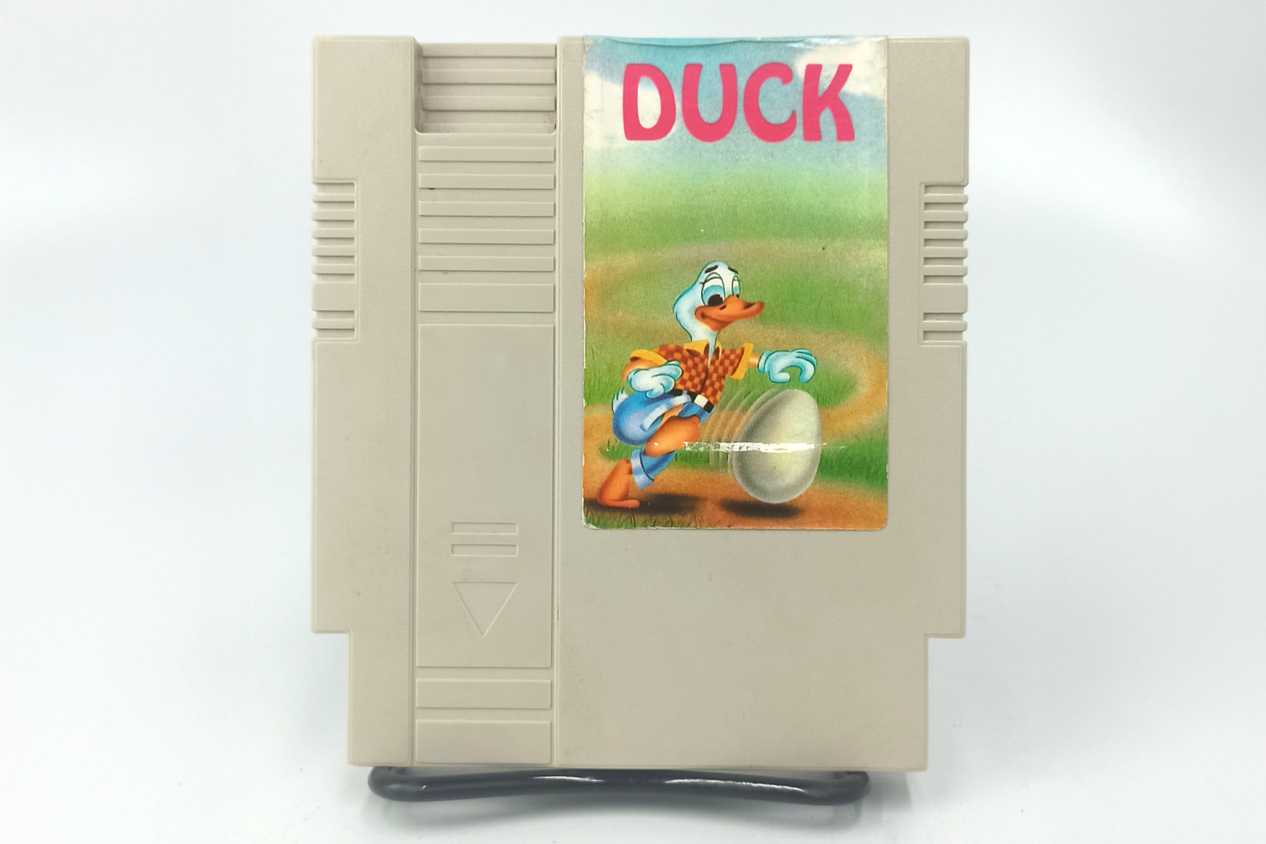
Source: Livros Universo 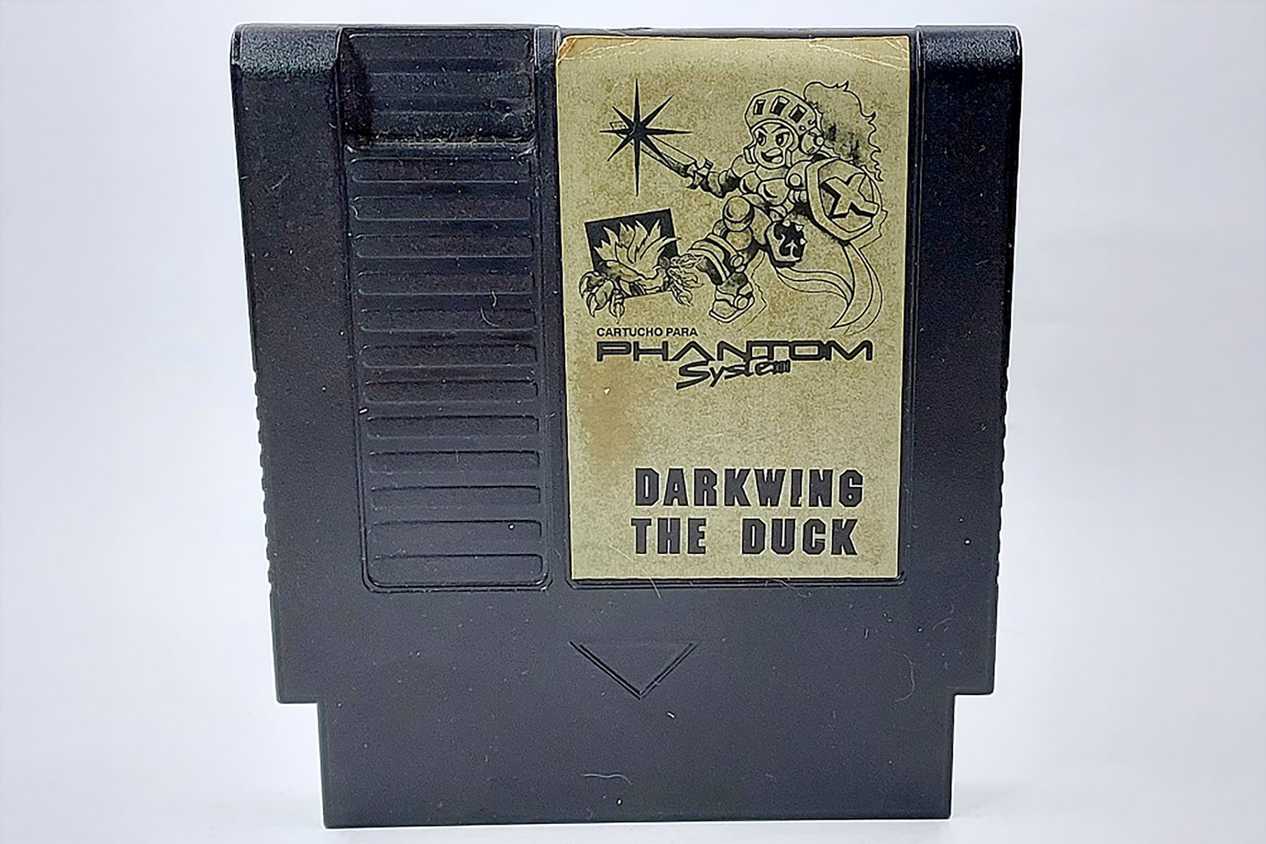
Source: Art Fair Leiloes 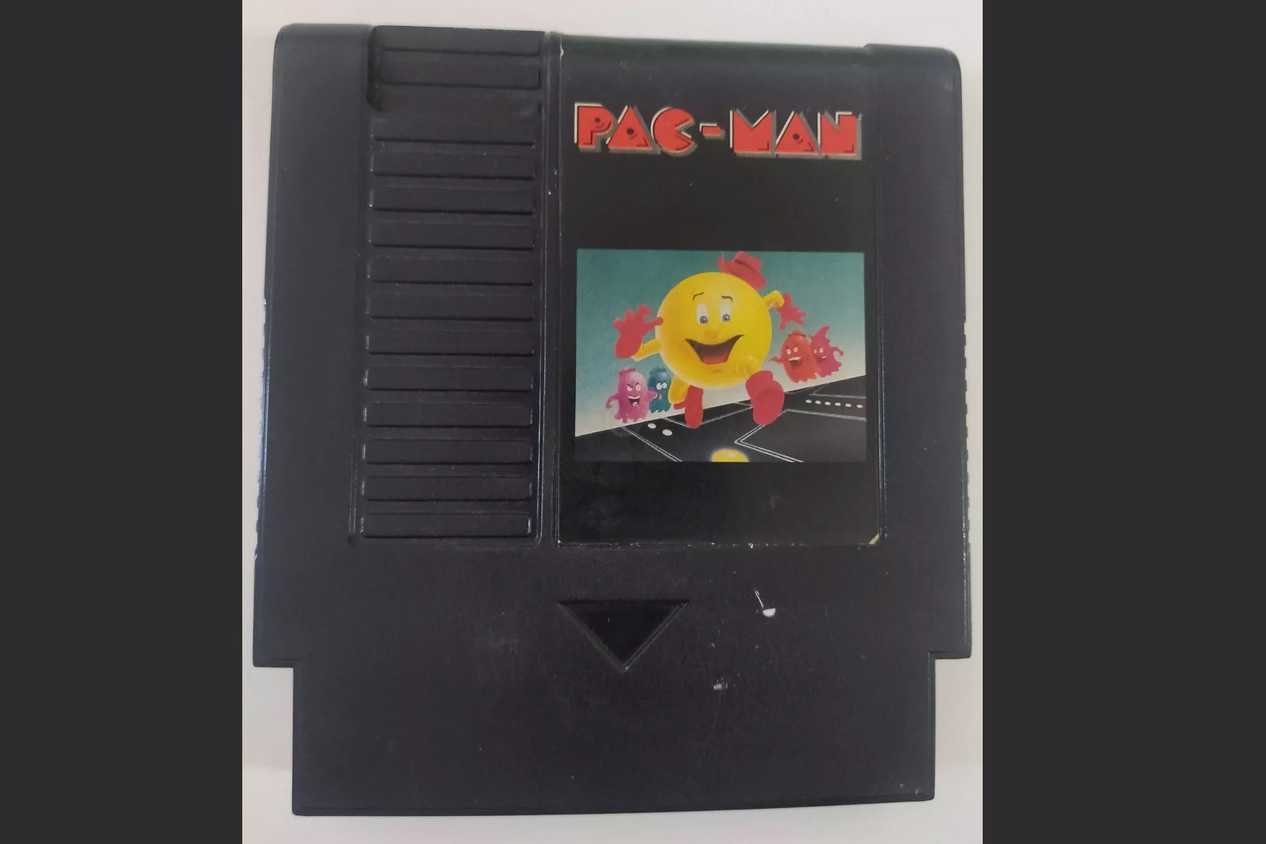
Source: eBay


Source: eBay 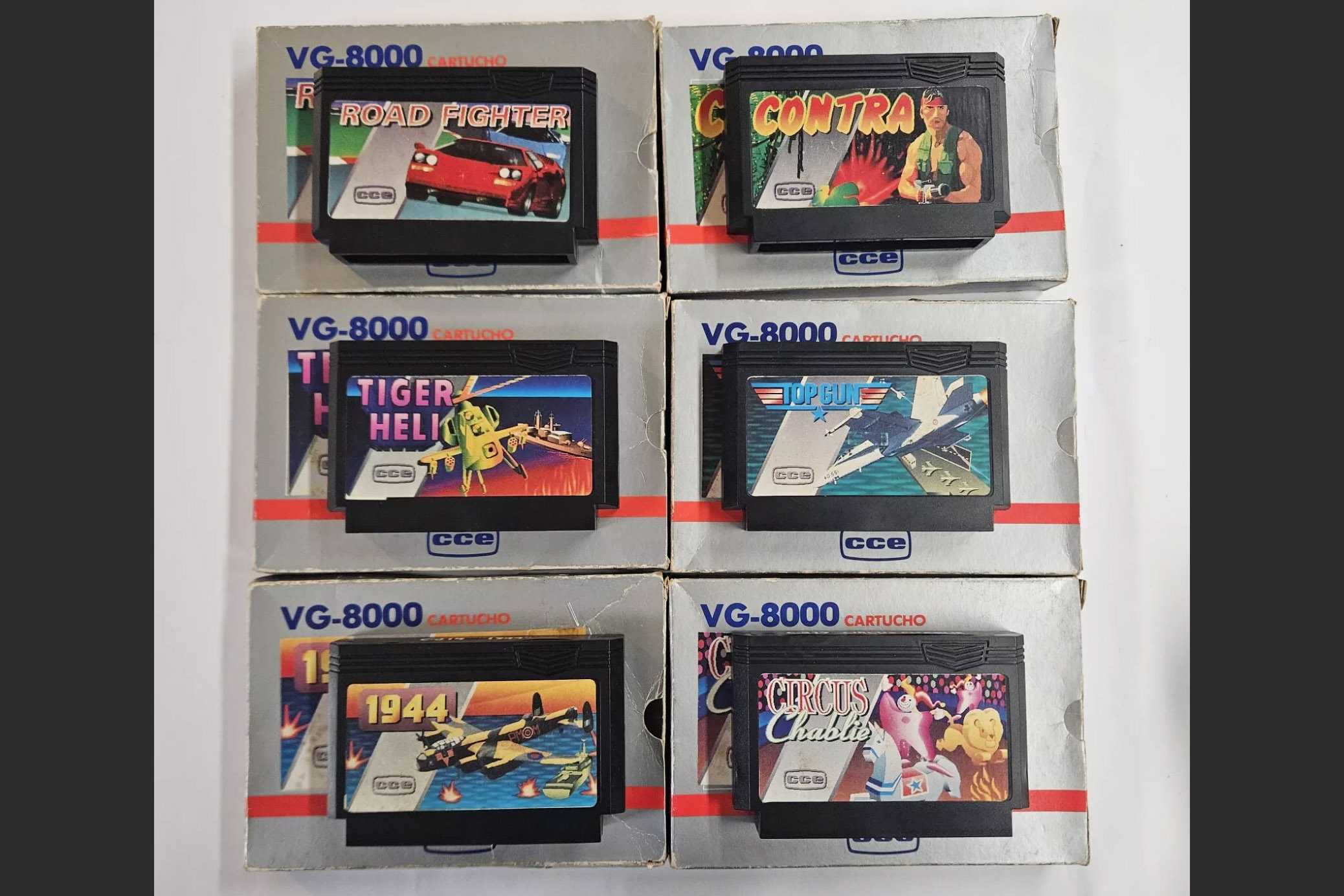
Source: eBay 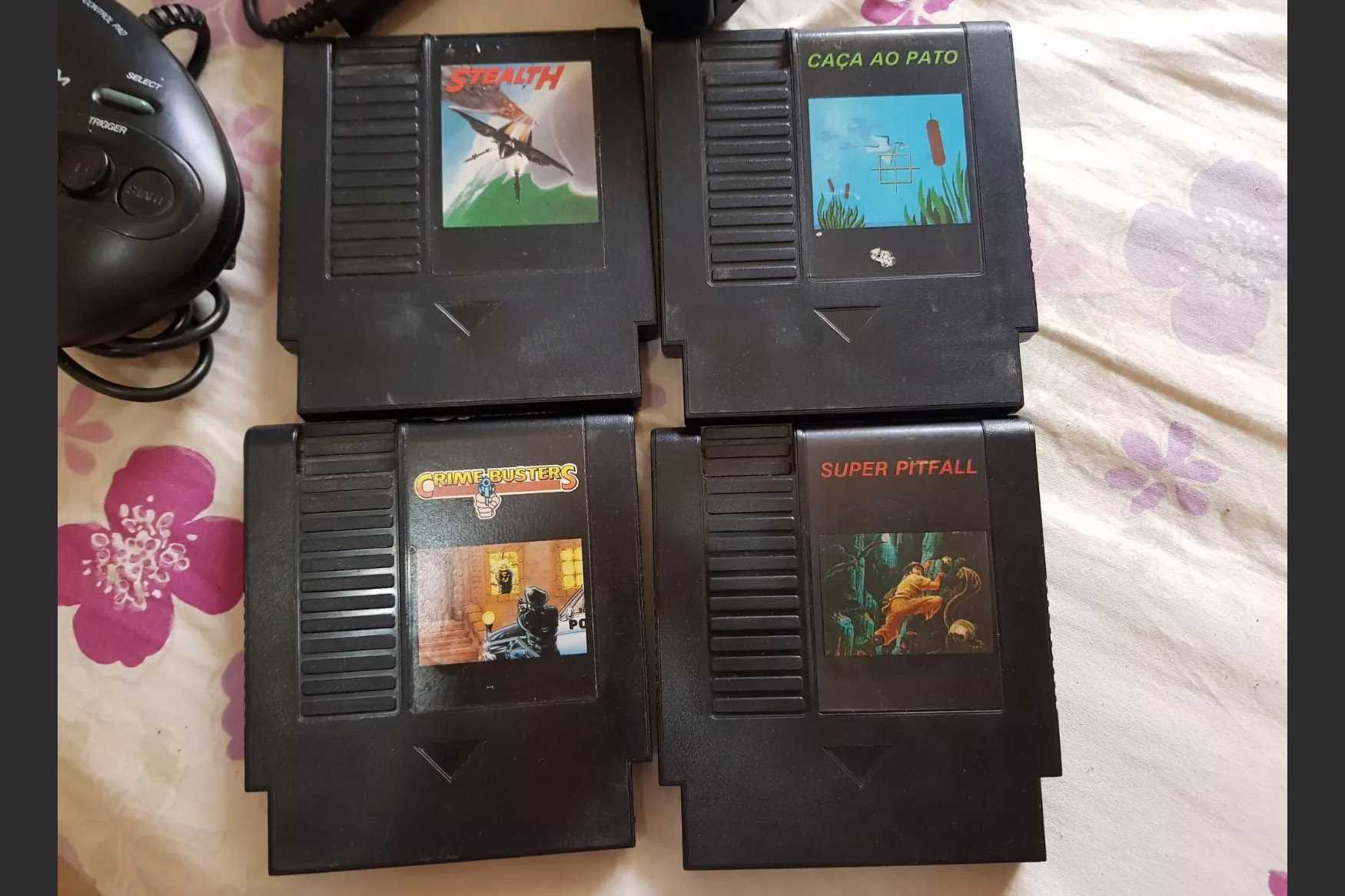
Source: eBay 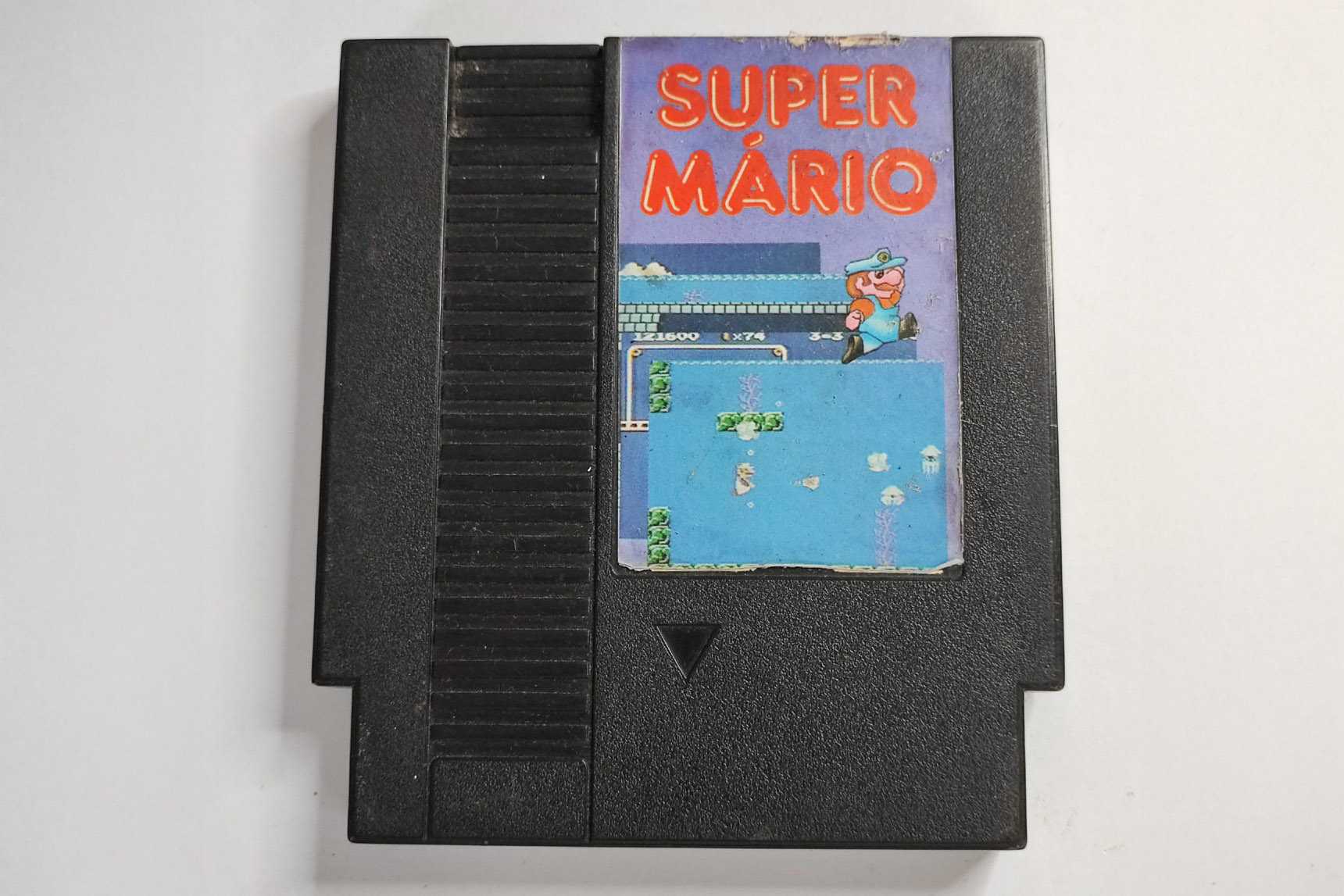
Source: Diego Ferreira Leiloes 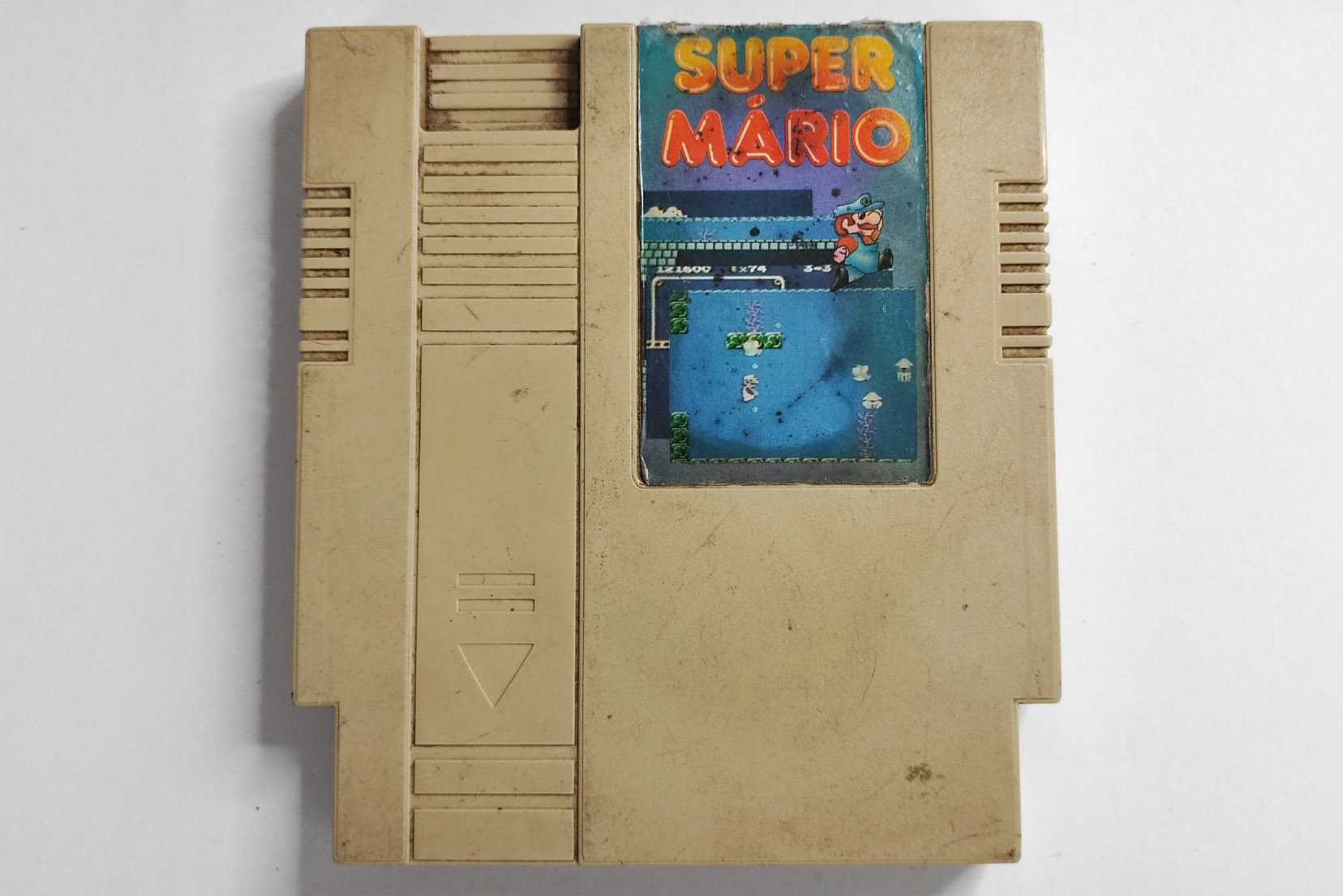
Source: Diego Ferreira Leiloes 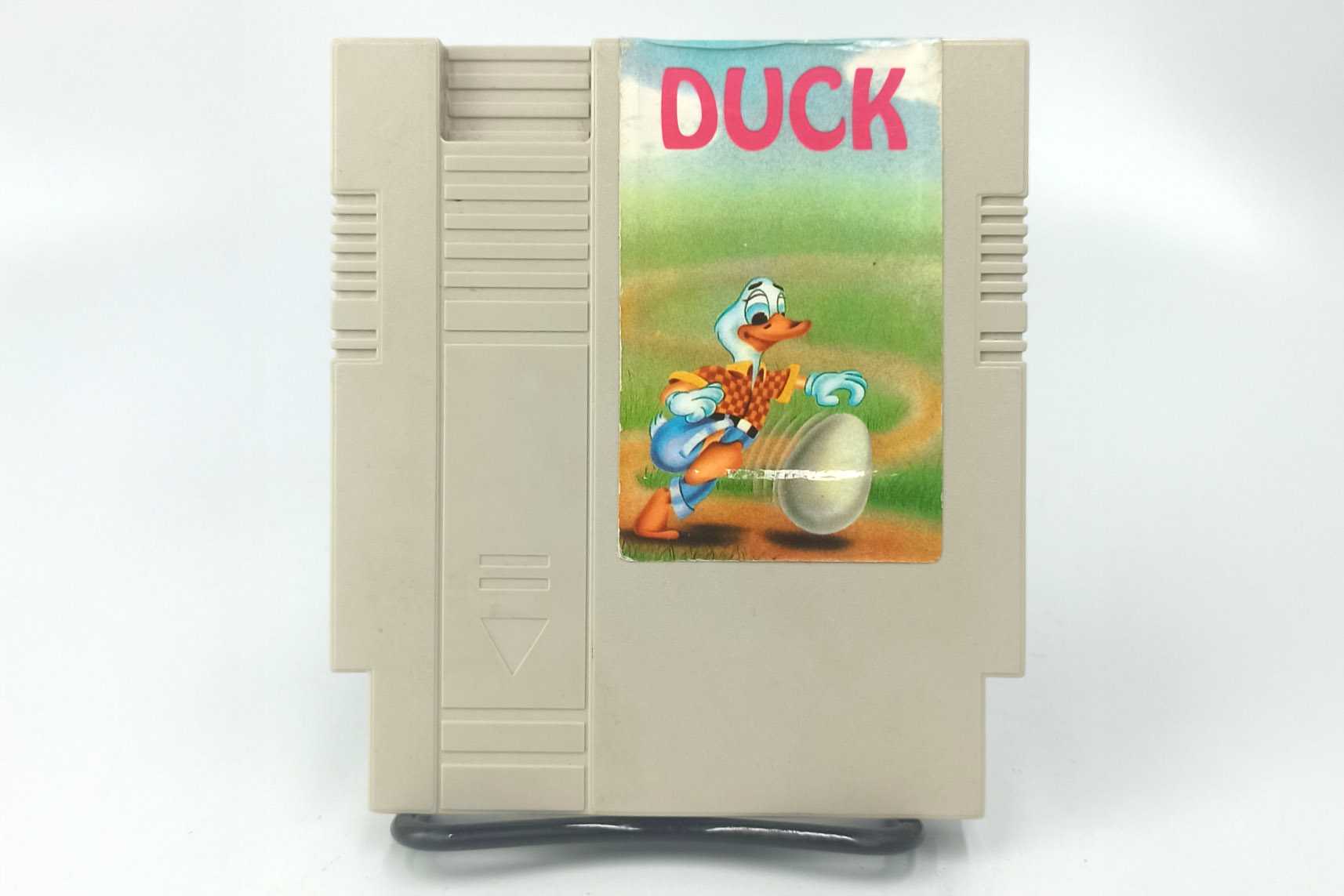
Source: Livros Universo 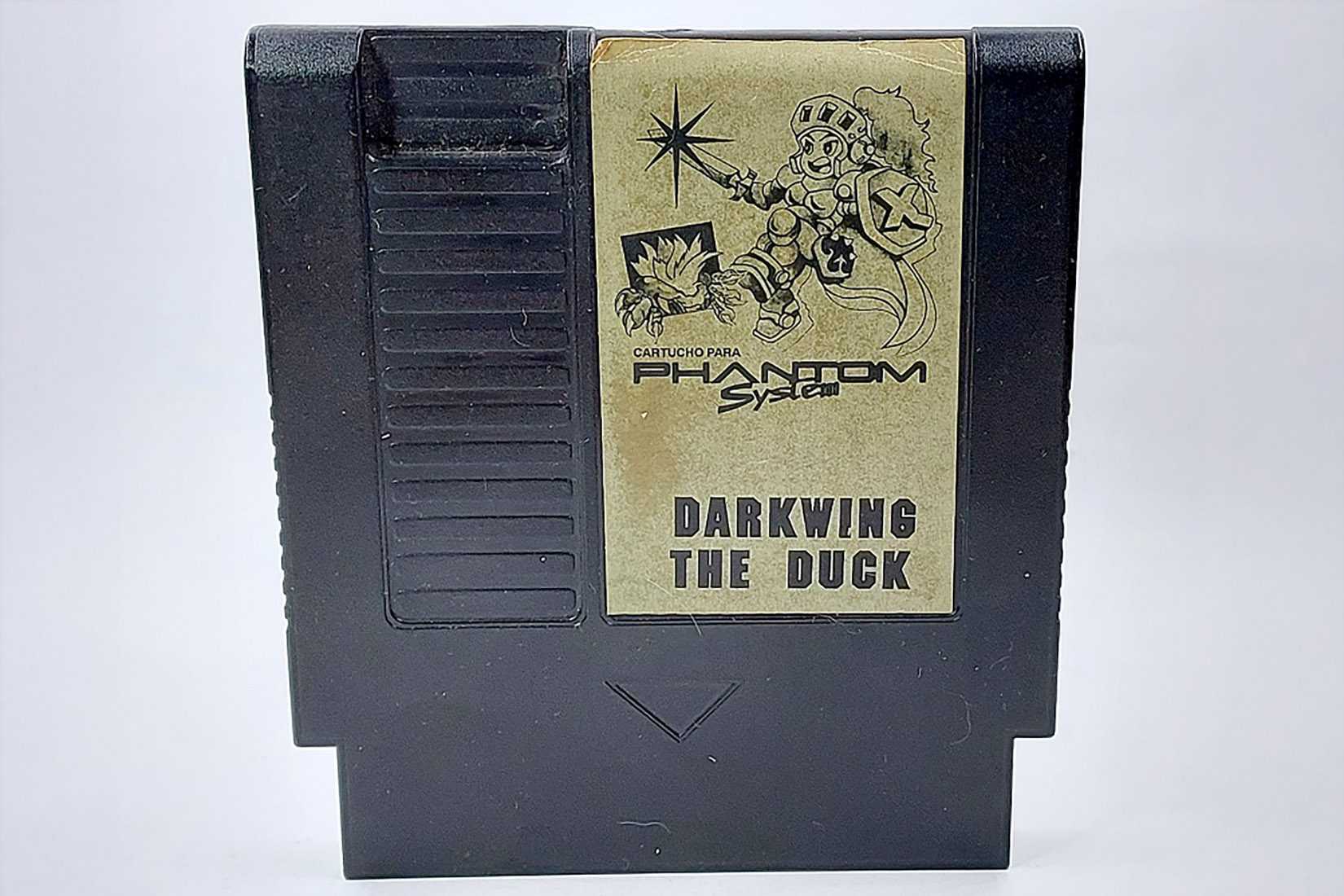
Source: Art Fair Leiloes 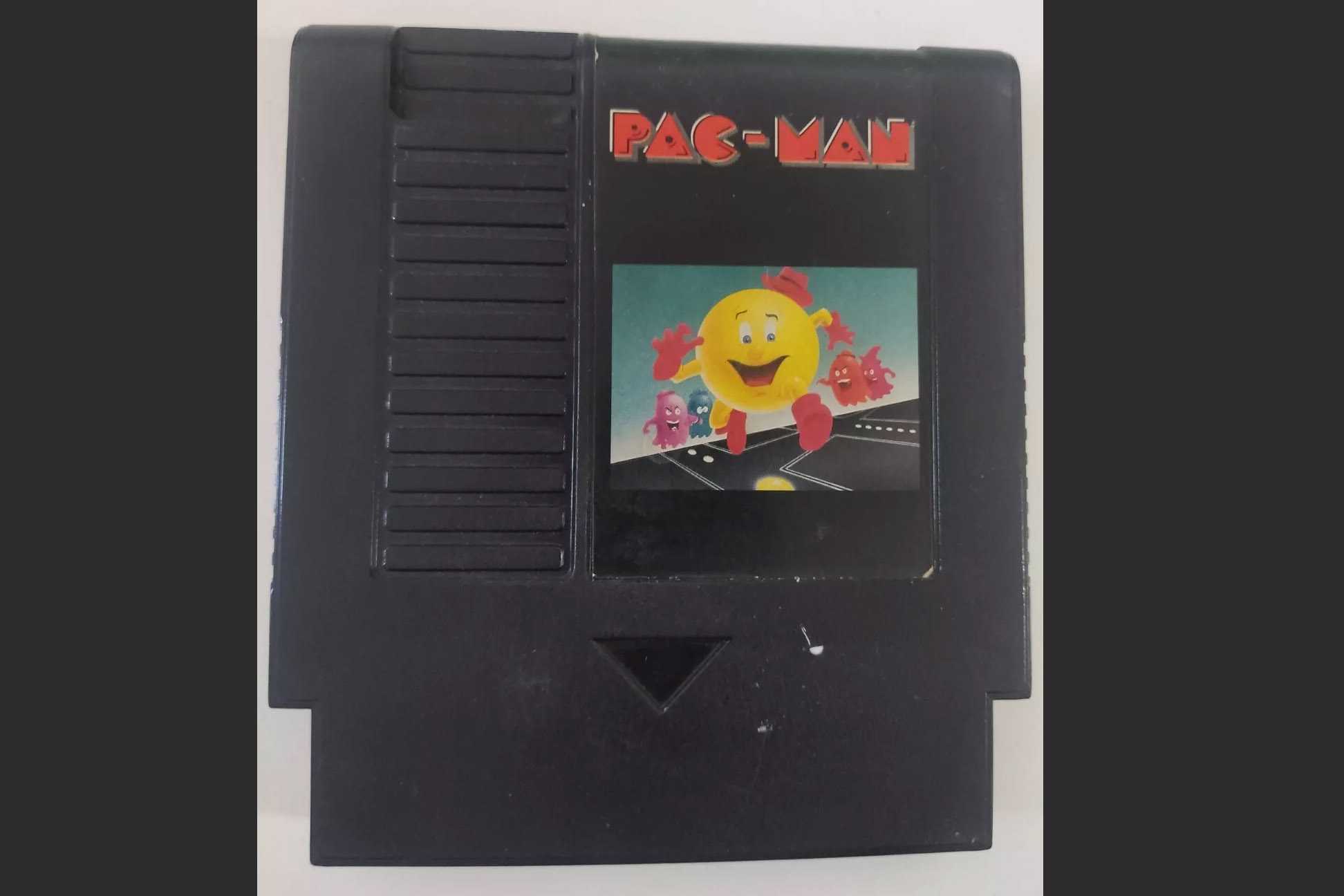
Source: eBay

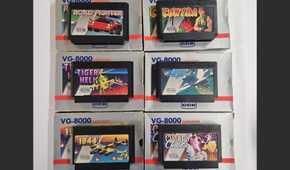
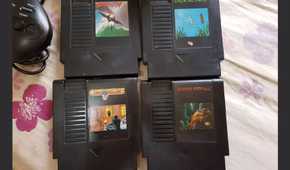
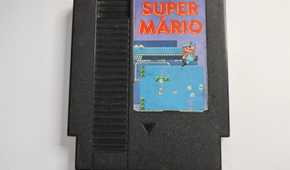
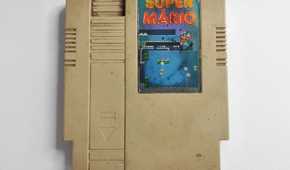
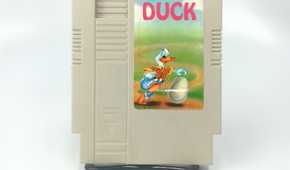
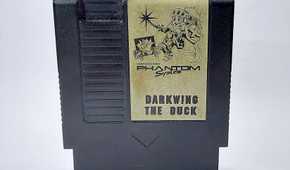
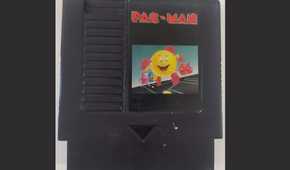
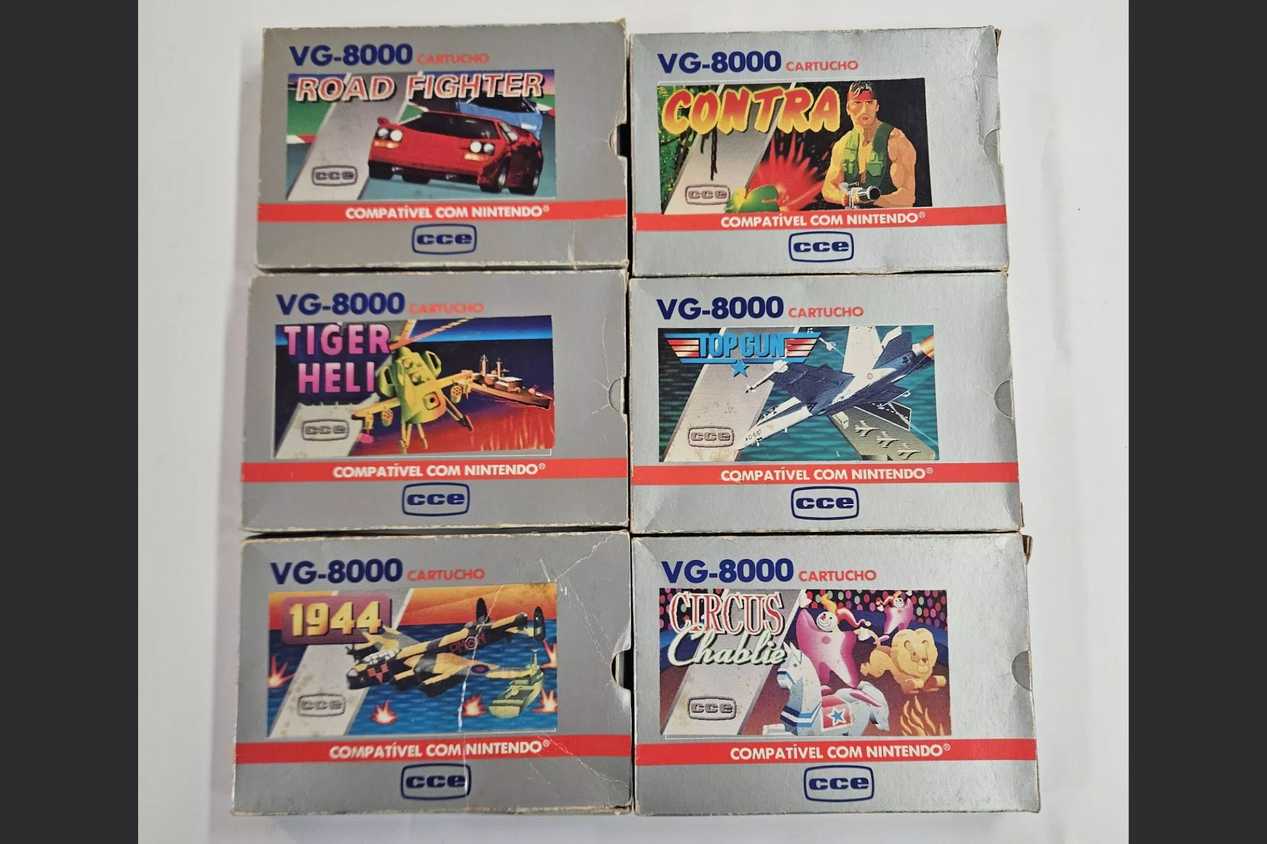
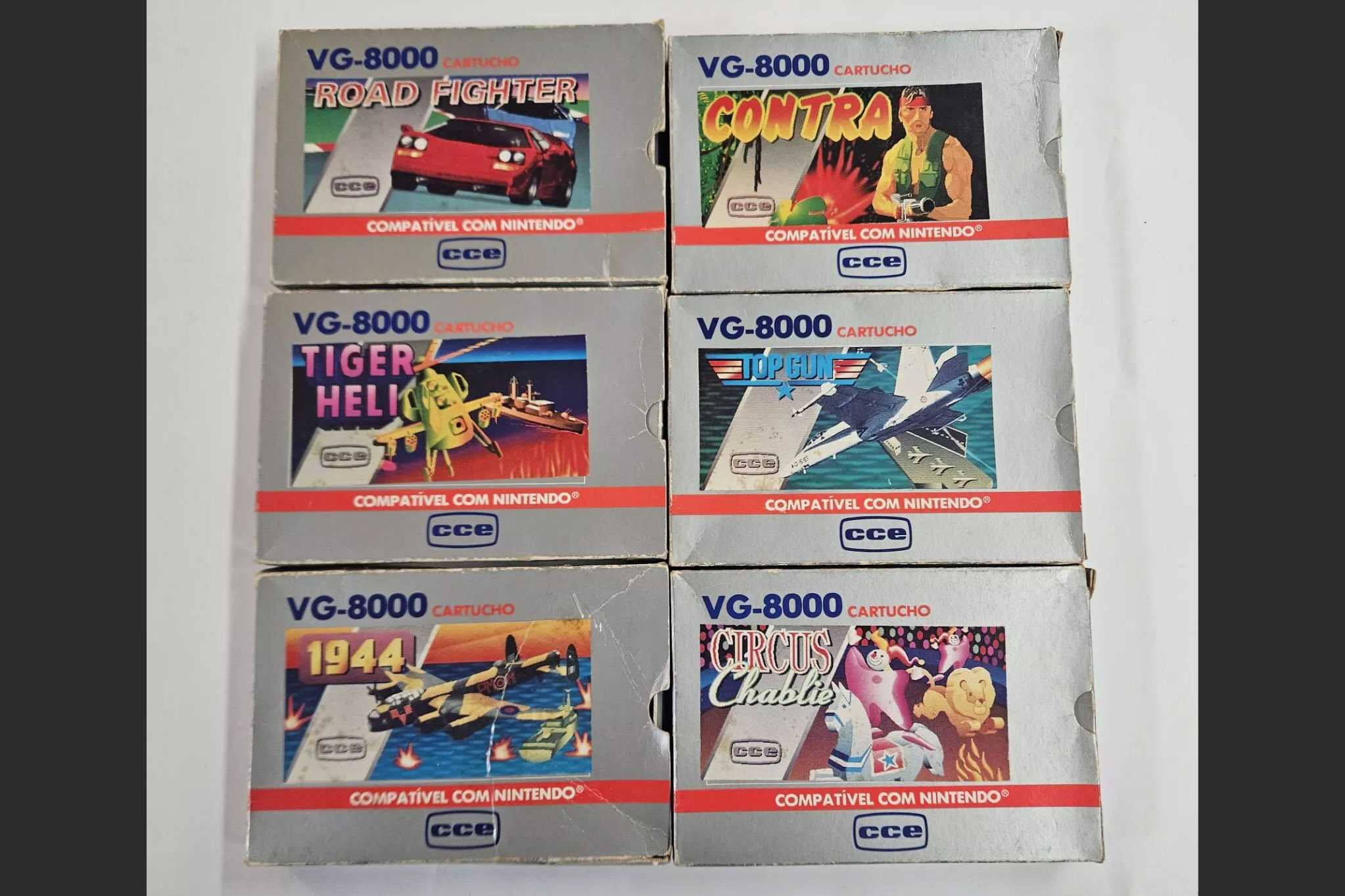
Not all bootlegging was the same. Some games were straight-up copies of American or Japanese releases. Others were altered, re-titled, repackaged, or lightly modified to feel more local. A cartridge might still contain the same game, but the name on the label or the title screen would be different.
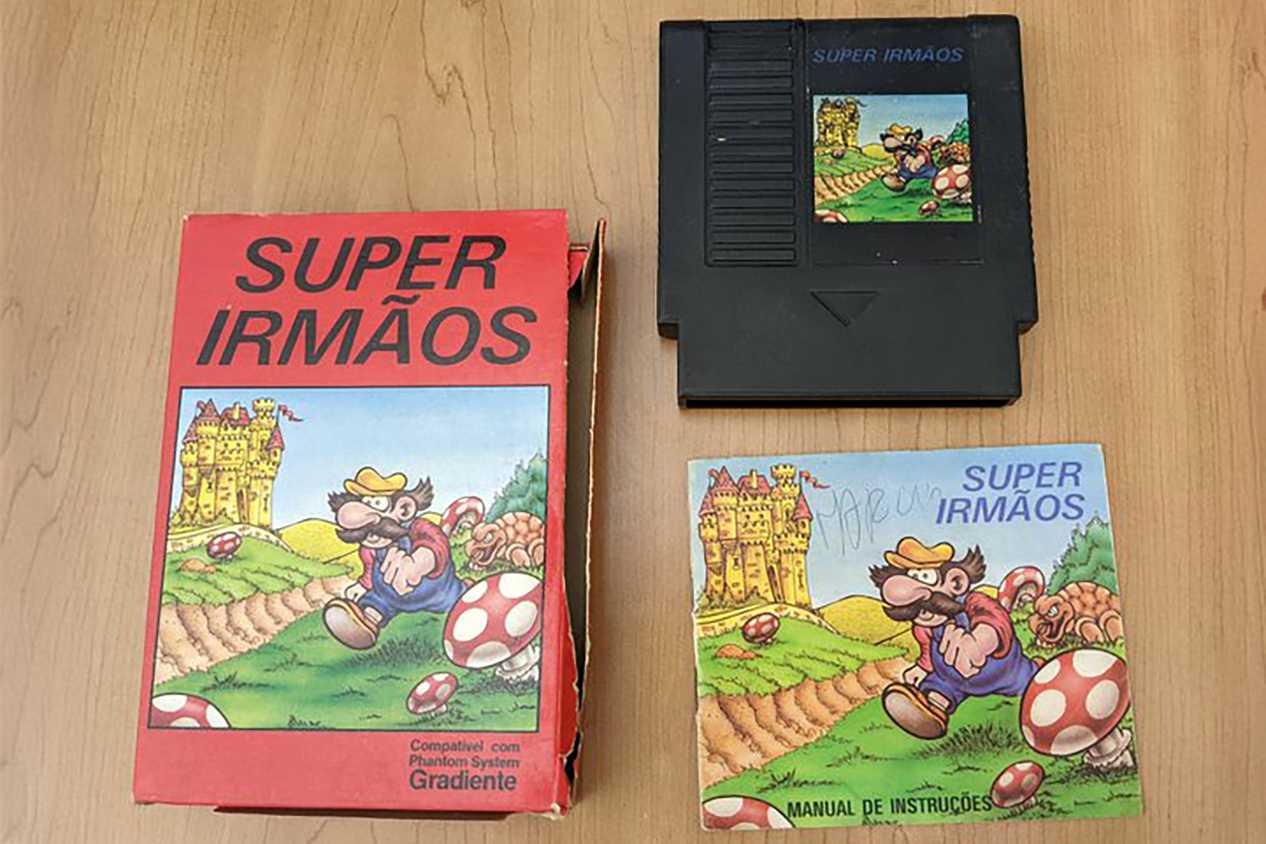
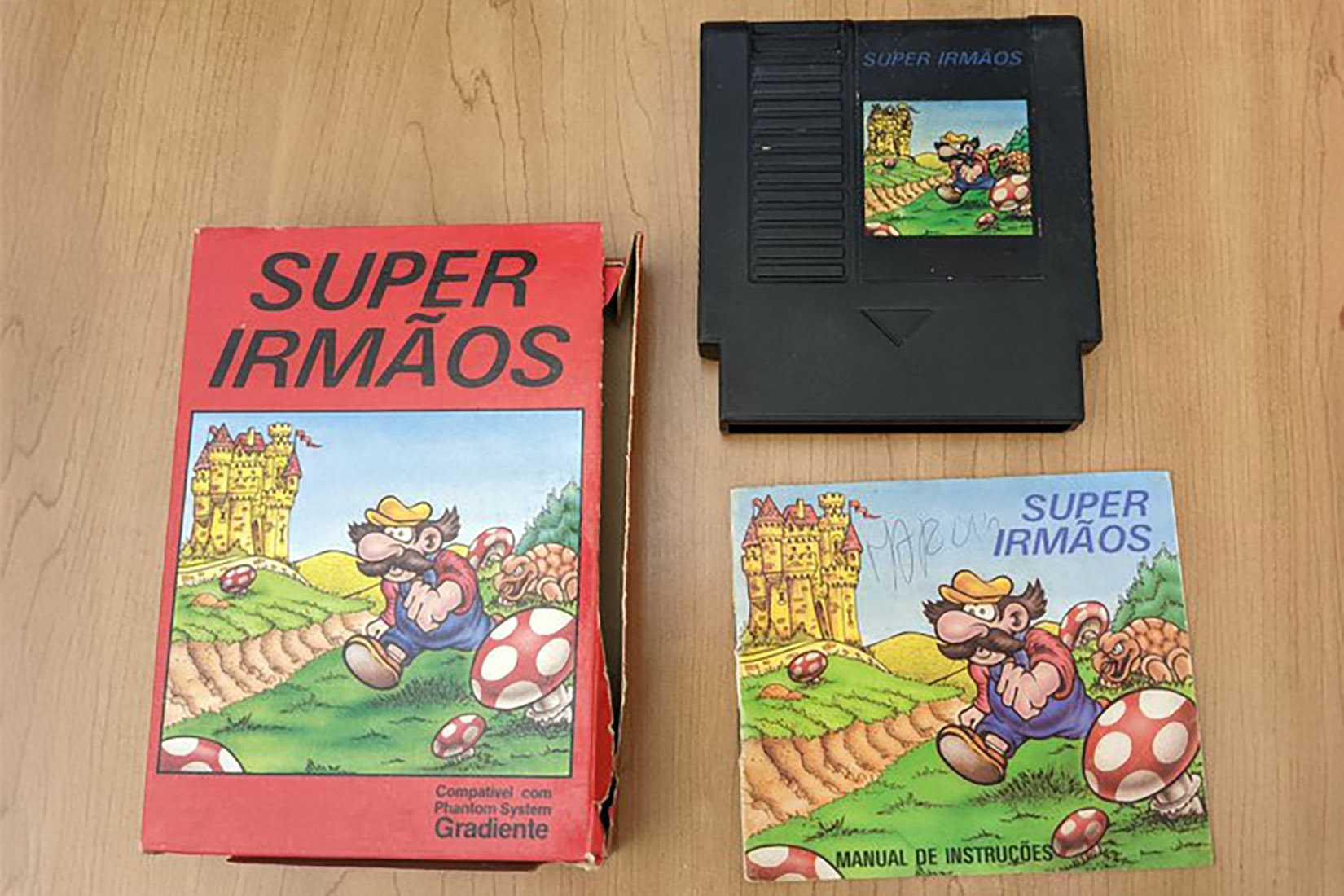
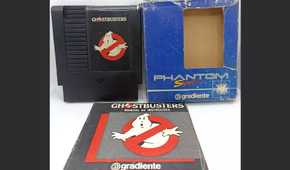
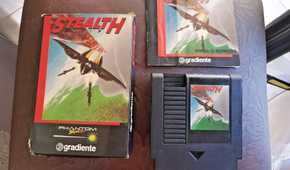
Gradiente’s Falcon Soft label became known for this. They released carts like Super Irmãos (their version of Super Mario Bros.), Super Bike (Excitebike), and Caça ao Pato (Duck Hunt), sometimes with the new name hardcoded into the game itself.
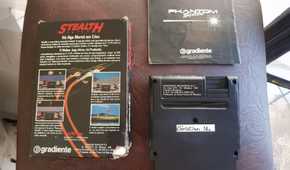
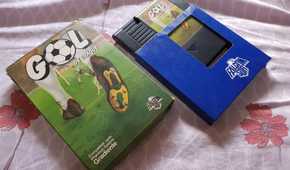
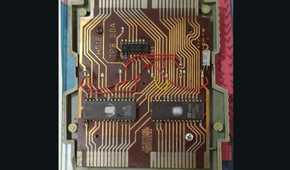
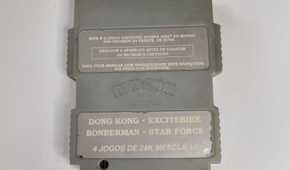
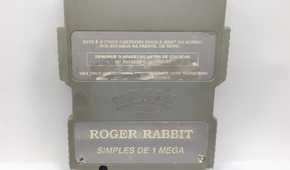
Others kept the original title in-game but changed the packaging. The cartridges were black, with Portuguese labels and names, and they were sold in full retail packaging — boxes, sleeves, even manuals. Many were well-built too, often using proper EPROM chips instead of the cheaper glob-top alternatives found in lower-quality clones.
Source: Reddit 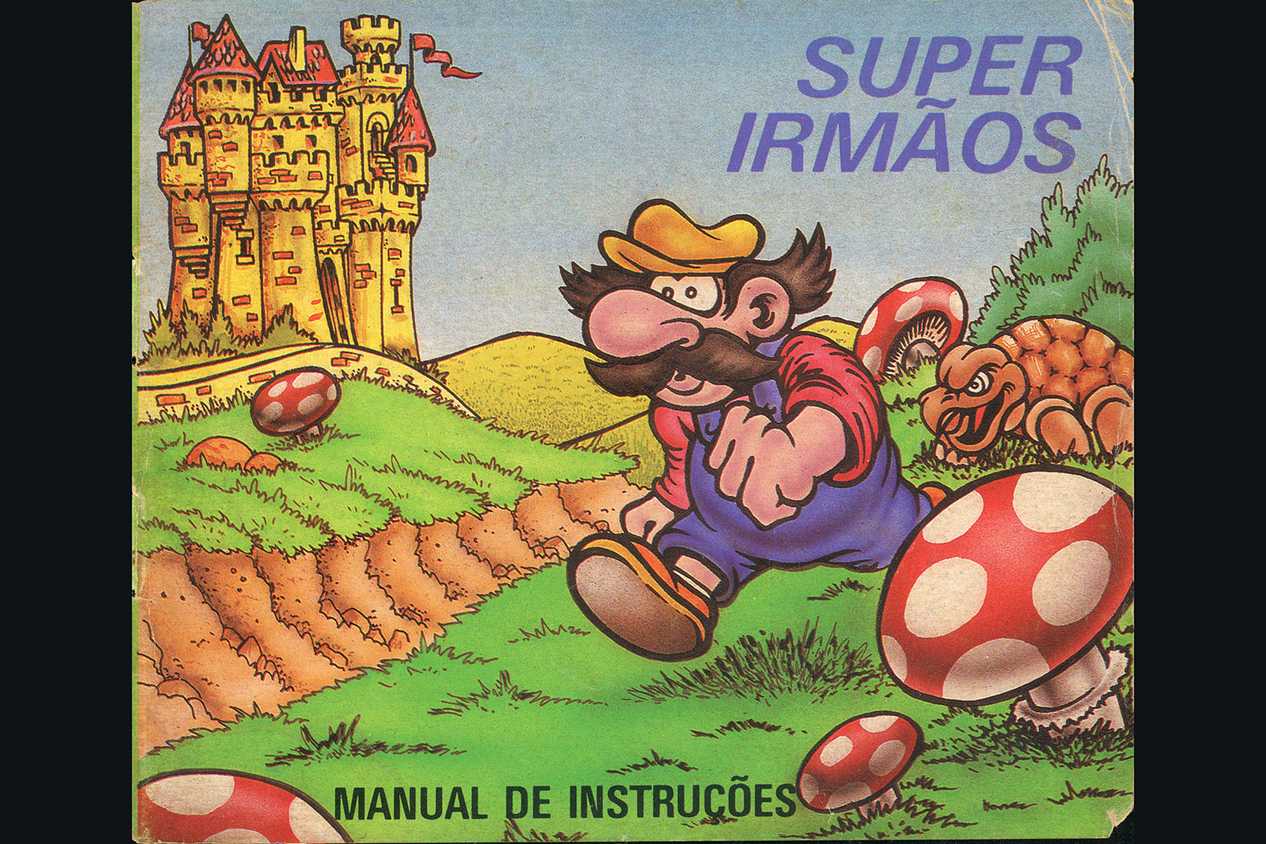
Source: Internet Archive 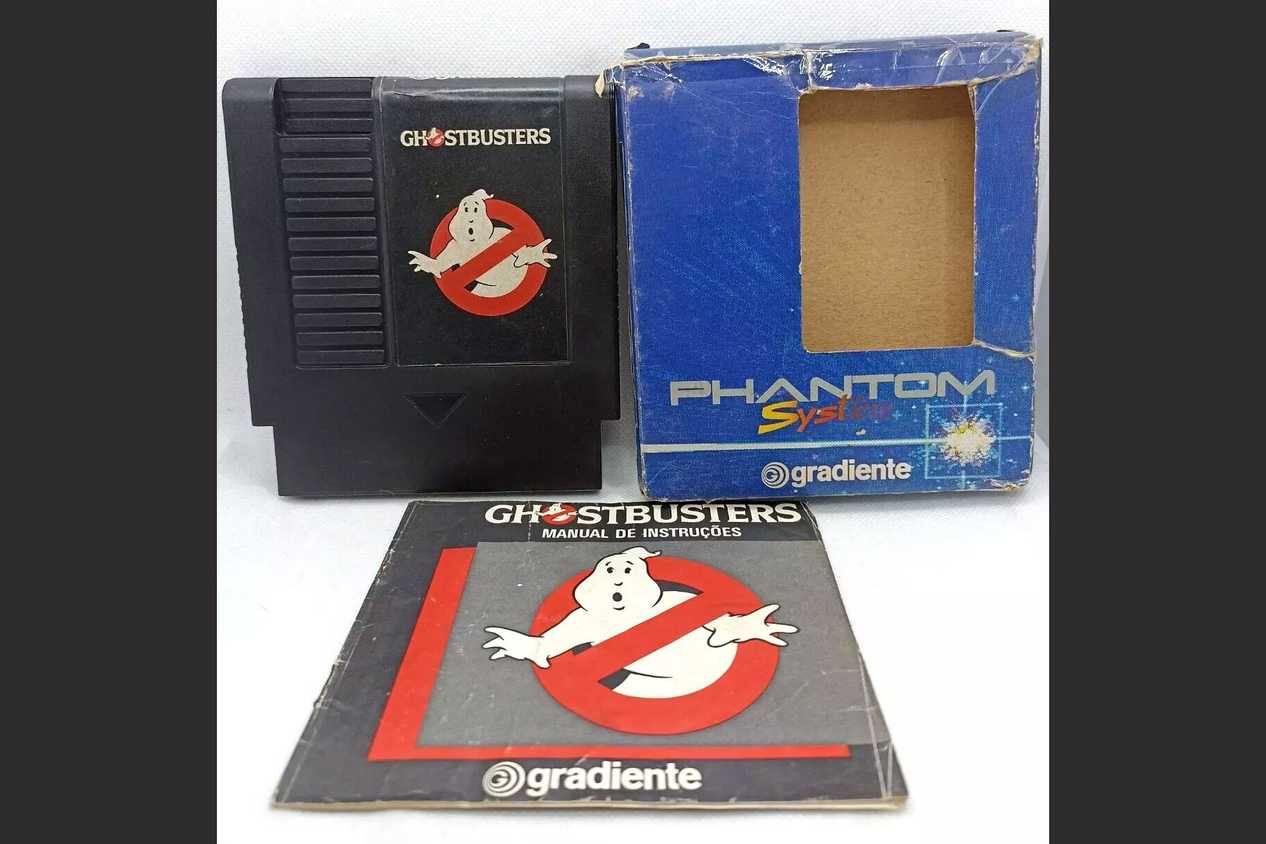
Source: eBay 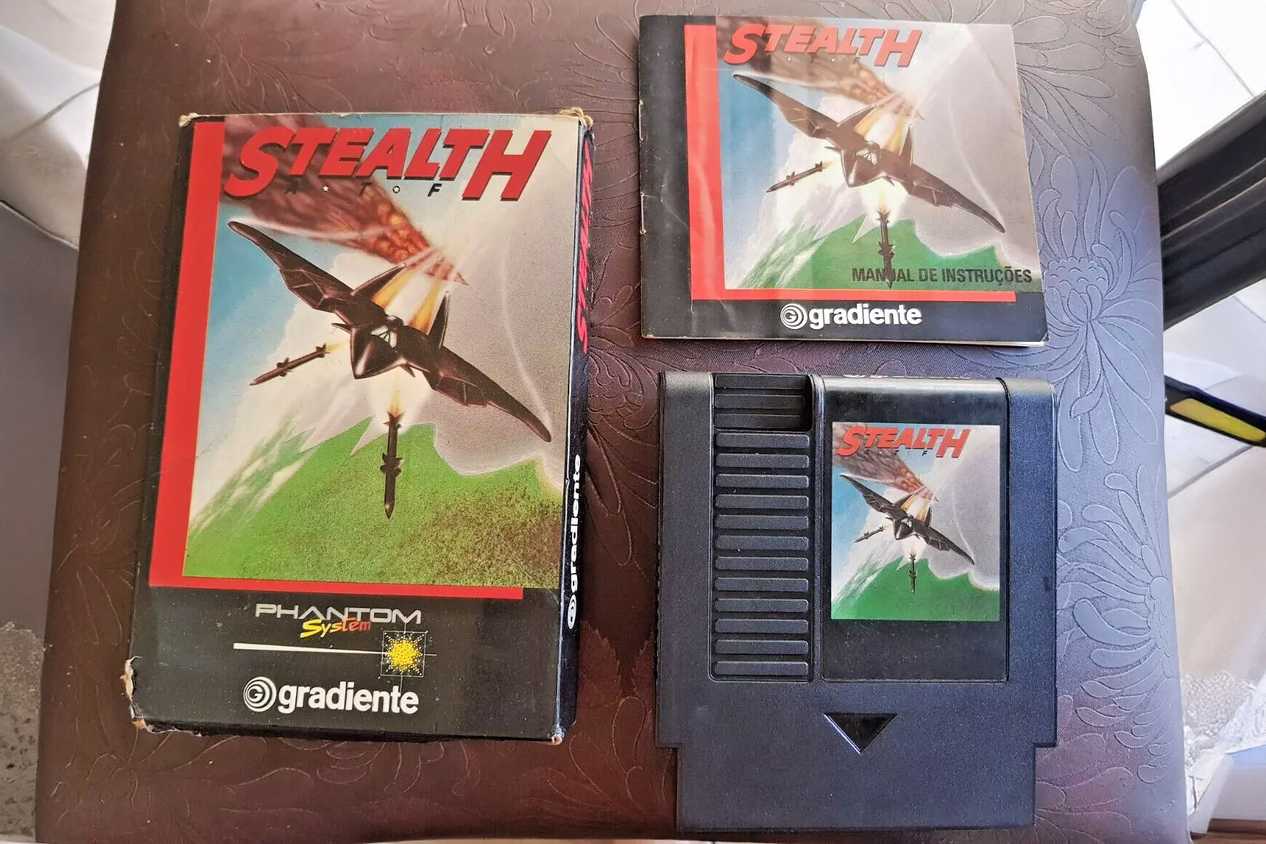
Source: eBay 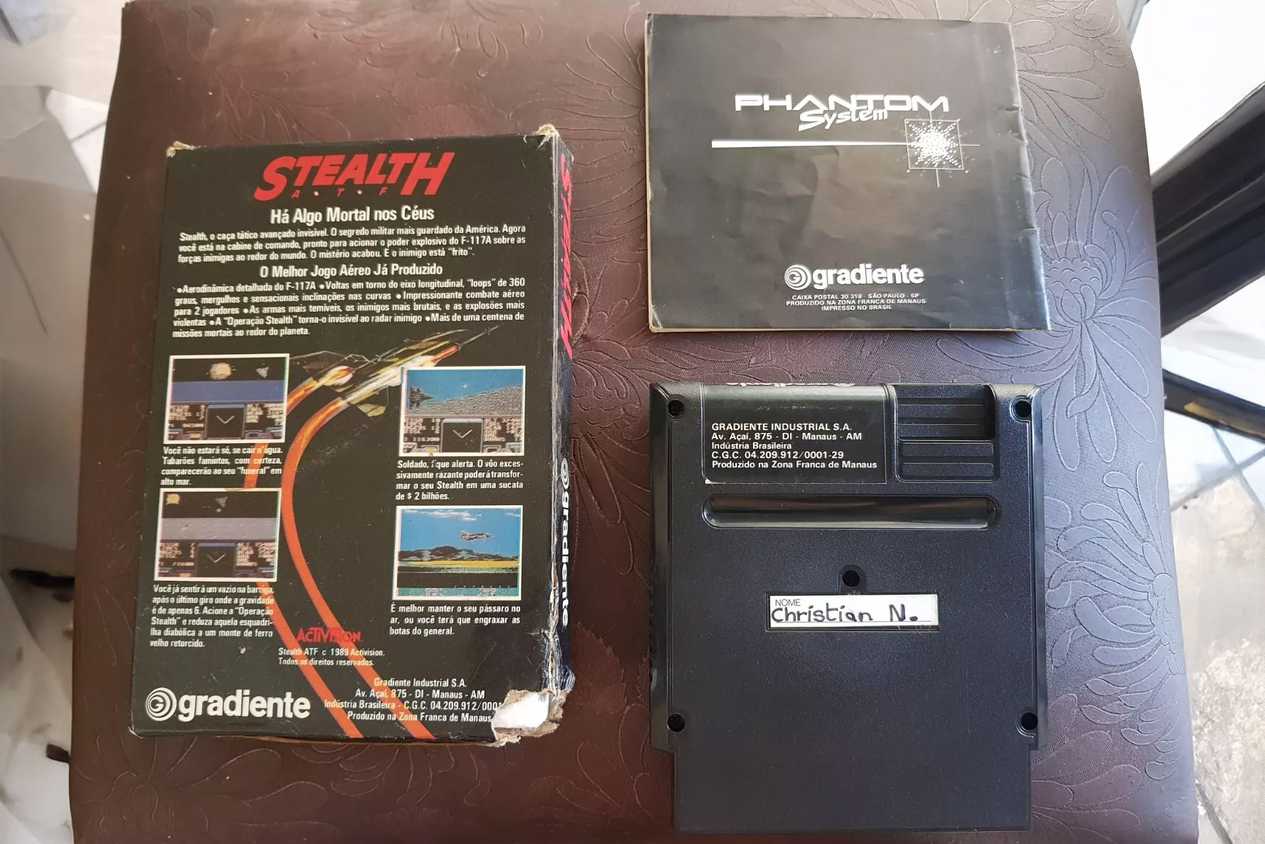
Source: eBay 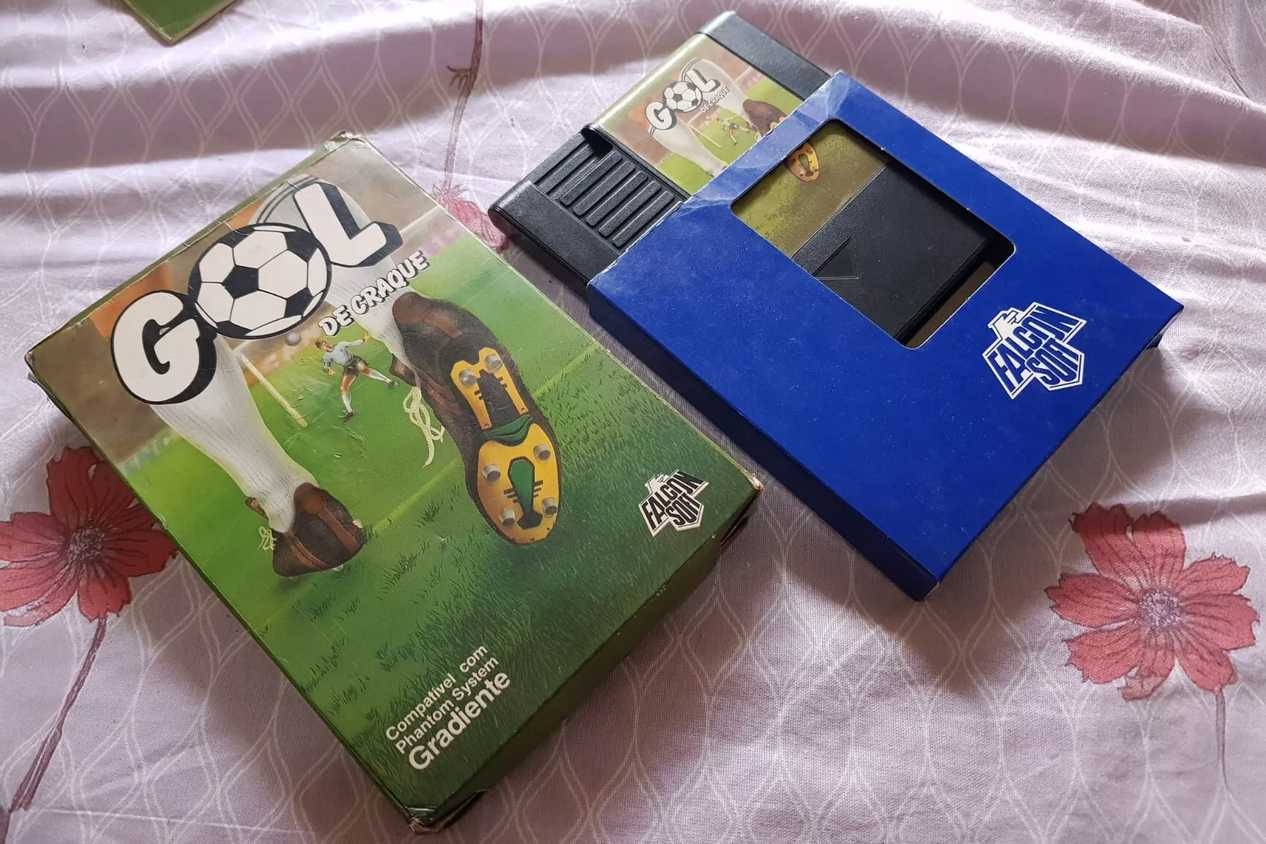
Source: eBay


Source: Reddit 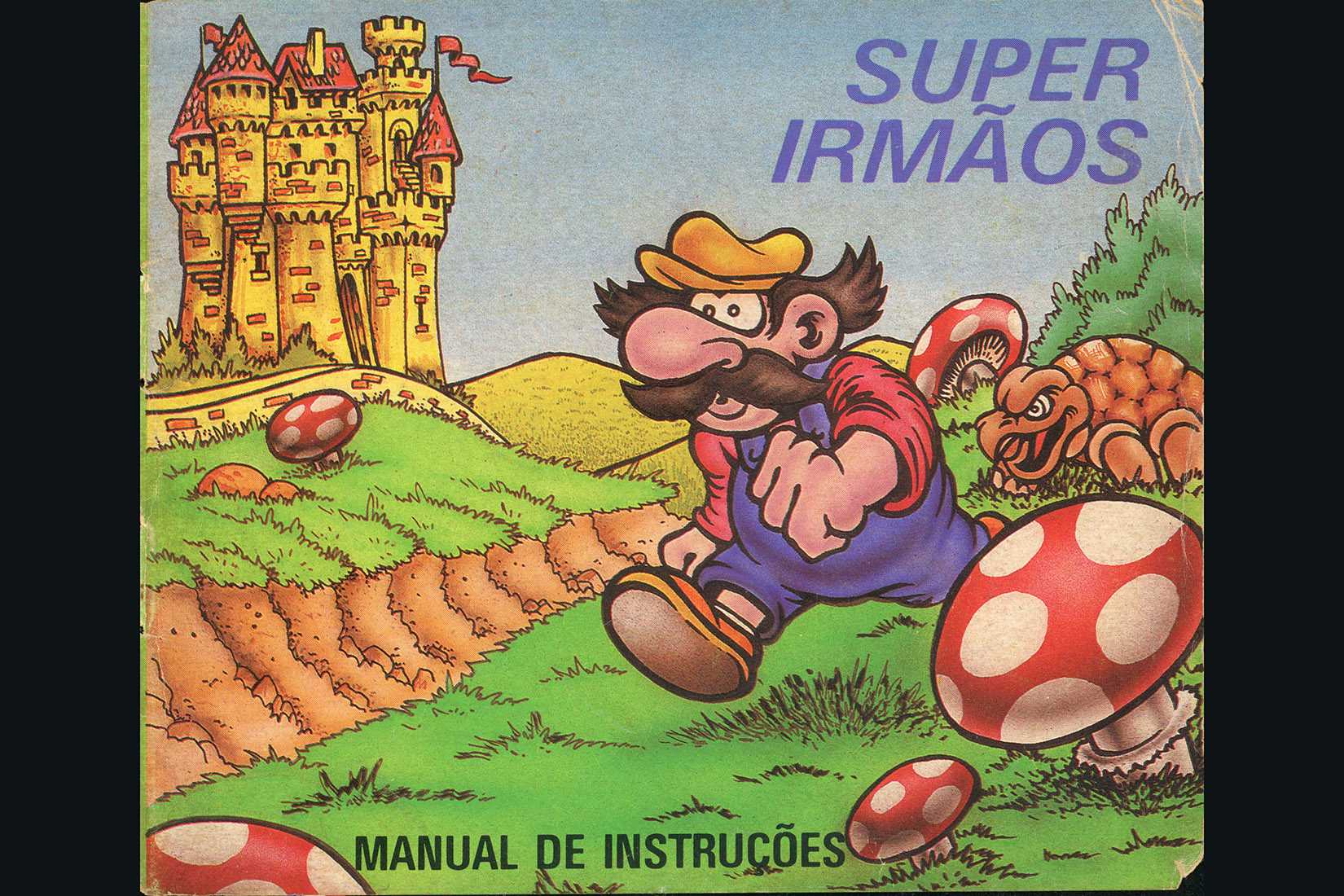
Source: Internet Archive 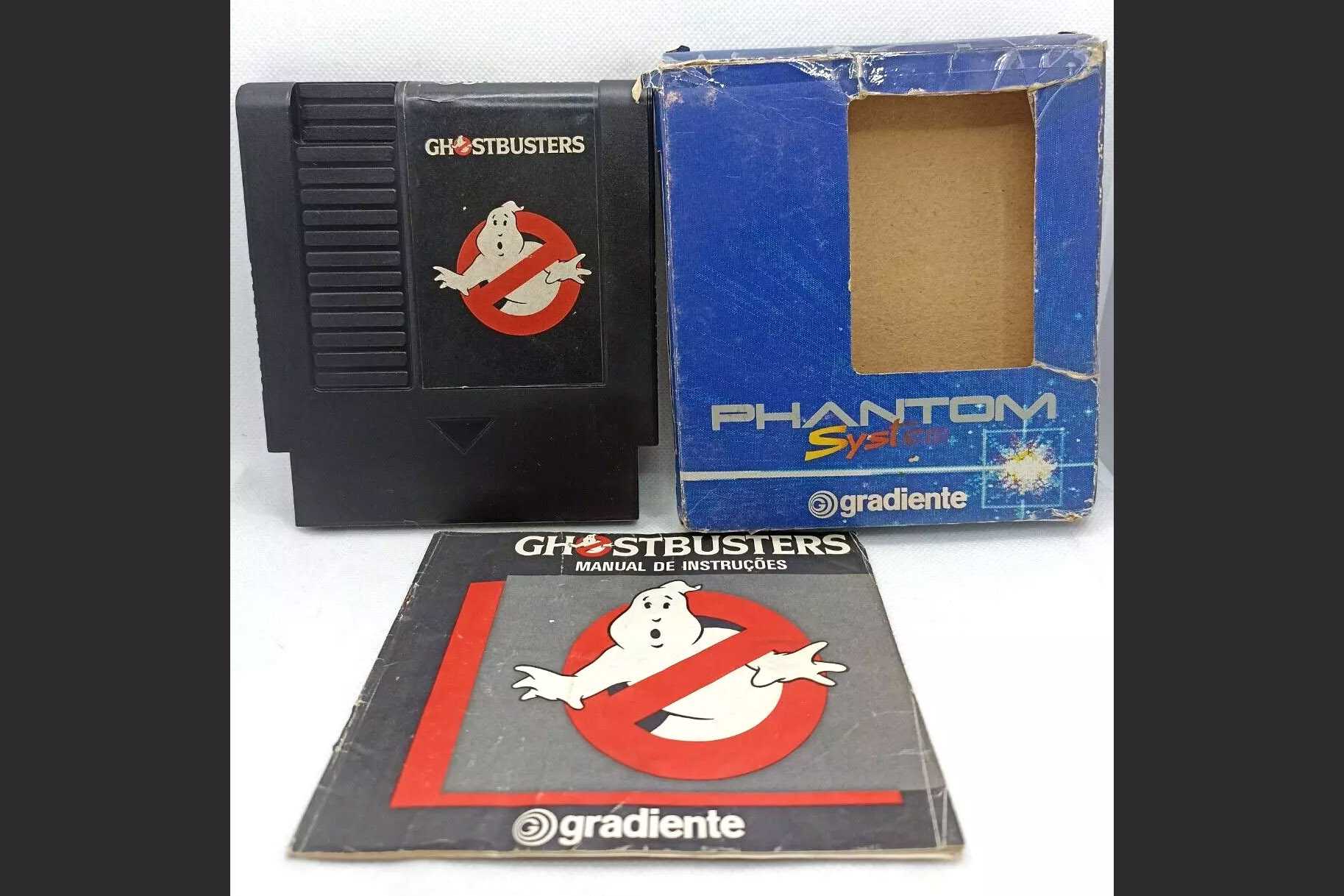
Source: eBay 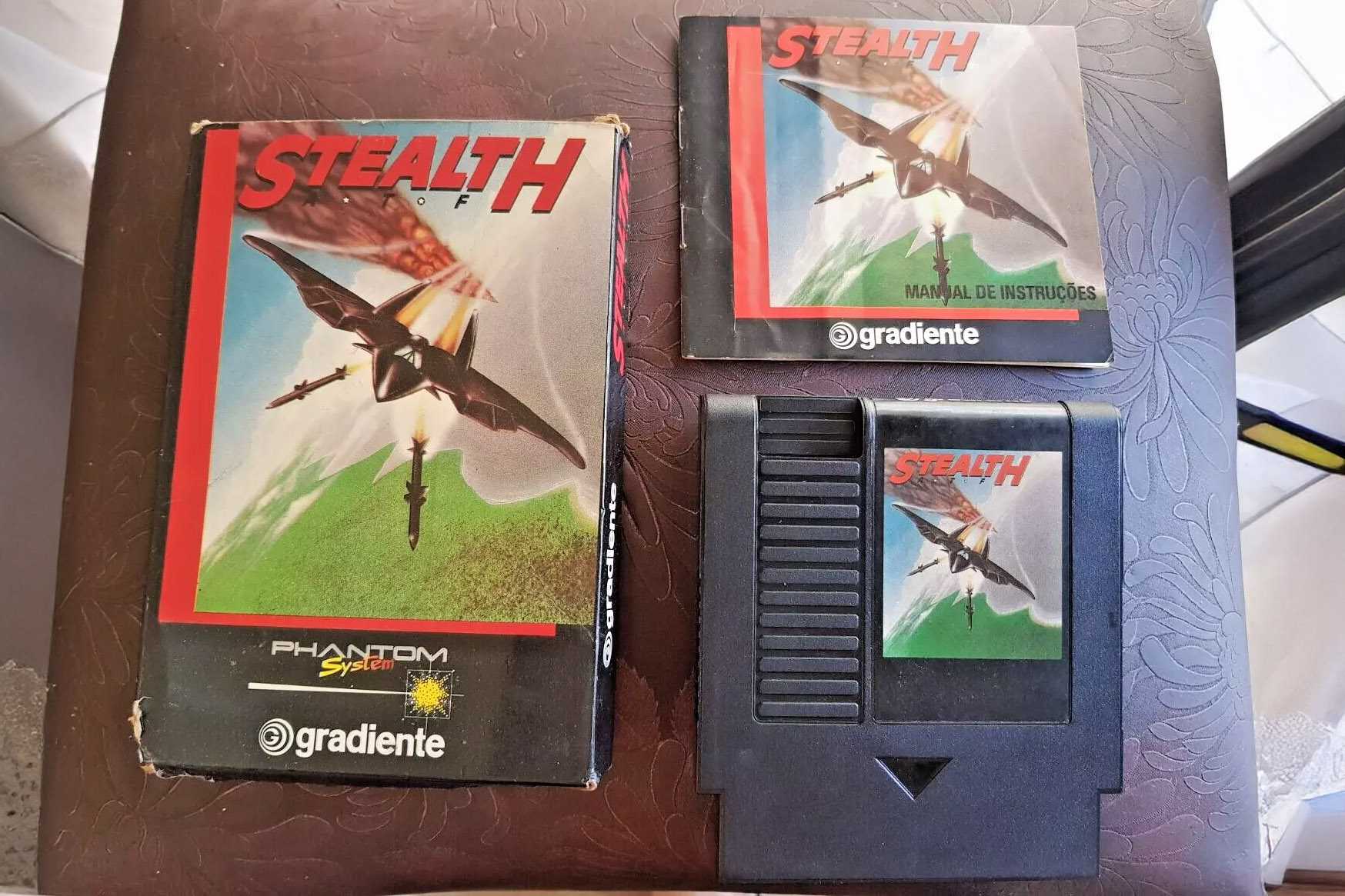
Source: eBay 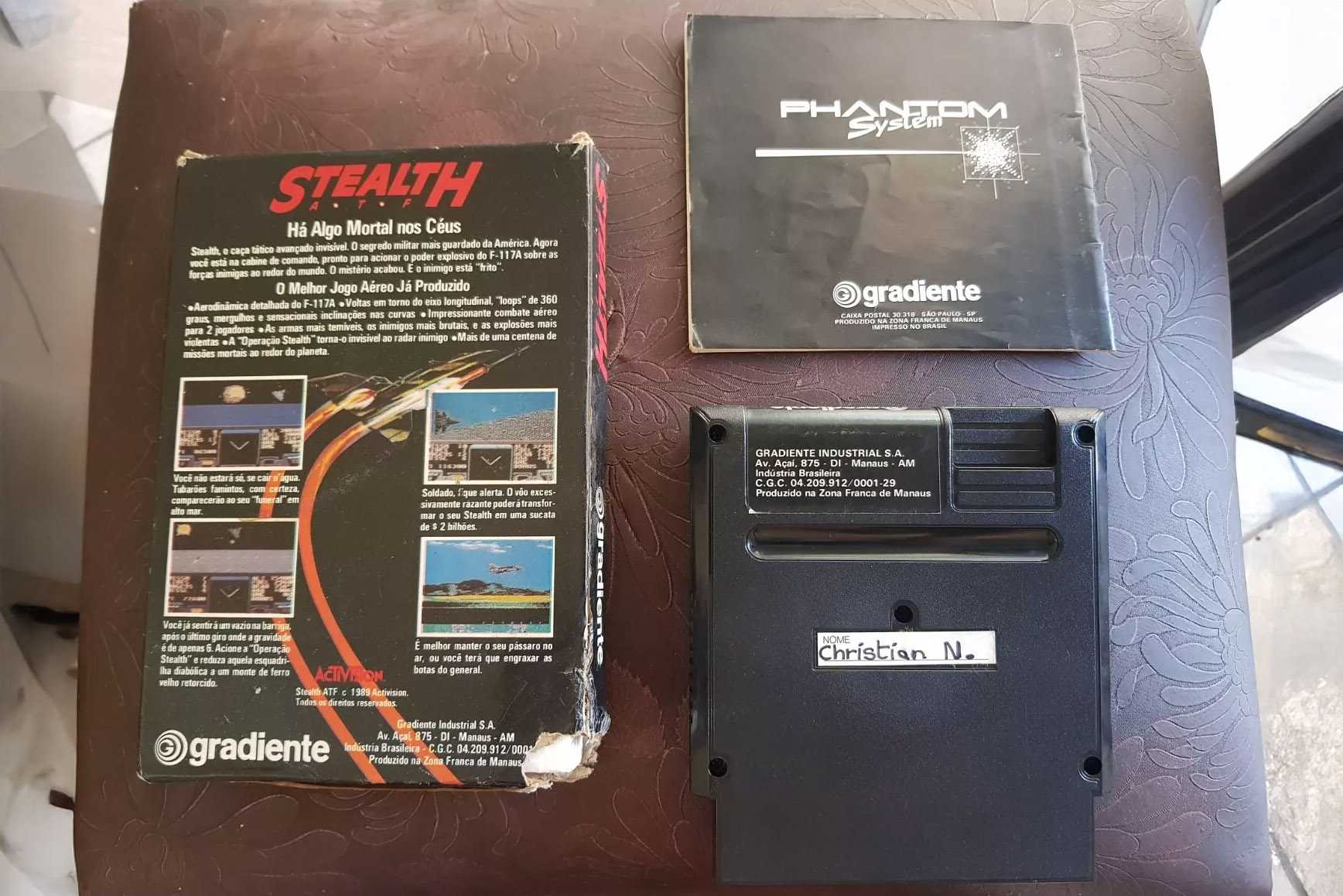
Source: eBay 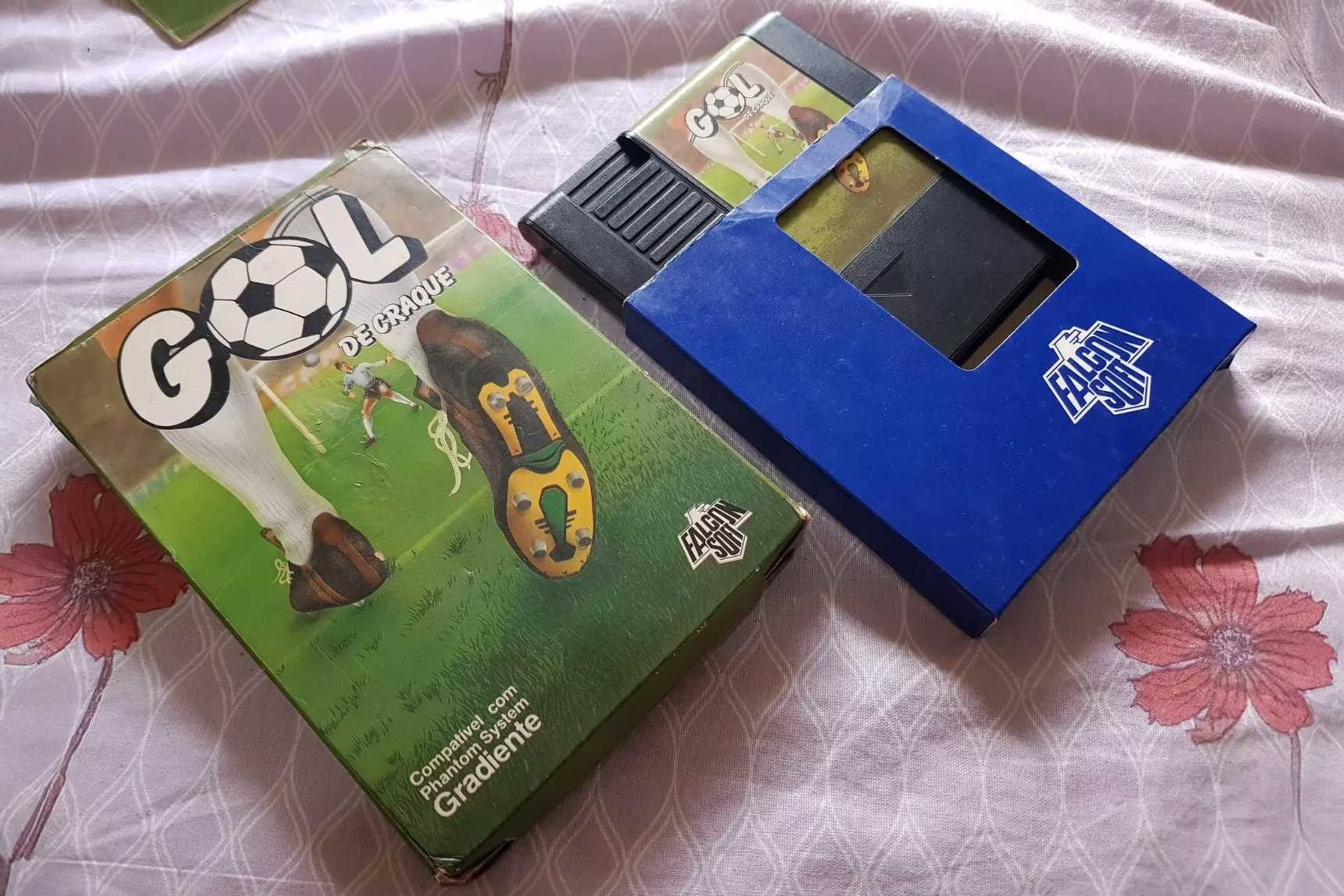
Source: eBay

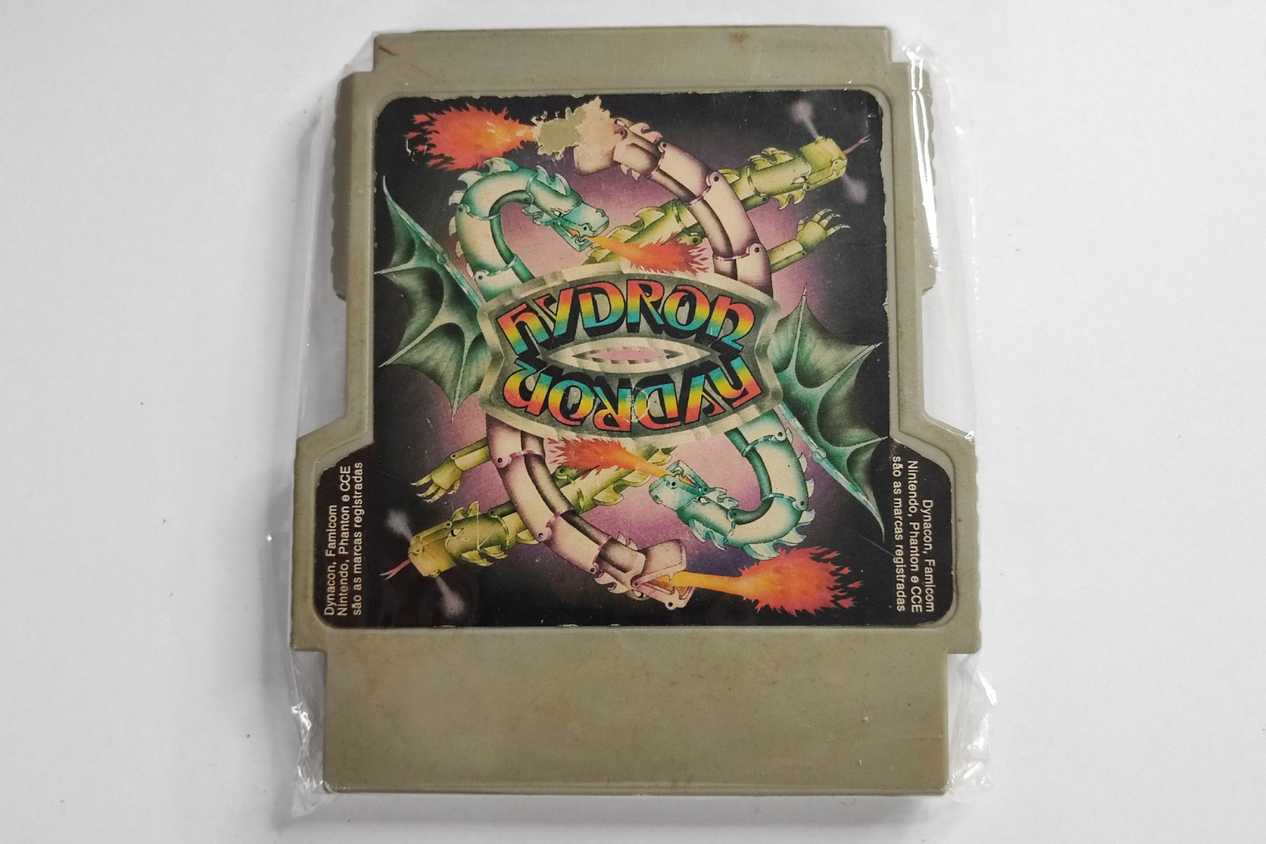
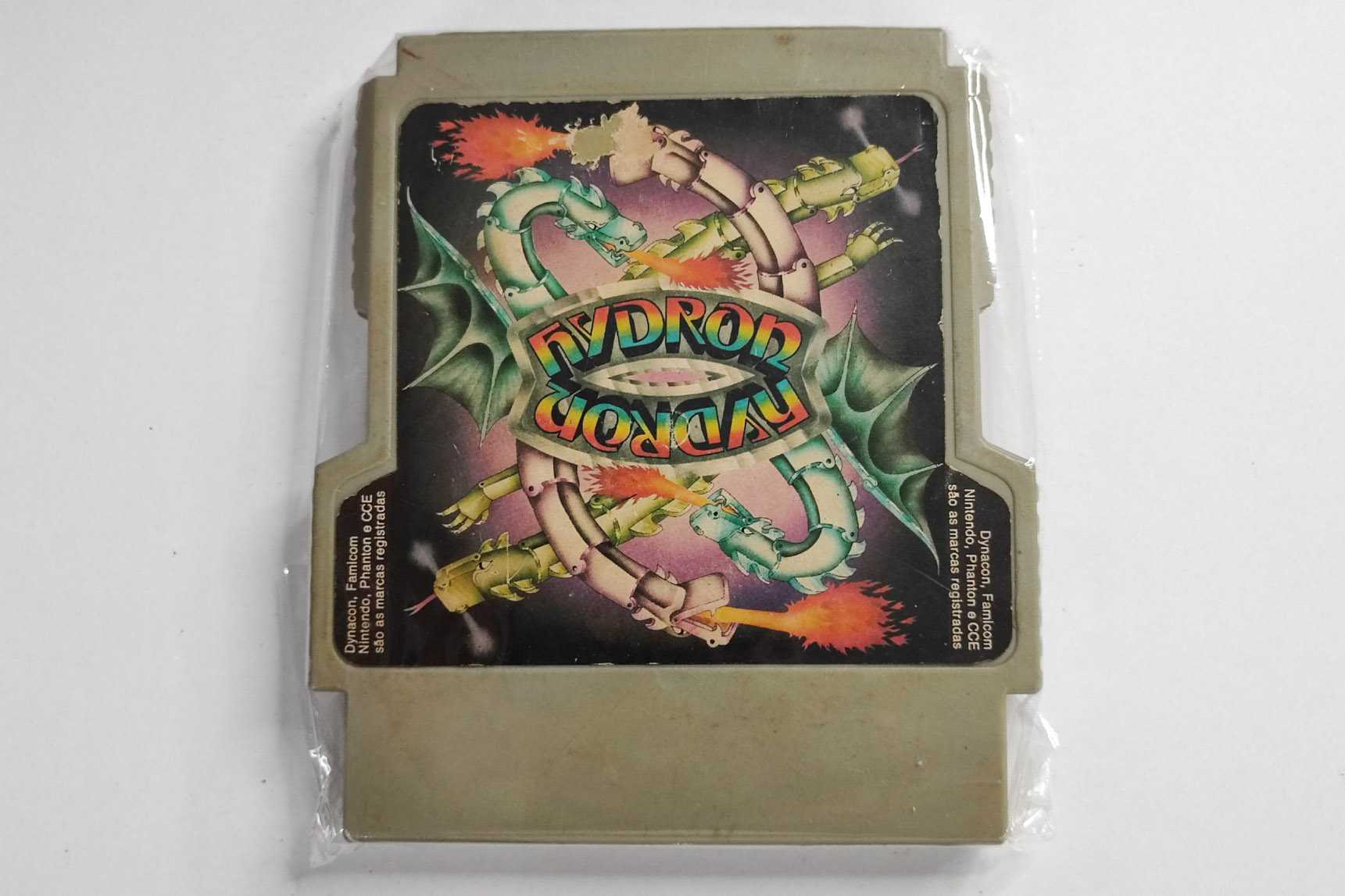
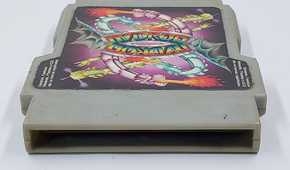
Hydron released another unique kind of bootleg. Their cartridges were built with two sets of pins — 60 for Famicom, 72 for NES — so they could work in either system. The label on the front showed two dragons breathing fire, laid out symmetrically, so the design looked right no matter how you held it. A rear label listed the name of the game. It’s not something I’ve seen outside of Brazil, and the design alone makes them a standout.
Source: Diego Ferreira Leiloes 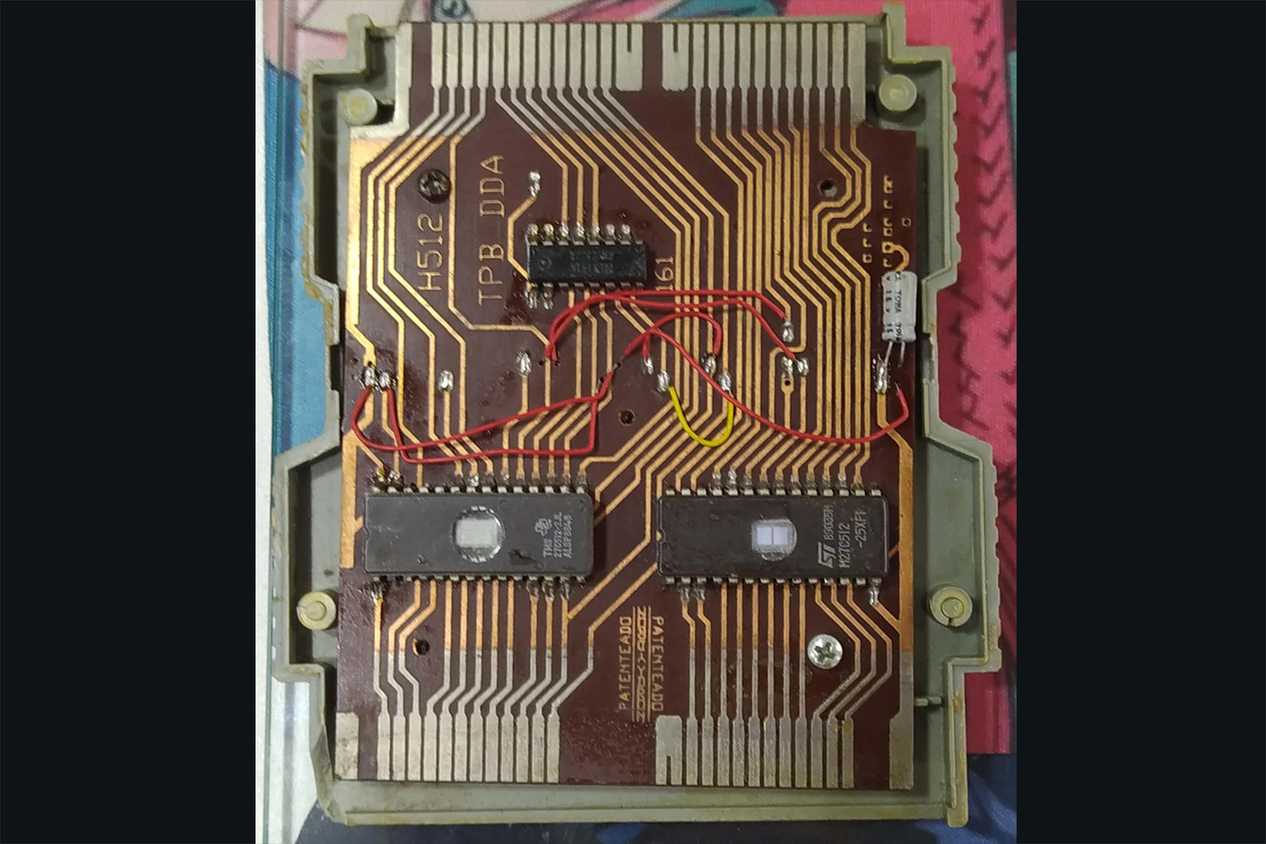
Source: BootlegGames Wiki 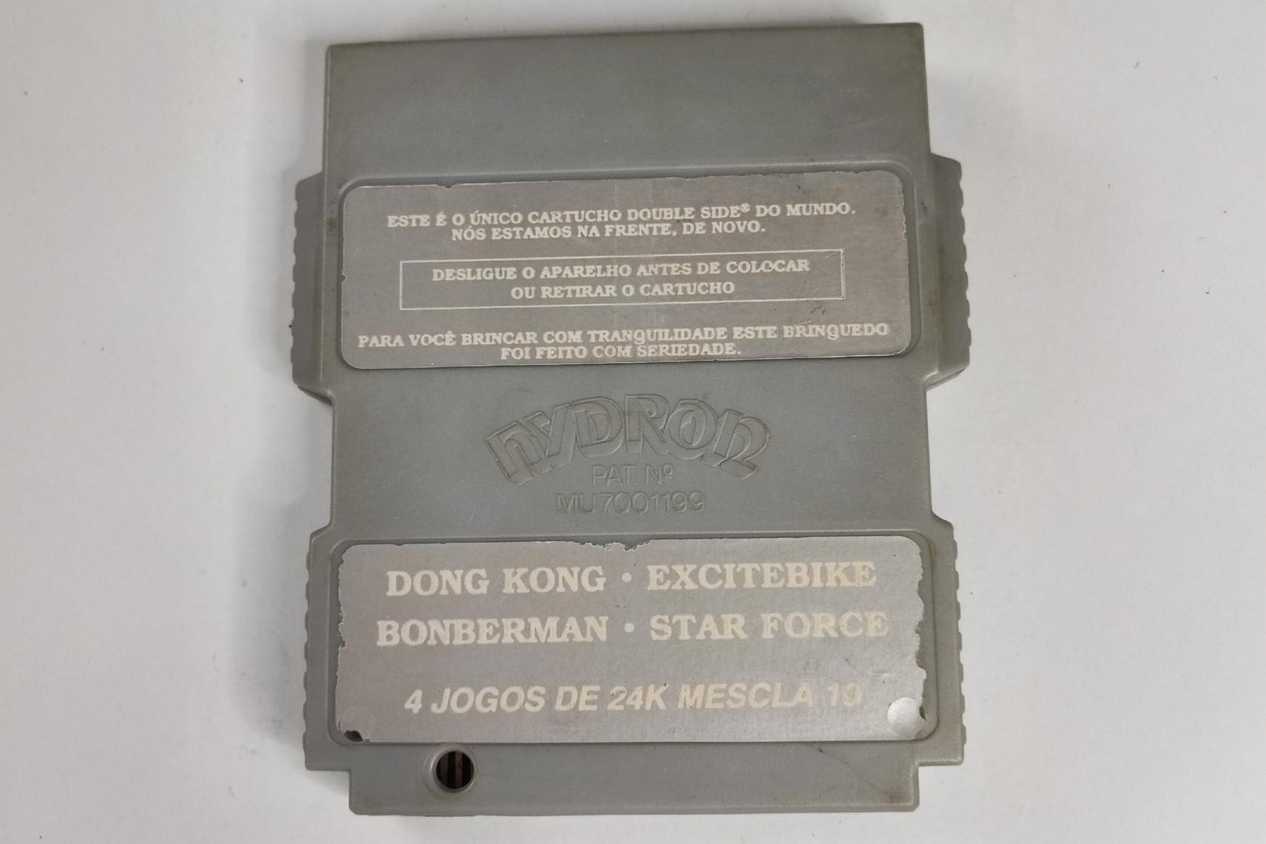
Source: Diego Ferreira Leiloes 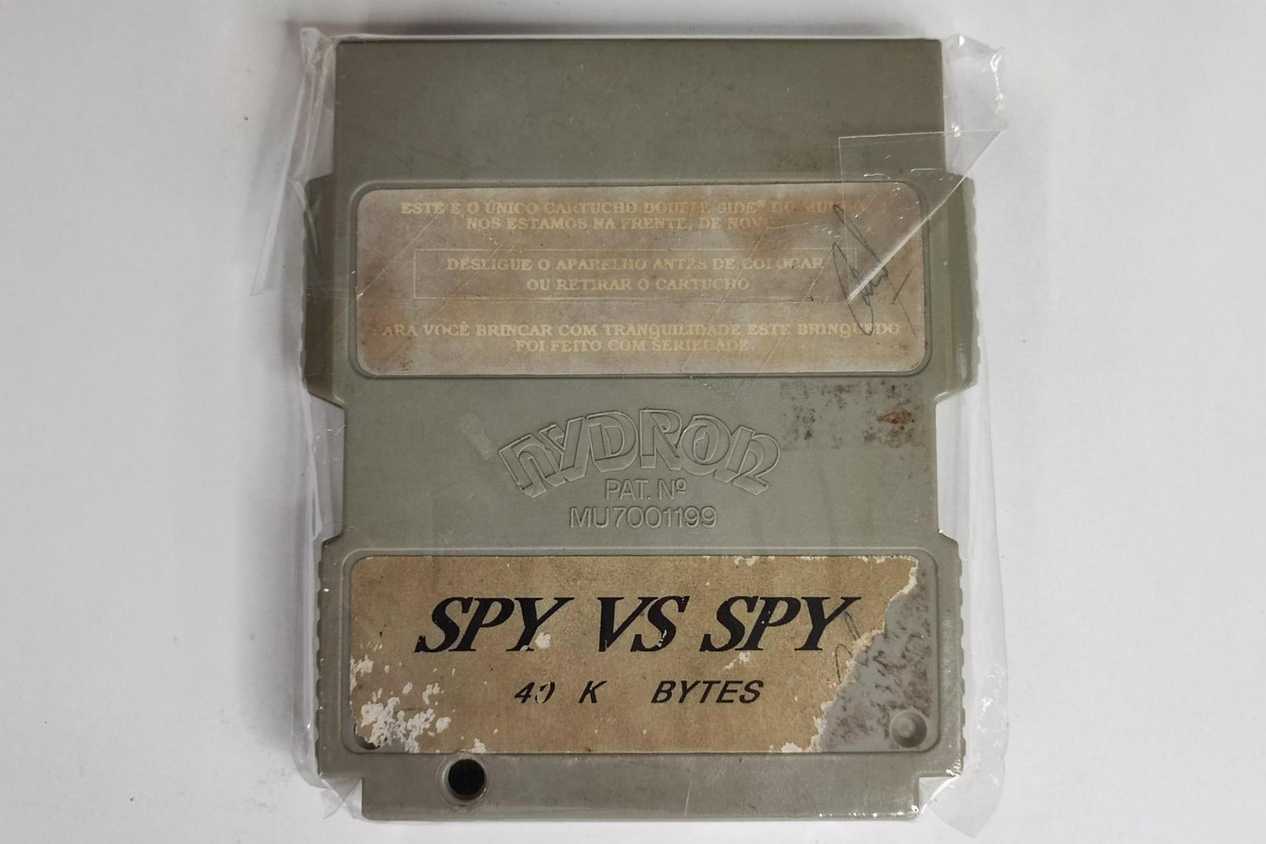
Source: Diego Ferreira Leiloes 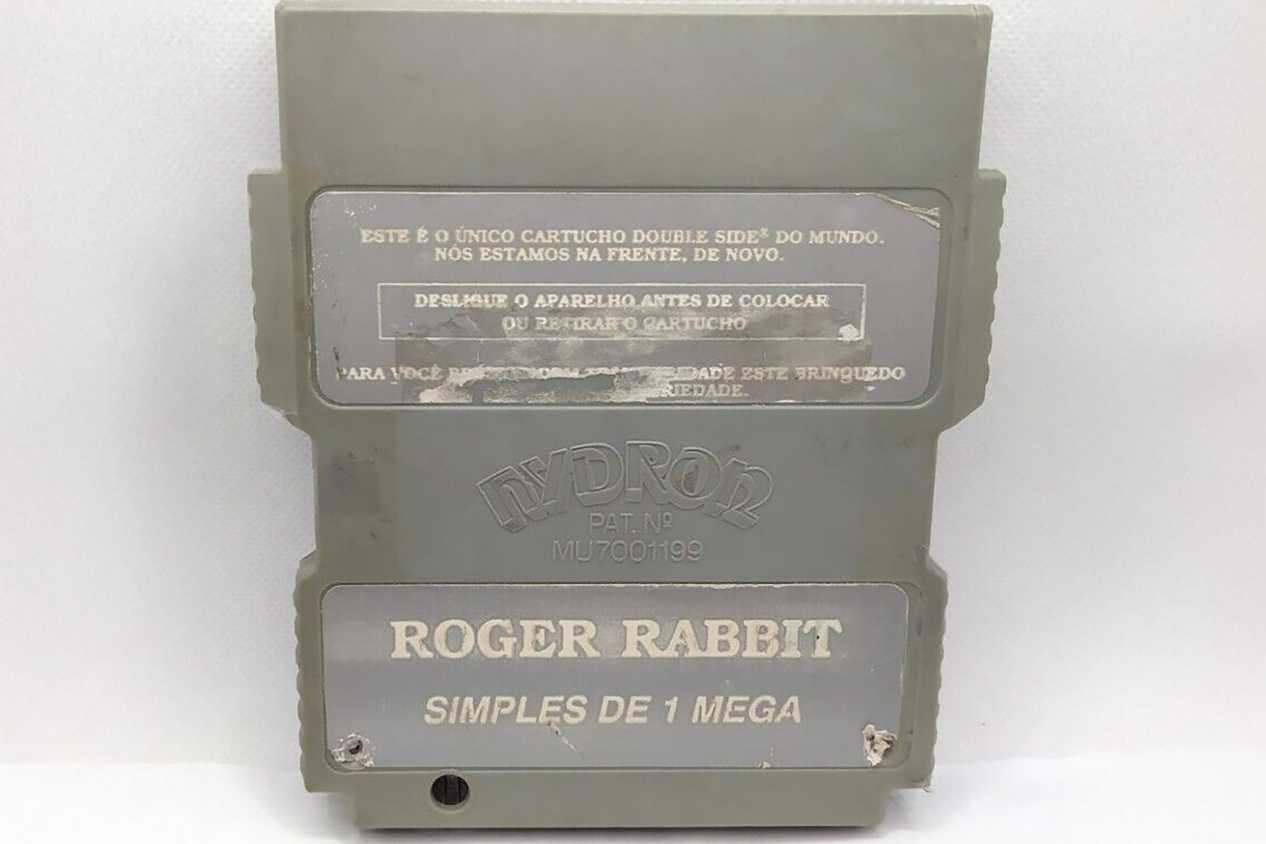
Source: Wiki No Intro 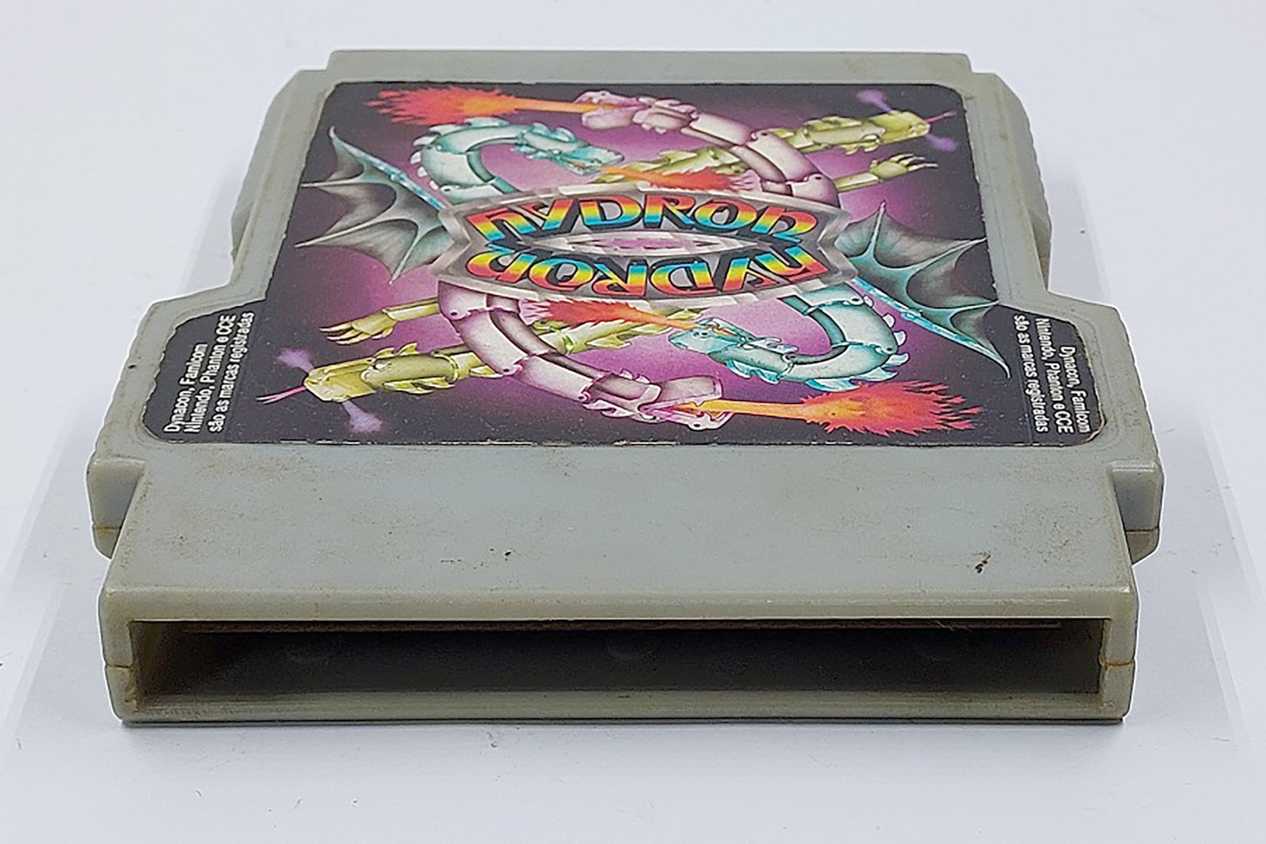
Source: Diego Ferreira Leiloes


Source: Diego Ferreira Leiloes 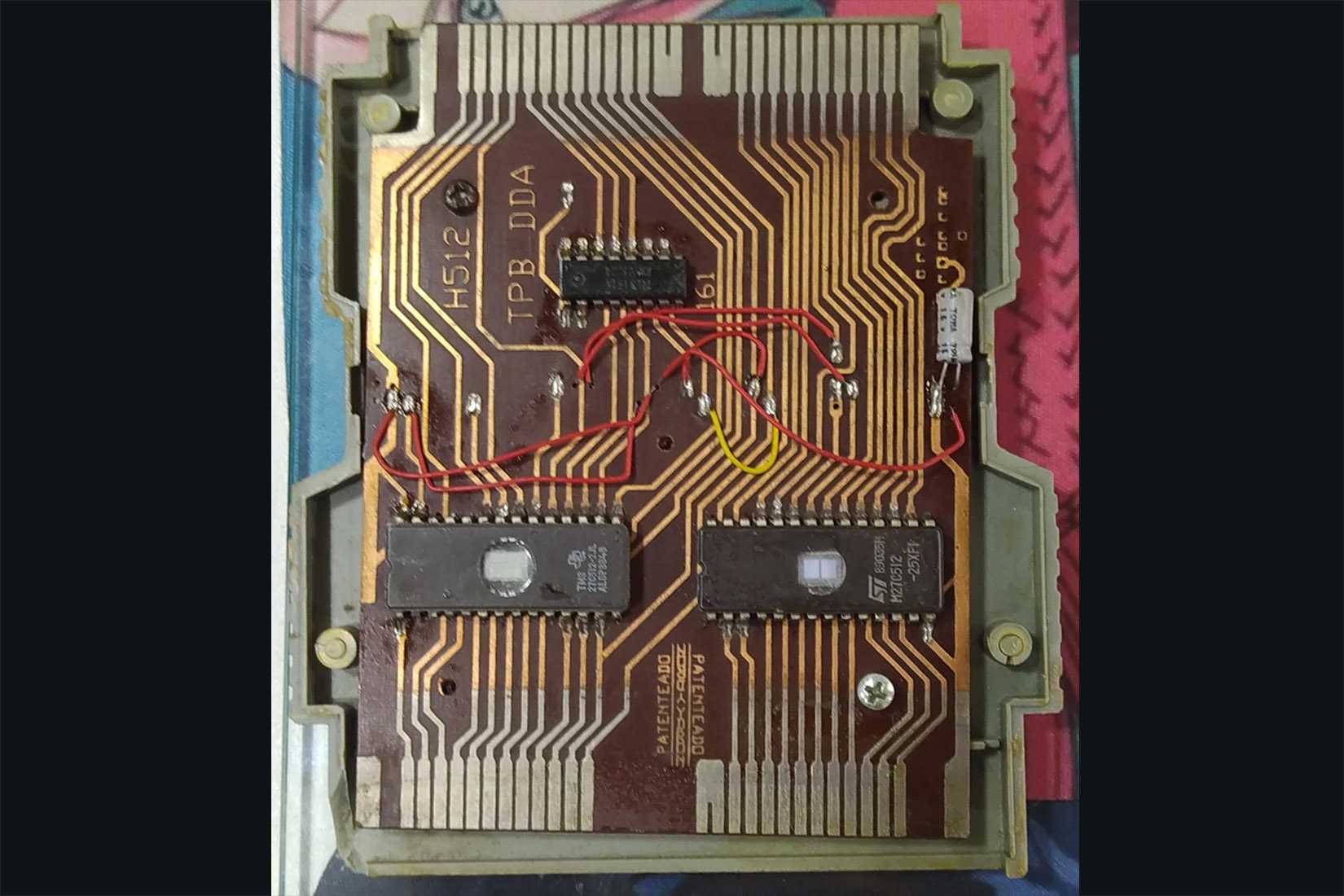
Source: BootlegGames Wiki 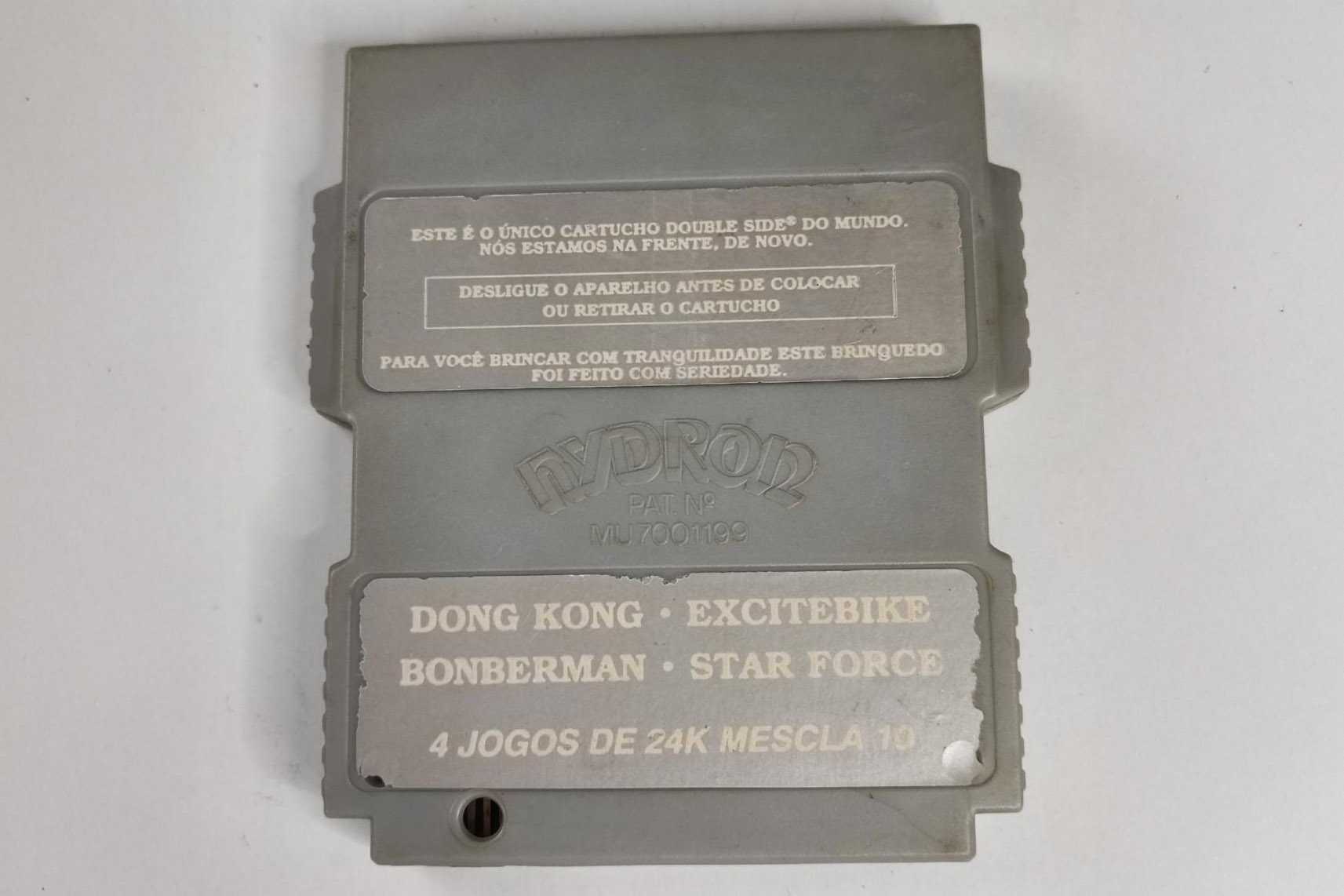
Source: Diego Ferreira Leiloes 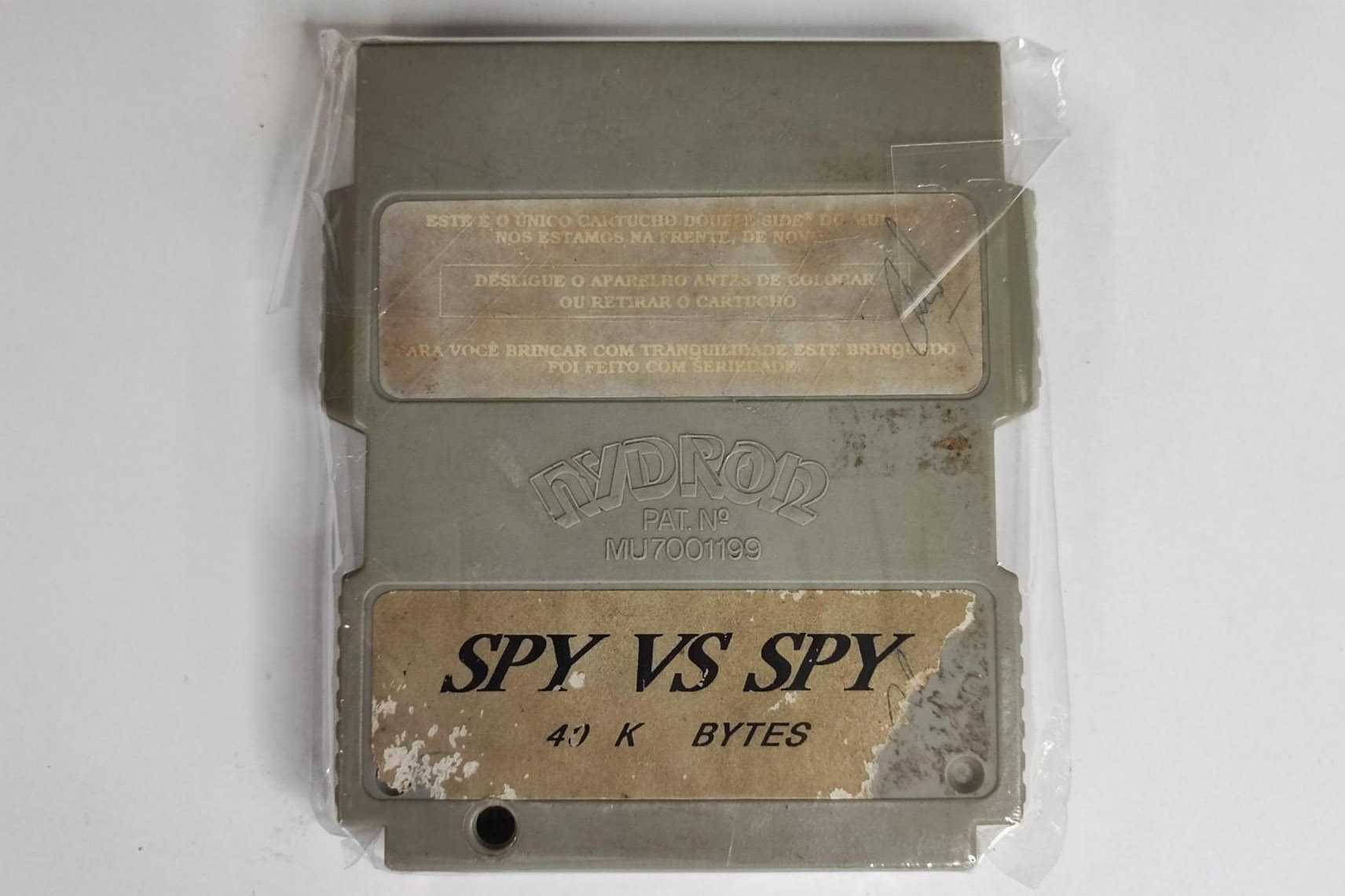
Source: Diego Ferreira Leiloes 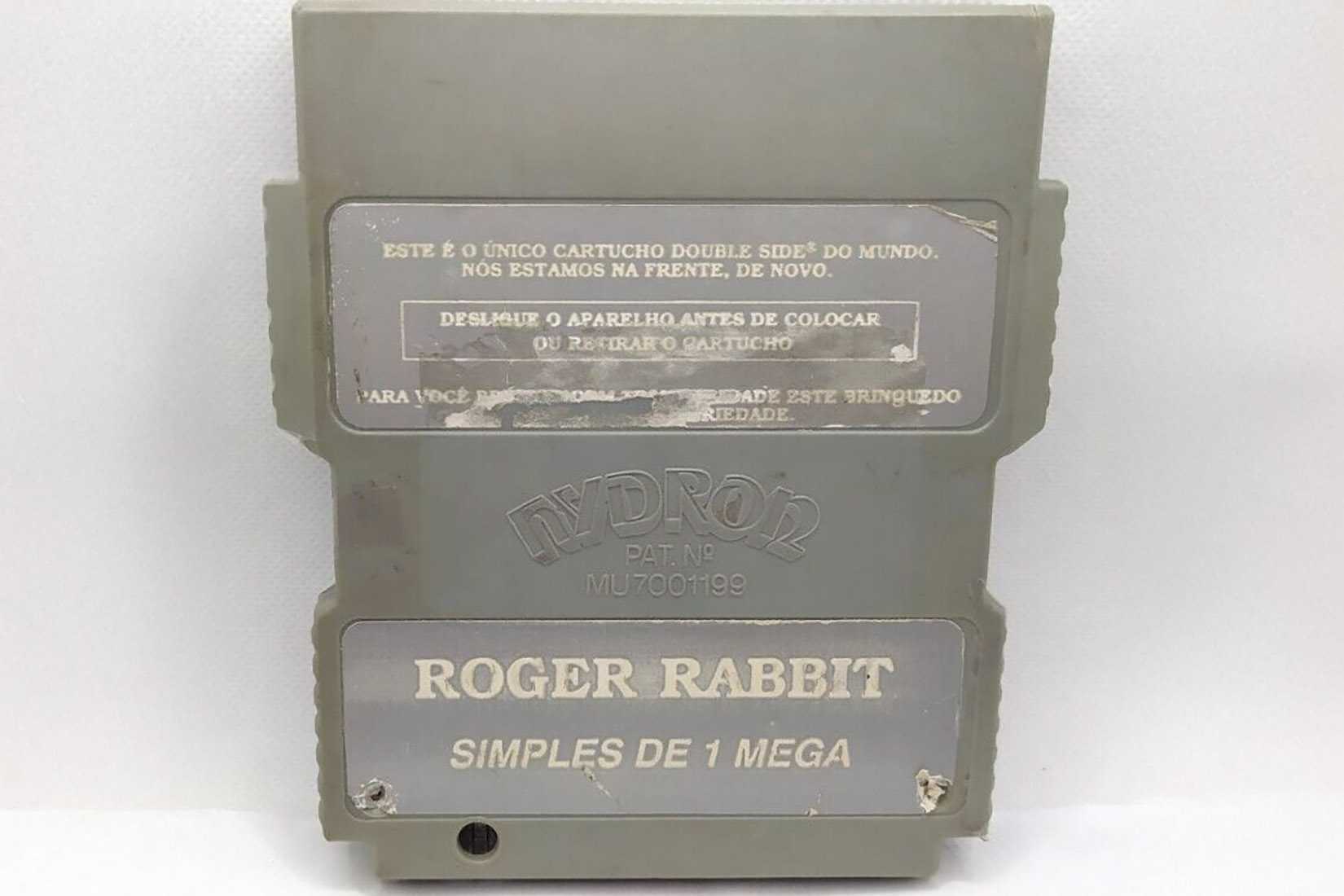
Source: Wiki No Intro 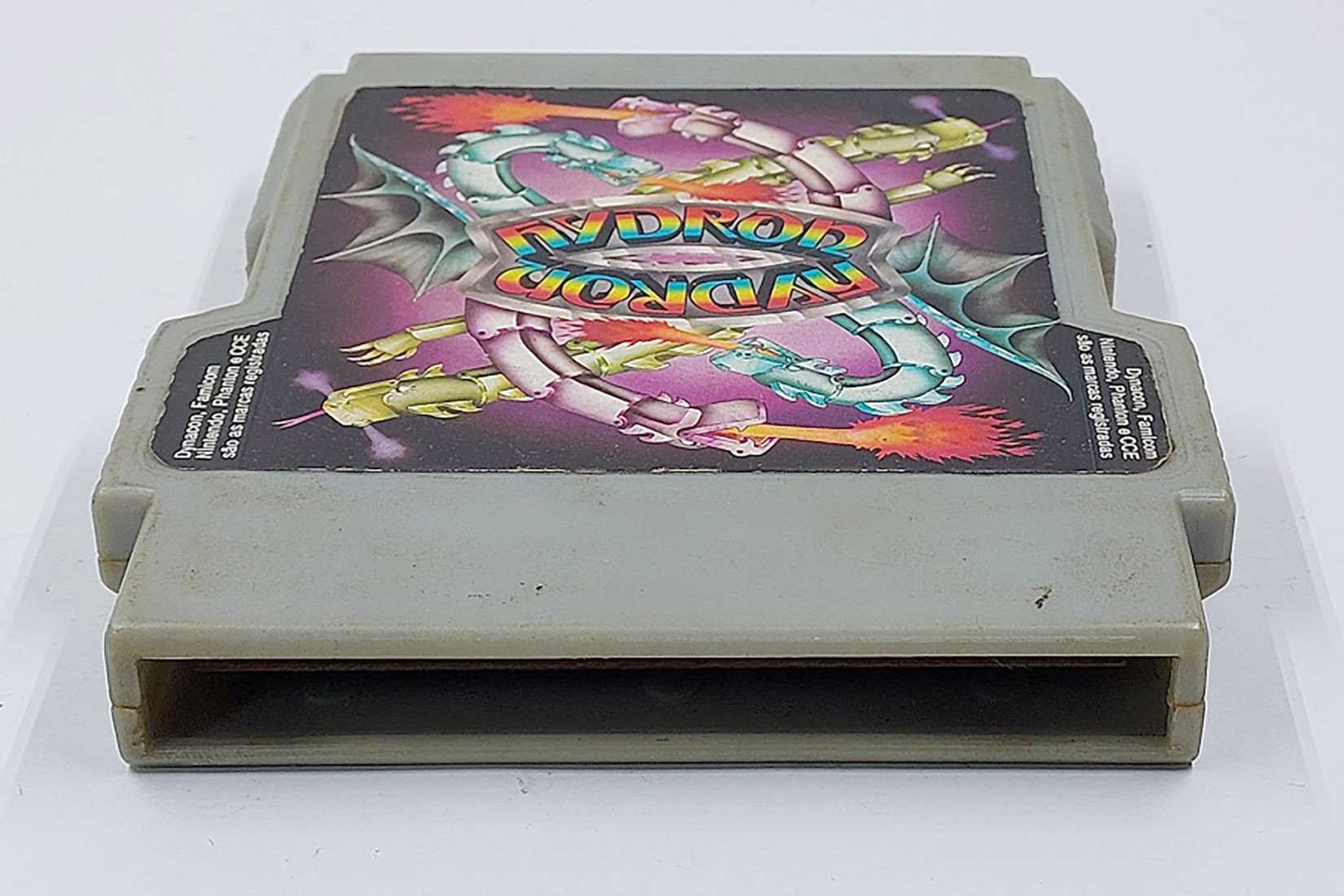
Source: Diego Ferreira Leiloes


Then there were the full reimaginings. Tectoy S.A., Sega’s official partner in Brazil, went beyond translation. They took the Wonder Boy series for the Master System and rebuilt it around Monica’s Gang — Brazil’s beloved comic book characters. Wonder Boy in Monster Land became Mônica: No Castelo do Dragão (Monica: The Dragon’s Castle), and two more titles followed. I’m hoping to track down a ROM and play it myself — it’s the kind of adaptation that makes you look at a game in a whole new way.
That’s what makes this slice of gaming history so compelling. It wasn’t just about playing the same games differently — it was about transforming them into something more personal, more local, and more reflective of the people actually playing them. And that's why Brazil has such a unique gaming culture that's so fun to explore.
When piracy makes more sense than policy
A system that creates scarcity

Piracy didn’t explode in Brazil because people wanted something for nothing. It exploded because the system made it nearly impossible to participate any other way. The official market offered nothing, no licensed hardware, no affordable games, and no access, which made sense for the average person. So people found workarounds. And when enough people do that, it’s not really a workaround anymore. It’s the market.
In Brazil, that meant kids were playing games on clone consoles, buying bootleg cartridges from legitimate stores, and growing up with a completely parallel gaming culture, because they had no other option. It wasn’t a shadow economy hiding in the dark. It was out in the open, thriving in plain sight.
And it wasn’t just Brazil. In the U.S., games were available, but that didn’t mean they were accessible. A lot of families simply couldn’t afford them. Not because they were lazy or irresponsible, but because incredibly wealthy corporations, billionaires, and policymakers had siphoned off so much of the country’s wealth that ordinary people had less to spend. They stole time, energy, and opportunity—and then sold it back at a markup.
Piracy didn’t happen despite the system. It happened because of it. When the formal economy fails to meet people’s needs, the informal one steps in. That’s not a glitch. That’s how scarcity is manufactured.
What gets lost when you’re locked out
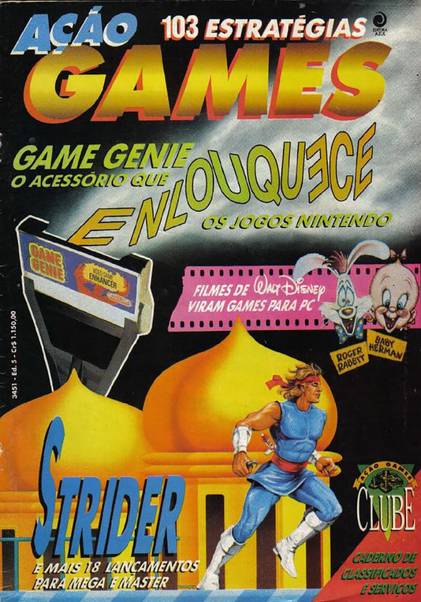
Source: Ação Games 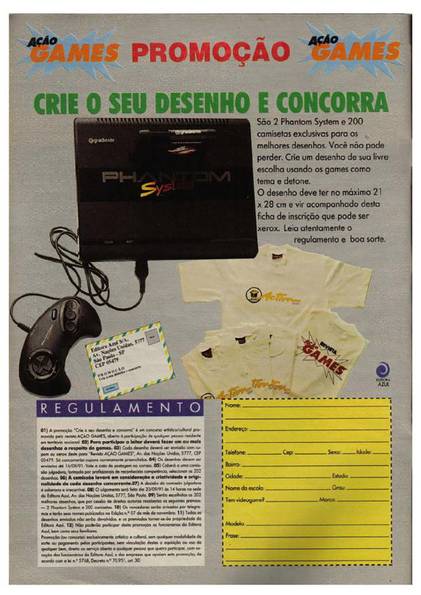
Source: Ação Games 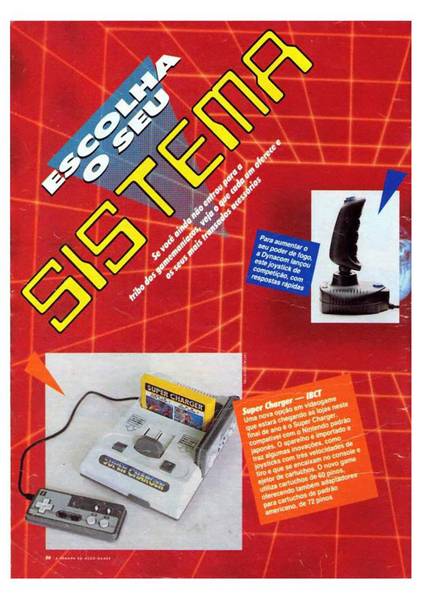
Source: Ação Games 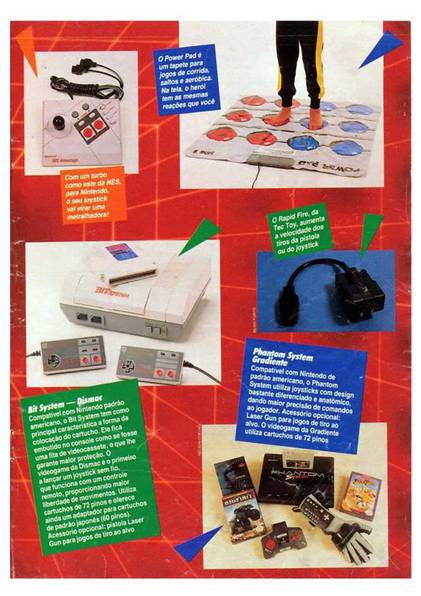
Source: Ação Games 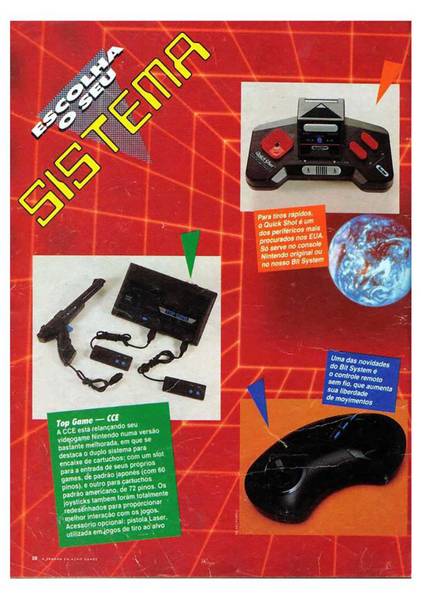
Source: Ação Games 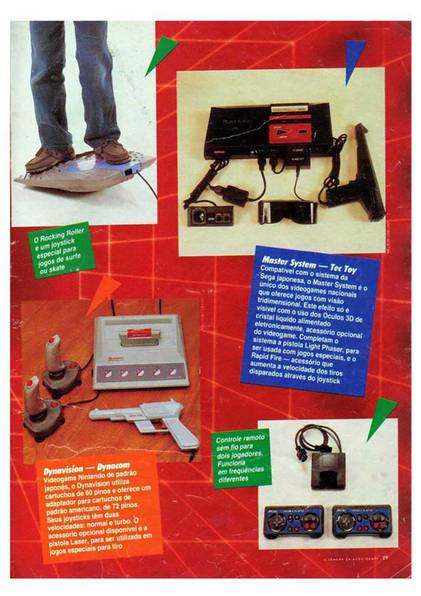
Source: Ação Games


Source: Ação Games 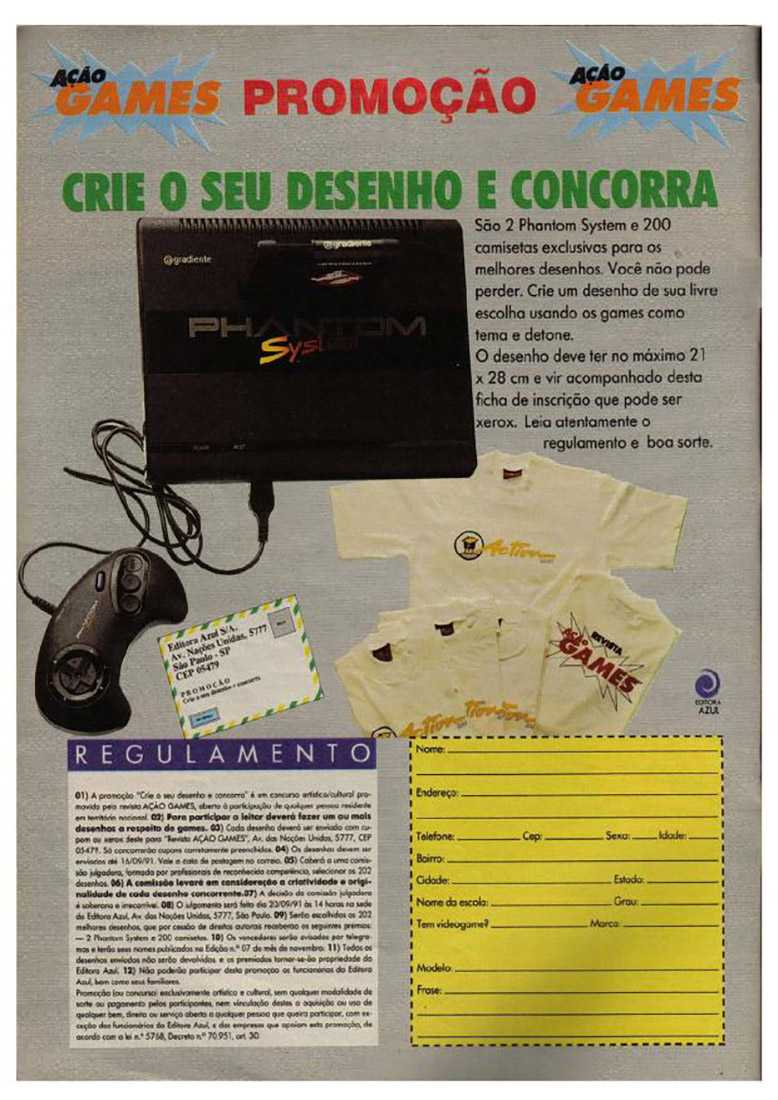
Source: Ação Games 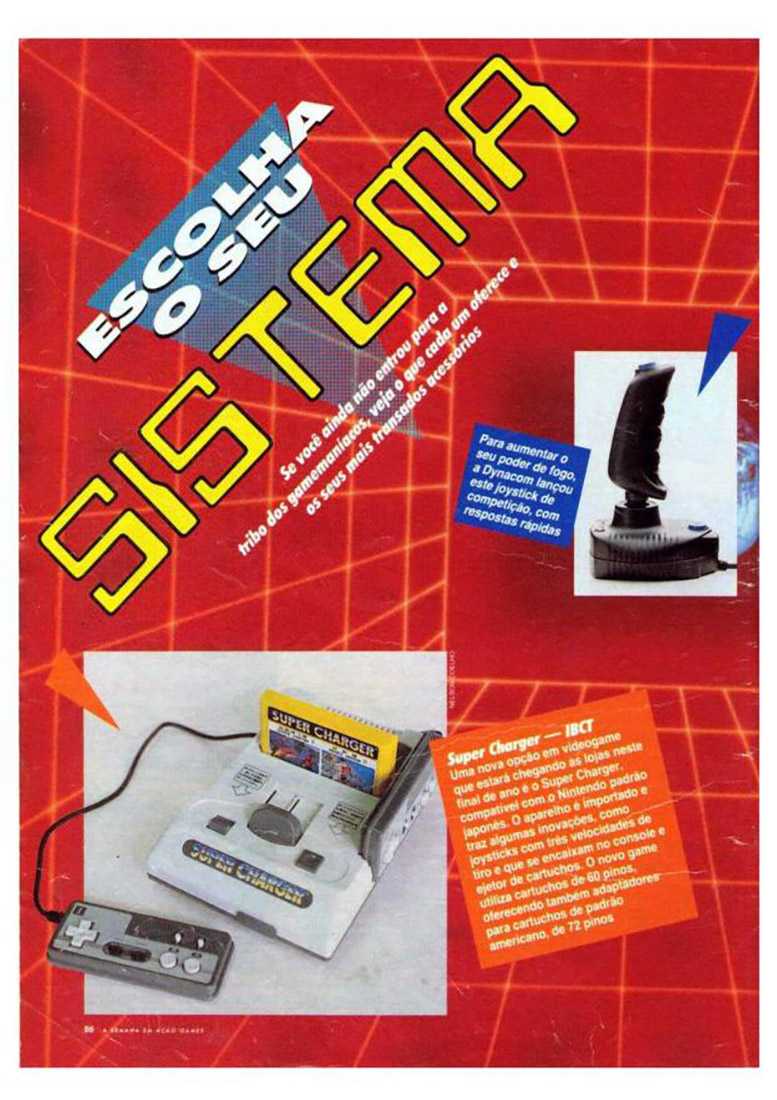
Source: Ação Games 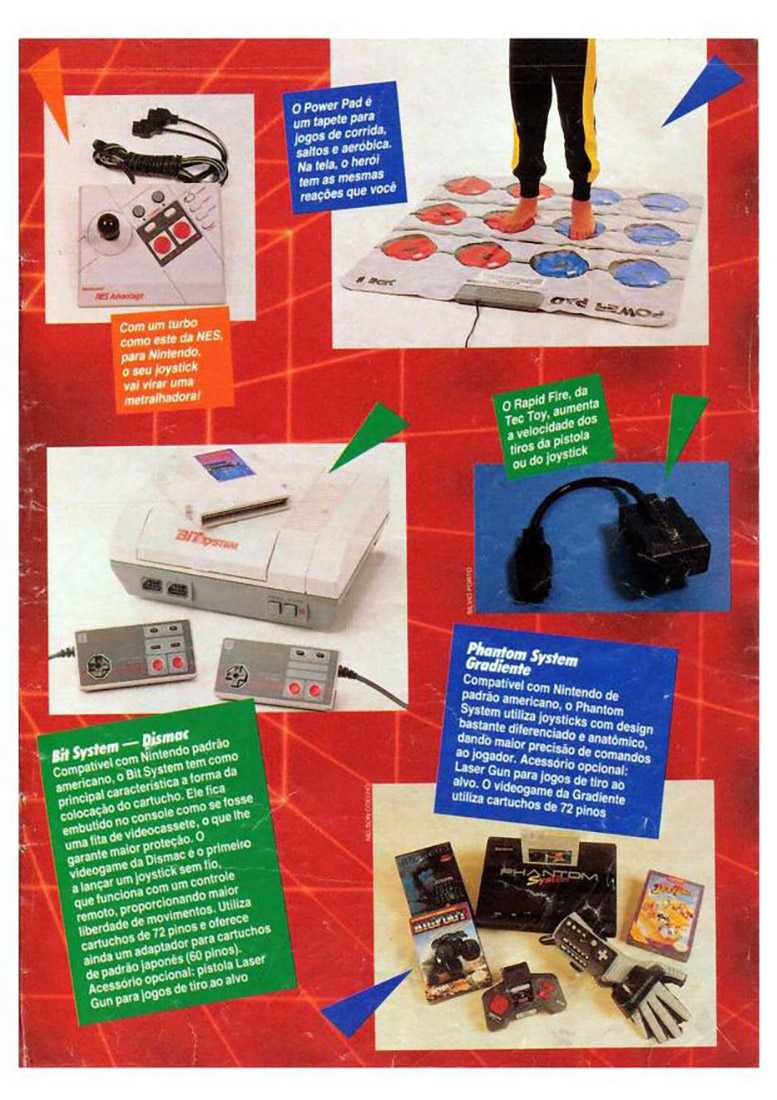
Source: Ação Games 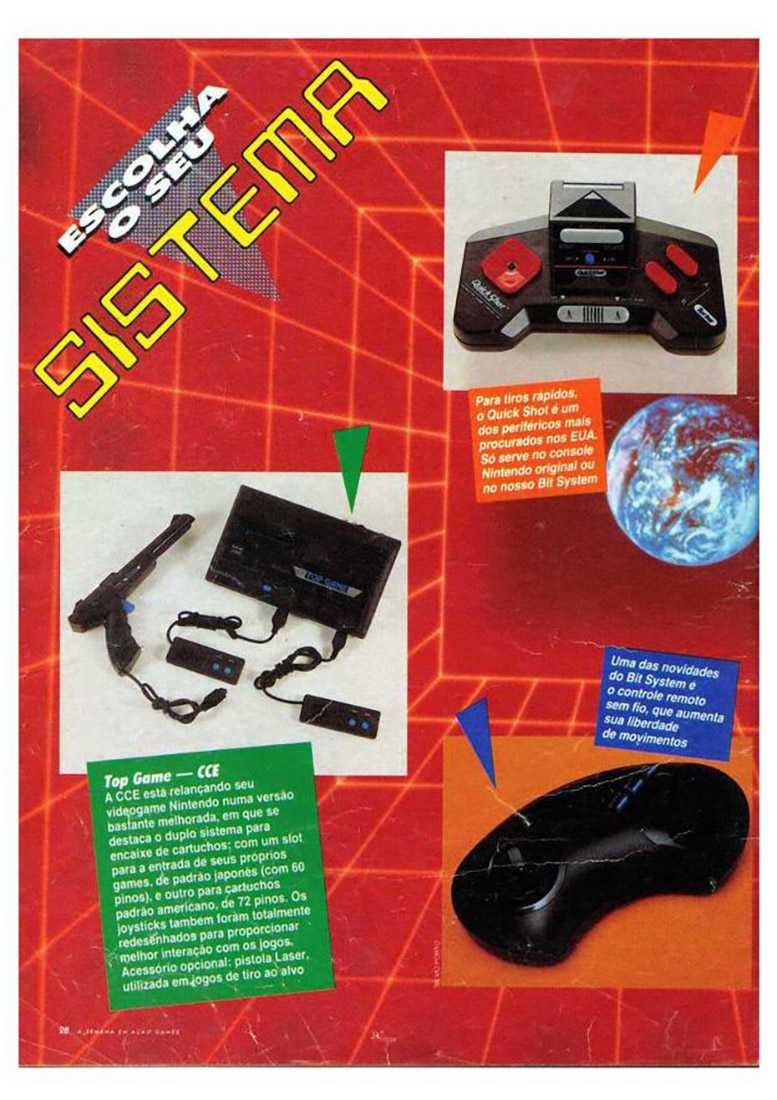
Source: Ação Games 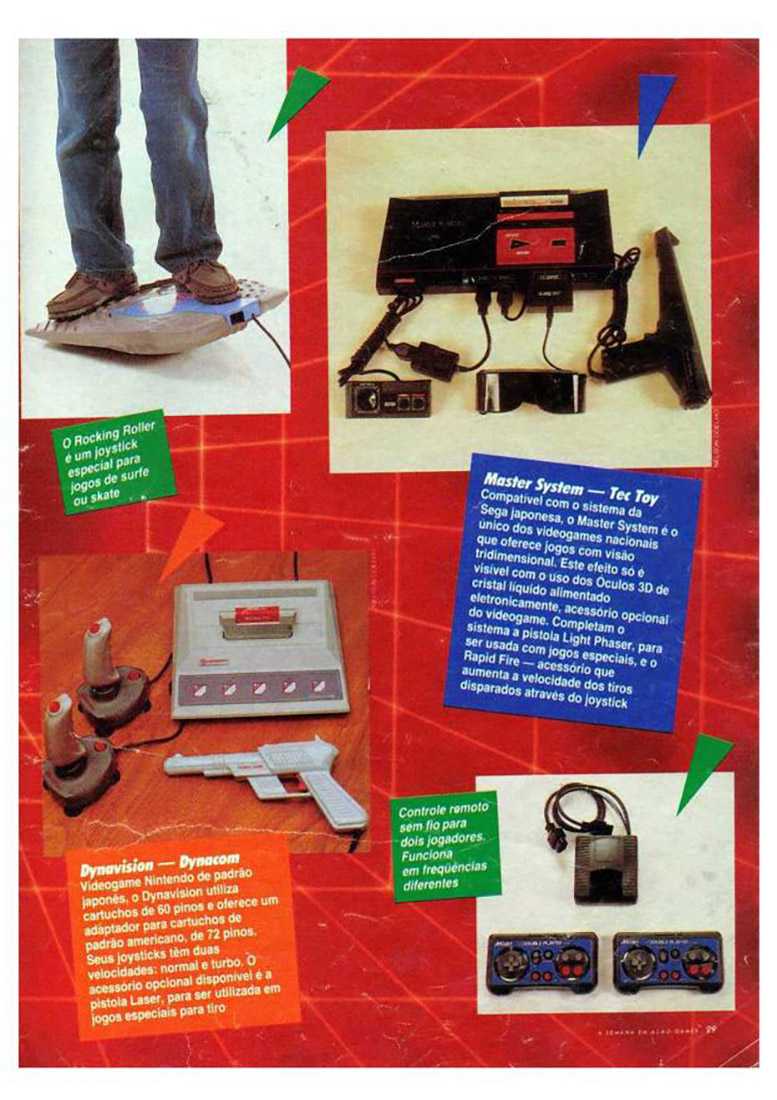
Source: Ação Games
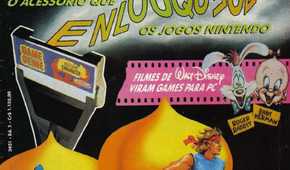
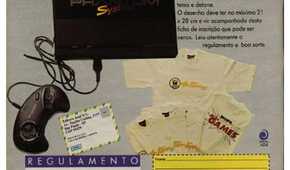
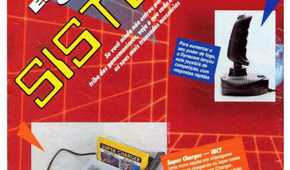
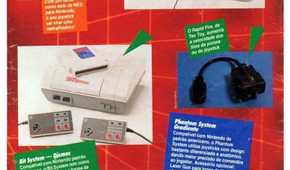
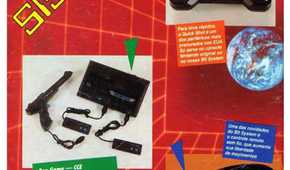
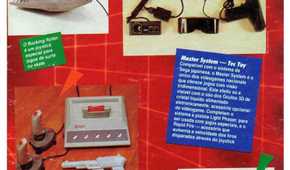
It’s easy to look back at Brazil’s gaming history and admire the creativity that came out of it — the reworked cartridges, the localizations, the reimaginings. But all that invention came from necessity. People weren’t remixing games for fun — they were doing it because they didn’t have access to the originals.
And that came at a cost. For every story about a Phantom System or a Tectoy reskin, there were thousands of kids who never got the chance to play at all. They didn’t just miss out on fun — they missed out on digital fluency, cultural connection, and the kind of creative confidence that grows from engaging with technology early on.
Tech and culture aren’t luxuries. They’re part of human development. When a government or corporation limits access, whether through trade laws, inflated pricing, or arbitrary gatekeeping, it’s not just protecting profit; it’s limiting potential.
And this isn’t ancient history. Today’s access gaps still follow the same patterns. We see them in overpriced streaming services, region-locked digital content, and the growing push to criminalize emulation and fan translations. The tools and platforms might have changed, but the underlying question hasn’t: Who gets to participate, and who doesn’t?
Access isn’t a reward — it’s a right
The Phantom System wasn’t just a console. It was a protest, a workaround, and a quiet refusal to be left out. When Brazil’s official economy failed to provide access, people built their own path. And they didn’t wait for permission.
Because in the end, that’s what it comes down to. Kids just wanted to play. That’s it. Not pirate, not protest — just play. If you were a kid in Brazil in the 90s, the Phantom was how you did that. If you were a kid somewhere else, maybe it was a birthday gift, a hand-me-down, or something you saved up for. Different stories, same desire. You couldn't wait to sit down in front of the TV.
Everyone deserves a chance to be part of it. That doesn’t mean games should be free, or that creators shouldn’t be paid fairly for their work. It just means access shouldn’t be blocked by bad policy, inflated prices, or systems designed to keep people out.
The next time we talk about piracy, access, or who gets to be part of something, we should remember that almost all kids want is a chance to play the same games their friends are playing, whether they live down the street or on the other side of the world.
