


You’ve finally done it — you’ve saved up enough money to buy that brand-new gaming device you’ve been eyeing for months. Whether it’s a $500 Xbox Series X, a $700 PS5 Pro, or a $1,500-$2,000 high-end gaming PC, you’re ready to hit that checkout button and dive into your new setup. You’ve calculated the cost down to the last cent, confident that your budget is airtight. But then, reality hits.
That’s the moment you realize that the upfront cost is just the beginning. A gaming platform isn’t just about the console or PC itself — it’s about the entire ecosystem surrounding it. From display upgrades and furniture to hidden service fees and protective gear, the total cost of ownership can creep up fast. If you’re not careful, you might end up spending far more than you originally planned, all in the name of gaming bliss.
5 A comfortable setup comes at a price
Either that or your experience pays the cost


 Credit: Source:
 Credit: Source:
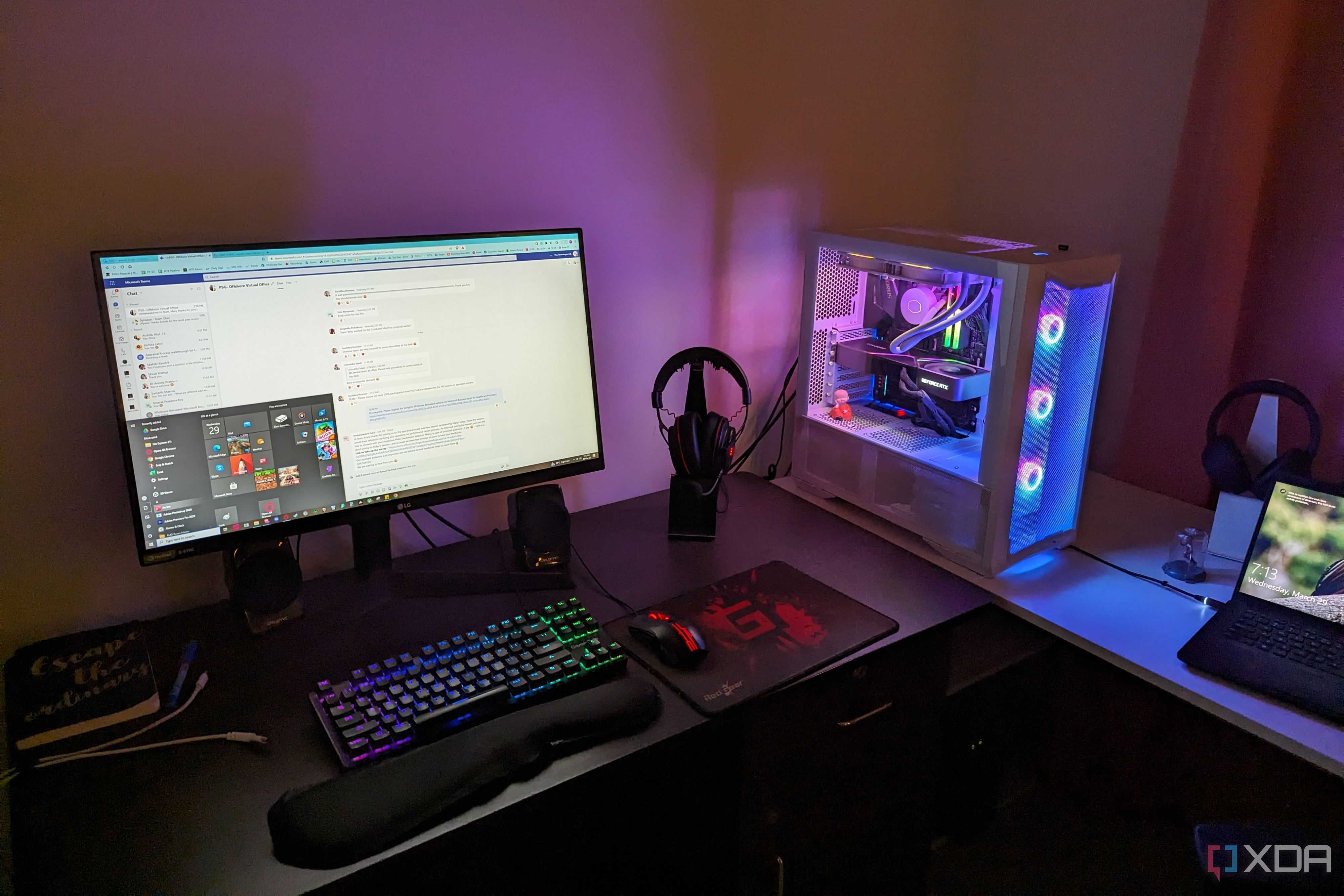
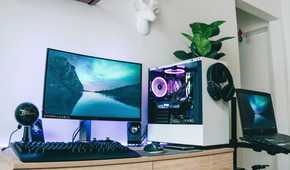


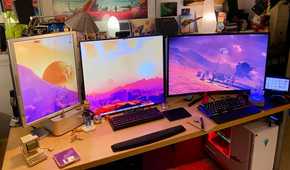
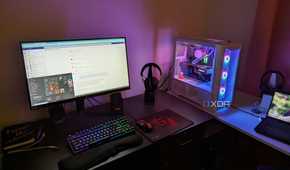
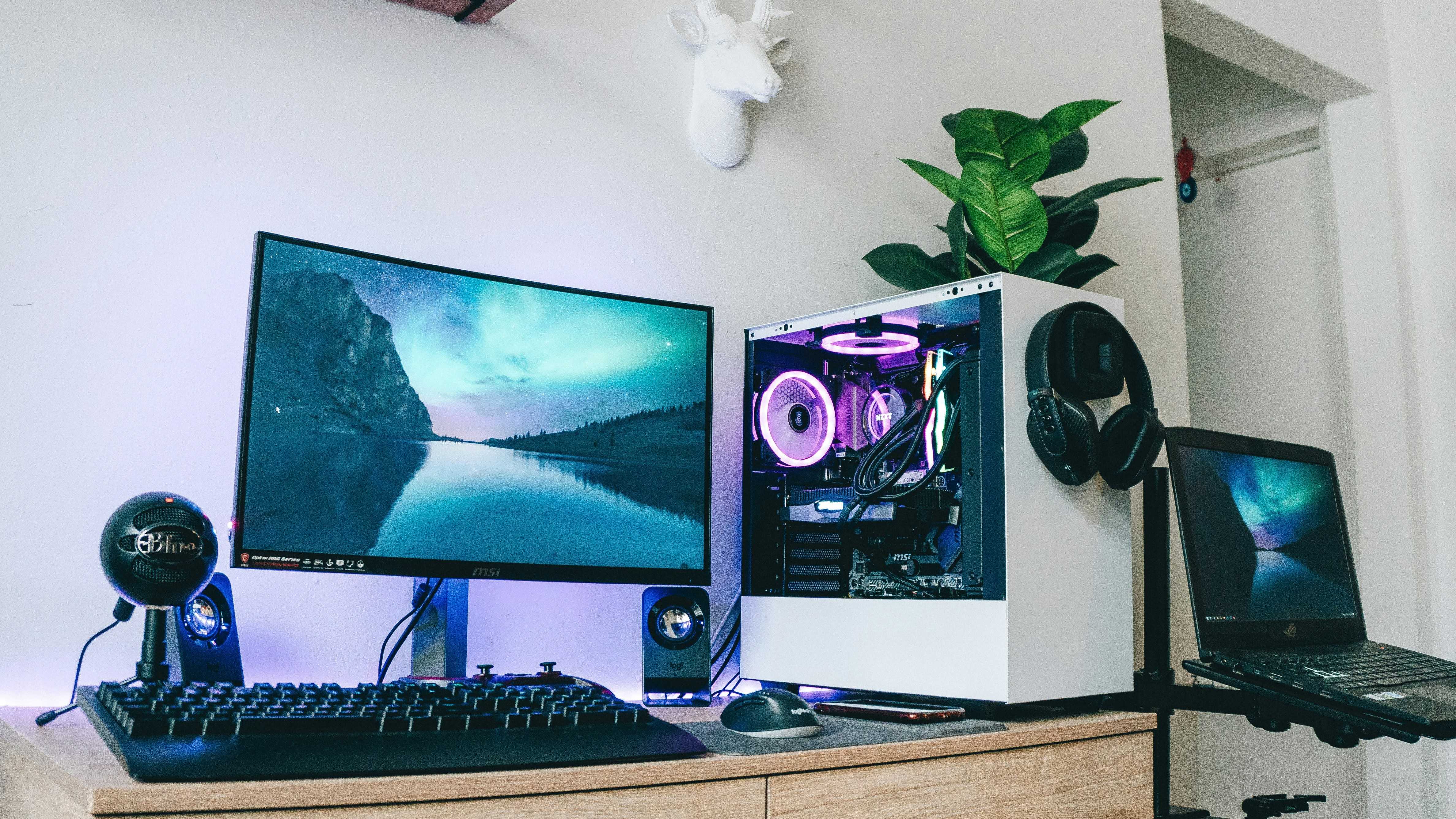
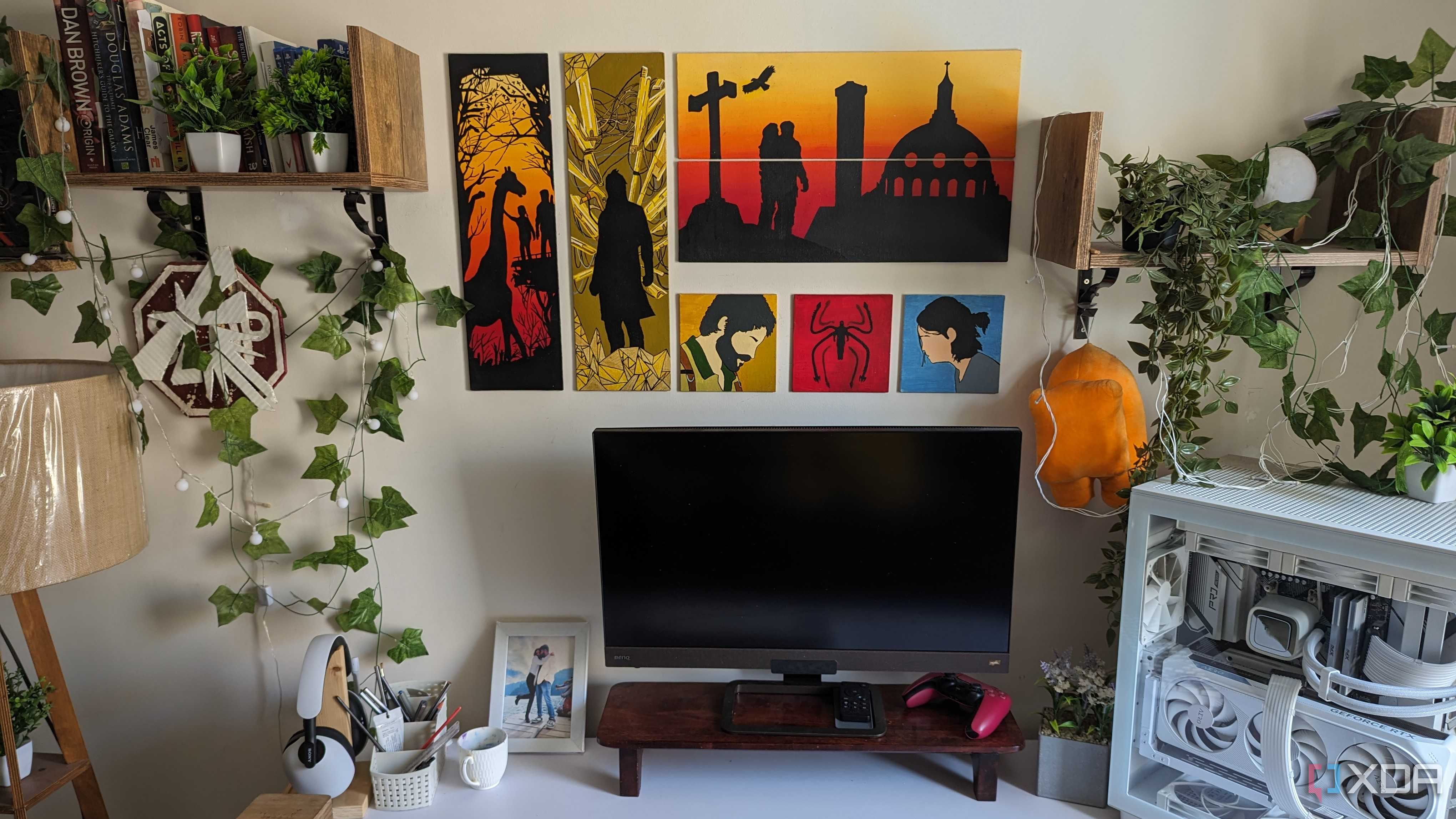
You’ve bought the hardware, but where and how are you going to use it? A high-end gaming PC crammed onto a wobbly old desk with a dining chair isn’t exactly the pinnacle of comfort, is it? The same goes for a console setup — you can plop down on the floor, sure, but your back isn’t going to be thanking you for it. The reality is that a proper gaming experience demands a solid setup, which means investing in furniture that won’t make your body ache in a few hours.
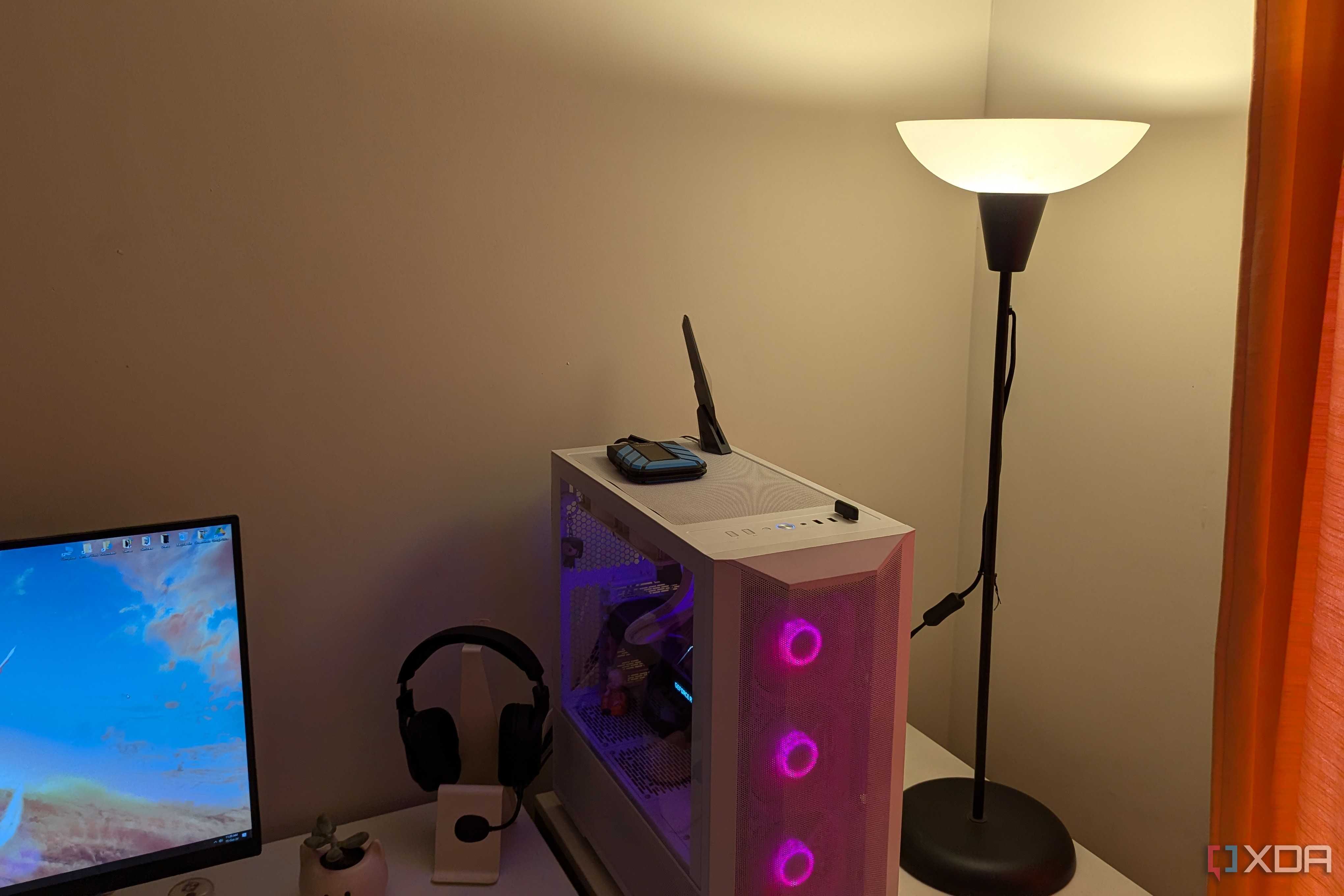
A good gaming/office chair, a sturdy desk, and a proper monitor or TV aren’t just luxuries — they’re essentials for long-term comfort. Then, there’s the ambiance. Bare walls and messy cables don’t exactly scream “next-gen gaming” — you’ll want decent lighting, soundproofing if you’re in a shared space, and maybe even some wall art to complete the esthetic. These are all essential parts of the experience, and unfortunately, they do run up the final bill.

Quntis Light Bar
This monitor light bar from Quntis connects over USB, has automatic dimming, and features uniform, flicker-free soft lighting. You also won't have to worry about screen glare, and you get to enjoy close-to-natural light. This bar is perfect for smaller monitors, and it's got a pricetag to match.
4 Your powerful gaming setup requires protection
Hardware gets fried quicker than you think

You’ve dropped a small fortune on your gaming rig or console, but have you considered what’s protecting it? A single power surge or a sudden blackout, and your expensive gaming console or PC becomes fried in an instant. That’s where a good UPS or a surge protector comes in. A proper UPS doesn’t just keep your system from shutting down abruptly — it gives you time to safely power off, preventing hardware damage and corrupted data that you wish you had backed up. Oh, and those cheap multi-plug extension cords with a “surge protection” sticker aren’t enough.
High-end gaming PCs, OLED TVs, and next-gen consoles all rely on a stable power supply, and power irregularities over long periods of time can quietly degrade components. Of course, a good inverter or UPS isn’t cheap, but it’s far cheaper than replacing a GPU, motherboard, or console. If you think your gaming setup is complete without one, you’re rolling the dice on your investment. A UPS might come at an added cost, but it’s also necessary for the extended well-being of your setup.

3 Service subscription fees never end
Month after month after month

Source: PlayStation 
Source: Xbox 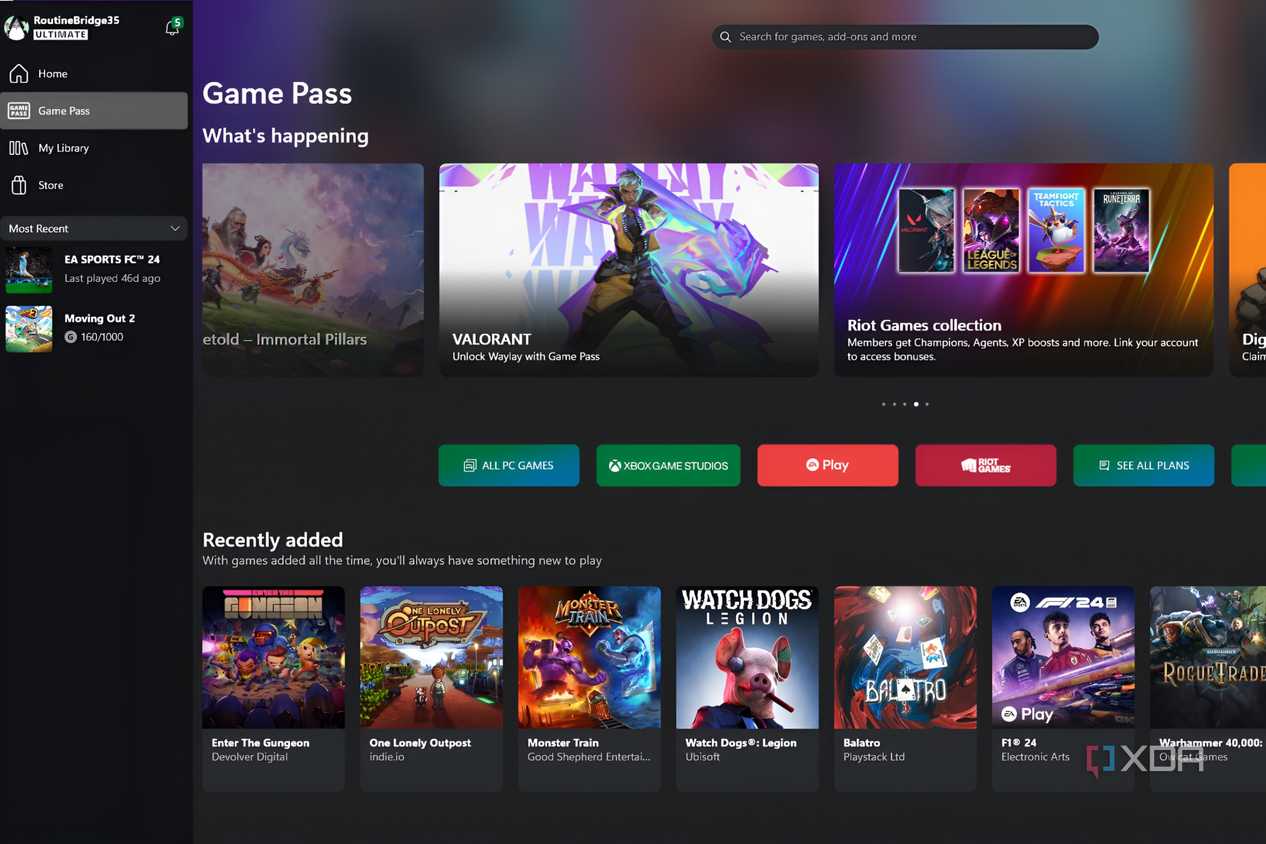
Source: Nintendo 
Source: PlayStation



Source: PlayStation 
Source: Xbox 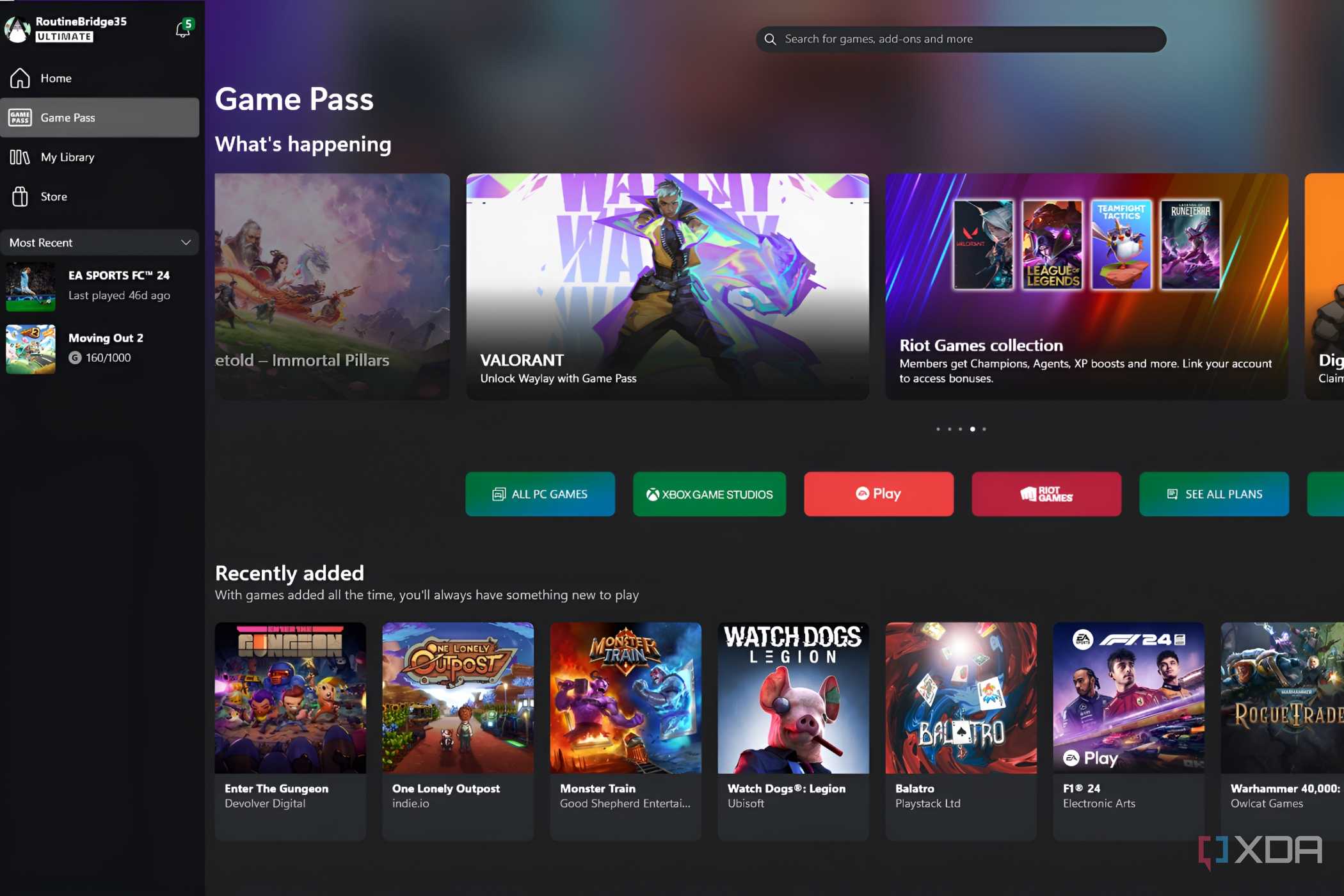
Source: Nintendo 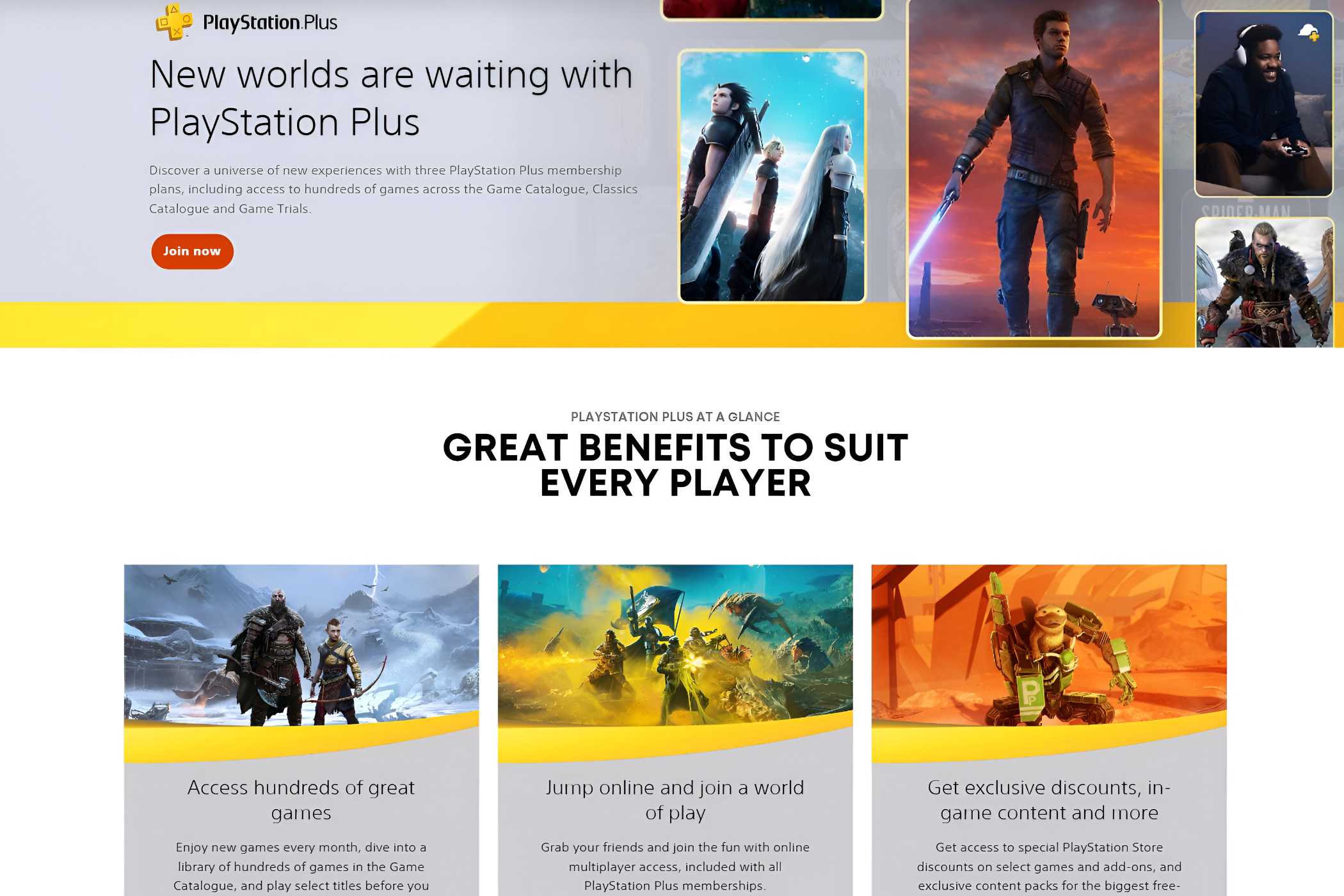
Source: PlayStation




After purchasing a bunch of games on your new PC or console, you might think you were done spending, but think again. In the modern gaming landscape, a one-time purchase is just the beginning. Online multiplayer services on PC might be free, but console gamers are locked into an eternal cycle of subscription fees. Whether it’s PlayStation Plus, Xbox Game Pass Ultimate, or Nintendo Switch Online, they all charge you monthly just to access online multiplayer for games you’ve bought for full price. A yearly subscription to PS Plus over the course of 4 years would cost more than what you’d get the console for.
Furthermore, let’s talk about the “Netflix-ification” of game libraries, where these services let you build a collection of titles only to take them away if you ever stop paying. Even beyond multiplayer, game publishers do know how to keep your wallet open year-round, with battle passes, expansion packs, or cloud gaming services. There’s always another recurring charge waiting right around the corner, making you realize that the true cost of a gaming platform today isn’t just upfront — it’s forever.

Sony PlayStation Plus
PS Plus subscription gets you a bunch of new free games each month in addition to store discounts and online multiplayer access.
2 Peripherals, expansions, and storage options
They really don’t come cheap


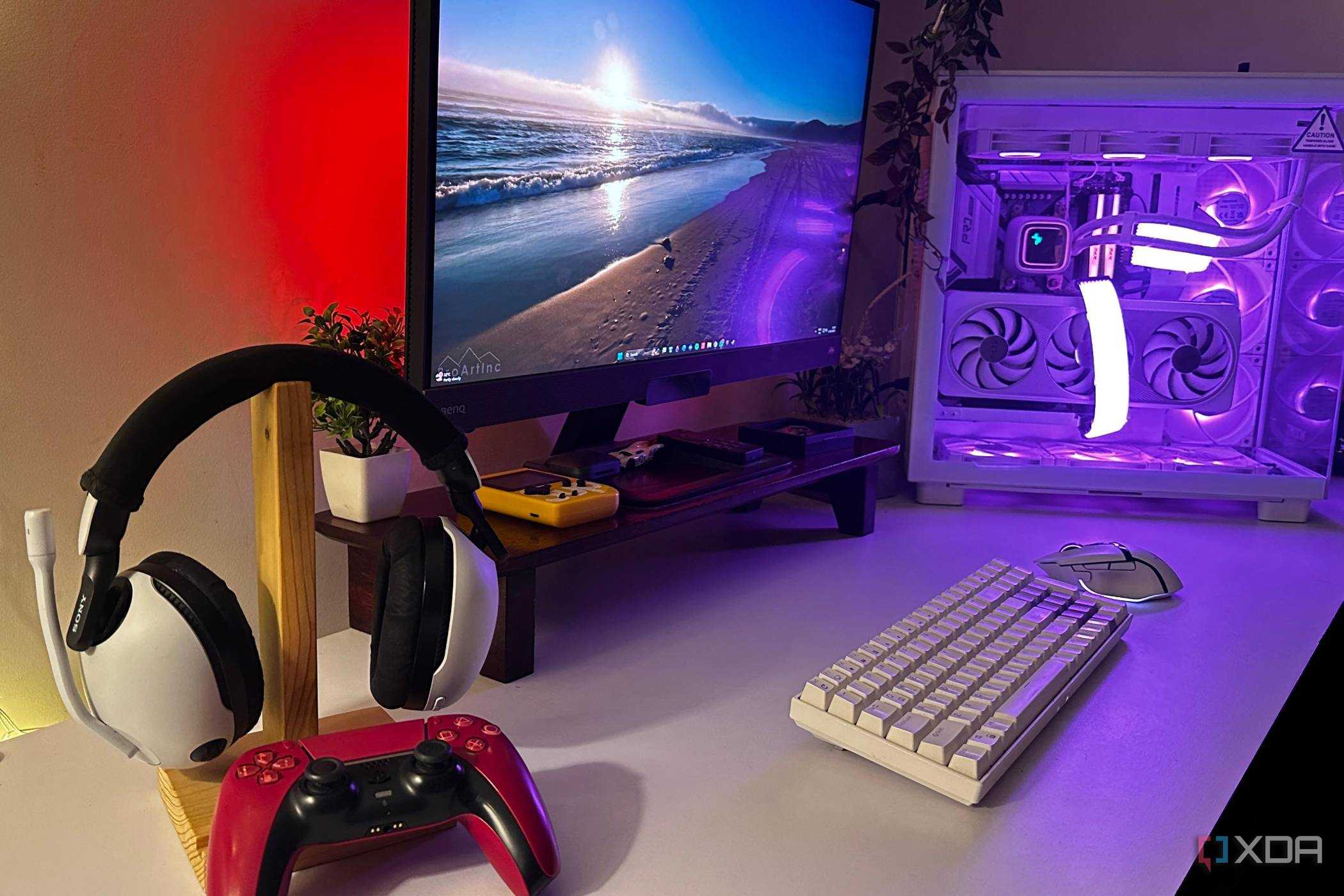
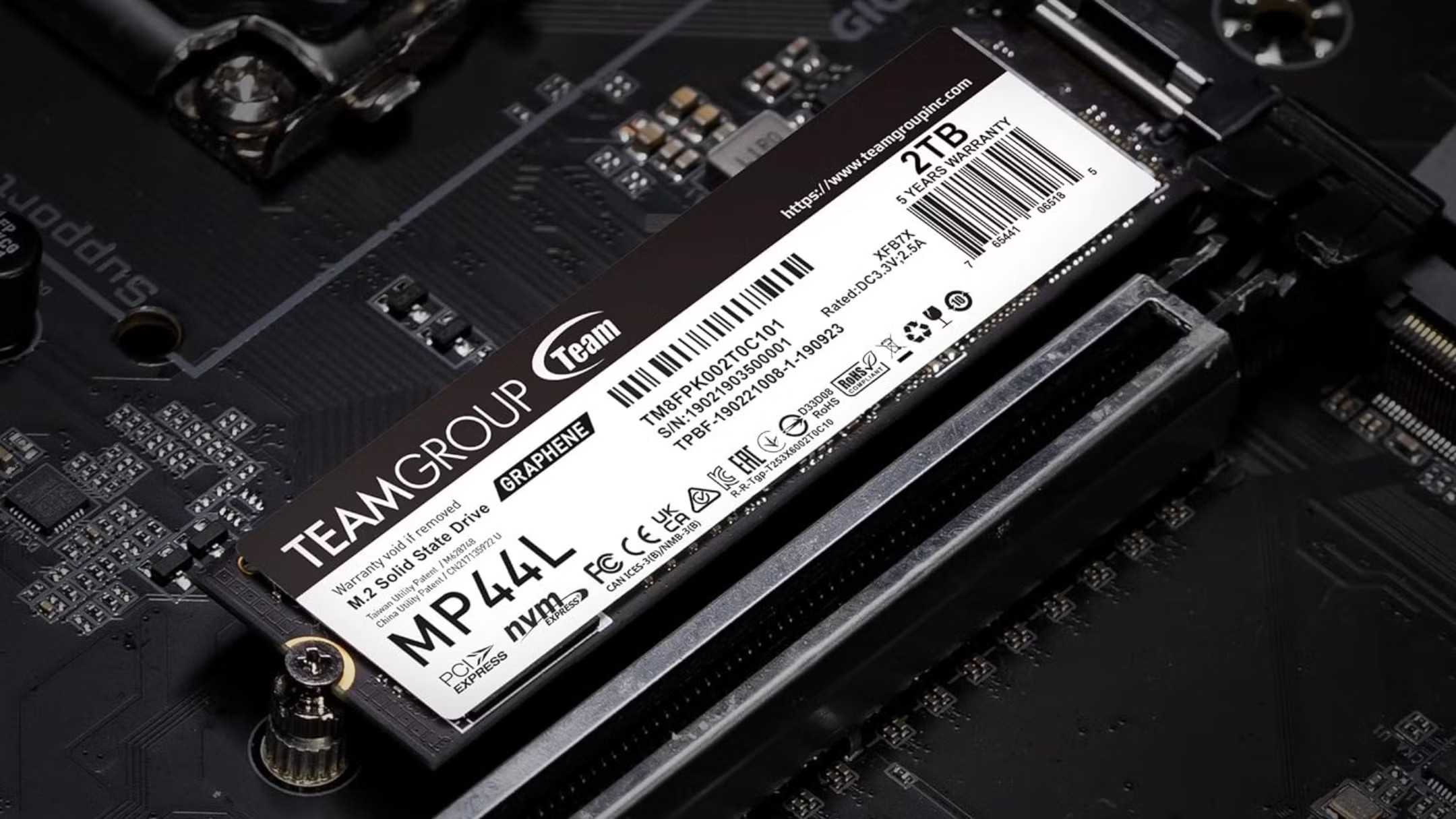
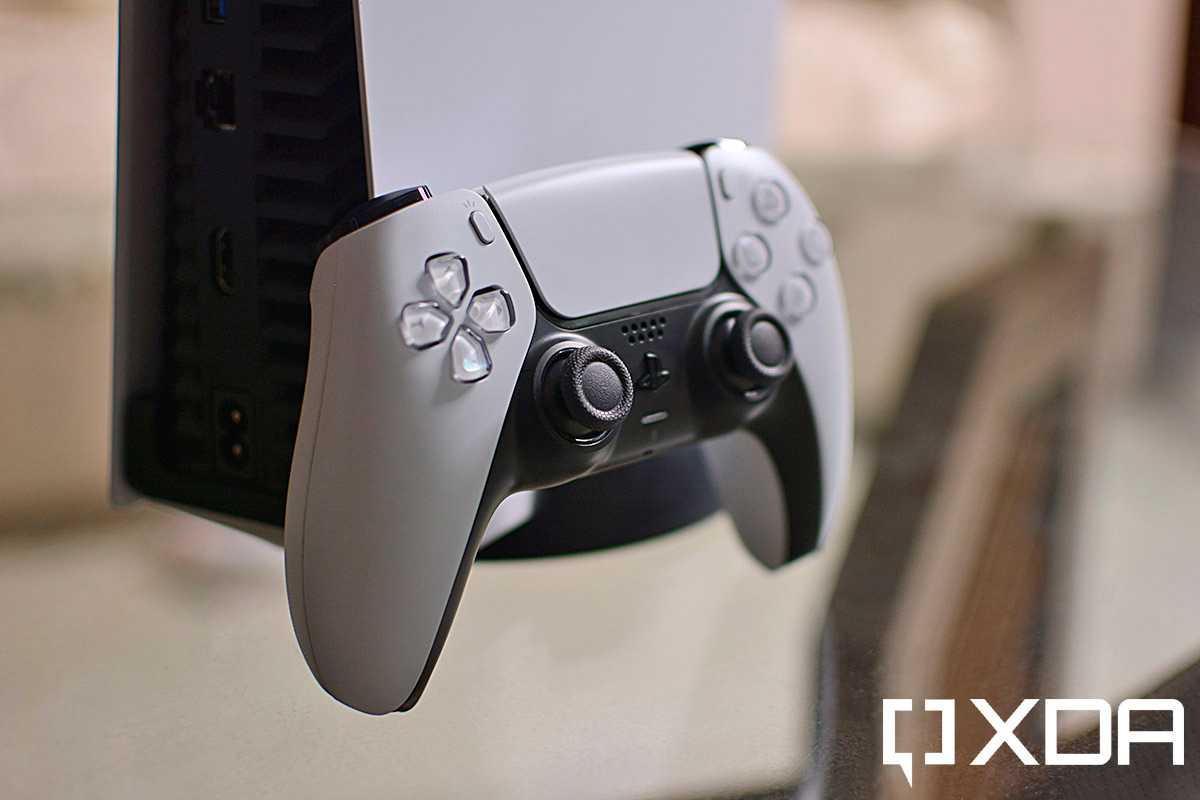





Your new gaming PC or console might be set up, but are you really ready to dive in? As soon as you start gaming, you’ll realize that one controller isn’t enough, especially if you want to play with your friends. Gaming controllers are quite crucial to the gaming experience, but they don't come cheap, especially for console players who have almost definitely spent $70-$150 over the course of their console ownership because they need another controller or even because of pain points like stick drift.
PC gamers aren’t off the hook either — keyboards, mice, and headsets built for gaming cost way more than their office-grade counterparts. Then, good god, there’s storage. Games aren’t getting any smaller, and that 1TB SSD? It’s cute, at best. Call of Duty alone can eat up half of it, and as someone who just downloaded God of War Ragnarok on PC for 180 gigs, let me tell you, you’d definitely be paying for an NVMe SSD for your PC, and expansion card for your Xbox, or a proprietary SSD for the PS5 just to be able to keep your library intact.

Sony PlayStation DualSense Controller
Sony's new DualSesne sets a new benchmark for game controllers. It features adaptive triggers and improved haptics for an immersive gaming experience.
1 Content creation and streaming require additional hardware
Spend money to share your gameplay
Source: Sydney Butler / XDA 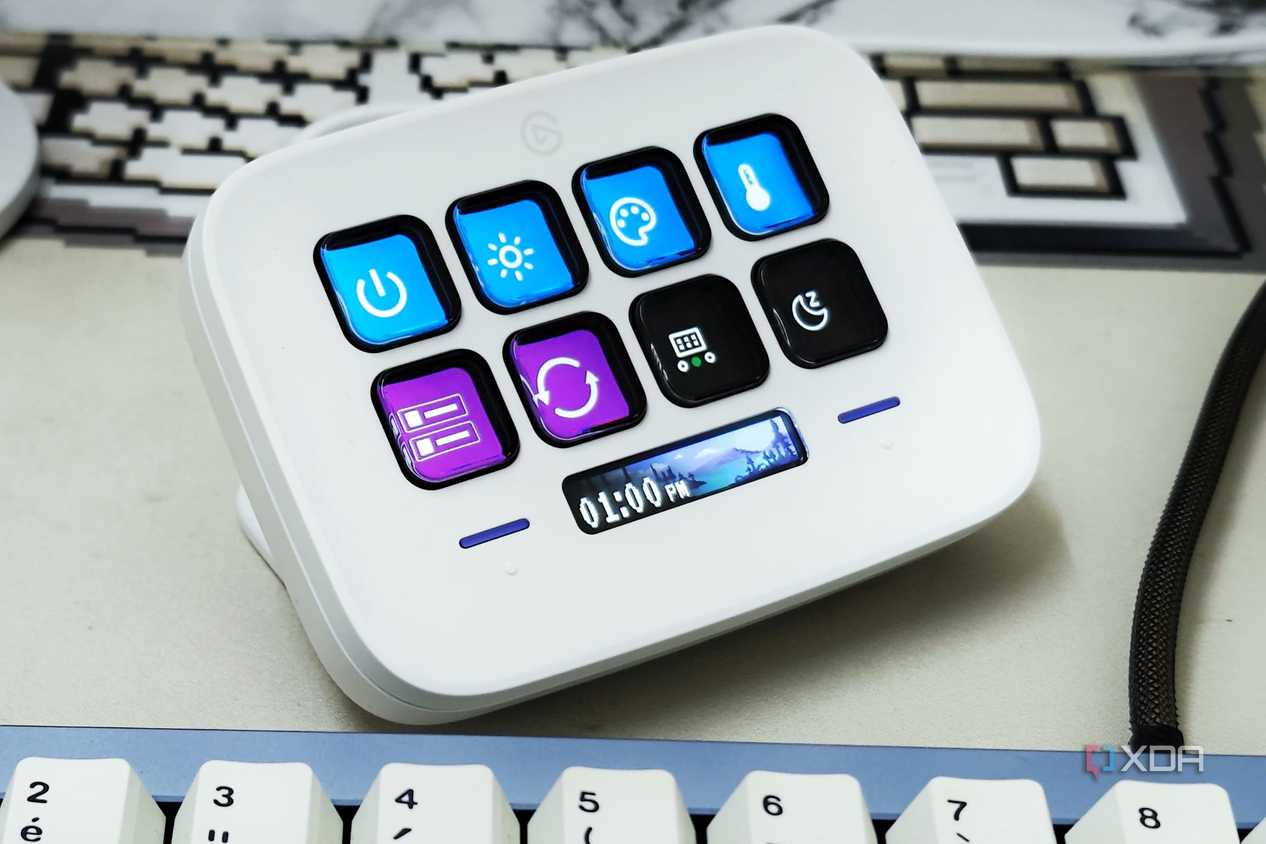
Source: Razer 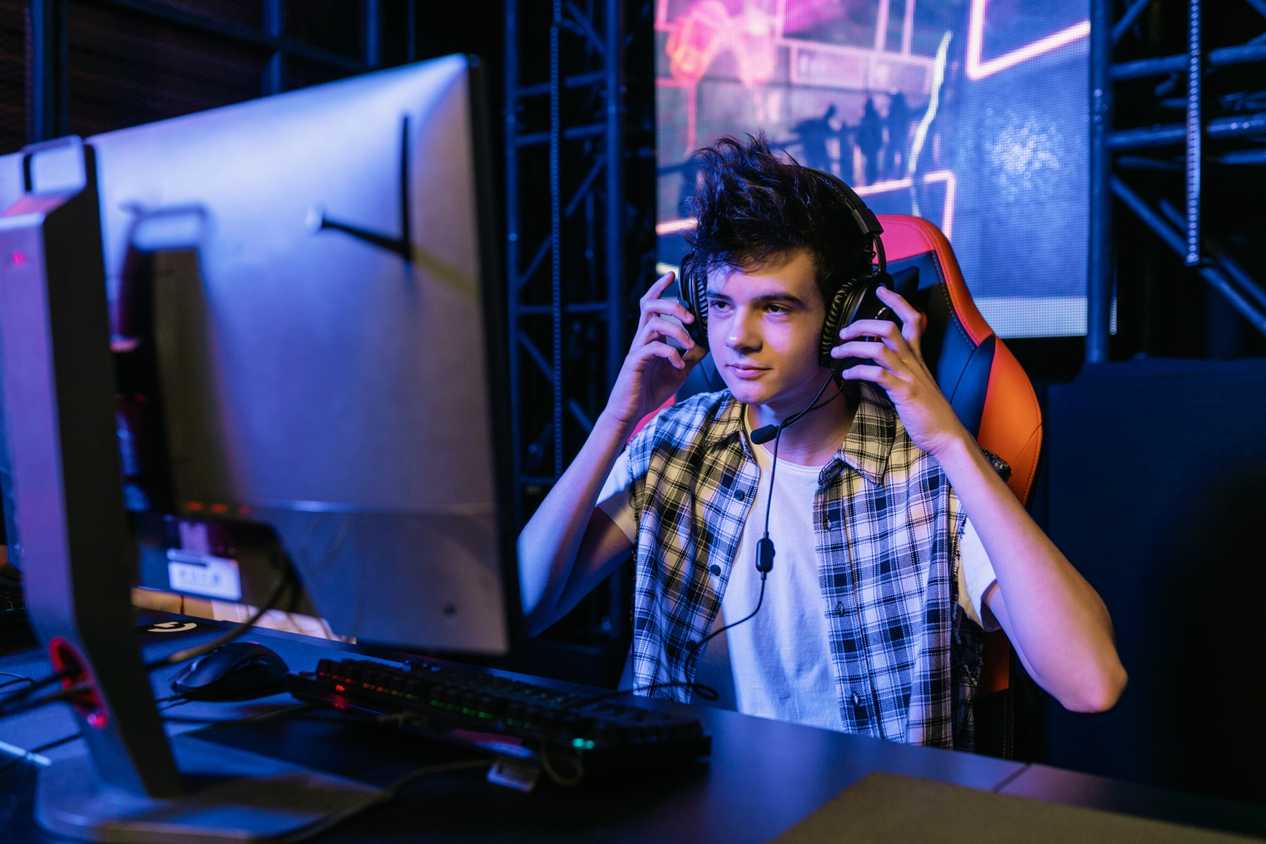
Source: u_jrmjeviymr from Pixabay


Source: Sydney Butler / XDA 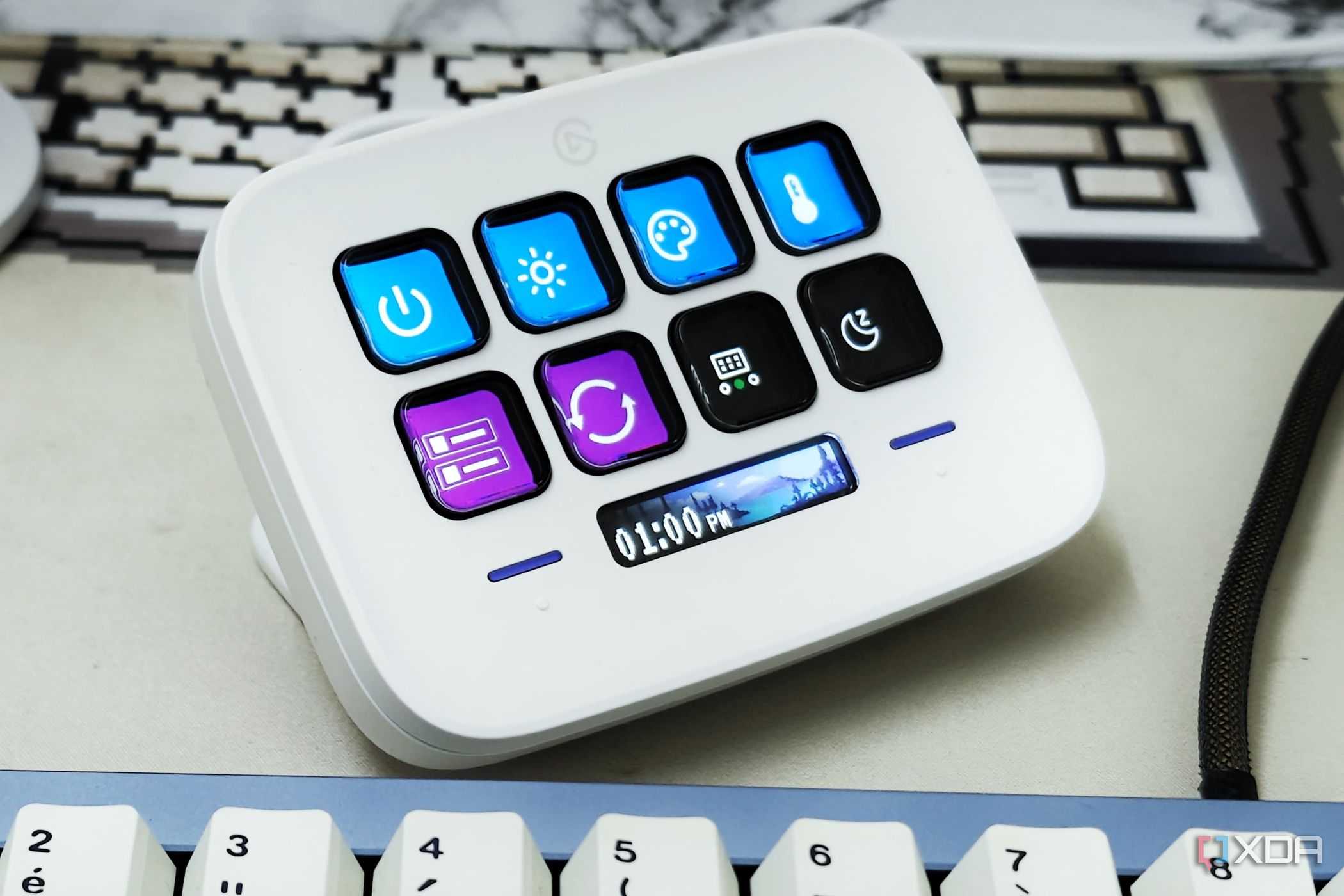
Source: Razer 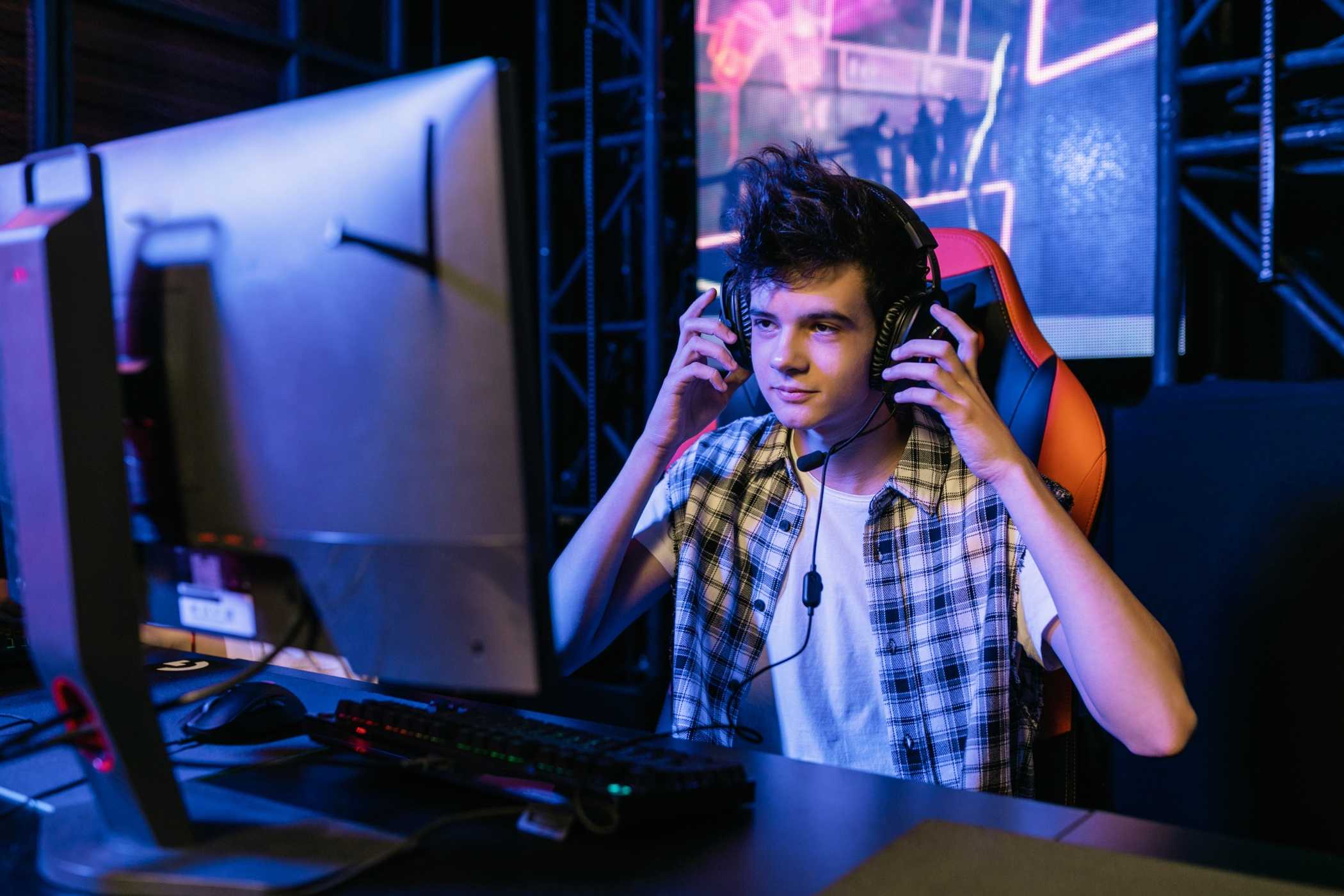
Source: u_jrmjeviymr from Pixabay



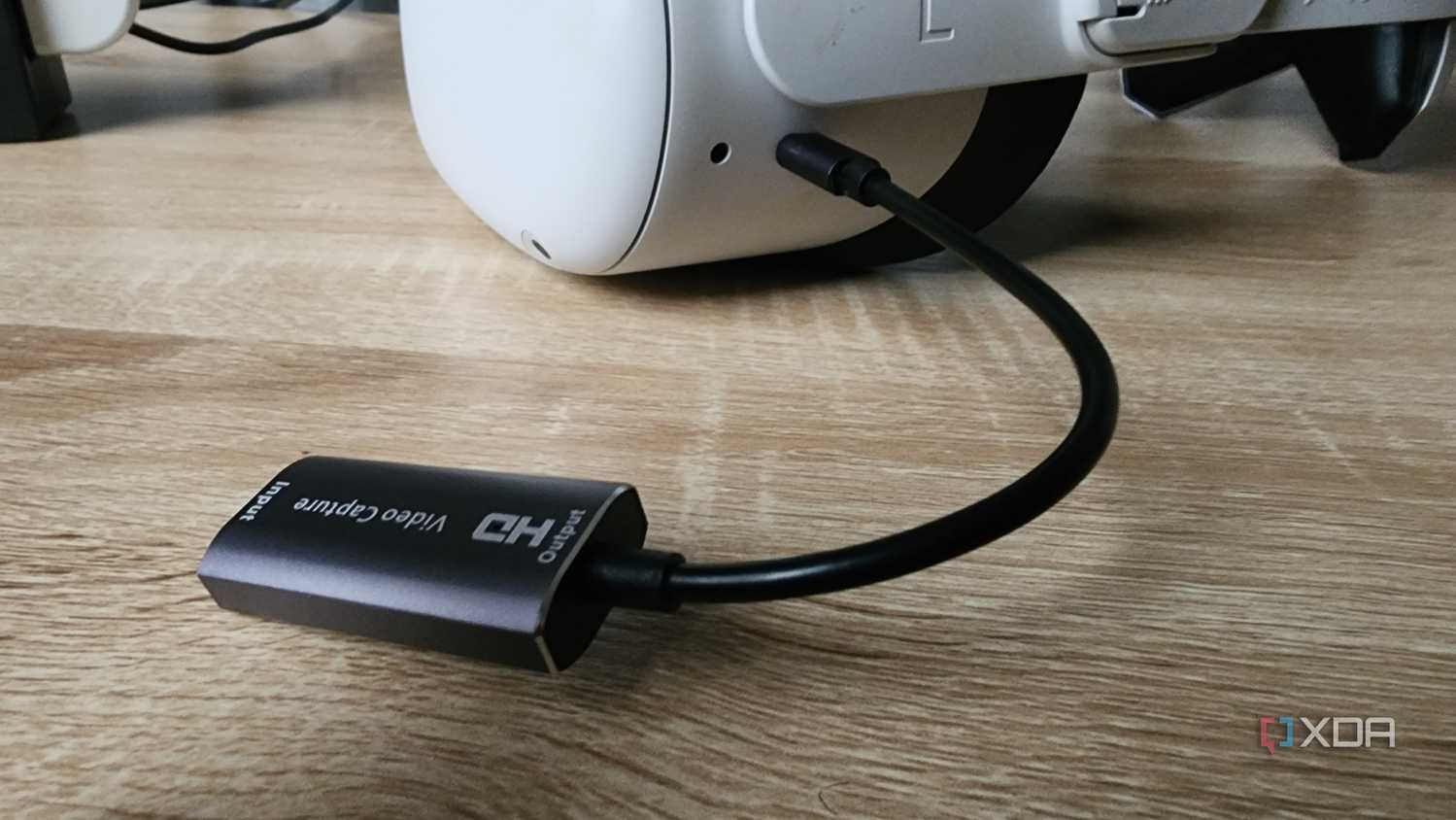
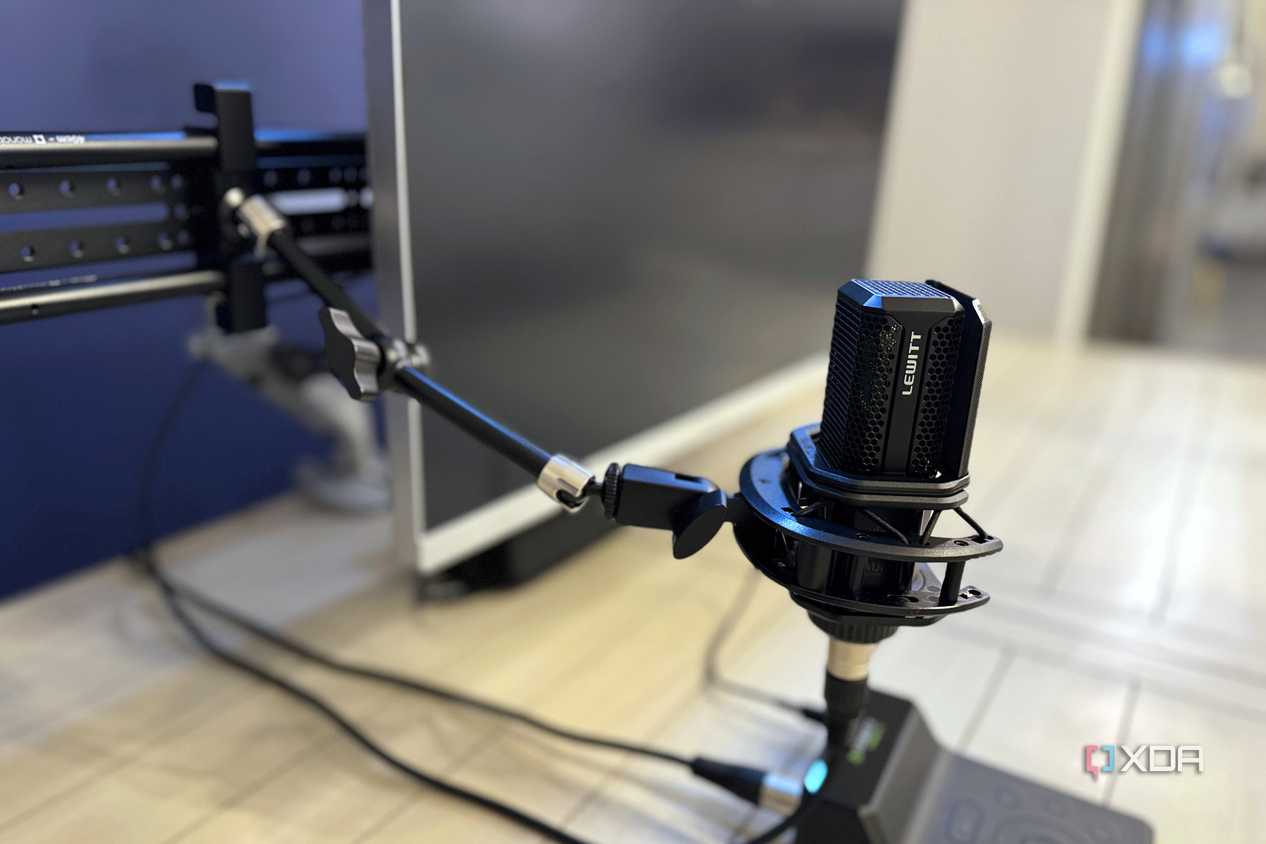
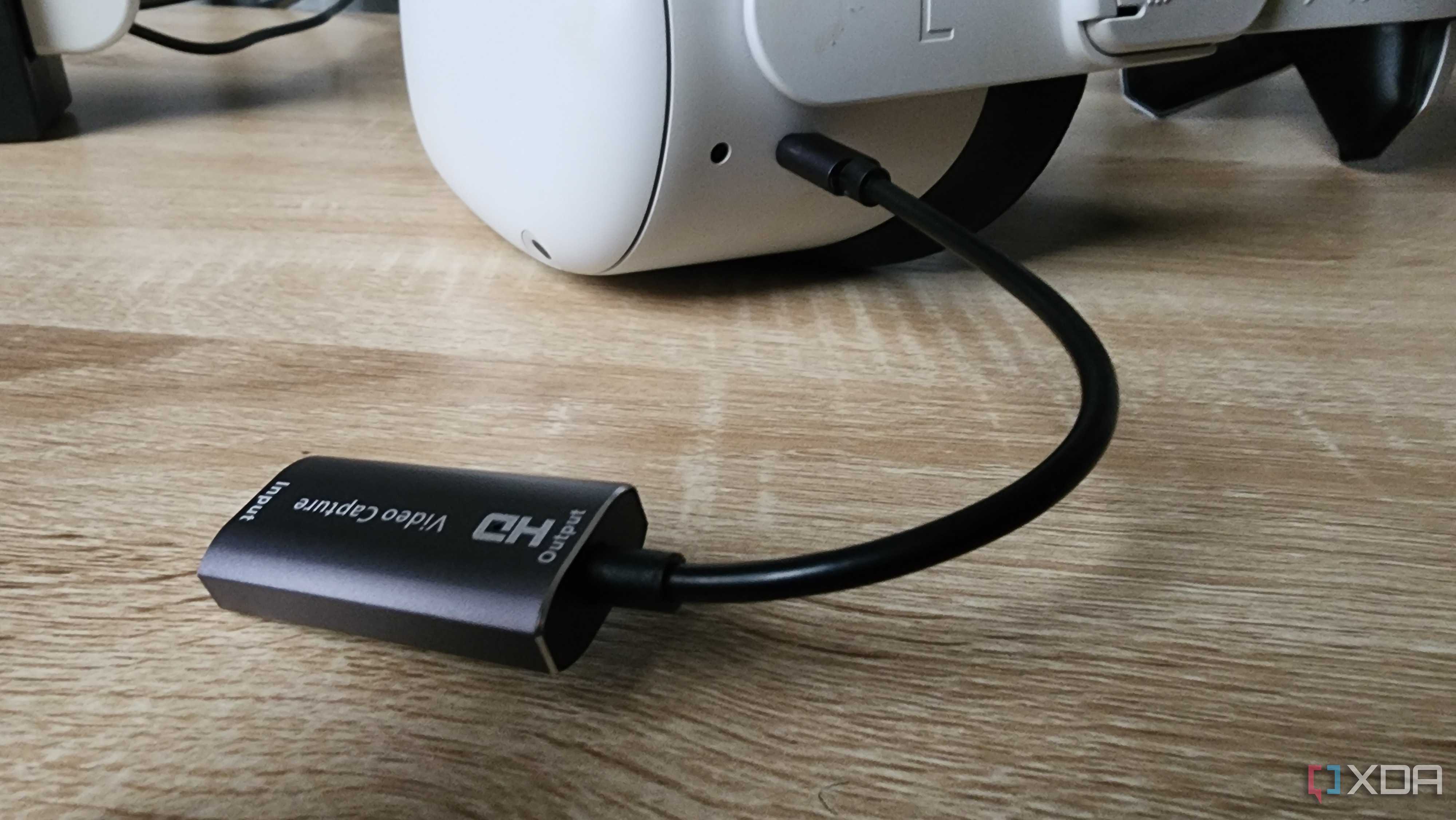
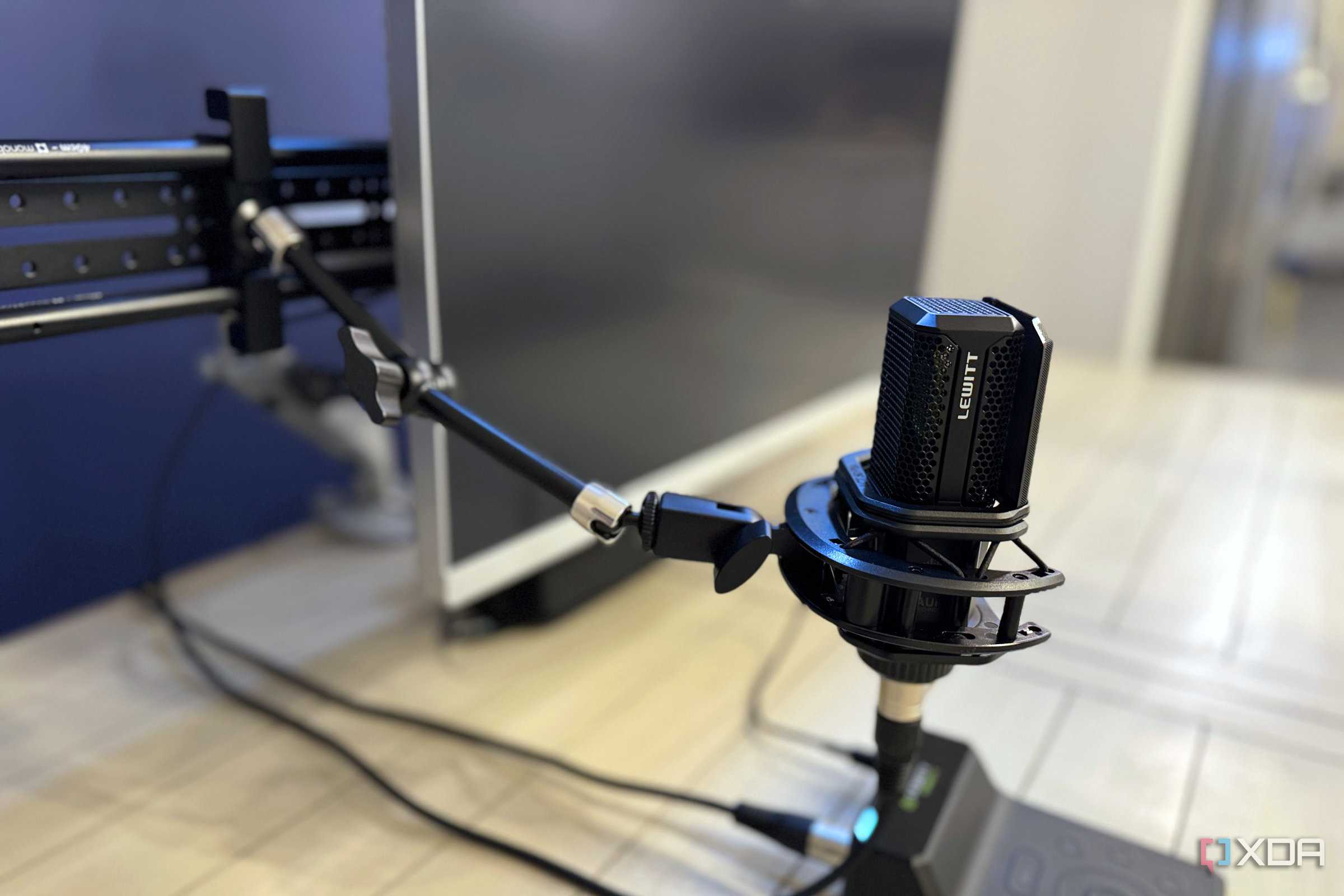
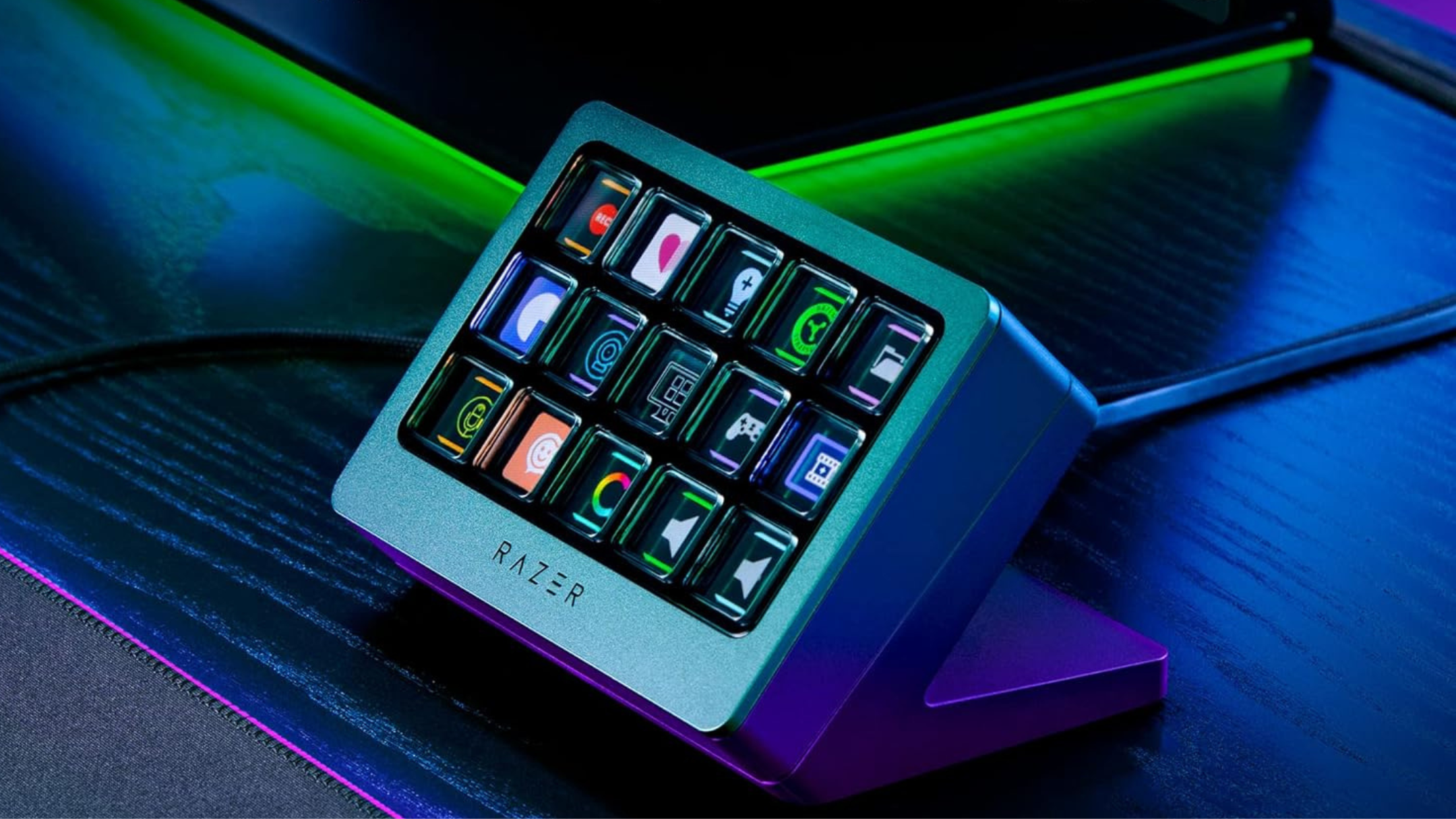
“Going live” isn’t as simple as it sounds. If you’ve ever thought about streaming your gameplay or even just recording clips for YouTube or TikTok, you’ll realize soon enough that a basic setup won’t cut it. You can technically stream with just a console or a PC, but if you want your content to look and sound like the industry standard, you’ll need capture cards, proper webcams, external microphones, and good lighting.
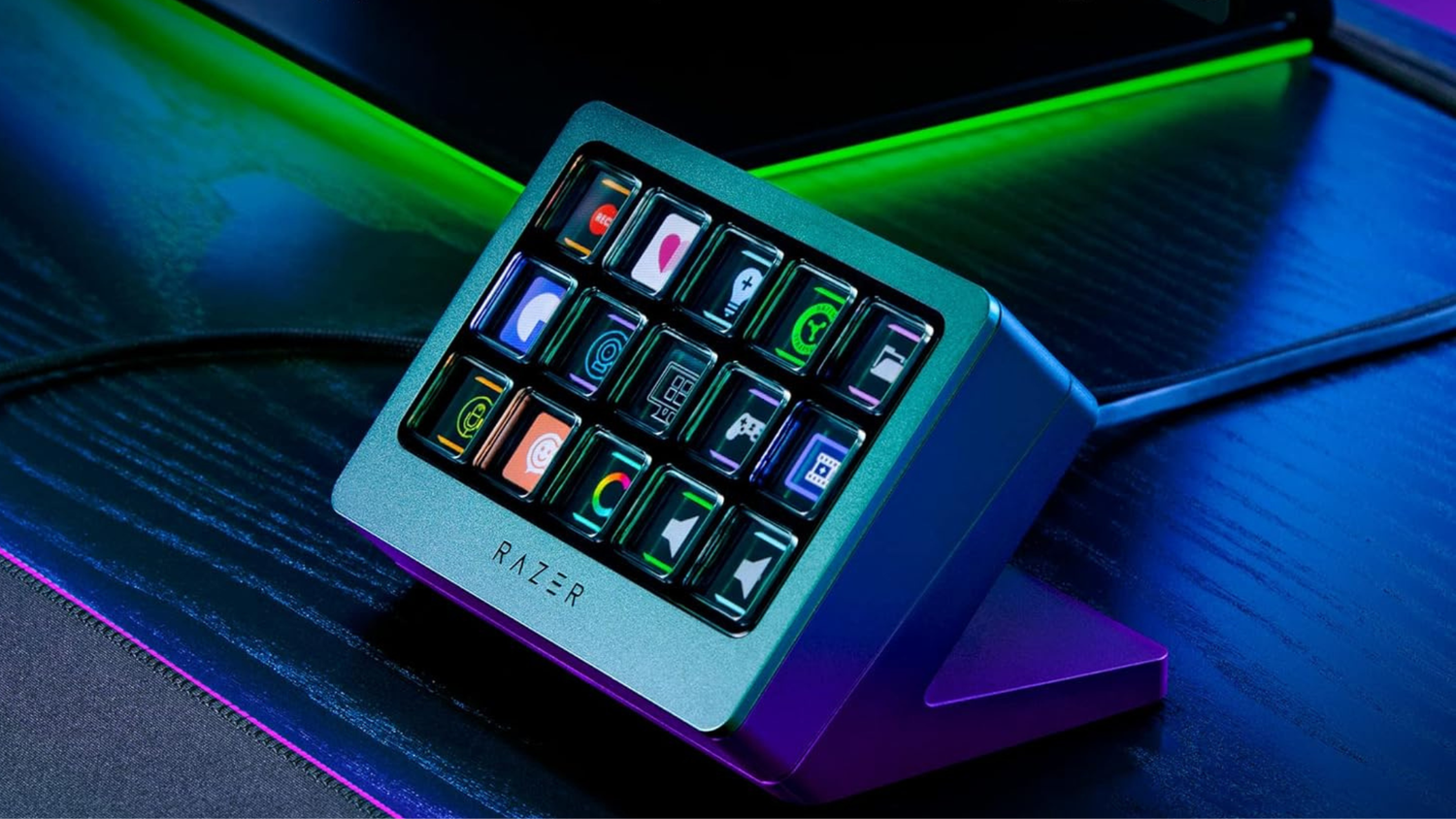
These aren’t just extras — they are the bare minimum for making your content stand out in a sea of blurry, pixelated, and poorly-lit streams. Suddenly, you’re shopping for an XLR setup with a fancy boom arm. Before you know it, you’d be looking at stream decks, overlays, and dual-PC setups. Turns out, content creation is an investment that will keep draining your wallet over time.

Elgato Stream Deck MK.2
Elgato's Stream Deck is a must have for any streaming setup. It features 15 programmable hotkeys that let you perform various actions with just a tap.
The true cost of gaming
At the end of the day, gaming is never just about the console or PC — it’s about the entire ecosystem that comes with it. From the chair you sit on to the storage expansions you inevitably buy, the costs stack up quickly. This is why, to many gamers, consoles might seem like the budget-friendly option, but recurring subscription fees and limited storage say otherwise. Meanwhile, PC gaming isn’t just a one-time investment either — it’s a commitment to constant upgrades and peripheral purchases.
You might think you’re spending $500 or $2000, but in reality, you’re in for much more. The best way to approach a new gaming platform? Know the hidden costs, plan ahead, and budget accordingly. Because gaming isn’t cheap, but realizing that too late? That’s even worse.
