


For the last decade, I’ve been firmly entrenched in the NVIDIA GPU ecosystem. The first GPU I purchased with my own money was an EVGA GTX 750 Ti, and I loved it. EVGA was my preferred board partner to buy from, and I was heartbroken when they shut the doors on their GPU division. Even with my FTW3 3080 going strong, I know I’ll have to upgrade soon as graphical fidelity increases with each passing year.
However, after seeing the direction NVIDIA is heading, I don’t necessarily feel inspired to stay on board. It’s not just down to what NVIDIA is doing, though: Radeon cards just couldn't compete until recently, but now that they’ve caught up across most of the product stack, I feel much better about going with an AMD GPU in 2025. Here are 4 reasons why my next GPU is going to be from the Red Team.
4 Current-gen cards are an excellent value
The current AMD lineup is more competitive than people realize


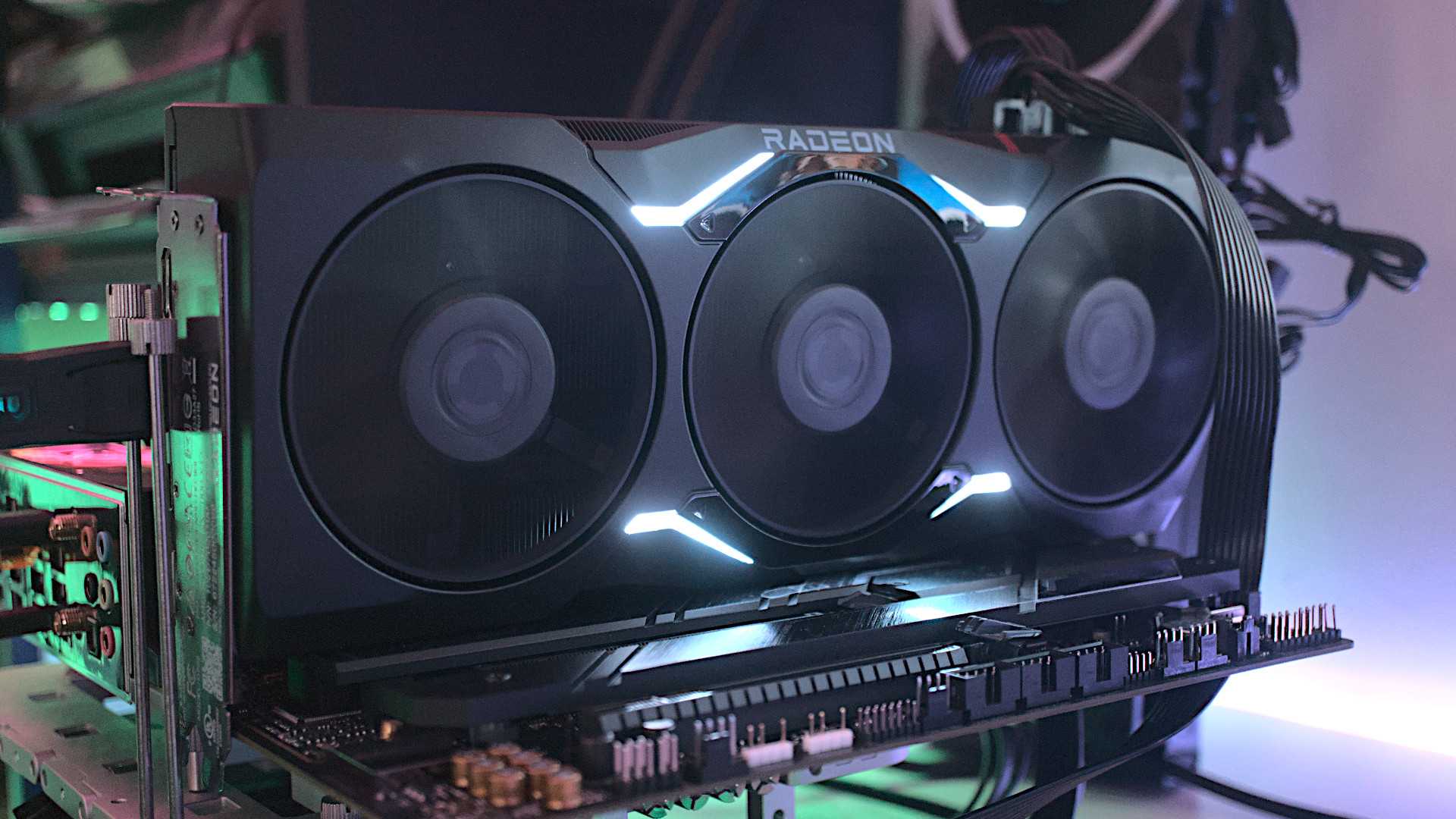
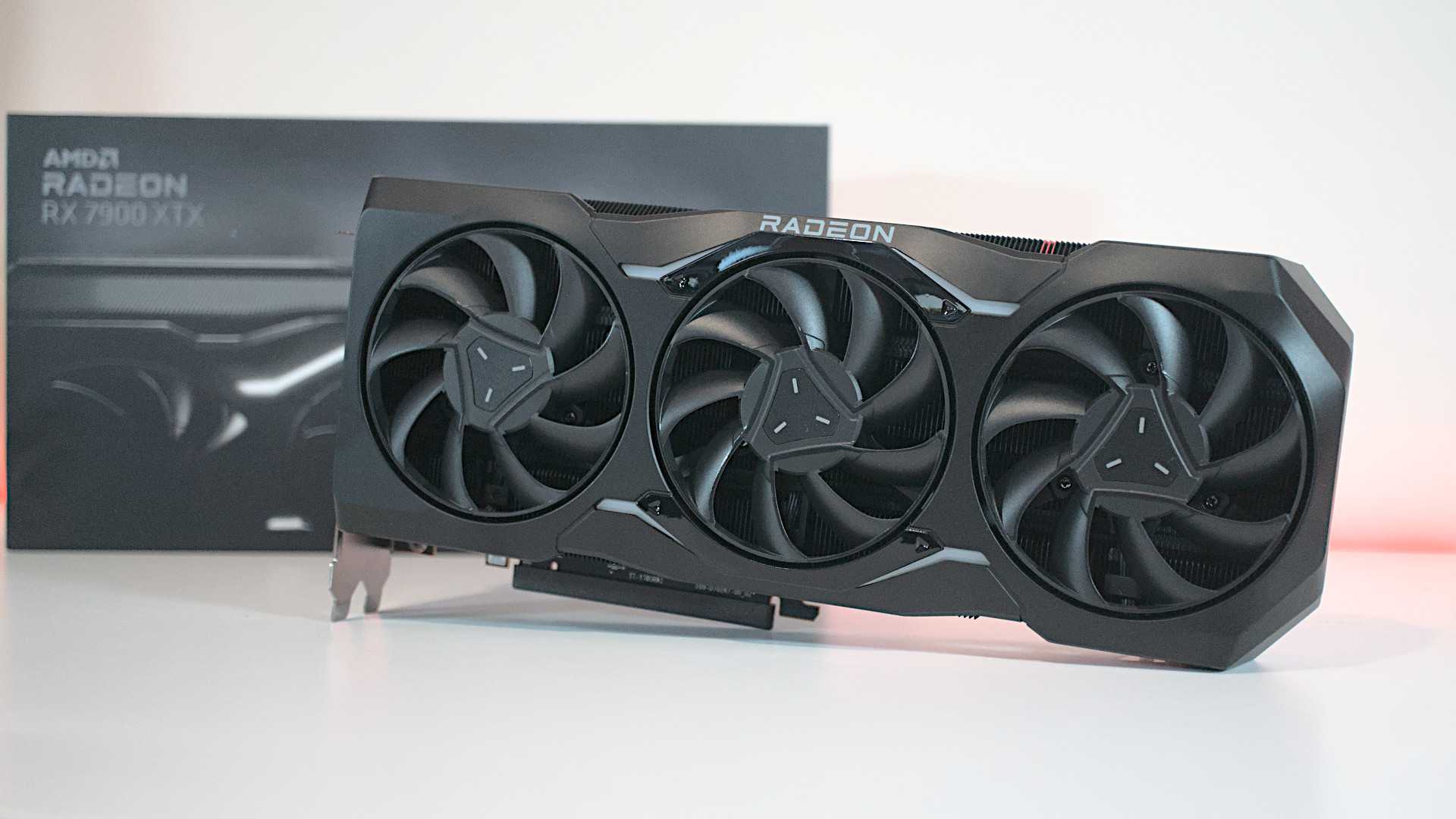
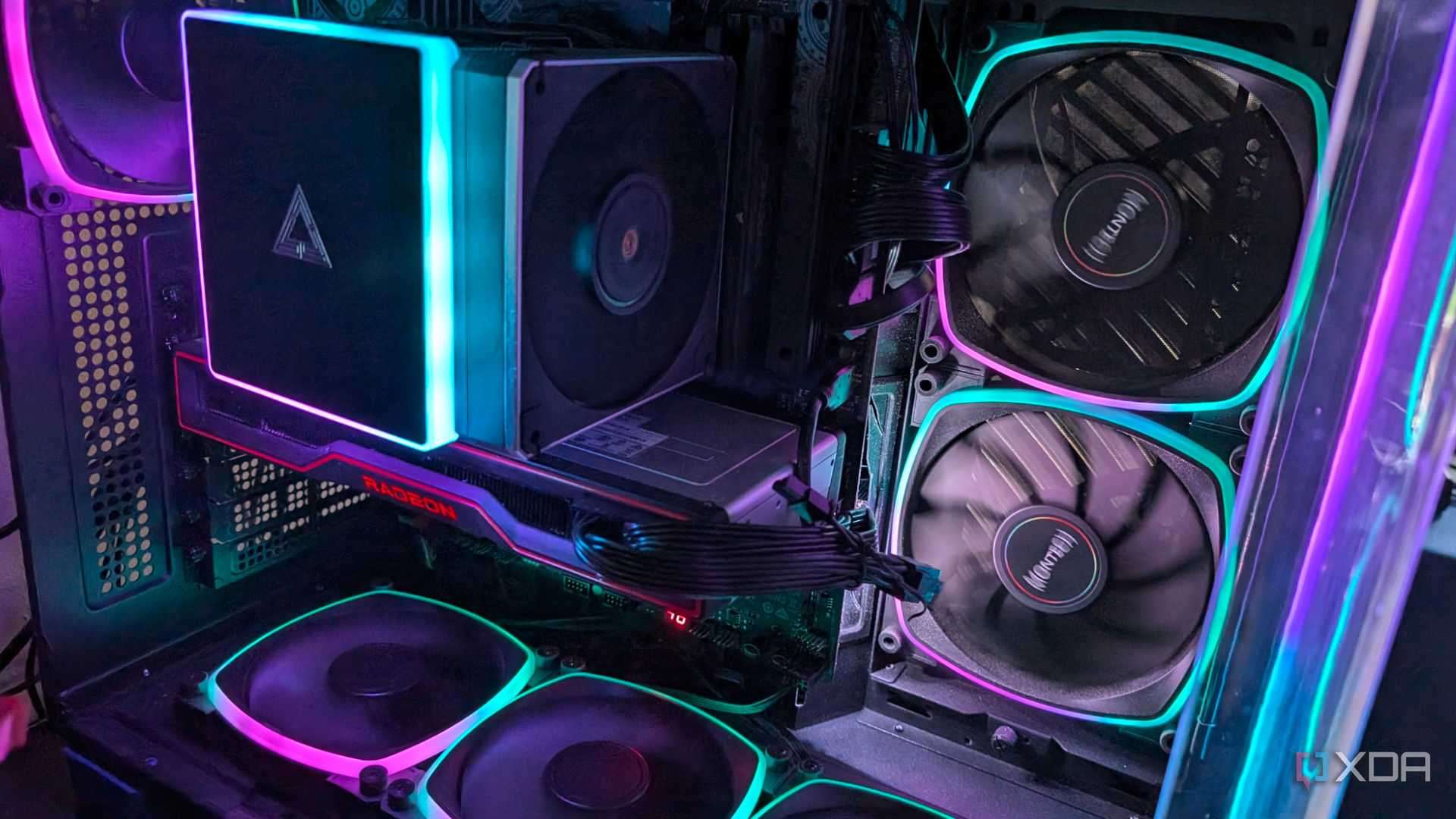
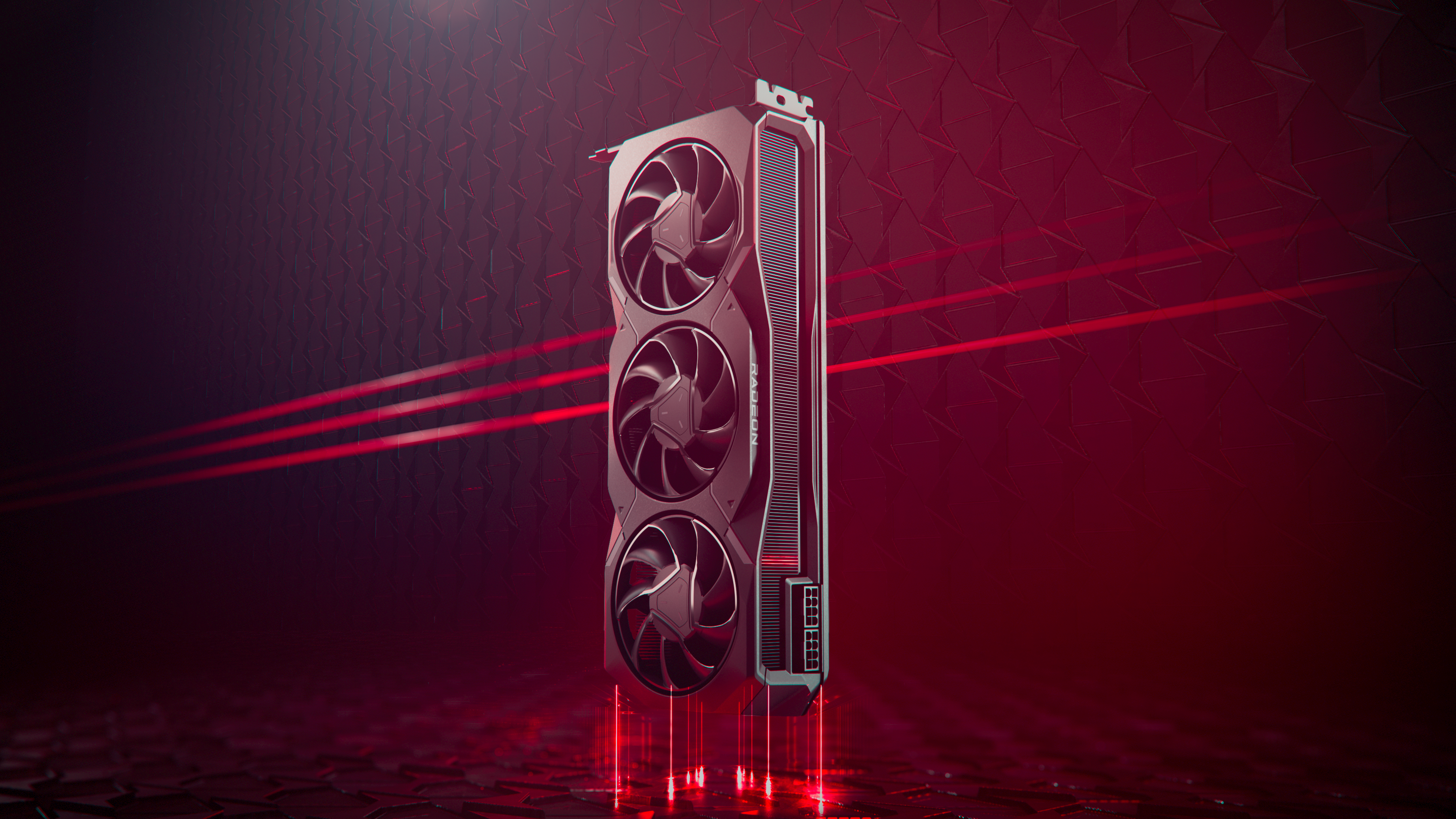
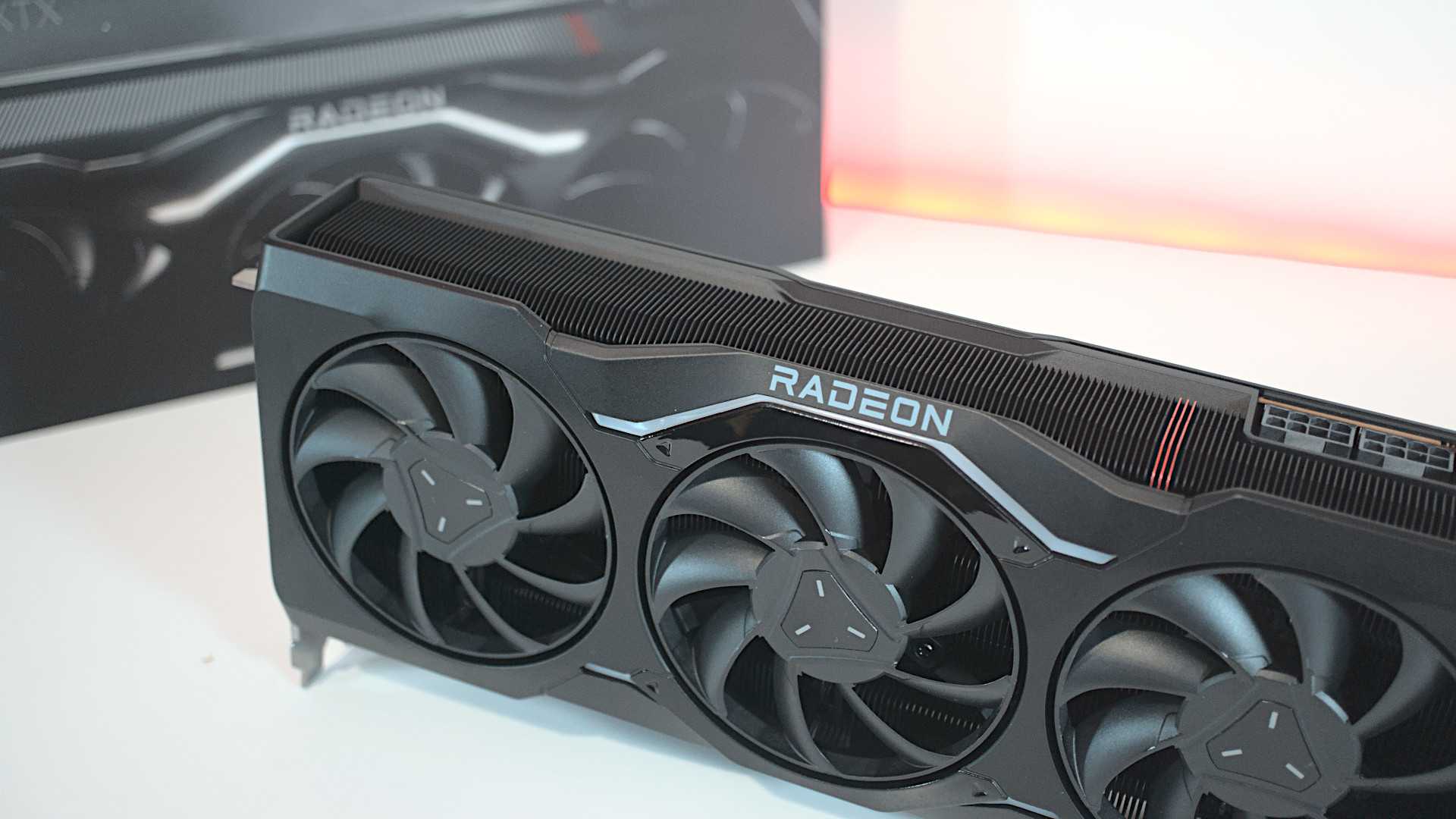
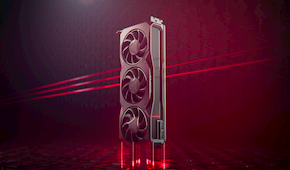
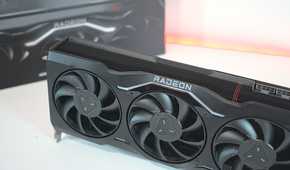
AMD’s current spread of GPUs offers a very compelling value, but not in the way that old Radeon cards did. AMD just couldn’t compete in any fashion besides price even just a few years ago. Now, they can go blow for blow with NVIDIA’s mid-to-high-end offerings quite well. To address the elephant in the room early; yes, AMD can’t compete with the 4090 and 5090s of the world. They’ve come out and admitted as much, and that’s fine.
Personally, as someone who plays relatively CPU-bound titles at 1440p, a 5090 would be far more horsepower than I could use. AMD’s best card at the moment is the 7900 XTX, which competes impressively with NVIDIA’s offerings when it comes to pure rasterization. The 6950 XT is also worth a mention, as it became an excellent value after its price was dropped. AMD took good steps this generation to compete where they could, which makes me hopeful for the future.
3 AMD are likely to provide an acceptable amount of VRAM
NVIDIA have been dropping the ball here

If there’s anything NVIDIA has been holding back on, it’s the VRAM of their mid-range graphics cards. Releasing a new GPU with less than 10GB of VRAM in 2024 is asinine and is a great way to make those cards obsolete in a hurry. AMD on the other hand have been a bit more liberal with their implementation of VRAM on their mid-range offerings. The 7600 XT is a prime example of this; its 16GB of GDDR5 will at least give the card a chance later in its lifespan. The 8GB of the normal 7600, while still on the lower side, was at least adequate when it launched.
The rumored 5060 is supposedly equipped with 8GB of VRAM, which shows NVIDIA hasn’t learned a thing. With VRAM becoming increasingly important for the longevity of a GPU, I’m hopeful that AMD can come through with cards that are equipped with capacities that make sense.
2 Rumored pricing of the RTX 5000 series cards is eyewatering
The cost of a decent GPU is starting to balloon

Of course, actual pricing has yet to be announced, but if the rumored 5090 price is anything to go by, we’re in for a real treat with RTX 5000 pricing. $2,200 is roughly what it’ll cost you for NVIDIA’s flagship offering, and while the price does sharply drop off as you go down the product stack, it’s safe to say none of them are getting any cheaper. Because of their inevitable usage in AI applications, there’s no reason for NVIDIA to price for the gaming market.
As someone who primarily uses their CUDA cores for gaming, I’m just not willing to spend that much on a GPU when it’s all said and done. AMD, as they usually are, will be price competitive at launch and beyond. They’re no strangers to slashing prices as new cards trickle out.
1 Ray tracing and DLSS are not worth paying a premium for
At least right now

This is really the crux of why I won’t be staying with Team Green. In 90% of cases, ray tracing just isn’t worth it to me. Cutting my FPS in half to get, admittedly, much prettier lighting just doesn’t tickle me the same way high framerates do. NVIDIA cards mop the floor with Radeon in ray-traced applications, and it totally makes sense. RTX cards have been built with this technology at the forefront, and Radeon cards just can’t compete. Why would I pay extra for something that I’ll never use? Non-ray-traced lighting can still look fantastic in a lot of games as well, so I feel next to no FOMO about the theoretical loss in performance.
While FSR is good, NVIDIA does have the upper hand on AI supersampling technology as well. DLSS is still the gold standard for upscaling, but I only use it in titles where my 3080 struggles a bit at native 1440p. If I were to upgrade my GPU and play the same games I do now, there wouldn’t be much of a point to turning it on, at least from a performance point of view. FSR will also continue to improve as time goes on, making the purchase of a Radeon card a non-issue for using these types of technology.
I’m going all-in on the Red Team in 2025
I’m excited to try an AMD GPU next year. Barring any kind of disastrous launch, I’m looking forward to pairing my 9800X3D CPU with AMD’s flagship card. NVIDIA has unfortunately priced me out of owning an RTX GPU, and I’d rather spend the extra cash on something like a NAS to start my own cloud storage server.
