


When selecting parts for a PC build, the case is often the last thing you choose. Unless you have a specific one in mind, many builders will either use a case from their previous build, or just sort the store page by the lowest price and choose one with decent reviews. There's no shame in that, especially if you're looking to keep your build under budget. But should you even consider splashing cash on a PC case? It's a question worth careful consideration before you put together your next rig.
4 Spending big makes building much easier
Creature comforts in higher end cases are refreshing

Especially if you're a novice at PC building, a high-end case will have features that make putting everything together much easier. High-quality cable grommets, toolless installation features, and a well-designed area behind the motherboard tray can go a long way. There is some thought put into budget options, but in most cases, spending a bit extra can help make you feel like you're not fighting against the case to get everything inside.
I'll never forget buying a bargain bin case and having one of my SATA cables almost cut in half by some poorly machined metal. Things are undoubtedly better in the case industry today, but buying big makes sure you avoid any compromises a case manufacturer may have made.
3 Better esthetics for your dollar
It can be hard to find a budget case with the aesthetic you want


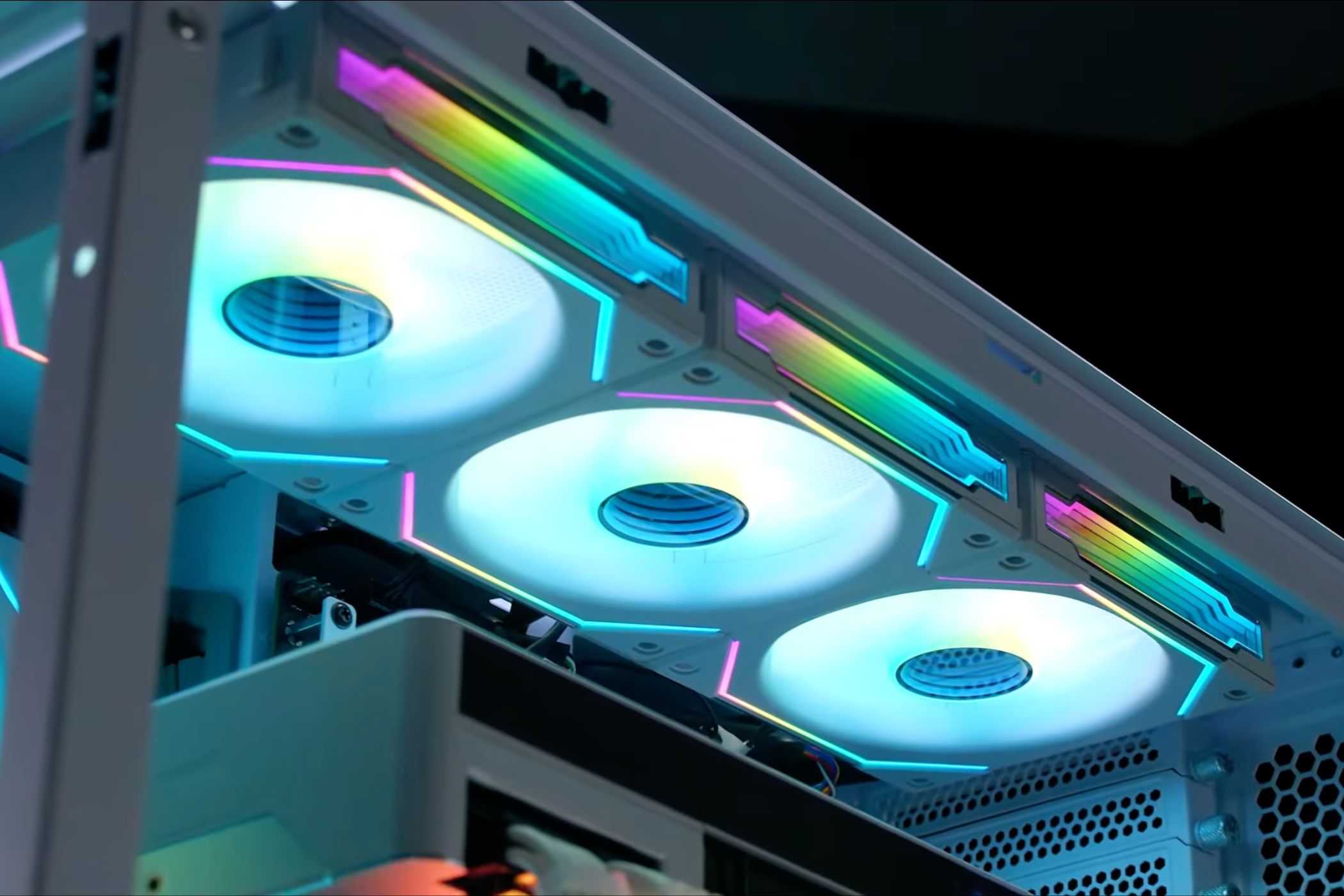

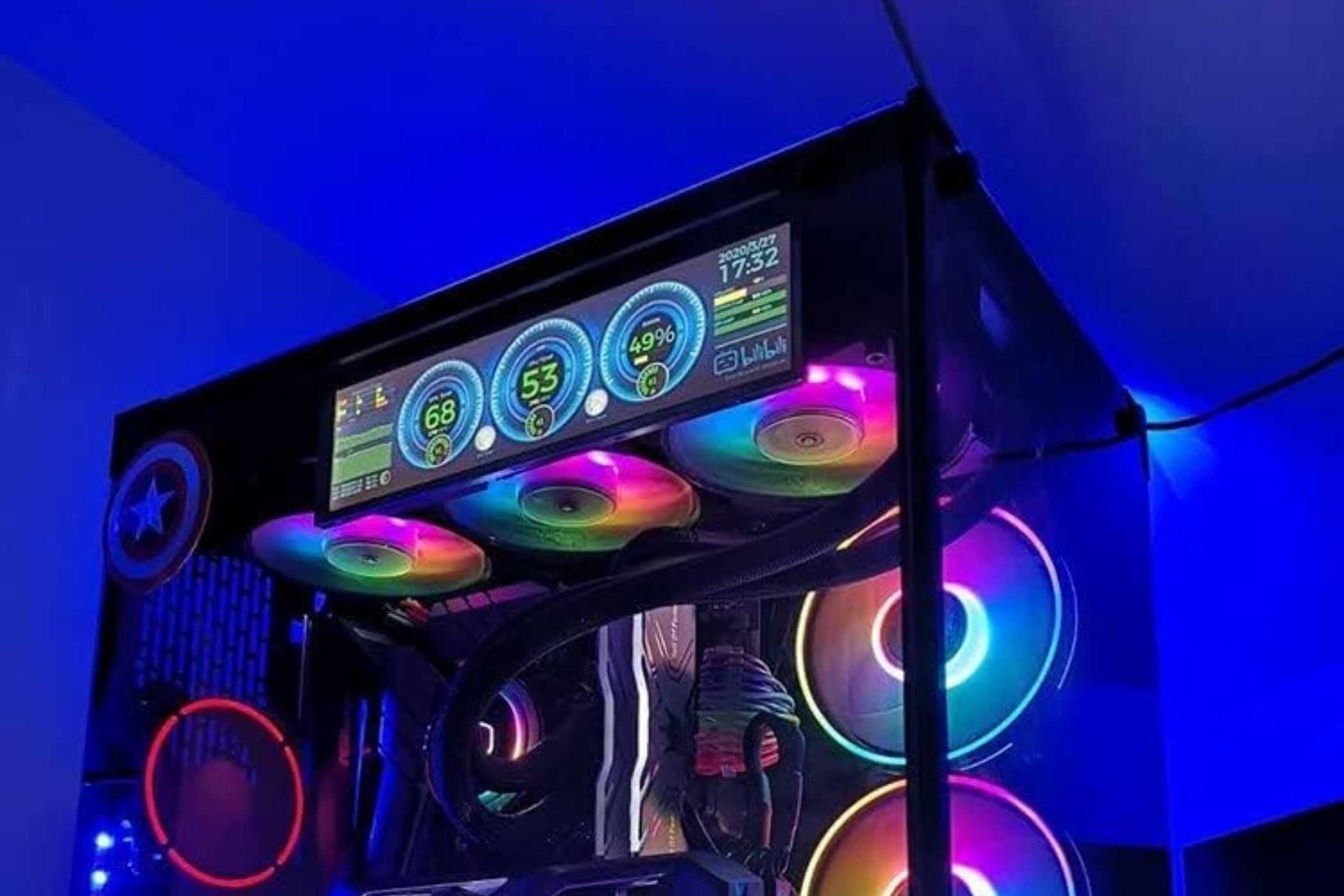
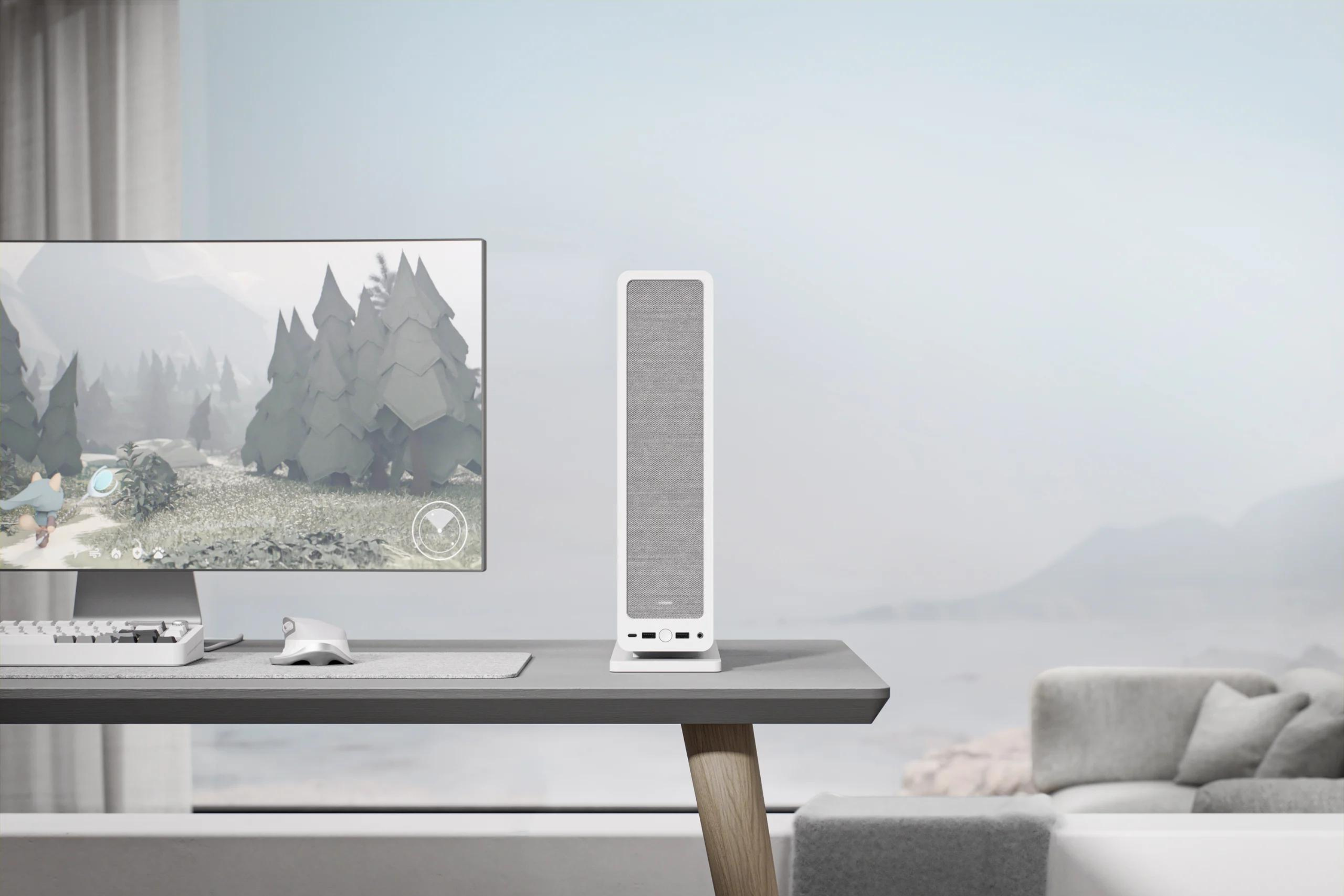
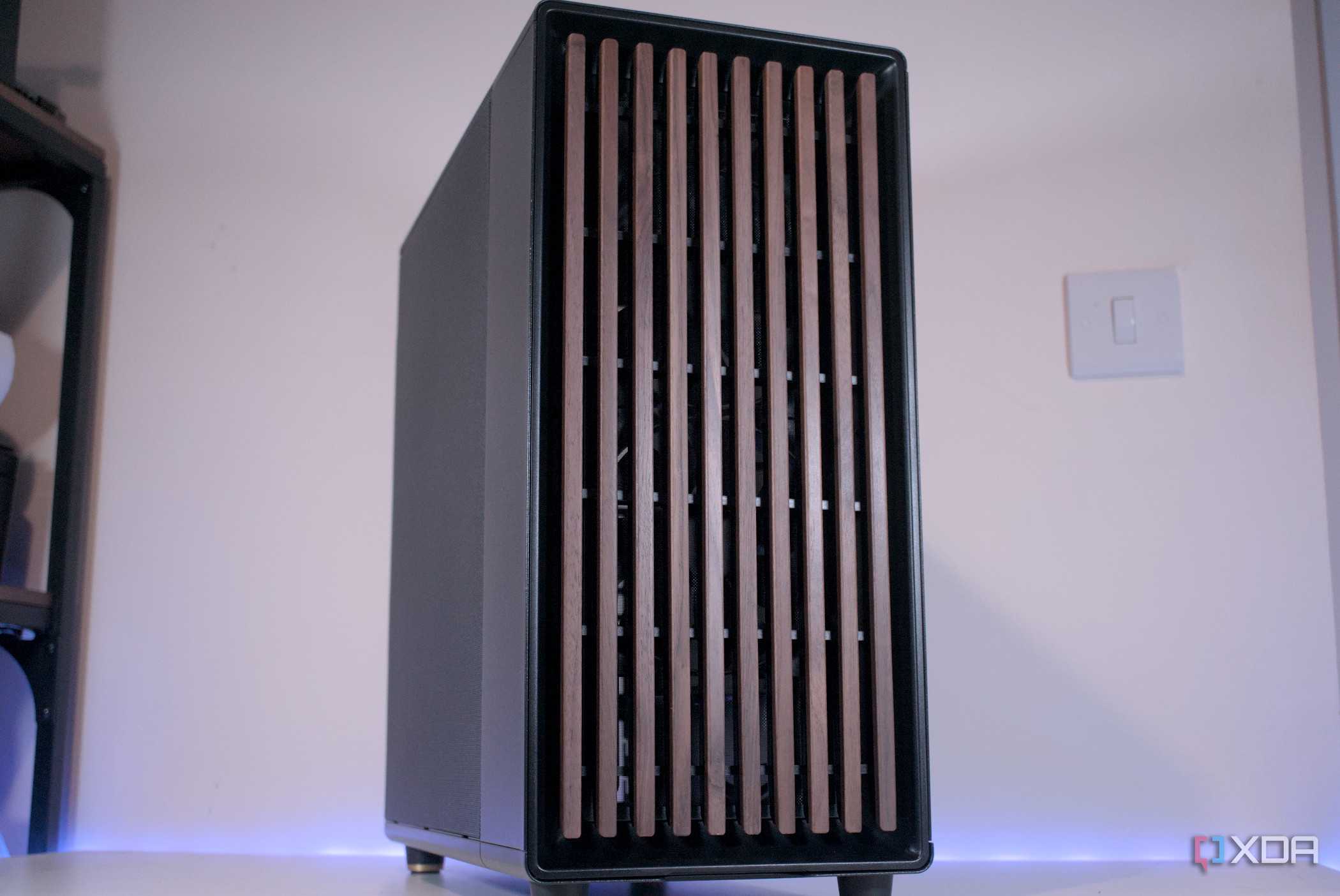
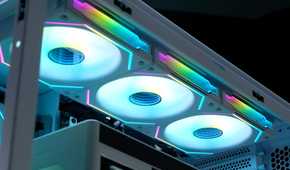

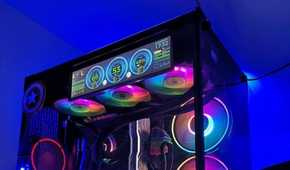


Budget options are getting better at including some "premium" options for the esthetics we have grown accustomed to seeing in the last few years, but they still fall behind compared to what you can find at a higher price point. RGB is available at almost every price bracket now, but there's so much more to making your build fit in your space. Color and materials alone can go a long way, but if subtlety isn't your thing, there are some high-end cases with enough RGB lights and LCD screens to light up even the darkest of gamer dens. If you intend for your rig to be something that is seen daily, why not build it in something that looks great?
2 Better ports and connections
High-end cases will typically have better I/O selection

Budget cases will usually have a more limited selection in front I/O. Most premium cases will come with between 2 and 4 USB 3.0 ports and, more recently, include a USB-C port. USB-C and USB 3.0 ports are simply off the table if you're not willing to spend the requisite amount, and USB 2.0 speeds are dreadfully slow for things like data transfer to an external drive. If you aren't intending to use your front I/O to the max, then this might not matter to you.
1 Slightly better performance
It all depends on which one you choose

Spending a bit more can net you more than just some extra functionality and esthetics, though. It can come with a tangible performance benefit in the form of better thermals. Premium cases usually feature airflow paths that are well thought out, and include as many fans as you need for a great experience out of the box. Cheaper options may include as few as two fans, which in a lot of scenarios just isn't enough to get the max performance out of your hardware.
Budget cases are better than they once were
Premium cases can provide a great building experience packed with the features you need, but that doesn't mean you can't find what you need at a lower price point. Budget cases have improved so much over the years, but some features will always be reserved for higher price brackets. It's all about what your build requires and how easy you want the process to be. There's definitely a PC case for every application.
