


NVIDIA’s Deep Learning Super Sampling technology, known as DLSS, has become a mainstay in PC gaming in the last few years. In retrospect, the RTX 20 series that debuted with it wasn’t particularly noteworthy. NVIDIA had hitched the success of the 20 series to these new technologies, but they unfortunately just came out half-baked; ray tracing and DLSS were just not ready yet. Early versions garnered criticism for artifacts and blurriness, on top of just lacking support in most games.
Now, though, upscaling technologies like DLSS are a huge part of gaming, especially if you own a mid-range GPU. DLSS 4 is the latest in NVIDIA’s upscaling technology, enabling features like Multi Frame Generation. You might think that this is a positive thing on all fronts, but I disagree. DLSS 4 is going to make things harder for most gamers, and here are 3 reasons why.
3 Developers now have even less reason to optimize their games
Games shouldn’t require DLSS to run smoothly

DLSS has been a godsend for those who are looking to squeeze out performance from mid-range hardware, but it’s being leaned on far too much by game developers. Even with high-end hardware, some new titles are difficult to run and require super sampling technology to push things up to playable framerates. You could turn the settings down, but with some titles making ray tracing a requirement, even this will no longer be an option down the road. This simply shouldn’t be the case, and games really shouldn’t require features like Multi Frame Generation to be playable.
Take S.T.A.L.K.E.R. 2: Heart of Chornobyl, a game released late last year. Even top-of-the-line hardware struggles to reach the 100 FPS mark without upscaling, and even then, the higher-end cards are CPU-limited. As the game ages with additional updates, it will undoubtedly become more refined and optimized. S.T.A.L.K.E.R. is a particularly brutal example of this, but there are many other games out there today that don’t make great use of your hardware. Developers that implement DLSS don’t seem particularly enthusiastic about making their games run well without it, and that’s the crux of the situation.
2 Older cards can’t use the new features
Yet another upsell from NVIDIA


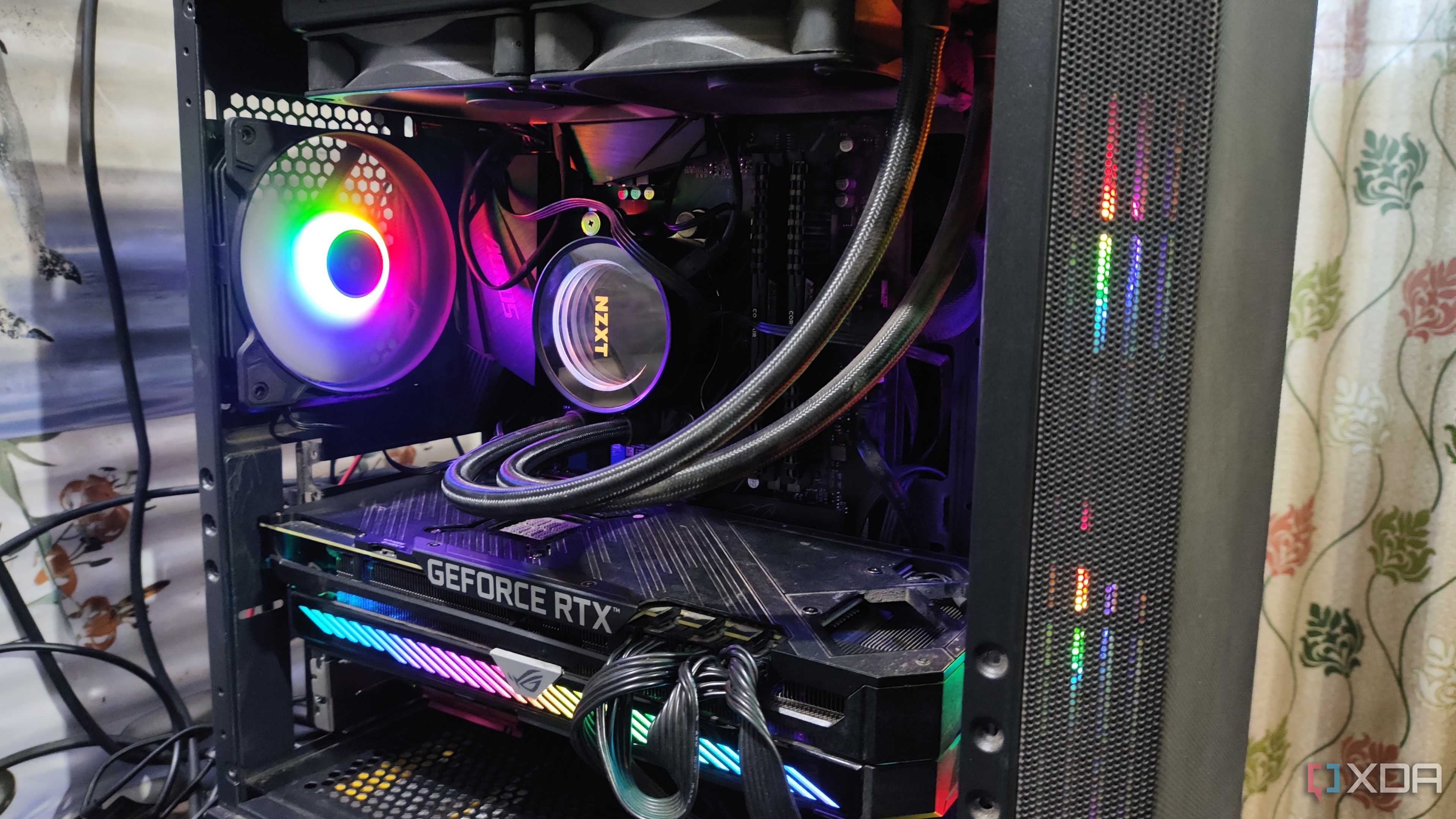
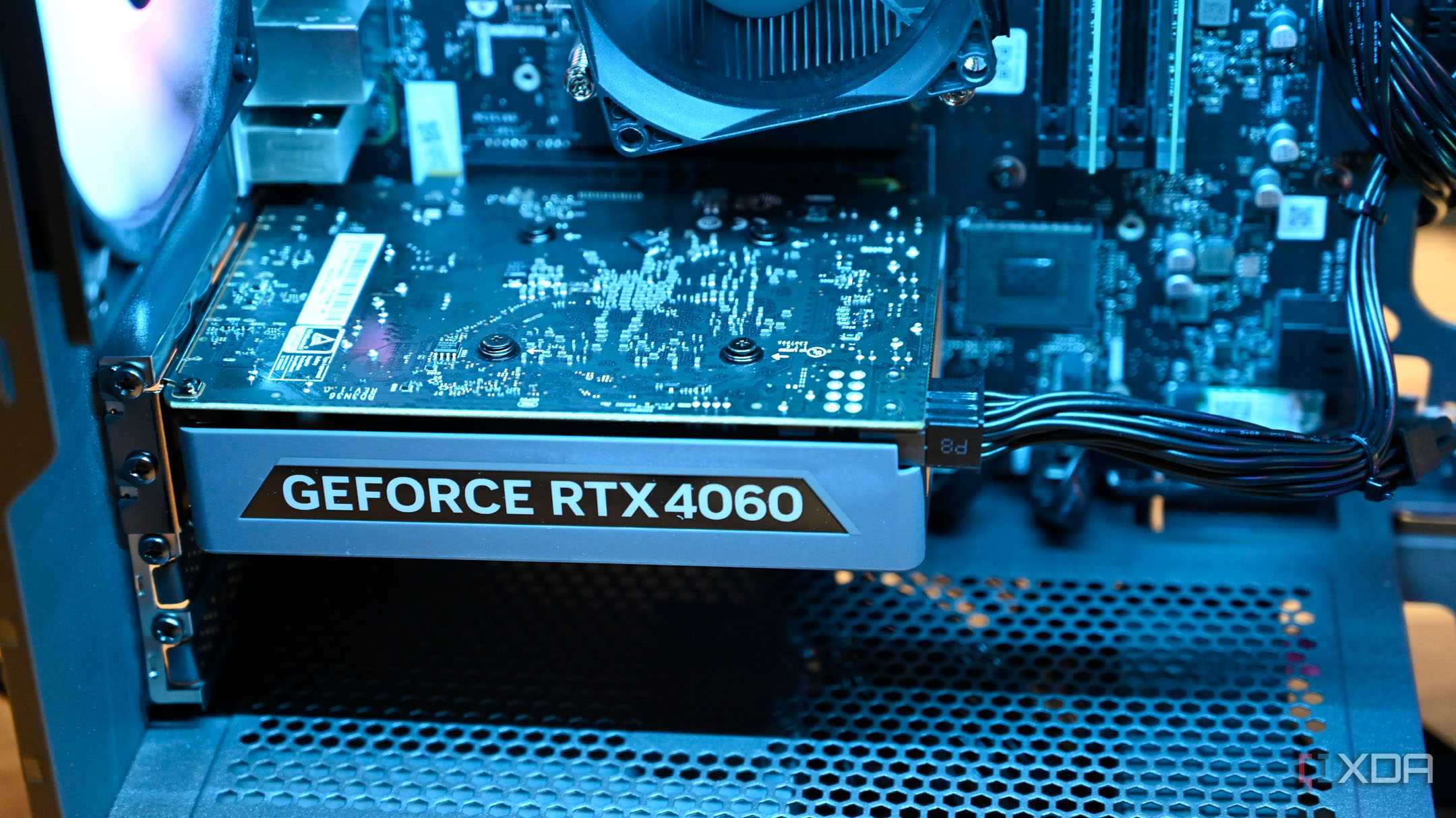
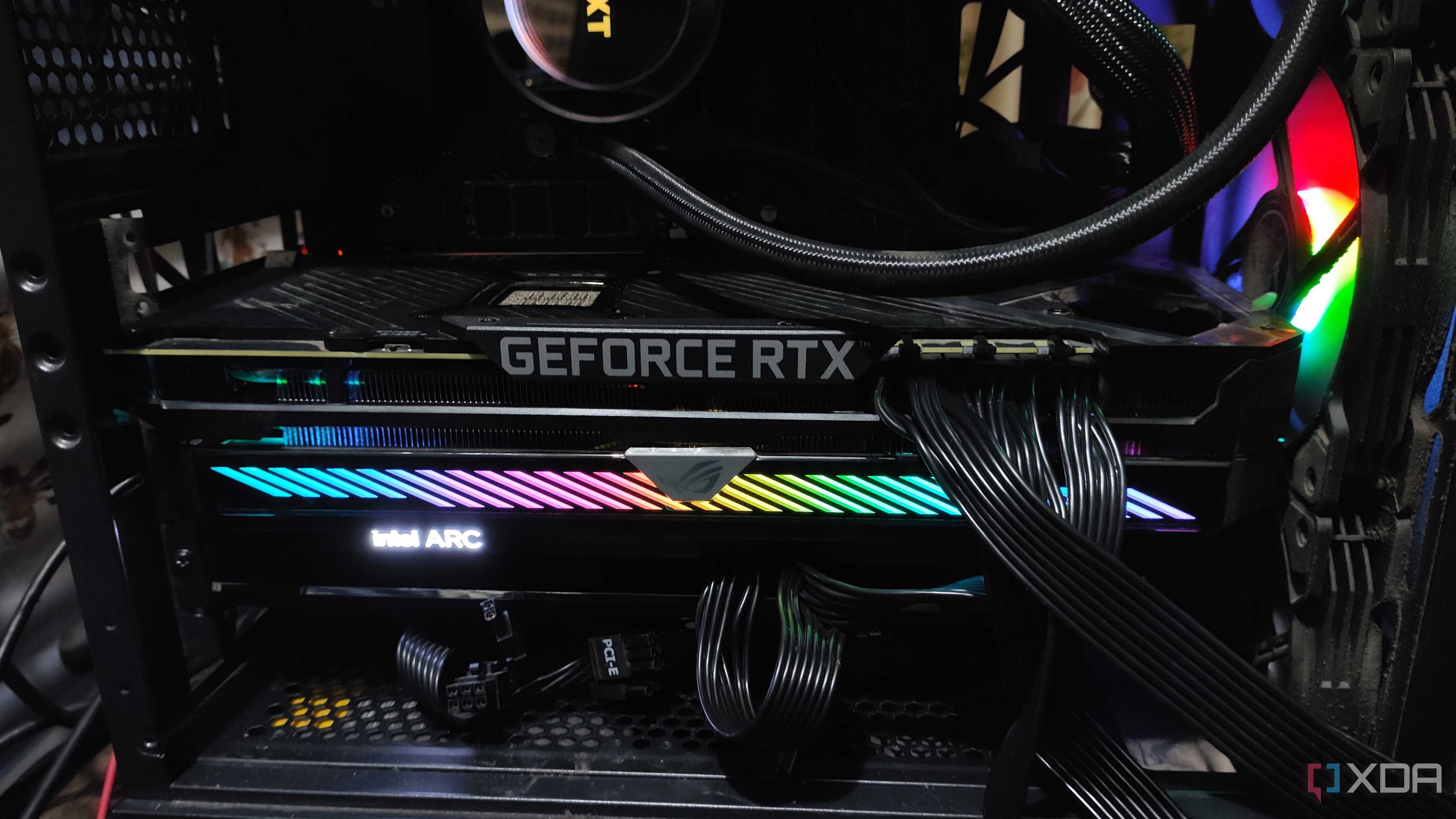
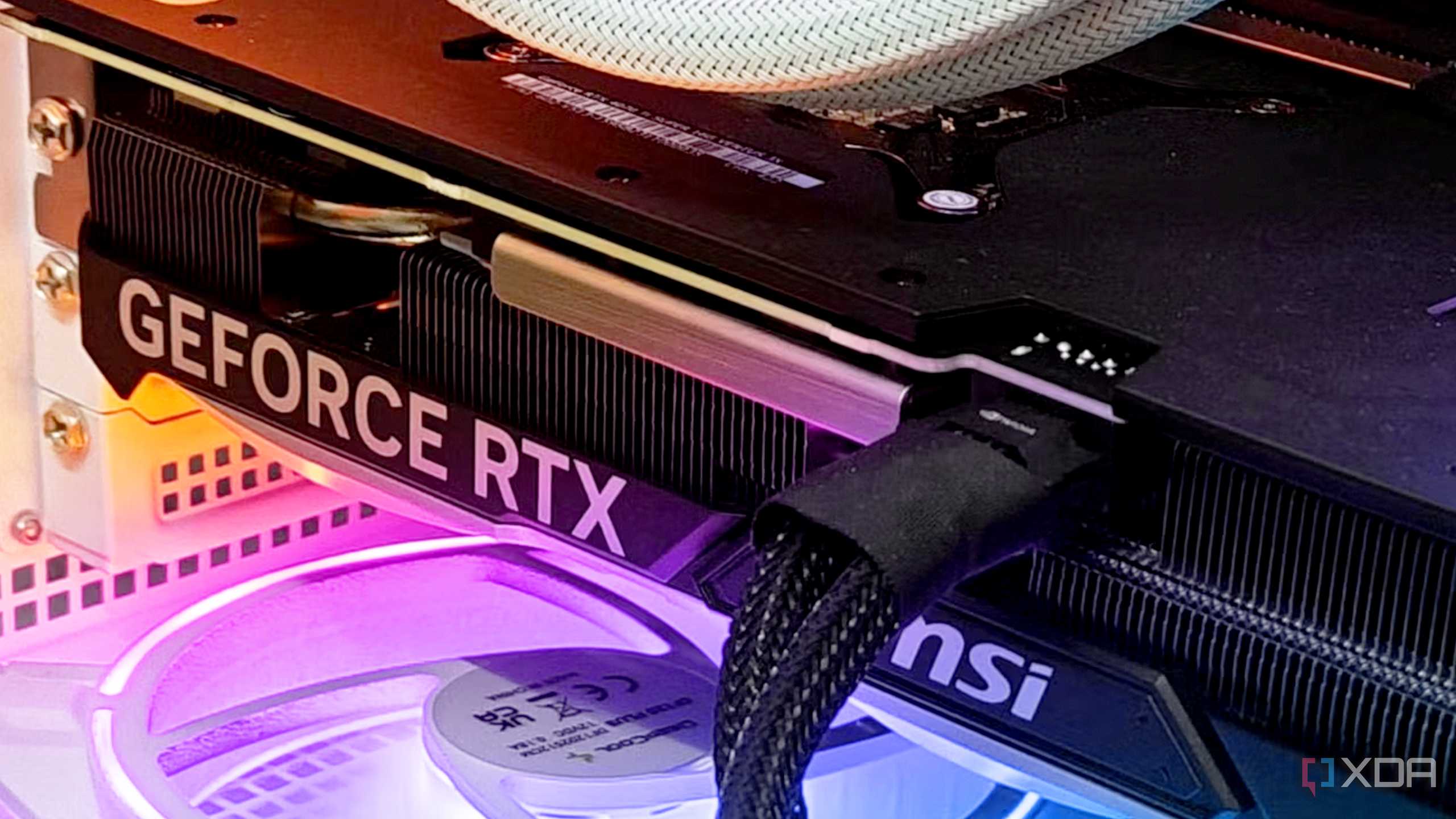

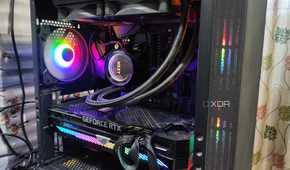
While RTX 40 series GPUs can use all the bells and whistles besides Multi Frame Generation, anyone still rocking a 30 series and lower will not be able to. DLSS is most effective when you need a bit more GPU headroom, and as it matures, more and more features will be restricted to the higher-tier cards. To be clear, all RTX cards can make use of DLSS 4, but they won’t be able to make use of all of its features.
1 Allows NVIDIA to maintain its chokehold on the GPU market
If this is the direction we’re headed, we need FSR and XeSS to be good

DLSS is still the gold-standard for upscaling technology, and it’s not particularly close. In most titles, DLSS provides a smoother gameplay experience while maintaining better image quality than both AMD’s FSR and Intel’s XeSS technology. Even if you ignore their GPU market share entirely, DLSS has proliferated so widely throughout the PC gaming industry that you really hope AMD and Intel can catch up.
I wouldn’t completely write off the competition yet, though. FSR 4.0 as shown at CES 2025 looked promising, with potential leaps in image quality matching that of DLSS 4. Only time will tell how Intel’s ARC platform matures, but upscaling technology will continue to be a huge part of that equation.
Optimization is now an afterthought
Unfortunately, the idea of optimizing games for a variety of hardware is beginning to fall by the wayside in favor of flipping on the magic DLSS switch. As NVIDIA continues to innovate with the technology, we may reach a point where pure rasterization is the thing of the past. All we can do is hope AMD and Intel begin to catch up with their implementation; otherwise, we’ll continue to see RTX GPU prices rise, and FPS-per-dollar numbers plummet.
