



How 3 cutting-edge fintech companies build customer-centric products



Jon Gitlin
The fintech space is growing exponentially.
Case in point: The number of fintech startups around the globe have more than doubled over the past five years (from 12k to 26k).
Given the growth in the space, each fintech company increasingly needs to adopt and apply product principles that can differentiate their platforms over time.
To help you figure out the ones you should adopt, we asked 3 fast-growing fintech startups—Acctual, Basis, and Causal—about the principles that guide their product decisions and investments.
You can read on to see what they shared.
https://www.merge.dev/blog/bank-feed-api?blog-related=image
Treat product usage behavior as the ultimate source of truth
Acctual, a stablecoin billing and invoicing software, needs to provide an intuitive UX so that customers can create invoices and pay bills quickly and without any issues.
As they watched how users leveraged their platform, however, they found that users were consistently running into an issue within their invoice creation workflow.
More specifically, the users didn’t know they had to create a contact first, which led them to receive error messages when they populated the rest of the invoice fields and tried to create it. This became a frustration for customers and led many of them to leave the platform to build the invoice elsewhere.
To tackle this, their team unbundled the contact creation and invoice creation workflow. Their team also made it more explicit within the UI that adding a contact is an action that needs to happen before creating an invoice. Taken together, they've significantly reduced the number of issues users face with the workflow.
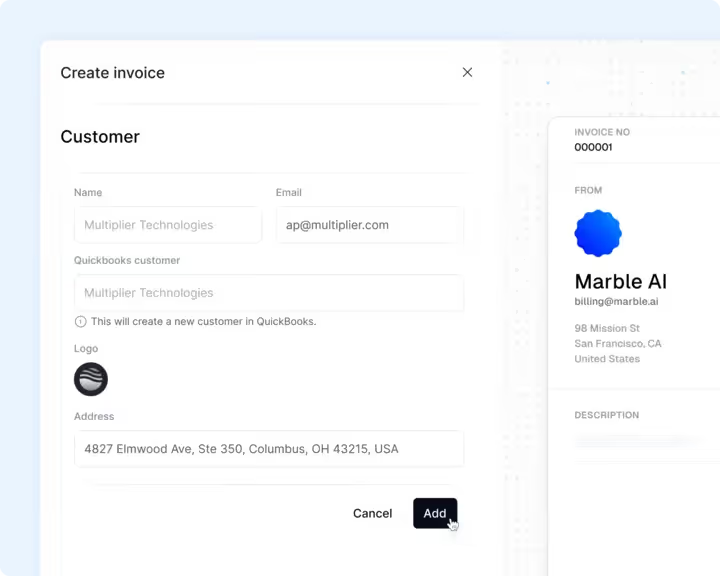
Issa Hassan’s—Actual’s CTO and co-founder—takeaway from this experience is that there’s simply no replacing the efficiency of monitoring actual customer behavior:
Adopt a systems-first mindset to build a future-proof product
A core product philosophy at Basis, an AI assistant for accounting firms, is building systems instead of point solutions.
For example, Basis has built a unified data architecture that’s designed to generalize context across accounting processes. This allows their AI agents to take on entirely new workflows without having to “reinvent the wheel.”
Mitchell Troyanovsky, one of Basis’ co-founders, adds more context for this example.
Provide seamless integrations to your product
For Causal—a financial planning platform recently acquired by Lucanet—accessing and using customer data is table stakes.
Customer data (from systems like CRMs, HRISs, and ERPs) can power a wide range of financial models in Causal, whether that’s related to profit and loss statements, headcount planning, or burn rate forecasts.
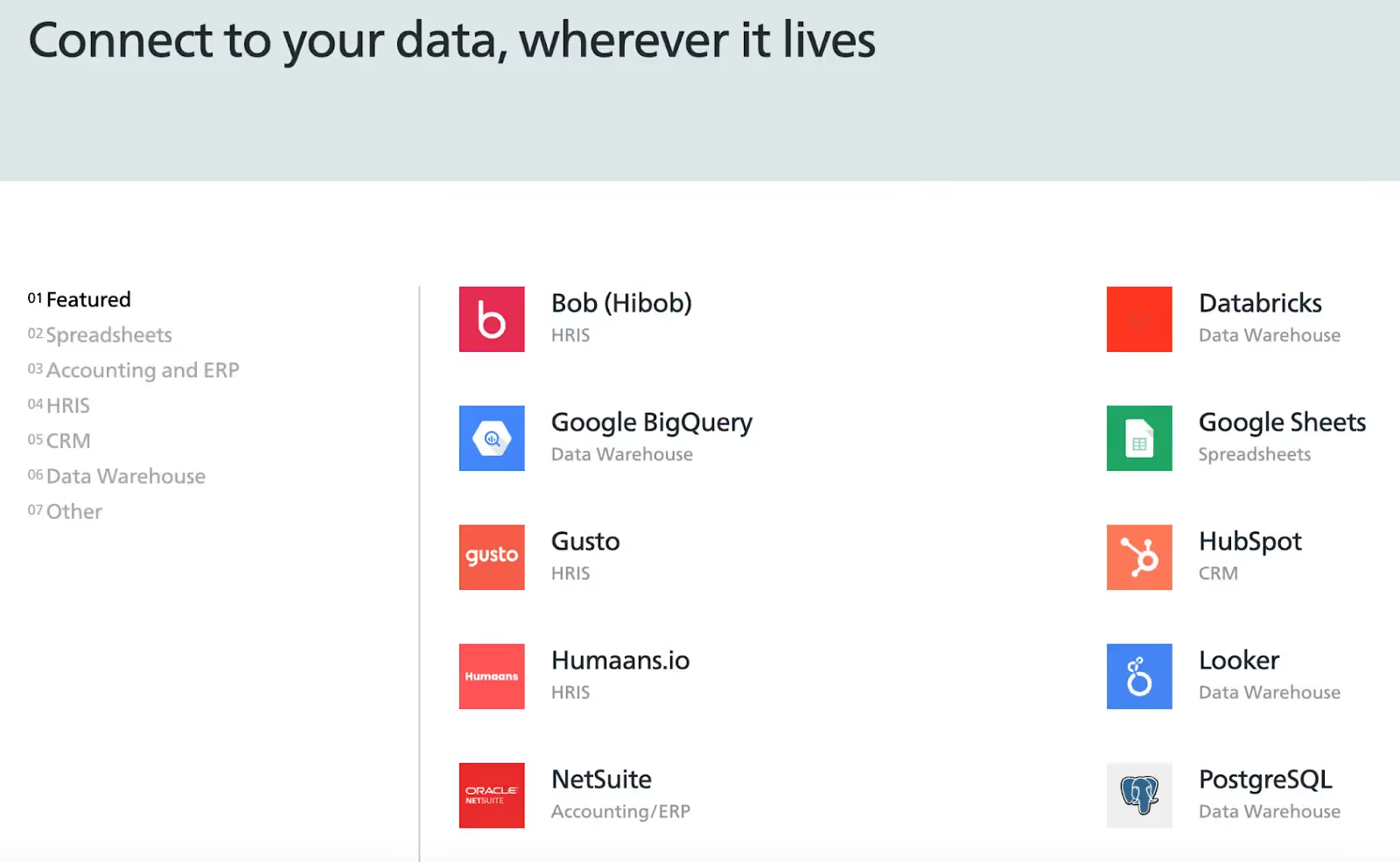
However, Causal needed to be mindful of how they offered their integrations. More specifically, putting the onus on customers to export files from their systems and import them into Causal was a poor user experience.
Lukas Koebis, Causal’s CTO and co-founder, adds more context on the issues of using file-based integrations and what they did instead:
Final thoughts
While it’s important that every fintech company adopts inspiring and forward-thinking product principles, it’s even more critical that they’re willing to make the resource investments necessary to successfully apply them every day.
The fintechs that do the latter most effectively over time are likely to come out on top, no matter how crowded their market gets.
Jon Gitlin



But Merge isn’t just a Unified
API product. Merge is an integration platform to also manage customer integrations. gradient text
But Merge isn’t just a Unified
API product. Merge is an integration platform to also manage customer integrations. gradient text
But Merge isn’t just a Unified
API product. Merge is an integration platform to also manage customer integrations. gradient text
But Merge isn’t just a Unified
API product. Merge is an integration platform to also manage customer integrations. gradient text
