Updated September 18, 2026.
ChatGPT Go costs $8/month in the U.S. and includes image generation, but the official Go sources available for this guide do not specify a fixed number of images per day or month. It is an expanded usage allowance, not a package of 30 images a day or 900 images a month. The often-repeated “20–30 images per day” figure is not a verified Go quota, so we cannot present it as what your payment buys.
Our buying recommendation: for occasional image creation beyond Free, start with Go at $8/month. If image work regularly hits Go’s limits, consider Plus at $20/month—$12 more per month. A Go-specific image top-up pack and its price could not be verified; do not budget around an assumed add-on. For separate pay-as-you-go generation, the API cost examples below give actual dollar calculations.
ChatGPT Go is much less restrictive than Free for everyday image prompts, but it can still slow down or stop temporarily if you generate many images in a short burst. For users comparing AI subscriptions, the practical choice is whether Go’s lower price is enough for moderate image work or whether a broader toolset would save more time.
If image limits are one reason you are comparing AI subscriptions, GlobalGPT is worth considering as an all-in-one AI workspace, especially if your work goes beyond one ChatGPT image quota. Its visual-tool lineup can cover image work with GPT Image 2.5, Nano Banana Pro, and Nano Banana 2, plus video work with Sora 2, Kling 3.0, Wan 3.0, Seedance 2.5, Grok Imagine, and Veo 3.1. The chat and research side can stay simpler: use GPT, Claude, Gemini, or Perplexity to draft prompts, compare concepts, and clean up copy without stacking separate subscriptions or switching tabs for every step.
Contents
- What OpenAI Actually Says About ChatGPT Go Image Limits
- How many images per day should you expect?
- Can you buy extra images for ChatGPT Go?
- ChatGPT Go vs Free vs Plus Image Limits
- Uploading Images vs Generating Images: Different Limits
- Image File Size and Upload Limits with ChatGPT Go
- How to plan an image session without inventing a quota
- ChatGPT Go Availability and Price
- Does ChatGPT Go Offer Unlimited Image Generation?
- Who Should Use ChatGPT Go for Image Generation?
- ChatGPT Go Image Limits at a Glance
- Which plan is the best value for image generation?
- Frequently asked questions
What OpenAI Actually Says About ChatGPT Go Image Limits
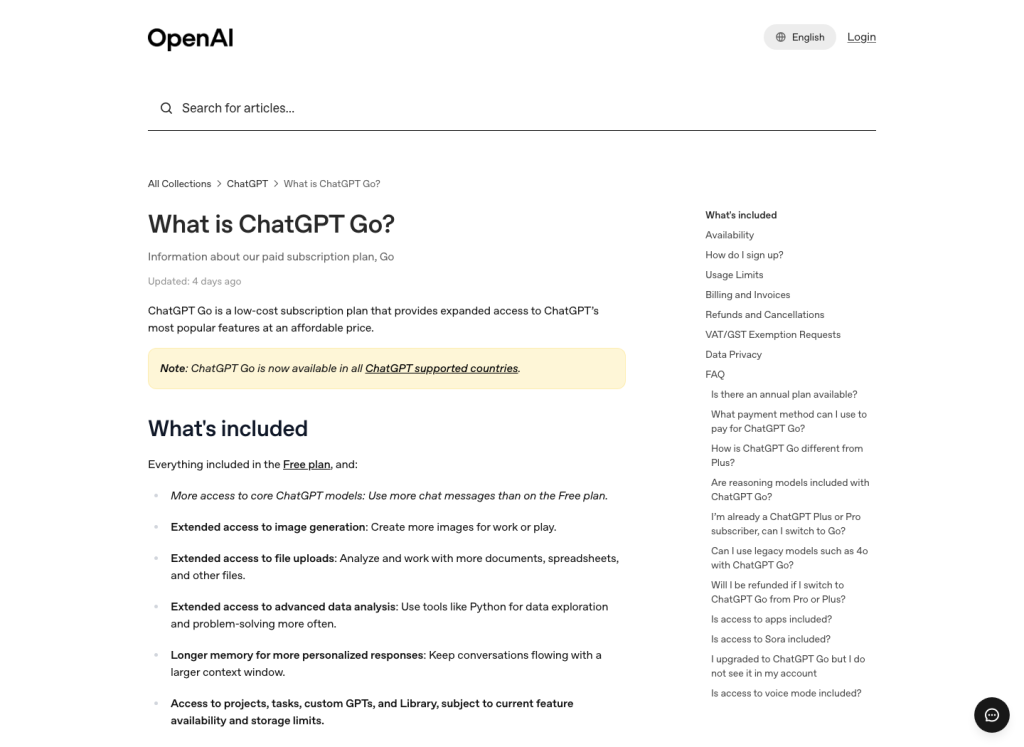
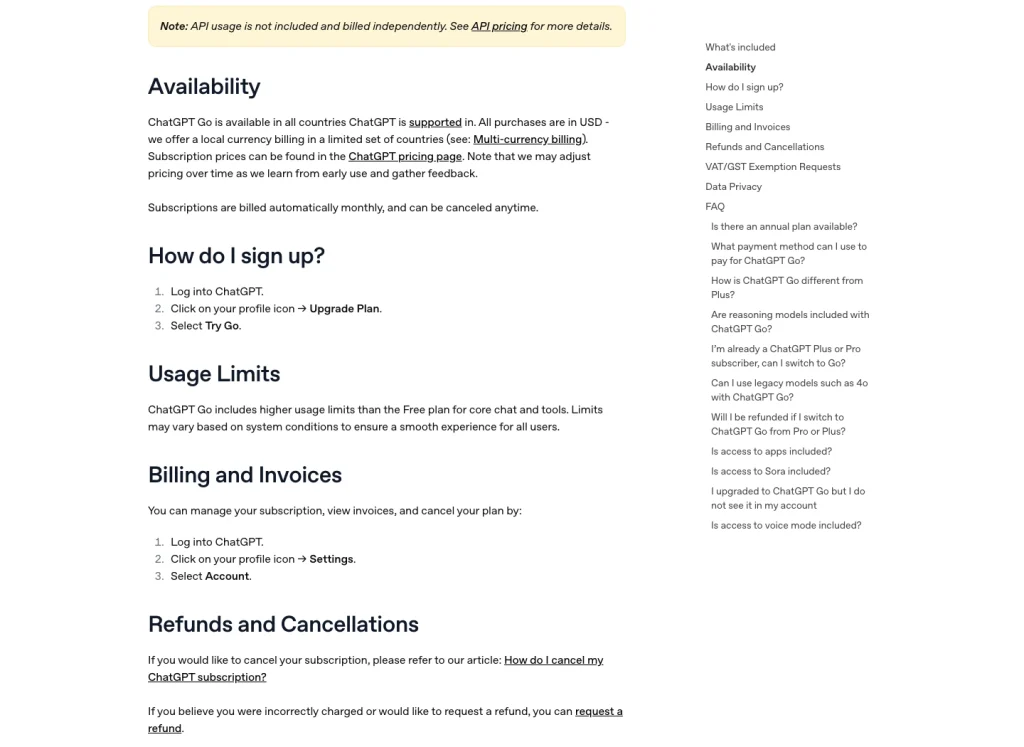
OpenAI’s What is ChatGPT Go? help page gives two useful facts. First, Go includes extended access to image generation. Second, Go has higher limits than Free for eligible features such as image generation, file uploads, and data analysis. The page does not attach a fixed daily image number to those benefits.
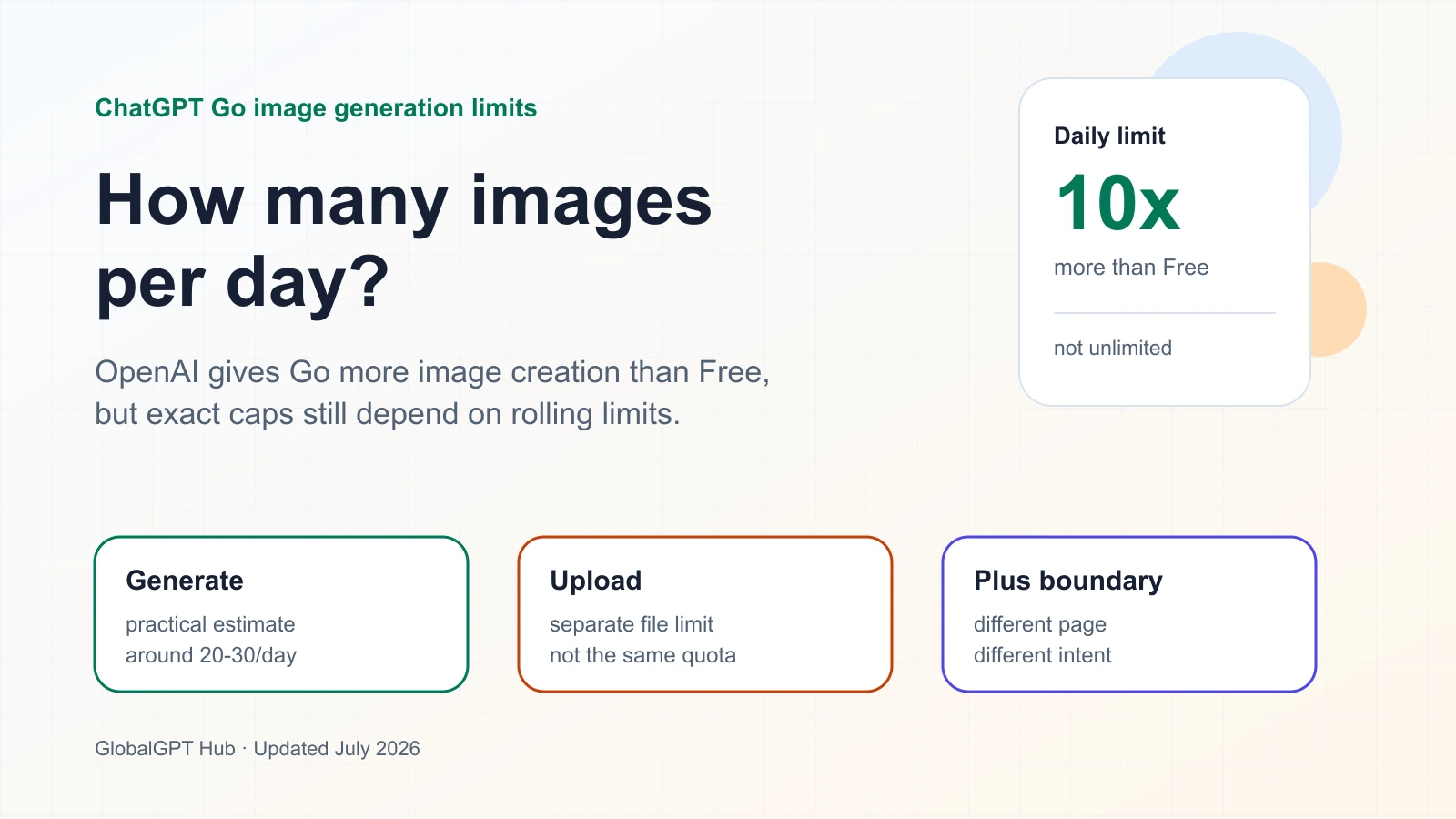
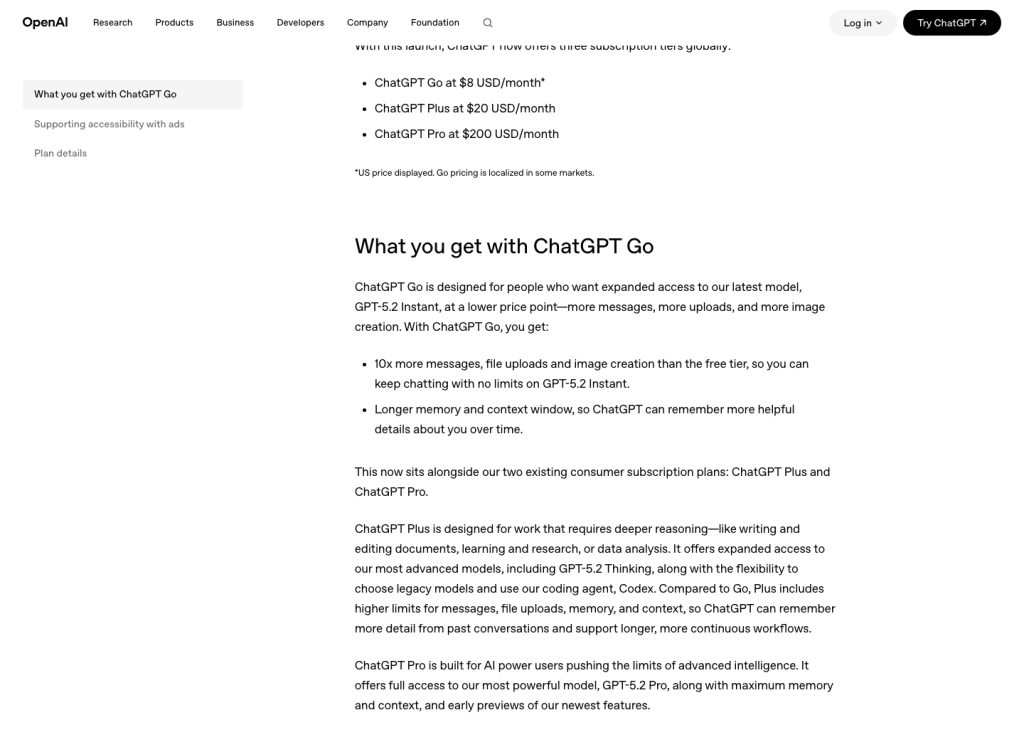
OpenAI’s January 16, 2026 launch post used a 10x comparison across messages, uploads, and image creation. That historical statement helps explain how Go was positioned at launch, but it is not a current daily counter and should not be converted into a precise images-per-day promise.
Official data point
What the launch-period 10x comparison can tell you
The launch-period 10x statement describes relative positioning. It does not establish today’s generated-image count for every account.
OpenAI’s Go launch announcement used the 10x comparison across messages, uploads, and image creation. This is a historical plan comparison, not a measured daily quota.
The practical takeaway is simple: OpenAI confirms that Go gets more image creation than Free and that plan limits can vary. It does not confirm a stable public number such as “30 images every day for every Go account.”
How many images per day should you expect?
The honest numerical answer is: no fixed Go daily or monthly image count is verified in this guide. OpenAI’s launch comparison of 10x Free cannot produce a reliable number because the Free allowance is not a fixed baseline for every account. For example, multiplying an assumed 3 images by 10 to claim 30 a day—and then 900 a month—would turn assumptions into a false purchase promise. The table below explains why requests and finished images are also different counts.
| Measure | Why it matters |
|---|---|
| Requests sent | A prompt can fail or produce more than one output |
| Usable images | A returned image may still need correction |
| Revisions needed | Edits consume workflow time and may use capacity |
| Limit and reset message | The account message is more useful than an assumed midnight reset |
No new official Go-account generation test was run for this refresh. The guide therefore does not claim a verified daily cap.
Can you buy extra images for ChatGPT Go?
A Go-specific image add-on, its dollar price, and its image allowance could not be verified from the official material available for this guide. That is not proof that no account can receive an offer; it means there is no supported basis here for telling you “pay $5 and get another 50 images.” Do not buy unrelated credits expecting them to refill Go.
OpenAI’s Work and Codex credit documentation describes extra credits for eligible Plus and Pro usage, including image generation in those products. It does not establish a Go image top-up price or entitlement. If an account presents a purchase offer, it must explicitly cover the image tool you intend to use.
Separate API image generation: what does a batch cost?
Yes, the separately billed OpenAI image API can generate images; paying for API usage does not increase the image allowance inside ChatGPT Go. It requires an API setup or a compatible application. For readers who want a concrete budget, the official GPT Image 2 cost examples give the following image-output costs at 1024 × 1024 pixels. GPT Image 2 is an earlier model with published per-image examples; these are not quotes for the newer GPT Image 2.5 models.
| GPT Image 2 quality | Output fee per image | Output fee for 100 images |
|---|---|---|
| Low | $0.006 | $0.60 |
| Medium | $0.053 | $5.30 |
| High | $0.211 | $21.10 |
These totals are output charges, not the complete bill or a prepaid image pack. Text prompts, reference images, additional generations and any application fee add to the cost. For a more complete example, assume 100 medium-quality text-to-image requests, each using 200 text input tokens, no reference images and no retries: $5.30 output + $0.10 text input = about $5.40, before applicable taxes or third-party fees. The text rate is $5 per million tokens in OpenAI’s API pricing. This is a calculated scenario, not a measured batch or a guarantee of 100 usable final designs.
For a one-off batch and an existing API setup, usage billing may cost less than a monthly subscription. For a simple chat interface and repeated editing, Go or Plus is easier to use. Neither route guarantees that the first generated image will be a finished asset.
ChatGPT Go vs Free vs Plus Image Limits
The most important comparison is Free vs Go. Free is fine for occasional image tests, but OpenAI labels Free image generation as limited and slower. Go is the budget tier for people who want enough room for regular prompts without jumping straight to Plus.
Plus and Pro sit above Go. On the pricing page I checked, Plus is framed around more complex and accurate image creation, while Pro is framed around maximum and faster image creation. That tells you how to read the tiers: Go is for regular use at a lower price, while Plus and Pro are where OpenAI pushes heavier image workflows.
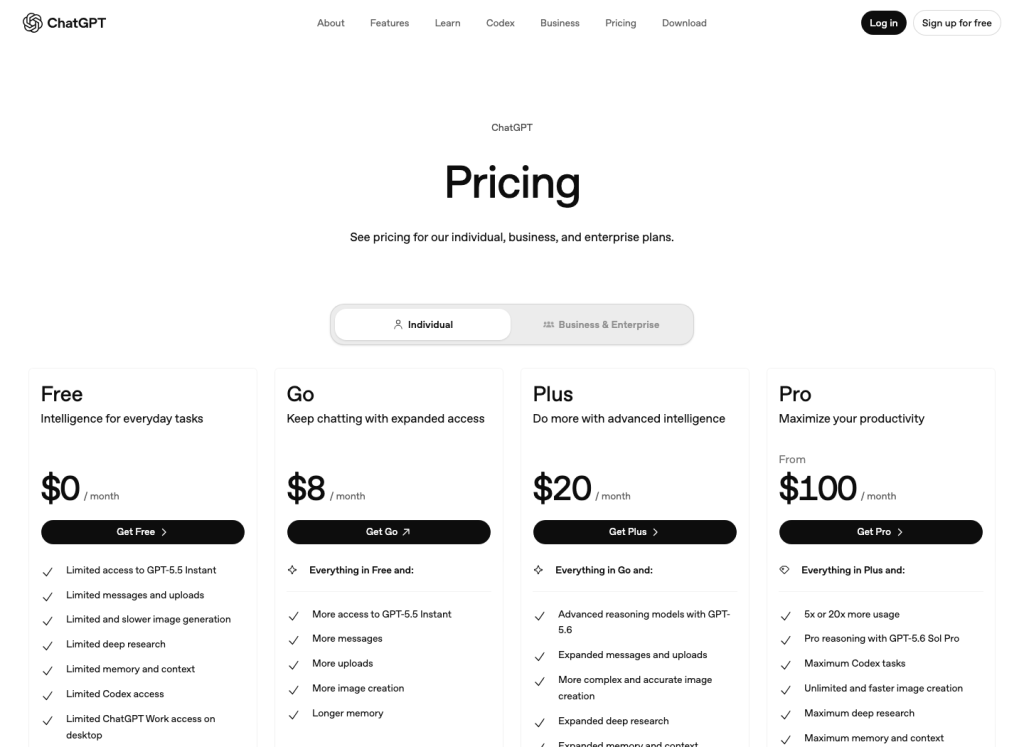
US pricing view
The price jump from Go to Plus is small; the workflow jump is the real question
The U.S. price references are Go $8/month, Plus $20/month, and Pro from $100/month. Go costs $96 over 12 monthly payments; Plus costs $240, a difference of $144 per year. These are annualized monthly prices, not annual subscription offers. The higher fee does not establish a guaranteed image count.
The official individual-plan price table lists these subscription prices. Its Work/Codex credit rules are separate from the consumer Go image allowance.
| Plan | Image generation fit | How to use this for Go decisions |
|---|---|---|
| Free | Light tests and occasional images. | Upgrade if you keep hitting limits after only a few tries. |
| ChatGPT Go | Everyday image creation at a lower price. | Measure a small batch in your own account; no fixed daily count is promised. |
| Plus | Heavier and more advanced image work. | Compare Plus if Go’s rolling limits interrupt your workflow. |
| Pro | Power-user image creation and broader high-usage workflows. | Do not use Pro as a benchmark for a budget Go subscription. |
If your question is specifically about Plus, use the separate ChatGPT Plus image limit guide. If your question is whether Go can create images at all, start with the ChatGPT Go image generation capability guide. This page is about Go’s quantity and limits.
Uploading Images vs Generating Images: Different Limits
Many people mix up three different actions:
- Generating an image means asking ChatGPT to create a new image from a prompt.
- Uploading an image means attaching an existing image so ChatGPT can inspect, describe, or edit it.
- Uploading a file can include documents, spreadsheets, presentations, PDFs, and images.
OpenAI’s ChatGPT Images help page confirms that ChatGPT can create and edit images. The file upload FAQ is a different source because upload limits are not the same as generation limits.
That distinction matters when you are planning a real batch of work. If you upload 15 product photos for analysis, you are using upload capacity. If you ask ChatGPT to create 15 new ad concepts, you are using image generation capacity. The same ChatGPT plan may limit both, but they are not the same action.
Image File Size and Upload Limits with ChatGPT Go
For uploaded files, OpenAI publishes clearer limits than it does for Go-only generated images. The file upload FAQ lists a 512MB hard limit for many uploaded files, a 20MB limit for image files, up to 80 file uploads every 3 hours, and a lower daily upload limit for Free users. OpenAI also says upload limits can be reduced during peak hours.
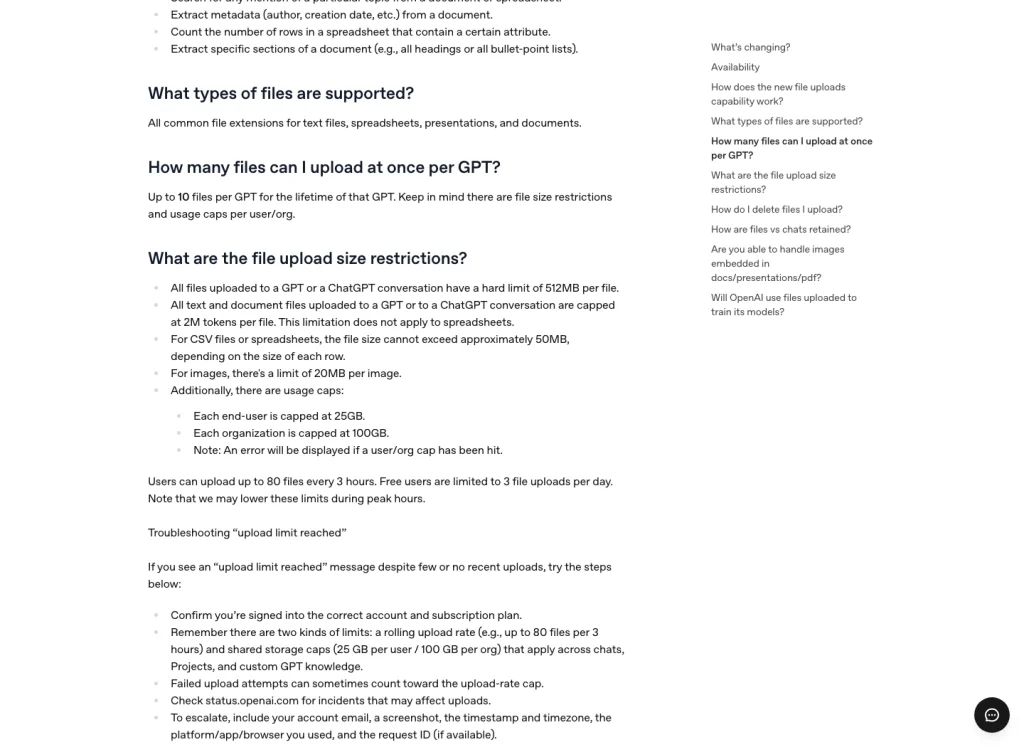
Upload limits are separate
OpenAI gives file-upload numbers, not a Go-only generated-image counter
These limits help with image uploads and file analysis. They do not tell you how many new images ChatGPT Go will generate in a day.
The File Uploads FAQ covers uploads. These figures must not be counted as generated-image allowances.
For ChatGPT Go users, the practical reading is this: Go gives more upload room than Free, but uploads remain limited, and uploaded-image limits should stay separate from daily generated-image planning.
How to plan an image session without inventing a quota
Start with three concepts and one revision each. Save successful prompts and count the usable final images. If a limit appears, note the tool, time and reset message, then stop. That six-request exercise helps estimate effort per asset; it cannot establish a daily maximum.
For deadline work, keep a fallback route available. More generous text chat does not remove image-tool limits.
ChatGPT Go Availability and Price
OpenAI’s Go plan description lists availability in ChatGPT-supported countries. The U.S. reference price is $8 per month; local prices and applicable taxes can differ. Go includes image generation within plan limits, rather than selling a fixed bundle of images.
For pricing, there are two practical rules:
- Use $8/month when you are referring specifically to US pricing.
- For non-US readers, use the price inside the official ChatGPT pricing page or their account upgrade flow.
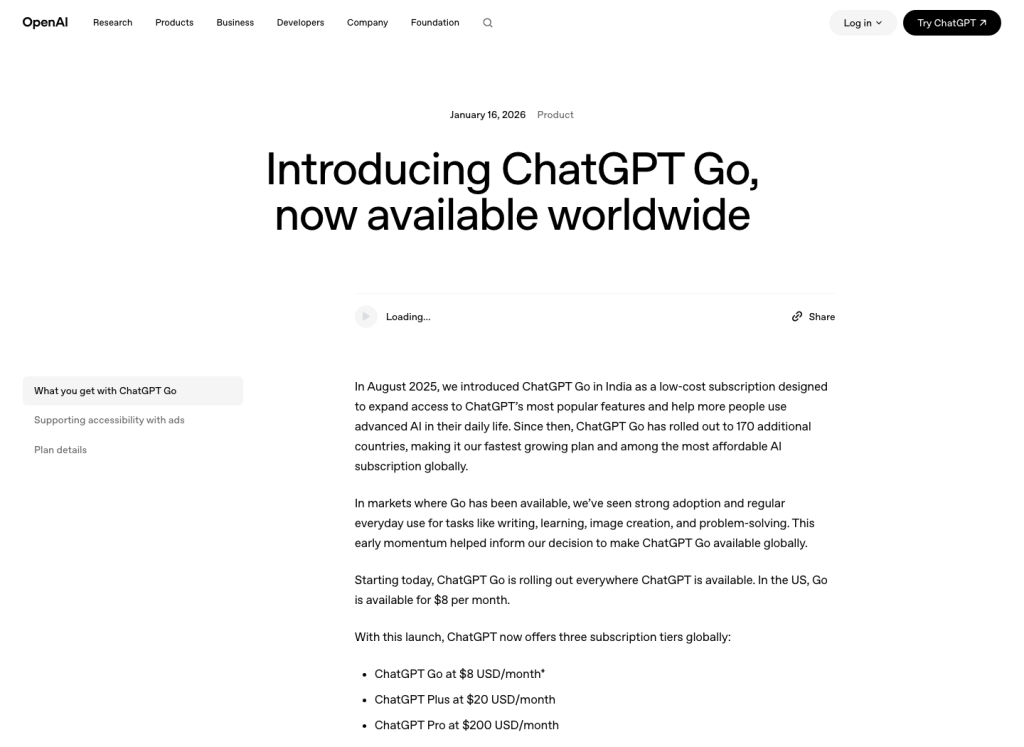
For a deeper price comparison, use the full ChatGPT Go price guide. For regional access questions, the US availability guide is a useful next read.
Does ChatGPT Go Offer Unlimited Image Generation?
No. ChatGPT Go does not offer unlimited image generation. It is a larger budget plan than Free, but image generation is still a heavier workload than plain text chat, and OpenAI manages it through plan limits, rolling windows, and temporary changes during high demand.
The launch-period “10x” comparison is not a current production quota. If you only need images for class projects, blog visuals, light marketing concepts, or personal design ideas, Go may feel generous. If you need many final assets every day, the limit friction matters more than the headline price.
If you want to understand the broader trade-offs beyond image limits, read the ChatGPT Go benefits and limits breakdown or the ChatGPT Go vs Free comparison.
Who Should Use ChatGPT Go for Image Generation?
Go makes the most sense for someone who wants more room than Free at a low monthly price and is comfortable with an allowance that is not published as a fixed daily count. It is less suitable when a production schedule requires a guaranteed volume.
Choose Go when
- You create images regularly but not at industrial volume.
- You want a low-cost upgrade from Free.
- You can adapt when safeguards reduce availability.
Consider another route when
- You need a guaranteed batch size or deadline.
- You need more complex image work and broader productivity tools.
- You want to switch among several image models in one workflow.
ChatGPT Go Image Limits at a Glance
| Item | Best current answer | Confidence |
|---|---|---|
| Exact generated images per day | Not published for Go | Earlier official-page check |
| Compared with Free | More image creation and higher eligible-feature limits | Saved official Go description; no fresh account test |
| US Go price | $8 per month (U.S. reference) | Official individual-plan price reference |
| Unlimited image generation | No; safeguards apply | Saved official Go description; no fresh account test |
| Image-upload size | 20MB per image | File Uploads FAQ, not a generation quota |
Which plan is the best value for image generation?
Start with Go if you want the cheapest paid ChatGPT option; consider Plus when Go’s limits regularly interrupt real work. Do not jump to Pro solely for occasional images. Here is the buying decision using U.S. price references:
| Your main need | Our recommendation | What you pay and why |
|---|---|---|
| A few occasional images | Try Free first | $0; pay only if the limits get in your way. |
| More ChatGPT images on a tight budget | Go | $8/month; $96 across 12 monthly payments. Lowest-cost paid starting point, with no verified fixed image count. |
| Frequent ChatGPT image work and broader tools | Consider Plus after Go proves insufficient | $20/month; $240 across 12 monthly payments. $12/month or $144/year more than Go. Worth considering when the extra tools and reduced interruptions justify that difference; no guaranteed per-image saving is established. |
| A one-off, budgeted batch with API setup available | Separate image API | About $5.40 for the 100-image medium-quality example above. Separate billing and access; not a Go refill. |
| Heavy use of several advanced ChatGPT tools | Assess Pro separately | From $100/month, at least $80 more than Plus. Too large a jump to recommend just for occasional images. |
When GlobalGPT is the better fit
If your workflow includes writing with an LLM, creating images and producing videos, compare GlobalGPT’s multi-model subscription. You can draft a campaign with GPT, Claude or Gemini, create visuals with GPT Image 2.5 or Nano Banana, and use supported video models for motion content—all through the same platform.
The GlobalGPT Pro annual offer referenced here is $10.80 per month equivalent, billed $129.60 for the year. That is $33.60 more than 12 months of Go at $8, and $110.40 less than 12 months of Plus at $20. The reason to consider it is access to language, image and video models together. This is an annual commitment, not a $10.80 month-to-month plan; model access and generation usage follow GlobalGPT’s own plan and credit rules.
Our recommendation: choose Go for a low-cost ChatGPT-only upgrade, Plus when you need more headroom within ChatGPT, and GlobalGPT when your work needs LLMs, images and video in one place. No published fixed Go quota means we cannot honestly rank these subscriptions by guaranteed cost per image.
Frequently asked questions
Does OpenAI publish an exact ChatGPT Go daily image generation limit?
The official Go sources available for this guide describe extended image generation but do not state one fixed daily or monthly count. Go is not sold in those sources as a guaranteed bundle of 30 images per day.
How many images should I plan to generate with ChatGPT Go per day?
No fixed count is verified here. The $8 U.S. monthly price buys extended image-generation access, not a promised number of finished images. A claim such as 20–30 images a day should not be used as a guaranteed allowance.
Is ChatGPT Go unlimited for image generation?
No. The Go help page says usage remains subject to safeguards, so extended access and higher limits should not be read as unlimited image generation.
How many images can I upload to ChatGPT Go?
OpenAI’s File Uploads FAQ gives general upload guidance of up to 80 files per three hours and a 20MB limit per image, with limits that may be lowered during peak hours. Those are file-upload rules, not a Go generated-image count.
Does ChatGPT Go have the same image limits as ChatGPT Plus?
OpenAI does not publish a simple Go-versus-Plus image count. Its pricing page positions Go as offering more image creation than Free, while Plus supports more complex and accurate image creation.
Is ChatGPT Go available in my country?
OpenAI’s Go plan description lists ChatGPT-supported countries. The account upgrade screen determines local availability and price; the $8 figure in this guide is the U.S. reference.
Should I choose ChatGPT Go or a multi-model platform for images?
Go at $8/month is the lower-cost paid starting point for occasional ChatGPT images; Plus at $20/month is worth considering if Go limits repeatedly interrupt work. GlobalGPT suits users who also want multiple LLMs, image models and video models in one subscription. These options have different allowances, so a lower price does not establish a lower cost per finished image.
Can I buy an extra image pack for Go, and how much is it?
A Go-specific image pack and price are not verified here. Work/Codex credits and API billing should not be treated as Go image refills. The separately billed API can generate images: the GPT Image 2 example above costs about $5.40 for 100 medium-quality 1024 × 1024 outputs with 200 input text tokens per request, no reference images and no retries.