

AI hallucinations occur when an AI model generates information that is false, misleading or fabricated while presenting it as if it were correct. Instead of responding based on reliable facts or the given context, the model produces outputs that appear logical and confident but are not supported by evidence.
- Hallucinations can occur in different types of AI systems.
- For example, a large language model (LLM) may invent facts, references or events that never existed, while an image generation model may create unrealistic objects or details that were never requested.
- The severity of hallucinations can vary from small factual mistakes to completely fabricated responses that may mislead users into believing false information.
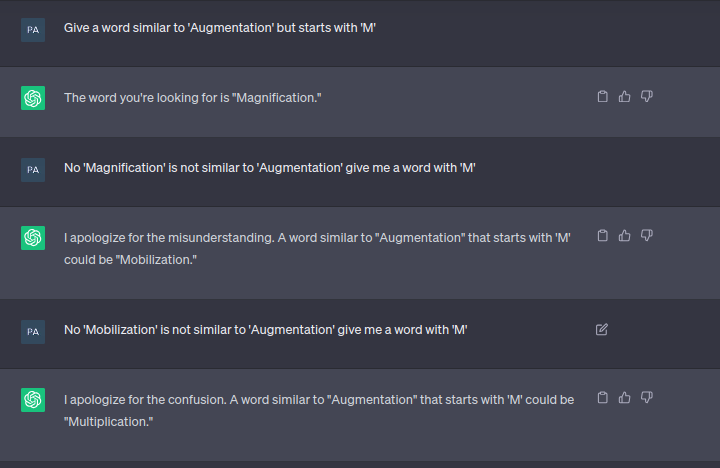
Real-World Example of an AI Hallucination
AI hallucinations can affect various real-world applications where accuracy is critical. Some common examples include:
1. Misinformation in News Generation
AI-powered news summarization or content generation tools may produce articles containing unverified facts or fabricated information, leading to the spread of misinformation during important events.
2. Hallucinated Medical Information
- Healthcare chatbots or medical assistants may generate incorrect explanations, invent symptoms or provide unsupported treatment suggestions.
- If these responses are trusted without verification, they can influence medical decisions.
3. Fabricated Legal References
- Large language models have been known to generate court cases or legal citations that do not actually exist.
- Relying on such fabricated references can create serious legal and professional consequences.
4. Incorrect Research Citations
- AI writing assistants may generate references to books, research papers or authors that appear genuine but were never published.
- Users should always verify AI-generated citations before using them in academic or professional work.
Causes of AI Hallucinations
AI hallucinations occur for several reasons, including limitations in the training data, model architecture and user input.
1. Poor-Quality Training Data
- AI models learn patterns from the data they are trained on.
- If the training data contains incorrect information, biased examples, noisy labels or inconsistencies, the model may reproduce these errors while generating responses.
2. Outdated Knowledge
- Many AI models are trained on data collected up to a specific point in time.
- As a result, they may not be aware of recent events, new discoveries or updated regulations, causing them to generate outdated or inaccurate information.
3. Lack of Context
- AI models depend heavily on the information provided in the prompt.
- Ambiguous, incomplete or contradictory instructions can cause the model to make incorrect assumptions and generate fabricated responses.
4. Lack of External Verification
- Traditional language models generate responses using patterns learned during training rather than verifying information from trusted sources.
- Without external knowledge retrieval or fact-checking mechanisms, the likelihood of hallucinations increases.
Impact of AI Hallucinations
Hallucinations can have serious consequences depending on where AI systems are used.
- Medical Errors: Incorrect medical advice or fabricated health information can contribute to misdiagnosis, delayed treatment or inappropriate medical recommendations if users rely solely on AI-generated responses.
- Financial Risks: Hallucinated financial information or inaccurate market analysis can lead to poor investment decisions, incorrect business planning and financial losses.
- Legal Consequences: Fabricated legal citations or incorrect interpretations of regulations may affect legal research and decision-making, potentially leading to serious professional consequences.
- Spread of Misinformation: When AI systems generate false information that appears credible, it can spread quickly across social media, news platforms and online discussions, reducing public trust in AI-generated content
Detection
Detecting AI hallucinations can be challenging because the generated responses often appear convincing. Unlike obvious errors, hallucinated content is usually presented confidently, making it difficult for users to recognize inaccuracies.
- One of the most effective ways to detect hallucinations is to verify important information using trusted sources such as official websites, research papers or government publications.
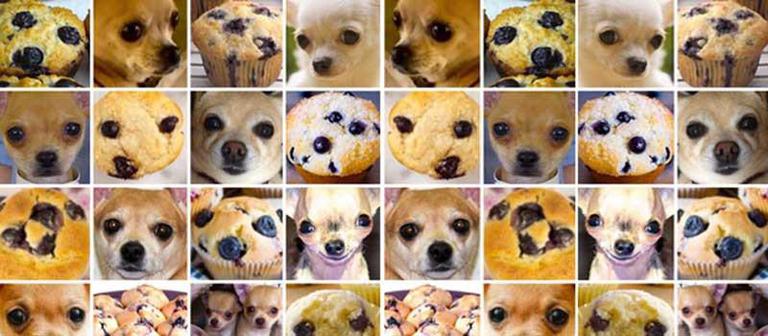
- In computer vision, hallucinations may occur when an AI model identifies or describes objects that are not actually present in an image.
- These errors often arise due to limitations in the training data or the model's understanding of visual patterns.
- Human review, automated fact-checking systems and retrieval-based verification techniques are commonly used to identify hallucinated outputs before they reach end users.
Prevention
Although AI hallucinations cannot be eliminated completely, they can be significantly reduced by following good development and prompting practices.
- Provide clear prompts: Write specific and unambiguous instructions so the model clearly understands the required task.
- Include sufficient context: Supplying relevant background information helps the model generate more accurate responses.
- Restrict the output format: Limiting responses to formats such as lists, tables or yes/no answers can reduce unnecessary or fabricated content.
- Use Retrieval-Augmented Generation (RAG): Retrieving information from trusted external sources allows the model to generate responses based on current and verified information.
- Verify critical information: Important outputs should always be cross-checked with reliable references before being used in healthcare, finance, education or legal applications.
- Keep models updated: Regularly updating training data and knowledge sources helps reduce errors caused by outdated information.
- Human oversight: Human review remains essential for high-risk applications where incorrect information can have serious consequences.
