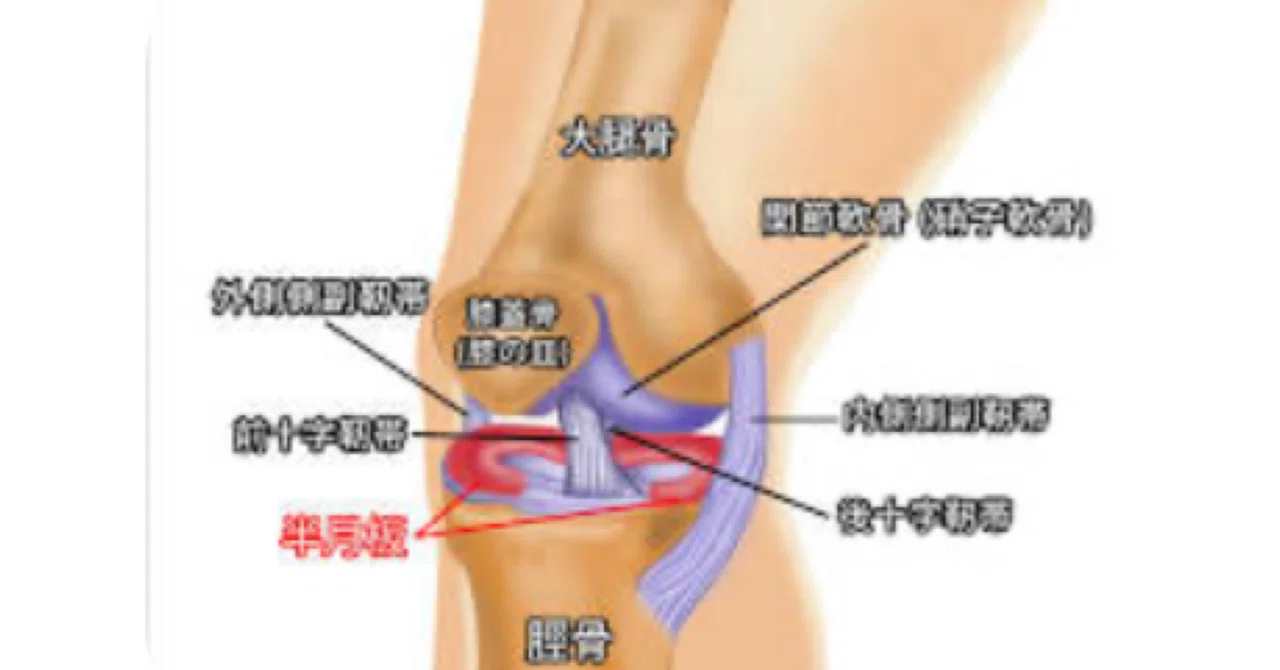
A Conversation with My Roommate Made Me Think About My Own Meniscus September 17, 2026 (Thursday) - Reiwa8 - Day 21 of Hospitalization

Today is my 21st day in the hospital.
Even though we spend every day in the same room, there are surprisingly few opportunities to have a long conversation with a roommate. Yesterday, I happened to have some time to talk with one of the women in my room, and I learned that she was born and raised in Matsuyama and has been a mikan orange farmer.
She is 63 and will soon turn 64. She has two children. Her eldest son used to work for the agricultural cooperative, but he eventually left his job to take over the family business and continue caring for the mikan orchards.
She said that she had lived her life with the feeling that because there was a mikan orchard, growing mikan oranges was simply what their family did.
That way of life stayed with me.
Of course, farming must involve many difficulties. Even so, there is something meaningful about inheriting the land where one was born and raised, having a child take over the work, and continuing to care for that place.
Farming is a way of life in which the land and people's daily lives are directly connected. Protecting a mikan orchard may also mean protecting the way of life connected to that land.
Her husband has also had surgery at the Japanese Red Cross Hospital after tearing a rotator cuff in his shoulder, and he is now going through rehabilitation. Since I myself fractured my shoulder, underwent surgery, and am currently in rehabilitation, we had another point in common.
Then our conversation turned to knees.
She told me that she had problems with the menisci in both knees and had undergone an osteotomy around the knees. Even after that, her right knee continued to hurt, and eventually she underwent a total hip replacement. She has also been told that she may eventually need surgery on the other side.
Listening to her, I wondered whether a meniscus problem could lead to an osteotomy and then eventually to a total hip replacement.
After looking into it, I learned that an osteotomy is not an operation in which the meniscus itself is cut. There are procedures called knee osteotomies, in which the angle of the bones around the knee is adjusted to change the distribution of weight on the joint.
A total hip replacement is a different procedure for problems involving the hip joint. A meniscus injury does not automatically lead to a total hip replacement.
As I listened to her story, I suddenly remembered my own right knee.
My right knee had been hurting since I was doing breaststroke about two years ago. At the time, I even continued swimming with a waterproof knee support.
I had been aware of the pain for quite some time, but after fracturing my shoulder and undergoing surgery, I became so focused on my arm and its rehabilitation that I put my knee aside.
Then, at Dogo Onsen Hospital, I had an MRI. The X-ray had not shown the problem, but the MRI showed a small tear in the meniscus. I was also told that there might be some fluid in the knee.
For now, I have been advised to strengthen the muscles around the knee with exercises such as raising one leg.
I had always thought of the meniscus simply as a kind of cushion inside the knee. But once I learned that I had a small tear myself, I became interested in what the meniscus actually does inside the knee and how I should live with this problem from now on.
The pain does not occur only when I kneel in the traditional Japanese seiza position.
It also happens in ordinary daily activities. For example, when I bend my knees deeply to take something from a low shelf, my right knee hurts. I have gradually started to move my body differently so that I do not have to bend my right knee as deeply.
I would like to be free from this limitation if possible.
Will strengthening the surrounding muscles make the pain better? Are there other treatments? Am I at the stage where surgery should be considered?
I do not know yet.
On September 24, I will return to the Japanese Red Cross Hospital for my three-month postoperative checkup for my shoulder. I think I will also ask the doctor about my right knee.
I already have an MRI from Dogo Onsen Hospital, but communication between hospitals has not always been smooth, and there is a possibility that the Red Cross Hospital may want to perform another MRI. An MRI is also expensive, so I do not want to have another one simply because my knee hurts. I would like to ask what the MRI would clarify and how the result would change my treatment before deciding whether to have it.
I also want to ask what options there are besides surgery and what kind of rehabilitation would be appropriate if I do not have surgery.
Until now, I had been thinking almost entirely about my injured arm.
But a casual conversation with my roommate made me think about her life, the life of a mikan farmer, and the surgery she had undergone. That conversation eventually led me back to my own right knee.
Day 21 of hospitalization.
In a hospital, it may seem as though we are focused only on our own illnesses. Yet sometimes a casual conversation allows us to glimpse another person's life.
And by listening to someone else's story, we may suddenly notice something about ourselves that we had forgotten.
Today was the day when, after thinking almost entirely about my arm, I stopped and thought:
"What am I going to do about my own meniscus from here?"
The story of someone caring for a mikan orchard and the story of my own small meniscus tear may seem completely unrelated.
But perhaps both are connected by the same question:
How can we continue living our lives and caring for what matters to us?
#Day21ofHospitalization
#DogoOnsenHospital
#Rehabilitation
#Meniscus
#RightKneePain
#KneeMRI
#Breaststroke
#LivingWithKneePain
#KneeOsteotomy
#MikanFarmer
#LifeInMatsuyama
#ConversationsWithARoommate
#UnexpectedEncounters
#ThinkingAboutLife
#September172026
