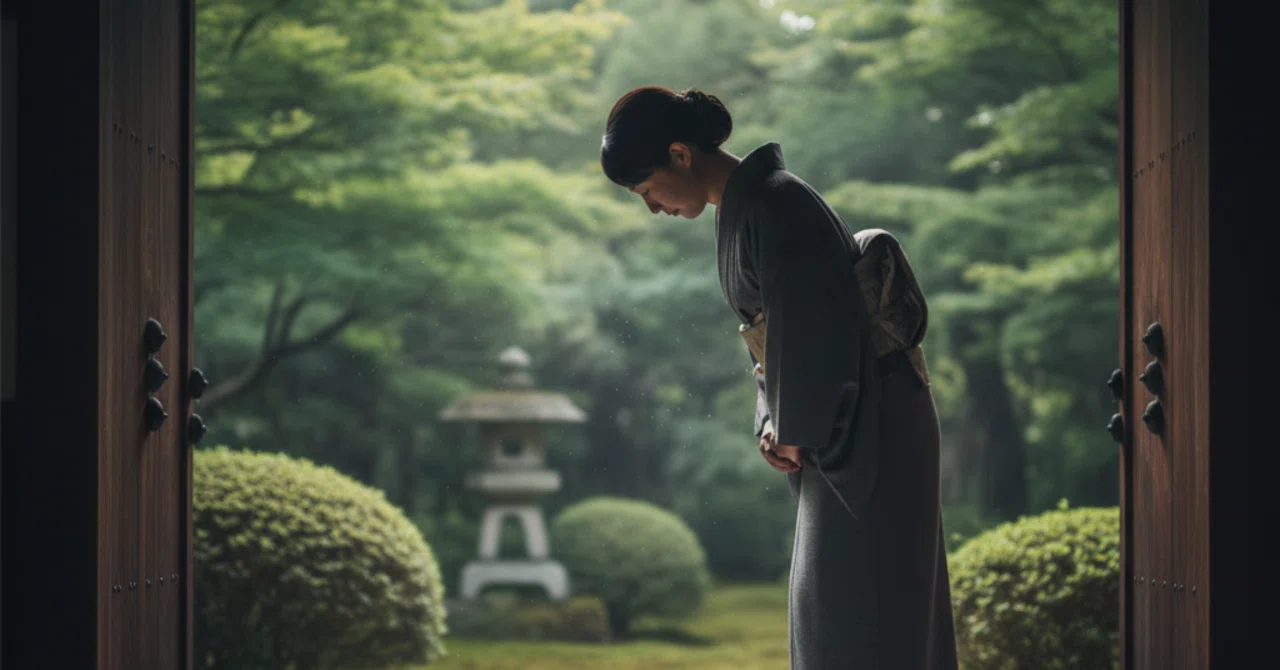
The Art of Japanese Shosa (所作)

10 Rituals to Turn Your Japan Trip into a Meditative Experience
Welcome to a journey of silence and mindfulness. In Japan, beauty is found not only in what we see but in how we move. We call this “Shosa” (所作). By refining your movements, you quiet your mind and honor the space around you.
Here is your essential guide to mastering the art of Japanese stillness.
1. The Bow (お辞儀)
The choreography of respect. A bow is a silent conversation. It’s not just about lowering your head; it’s about acknowledging the presence of another soul.
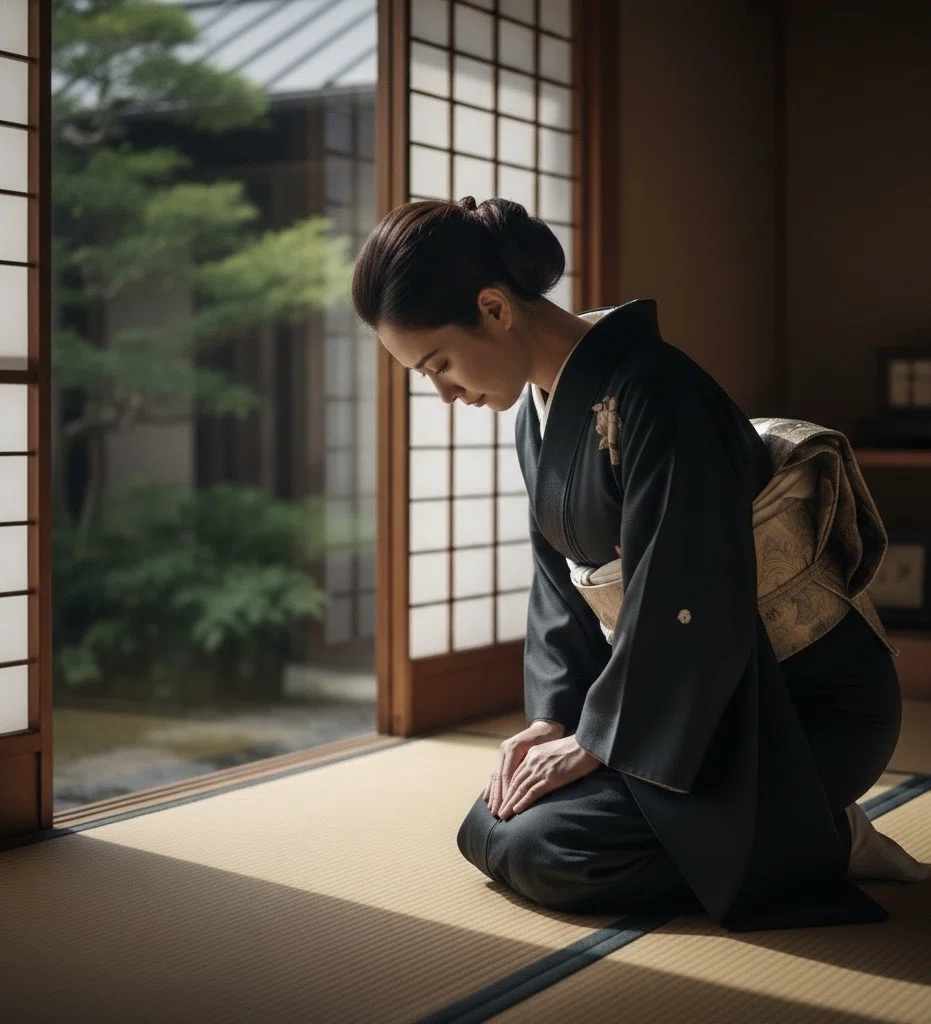
The Ritual: Keep your back straight, slide your hands to your thighs, and lower your gaze.
Useful Tip: Stay at the lowest point for a heartbeat. The beauty lies in the pause before you rise.
2. Walking on Tatami (畳の歩き方)
Dancing with shadows. Tatami borders (縁) often carry family crests or delicate silk. Stepping on them is like stepping on history.
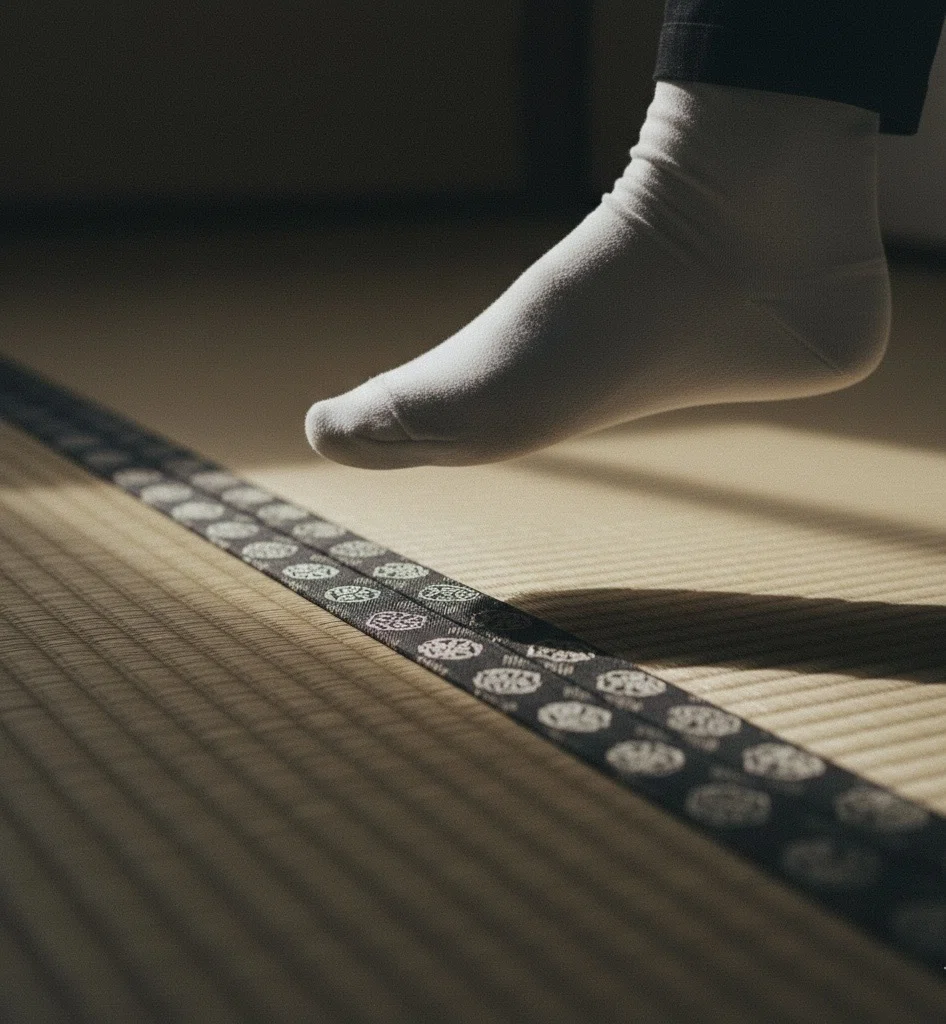
The Ritual: Walk with slightly sliding steps (Suri-ashi).
Useful Tip: Observe the borders. Navigate around them like a quiet stream flowing through stones.
3. Giving & Receiving (物の受け渡し)
Hands that speak sincerity. In the West, we often give with one hand. In Japan, we use both. Why? Because it shows that the object—and the person—is important.
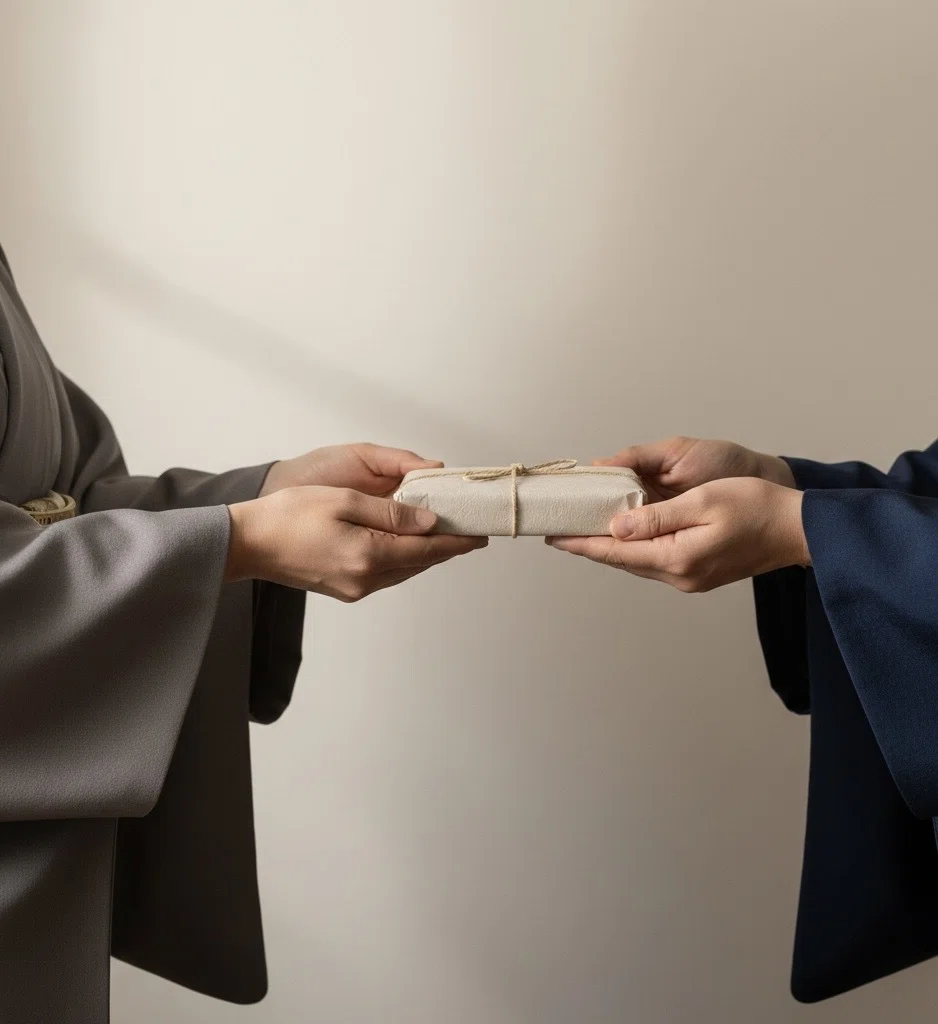
The Ritual: Present the object with both hands, turning it so the "front" (the most beautiful side) faces the recipient.
Useful Tip: When paying at a shop or ryokan, use the small tray provided (Tray) with both hands. It is the height of elegance.
4. Handling the Teacup (茶碗の扱い)
Humility in your palms. When served tea, the cup is presented with its most beautiful side facing you. To show humility, we avoid drinking from that "front."
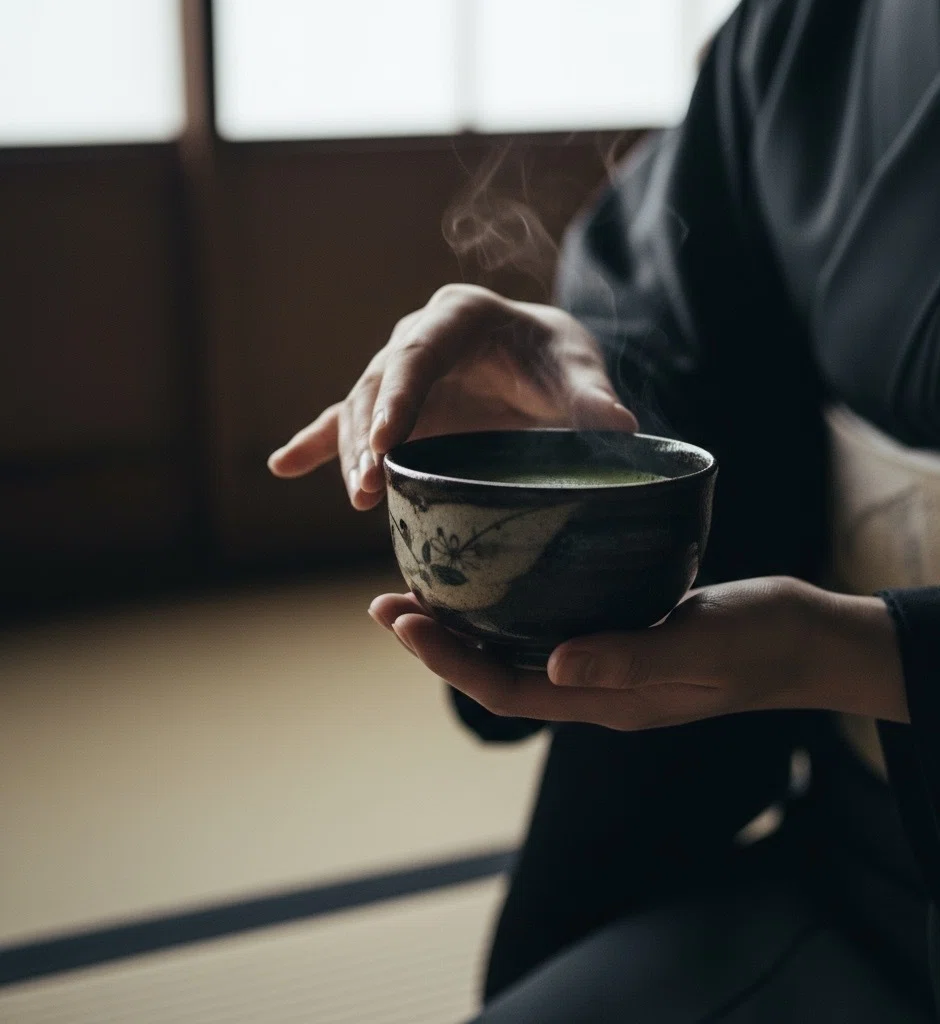
The Ritual: Hold the cup with your right hand, support it with your left, and rotate it clockwise twice.
Useful Tip: This small rotation says, "I am not worthy of such beauty." It is a profound gesture of modesty.
5. Sliding Doors (襖・障子の開け閉め)
The sound of silence. Japanese architecture is a paper-thin world. Every sound echoes.
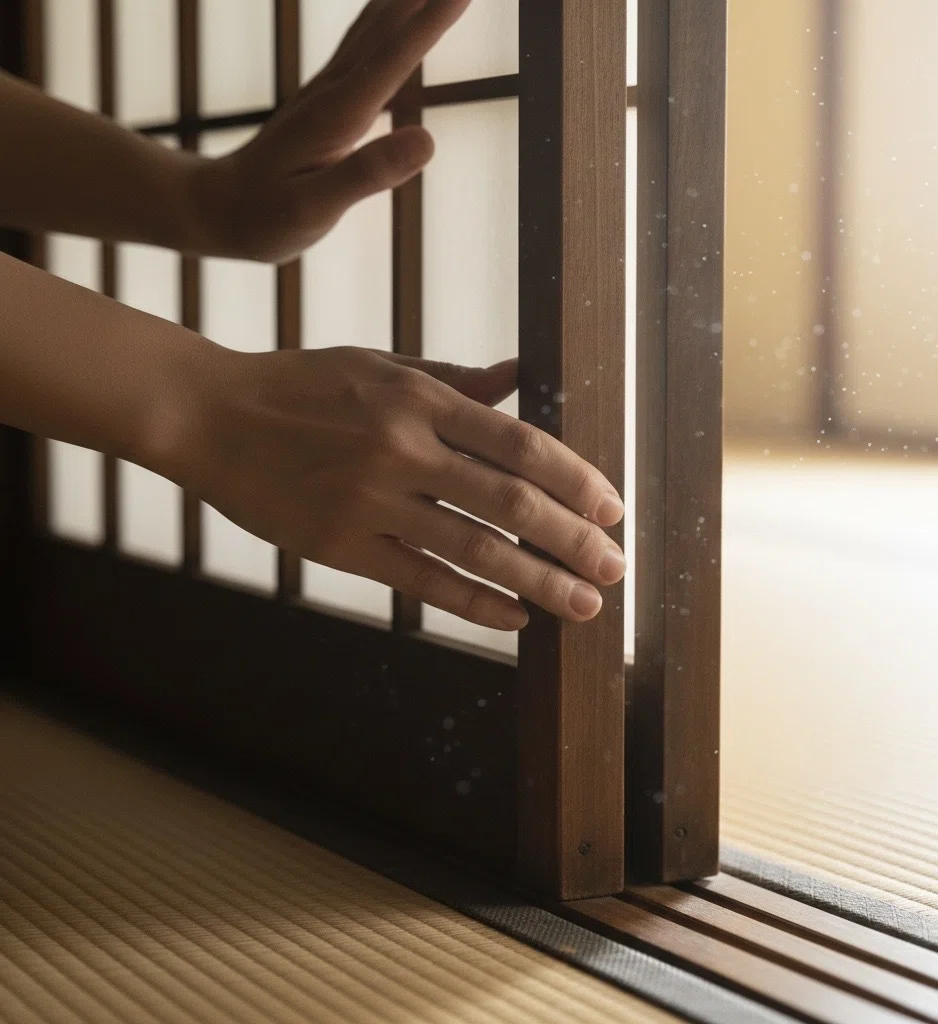
The Ritual: Do not let the door "clack." Slow down as you reach the frame.
Useful Tip: Guide the door with your fingertips until the very last centimeter. The goal is a silent closure that leaves the air undisturbed.
6. Fukusa Sabaki (道具を清める)
Purifying the inner self. In tea ceremonies, we fold a silk cloth (Fukusa) to wipe the tools.
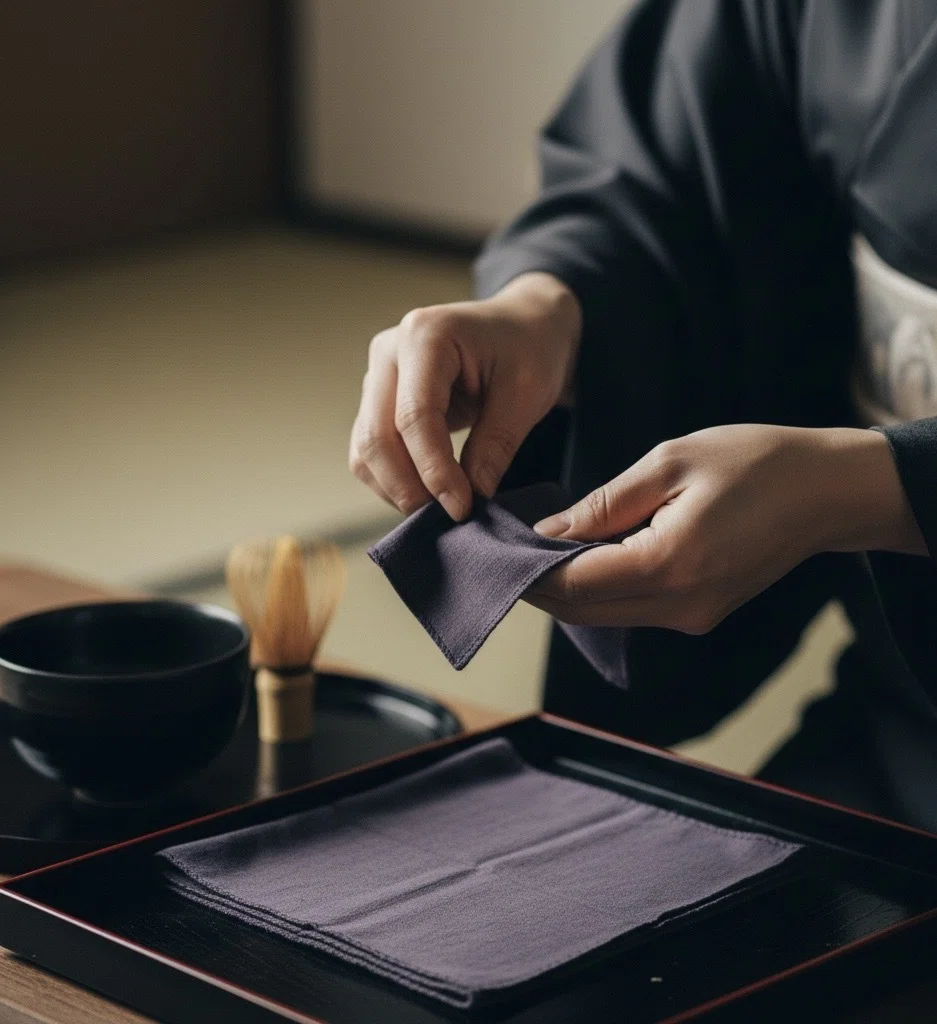
The Ritual: Rhythmic, deliberate folding.
Useful Tip: Apply this to your life. When you organize your luggage or fold your kimono, do it with focus. Tidiness is a form of prayer.
7. Shodo:Ink Grinding (墨を擦る)
The scent of meditation. Before a single character is written, there is the grinding of ink.
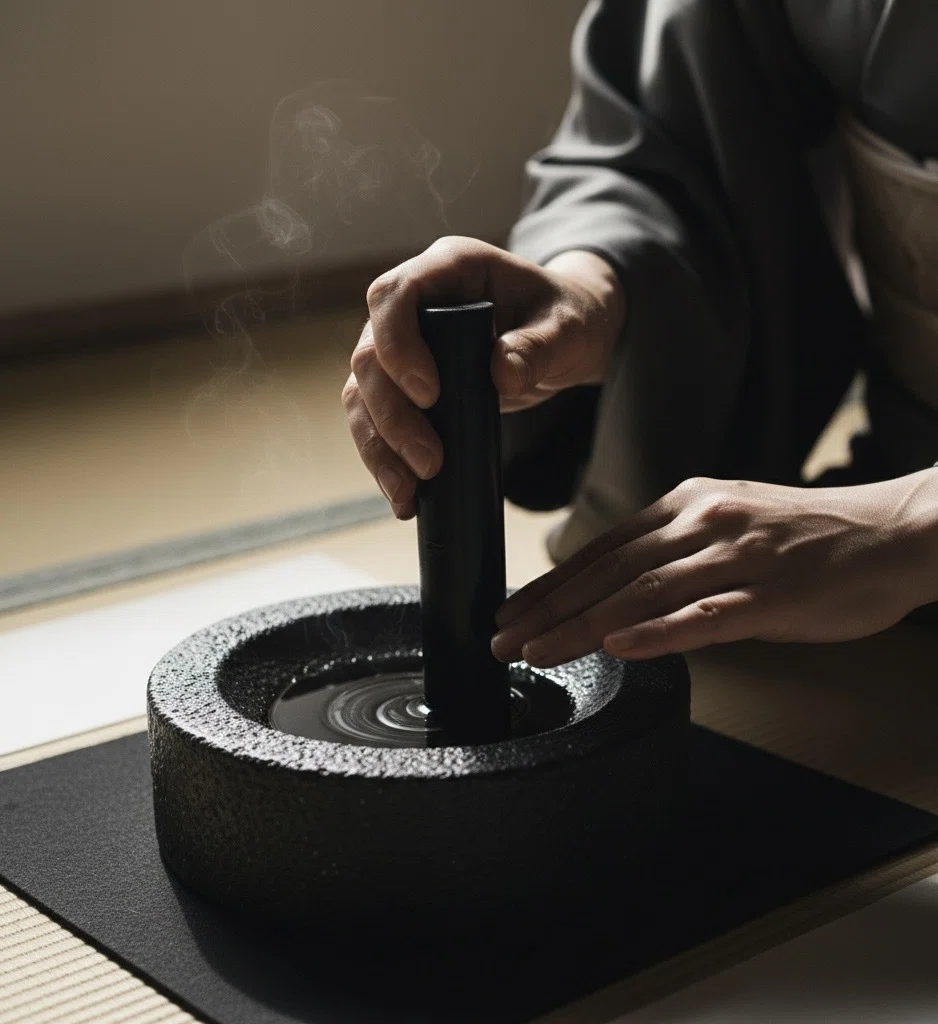
The Ritual: Circular movements on the stone (Suzuri).
Useful Tip: Close your eyes and breathe in the earthy scent of the ink. This is the moment you leave the outside world behind.
8. Kodo: Listening to Incense (香道)
The invisible art. We don't "smell" incense; we "listen" to it (Mon-ko).
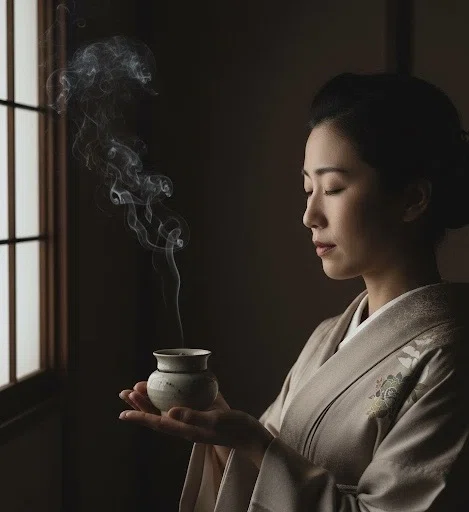
The Ritual: Cup your hand over the incense burner and bring it to your heart.
Useful Tip: Don't try to identify the scent. Just feel how it changes the temperature of your soul.
9. Ikebana: The Space Between (花道)
Less is more. A single flower can express the entire universe if placed with intention.
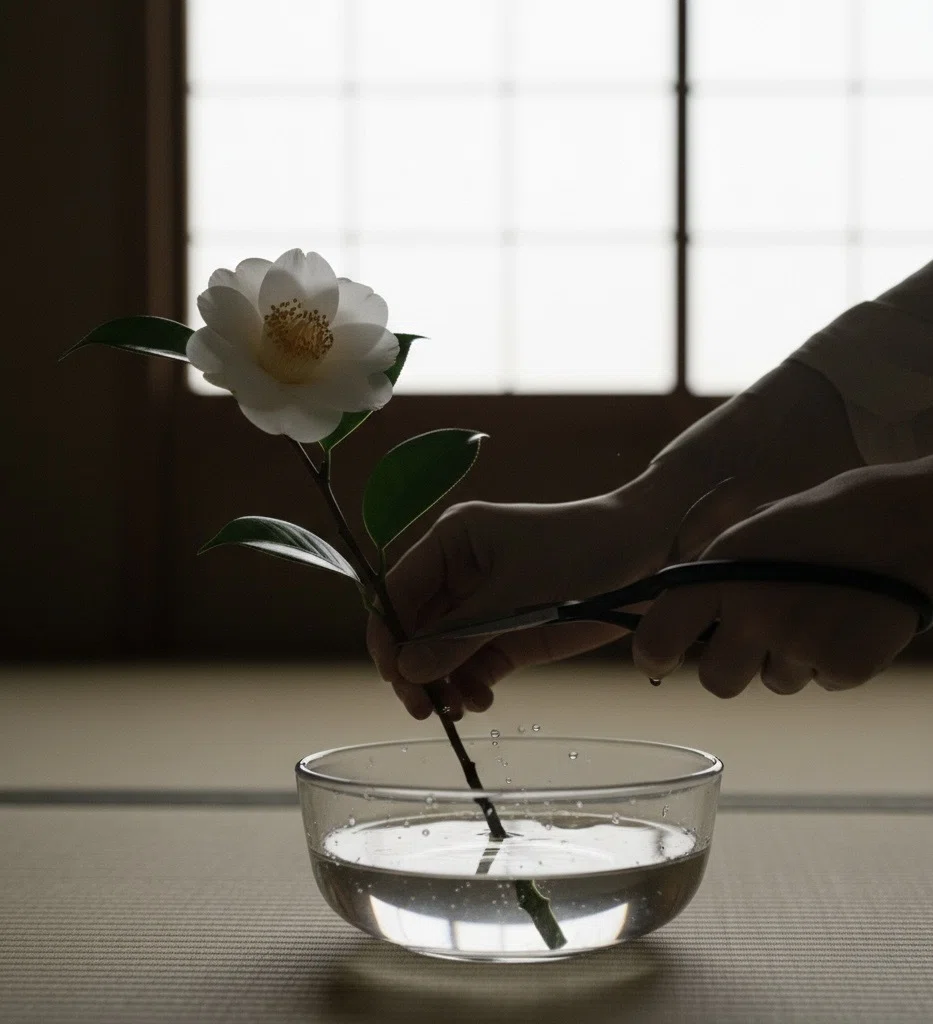
The Ritual: Cutting stems under water and choosing the "face" of the flower.
Useful Tip: In your travel photos, look for the "Ma" (negative space). Sometimes what is not there is more beautiful than what is.
10. Chopstick Etiquette (箸の置き方)
The bridge to the divine. Chopsticks are the bridge between the human and the spiritual world.
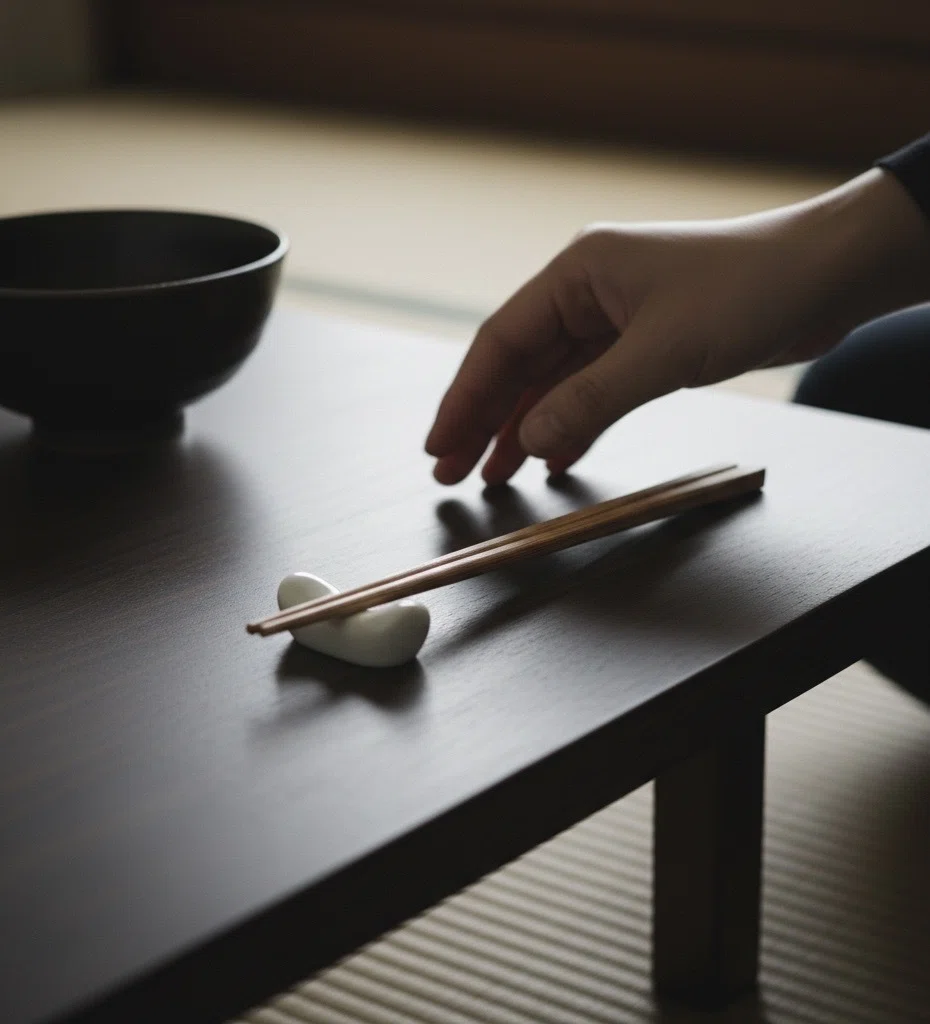
The Ritual: Rest them horizontally on the Hashi-oki (rest).
Useful Tip: Never point with your chopsticks or leave them standing in rice. Treat them as an extension of your fingers—gentle and precise.
Embrace the "Ma" (間)
"Shosa" is not about being perfect; it is about being present. Next time you are in a Zen garden or a quiet Ryokan, try just one of these rituals. You will find that Japan opens up to you in a way you never imagined.
Invitation to the Sanctuary
Experience the Art of Stillness.
The "Shosa" we have explored is not meant to be practiced in a vacuum. It comes to life when you are surrounded by the creak of old cedar, the scent of fresh tatami, and the gentle light filtered through shoji screens.
We invite you to practice these rituals at the finest sanctuaries in Japan—where every corner is designed for your mindfulness.
Why we recommend this: To truly master the silence of your heart, you need a space that honors that silence. Find your own sanctuary and let the spirit of Japan transform you.
SHIRO+ | The Art of Shosa
