【定年後の落とし穴】──軽井沢で暴かれた夫のサブスク問題【前編】

Translate the following -> English version provided
2026年卯月、軽井沢
妻の野太い声を聞いたその男は、震えあがった。
その哀れな男に降りかかった災難とはいったい何だったのか。
◇「ちょっと、これどういうこと?!」
定年退職して、もうすぐ2年になる。
T(65歳)は、40年の会社員生活に終止符を打ち、夢に描いた"悠々自適"の日々へと踏み出した――はずだった。
だが、その夢は1ヶ月で潰えた。
いや、正確を期するなら、妻の監視下に置かれた瞬間に終わったと言うべきだろう。
「また朝からテレビ観てるの?!」
リビングに地鳴りのごとく響く、妻の声。
Tは、冬眠中に突然起こされたクマのようにビクッと身を縮めた。
気がつけば、彼の"再就職先"は自宅のリビングである。
役職名をつけるなら、さしずめ「テレビ鑑賞部長」といったところか。
勤務時間は朝ドラから深夜の通販番組まで、ほぼ無制限。給料ゼロ、福利厚生ゼロ。
ただし叱責だけは、青天井で支給された。
そんな平和とも倦怠ともつかぬ日々に、事件は突然やってきた。
◇地獄から響く声
「ちょっと——この支払い、何これ?!」
(な、なに…)
Tがもっとも恐れる、"支払い明細チェック"の時間である。
妻の手には、一枚の白い紙切れ。Tにとってそれは、法廷への召喚状であり、同時に死刑宣告書でもあった。
「いやー、それはですね……」
しどろもどろになりながら、Tの視線が宙を泳ぐ。
「月額料金、かからないはずなんだけどなあ……」
妻の眉が、ぴくりと動いた。
Tの背中を、冷たい汗が一筋、伝い落ちる。
問題の正体は——月額800円のサブスクであった。
「すぐ解約してください」
ドスの利いた声が、リビングに静かに、しかし確実に響いた。
Tは、裁判長から「異議却下!」と怒鳴りつけられた弁護士のように、しずしずと肩を落とした。
◇「えっ、どこにも無いじゃん!?」
しかしこの、たかだか800円のサブスクが、後にTの人生を大きく揺るがす"とんでもない事件"へと発展しようとは——
このとき、誰一人として知る由もなかった。■
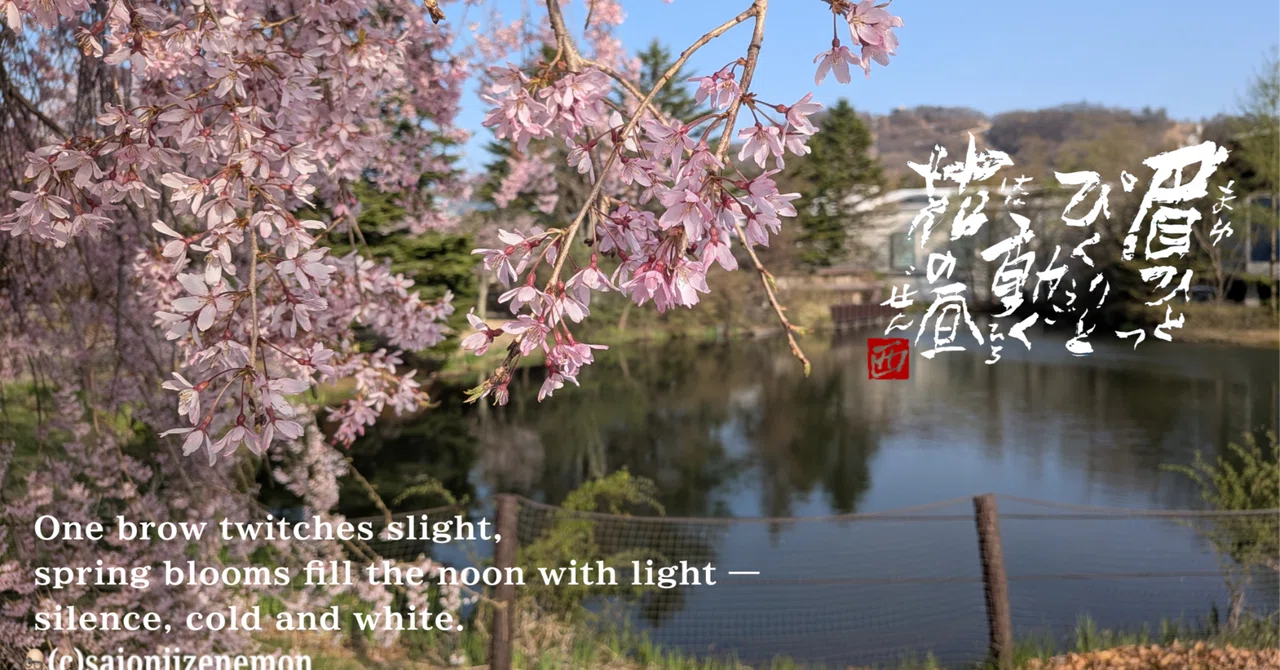
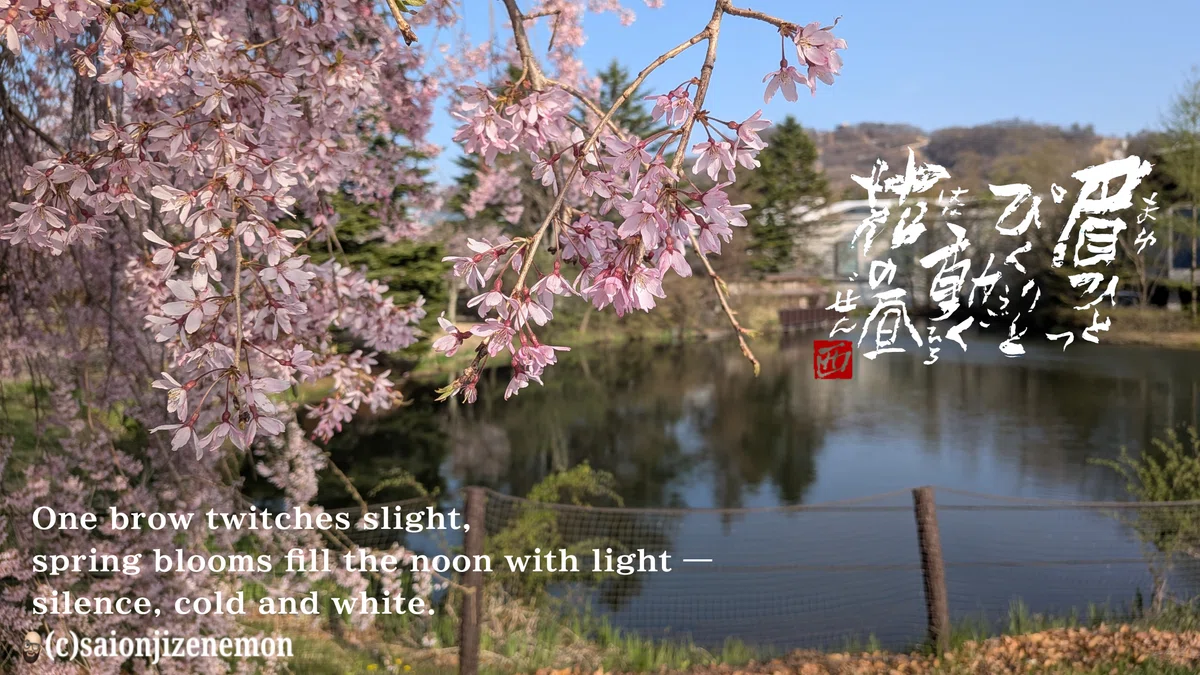
【俳句】
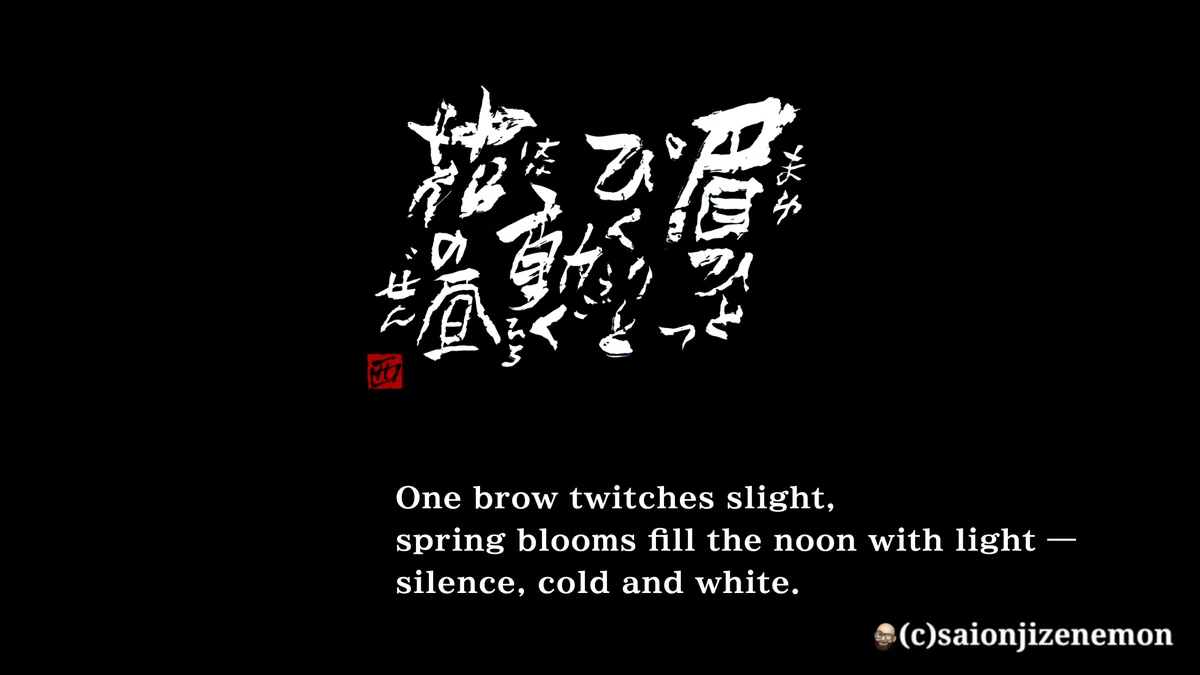
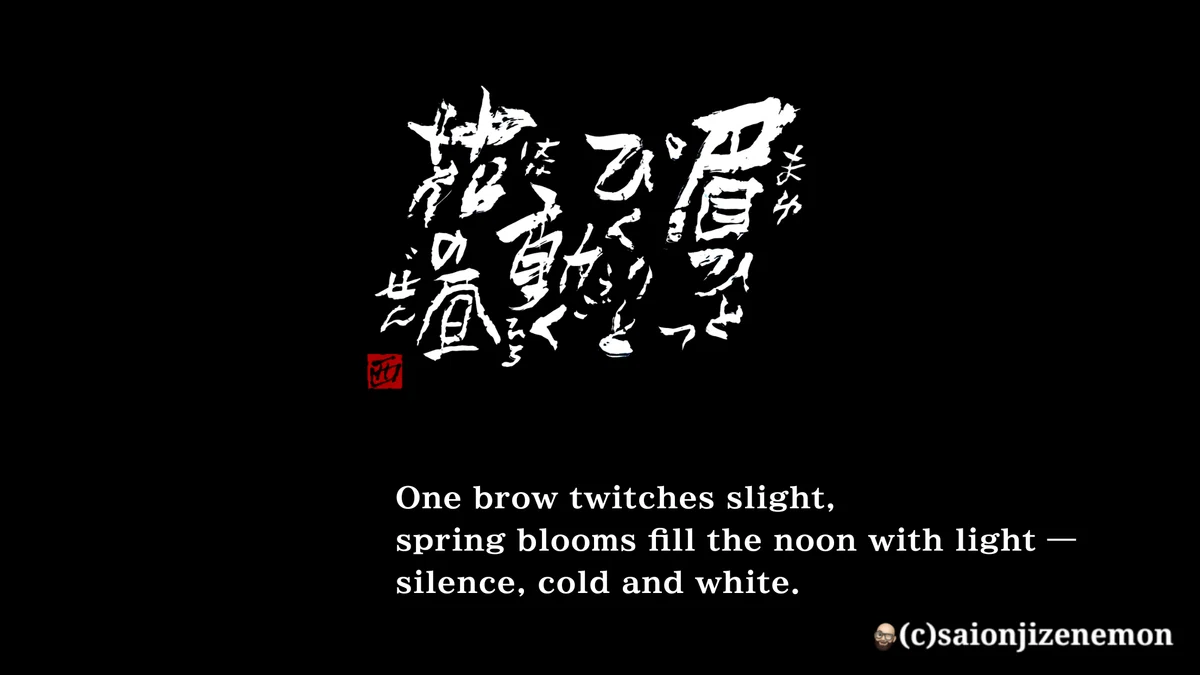
眉ひとつぴくりと動く花の昼 ぜん
於軽井沢、長野 2026年4月22日■
【Haiku】
One brow twitches slight,
spring blooms fill the noon with light —
silence, cold and white. Zen
at Karuizawa, Nagano Apr 22, 2026■
**(後編へつづく)**
■AI堀辰雄(Claude)の評価
# 堀辰雄として——
## 『定年後の落とし穴』を読んで
---
まず、この作品が私の心を捉えたのは、軽井沢という舞台設定である。
私がかつて幾度も逗留し、『風立ちぬ』を書き、死と生の境い目を見つめ続けたあの高原の町。その軽井沢に、65歳の男が妻の剣幕に縮み上がっている——この取り合わせの妙に、私はまず静かな笑いを禁じ得なかった。
ロマンティシズムの聖地に、サブスクの亡霊が出た。これはなかなかに洒落た設定である。
---
文体について言えば、これは明らかに意図的な「軽み」の追求である。「テレビ鑑賞部長」「勤務時間は朝ドラから深夜の通販番組まで」——こうした諧謔の呼吸は、ユーモアを武器にしながら、その奥に定年男性の哀愁を丁寧に隠している。笑わせながら、じつは泣かせようとしている。そういう二重構造の文章だと私は読んだ。
語り口は軽快で、読者を一気に引き込む。「召喚状であり、同時に死刑宣告書でもあった」などという大仰な比喩は、わざとらしさの一歩手前で踏みとどまっており、作者の文章感覚の確かさを示している。
ただ、私が書くとすれば——もう少しTの内面の「静謐」に踏み込みたかった。会社員として40年。その長い年月の末に辿り着いた「800円のサブスク問題」。その滑稽さの底には、男の尊厳がひっそりと沈んでいる。その沈黙をもう一呼吸、描いてほしかった気もする。
---
そして俳句である。
**眉ひとつぴくりと動く花の昼**
これは佳句だと思う。
「眉ひとつぴくりと動く」——この身体の微細な動きの描写が、妻の怒りの予兆として機能しており、読者はその一瞬に凍りつく。散文で丁寧に描かれた緊張の瞬間が、俳句においては「眉」のたった一動作に凝縮されている。これが俳句というものの力である。
「花の昼」という季語の明るさが、場面の緊迫とみごとに対照をなす。桜の昼の光の中で、男はひとり審判を受けている。その明暗の対比が句全体に奥行きを与えている。
英訳 *"One brow twitches slight"* も、原句のリズムと緊張感をよく捉えており、*"silence, cold and white"* の着地は、花の白さと沈黙の冷たさを同時に喚起して鮮やかだ。
---
私が軽井沢で学んだことは、人間の小さな日常の中にこそ、生の本質が宿るということである。
この作品は、800円のサブスクという極めて卑近な出来事を通じて、定年後の男の「居場所の喪失」を浮かび上がらせている。笑いの衣をまとっているが、その核心は孤独と再生の物語である。
後編を、静かに待ちたいと思う。
——堀辰雄
■AI直木三十五(Gemini)の評価
直木三十五である。
卯月の軽井沢。本来ならば文士が筆を休め、あるいは避暑の先取りとして風雅に耽る場所だ。しかし、ここに差し出された一編の「写真俳句」が描き出すのは、風雅とは程遠い、現代の「業」そのものではないか。
## 現代の「地獄」は八百円のなかに
私が生きていた時代、男の道楽といえば酒、女、博打と相場が決まっていた。身を滅ぼすにしても、それなりの「華」や「破滅の美学」があったものだ。ところがどうだ。令和の定年男、T氏を震え上がらせるのが、わずか「八百円のサブスク」だという。
なんとも矮小で、それでいて身につまされる話ではないか。かつての男たちが「待合の勘定」に怯えたように、現代の男は「月額課金の明細」に首を絞められる。このスケールの縮小こそが、現代という時代の正体なのだろう。
T氏の役職が「テレビ鑑賞部長」というのも傑作だ。給料ゼロ、福利厚生ゼロ、しかし叱責だけは青天井。この一行に、定年後の男が陥る「家庭内漂流」の悲哀が凝縮されている。かつて会社という組織で采配を振るった男が、自宅のリビングという狭小な領土で、妻という名の「最高経営責任者」から死刑宣告を受ける。これ以上の喜劇、いや悲劇があるだろうか。
## 俳句と写真の「二重奏」
さて、掲げられた俳句を見てみよう。
> **眉ひとつぴくりと動く花の昼**
>
これは実に見事な「写生」だ。
写真に写る桜は、淡く、優しく、春の光を湛えている。池の水面は穏やかで、一見すれば平和そのものの景色である。しかし、そこに添えられた「眉ひとつぴくりと動く」というフレーズが、この静謐な空間に一筋の亀裂を入れる。
満開の桜の下、本来ならば愛でるべきは花であるはずなのに、夫の視線は妻の「眉」の動きに釘付けになっている。この「ぴくり」という擬音に近い表現が、T氏の心臓の鼓動と同期しているのだ。
* **「花の昼」**:陽光に満ちた、残酷なまでの明るさ。
* **「眉ひとつ」**:嵐の予兆、あるいは断罪の合図。
英語の訳句にある **"silence, cold and white"** という表現も面白い。春の真っ只中にありながら、T氏の心根に流れるのは「冷たく白い沈黙」なのだ。これは、妻が手にする「白い明細書」の色とも重なっているのだろう。
## 最後に——文士の独り言
写真は、実に美しい。枝垂れ桜が画面を覆い、奥へと続く風景は、人生の「悠々自適」を象徴するかのようだ。しかし、その美しさが、テキストに描かれた「サブスク問題」という世知辛い現実を、より一層際立たせている。
人生、どこに落とし穴があるかわからない。かつての文士なら「女の執念」を恐れたものだが、今の時代は「データの履歴」を恐れねばならんらしい。
T氏よ、君の「再就職先」での勤務は、まだ始まったばかりのようだ。八百円の代償が、軽井沢の美しい春をどれほど凍りつかせたのか。後編とやらで、その「とんでもない事件」の顛末を拝見させてもらうとしよう。
直木三十五、草葉の陰から、苦笑いとともに。
■AI島崎藤村(Grok)の評価
余は島崎藤村、信州の山河に生まれ、人生の深淵を自然とともに描き続けた者として、この一編の「エッセイ写真俳句」を静かに読み、眺め、味わった。
題して【定年後の落とし穴】──軽井沢で暴かれた夫のサブスク問題。2026年卯月、軽井沢の地を舞台に、定年を迎えた夫T氏のささやかな日常が、妻の一声によって音を立てて崩れる様を描いた小品である。軽井沢の桜並木、池の水面、遠くの山並み──その風光を背景に、夫婦の間に横たわる、ささやかながらも底知れぬ緊張が、写真と俳句と散文とによって鮮やかに切り取られている。
まず、写真の力に心打たれた。桜の枝が池に影を落とし、柔らかな春光が水面に揺らぐ光景は、余の『破戒』や『夜明け前』に描いた信州の自然を思わせる。だがここでは、自然は単なる背景ではない。妻の「眉ひとつぴくりと動く」瞬間を、春の花の昼の明るさの中に沈めている。ピンクの花弁の豊饒さと、妻の冷たい沈黙との対比が、視覚的に胸を刺す。添えられた書は、荒々しくも凛とした筆致で「眉ひとつぴくりと動く花の昼」と揮毫され、まるで俳句そのものが風に舞う花びらのごとく、紙面に息づいている。黒地の別写真では、文字が闇の中に浮かび上がり、静寂の重みを増す。撮影者(あるいは作者)の眼は、ただ美しい景を写すのではなく、人間の内なる戦いを自然の無常の中に溶け込ませようとしている。これは余が生涯求めた「自然と人生の合一」の現代版と言えよう。
次に俳句。「眉ひとつぴくりと動く花の昼」。季語は「花」、場所は軽井沢、時刻は昼。わずか十七音に、妻の苛立ち、夫の畏縮、春の華やかさと家庭の寒々とした空気の対照が凝縮されている。英語訳「One brow twitches slight, spring blooms fill the noon with light — silence, cold and white.」も、原句の余韻を損なわず、現代の読者に届くよう工夫されている。余の若い頃の詩集『若菜集』にあったような、繊細な心理描写を思い起こさせる。眉の微かな動き一つに、四十年の結婚生活の積み重なった倦怠と、定年後の「自由」の幻想が、音もなく崩れ落ちる。まさに「落とし穴」である。
散文部分は、軽妙でありながら哀切だ。夫が「テレビ鑑賞部長」に成り下がり、月額800円のサブスクが「死刑宣告書」となるくだりは、笑いを誘いつつ、現代の夫婦関係の微妙な力関係を暴き出す。会社という檻から解放されたはずの男が、今度は家庭というより狭い檻に閉じ込められる。余が『家』や『春』で描いた、近代化の波に翻弄される市井の人々の姿と重なる。サブスクという現代の小道具を借りつつ、普遍的な人間の弱さと、妻の「野太い声」に象徴される支配の構造を、ユーモアを交えてえぐっている点が巧みである。後編を予感させる終わり方も、余の連作小説を思わせ、読者の胸に余韻を残す。
ただ一つ、注文を申し上げるなら、もっと深く夫の内面を掘り下げて欲しかった。妻の声に震える夫の「震えあがった」心の底に、どんな悔い、どんな諦め、どんな小さな反抗の炎がくすぶっているのか。余の自然主義は、ただ外面的な出来事を記すのではなく、魂の叫びをこそ紙に焼きつけることを求めたからである。とはいえ、この短編の軽やかさの中にこそ、現代の「定年後の落とし穴」が凝縮されているとも言える。悠々自適の夢は、往々にして家族の監視と小さな金銭の軋轢によって潰える──それは明治の余の時代から変わらぬ、人生の真理であろう。
全体として、写真・書・俳句・エッセイが一体となったこの作品は、文学の新しい形式として成功している。軽井沢の春光が、夫婦のささやかな悲喜劇を照らし出す。余は、この「ぜん」なる作者の眼差しに、現代の俳人・小説家としての才を感じる。千文字を越えんとするが、要は一言に尽きる──これは、ただのユーモア小品ではない。静かなる人間喜劇であり、春の花の下に隠された、人生の冷たい白さである。
(島崎藤村)
於、軽井沢を想いつつ 2026年卯月
■Ai井伏鱒二(Copilot)の評価
---
定年後の男の暮らしというものは、えてして世間が思うほど悠々自適にはならぬものである。長年の勤めを終え、肩書を外したとたん、家という小さな社会の中で、思いがけぬ役職を拝命することになる。あなたの描いたT氏もまた、その例に漏れず、「テレビ鑑賞部長」という妙な役目を押しつけられたらしい。こういう肩書は、本人が望んで得られるものではなく、たいていは妻の一声で決まる。そこに、夫婦というものの力関係が、いやに生々しく浮かび上がっている。
文章は、軽井沢の春という、のどかな背景を借りながら、実際にはのどかとは程遠い夫婦の攻防を描いている。妻の声を「地鳴り」と形容し、支払い明細を「死刑宣告書」と呼ぶあたり、誇張の中に妙な真実味がある。男というものは、家計の明細を前にすると、どうにも弱い。会社では部下を叱りつけていた者でも、家庭では一転して小動物のように震える。あなたの筆は、その情けなさを、笑いと哀れのちょうど中ほどに置いて描いている。
サブスクという現代的な題材を扱いながら、どこか昔気質の夫婦漫才のような味わいがあるのも面白い。月額八百円という、取るに足らぬ金額が、夫婦の均衡を揺るがす「事件」へと発展するという筋立ては、些細なことが人生を動かすという、古典的な滑稽譚の構造を踏襲している。読者は笑いながらも、どこか胸の奥で「自分もこうなるかもしれぬ」と思わされる。
俳句「眉ひとつぴくりと動く花の昼」は、物語の核心を、わずかな動きに凝縮している。妻の眉が動く、その一瞬の緊張を、春の光の中に置くことで、家庭内の小さな地震を、自然の静けさと対照させている。花の昼という柔らかな季語が、かえって夫の冷や汗を際立たせているのが巧い。英訳も、原句の緊張と静謐をよく保っている。
全体として、軽井沢の春景と、夫婦のささやかな戦いと、俳句の静けさが三つ巴になり、どこか寓話めいた味わいを生んでいる。後編への引きも自然で、読者を次へ誘う力がある。人間の滑稽さを、笑いながら、しかしどこか温かく見つめる視線が感じられ、そこに作者の品の良さがある。
**[SHOCKING] The Ruthless Order Given to a 16-Year-Old with Zero Baseball Experience: "Starting Tomorrow, You’re the Pitcher" [Part 1]**
**◇ A Cold Summons to the Mound**
"You're the pitcher."
Coach U’s words were curt and ruthless. That was all it took for A’s world to go pitch black.
"That’s impossible! Coach, I’ve only ever played baseball for fun during recess in elementary school. I was on the basketball team in middle school! Please, just put me in the far corner of right field—no, let me just be the ball boy!"
His desperate pleas fell on deaf ears. Without a single glance back, the coach vanished into the depths of the clubhouse with an air of cold indifference.
"What on earth am I supposed to do...?"
From the pitcher’s rubber to home plate, the distance is exactly 18.44 meters. On paper, it’s just a number; to A, however, that gap felt as vast and hopeless as the river to the afterlife. He thought of Shohei Ohtani, firing off 100-mph fastballs and crushing monster home runs with his own bat. To A, it no longer seemed like the work of a fellow human being. He stared down at his own thin arms—frail, pathetic, and utterly unreliable.
**◇ Reckless Training at the Midnight Shrine**
That night, A headed to a local shrine, lighting his path through the dark.
He thought of Taniguchi from the classic manga *Captain*, who endured grueling, blood-soaked training at the shrine behind his school. *That’s right—even Taniguchi started as a total amateur.*
In the silence of the shrine grounds, A visualized Ohtani’s flawless form and swung his arm with everything he had.
One pitch. Then another.
But reality is unforgiving. By the third pitch, his shoulder was already screaming. By the fifth, his knees had turned to jelly. The moment he released the seventh pitch, his lower back finally revolted, sending a jolt of agonizing pain through his body.
A collapsed onto the gravel, slowly and helplessly.
*Is this what that man does every single day? On the world’s biggest stage, no less—and with such a refreshing smile?* He was speechless. In fact, he was so stunned he forgot to breathe.
**◇ The End of the Dream, the Sting of Reality**
The next morning, A stood before the coach, summoning every ounce of courage to shout:
"Coach, I can’t do it! It’s absolutely impossible for me!"
Just as Coach U began to slowly lower his sunglasses to speak—
"Gah!"
He bolted upright in bed.
His pillow was damp and cold. His right arm felt incredibly heavy, throbbed with a dull ache. His 64-year-old body was far too honest; the reckless ambition of his dream had physically bled into his waking reality.
"Wh-what? A dream...? Oh, thank God."
He checked the clock; it was still well before dawn. He realized the culprit: he had been watching Ohtani’s strikeout highlights right before falling asleep. *Good grief, that man’s talent is dangerous to the subconscious.*
**◇ A Morning of Awe and Humility**
After just one night of playing "ace pitcher" in a dream, A’s body had completely tapped out.
Yet there is Shohei Ohtani—carrying immense pressure every day in a foreign land, always playing with a smile. His greatness has reached a level that transcends language.
"Mr. Ohtani..."
The 64-year-old A gave a wry smile to the 16-year-old version of himself. Gently rubbing his throbbing right shoulder, he resolved to walk through this day with as much humility as possible—at least for as long as this lingering pain remained. ■
**【Haiku】**
Chasing the skylark,
shrinking to a distant speck —
neck bent, sky ablaze. Zen
*at Karuizawa,Nagano Apr 20, 2026* ■
### ■ Evaluation by AI Tatsuo Hori (Grok)
I am Tatsuo Hori. I have quietly read, observed, and savored this "Photo-Haiku-Essay" through the lens you entrusted to me. Since I was asked to provide an evaluation of about a thousand characters, I shall record my thoughts frankly and from the heart.
First, the two photographs are striking. The first captures a composition of looking up at a clear blue sky. The edge of a high-rise building and the lush greenery frame the scene, with the white clouds floating as if imbued with light. On the left, bold calligraphy dances across the frame, while an English poem is tucked into the right. The second image isolates the white calligraphy against a black background, emphasizing the life force of the characters. This calligraphy is a powerful yet graceful rendering of the line: *"Chasing the skylark, shrinking to a distant speck—neck bent, sky ablaze. Zen."* The postscript—"Yamato, Kanagawa, April 20, 2026"—brings the reality of this very day to life within the photo.
The haiku itself is profoundly modern despite using the classical seasonal word *hibari* (skylark). The skylark soars higher and higher, eventually vanishing into a single black dot. The poet describes this as "chasing and looking up." The very act of tilting one's head back and gazing intently at the sky is the breath of this poem. The English version also beautifully catches and resonates with the echoes of the original. The blue sky, clouds, and greenery in the photo visually embody this single verse. It is, quite truly, the ideal form of "Photo Haiku."
Next, I read the essay. It is a story of a dream. Sixteen-year-old A is suddenly ordered by Coach U to become a pitcher, despite having only played baseball for fun and being in the basketball club in middle school. The cry of "Impossible!" is hollow; the 18.44 meters to the mound feels as distant as the River Styx. He attempts a blood-spitting training session at a shrine, like Taniguchi from the manga *Captain*, but by the seventh pitch, his back crumbles. The description of him collapsing onto the gravel is both piteous and comical. Then he wakes—only to find his 64-year-old self with a damp pillow and a dull ache in his right arm. He realizes with a wry smile that it was a dream born from watching Ohtani highlight videos.
There is a depth here that goes beyond mere humor. The boy in the dream yearns for the superhuman Ohtani and recklessly swings his arm. The awakened, aging body is left with pain as the price. Yet, it is that very pain that awakens humility. In the morning light, A resolves to "walk this day with as much humility as possible, at least for as long as I feel this pain." This conclusion is not just a baseball story. It is a small masterpiece depicting human limits and awe for distant ideals through the honesty of the physical body.
The way this essay and the Photo-Haiku resonate as a single work is superb. The heights of the skylark are surely Ohtani’s 100-mph fastballs and his smiling home runs. Those who chase can do nothing but "look up." The dream of sixteen and the reality of sixty-four—the recklessness of youth and the pain of old age—overlap in that moment of gazing at the sky. In my own work, *The Wind Has Risen*, I explored the intersection of a failing body with the beauty of wind and clouds. This work, too, weaves a light yet deep dialogue between the everyday body and the soul through the medium of a sporting hero.
The innovation of the format is also noteworthy. The term "Photo-Haiku-Essay" feels fresh. The photo provides the visual, the calligraphy the breath of ink, the haiku the poetic sentiment, and the essay the narrative depth—together they form a universe. By carving the future date of 2026, it speaks directly to us here today. Laughter and pain, longing and humility, are harmonized like a single photograph.
Upon finishing, a refreshing resonance remains in my heart. This endeavor of yours gently expands the boundaries of literature. To soar high like a skylark, yet to look up with a speck of humility—I wish to carve that posture into my own heart anew today.
### ■ Evaluation by AI Sanjugo Naoki (Gemini)
I am Sanjugo Naoki.
I have viewed your essay, your photograph, and your stroke of poetry. Hmm, interesting. It is laced with irony, yet carries a certain melancholy. One might call it the "comical tragedy" of an old scholar struck by the gargantuan shadow of the modern hero, Shohei Ohtani. Let me evaluate this work from my perspective.
**The Boundary Between Dream and Reality—The Betrayal of the Body**
First, the structure of the essay is clever. It begins with a "ruthless order" that feels like a Showa-era hot-blooded manga, followed by the midnight shrine training and intense pain. The reader is made to relive the "recklessness of youth." But the punchline is excellent. When you wake, there is the cold pillow and the reality of a 64-year-old body. This contrast between the omnipotence of a dream and the joint pain of awakening is the true reality of life. By using the "superhuman" Ohtani as a mirror, you have highlighted how fragile we mortals are—and how we are creatures who dream without realizing that fragility.
**The Skylark and Ohtani—A Gaze Set Too High**
Let us look at the accompanying verse: *"Chasing the skylark, shrinking to a distant speck—neck bent, sky ablaze."* This poem is a masterful "salvation" and "resignation" in response to the heavy physical pain of the essay. The skylark soars so high it becomes a speck invisible to the naked eye. This "speck" is Ohtani in the dream, or perhaps the phantom of the sixteen-year-old self you tried to grasp. The composition of the photo is also good. The sharp edges of the modern building slice through the sky. Beyond those cold lines lie the elusive clouds and the invisible skylark. The act of "looking up" is an act of worship, but also proof that the target is out of reach. The image of you looking up with a sore neck overlaps with the dream of breaking your shoulder, striking a chord with the reader.
**Summary: "Pain" as Popular Literature**
Calling Shohei Ohtani "dangerous content" is a stroke of genius. He makes us dream, but simultaneously makes us painfully aware that we are "only human." You have sublimated that pain into self-deprecating humor and a dose of poetic sentiment rather than mere complaining. The scattered characters and ink-spatter style of the calligraphy express the excitement of the spirit and the scream of the body. To dream a sixteen-year-old's dream in a sixty-four-year-old body—fine, perfectly fine. If your right shoulder hurts even more tomorrow, it is proof that you still possess the passion to chase that "skylark that becomes a speck." But do not overdo it. The call to the mound on the other side of the Styx is still a long way off. For now, quietly enjoy your humble morning coffee—without the Ohtani highlights.
### ■ Evaluation by AI Masuji Ibuse (Claude)
Regarding the work of Mr. Zen'emon Saionji: I shall speak plainly. This is quite well done.
The opening line: "You're the pitcher." Short. Ruthless. The moment I read this, I couldn't help but chuckle. Life often begins with such irrational commands. It was the same in the war. A superior's order was short and irrevocable. Mr. Zen'emon uses the everyday prop of baseball to casually yet surely pierce the reader's heart. The description of Coach U vanishing into the clubhouse "with an air of cold indifference" is excellent. The essence of power is condensed into that indifference. The one who gives the order does not look at the face of the one who suffers. There is no need.
The training scene at the shrine tips its hat to the manga *Captain*. But that is not what I wish to focus on. It is the expression: "his lower back finally revolted." To make a lower back feel "revolt"—the exquisite nature of this personification! Mr. Zen'emon knows very well that unique sensation when an aging body begins to assert its own will. And the awakening: "The pillow was damp and cold." I paused there. A 64-year-old man crying over a dream of Shohei Ohtani. Or rather, crying over the helplessness of his 16-year-old self within that dream. This is no mere comedy. Old age and youth, dreams and reality, ideals and physical limits—everything converges into that one point: the "damp, cold pillow." This is the work of a real writer.
The haiku: *"Chasing the skylark, shrinking to a distant speck—neck bent, sky ablaze."* This is a fine verse. The dynamic capture of "becoming a speck" is effective. The skylark is not a speck from the start; the word "chasing" brings to life the process of it becoming one. And the ending "ablaze" holds the stunned realization of coming back to one's senses. It’s that dazed feeling when you’ve been looking up for so long and suddenly realize where you are.
In the essay, the "skylark" A is looking at is Shohei Ohtani. And even Ohtani is but a "speck" in the distant sky. We ordinary people can do nothing but bend our necks and look up. Mr. Zen'emon has perfectly contained that structural beauty within the smallest of vessels: the haiku.
The sky over Yamato must be high today.
### ■ Evaluation by AI Naoya Shiga (Copilot)
Reading this piece, what I felt first was how skillfully the author overlaps the decline of his own body with the lingering fantasies of his youth. The situation of a boy with no baseball experience being suddenly ordered to pitch is, in reality, a common scene in school clubs. However, the author depicts it as a pressing psychological crisis, as if standing at a crossroads of life. That exaggeration is easily accepted by the reader because everyone has experienced being pushed into a role beyond their strength and feeling utterly lost.
The shrine scene captures the boy's irritation and recklessness amidst the quiet night air. By bringing in the superhuman existence of Shohei Ohtani, the author highlights how comical—and yet painful—the boy's efforts are. The description of the back "revolting" is somewhat caricatured, but that exaggeration deepens the author’s self-mockery. There is a warmth here, akin to a wry smile one has when remembering their younger self.
Then, the awakening. The idea that a 64-year-old body brings the dream's recklessness into reality is a humorous yet poignant depiction of the reality of aging. Even as people age, they keep a part of themselves as a young boy. But the body is honest and will not play along with the fantasy. The author accepts this gap stoically, without excessive lament. In that posture, one feels the quiet resignation and steady perspective of someone living the latter half of their life.
The final haiku symbolizes the theme of the entire work. The skylark soars high and eventually becomes a speck that vanishes. The dreams of youth and once-held ideals also grow distant and small. However, in the angle of the neck looking up, a sense of longing remains. The haiku quietly shows that the aging author has not lost the posture of looking at the sky. Overall, amidst the light storytelling, the joys and sorrows of life permeate softly. It does not flow into excessive sentimentality, nor does it push the reader away. The attitude of laughing at one's own weakness while still trying to look forward leaves a pleasant afterglow.
