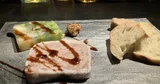
明日葉のジェノベーゼ風スパゲティーニ Genovese-style spaghetti with ashitaba angelica leaves

バーの軽食レシピ集
Bar snacks recipe collection
ストーリー Recipe trivia
このパスタのレシピは、亡き友人の縁の一皿だ。長いはなしになるのだけど、ちょっとお付き合いください。
This pasta recipe is a dish related to my late friend. It's a bit of a long story, but please bear with me.
根っからの流浪人体質の僕は、自分の店を持とうと思ったことは一度もない。ただ、店舗の立ち上げや業態変更のプロデュースを仕事の柱の一つにしているので、経営者に伴走する現場仕事もやった。スタートアップ時やマーケット把握のために、起業時にバーのカウンターの後ろ側やキッチンに実際に立つことがよくあった。あるいは、問題を抱えた店舗の立て直しのために、短期の限定でマネジメントを引き受けることもある。
前にも一度触れたが、あるパブレストランのスペースを三年程の間預かって運営していたことがある。その場所は高度成長時代に歓楽街があった古い裏通りで、バブルが弾けてからは、うらぶれたカラオケスナックが常連客を相手に細々営業しているような、時代に取り残された通りだった。しかもカラオケスナックばかりが入居した雑居ビルのエレベーターも無い最上階のスペースだった。当時の鎌倉駅周辺は老若男女が来れるようなカジュアルな個人経営の飲食店は皆無に等しく、若い人は地元では飲食せずに、数駅先の人口の大きな町のチェーン店に行くのが普通だった。鎌倉市自体はそこそこの人口を持つ東京のベットタウンなのだけど、盆地になっている旧鎌倉と呼ばれる鎌倉駅周辺地域は人口3、4万の田舎町でしかない。昼間は観光客でごった返すけど、夕方五時を過ぎると、ほとんどの店舗は観光客目当てなのでシャッターを降ろしてしまい、真っ暗なシャッター街に暗転する。夜間人口がないのだから、歓楽街が寂れたのも頷けた。だからこの町のコンビニエンスストアも半数は深夜は閉まってしまう。
僕のミッションは、とにかくこの夜間人口の少ない街でお金をあまり持っていない若いお客さん、あるいは年金暮らしになって会社の経費で飲めなくなった年金生活者をはじめとした潜在的な顧客を集客すること。そこで、当時はまだ珍しく、東京には何軒か出店し始めていたけど、神奈川県には前例が無くブレイクの予感のあった、立ち飲みカウンターとボックス席のあるスペインスタイルのバルとして、この空間を運営することにしたのだった。座って3、4千円が当たり前だったこの街で、当時は珍しいチャージなしのCOD(都度払い)も導入した。
I am a wanderer at heart. So I don't have a strong sense of groundedness in running a store, but one of the pillars of my work is the launch of new stores and the production of new business models, so I often accompany the managers and work behind the bar counter or in the kitchen to understand the market during startups. Or I sometimes take on short-term management roles to turn around troubled stores.
As I mentioned before, I once managed a pub restaurant for about three years. The location was an old backstreet where there was a red-light district during the high economic growth period, and after the bubble burst, it was a street that had been left behind by the times, with rundown karaoke bars operating on a small scale to regular customers. What's more, the space was on the top floor of a multi-tenant building that was occupied only by karaoke bars, and had no elevator. At that time, there were almost no casual, privately-run restaurants that people of all ages and genders could visit around Kamakura Station, and it was common for young people to go to chain restaurants in towns with larger populations a few stations away rather than eating and drinking locally. Kamakura city itself is a commuter town of Tokyo with a decent population, but the area around Kamakura Station, known as Kyu-Kamakura, which is a basin, is just a rural town with a population of 30,000 to 40,000. During the day, it is crowded with tourists, but after 5:00 in the evening, most of the stores close their shutters to cater to tourists, and the town is plunged into darkness. Since there is no nighttime population, it is understandable that the entertainment district has become deserted. That is why half of the convenience stores in this town are closed at night.
My mission was to attract potential customers, including young customers who don't have much money in this town with a small nighttime population, or pensioners who can no longer drink on company expenses after becoming pensioners. So, I decided to operate this space as a Spanish-style bar with a standing bar and booth seats, which was still rare at the time, and although there were a few stores starting to open in Tokyo, there was no precedent in Kanagawa Prefecture, and I had a feeling that it would become a hit. In this town where it was common to pay 3,000 to 4,000 yen per seat, I also introduced the COD (pay as you go) gpayment system, which had no charge and was rare in Kamakura at the time.
そのスペイン式バルの最初からの常連の中に僕より十歳年上の友人がいた。いや、友人とまでは言えない。その数年前に隣町の立ち飲み屋で知り合ったかりそめの飲み友達だ。地方都市で大きなプロデュースの仕事をしていたが、湘南に流れてきて老後を楽しんでいるらしかった。仕事はプロデュースだけど、詩人でもあった。いや、自称だったのかも知れない。毎日一緒に飲んでいてもお互い詮索はしない間柄だったので、今でも彼のことは詳しくは知らない。言い争いも随分したけど、妙に気が合った。
僕は飲食店のプロデュースをしているので、飲食系物件の情報が人より早く入ってくる。ある時、この立ち飲み屋で彼と一緒に飲んでいる時に相談を持ちかけられた。彼はいたく立ち飲み屋という業態が気に入っていて、自分でも立ち飲み屋を開きたくなったらしい。ちょうど良いタイミングで、件の鎌倉の裏路地のカラオケスナックから、廃業したいので譲渡先がないか打診されているところだった。もう一つ偶然が重なった。鎌倉という街は一時日本きっての文化都市だった時期がある。明治政府が、風光明媚で横浜の商業地と横須賀の海軍基地に近く海水浴と森林浴ができるこの地を保養地として開発したからだ。多くの明治政府のお抱え外国人や軍人、華族、財閥が別荘を構えてここで休暇を楽しんだ。お金持ちが集まると、パトロンを求める作家や芸術家たちが集まる。そんな経緯もあってこの街はかつて 文化都市の色合いを出していたのだ。隣町には映画の撮影所もあり、映画関係者も飲み歩く街だった。当時は威勢の良かった三菱電機の企業城下町でもあった。僕がバルを引き受けた頃は、代も変わり、そんな文化都市の面影も消えかけていたが、数軒は、画家や作家の残党が出入りする店があった。その店も閉店することになってしまい、行き場を失う客が裏通りに溢れそうな状況だった。そこで友人に提案したのが、そのカラオケスナック後に文化人も楽しめる立ち飲み屋を作ろうというコンセプトだった。このコンセプトは彼の漠然と持っていた想いと一致したようで、話はあっという間に進んで、彼の経営する立ち飲み屋が誕生した。
Among the regulars at the Spanish bar from the beginning was a friend who was ten years older than me. Well, I wouldn't call him a friend. He was a casual drinking buddy I met at a standing bar in the next town a few years ago. He had worked as a producer in a big city, but he had moved to Shonan and seemed to be enjoying his retirement. He worked as a producer, but he was also a poet. Or maybe he called himself that. Even though we drank together every day, we were not close enough to pry into each other's affairs, so even now I don't know much about him. We had a lot of arguments, but strangely, we got along well.
I produce restaurants, so I get information about restaurant properties faster than most people. One day, while I was drinking with him at this standing bar, he asked me for advice. He really liked the standing bar model, and apparently he wanted to open one himself. It was just the right timing, as the karaoke snack bar in the back alley of Kamakura was asking if there was anyone to take over the business because they wanted to go out of business. Another coincidence occurred. There was a time when the city of Kamakura was the leading cultural city in Japan. The Meiji government developed this area as a resort, with its beautiful scenery, its proximity to Yokohama's commercial district and the Yokosuka naval base, and the opportunity to swim in the sea and enjoy forest bathing. Many foreigners employed by the Meiji government, military personnel, aristocrats, and zaibatsu companies built villas here and enjoyed their holidays. When the wealthy gathered, writers and artists seeking patrons also gathered. Due to this history, this town once had the color of a cultural city. There was a film studio in the neighboring town, and it was a town where people in the film industry would go drinking. At that time, it was also a corporate town for the powerful Mitsubishi Electric. When I took over the bar, the generations had changed and the image of such a cultural city was fading, but there were still a few restaurants that the remnants of painters and writers frequented. However, these restaurants were also closing, and customers who had nowhere to go were about to overflow into the back alleys. So I proposed to my friend the concept of creating a standing bar where cultural people could enjoy themselves after the karaoke snack bar. This concept seemed to match the vague idea he had, so things progressed quickly and the standing bar he runs was born.
僕のバルは深夜まで営業していたので、この友人はほとんど毎晩夜十一時に自分の立ち飲み屋を閉めた後に僕のところにやってきた。営業後でお腹を空かせているので、その後、僕がこの店での役目を終えるまで、僕のところで彼が賄いを食べるのが習慣になった。彼はなぜかスパゲティが大好きで、毎晩注文するのは決まってスパゲティだった。ただ、自分の店で美味しい酒のつまみを出し、食にこだわりのある男だったので、彼には毎日新しいパスタを作る羽目になった。そんな賄いのスパゲティの中で彼が特別に気に入ったレシピがいくつかあった。これは、そのうちの一品である。
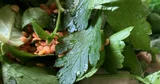
海岸線が広がる海の街である鎌倉には、春から初夏にかけて明日葉が自生する。そんな明日葉を摘んできて作ったのがこの一皿だ。
明日葉は名前の明日の葉の意味の通り、今日採ると明日にはもう若葉を生やしてくる。生命力が強く逞しい植物だ。ただ、独特の香りも強いので、他の食材と組み合わせて脇役扱いするのではなく、主役として扱ってみようと思ってジェノベーゼ風のペーストにすることを思いついた。彼は季節感に敏感な文人だったので、特に喜んでくれた。死にそうに無いくらい元気だった彼は、その後癌で逝ってしまった。彼が明日を迎えることはもう無いけれど、この料理を作ると彼の豪快で奔放な飲みっぷりを思い出す。
明日葉とナッツ類だけで味が完結するので、動物性の副材料やブロードは要らない。当然ベジタリアンも楽しめるメニューになる。
My bar was open until late at night, so my friend came to me almost every night after closing his own standing bar at 11pm. He was hungry after work, so it became a habit for him to eat at my place until I finished my contract. For some reason, he loved spaghetti, so he ordered spaghetti every night. However, he was a man who was particular about food and served delicious snacks to go with alcohol at his bar, so I ended up making a new pasta dish for him every day. Among the spaghetti dishes he had, there were a few recipes that he particularly liked. This is one of them.
In Kamakura, a seaside town with a wide coastline, ashitaba grows wild from spring to early summer. I picked some ashitaba and made this dish.
As the name ashitaba means, if you pick it today, it will grow new leaves tomorrow. It is a hardy plant with strong vitality. However, because it has a strong, unique aroma, I decided to use it as the main ingredient, rather than combining it with other ingredients and treating it as a supporting role, and came up with the idea of making a pesto-style paste. He was a man of letters who was sensitive to the seasons, so he was especially pleased. He was in such good health that he didn't seem like he was going to die, but he later passed away from cancer. He will never see tomorrow, but when I make this dish, I remember his bold and unrestrained drinking style.
The flavor is complete with just ashitaba angelica leaves and nuts, so no animal-based ingredients or broths are needed. Naturally, this dish can be enjoyed by vegetarians too.
Ingredients:
材料:
明日葉(茎付きの成長した葉)
明日葉の若葉
胡桃
アーモンドプードル
にんにく
自然塩
青山椒
鷹の爪
オリーブオイル
Ashitaba (mature leaves with stem)
Young Ashitaba leaves
Walnuts
Almond flour
Garlic
Natural salt
Chinese pepper
Chili pepper
Olive oil
procedure:
手順:
収穫した明日葉をよく洗っておく。
明日葉の成長した葉はを適当な大きさに切り分けてブレンダーに入れる。
そこに、胡桃、アーモンドプードル、青山椒の実、種を取った唐辛子、皮を剥いたにんにく、塩少々、オリーブオイルを入れ、少し水を足してペーストにする。回りにくい場合は様子を見ながらオリーブオイルと水を足す。
明日葉の若葉は、オーブントースターに入れてパリッと焼いておく。
スパゲッティーにを硬めに茹で、茹だったらザルに開けておく。茹で汁を少し鍋に残しておく。
茹で汁に残った鍋に作っておいたペーストを入れ、一煮立ちしたら、スパゲッティーニを入れ、かき混ぜながら濃度がつくまで煮詰める。塩味を調整して仕上げる。
さらにパスタを盛り付け、焼いた若葉を添える。
Wash the harvested ashitaba leaves thoroughly.
Cut the mature ashitaba leaves into bite-sized pieces and put them in a blender.
Add the walnuts, almond powder, Japanese pepper berries, seedless chili pepper, peeled garlic, a little salt, and olive oil, and add a little water to make a paste. If it's difficult to blend, keep an eye on it and add more olive oil and water.
Place the young ashitaba leaves in a toaster oven and toast until crispy.
Boil the spaghetti until firm, and when it's cooked, drain in a colander. Leave some of the cooking water in the pot.
Add the paste you made to the pot with the remaining cooking water, bring to a boil, then add the spaghettini and simmer, stirring, until it thickens. Adjust the saltiness to finish.
Serve the pasta on the plate and garnish with the toasted young leaves.


Tips and tricks:
コツと応用のヒント:
この料理には明日葉の個性的な香りを生かす意図があるので、香り成分の強い成葉と茎を使う。若葉はローストしてトッピングに使う。ここではグリルしたが、油で揚げて鮮やかな緑を残すのも良い工夫だと思う。
松の実は高いので、胡桃とアーモンドを使った。ここではプードルを使ったが、実から粉砕しても構わない。松の実、カシューナッツ、ピーナッツなど、好みの木の実で置き換えても良い。
ここでは、和のニュアンスを出すために山椒を使っているが、胡椒や他のスパイスに置き換えても構わない。
This dish is intended to make the most of the unique aroma of angelica, so the mature leaves and stems, which have a strong aroma, are used. The young leaves are roasted and used as a topping. Here I grilled them, but I think frying them in oil would also be a good idea to retain their vibrant green color.
Pine nuts are expensive, so I used walnuts and almonds. I used almond flour here, but you can of course just crush the almonds from the kernel. You can also substitute your favorite nuts, such as pine nuts, cashews or peanuts.
Here I use chinese pepper to add a Japanese nuance, but you can also substitute pepper or other spices.