Ⅱ-1.What is Shishi-Odori (Deer Dance)? (Taeko YAZAWA)

Shishi-Odori, or the Deer Dance, is a traditional local performing art that is especially popular in the Tohoku region of Japan. Written in kanji as 鹿踊り, which translates directly to "Deer Dance" and would typically be pronounced as "Shika-Odori", it is instead read as "Shishi-Odori." Why is that? And why do the performers wear deer heads?
In this article, we will focus on Shishi-Odori as it is performed in Miyagi and Iwate prefectures.
Why is it called Shishi-Odori and not Shika-Odori?
The term "shishi" is an older Japanese word referring to the meat of mountain animals such as deer and wild boars. Since the dancers embody these "shishi," the performance is called Shishi-Odori.
Interestingly, there is another traditional Japanese dance known as "Shishimai" (the lion dance), which you might recognize from events like New Year’s celebrations. This performance features red-faced lions "biting" people’s heads for good luck and is believed to have originated from foreign dances brought to Japan via the Eurasian continent. "Shishi-Odori" and "Shishimai" were historically distinct performing arts.
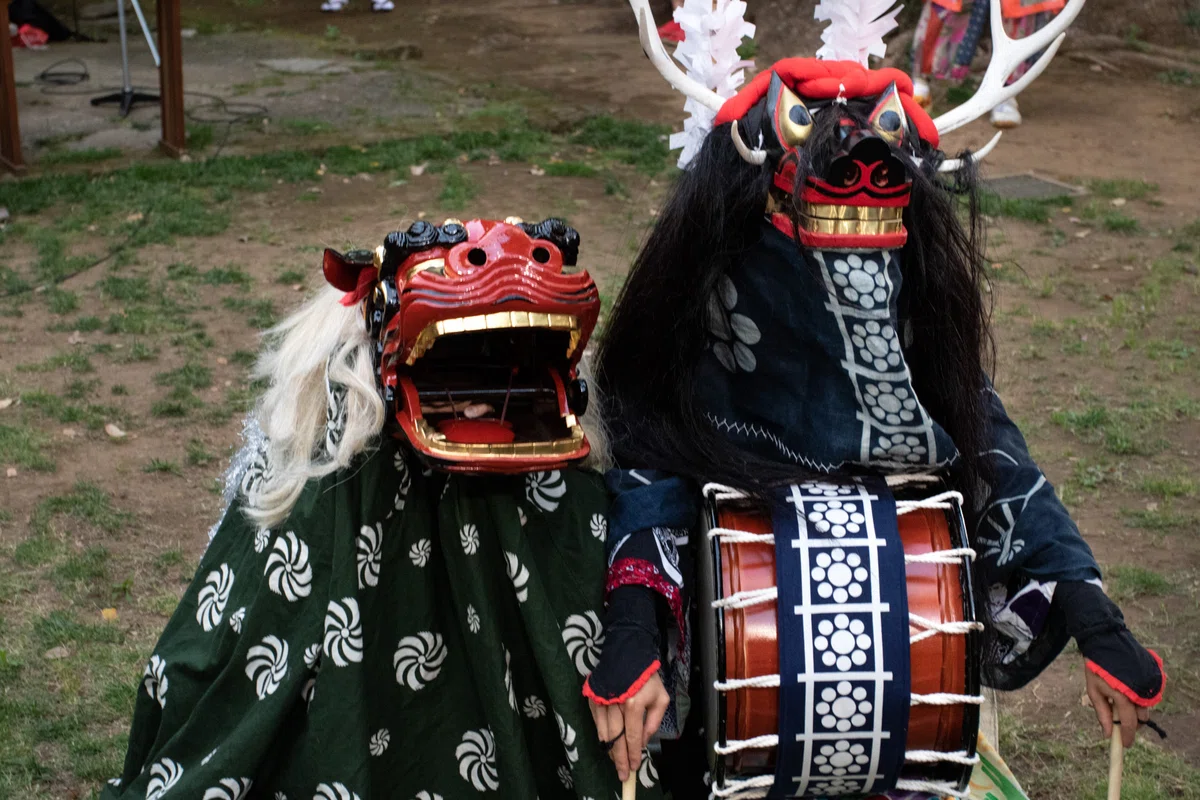
Why do performers wear deer heads?
The origins of Shishi-Odori are shrouded in mystery, and several theories attempt to explain why performers don deer heads during the dance:
Humans (likely hunters) may have imitated the sight of mountain deer playing.
Hunters who relied on deer for food might have performed a memorial dance to honor and pacify the souls of the animals they hunted.
Deer were considered sacred in ancient Japanese beliefs—examples include the sacred deer of Kasuga Taisha Shrine in Nara. The dance could reflect this reverence.
Ancient legends and folklore from various parts of Japan suggest that the mountain god often appeared in the form of a deer. This indicates that deer were not only familiar animals but also deeply sacred to people in the past.
In Kenji Miyazawa's children's story The Origin of the Deer Dance, there is a scene where a hunter witnesses deer dancing in the depths of the mountains. The dance is described as a mystical and awe-inspiring sight that bridges the natural and spiritual realms. In this context, the deer appear as beings profoundly connected to the power and mystery of nature. Dancing as a deer may symbolize "connecting with the gods" or "channeling divine power."
In Japan’s hunting culture, deer were a critical source of sustenance—a gift from the mountains. Performing the Shishi-Odori could be seen as an act of gratitude for the blessings of nature and a prayer for successful hunts in the future. By wearing deer heads and dancing, people might have aimed to embody the spirit of the deer, seeking a harmonious relationship with the divine and ensuring bountiful harvests and good health.
The intense movements and rhythmic drumbeats of the dance may also have been believed to repel evil spirits and bring protection to the community.
How would you feel if you were to wear a deer head?
