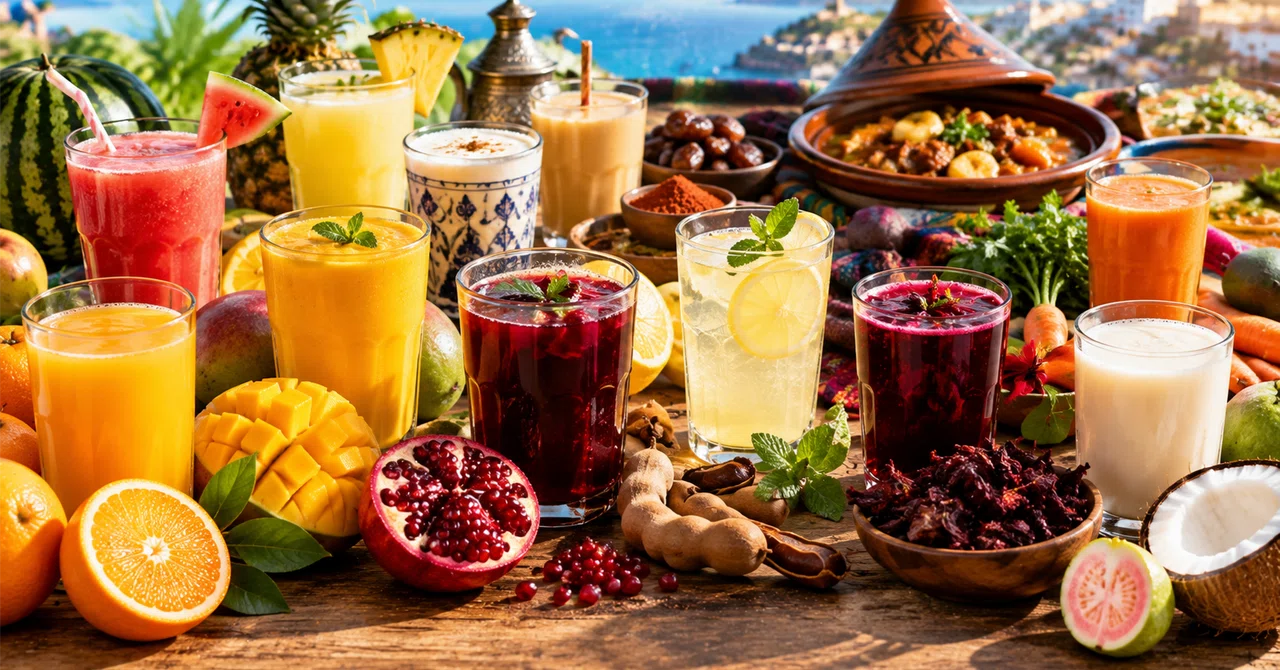
Juices Around the World: A Taste of Culture

When people hear the word “juice,” they may first think of orange juice, apple juice, or grape juice. These drinks are common in many countries, especially at breakfast. However, the world of juice is much larger and more interesting than these familiar examples. Around the world, people make drinks from many different fruits, plants, and flowers. They also use water, sugar, spices, herbs, and other ingredients to create unique flavors.
Juice is more than just a refreshing drink. It can tell us a lot about a country’s climate, agriculture, history, and food culture.
Orange Juice and the Global Breakfast
Orange juice is one of the most famous fruit drinks in the world. In countries such as the United States, it has long been associated with breakfast. Oranges grow especially well in warm climates, and large amounts of oranges are produced in countries such as Brazil and the United States.
Orange juice is often sold as a 100 percent fruit juice, but there are many different ways to enjoy it. Some people prefer freshly squeezed juice with a strong natural flavor, while others prefer packaged juice because it is convenient and can be stored for a longer time.
The popularity of orange juice also shows how modern technology has changed food culture. Fruit can be processed, concentrated, transported, and stored far from the place where it was grown. As a result, people in cold countries can enjoy tropical or subtropical fruit throughout the year.
Mango Drinks in South Asia
Mango is another important fruit in the world of juice. In South Asian countries such as India and Pakistan, mangoes have a special place in food culture. There are many varieties of mango, each with its own taste, smell, and texture.
Mango drinks can be thick and sweet, almost like a liquid dessert. They can also be mixed with water to make a lighter drink. A famous example is mango lassi, which combines mango with yogurt. Although it is not technically the same as ordinary fruit juice, it shows how fruit can be transformed into a traditional drink.
Mango drinks are especially popular during hot weather. A cold mango drink can provide both refreshment and energy, making it a natural choice in regions where summers can be extremely hot.
Agua Fresca in Latin America
In Mexico and other parts of Latin America, people enjoy a type of drink known as agua fresca. The name means “fresh water,” and the basic idea is simple: fruit or other ingredients are mixed with water and often sugar.
Watermelon, pineapple, melon, and other fruits can be used to make agua fresca. Hibiscus is also popular. In this case, the drink has a deep red color and a pleasantly sour taste.
Agua fresca is different from many commercial juices because it is not necessarily made from 100 percent fruit. Instead, it is designed to be a refreshing drink that people can enjoy in large amounts. This makes sense in hot climates, where staying hydrated is important.
This example reminds us that the best drink is not always the one with the highest percentage of fruit. Sometimes, the purpose of a drink is to balance flavor, water, temperature, and local eating habits.
Pomegranate, Tamarind, and Other Flavors
In the Middle East and surrounding regions, people enjoy fruit drinks made from ingredients such as pomegranate, lemon, and tamarind. Pomegranate juice has a rich color and a mixture of sweet and sour flavors. Tamarind, on the other hand, has a strong sour taste and is often combined with sugar.
These ingredients show how local plants can shape a region's drinks. A fruit or plant that is common in one part of the world may be unfamiliar in another. However, local people often discover creative ways to use the ingredients available around them.
Africa also has many traditional drinks made from local plants and fruits. Baobab fruit, for example, can be used to make a refreshing drink with a naturally interesting flavor. Hibiscus drinks are also found in several African countries and are enjoyed both at home and at social gatherings.
Juice Beyond Fruit
When we think about juice, we usually imagine fruit. However, vegetables and other plants can also be turned into drinks. Tomato juice and carrot juice are familiar examples. Beet juice is another example that has become popular in some countries.
There are also drinks that make us question the exact meaning of the word “juice.” Some traditional beverages contain fruit, flowers, herbs, spices, or grains rather than only freshly squeezed fruit.
This diversity is important because food traditions do not always follow modern categories. People create drinks based on what is available, what tastes good, and what fits their way of life.
Juice as a Way of Preserving Food
Another interesting aspect of juice is its relationship with food preservation. Fresh fruit can spoil quickly, especially in warm climates. Turning fruit into a drink is one way to use a large amount of fruit before it becomes unusable.
Modern factories use refrigeration, pasteurization, concentration, and packaging to give juice a long shelf life. Traditional societies also developed their own methods of preserving fruits and making them easier to use.
Sugar, drying, cooking, and fermentation can all change the way fruit is stored and consumed. In this sense, fruit drinks are connected to a much older human challenge: how to make seasonal foods useful for a longer period of time.
More Than a Refreshing Drink
Today, juice is a global business. A person in Japan can drink orange juice made from oranges grown thousands of kilometers away. A supermarket may offer mango, grape, apple, pineapple, tomato, and many other kinds of juice.
At the same time, traditional drinks continue to be important. They remind us that people around the world have different ideas about what makes a good drink.
Some cultures prefer a strong, concentrated flavor. Others prefer fruit mixed with plenty of water. Some add sugar, while others use spices, herbs, or yogurt. These choices are not random. They reflect local climates, agriculture, history, and eating habits.
The next time you drink a glass of juice, therefore, think beyond its flavor. Behind that simple drink may be a story about a fruit, a region, a climate, and generations of people who discovered how to enjoy what their land could provide.
Juice may look simple, but it is actually a delicious way to explore the world.
