



-
Can banks deliver safe, inexpensive instant payment services to underbanked customers?

Some people with bank accounts still turn to nonbank services when they need to quickly send or receive money. But those services often come at a cost. Federal Reserve resources highlight why underbanked people use these alternatives and how offering lower-risk, inexpensive services might help banks better meet these consumers’ needs.
Upcoming Events

Latest news and views
Get insights from the Fed’s community development teams and their collaborators.
-

The Quarterly Catch-up, Q3 2026
Check out the latest community development-related research, analyses, and articles from all 12 Federal Reserve Banks and the Board of Governors. This post captures content published between April 1 and June 2026, on topics affecting communities.
-
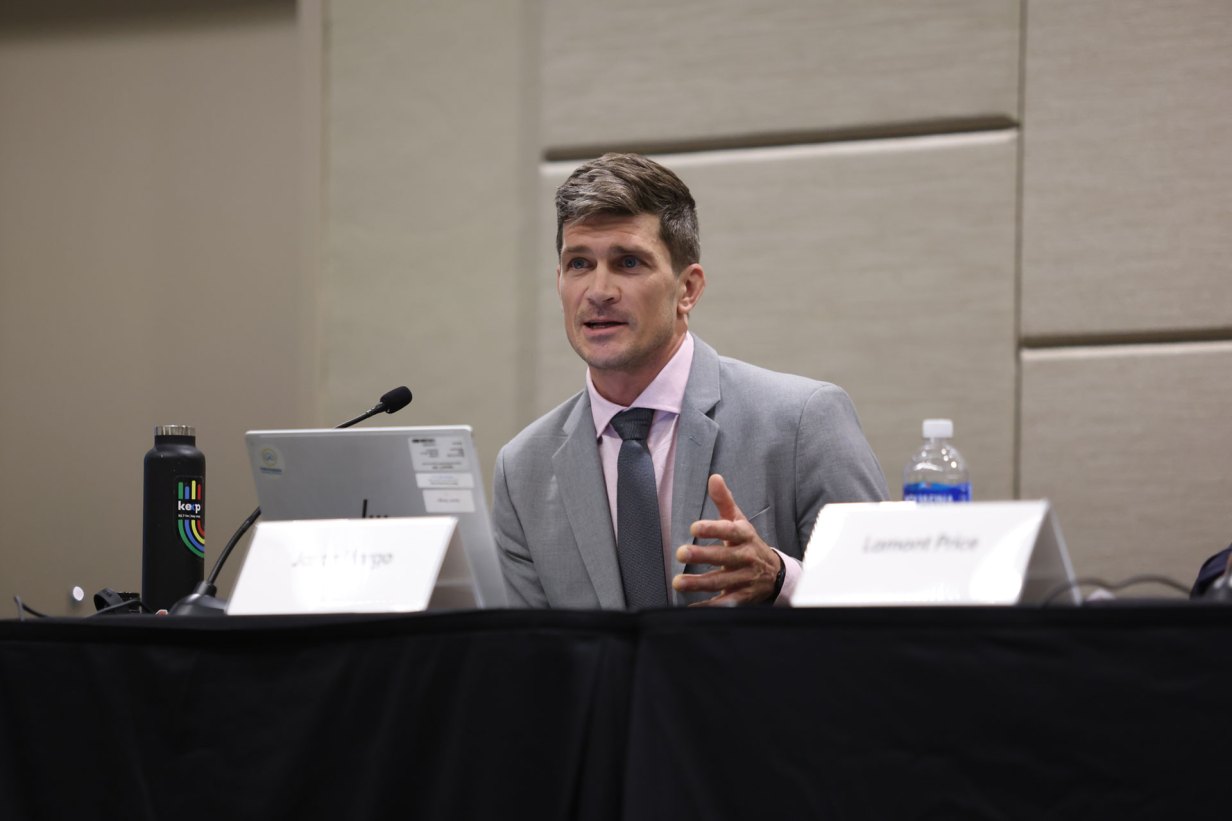
In the zone: Jason Vargo’s Fed work links data and economic opportunity
The Federal Reserve Bank of San Francisco’s Jason Vargo shares how the goals of opportunity zones align with his interest in improving economic outcomes and his community development data and research work.
-
![[Watch] When Every Dollar Counts: Worker Perspectives on the Economy](https://fedcommunities.org/wp-content/uploads/2026/07/Sept-3-2026-CC-WP-1920x1280-1.jpg?w=1232)
[Watch] When Every Dollar Counts: Worker Perspectives on the Economy
In this recent Connection Communities webinar, discover how low- to moderate-income workers adapt to rising costs and limited opportunities. Hear firsthand stories, research highlights, and Federal Reserve leaders’ insights on how financial pressures shape choices, resilience, and the future of our economy. Watch or listen on demand.
-
Small-business owners: Share your experiences
Respond to the Federal Reserve’s Small Business Credit Survey today and contribute to data that directly inform the Fed, federal government agencies, service providers, policymakers, and others—a common good ultimately benefiting your business and others in the community.
Explore data and research
From survey findings to dashboards, the Fed’s data can inform collaborative efforts between policymakers, employers, and educators.
-
 Read more →: Promise, anxiety, and change: What the Fed is learning about AI’s impact on work
Promise, anxiety, and change: What the Fed is learning about AI’s impact on work
Artificial intelligence is impacting the way we work, and the workforce development ecosystem is changing as a result. The Federal Reserve’s Community Development function is among those tracking AI’s effects so far and what important questions remain.
-
 Read more →: 2026 Worker Perspectives Report: When every dollar counts: Inside the economic struggles of workers who earn low to moderate incomes
2026 Worker Perspectives Report: When every dollar counts: Inside the economic struggles of workers who earn low to moderate incomes
The Worker Perspectives Report explores how workers are navigating rising costs, limited opportunities, and a challenging job market. To navigate these obstacles they are adapting finances and career plans, while also speaking hopefully about their personal ability to manage uncertainty. In their employment, they prioritize flexibility, work-life balance, and fair pay. Here’s what workers are…
-
 Read more →: How the Fed studies and understands housing’s key role in the economy
How the Fed studies and understands housing’s key role in the economy
The cost and availability of housing affect family budgets, labor force mobility, business growth, and the health of the economy. Learn how the Fed studies and engages with communities around vital housing trends, challenges, and innovations.
-
 Read more →: Small business strategies for supporting employee child care needs
Small business strategies for supporting employee child care needs
Small businesses employ nearly half of private-sector workers but often have limited resources to offer benefits like child care. This article examines the prevalence of employer-supported child care and the practical strategies small businesses employ to support working parents.
