
The entire Maldives was caught by surprise by the preliminary results of the three elections held yesterday. Granted, some were pleasantly surprised, and some, not so much.
April 4 saw Maldives hold three elections concurrently: the Local Council Elections, Women’s Development Committee Elections, and the public referendum on holding the presidential and parliamentary elections on the same day.
A day before the elections, we published an Op-Ed titled “Voter Apathy: The Downfall of Democracy?” And boy, did the people prove us wrong. The voice of the silent majority was deafening as results started trickling in.
Voter turnout for yesterday’s elections was at 73 percent, according to preliminary results. This is the highest recorded turnout yet at a Local Council Election.
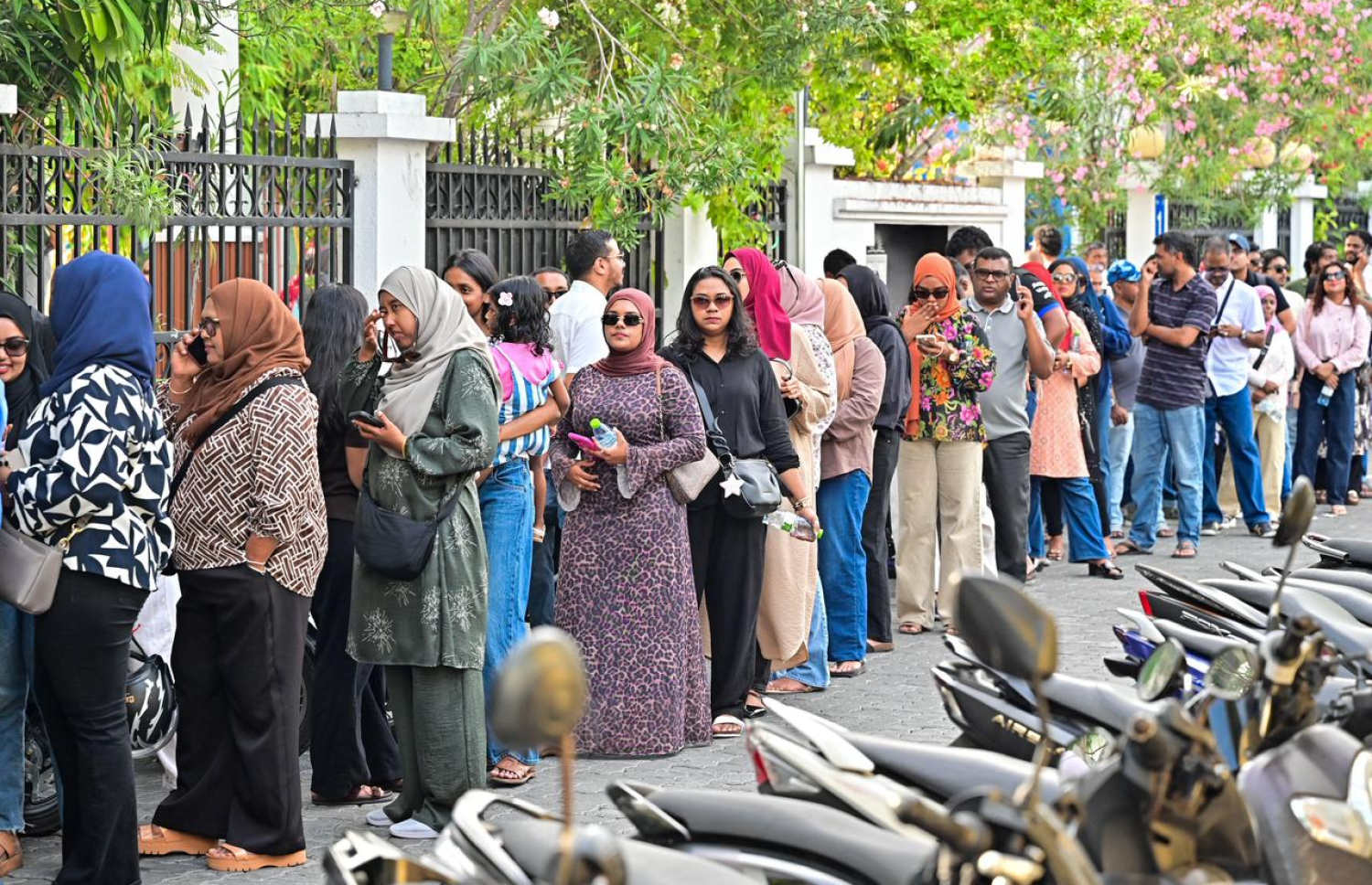
While polling centers had very low queues in the morning, it picked up later in the day, with the Elections Commission extending polling time by an hour.
Voting proceeded largely peacefully, with only a handful of issues arising across the country, with even these swiftly resolved.
With veteran election organizers no longer in the Elections Commission, many raised concerns about the less than ideal polling arrangements. The overarching complaint was about the three ballot papers issued to each voter, asking for five separate votes, and the three uniquely labelled ballot boxes into which the ballots had to be placed. The public felt this was far too confusing for the general voter. Nevertheless, the polls were completed, and the announcement of preliminary results were swiftly begun.
A reality check for PNC
Ruling People’s National Congress undoubtedly led the strongest campaign for the Local Council Elections. The party, secure with holding both the presidency, and supermajority in the parliament, expressed unwavering confidence in their success in these elections as well. They also led an assertive campaign seeking votes in favour of the referendum.
On all counts, their hopes were dashed.
PNC, currently the largest political party in the country based on member numbers, faced a stunning defeat at the hands of the opposition Maldivian Democratic Party, which had seen dwindling support over recent years.
MDP went on to win all five mayoral seats across the five cities of Maldives, all five WDC President seats in cities, and several council seats across the country, securing council majorities to a large degree.
The approximately 70-30 split in the referendum, against holding concurrent presidential and parliamentary elections can also be viewed as another win for the opposition, which led an energetic campaign for the cause.
Such a stark loss in elections held mid-term paint a bleak view of public sentiments against the incumbent administration.
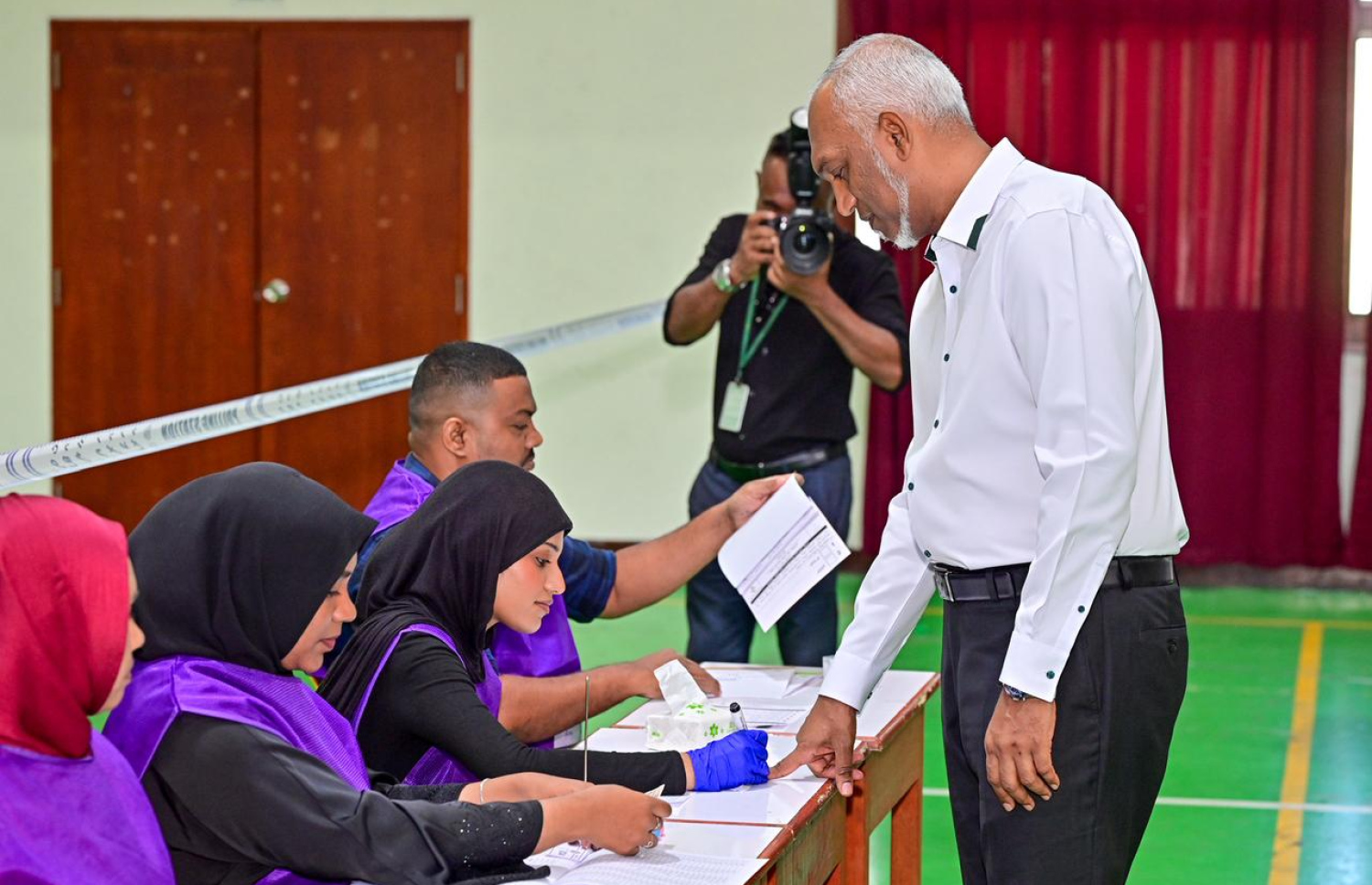
President Dr Mohamed Muizzu took the defeat in his stride, announcing last night that he fully accepts the results of the three elections, and pledging to address the shortcomings of the government and improve upon it in line with the sentiments of the people.
But is it really a win for the MDP?
Was yesterday’s decisive results truly a show of support for the MDP? Or was it the people’s protest against the government’s recent trajectory, driving them to vote for the only other viable option?
Discourse on the matter was buzzing on social media last night, with many cautioning the MDP to ‘not let the win go to their heads’ and to instead validate the people’s choice to vote for them by fulfilling the obligations of a responsible opposition party.
Inside MDP, some members took to social media, claiming the win was the result of the two leading figures, former Presidents Mohamed Nasheed and Ibrahim Mohamed Solih working together once again. Others strongly opposed this, arguing that it was owed to the efforts of the party, and ‘not to the return of any specific individual’.
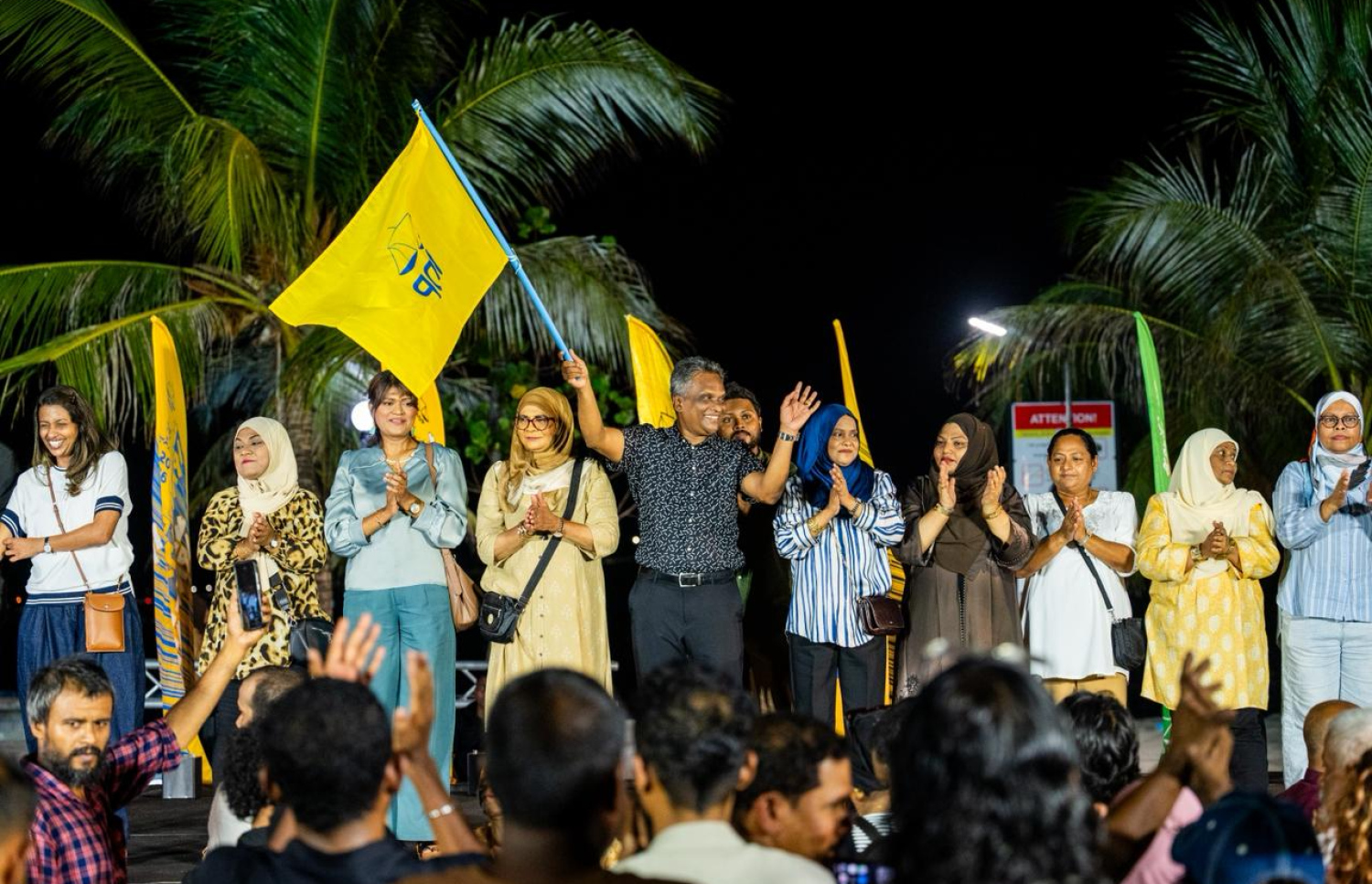
MDP, once the strongest political party in the country, has deteriorated over the past couple of years, troubled with in-fighting and discord amongst the leadership. Their street activities once filled the main road of the capital, but were since reduced to just a couple of hundreds.
Despite this disheartening status, the party rose to unexpected victory in yesterday’s elections. It presents a fresh chance for the opposition to regroup and renew their politics.
Power lies with the people
The startling outcome of yesterday’s three elections is testament to the fact that, ultimately, power in a democracy lies with the electorate.
Despite deafening campaign messages, overwhelming amounts of posters, banners, billboards and other campaign paraphernalia, the people chose to ignore the noise and vote in line with their own conscience.
This holds a lesson for any politicians willing to listen and learn.


