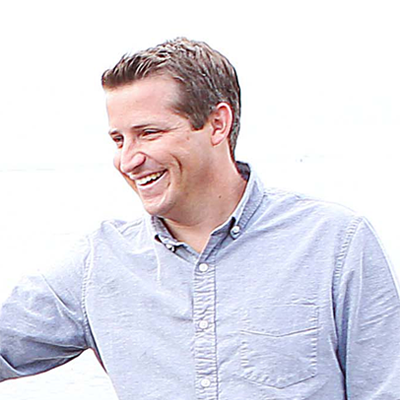
Thomas Cheatham, professor of Medicinal Chemistry and the director of research computing at University of Utah shares how they’re using the GPU-accelerated Blue Waters supercomputer and NVLink to compute the interactions of atoms that can lead to drug design and materials design.
“The GPUs have been really helpful, because we’ve optimized our codes (AMBER, a package of programs for molecular dynamics simulations) that run really efficiently on many GPUs,” says Dr. Cheatham. “The (Telsa) P100s have been amazing, super-fast – work that would take weeks, we can do in days.”
Share your GPU-accelerated science with us at http://nvda.ws/2cpa2d4 and with the world on #ShareYourScience.
Watch more scientists and researchers share how accelerated computing is benefiting their work at http://nvda.ws/2dbscA7
Share Your Science: Fighting Ebola with Supercomputer Simulations
Jan 16, 2017
Discuss (0)
AI-Generated Summary
- Professor Thomas Cheatham at the University of Utah uses the GPU-accelerated Blue Waters supercomputer and NVLink to compute atomic interactions for drug and materials design.
- The team optimized the AMBER molecular dynamics package to run efficiently on many GPUs.
- Tesla P100 GPUs reduce simulation time from weeks to days.
Next Steps
- Share your GPU-accelerated science at Share Your Science.
- Watch more researchers discuss accelerated computing at Share Your Science videos.
Powered by NVIDIA Nemotron. AI-generated content may summarize information incompletely. Verify important information. Learn more
About the Authors