Looking for outstanding resources for Native American Heritage Month? Bullfrog Films presents a selection of documentary films from our catalog that explore the history, achievements and social movements of Indigenous peoples that will stimulate engaged discussion in the classroom and beyond.
The films featured here are available on DVD and DSL from Bullfrog Films. Academic streaming is available through Docuseek. In-person and virtual campus-wide or community screening licenses are available from Bullfrog Communities.
|
|
Victor Arnautoff's WPA-era mural "Life of Washington" adorns the walls of George Washington High School in San Francisco. While his mural does vividly depict Washington as the revered Father of His Country, Arnautoff challenges this prevailing narrative by including other images of the Founding Father as an agent of destruction, commanding slaves and overseeing the bloody seizure of Native American lands. At the center of the school, at eye-level, is a life-size Native American laying face down in the dirt, dead.
Opponents of the murals demand the School Board order them painted over, arguing that the murals' graphic depictions of slavery and genocide are racist and triggering to students. Defenders of the murals warn of the dangers of censoring history, and urge the Board to "teach the murals."
This intersection of art, history, and the racial reckoning of our time all hinges on and essential question posed by Town Destroyer, a question with no easy answer: should the school keep the murals on display, or tear them down?
|
|
Thirst For Justice follows Janene Yazzie, a Navajo mother of two, as she searches for the source of contamination in the school water supply in Sanders, AZ. Armed with a Geiger counter she begins investigating radioactive waste on the Navajo Nation. When the epic movement for water justice ignites in Standing Rock, Janene is compelled to join. There she meets Flint water activist Nayyirah Shariff, and their struggles converge.
|
|
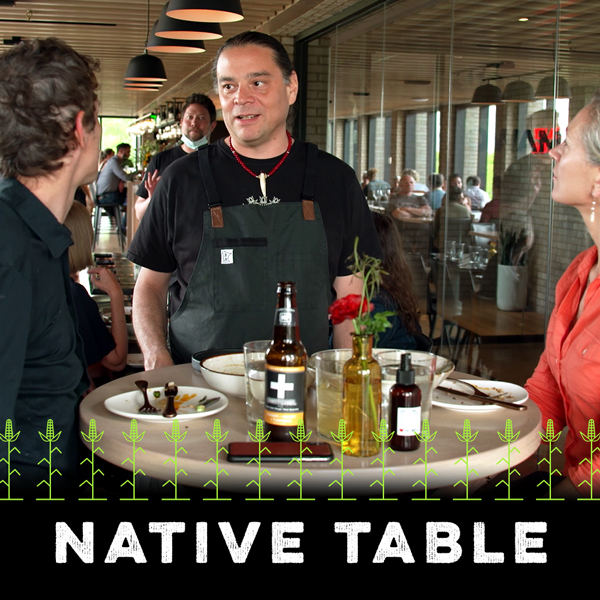
From the short documentary series Fixing Food, "Native Table" profiles Chef Sean Sherman (Lakota Sioux) and his business partner Dana Thomson (Dakota) as they explore their Native cultural heritages by re-creating pre-colonial menus – meals that use no dairy, no wheat, no sugar. At their James Beard Award-winning Minneapolis restaurant Owamni and at their Natifs Food Lab, they are bringing back to life the food ways of their not-so-distant Sioux ancestors and showing that by combining the past with the best in modern farming practices, we can create more sustainable and ethical food systems.
|
|
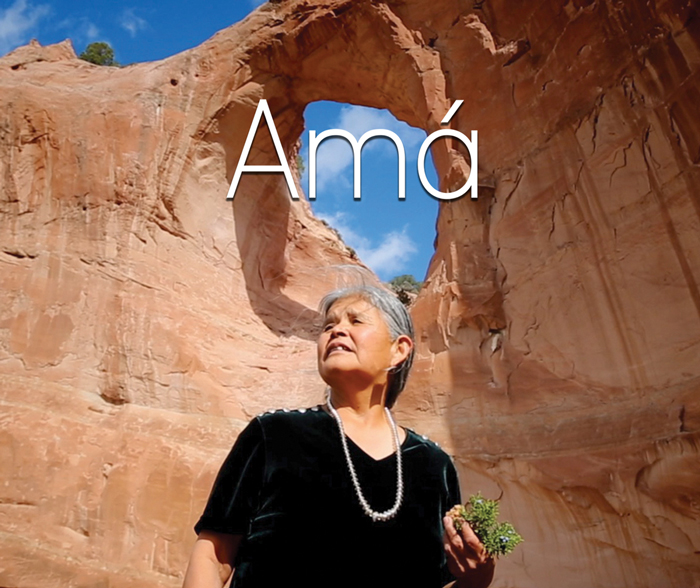
Amá tells the story of the forced relocation and involuntary sterilization committed against Native American women by the Indian Health Service well into the 1970s. The film features three remarkable women telling their stories – Jean Whitehorse, Yvonne Swan and Charon Asetoyer – as well as a revealing and rare interview with Dr. Reimert Ravenholt, whose population control ideas were the framework for some of the government policies directed at Native American women.
|
|
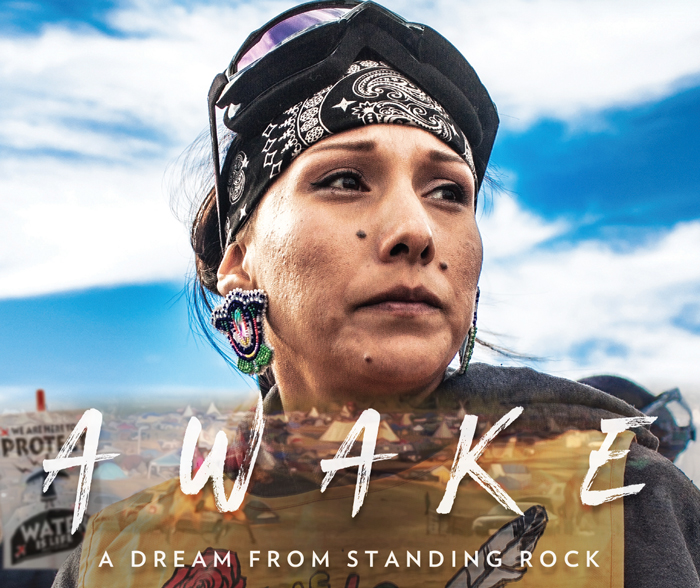
This collaborative documentary presents an exclusive, on-the-ground record of the 2016 Standing Rock protests against the Dakota Access Pipeline project, beginning with the birth of the protests in 2016 and portraying significant moments such as the rapid growth of the Sacred Stone Camp and a tense standoff with police at Turtle Island in November of 2016. Awake, A Dream from Standing Rock tells a 21st century story of Native-led defiance that has forever changed the fight for clean water, our environment, and indigenous sovereignty.
|
|
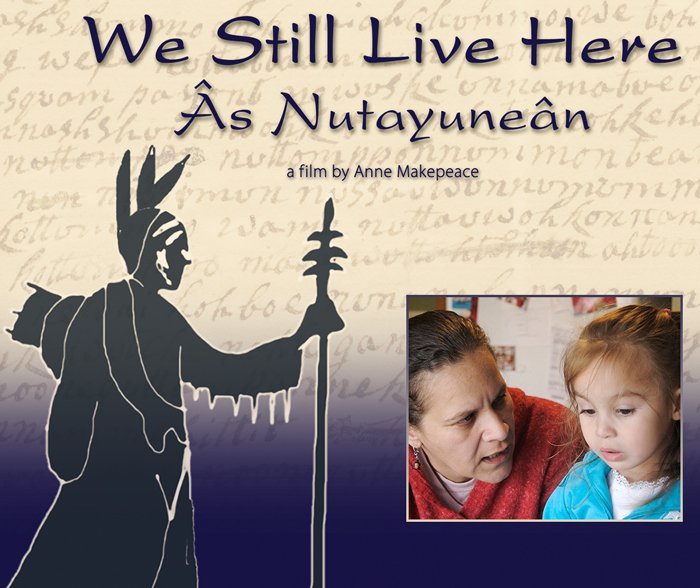
We Still Live Here - Âs Nutayuneân tells a remarkable story of cultural revival, following MacArthur 'Genius' Award winning linguist Jessie Little Doe Baird and her efforts to revive the native language of the Wampanoag Tribes of Cape Cod and Martha’s Vineyard – the first time a language with no native speakers for many generations has been revived in the United States.
|
|
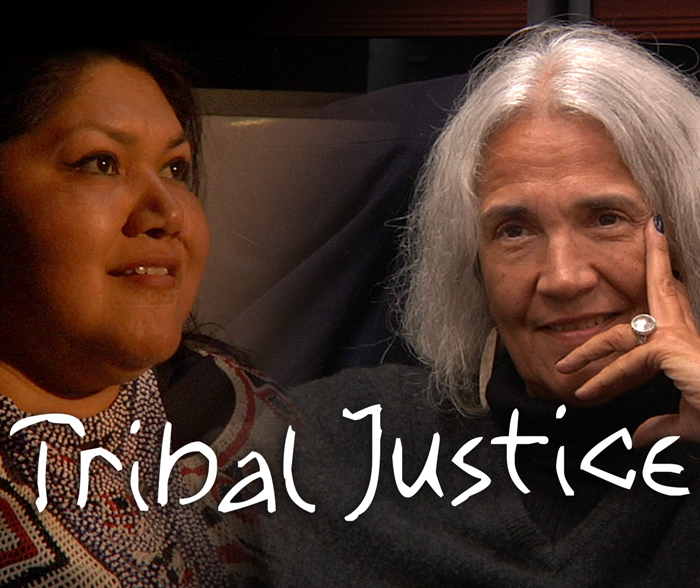
Tribal Justice is a feature documentary about a little known, under-reported but effective criminal justice reform movement in America: the efforts of tribal courts to create alternative justice systems based on their traditions. In California, the state with the largest number of Indian people and tribes, two formidable Native American women are among those leading the way: Abby Abinanti, Chief Judge of the Yurok Tribe on the northwest coast, and Claudette White, Chief Judge of the Quechan Tribe.
|
|
For additional films on Native American, First Nation and Indigenous peoples, please browse our related subject area.
To order these or other Bullfrog Films releases,
Order by phone at (610) 779-8226
|
|
Bullfrog Films is the oldest and largest publisher of documentary films about the environment in the United States. We define "environment" broadly, and our catalog includes programs on ecology, energy, agriculture, indigenous peoples, women's studies, genetics, marine biology, sustainable development, community regeneration, economics, ethics, and conflict resolution. |
|
|
|
|
|
|