Climate Action

Science, Solutions, Solidarity

For a livable planet 

climate summit 2026 image

Climate Summit 2026

On 23 September 2026, UN Secretary-General António Guterres convened leaders from government, business, finance, civil society and other sectors to accelerate climate action and advance a just energy transition. Leaders called for faster deployment of proven solutions, a shift to clean energy, increased climate finance, stronger resilience and renewed international cooperation to protect people and livelihoods.

photocomposition: of a themometer in the ocean rising to red

Taking action on methane

The Secretary-General’s Call to Action highlights how methane reductions can deliver immediate climate benefits alongside cleaner air, stronger food systems and economic opportunity.

Transforming climate issues into action

Explainers: Transforming climate issues into action

Learn more about how climate change impacts are felt across different sectors and ecosystems, and why we must nurture rather than exploit nature’s resources to advance climate action.
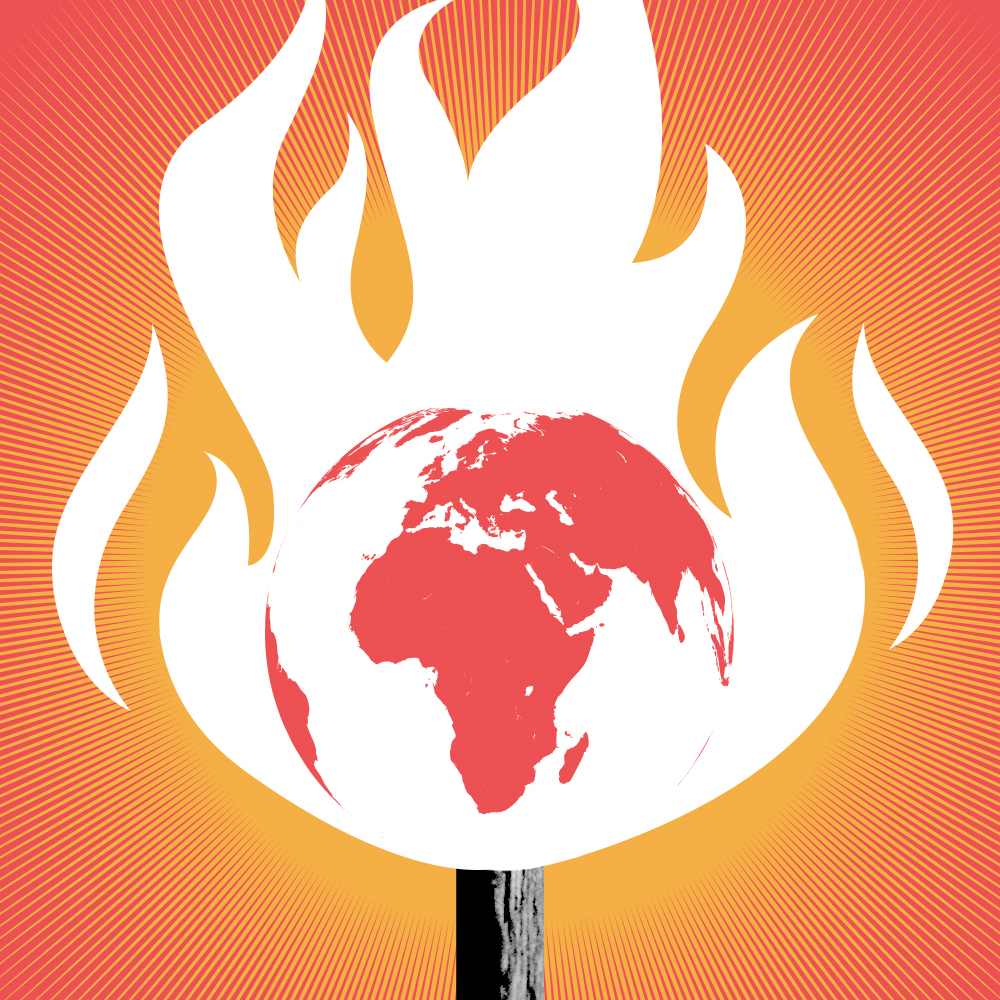
illustration of the earth as a lit match

For information integrity

Brazil, UNESCO and the UN have joined forces to strengthen research to counter narratives that are delaying and derailing urgently needed climate action.

Illustration of a farm worker in a field

Adapting to the impacts of climate change

Beyond doing everything we can to cut greenhouse gas emissions and slow the pace of global warming, we must adapt to the unavoidable impacts of climate change.

Extreme heat is widening inequalities, deepening hunger, weakening economies, and pushing development further out of reach.

ANTÓNIO GUTERRES, United Nations Secretary-General (31 July 2026)
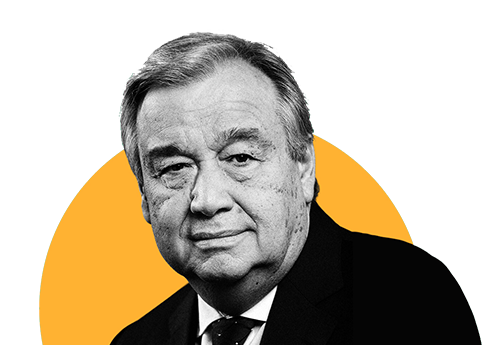
Secretary-General Portrait

Watch, Listen and Share

Amidst humanitarian and climate crises, a land movement emerges in the Sahel


Since 2018, the Sahel Integrated Resilience Initiative has strengthened food security and livelihoods for more than four million people by rehabilitating over 335,000 hectares of land. It has done so through a unique combination of basic-needs safety nets and long-term ecosystem restoration.

Climate Justice: Who Pays The Price?

This UN explainer examines climate overshoot and the question of climate justice. It looks at how rising temperatures can accelerate impacts such as melting glaciers and extreme weather, while the countries and communities facing the greatest consequences may not be those most responsible for historic greenhouse gas emissions

Climate Promise: Forward, Together

Across more than 100 countries, the UN's Climate Promise is helping turn climate pledges into real, measurable action: scaling renewable energy, strengthening resilience to unlocking finance, building sustainable economies and more.

Illustration of the Earth melting

Climate issues

What do food, health, water or energy have to do with climate change?

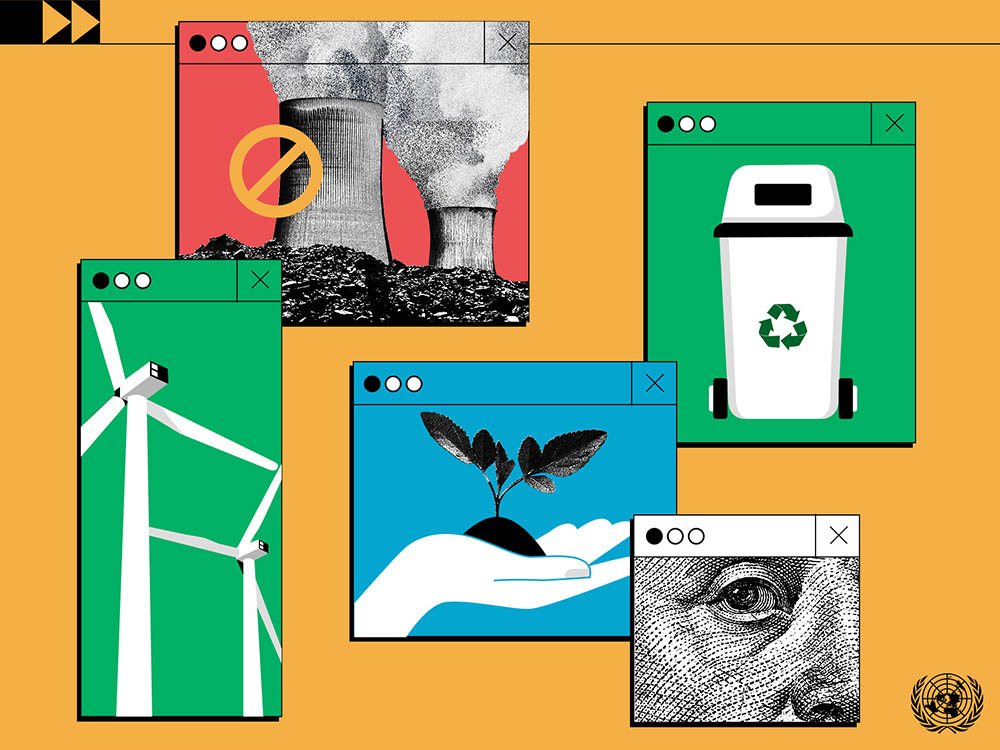
Illustration about food, jobs and renewable energy

National climate plans

What are Nationally Determined Contributions, and why do they matter?
Illustration with two speech bubbles

Powering a safer future

Why shift to renewables like wind and solar? Find out here.

Latest News

How Pacific Island nations are leading the way on climate action

From climate finance to ocean stewardship, Pacific countries are developing solutions rooted in local priorities and built to last.

Extreme heat making pregnancy a ‘new fault line’ in climate crisis

Pregnancy and childbirth have become a “new fault line in the global climate crisis” as extreme heat worsens, the head of the UN climate action body (UNFCCC) warned on Monday, calling for maternal and newborn health to be built into countries’ climate plans.

Rotting food is supercharging the climate crisis.

Every day more than 1 billion meals are left uneaten. From a food security perspective, this mountain of discarded food is problematic. But it creates other problems as well. As it decomposes in landfills, rotting food releases enough methane to make it one of the major drivers of planet-warming greenhouse gas emissions.

Events

International Day for Disaster Risk Reduction

Disaster-induced loss of life and infrastructure threaten communities and economies globally. As climate change influences extreme weather patterns and worsens natural disasters, risk reduction has become more urgent than ever. Funding for disaster risk reduction and prevention is crucial to mitigate disaster costs. Learn more here.

UN Biodiversity Conference (COP 17)

Biological diversity is crucial for stabilizing the climate crisis. The Conference of the Parties to the Convention on Biological Diversity (COP-17), hosted in conjunction with CP-MOP-12 and NP-MOP-6, will be the first global review of the implementation of the Kunming-Montreal Global Biodiversity Framework (GBF) in the pursuit of biological harmony by 2050.

International Day for Preventing the Exploitation of the Environment in War and Armed Conflict

Over the last 60 years, at least 40% of all internal conflicts have been linked to natural resource exploitation. At the same time, natural resources are often targeted in war time, putting vulnerable communities at further risk while destroying local infrastructures. Learn more about the devastating impacts of war on our environment here.


Climate action starting now

Everyone has a role in climate action. At the United Nations, we are calling on people everywhere to work together to solve climate challenges and realize the commitments of the 2015 Paris Agreement. This website keeps up with actions taken by governments, businesses, civil society, youth and more in every part of the world.

It’s our planet, and while we know it is in crisis, we also know that solutions are in reach. Progress is already well underway, from more green energy to more secure food supplies. And the benefits are clear as well, such as green jobs, clean air and sounder economies. A more sustainable, prosperous world is in reach. Join us in taking action to claim it, starting now.

Climate Action Illustrations