
Latest updates
Hex Mayflies
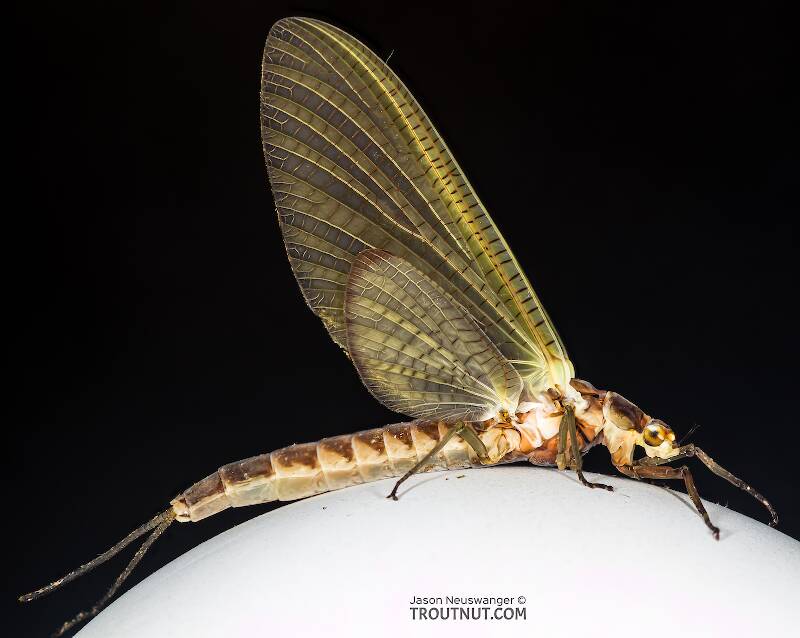
Hexagenia limbata
The famous nocturnal Hex hatch of the Midwest (and a few other lucky locations) stirs to the surface mythically large brown trout that only touch streamers for the rest of the year.
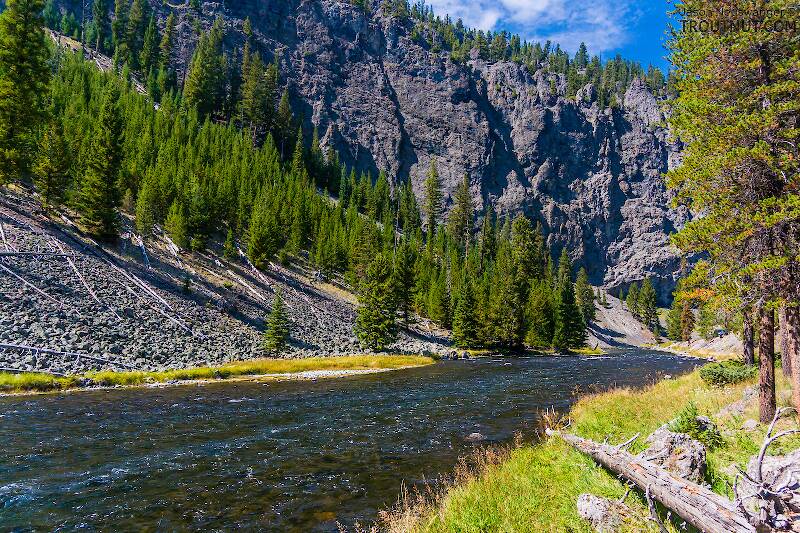

Not every bug-collecting trip comes with great scenery
Closeup insects by Troutnut from Nason Creek in Washington
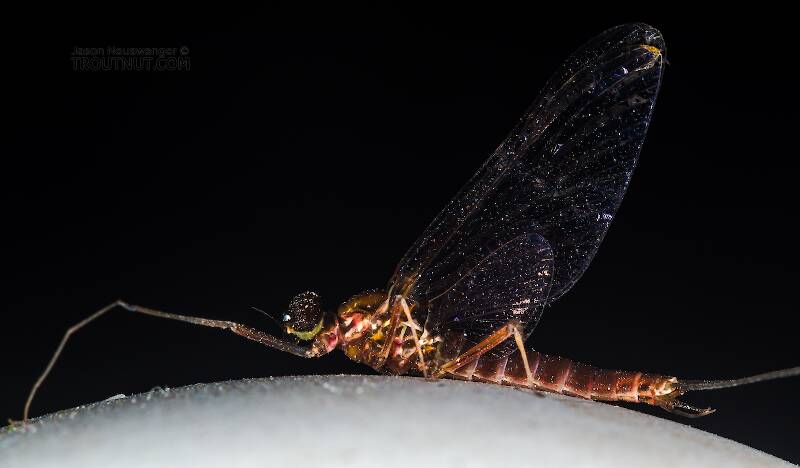
Disappointing Crowds on the South Fork of the Boise River
This time I had a full day plus the previous evening, so I got to explore the whole road-accessible reach. It's rare that I have a bad time on a beautiful western river full of trout on a clear blue day, but this came pretty close. Every pool has fish, but they mostly just weren't very active, and the rise activity was mostly near the slower tails of the pools, where a fish might rise just once or twice before cruising to a new spot. They were picky about what they'd eat, which is normally something I enjoy, but when they're moving around too much to allow more than a couple casts over the same fish, it's difficult to get dialed in.
Finding decent fishing was going to take some moving around to find active fish in more stable locations. That was incredibly difficult to do because there were so many people. A large majority of parking pulloffs had at least one angler's rig parked already, and most pools were occupied by a guy for at least a day. I didn't see anyone catching fish. Unlike some of the Catskill rivers where crowding multiple anglers on a pool is within the normal etiquette, in the West it just feels wrong, so I had to just keep moving to find unoccupied places. When I found them, they usually didn't have what I was looking for: a good place to find fish consistently rising in one spot, ideally with a bit of backcast room. Every time I spied a promising piece of water as I moved around, my motto for the day quickly flashed through my head: There's a guy there.
Only one time did I see a really awesome rise of fish, with many nice ones sipping something in a stable location off a gravel bar with nice casting room, which had been unoccupied a few minutes earlier as I fished an eddy downstream and prepared to move up. I was excited to look up at the water and see all the tantalizing rises... but, of course, because a few minutes had passed, there's a guy there. Exasperating. Not fun.
At least I caught some bugs.
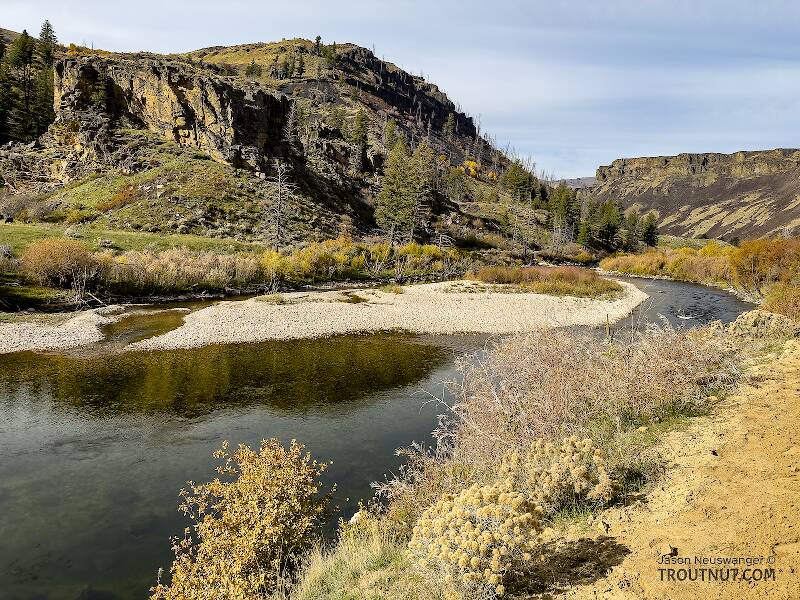
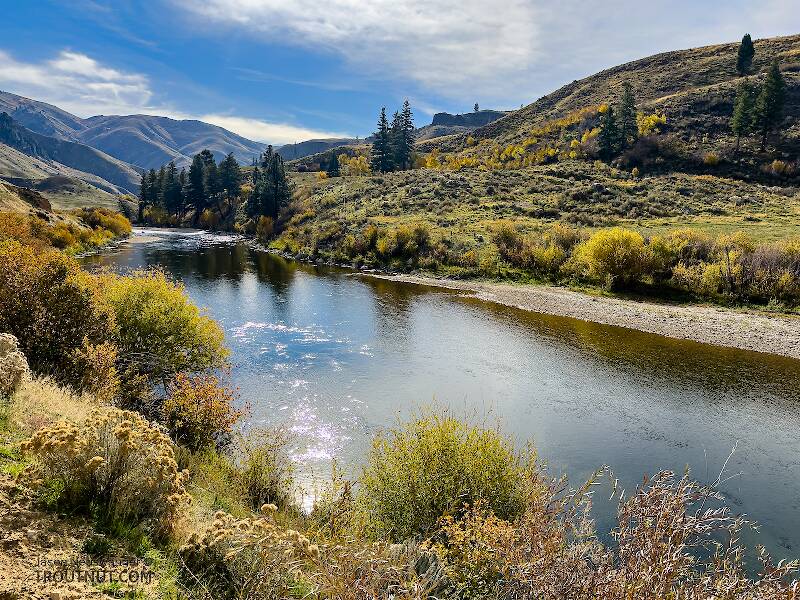
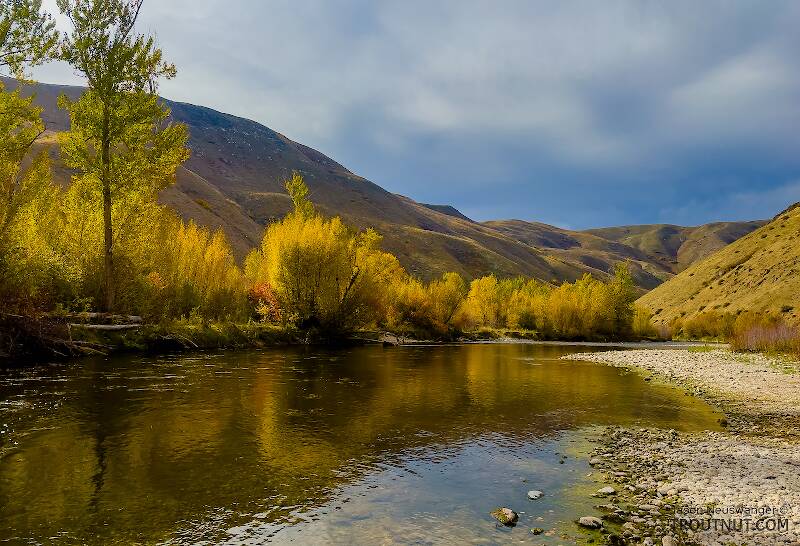
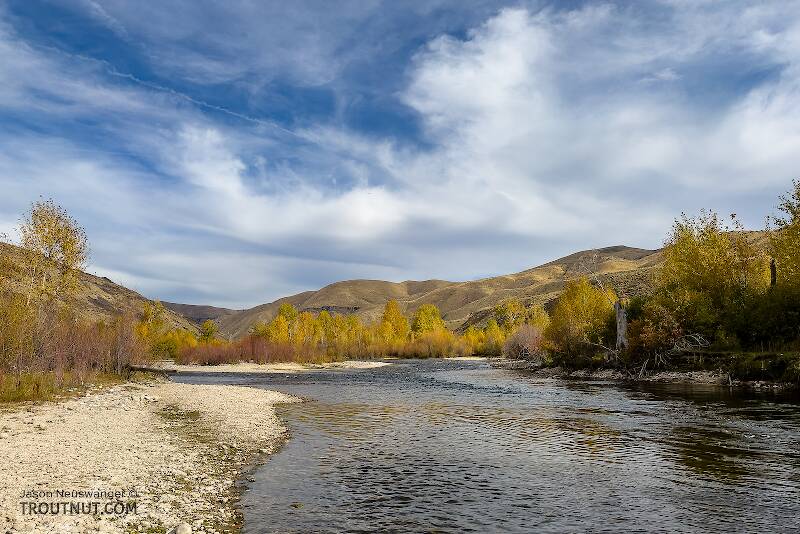
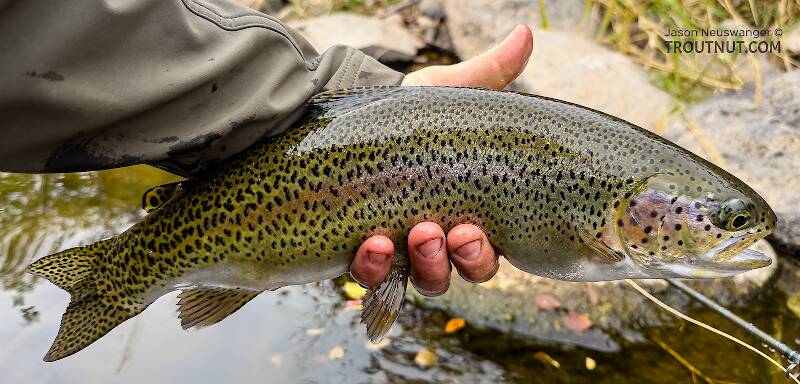
Photos by Troutnut from the South Fork Boise River in Idaho
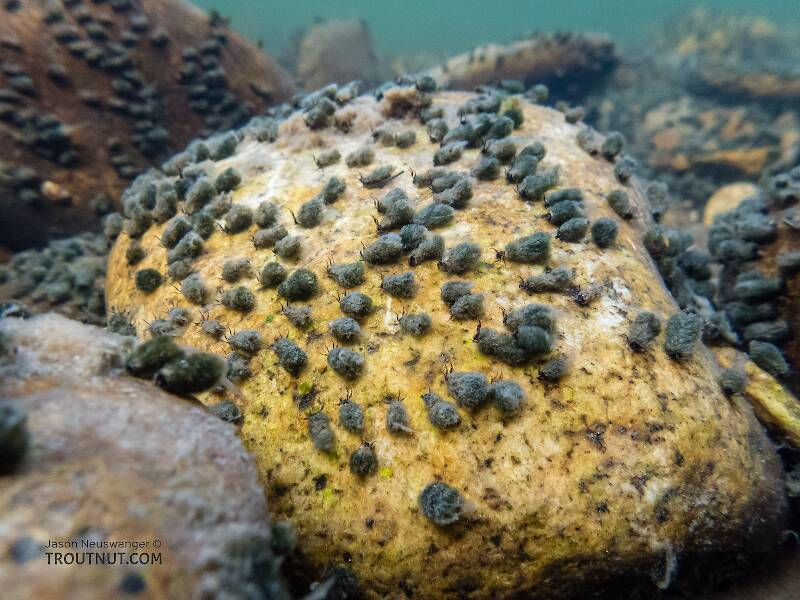
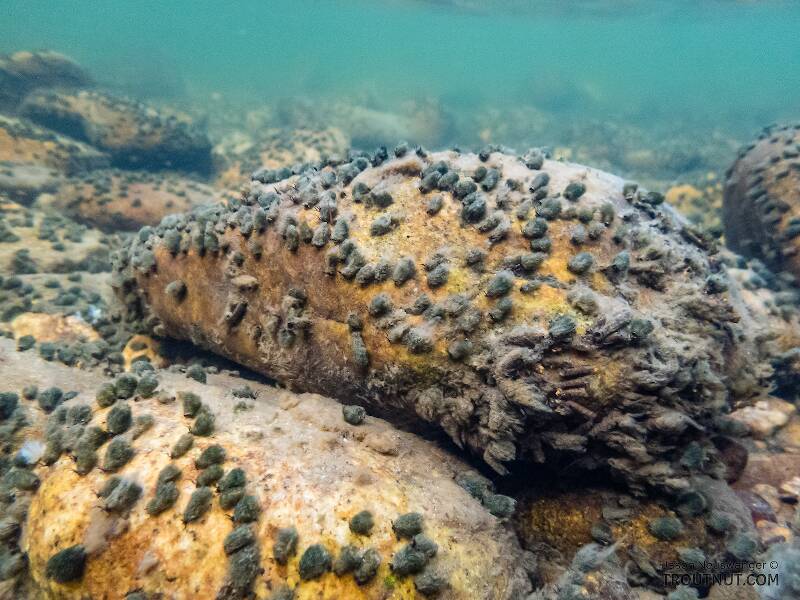
Underwater photos by Troutnut from the South Fork Boise River in Idaho
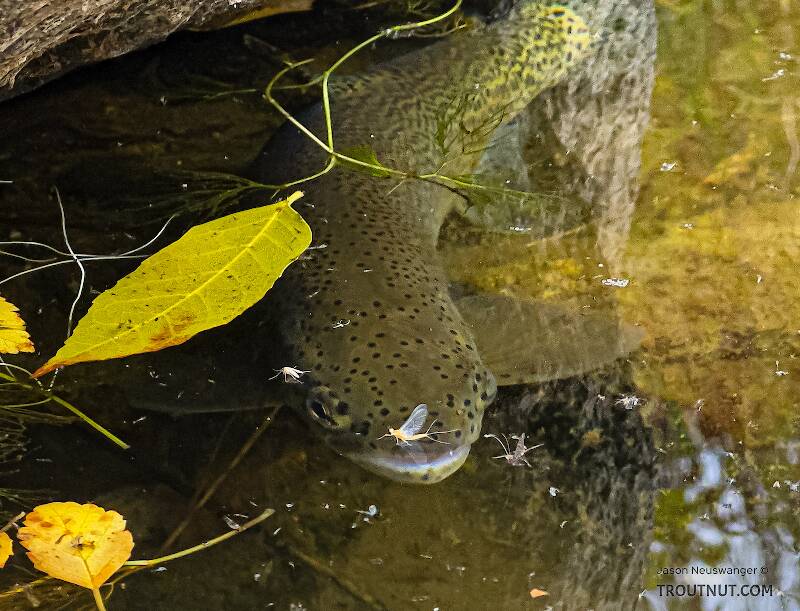
On-stream insect photos by Troutnut from the South Fork Boise River in Idaho
Closeup insects by Troutnut from the South Fork Boise River in Idaho
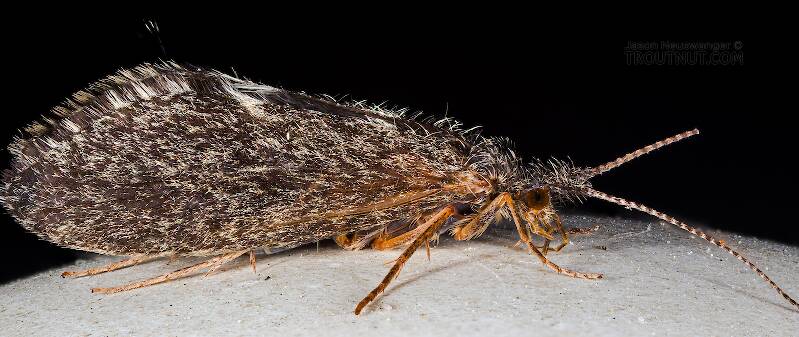
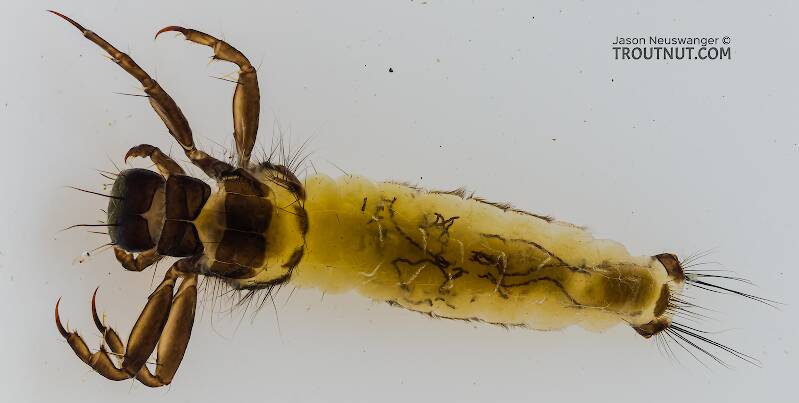
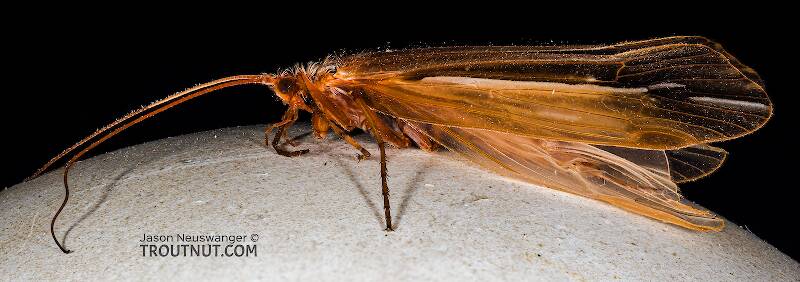
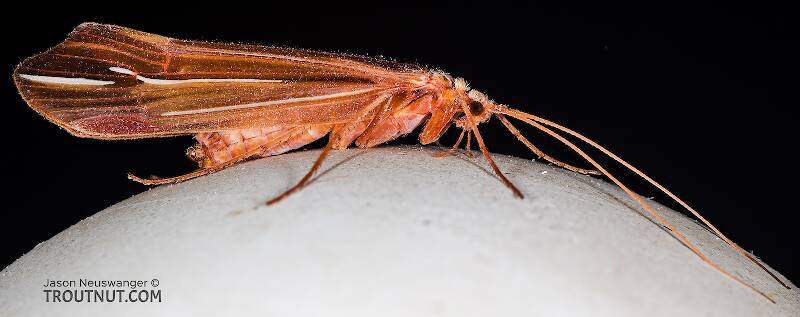
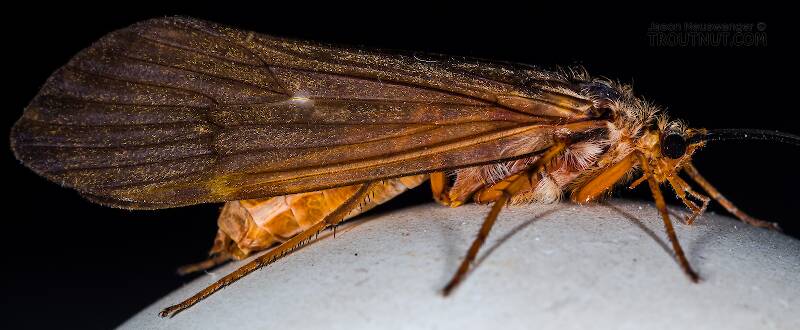
Public service announcement: the October Caddis is not pumpkin orange
Photos by Troutnut from Mystery Creek #306 in Washington
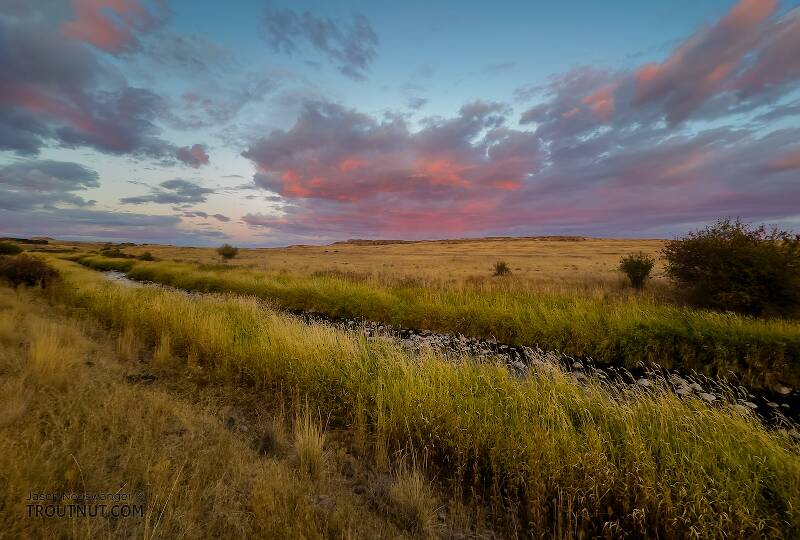
Closeup insects by Troutnut from Mystery Creek #306 in Washington
Exploring a bunch of small-stream spots in the Cascades
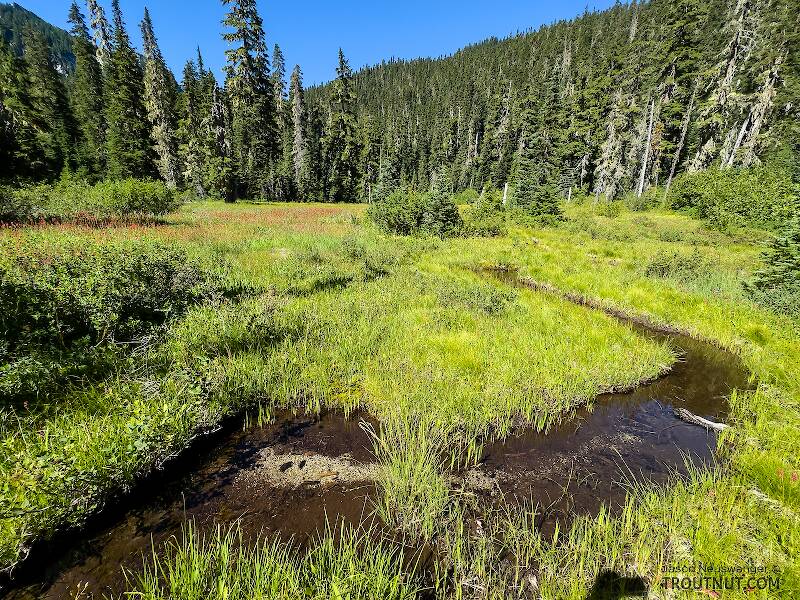
The first one was a dud. I was recently listening to the Troutbitten podcast, which defined a small stream as something like, "a stream no wider than the dirt road you drove in on." In that spirit I'd propose a definition of a tiny creek: "a creek where you can usually stand on both banks at the same time." Many of these don't have fish. A few do, and it's a great find when you can land a trout a third as wide as the water it came from—even when the fish is 7 inches long. Meadows work best for this, because they can fit a deep-enough channel, sometimes with undercut banks, into a tiny width. Satellite imagery drew me to tiny Smith Brook (near the popular trailhead named for it) as a prospect for this kind of spot, but like most such prospects, it didn't pan out. It's a beautiful tiny creek, but there's too little water even for tiny trout. The frogs have the place to themselves.
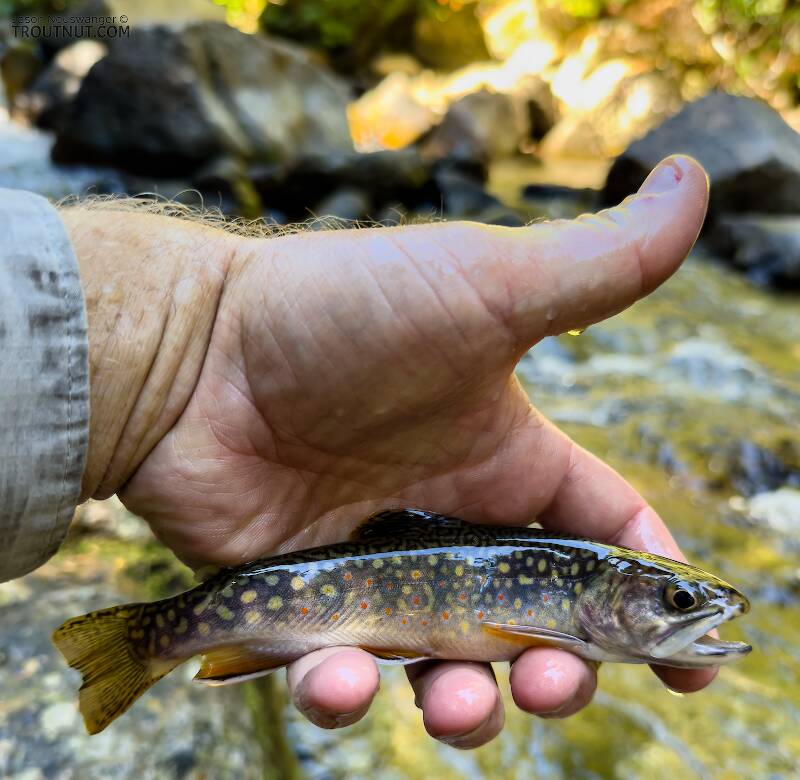
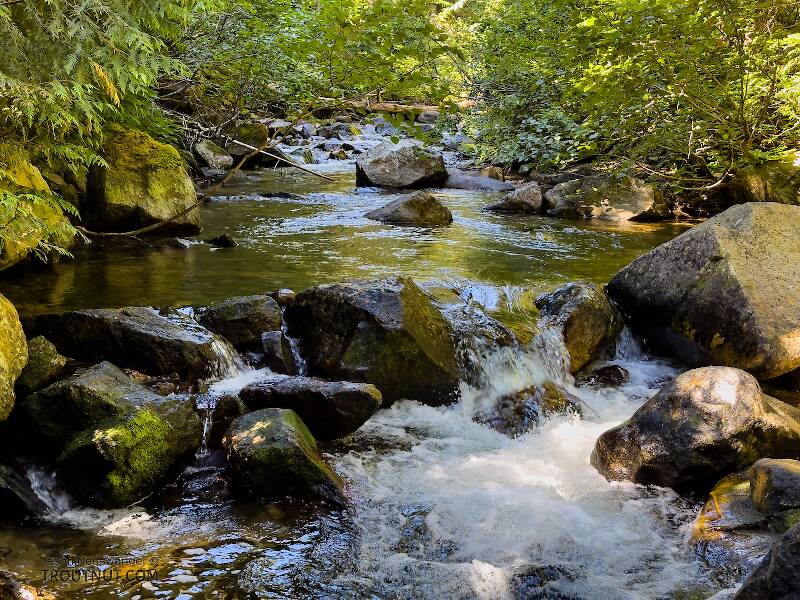
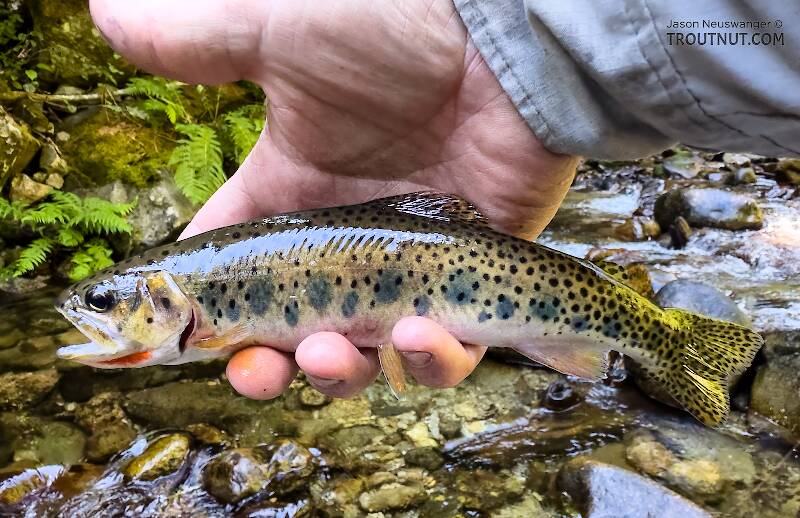
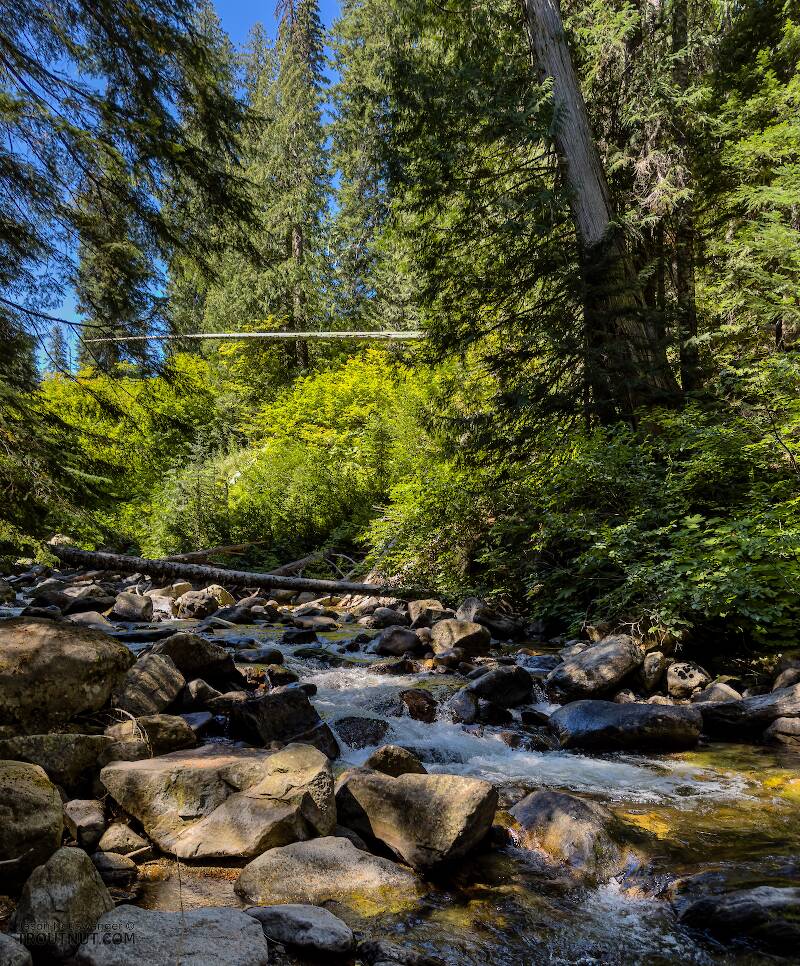
I checked out six or seven other spots on different creeks after that, and I found trout in all of them, but mostly not very many and not very big (even by small Cascades stream standards). One of these spots (labeled "Mystery Creek") held some nicer (9-10") fish and very good numbers of more typical small-stream cutthroat. A brook trout and a few rainbows made appearances in different sections.
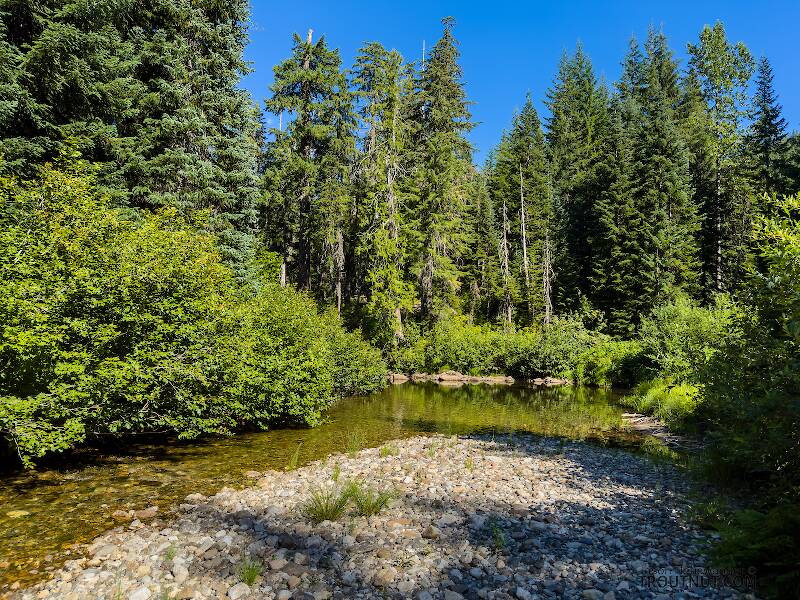
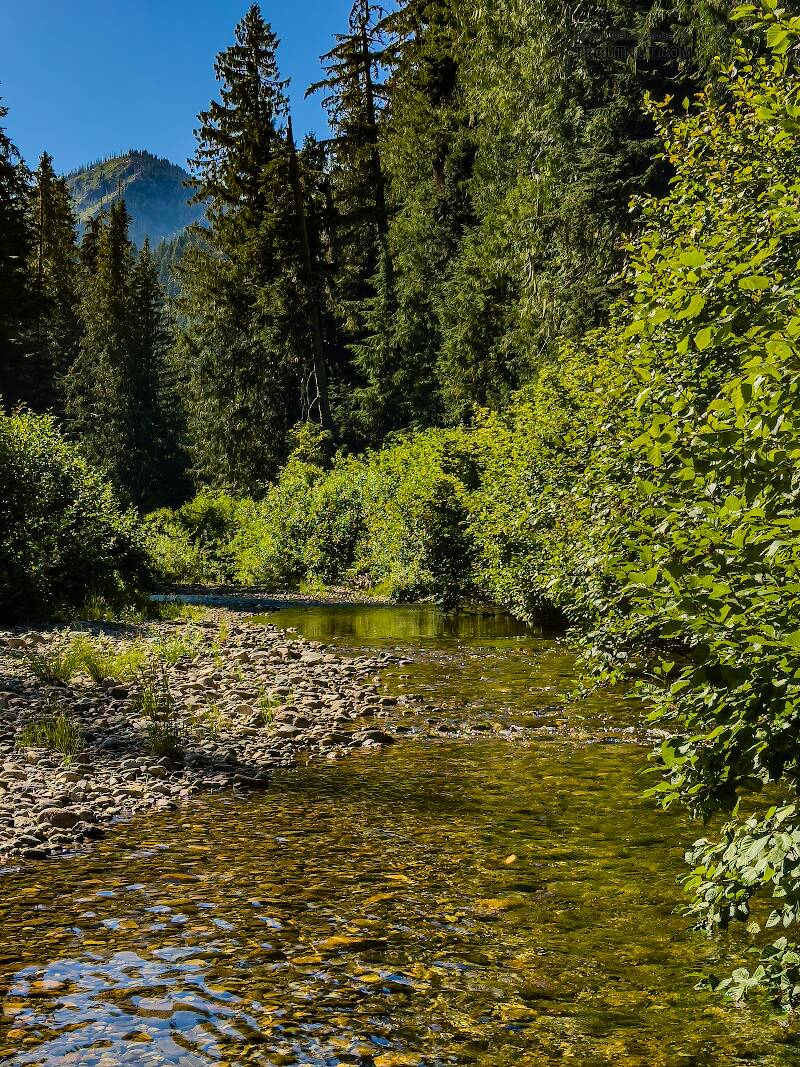
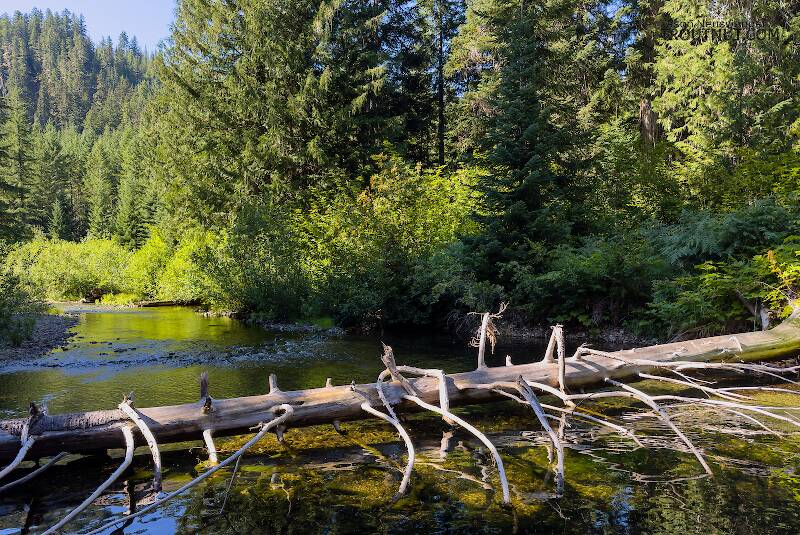
Photos by Troutnut from Smith Brook, Mystery Creek #319, Lake Creek, and the Little Wenatchee River in Washington
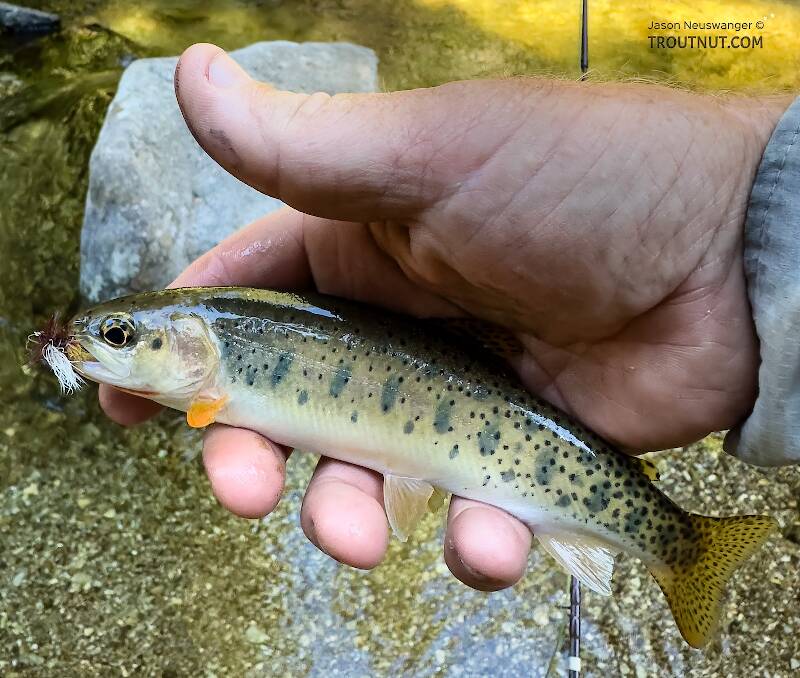
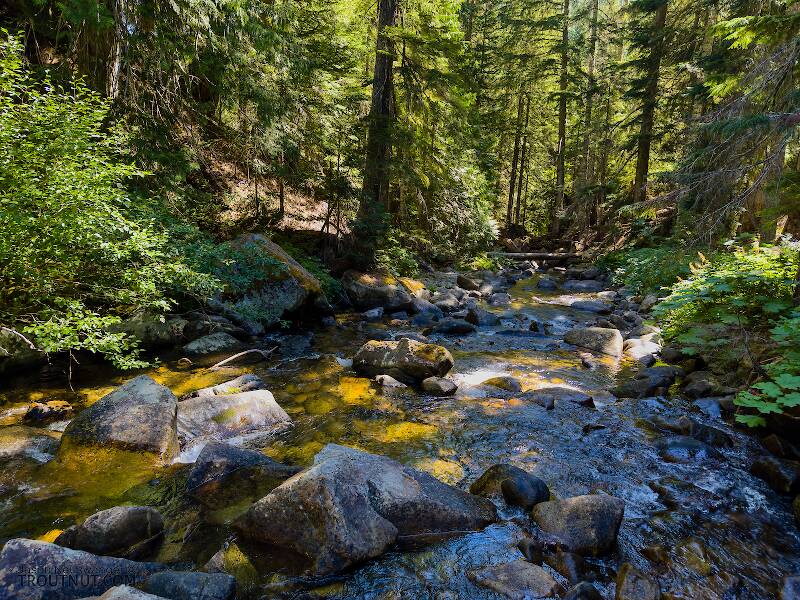
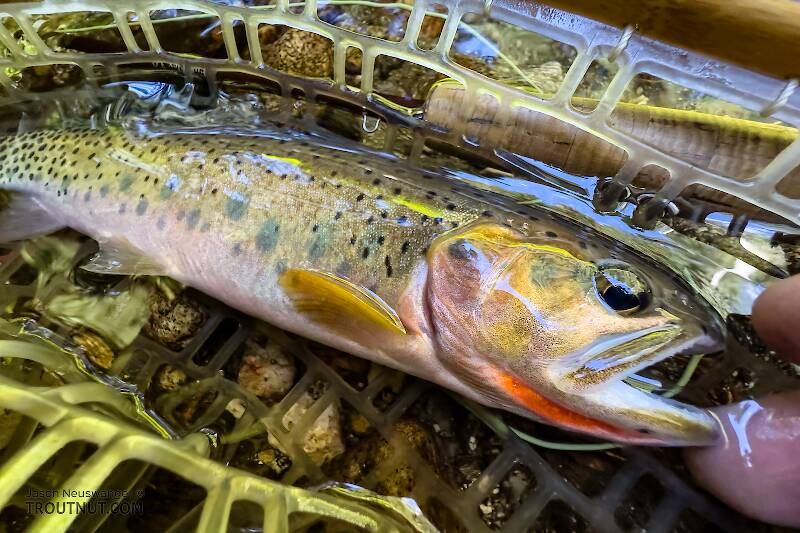
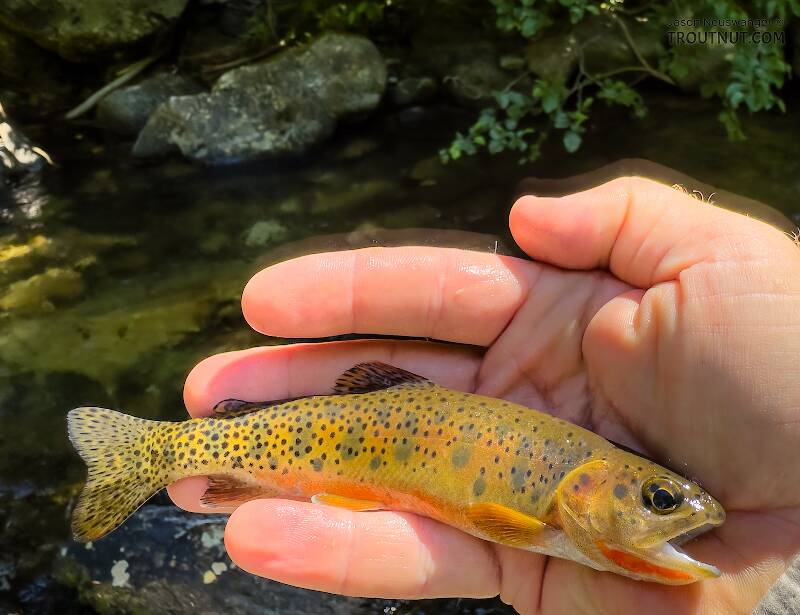
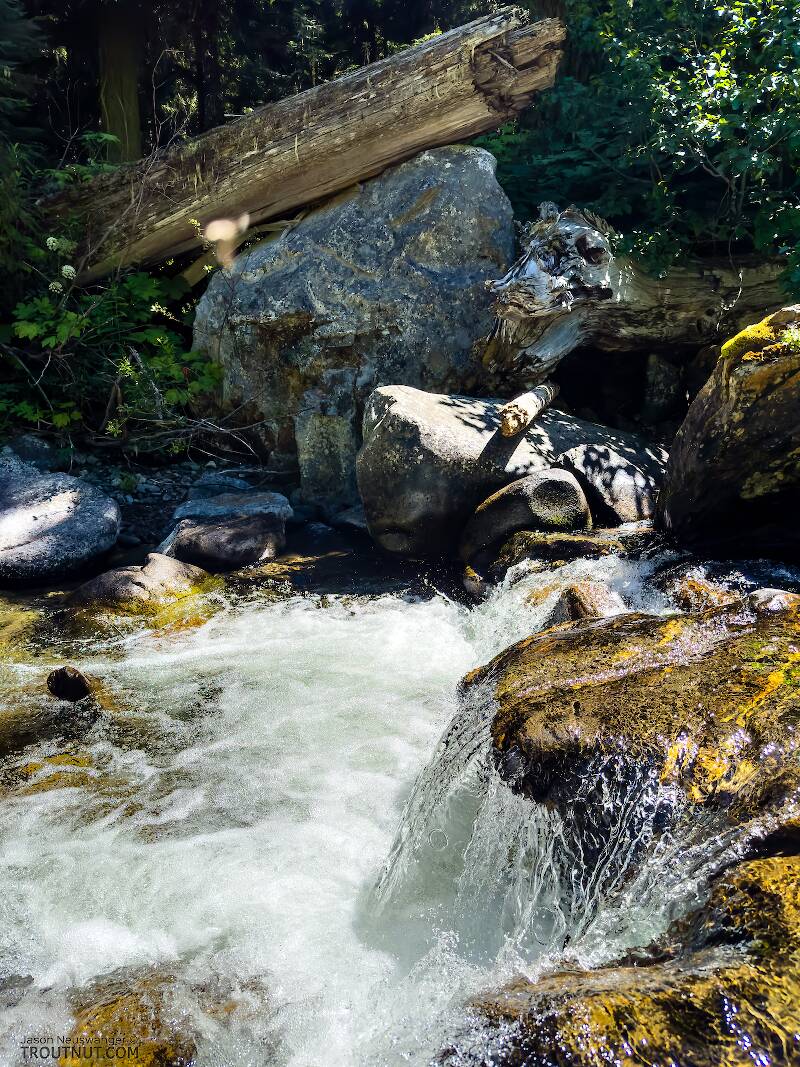
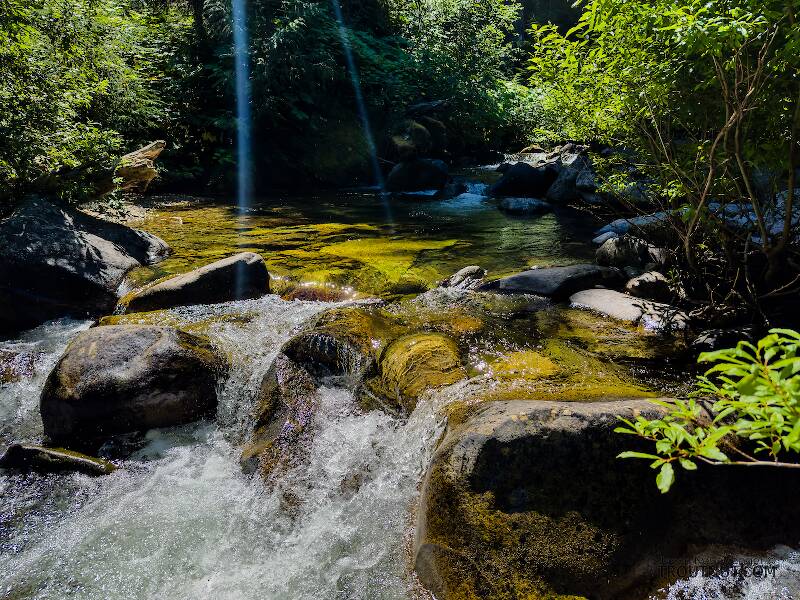
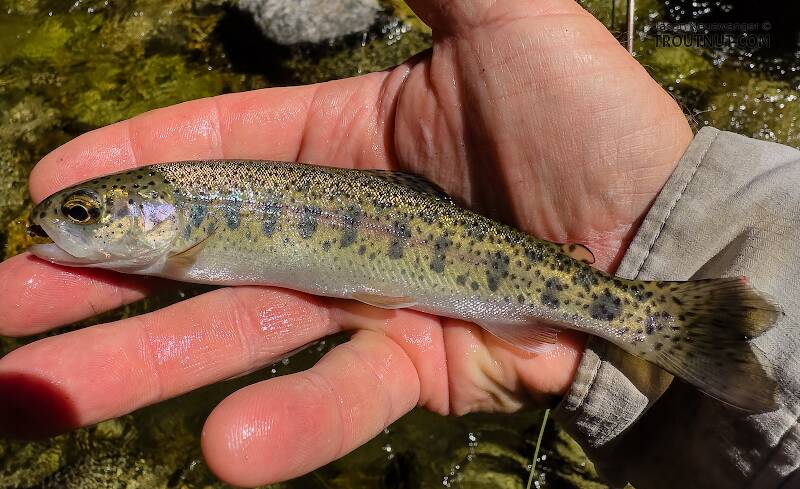
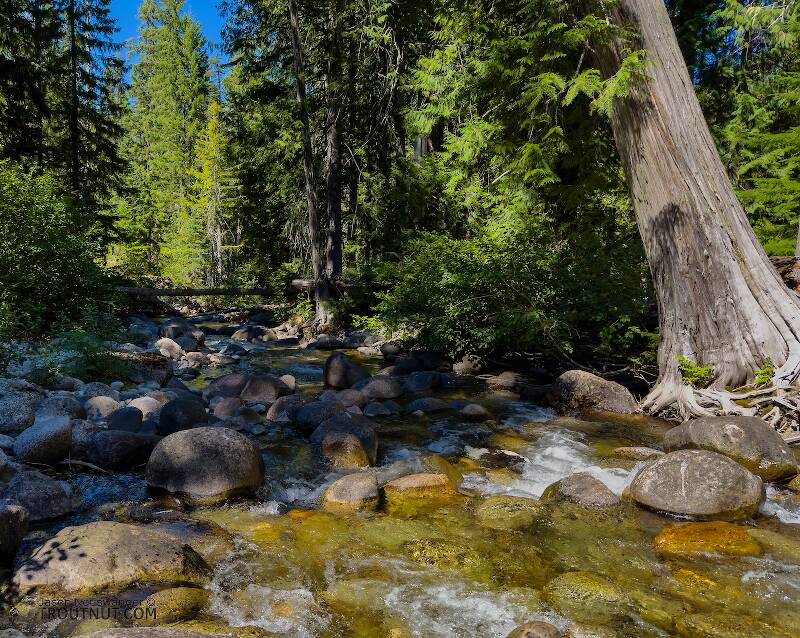
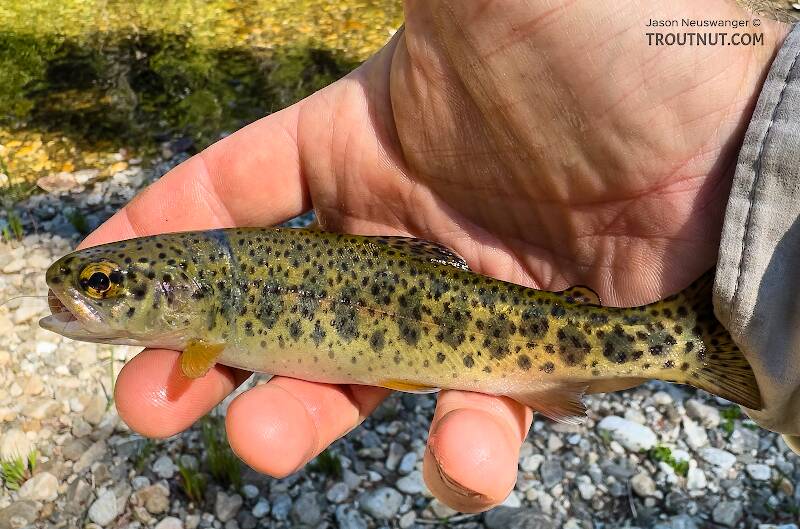
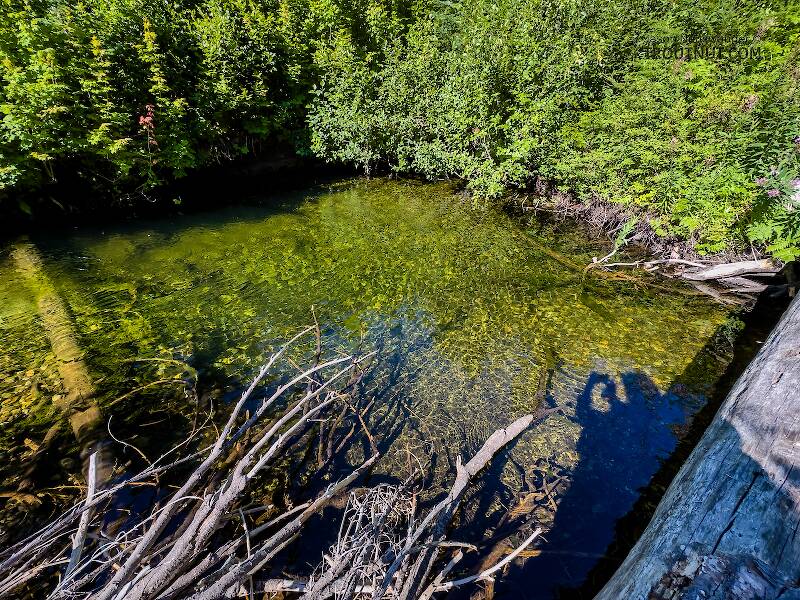
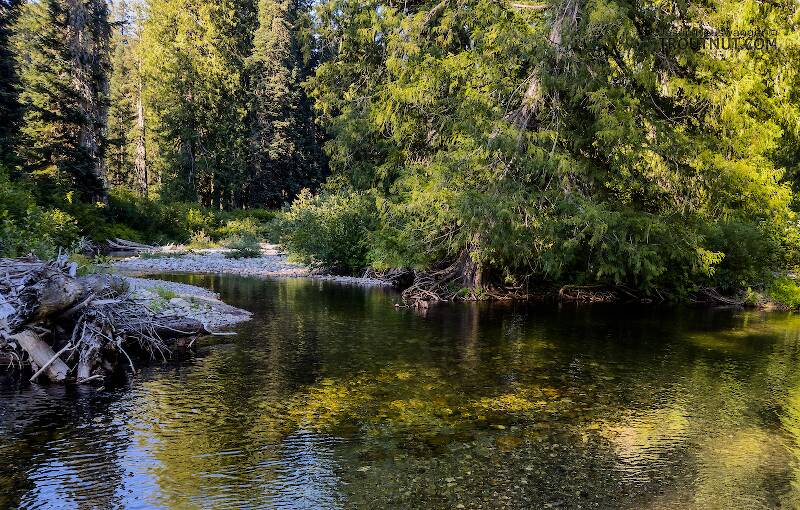
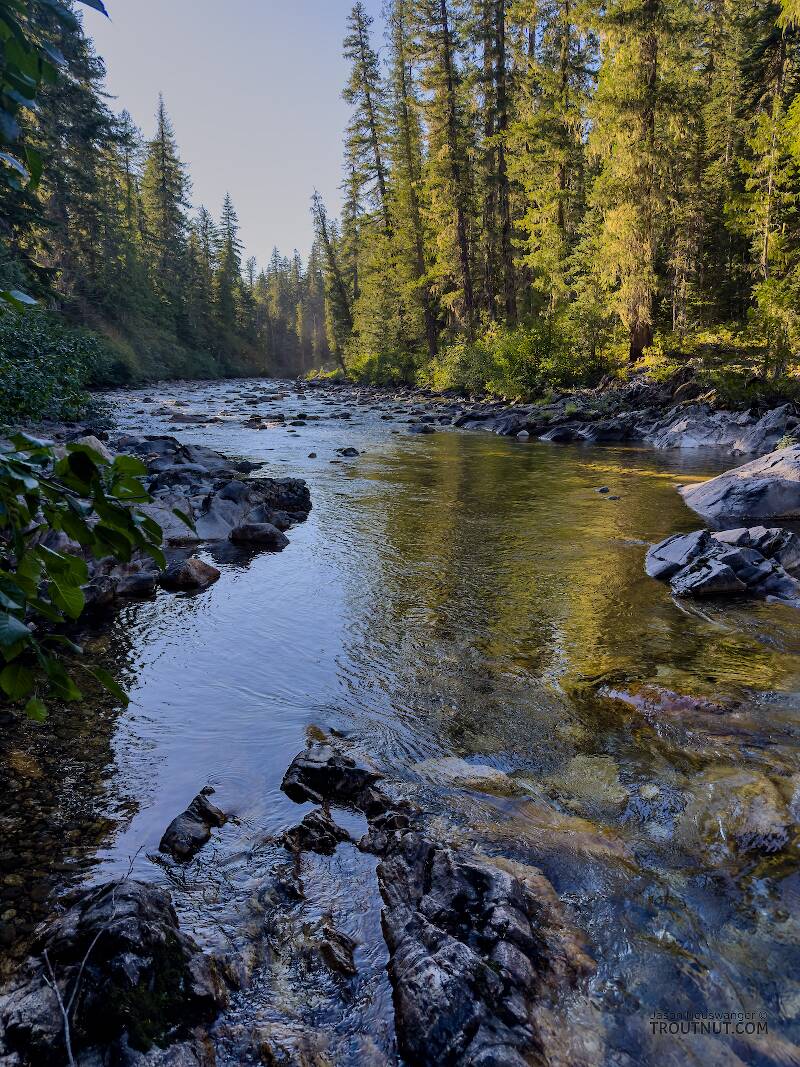
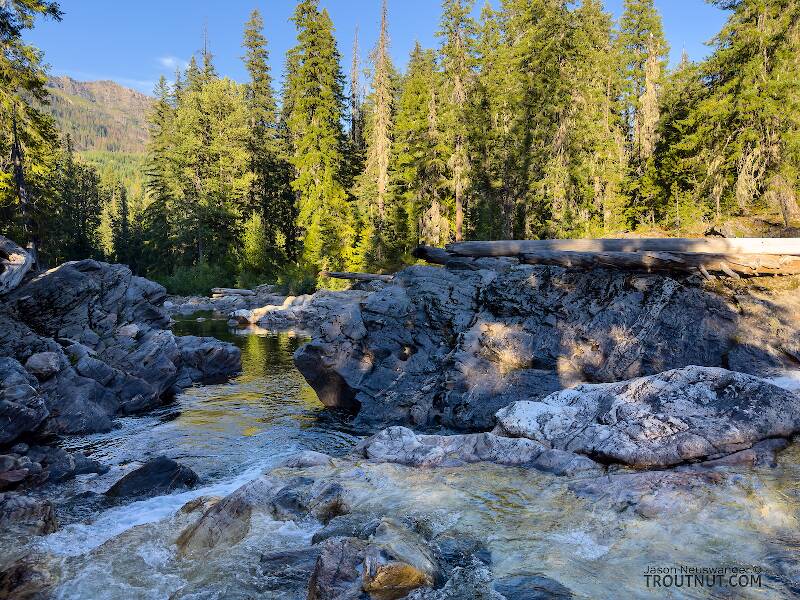
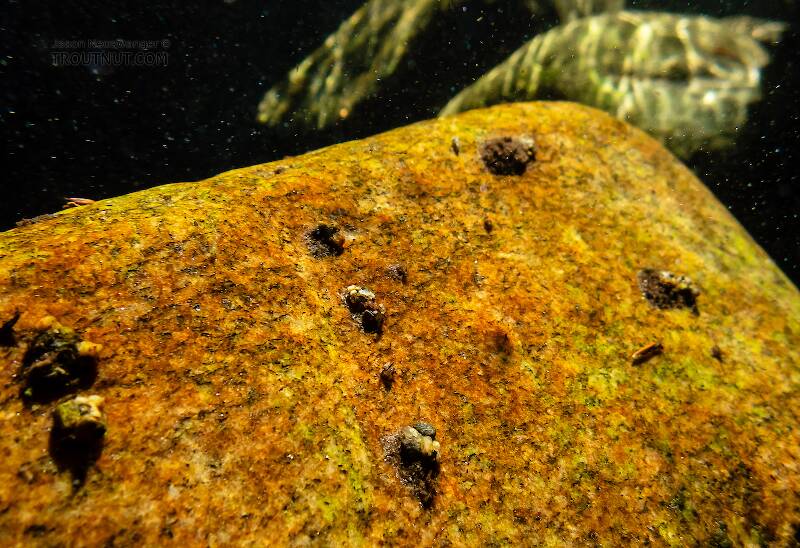
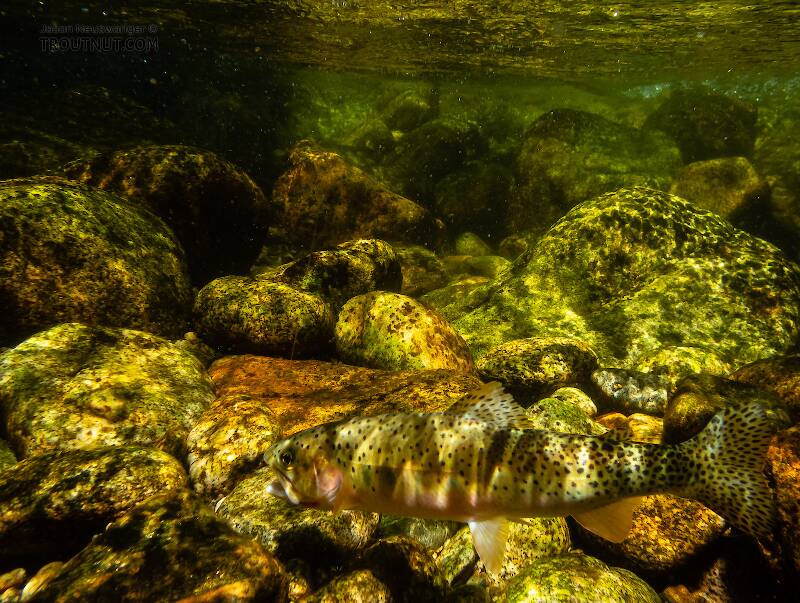
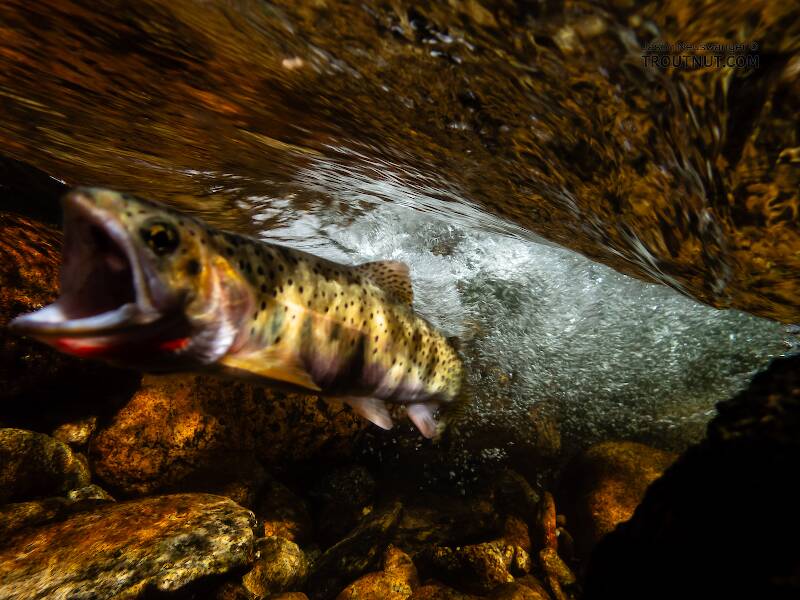
Underwater photos by Troutnut from Mystery Creek #319 in Washington



Featured on the photo forums
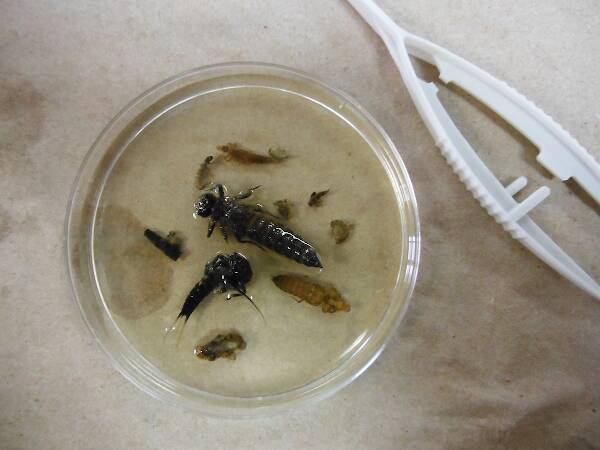
In the Photography Board by Jmd123
by PaulRoberts
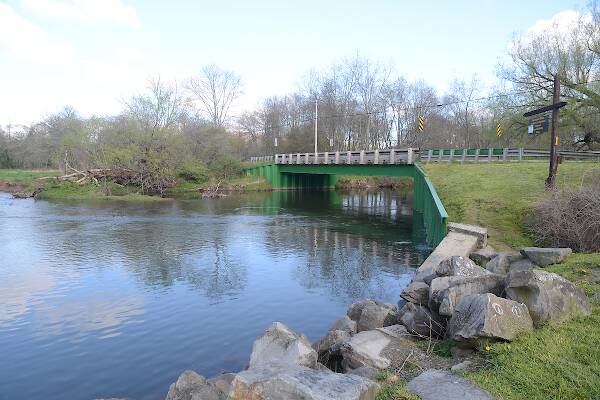
by Jmd123
by Martinlf
Streamside Field Guide
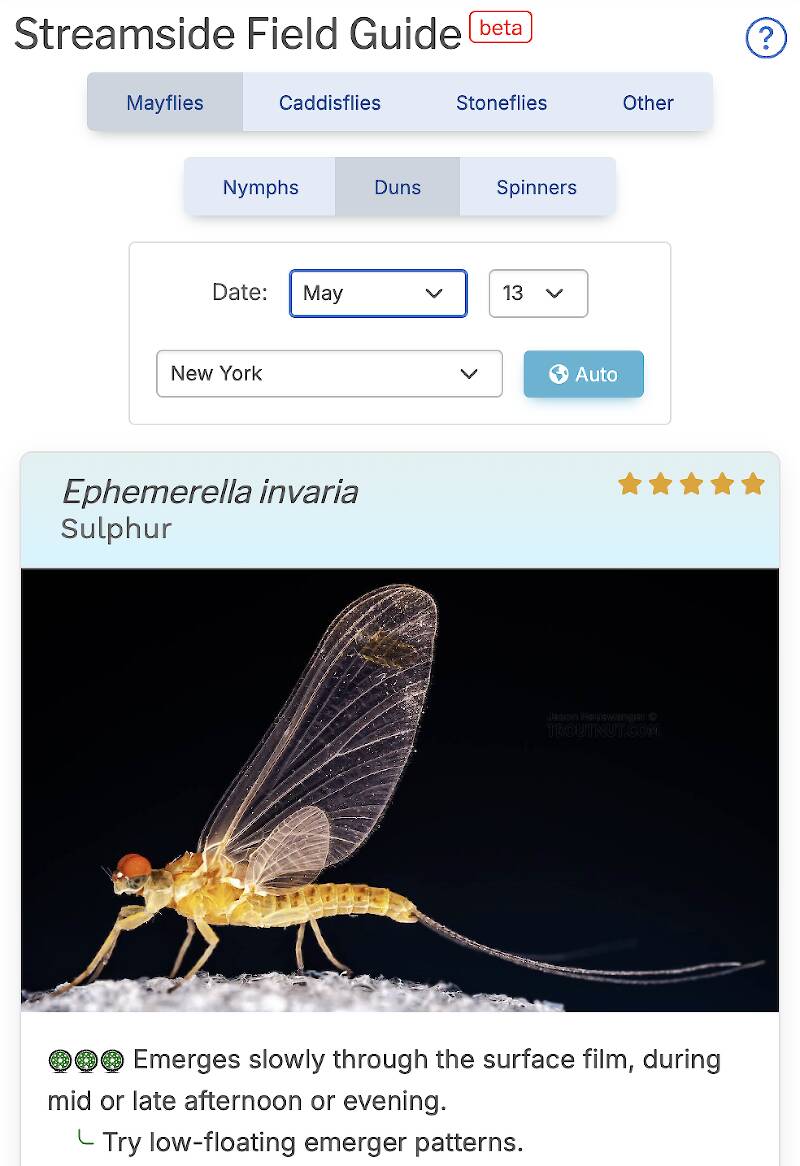 This field guide puts essential hatch-matching information at your fingertips wherever you have internet service. Pull up the mobile-friendly page
to see the likely aquatic insects for your location and time of year, with pictures for quick identifications, highlights of
each species' life cycle (timing, habitat, behavior), and tips for fly selection and presentation to catch more trout.
This field guide puts essential hatch-matching information at your fingertips wherever you have internet service. Pull up the mobile-friendly page
to see the likely aquatic insects for your location and time of year, with pictures for quick identifications, highlights of
each species' life cycle (timing, habitat, behavior), and tips for fly selection and presentation to catch more trout.
Identification Keys
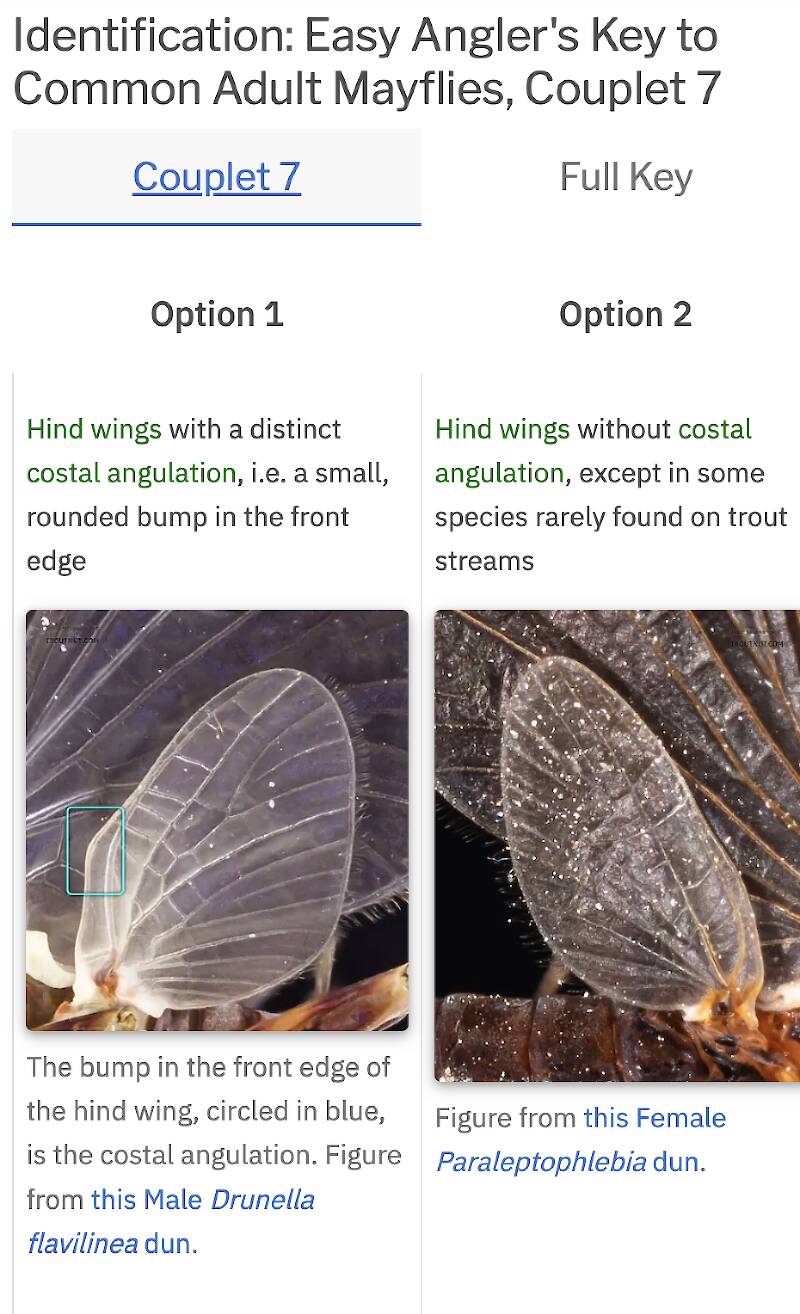 Identify trout stream insects using the same scientific criteria as entomologists, but with features to make the job
easier, including instant definitions of unfamiliar terms, extensive closeup photos, built-in range maps, example specimens, and easy
backtracking. Whether you're a biologist, a bug-serious angler, or looking to become one, these keys will make insect identification
faster and more fun.
Identify trout stream insects using the same scientific criteria as entomologists, but with features to make the job
easier, including instant definitions of unfamiliar terms, extensive closeup photos, built-in range maps, example specimens, and easy
backtracking. Whether you're a biologist, a bug-serious angler, or looking to become one, these keys will make insect identification
faster and more fun.
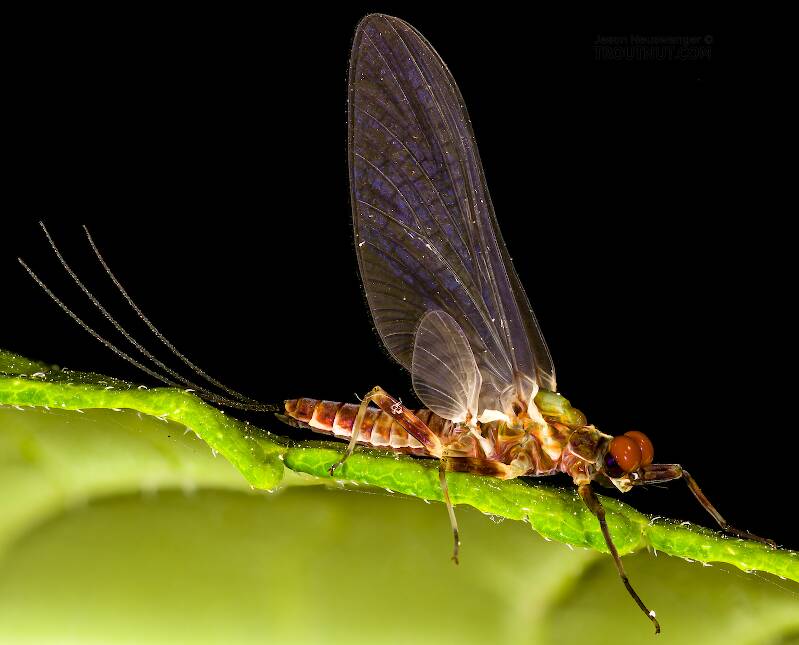
Mayflies
Ephemeroptera
Mayflies are the most important insects for anglers to understand, because they are common on trout streams, they often hatch in frenzied bursts of activity, and their behavior varies so widely between families and sometimes even species that it's useful to know and imitate the habits of each. They are a primitive order of insects, and their elegance and delicate lives have made them popular beyond the world of trout fishing.
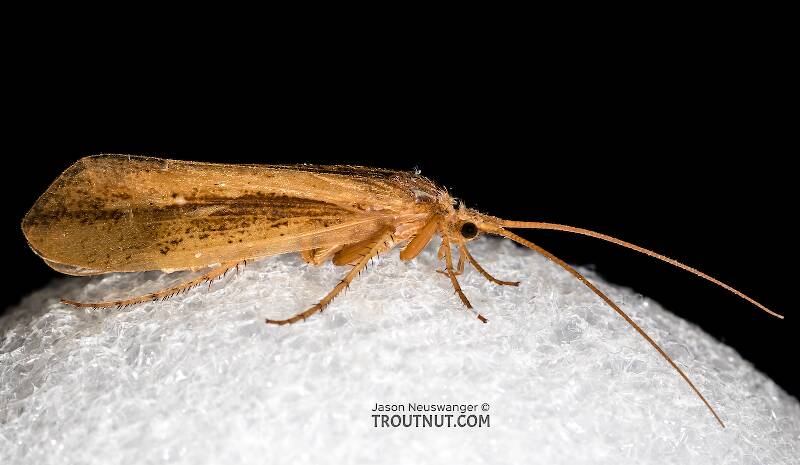
Caddisflies
Trichoptera
Some anglers consider caddisflies to be even more important than mayflies. On many rivers, they're right. Angler-entomologists focus less energy on them because they are slightly less prone to cause a feeding frenzy among the trout. Although that happens sometimes, they are more commonly an intermittent food source during the times when it seems like nothing's hatching. Understanding their life cycle is of paramount importance to any fly fisher, but learning their species-specific idiosyncrasies is less useful than with mayflies.
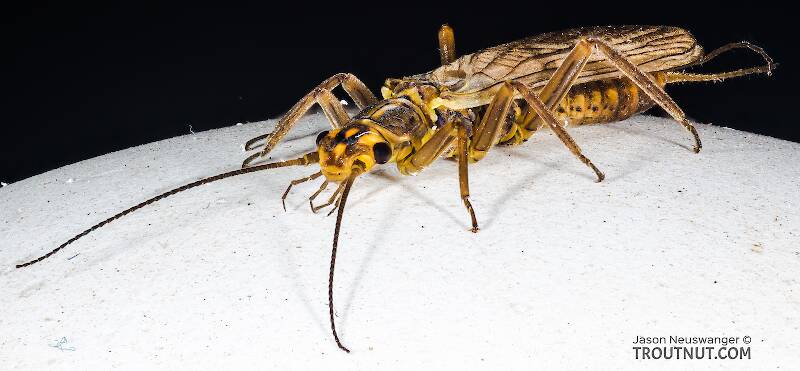
Stoneflies
Plecoptera
Though less prolific than mayflies and caddisflies, many stonefly species make up for in size what they lack in numbers. Because they emerge by crawling out of the water on land, the hatching adults are not eaten for trout, but their large nymphs are welcome food year-round. In the Western states, where stoneflies are most prolific, trout sometimes feed selectively on the egg-laying adults as they return to the water.
