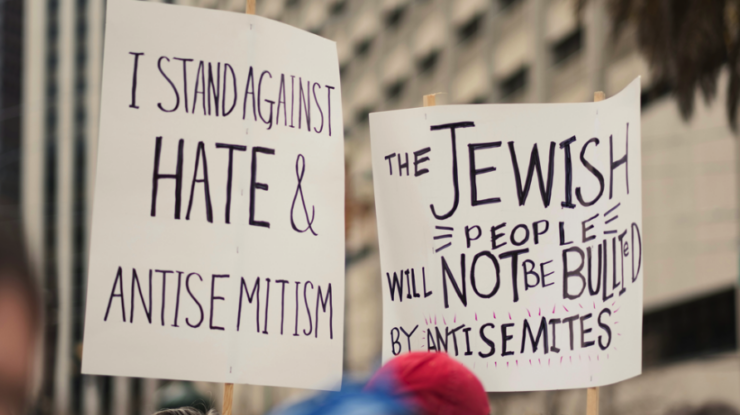



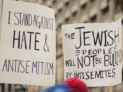



Public Safety Canada released its summer progress report on the National Commitments to Combat Antisemitism yesterday, days after the Yom Kippur attack on the Sons of Jacob synagogue in Belleville. Most of the report tracks activities related to police training, funding programs, and provincial initiatives. But what makes the report consequential is the government’s clear recognition in a pair of statements that antisemitism includes anti-Zionism. The statements are sure to attract criticism in some quarters, but anti-Zionism is too often thinly veiled antisemitism, as if substituting the word Zionist for Jew renders the unacceptable acceptable. Given the rising antisemitic violence, culminating in this week’s terror attack, combatting antisemitism requires definitions that safeguard the Jewish community while remaining consistent with protecting freedom of expression. The government’s approach, which relies on a definition of antisemitism based on the lived reality of the Jewish community, does just that.
Latest Posts
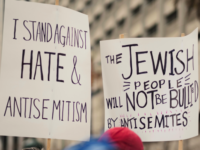
A Definition That Meets the Moment: Federal Government Recognizes Antisemitism Includes Anti-Zionism
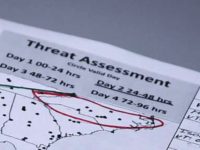
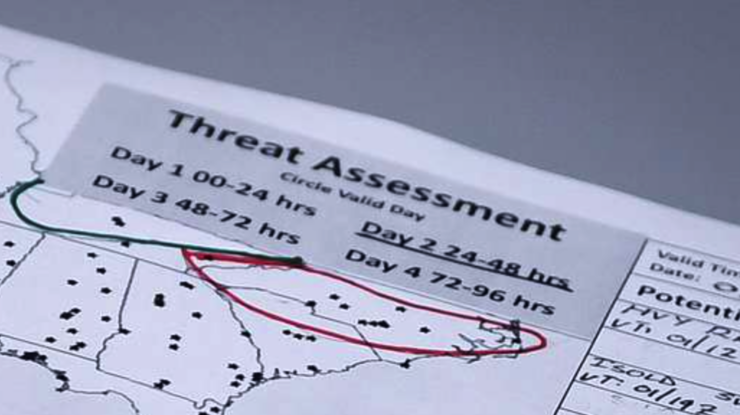
Nobody Can Say They Weren’t Warned: Canada’s Threat Assessments Predicted the Belleville Yom Kippur Attack
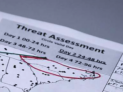
The shooting outside the Sons of Jacob synagogue in Belleville on the eve of Yom Kippur should not have come as a surprise to anyone who has been paying attention to the government’s own threat assessments. For the past year, CSIS’s Integrated Threat Assessment Centre has been sounding the alarm, warning that a violent attack targeting the Canadian Jewish community was a realistic possibility. Indeed, the ITAC warnings predicted that the most likely scenario was a lone actor with a simple weapon at an easily accessible target fuelled by the normalization of antisemitism. On Sunday night, a 29-year-old former soldier fired repeatedly at the synagogue with congregants inside, with only a brave police officer averting a potential massacre.

An AI Transparency Act for Canada: My Submission to the Government’s AI Transparency Consultation
The government’s consultation on AI transparency closed yesterday. My submission builds on appearances before the House of Commons Industry committee, the Senate Transport and Communications committee, and the Senate Social Affairs committee, and recommends an AI Transparency Act built on three pillars: mandatory public disclosure of AI corporate safety and escalation policies, an issue I raised in the aftermath of Tumbler Ridge, transparency on the works included in AI training data, and annual transparency reports on government and law enforcement demands for user data. It addresses each of the discussion paper’s five areas, including why Bill C-36 (the government’s privacy reform bill) is unlikely to facilitate better transparency in automated decision-making before at least 2030 and why Bill C-34’s synthetic content labelling obligation does not fully address the issue of identifying such content that can mislead. The full submission is posted below.

Not If, But When: The Yom Kippur Terror Attack in Belleville
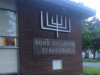
I came out of Yom Kippur services on Monday evening to the news of a terror attack on Sunday night at the Sons of Jacob synagogue in Belleville, Ontario. Reports indicate that the shooter drove up in a truck and fired on a police officer stationed outside the synagogue, leading to several minutes of gunfire. The officer was shot and is now in hospital. By sheer luck, the congregation was ten minutes late starting their service, meaning that the gunfire that left roughly 20 holes in the sanctuary window missed its intended target.
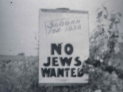
The good fortune that a massacre was averted does not lessen the impact of gunfire targeting a synagogue packed with congregants on the holiest day of the year. Shootings and firebombings at Canadian synagogues have become commonplace over the past three years. When I said in March that many in the community had come to view a Bondi Beach-style attack in Canada as a question of not if, but when, the comment garnered surprise, yet six months later it has happened, with a police officer averting a disastrous loss of life.
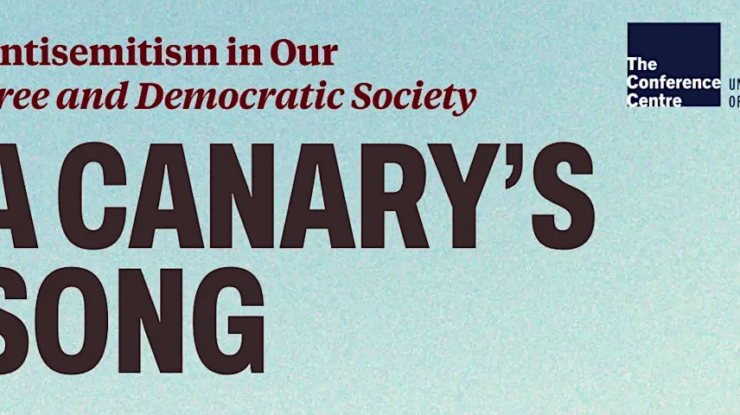
A Canary’s Song: What Antisemitism Reveals About the Health of Canadian Democracy
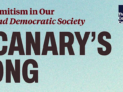
Peter Biro’s A Canary’s Song: Antisemitism in Our “Free and Democratic Society” conference was held earlier this week at the University of Toronto Conference Centre as the University stepped up after Massey College demanded that it vet the conference Biro had proposed, organized, and committed to fund. Biro resigned his senior fellowship rather than accept the demands, which led to national media coverage and well-deserved criticism of the college. I was honoured to participate in the exceptional event alongside an incredible lineup of experts in a packed, sold-out room.

Recent Posts
 A Definition That Meets the Moment: Federal Government Recognizes Antisemitism Includes Anti-Zionism
  Nobody Can Say They Weren’t Warned: Canada’s Threat Assessments Predicted the Belleville Yom Kippur Attack
  An AI Transparency Act for Canada: My Submission to the Government’s AI Transparency Consultation
  Not If, But When: The Yom Kippur Terror Attack in Belleville
  A Canary’s Song: What Antisemitism Reveals About the Health of Canadian Democracy

