









There are days that test your patience, and then there are days that make you question every life choice that led you to sit in front of a video editing timeline.
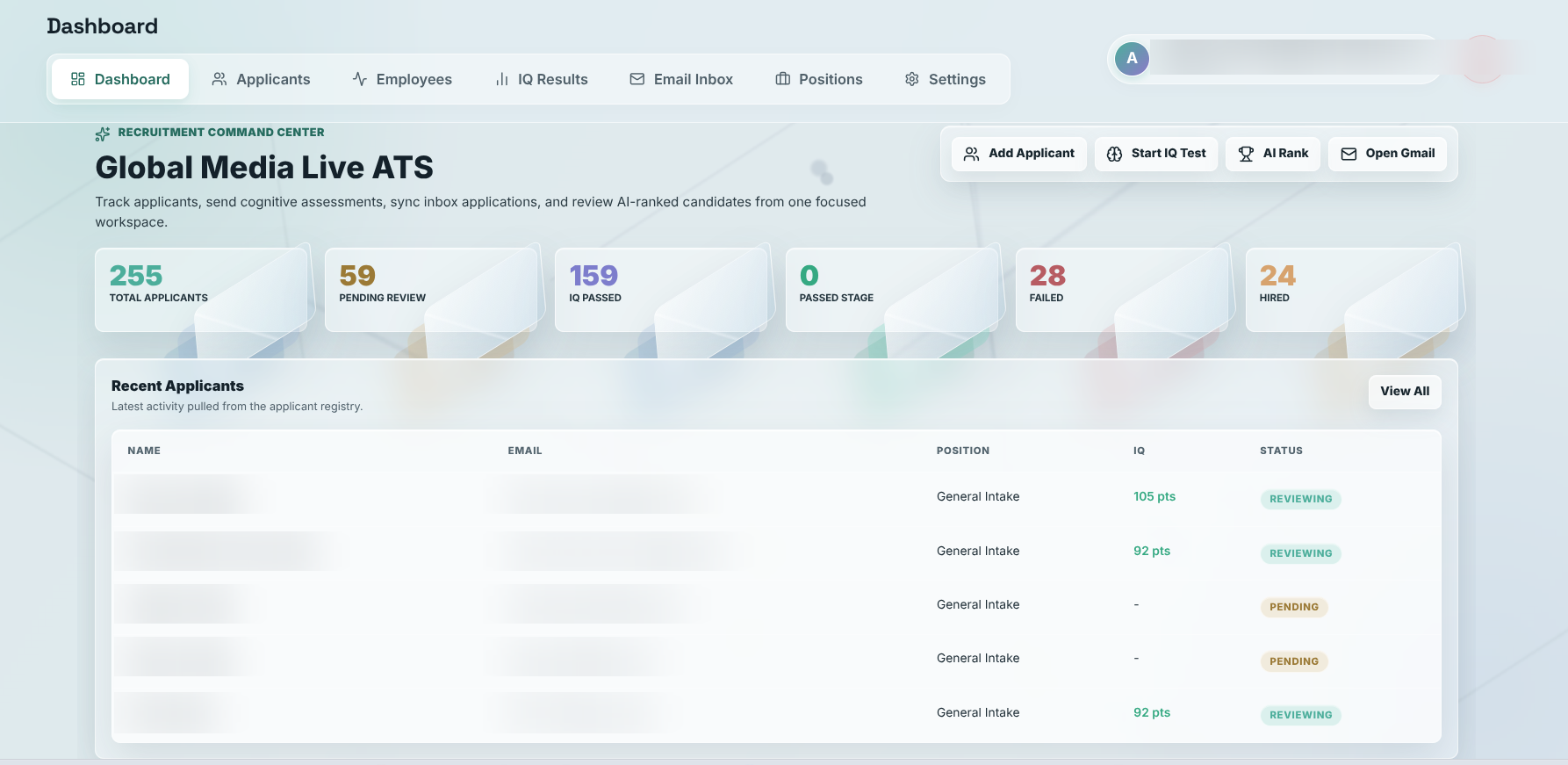
During my time working with the AI operations team at Global Media Live Incorporated, we faced what I can only describe as a digital apocalypse. Management dropped the bomb: we needed 500 short-form remix videos produced in a single day.
The videos were concise—15-second, tightly scripted, punchy promotional clips. On paper, 15 seconds sounds like nothing. But do the math: three video editors, eight hours, and 500 deliverables. That meant our little trio—myself, along with my battle-tested colleagues Asis and Patrick—had roughly 2.8 minutes per video. Non-stop. Without breathing, blinking, or taking a sip of water.
By hour two, the studio smelled like burning processor silicon and pure dread. Asis was aggressively slicing timeline clips with the thousand-yard stare of a soldier under siege. Patrick looked like he was about to declare war on the Premiere Pro playhead. We were manually dragging assets, adjusting text keyframes, lining up voiceovers, dropping whoosh sound effects, and waiting on export queues. It was a repetitive, soul-crushing loop. If we stayed on that trajectory, we wouldn't just miss the target—our wrists would dissolve into carpal tunnel dust before lunch.
The Lightbulb Moment: Modular Automation
Every single 15-second clip followed a rigid, predictable anatomy:
- An attention-grabbing video hook
- A timed voiceover track
- Dynamic text overlays
- Punchy sound effects (SFX)
- Background music and a brand outro
If the structure was deterministic, the assembly didn't require human hands—it just required logic. I told Asis and Patrick to step back from the timeline for an hour. While they held the line, I opened up VS Code to build an automated remix engine in Python.
Deconstructing the Video Pipeline
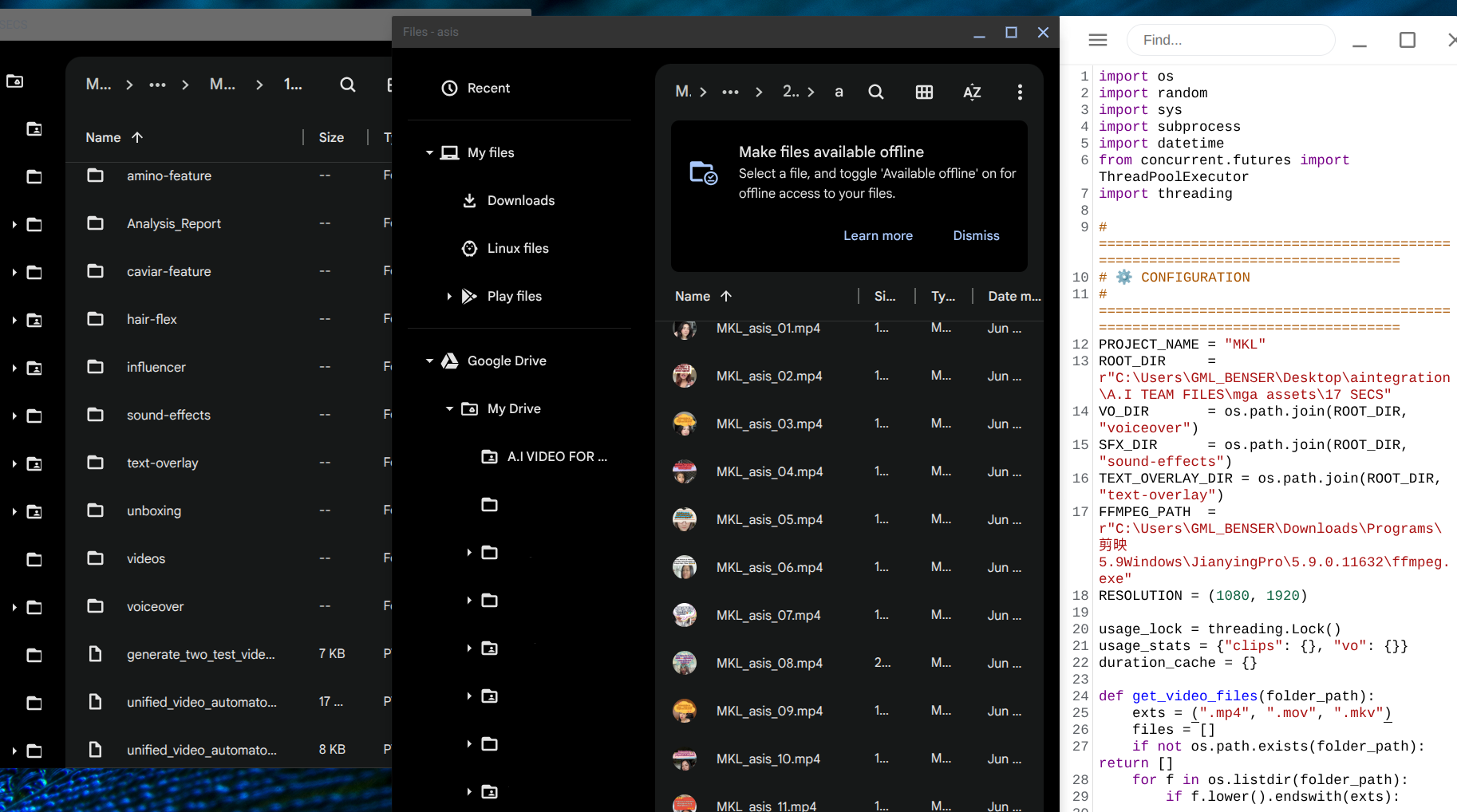
The architecture came down to treating video editing like a software manufacturing line rather than a creative jam session. I organized our chaotic asset pool into clean, modular data layers:
/assets/voiceovers— Scripted AI voiceover files, pre-timed and normalized./assets/footage— B-roll hooks, product angles, and background visuals./assets/sfx— Categorized audio impacts, risers, and whooshes./assets/overlays— Pre-rendered graphic badges, lower-thirds, and UI stickers.scripts.json— Structured metadata containing dynamic caption text, timestamps, and style rules.
Using Python’s video processing libraries, I wrote a script that acted as a headless editor:
# Conceptual view of the batch composition engine
for index, item in enumerate(campaign_manifest):
    # Bind the scripted audio track to determine base duration
    vo_audio = AudioFileClip(item.vo_path)

    # Dynamically stitch visuals matching audio cues
    base_clip = select_visual_hook(item.tag).subclip(0, vo_audio.duration)

    # Layer timed typography and kinetic SFX
    annotated_clip = apply_text_overlays(base_clip, item.captions)
    final_audio = CompositeAudioClip([vo_audio, match_sfx(item.sfx_tag)])

    # Render final deliverable
    render_pipeline(annotated_clip.set_audio(final_audio), output_id=index)
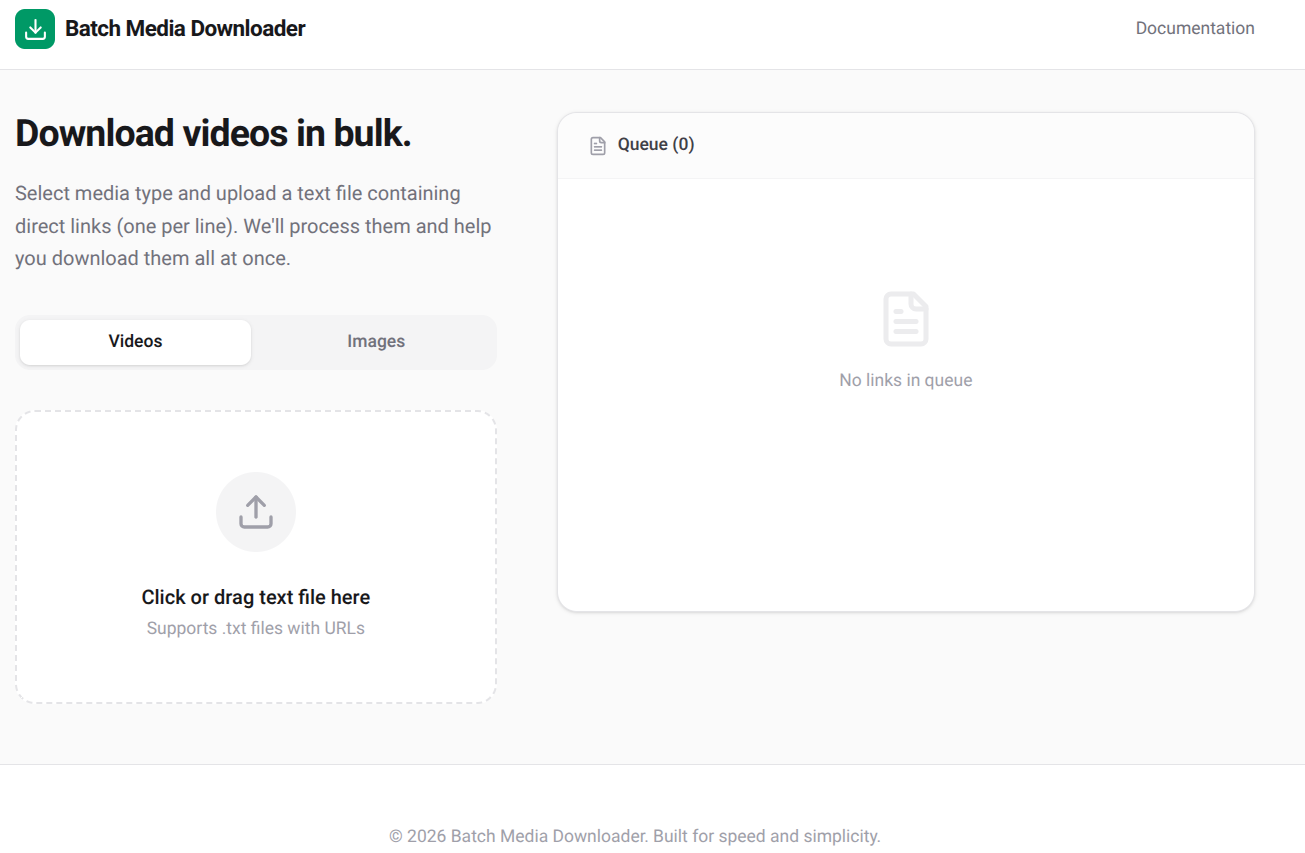
The script pulled the script text, mapped it against the target voiceover, automatically timed the text overlay keyframes to speech boundaries, ducked the background audio, injected sound effects at exact second-marks, and queued headless exports in parallel.
From 500 Manual Clicks to One Terminal Command
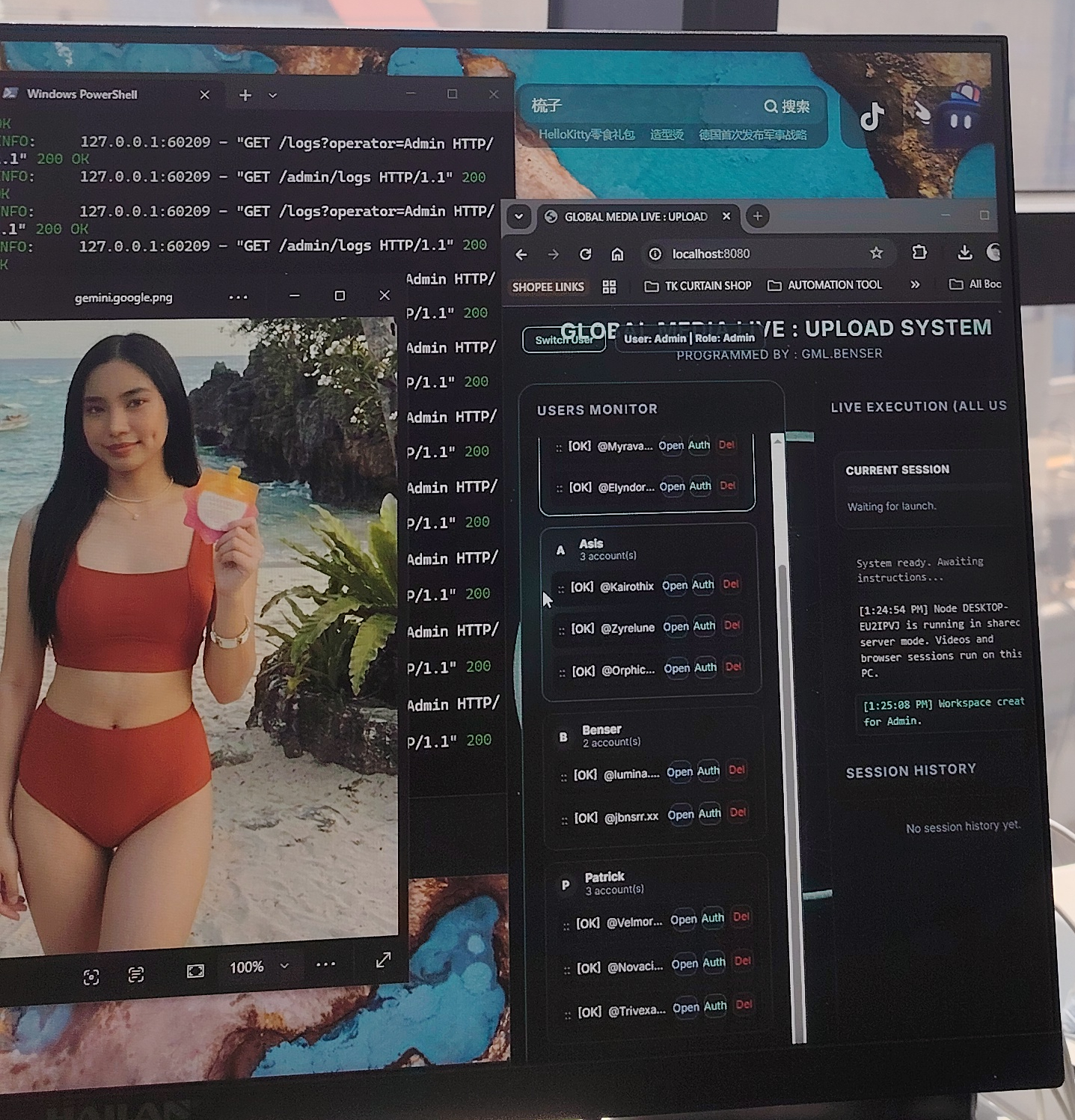
I called Asis and Patrick over to my monitor. I opened the terminal, pointed the script to our source directories, and hit Enter.
Instead of scrubbing through timelines, terminal logs began cascading down the screen. Clip 1 processed. Clip 2 processed. Within minutes, clean, rendered, perfectly timed 15-second MP4 files were flooding into the output directory. No misplaced keyframes, no out-of-sync audio, and zero timeline dragging.
What had started that morning as an impossible mountain of manual work transformed into a system where an entire day's quota generated in the background while we monitored quality and reviewed the outputs.
The Takeaway
Automation isn't about replacing the human element—it’s about eliminating the friction of mindless repetition. Seeing the relief on my teammates' faces proved that having programming and AI workflow skills inside a creative media company is a legitimate superpower.
Whenever you find yourself performing the exact same click more than a dozen times, close your editing software, open your terminal, and make the machine do the heavy lifting.
