


Special Issue Org. Synthesis - BMOS
Reviews/Accounts - last 5 years
Featured Article / Cover Gallery







Current Issue vol. 37, 2026
;)
This Special Issue of JBCS celebrates the 20th Brazilian Meeting on Organic Synthesis (BMOS), marking 44 years since the first gathering of organic chemists in Brazil. The issue highlights how BMOS has accompanied – and often anticipated – the evolution of organic synthesis, from early focuses such as total synthesis and stereocontrol to modern priorities including chemoselectivity, late-stage functionalization, enabling technologies, sustainability, and mechanistic insight. By comparing past JBCS Special Issues related to BMOS (1996, 1998, 2001) with the current one, the editorial shows how the field has expanded its tools, questions, and interdisciplinary connections. The 20th BMOS is portrayed not only as a scientific milestone but also as a formative space for generations of chemists, fostering collaboration, innovation, and the continuous growth of organic synthesis in Brazil.
Editorial J. Braz. Chem. Soc. 2026, 37, e-20260150, 1-4
JBCS and BMOS: an Organic Chemistry Odyssey
Giovanni W. Amarante  ; Emilio C. de Lucca Jr. ; Fernanda Gadini Finelli

The editorial presents the evolution of organic synthesis through the history of the Brazilian Meeting on Organic Synthesis (BMOS) and its special issues in JBCS. It highlights the expansion of synthetic strategies and tools as well as growing concerns with efficiency and sustainability. The text also emphasizes BMOS's role in researcher training, scientific collaboration, and the development of the Brazilian organic chemistry community. Celebrating the 20th BMOS, the commemorative issue represents this long journey through an image inspired by the Odyssey, inviting readers to reflect on the Cyclops, Sirens, and Scylla and Charybdis encountered throughout their own scientific paths. BMOS is thus portrayed as an ongoing voyage of discovery, connecting people, ideas, and new possibilities in organic synthesis.
https://dx.doi.org/10.21577/0103-5053.20260150
Full Paper J. Braz. Chem. Soc. 2026, 37, e-20260146, 1-20
Sustainable Remediation of Pb2+ and Hg2+ using Alg@Hydrochar Hydrobeads Derived from Amazonian Tucumã (Astrocaryum aculeatum) Residues
Isabelly S. Kluge ; Adriano R. S. da Silva ; Ana G. C. Pereira ; Dante S. da Silva ; Yasmin S. Medeiros ; Andressa D. P. Braz ; Israelly J. O. de Melo ; Marisa C. Rodrigues ; Antonio A. de Melo Filho ; Franciele O. C. da Rocha ; Emilly C. Silva

Synthesis of alg@hydrochar hydrobeads from Astrocaryum aculeatum for the efficient removal of Pb2+ and Hg2+ from effluents.
https://dx.doi.org/10.21577/0103-5053.20260146
Full Paper J. Braz. Chem. Soc. 2026, 37, e-20260145, 1-14
Comparative Evaluation of Covalent Conjugates and Non-Covalent Complexes of Inulin-Based Polymeric Systems for Doxorubicin Delivery
Komila Ibragimova ; Bakhrom Shomurotov ; Shukhrat Khasanov ; Jaloliddin Abdurakhmanov ; Laziza Meyliyeva ;
Sitora Umarova ; Umid Mukhitdinov ; Otabek Abdullayev ; Malika Kiyamova ; Arslonnazar Khusenov ; Abdig'ani Jonuzoqov ; Shakhnoz Azimova ; Gappar Rakhmonberdiev

Covalent dialdehyde inulin-doxorubicin (DAI-DOX) conjugates and non-covalent sodium carboxymethyl inulin-doxorubicin (Na-CMI-DOX) complexes were developed as inulin-based carriers for doxorubicin. The covalent conjugates were found to be more structurally stable, retained anticancer activity and low acute toxicity, thus showing promise as a safer drug-delivery system.
https://dx.doi.org/10.21577/0103-5053.20260145
Full Paper J. Braz. Chem. Soc. 2026, 37, e-20260142, 1-11
Integrative Network Pharmacology and Virtual Screening Reveal Amentoflavone from Selaginella bryopteris as a Potent HIV-2 Integrase Inhibitor
Zvikomborero Zinhumwe ; Praveen Mallari ; Shruti Mehta ; Mohammad A. Kamal

This study investigates the molecular mechanisms and antiviral potential of Selaginella bryopteris phytoconstituents. Through drug-induced gene expression profile predictor (DIGEP-Pred), WebGestalt, and Cytoscape analyses, myo-inositol and amentoflavone emerged as key gene regulators enriched in estrogen and cancer-related pathways. Furthermore, 100 ns molecular dynamics simulations (MDS) confirmed the stable binding of amentoflavone to human immunodeficiency virus (HIV)-2 integrase, highlighting its strong potential as a novel lead antiviral therapeutic agent.
https://dx.doi.org/10.21577/0103-5053.20260142
Full Paper J. Braz. Chem. Soc. 2026, 37, e-20260141, 1-19
Theoretical and Computational Chemistry in Brazil (1981-2023): a Small Language Model (SLM) Approach to Analyzing Scientific Trends from the Abstracts of the Brazilian Symposium of Theoretical Chemistry (SBQT) Conference Proceedings
Rubens C. Souza ; Jakler Nichele ; Julio C. Duarte ; Alfredo M. Simas ; Marco A. C. Nascimento ; Itamar Borges Jr.

Small language models (SLMs) were used to analyze the abstracts from the proceedings of the biennial Brazilian Symposium of Theoretical Chemistry (SBQT) in the period of 1981-2023.
https://dx.doi.org/10.21577/0103-5053.20260141
Full Paper J. Braz. Chem. Soc. 2026, 37, e-20260131, 1-14
Process Intensification of Rivaroxaban Key Intermediates: Continuous-Flow Nitro Reduction and Enzymatic Kinetic Resolution
Felipe L. N. da Silva ; Patrícia S. de Alencar ; Mauro R. B. P. Gomez Mayara A. C. da Conceição ; Alexandre S. França ; Raquel A. C. Leão ; Rodrigo O. M. A. de Souza

An intensified and efficient synthetic route was established for two key intermediates of the benchmark drug rivaroxaban, through continuous-flow nitro reduction and batch enzymatic kinetic resolution.
https://dx.doi.org/10.21577/0103-5053.20260131
Editorial J. Braz. Chem. Soc. 2026, 37, e-20260140, 1-3
What It Takes to Stay: Motherhood, Chemistry, and the Case for JBCS
Carolina H. Andrade
The editorial reflects on Prof. Andrade's career as a woman and mother in science and highlights the important role of the Journal of the Brazilian Chemical Society (JBCS) in supporting women researchers. It emphasizes mentorship, gender equality, recognition, and the need for scientific careers to accommodate family life. Prof. Andrade shows how journals, scientific societies, and professional networks can create a more inclusive academic environment, allowing women to pursue successful scientific careers while raising families and helping future generations of women chemists succeed.
https://dx.doi.org/10.21577/0103-5053.20260140
Full Paper J. Braz. Chem. Soc. 2026, 37, e-20260139, 1-14
Electrochemical Determination of Raloxifene Using an Electrodeposited Alizarin Carmine/Poly(D-glucosamine) Platform in Urine and Pharmaceutical Samples
Gustavo F. Furtado; Lenilda C. Ferreira; Carolina A. Carvalho ; Natilene M. Brito ; Flavio S. Damos ; Rita C. S. Luz

A poly(D-glucosamine) alizarin carmine glassy carbon electrode (p-DG/AC/GCE) electrochemical platform was developed for the sensitive determination of raloxifene (RFN) by square-wave voltammetry. The sensor exhibited a detection limit of 0.9 nmol L-1, a linear range of 0.001-10 µmol L-1, and enabled accurate determination of RFN in pharmaceutical formulations and urine samples.
https://dx.doi.org/10.21577/0103-5053.20260139
Full Paper J. Braz. Chem. Soc. 2026, 37, e-20260138, 1-9
Influence of Solvent Properties on Phenolic Recovery and Bioactivity of Eugenia protenta Leaf Extracts
Mirella N. Pessoa ; Carla L. G. Santos ; Marinildo S. Cruz ; Samuel O. Silva ; Josiana M. Mar ; Lucas A. Silva ;
Jaqueline A. Bezerra ; Emersom S. Lima ; Marcos B. Machado ; Kidney O. G. Neves

The leaf extracts of Eugenia protenta obtained with different solvents were evaluated by quantitative nuclear magnetic resonance (qNMR) and biological assays, revealing that methanol provided the highest gallic acid content, while alcoholic extracts showed the best overall antioxidant and antiglycation performance.
https://dx.doi.org/10.21577/0103-5053.20260138
Full Paper J. Braz. Chem. Soc. 2026, 37, e-20260137, 1-10
In situ Chemical Analysis of Red Rock Art Pigments from Inhuma (Piauí, Brazil) Using pXRF and PCA
Tetisuelma L. Alves ; Anna L. B. de Brito ; Wilkins O. de Barros ; Alek A. C. de Sousa ; Benedito B. Farias Filho

Portable energy-dispersive X-ray fluorescence (pXRF) and principal component analysis (PCA) enabled the in situ identification of iron as the main chromophore and the successful discrimination of six rock art sites.
https://dx.doi.org/10.21577/0103-5053.20260137
Full Paper J. Braz. Chem. Soc. 2026, 37, e-20260136, 1-12
Phase II Glycosylation of Metronidazole in Tomato (Lycopersicum esculentum) and Basil (Ocimum basilicum): Implications for Plant-Mediated Transformation and Environmental Risk
Gabriela do N. Camargo ; Débora F. de Andrade ; Maiara O. Salles ; Rodolfo S. Barboza

This study demonstrates the uptake, translocation, and phase II glycosylation of metronidazole in plants, revealing active plant-mediated biotransformation supported by thin-layer chromatography (TLC) and ultra-high-performance liquid chromatography coupled with diode array detection and tandem mass spectrometry (UHPLC-DAD-MS/MS) analyses.
https://dx.doi.org/10.21577/0103-5053.20260136
Full Paper J. Braz. Chem. Soc. 2026, 37, e-20260135, 1-9
The DNAzyme-Driven Catalytic Hairpin Self-Assembly for the CuNCs‑Based Electrochemical Detection of HPV16 DNA
Yan Tan ; Peng Yu

A copper nanoclusters (CuNCs)-based electrochemical sensor assisted by DNAzyme-driven catalytic hairpin self-assembly has been developed for the sensitive detection of human papillomavirus type 16 deoxyribonucleic acid (HPV16 DNA).
https://dx.doi.org/10.21577/0103-5053.20260135
Full Paper J. Braz. Chem. Soc. 2026, 37, e-20260119, 1-14
Influence of Halide Identity and Ligand Side-Chain Length on the Structural, Spectroscopic and Preliminary Antibacterial Properties of CuI-Aminoquinoline Complexes
Kaíque A. D'Oliveira ; Clareana M. R. Pinto; Mariana S. de Oliveira ; Ana C. M. Apolônio ; Marcos A. Ribeiro ;
Adilson D. da Silva ; Alexandre Cuin

Side-chain length and halide identity modulate the structural organization, spectroscopic features, and preliminary antibacterial response of CuI-aminoquinoline complexes under solid-medium screening conditions.
https://dx.doi.org/10.21577/0103-5053.20260119
Total access: 873
Full Paper J. Braz. Chem. Soc. 2026, 37, e-20260133, 1-13
Theoretical Study of the Electronic Properties of Carbon Nanotube Bundles Intercalated with Rubidium and Cesium
Sara R. R. Rocha ; Nailton M. Rodrigues ; Silvete Guerini

Density functional theory (DFT) calculations were employed to investigated the electronic properties of carbon nanotube bundles (b-CNTs) intercalated with rubidium (Rb) and cesium (Cs). The intercalation of these alkali metals modifies the electronic structure of b-CNTs, shifting the Fermi level toward the conduction band. Noncovalent interaction (NCI) analysis was used to characterize the interactions between the intercalated atoms and the b-CNTs.
https://dx.doi.org/10.21577/0103-5053.20260133
Full Paper J. Braz. Chem. Soc. 2026, 37, e-20260111, 1-13
Machine Learning Applied to Aquatic Toxicity and Chemical Reactions of Xenobiotic Compounds
Dhiully P. S. Silva  ; Raphael A. Gomes ; Lidiaine M. dos Santos ; Mariângela F. Santiago ; Fernando Schimidt

The OH radical chemical reactions with xenobiotic compounds in rivers, were studied using the RDKit library in Python, and a machine learning model were built to predict the toxicity (lethal dose 50% (LD50)) of molecules.
https://dx.doi.org/10.21577/0103-5053.20260111
Communication J. Braz. Chem. Soc. 2026, 37, e-20260124, 1-7
A Modular and Cost-Effective Photoreactor
Natalia Takata ; Natan M. Uchiyama ; Caio Paschoalin ; Bruno M. Paz

An easy-to-assemble and affordable batch photoreactor that can operate parallel reactions is presented, from design to validation.
https://dx.doi.org/10.21577/0103-5053.20260124
Full Paper J. Braz. Chem. Soc. 2026, 37, e-20260132, 1-16
A Comparative Study on the Phenolic Compositions and Biological Activities of Stachys annua, Stachys cretica, and Endemic Stachys tmolea from Türkiye
Raziye Ozturk Urek ; Leman Tarhan ; Aylin Oner ; Yildizay Ayyildiz ; Mahmure Nakiboglu

Three Stachys sp. were investigated for their phenolic contents, antioxidant/cytotoxicity properties, and acetylcholinesterase/tyrosinase inhibitory activities.
https://dx.doi.org/10.21577/0103-5053.20260132
Full Paper J. Braz. Chem. Soc. 2026, 37, e-20260118, 1-17
Insight into the Influence of Continuous and Static Argon Atmospheres on the Preparation of Porous
Co-Modified Silicon Oxycarbides for Electrode Applications
Érica S. Romagnoli ; Alexandre C. G. Cruz ; Paulo R. C. da Silva ; César R. T. Tarley ; Mariana G. Segatelli

Static and continuous Ar atmospheres influenced the structure, morphology, porosity and electrochemical performance of porous Co-modified SiCO sensors.
https://dx.doi.org/10.21577/0103-5053.20260118
Full Paper J. Braz. Chem. Soc. 2026, 37, e-20260110, 1-13
A Simple and Efficient Sample Preparation Method for Luminescent Analysis of ZnII 2-N-Alkylpyridylporphyrin-Based Photosensitizers in Biological Matrix Using
Saccharomyces cerevisiae as Experimental Cell Model
Cristiano Tenório-Santos ; Jacqueline C. Bueno-Janice ; José F. Sarmento-Neto ; Fernanda M. A. L. Dantas ;
Cosme R. Martínez ; Marcelo F. Pistonesi ; Júlio S. Rebouças

Development of a sample preparation method for luminescent analysis of ZnII 2-N-alkylpyridylporphyrin-based photosensitizers in biological matrix.
https://dx.doi.org/10.21577/0103-5053.20260110
Full Paper J. Braz. Chem. Soc. 2026, 37, e-20260109, 1-13
Disposable Pipette Extraction Using Ionic Liquid-Intercalated Montmorillonite for Polycyclic Aromatic Hydrocarbons Determination in Seawater
Débora A. Domingues ; Rafael G. Dolatto ; Frederico L. F. Soares ; Morgana S. Camargo ; Lincoln G. S. de Aquino ;
Milton H. Rosero-Moreano ; José M. Posada-Lotero ; Henrique C. L. Almeida ; Marco T. Grassi

Miniaturized disposable pipette extraction using ionic liquid-intercalated montmorillonite enabled efficient extraction of low-molecular-weight polycyclic aromatic hydrocarbons from water samples with reduced solvent consumption. The optimized method showed satisfactory analytical performance for trace-level environmental monitoring.
https://dx.doi.org/10.21577/0103-5053.20260109
Editorial J. Braz. Chem. Soc. 2026, 37, e-20260130, 1-5
Knowledge, Responsibility, and Artificial Intelligence: Reflections on Research Ethics and Scientific Integrity
Célia M. Ronconi ; Marcos Lázaro Prado
This editorial argues that research ethics remain essential in the age of artificial intelligence (AI). While AI can improve efficiency and support scientific work, researchers are responsible for ensuring transparency, accuracy, integrity, and accountability. Ethical science depends on honest data, proper authorship, rigorous peer review, and critical human judgment, making AI a tool to assist - not replace - scientific reasoning.
https://dx.doi.org/10.21577/0103-5053.20260130
Full Paper J. Braz. Chem. Soc. 2026, 37, e-20260129, 1-13
Synthesis, Crystal Structure, Cell Viability and in vitro Antiviral Activities Over Arboviruses of Novel Adamantane-Derived Schiff Bases
Laura Barros-Silva ; Fernanda C. Rodrigues ; Déborah A. Simoni ; Bruna C. Sandim ; Júlia A. V. d'Almeida ;
Leticia P. Oliveira ; Ana C. G. Jardim ; Pedro P. Corbi

Novel adamantane-derived Schiff bases were synthesized, characterized and evaluated for their antiviral activities in vitro over Zika, Mayaro, and chikungunya viruses. The (adamantan-1-yl)-1-(thiophen-2-yl)methanimine (atdTiof) and 2-{[1-(adamantan-1-yl)ethyl]iminomethyl}-4-fluorophenol (rtdFhba) exhibited the best inhibition rates of 58.5% over Zika and 69.5% over chikungunya, respectively.
https://dx.doi.org/10.21577/0103-5053.20260129
Full Paper J. Braz. Chem. Soc. 2026, 37, e-20260128, 1-16
Evaluation of Anticancer Potency of Copper(II) Complexes of 7-Hydroxycoumarin N(3)-Substituted Thiosemicarbazones
Neeta Singh ; Anand K. Yadav ; Siddhartha Das Pramanik ; Asmita Shrestha ; Sabita Shrestha ; Partha Roy ;
Paras Nath Yadav

Copper(II) thiosemicarbazone complexes showed promising anticancer activity against DU145 cells with cytotoxicity toward HEK293 cells.
https://dx.doi.org/10.21577/0103-5053.20260128
Full Paper J. Braz. Chem. Soc. 2026, 37, e-20260127, 1-15
Preparation, Characterization, and Application of Tucum Activated Carbon (Astrocaryum vulgare Mart.) for Ca2+ Removal from Aqueous Solutions
Walinson F. Martins ; Ângelo A. S. de Oliveira ; Gilvan P. de Figueredo ; Joacy B. de Lima ; Leonardo B. Cantanhede

Graphical abstract summarizing the synthesis, characterization, and adsorption performance of tucum activated carbon (TAC1:1-3-350) for Ca2+ removal, highlighting the kinetic and isotherm models, adsorption efficiency, and thermodynamic behavior of the process.
https://dx.doi.org/10.21577/0103-5053.20260127
Full Paper J. Braz. Chem. Soc. 2026, 37, e-20260126, 1-15
Structural, Thermal, and Vibrational Effects of Low Level Rb+ Incorporated in (K1-xRbx)2Ni(SO4)2·6H2O Mixed Crystals
Victor H. Oliveira ; Valdemir Ludwig ; Alexandre Cuin ; Kaique A. D'Oliveira ; Ilza T. C. Santos ; Virgílio C. Anjos ;
Tiago S. Pacheco ; José H. de Araújo ; Zélia M. C. Ludwig

The figure synthesizes the structural, thermal, and vibrational characterization of Tutton salts where potassium is partially replaced by rubidium.
https://dx.doi.org/10.21577/0103-5053.20260126
Full Paper J. Braz. Chem. Soc. 2026, 37, e-20260125, 1-30
Targeting Ebola Virus VP30 with Quercetin Derivatives: An Integrated Molecular Docking, MD Simulation, ADMET, and DFT Study
Haroon ur Rashid ; Shehla Khan ; Nasir Ahmad ; Khalid Khan ; Mara Rubia C. Couri ; Umar F. Khattak ;
Muhammad Zahoor ; Amal Alotaibi

Integrated molecular docking, molecular dynamics (MD) simulations, and density-functional theory (DFT) study of quercetin derivatives against Ebola VP30.
https://dx.doi.org/10.21577/0103-5053.20260125
Full Paper J. Braz. Chem. Soc. 2026, 37, e-20260123, 1-13
Shape-Stabilized NaNO3 Phase Change Materials Supported by CO2-Mineralized Basic Oxygen Furnace Slag for Photothermal Heat Storage
Ying Zhao ; Lilin Zhang ; Jianbo Ma ; Zhiyuan Zhang ; Lei Wang

CO2-mineralized basic oxygen furnace slag-supported NaNO3 shape-stabilized phase change materials exhibited improved shape stability, enhanced thermal conductivity, and reliable performance after 300 cycles; CSS-60/OPT-N50 provided the best overall performance.
https://dx.doi.org/10.21577/0103-5053.20260123
Review J. Braz. Chem. Soc. 2026, 37, e-20260122, 1-14
Spectroscopic Techniques in Food Adulteration Detection: A Comprehensive Review
Ziwei Gao ; Fan Li ; Qianqian Yu ; Tianci Wang ; Xinyi Zhang ; Fanfan Cheng ; Jun Yang ; Bing Wang ; Ziyan Ye ; Jianqiang Zhang ; Xiaoyan Wang

This paper reviews the research progress of spectroscopic technologies in food adulteration detection. Moreover, it provides a technical reference for promoting subsequent research and improving the practical application of spectroscopic methods in this field.
https://dx.doi.org/10.21577/0103-5053.20260122
Full Paper J. Braz. Chem. Soc. 2026, 37, e-20260108, 1-10
125Te NMR Experimental Evidence Concerning Differential Reactivity of Telluranes and Telluroxides Toward Sulfur Nucleophiles in Water Rich Environments
Leandro Piovan ; Bruna B. Ferreira ; Tay Zugman ; Kahlil Salome

(In)organotelluroxides are the species that react with sulfur nucleophiles and organic species (organotelluranes and organotelluroxides) are more reactive than their inorganic counterparts.
https://dx.doi.org/10.21577/0103-5053.20260108
Full Paper J. Braz. Chem. Soc. 2026, 37, e-20260121, 1-18
Furanocarboxamide Derivative Against Congenital Toxoplasmosis: Synthesis, Bioactivity, ADME Profile and in silico Insights
Júlia O. Carvalho; Ana Paula C. Procópio; Marcos Paulo O. Almeida ; Beatriz A. Vasconcelos; Rafael C. Chelucci;
Simone Michelan-Duarte; Daniela M. Resende; Lucas S. de Oliveira; Matheus P. de Freitas; Vinícius R. Montes; Eduardo Jorge Pilau; Silvane Maria F. Murta; Leonardo L. G. Ferreira; Adriano D. Andricopulo; Sébastien Charneau; Francisco Antonio Martins;
Bellisa F. Barbosa; Celso de O. Rezende Júnior

This study identifies a furanocarboxamide derivative as a promising congenital toxoplasmosis hit, featuring an efficient four-step synthesis. Despite high permeability, its pharmacokinetic profile requires future optimization. Simulations against 26 essential Toxoplasma gondii enzymes revealed its most likely molecular targets.
https://dx.doi.org/10.21577/0103-5053.20260121
Full Paper J. Braz. Chem. Soc. 2026, 37, e-20260120, 1-11
Evaluation of the Composition of Infant Foods: Determination of Lactoferrin by HPLC-DAD and Fatty Acids by GC-FID in Human Milk and Infant Formulas
Maria F. M. Vignoto ; Eloize S. Alves ; Luana C. Muxfeldt ; Marcela S. Zangirolami ; Patricia D. S. Santos ;
Oscar O. Santos Jr.

Quantification of lactoferrin and fatty acids by high-performance liquid chromatography and gas chromatography in human milk at different stages of lactation and in commercial infant formulas.
https://dx.doi.org/10.21577/0103-5053.20260120
Full Paper J. Braz. Chem. Soc. 2026, 37, e-20260101, 1-18
Enhanced Glycerol Electrooxidation using Pd:Ni Cyanogel-Derived Catalysts
João P. B. de Souza ; Juliano A. Bonacin

Pd-Ni catalysts derived from cyanogel precursors exhibit enhanced glycerol electrooxidation activity in alkaline media.
https://dx.doi.org/10.21577/0103-5053.20260101
Full Paper J. Braz. Chem. Soc. 2026, 37, e-20260117, 1-6
Probing the Mechanism of Oxidative Desulfurization of Crude Oils by Mass Spectrometry Employing Synthesized Sulfur-Containing Imidazolium Salts
Bruno R. S. de Paula ; Pedro H. Vendramini ; Thais Lino ; Marcos N. Eberlin ; Bruno R. V. Ferreira

Catalytic oxidative desulfurization of thiophene derivatives investigated by mass spectrometry reveals key oxidation intermediates and sulfur-removal pathways toward cleaner fuels.
https://dx.doi.org/10.21577/0103-5053.20260117
Full Paper J. Braz. Chem. Soc. 2026, 37, e-20260116, 1-14
Sulfonic Acid-Modified Chitosan as a Catalyst for the Mechanochemical Synthesis of Bis(indolyl)methanes
Jaqueline R. C. Pessôa ; Iva S. de Jesus ; Daniel T. G. Gonzaga ; Acácio S. de Souza ; Rafael P. R. F. de Oliveira ;
Fernando C. da Silva ; Vitor F. Ferreira

Novel mechanochemical synthesis of bis(indolyl)methanes using sulfonic acid-functionalized chitosan as a green, metal-free catalyst.
https://dx.doi.org/10.21577/0103-5053.20260116
Full Paper J. Braz. Chem. Soc. 2026, 37, e-20260115, 1-9
Experimental and Theoretical Assessment of the Limited Viability of Alkyl Formates as Radical Precursors in Photocatalytic HAT/Decarboxylation Reactions
Maria E. P. Santos ; Bruno M. S. Santos ; Caio C. A. Evaristo ; Leandro S. M. Miranda ; Fernanda G. Finelli ;
Thiago M. Cardozo

Combined experimental and theoretical studies revealed unexpected limitations in productive formyl-directed hydrogen atom transfer (HAT)/decarboxylation reactivity of alkyl formates under photocatalytic conditions, providing mechanistic insights into alcohol diversification strategies.
https://dx.doi.org/10.21577/0103-5053.20260115
Full Paper J. Braz. Chem. Soc. 2026, 37, e-20260114, 1-10
Lipidomics for Clinical Diagnosis of Acute Kidney Injury in Orthotopic Liver Transplant Patients Using UFLC-ESI(+)-micrOTOF-QII-MS/MS
Larissa C. Motta ; Brenda A. Vieira ; Camila M. de Almeida ; Bruno A. Lessa ; Martina Blank ; Vanessa A. de Oliveira ; Hernán F. Terenzi ; Ana P. C. F. Neves ; Cecília G. Ravetti ; Vandack A. Nobre Jr. ; Valério G. Barauna ; Paula F. Vassallo ; Valdemar Lacerda Jr. ; Wanderson Romão

Lipidomics workflow applied to serum samples to investigate acute kidney injury, integrating liquid chromatography-high-resolution mass spectrometry (LC-HRMS) analysis with lipid annotation and multivariate statistical processing.
https://dx.doi.org/10.21577/0103-5053.20260114
Full Paper J. Braz. Chem. Soc. 2026, 37, e-20260095, 1-15
2-Amino-5-arylidene-thiazol-4-ones: Insights into Microwave-Assisted Synthesis, Phytotoxic Activity, and Reaction Mechanism
Victor H. J. G. Praciano ; Luan A. Martinho ; Sarah C. C. Oliveira ; Carlos K. Z. Andrade

Reaction scheme illustrating the proposed synthetic route, with numbered indices highlighting the key aspects explored in this work.
https://dx.doi.org/10.21577/0103-5053.20260095
Full Paper J. Braz. Chem. Soc. 2026, 37, e-20260113, 1-13
Comprehensive Chemical Characterization and Bioactivity Assessment of Anacardium occidentale Leaf Extract
Fabrícia P. S. do Nascimento ; Viviane M. Ferreira ; Carolayne C. Brasil ; Sarah C. A. Silva ; Maria L. F. R. de Melo ;
Valéria M. M. Gimenez ; Pollyanna F. de Oliveira ; Wilson R. Cunha ; Márcio L. A. e Silva ; Denise C. Tavares ;
Regina H. Pires ; Patrícia M. Pauletti

Anacardium occidentale metabolic profiling; HPLC-DAD (high-performance liquid chromatography with diode-array detection) method to quantify agathisflavone; antimicrobial and cytotoxic evaluation.
https://dx.doi.org/10.21577/0103-5053.20260113
Full Paper J. Braz. Chem. Soc. 2026, 37, e-20260112, 1-18
DFT, Docking, and Molecular Dynamics Investigation of Amazonian Alkaloids on the Dopamine D(2) Receptor Protein
Jonathas N. da Silva; Adjane D. S. Branches ; Micael D. L. Oliveira ; Emmanoel V. Costa ; Kelson M. T. Oliveira

Orientaline compound interacting expressively with the dopamine D2 receptor, corroborated by molecular docking techniques, molecular dynamics, energy decomposition, and free energy surface analysis.
https://dx.doi.org/10.21577/0103-5053.20260112
Full Paper J. Braz. Chem. Soc. 2026, 37, e-20260099, 1-18
Tricarbonylmethane Scaffolds for Divergent Synthesis: Access to Aminomethylene-1,3-diketones and Dihydroquinazolinones
Bianca N. M. Silva ; Vítor S. Macedo ; Paulo C. S. Costa ; Maria L. F. Silva ; Isabela P. Silva ; Yandra N. Santos ;
Gustavo P. Ramalho ; Leonardo Cláudio ; Angel E. L. Rojas ; Ramon B. Silva ; Carolina B. P. Ligiéro ; Artur T. Cordeiro ; Paulo C. M. L. Miranda

A common modular building system is invoked as a metaphor for diversity‑oriented synthesis (DOS), where tricarbonylmethane building blocks enable divergent access to aminomethylene‑1,3‑diketones and dihydroquinazolinones.
https://dx.doi.org/10.21577/0103-5053.20260099
Full Paper J. Braz. Chem. Soc. 2026, 37, e-20260100, 1-18
Synthesis and Application of Calcined Magnetic Biochar Composite for the Enhanced Removal of AsIII and AsV from Aqueous Solutions
Faisal Hayat ; Maryam Saad ; Shams Ali Baig ; Imdad Ullah ; Marcelo Godoi ; Tito R. S. Cadaval Junior

Surface effective calcined magnetic biochar composite was synthesized by co-precipitation. Enhanced AsIII and AsV removal were achieved in a high As-loaded aqueous medium. Characterization analyses revealed successful phase transformation during calcination. A cooperative set of mechanisms including electrostatic attraction, surface complexation, and precipitation were more pronounced.
https://dx.doi.org/10.21577/0103-5053.20260100
Review J. Braz. Chem. Soc. 2026, 37, e-20260097, 1-19
Miniaturized Reaction Platforms in Drug Discovery: From Synthesis to Direct-to-Biology Screening
Claudia V. S. Crispim ; Maurício F. de Lima ; Ahmad Abubakar ; Ravena R. P. da Silva ; Tiago H. C. da Silva ;
Daniel G. Silva

Miniaturized chemistry and direct-to-biology approaches are shortcuts to accelerate and enhance the sustainability of drug discovery.
https://dx.doi.org/10.21577/0103-5053.20260097
Full Paper J. Braz. Chem. Soc. 2026, 37, e-20260107, 1-8
Sorption of Imidacloprid and Hexazinone to Polyethylene Microplastics
Karen N. Morishita ; Mariana A. Dias ; Camila L. Madeira ; Cassiana C. Montagner

An environmentally relevant approach to the study of the sorption of hydrophilic pesticides onto polyethylene microplastics, including the use of real water matrices and comparison of the sorption capacity with that of natural sorbents, is presented.
https://dx.doi.org/10.21577/0103-5053.20260107
Account J. Braz. Chem. Soc. 2026, 37, e-20260094, 1-19
Enabling Technologies for the Sustainable Chemical Synthesis of High-Value Compounds from Biomass
Rodrigo C. Silva ; Marcelo S. Franco ; Camila S. Santos ; Gustavo R. Gomes ; Julio C. Pastre

Advanced enabling technologies, including microwave irradiation, continuous flow chemistry, and mechanochemistry, drive biomass valorization toward the efficient production of high-value compounds.
https://dx.doi.org/10.21577/0103-5053.20260094
Full Paper J. Braz. Chem. Soc. 2026, 37, e-20260106, 1-11
Palladium-Catalyzed α-Arylation of Methyl Ketones Enables Modular Synthesis of 2,4,5-Trisubstituted Imidazoles
Ian de Toledo ; Marcela C. R. Silva ; Matheus A. Meirelles ; Jonathan M. Elkins ; Ronaldo A. Pilli

A 3-step synthesis of 2,4,5-trisubstituted imidazoles featuring a Pd-catalyzed arylation of aryl methyl ketone, SeO2-oxidation to yield 1,2-diketones and Debus-Radziszewski condensation.
https://dx.doi.org/10.21577/0103-5053.20260106
Editorial J. Braz. Chem. Soc. 2026, 37, e-20260102, 1-2
The SBQ Editorial Training Program: Building the Next Generation of Scientific Editors
Vanessa Nascimento

The editorial highlights how the Journal of the Brazilian Chemical Society is modernizing its editorial practices through digital tools, open science principles, and a new training program. This first SBQ Editorial Training prepared selected researchers in areas like peer review, ethics, and publishing platforms, strengthening editorial quality, integrity, and future sustainability. The initiative proved successful and is expected to expand, reinforcing the journal's commitment to excellence and reliable scientific communication.
https://dx.doi.org/10.21577/0103-5053.20260102
Additions and Corrections J. Braz. Chem. Soc. 2026, 37, e-20260105, 1
Communication J. Braz. Chem. Soc. 2026, 37, e-20260089, 1-7
Microwave-Assisted vs. Conventional Knoevenagel-Doebner Condensation for the Synthesis of 3-Arylacrylic Acids: A Pyridine-Rationalized Approach
Luiz F. E. S. Soares ; Emmanuel D. da Silva ; Horácio B. Pacule ; José A. F. P. Villar ; Jefferson L. Princival

Efficient microwave-assisted Knoevenagel-Doebner condensation for the synthesis of 3-aryl acrylic acids, in which pyridine acts simultaneously as both solvent and base, providing high reactant conversion.
https://dx.doi.org/10.21577/0103-5053.20260089
Full Paper J. Braz. Chem. Soc. 2026, 37, e-20260104, 1-9
Soil Macrofauna and its Relationship with Trace Metals under Different Cacao Cultivation Management Systems in the Central Rainforest Region of Peru
Dana Cruz-Cerrón ; Daniel Alvarez-Tolentino ; Manuel Reategui-Inga ; Leonel Paccosonco-Sucapuca ; Abrahams Cabrera-Montalvo ; Daniel Susanibar-Sandoval ; Julio Alvarez-Orellana

Soil macrofauna metal interactions under different cacao management systems.
https://dx.doi.org/10.21577/0103-5053.20260104
Full Paper J. Braz. Chem. Soc. 2026, 37, e-20260103, 1-17
Natural Compounds of Curcumin Against the Main Protease and Papain like Protease of SARS-CoV-2, a Possible Anti-COVID-19 Drug: Docking and Molecular Dynamics Simulation Studies
David D. B. Serafim ; Vicente O. S. Neto ; Sthefany E. S. Dutra ; Gilberto D. Saraiva ; Alexandre M. R. Teixeira ; Antônio J. R. de Castro ; Raí F. Jucá ; Francisco F. de Sousa ; Carlos E. S. Nogueira ; Paulo T. C. Freire ; Raimundo N. P. Teixeira

Potential inhibitory activity of curcumins against SARS-CoV-2 protein shown through docking, molecular dynamics (MD) and HOMO-LUMO gap (highest occupied molecular orbital and the lowest unoccupied molecular orbital, respectively).
https://dx.doi.org/10.21577/0103-5053.20260103
Full Paper J. Braz. Chem. Soc. 2026, 37, e-20260087, 1-12
A Practical Guide for X-H Insertion Reactions with Sulfoxonium Ylides
Allan N. Batista ; Jéssica R. da Silva ; João P. A. Campos ; Marcio Hayashi ; Antonio C. B. Burtoloso

A guide for X-H insertion reactions (N-H, O-H, S-H) with sulfoxonium ylides is described, employing several metal catalysts. Thirteen different products are obtained from substituted and non-substituted keto-, ester- and amide-sulfoxonium ylides.
https://dx.doi.org/10.21577/0103-5053.20260087
Full Paper J. Braz. Chem. Soc. 2026, 37, e-20260085, 1-18
Deep Eutectic Solvents as Green Catalysts for Carbohydrate Conversion and Synthesis of Furanic Compounds from Amazonian Cupuaçu Peel (Theobroma grandiflorum)
Douglas M. da Costa ; Jéssyka R. Santos ; Amanda A. Rodrigues ; Joênes M. Peluzio ; Daniel A. Bertuol ;
Gustavo G. Pinto ; Clarissa P. Frizzo ; Elisandra Scapin

The study evaluated the pretreatment of cupuaçu peel using choline chloride-based deep eutectic solvents combined with ultrasound and autoclave methods. These procedures resulted in greater carbohydrate release and optimized the synthesis of furanic compounds.
https://dx.doi.org/10.21577/0103-5053.20260085
Full Paper J. Braz. Chem. Soc. 2026, 37, e-20260090, 1-9
Development of Task-specific Benzothiadiazole-based AIEE Luminogens For Latent Fingerprint Recognition
Roberta Lamosa ; Carolina Vesga-Hernández ; Jones Limberger

A lipophilic aggregation-induced enhanced emission (AIEE) active benzothiadiazole enables high-contrast fingerprint imaging with high ridge/furrow differentiation and level-3 detail resolution.
https://dx.doi.org/10.21577/0103-5053.20260090
Review J. Braz. Chem. Soc. 2026, 37, e-20260098, 1-28
First-Row (3d) Metal Catalysis in Aromatic Systems: Toward Late-Stage C-H Functionalization of Complex Molecules
Lívia C. R. M. da Frota

First-row (3d) transition metal-catalyzed aromatic C‒H activation offers new opportunities in more sustainable late-stage functionalization.
https://dx.doi.org/10.21577/0103-5053.20260098
Full Paper J. Braz. Chem. Soc. 2026, 37, e-20260096, 1-8
Hemiaminal Sequestration Enables Organocatalytic [3 + 2] Cycloaddition of Nitrones to Propargylic Aldehydes
Matthijs A. Hellinghuizen ; Aleksandr Y. Pereverzev ; Jana Roithová

In the organocatalytic [3 + 2] cycloaddition of nitrones to propargylic aldehydes, silyl-protected prolinol catalysts are rapidly consumed via nucleophilic addition to the iminium intermediate, halting the reaction. Unprotected prolinol catalysts circumvent this by forming off-cycle hemiaminals, which sequester the catalyst and enable productive cycloaddition.
https://dx.doi.org/10.21577/0103-5053.20260096
Communication J. Braz. Chem. Soc. 2026, 37, e-20260093, 1-8
Minimizing Tertiary Amine Byproducts in Reductive Amination: a Microwave-Assisted Study of the
InCl3/Et3SiH/MeOH System
Gabriel A. S. de Aquino ; Rayanne L. N de Lima ; Floriano P. Silva-Jr. ; Sabrina B. Ferreira

This graphical abstract summarizes the development of a microwave-assisted reductive amination protocol, highlighting reaction optimization and product distribution. It emphasizes the competing formation of tertiary amines.
https://dx.doi.org/10.21577/0103-5053.20260093
Full Paper J. Braz. Chem. Soc. 2026, 37, e-20260092, 1-10
Argyrotrienone A and B, Novel Crotofolane and Isocrotofolane-Type Diterpenes, Isolated from Croton argyrophylloides (Euphorbiaceae)
Maria E. N. Santos ; Jailson C. Sousa ; Anauara Lima e Silva ; Ana C. F. Albuquerque ; Lucas S. Abreu ;
Fernando M. Santos Jr. ; Evandro F. Silva ; Maria F. Agra ; Marcelo S. Silva ; Josean F. Tavares ; Yuri M. Nascimento

The flowchart shows the phytochemical study of Croton argyrophylloides, from collection and botanical identification to extraction, fractionation, and isolation of metabolites. The fractions obtained were analyzed by spectroscopic and spectrometric techniques for structural elucidation and identification of the isolated compounds.
https://dx.doi.org/10.21577/0103-5053.20260092
Review J. Braz. Chem. Soc. 2026, 37, e-20260091, 1-40
DBU-Driven Metal-Free Azide Cycloadditions for the Synthesis of Diverse 1,2,3-Triazoles
Gabriel P. da Costa ; Gabriela T. de Quadros ; Gustavo B. Blödorn ; Eder J. Lenardão ; Diego Alves

This review provides a comprehensive overview of DBU-driven azide-based [3 + 2] cycloaddition reactions for the metal-free synthesis of 1,2,3-triazoles. Key transformations are organized into three categories: azide-carbonyl cycloadditions, reactions with activated alkenes, and multicomponent/tandem processes, with emphasis on substrate scope, regioselectivity, mechanistic features, and synthetic applications.
https://dx.doi.org/10.21577/0103-5053.20260091
Editorial J. Braz. Chem. Soc. 2026, 37, e-20260084, 1-3
Omics Sciences in Brazil: Advances, Challenges, and Perspectives from a Chemical Standpoint
Hector H. F. Koolen ; Paulo Wender P. Gomes ; Alessandra Sussulini ; Andréa R. Chaves
Chemistry is framed as the core of all omics fields, even in a data-driven era. In Brazil, omics research is expanding, but still limited by unequal access to equipment, dependence on imports, and training gaps. The text warns against the global "identification illusion," stressing the need for solid chemical validation. It highlights the Journal of the Brazilian Chemical Society as a driver of quality and scientific progress. Brazil's future in omics relies on uniting analytical rigor, computational capacity, and strategic focus to produce reliable, impactful knowledge.
https://dx.doi.org/10.21577/0103-5053.20260084
Review J. Braz. Chem. Soc. 2026, 37, e-20260088, 1-22
Synthetic Strategies Enabling Access to Minor Phytocannabinoids of Cannabis sativa L.
Kawana Rosa ; Allan F. C. Rossini ; Cristiano Raminelli

This review presents the main minor phytocannabinoids, covering their isolation, proposed biosynthetic pathways, and reported biological activities, with particular emphasis on synthetic strategies.
https://dx.doi.org/10.21577/0103-5053.20260088
Full Paper J. Braz. Chem. Soc. 2026, 37, e-20260086, 1-12
Modulation Effects of Selected Additives on the Key Physicochemical Properties of AlCl3-EMImCl Ionic Liquid Electrolyte
Chengyuan Liu; Chaoyang Jie; Yan Guo; Dao Cao; Jiangyu Yu; Fengcui Li

Appropriate additives can effectively regulate the key physicochemical properties of aluminum chloride-1-ethyl-3-methylimidazole chloride (AlCl3-EMImCl). 1,2-Dichloroethane (DCE) and tetrahydrofuran (THF) are considered promising candidates to improve the dynamic properties of AlCl3-EMImCl electrolytes for aluminum-ion battery applications.
https://dx.doi.org/10.21577/0103-5053.20260086
Full Paper J. Braz. Chem. Soc. 2026, 37, e-20260074, 1-14
α-Nitroolefins as Dipolarophiles for the Synthesis of 1,4-Disubstituted
Meire Y. Kawamura ; Marco Antonio B. Ferreira

This work introduces α-nitroolefins as a new platform for selective access to 1,4-triazoles by a cycloaddition step controlled by frontier molecular orbital (FMO) and distortion energy.
https://dx.doi.org/10.21577/0103-5053.20260074
Communication J. Braz. Chem. Soc. 2026, 37, e-20260083, 1-8
N-(4-Bromophenyl) Ureas: A Mild Regioselective Synthesis and Antifungal Activity against Colletotrichum lindemuthianum
Haryadylla da C. Sindra ; Marcio C. S. de Mattos ; Denilson F. Oliveira ; Fernanda A. C. Pereira ; Elaine A. Souza

A green and convenient synthesis of N-(4-bromophenyl) ureas as potential fungicides against Colletotrichum lindemuthianum.
https://dx.doi.org/10.21577/0103-5053.20260083
Full Paper J. Braz. Chem. Soc. 2026, 37, e-20260082, 1-18
Prediction of Stamp Impression Age Based on Hyperspectral Imaging Technology and Machine Learning
Ziwei Gao ; Xinchen Li ; Jianqiang Zhang ; Fan Li ; Xiaoquan Lu ; Yukun Niu ; Ziyan Ye; Fanfan Cheng ; Xiaoyan Wang

Hyperspectral imaging was used to acquire spectral data from stamp inks, and machine learning algorithms were applied to estimate the time elapsed since the stamp was applied in the proposed approach, which offers a non-destructive and objective tool for forensic document examination.
https://dx.doi.org/10.21577/0103-5053.20260082
Full Paper J. Braz. Chem. Soc. 2026, 37, e-20260073, 1-15
Synthesis, Photophysical Behavior, DFT Analysis, Electrochemical and Investigative Optical Sensor Properties of C3-Functionalized 4-Hydroxycoumarins
Amanda de A. Borges ; Jenifer L. da Rosa; Yuri P. V. de Carvalho ; Vitor F. Ferreira ; Fernando de C. da Silva ;
Paulo C. Piquini ; Bernardo A. Iglesias ; Luana da S. M. Forezi

C3-functionalized 4-hydroxycoumarins show promising fluorescent platforms for the development of optical sensors for heavy metal monitoring in environmental and consumer products.
https://dx.doi.org/10.21577/0103-5053.20260073
Full Paper J. Braz. Chem. Soc. 2026, 37, e-20260071, 1-9
Doehlert Design Optimization of Ultrasound-Assisted Tetramethylammonium Hydroxide Dissolution of Soy Milk for Fe, Mn, and Zn Determination
Laís S. Gomes ; Liz O. Santos ; Cleber G. Novaes ; Victor M. Amazonas ; Josiane B. Santos ; Jaqueline P. Contreiras ;
Geovane S. Oliveira ; Sulene A. Araújo ; Marcos A. Bezerra

A new method for determining Fe, Mn, and Zn in soy milk samples after dissolution in tetramethylammonium hydroxide was developed.
https://dx.doi.org/10.21577/0103-5053.20260071
Full Paper J. Braz. Chem. Soc. 2026, 37, e-20260081, 1-10
Synergistic Inhibition of Urease by Novel Chromene-Dihidropirimidinone Hybrids: A Combined Synthetic, Biological, and Molecular Dynamics Study
Samuel Jose Santos ; Luciana P. S. Viana ; Yasmin S. Coelho ; Nathalia M. L. Freire ; Thiago M. de Aquino ;
Ângelo de Fátima ; Dennis Russowsky

Chromene-dihydropyrimidinone (Chro-DHPM) hybrids as urease inhibitors.
https://dx.doi.org/10.21577/0103-5053.20260081
Full Paper J. Braz. Chem. Soc. 2026, 37, e-20260080, 1-10
Using Machine Learning to Predict Chemical Reaction Outcomes in Environmental Applications
Dhiully P. S. Silva; Fabiana F. F. de Godoi; Matheus M. P. da Silva; Isabella A. Guedes; Laurent E. Dardenne; Raphael de A. Gomes; Fernando Schimidt

Specific oxidation chemical reactions with volatile organic compounds (VOCs) were studied using the RDKit library in Python and machine learning models were built to predict the mutagenicity of molecules.
https://dx.doi.org/10.21577/0103-5053.20260080
Full Paper J. Braz. Chem. Soc. 2026, 37, e-20260079, 1-19
Synthesis and Cytotoxic Activity of 2-Styrylbenzothiazole and 2-Styrylbenzimidazole Derivatives: Insights from DNA/BSA Binding and Molecular Docking Studies
Nara R. Pereira ; Patrícia S. Tessaro ; Heber V. Tolomeu ; Heveline Silva ; Cleiton M. da Silva

Synthesis of 2-styrylbenzothiazole and 2-styrylbenzimidazole derivatives with potential anticancer activity.
https://dx.doi.org/10.21577/0103-5053.20260079
Full Paper J. Braz. Chem. Soc. 2026, 37, e-20260078, 1-19
Molecular Networking-Based Annotation of Alkaloids in Methanolic Extracts of Amaryllidaceae Species and Evaluation of Their Antileishmanial Activity
Amanda E. Feu ; Marcos V. V. Lyrio ; Lays Rafalscky ; Bruno A. Lessa ; Marilú R. Soto-Vásquez ; Thalita B. Riul ;
Jean P. de Andrade ; Wanderson Romão ; Warley S. Borges

Workflow employed to profile Amaryllidaceae alkaloids through liquid chromatography-mass spectrometry (LC-MS), molecular networking, and bioactivity assays, linking metabolite composition to antileishmanial potential.
https://dx.doi.org/10.21577/0103-5053.20260078
Full Paper J. Braz. Chem. Soc. 2026, 37, e-20260077, 1-14
Baru, Macaw Palm, and Castor Oils as Promising Feedstocks for 3D-Printed Renewable Polymers
Sabrina M. Moreno ; Gabriel I. dos Santos ; Fernanda B. dos Santos ; Caroline Gaglieri ; Gilbert Bannach

This work presents the physicochemical characterization and comparison of vegetable oils from different sources, as well as their chemical modification and the application of resulting monomers in vat photopolymerization 3D printing.
https://dx.doi.org/10.21577/0103-5053.20260077
Full Paper J. Braz. Chem. Soc. 2026, 37, e-20260076, 1-8
Metabolomics by UPLC-QTOF-MSE in Free-Ranging Neotropical Primates Plasma for Identification of Potential Biomarkers of Toxoplasmosis
Mariana M. Fachi ; Beatriz Böger ; Alexandre de F. Cobre ; Walfrido K. Svoboda ; Paulo Justiniano Ribeiro Junior ;
Roberto Pontarolo

Untargeted ultra-performance liquid chromatography coupled to quadrupole time-of-flight mass spectrometry with MSE acquisition (UPLC QTOF-MSE) metabolomics combined with machine learning was applied to plasma from free-ranging neotropical primates. Distinct metabolic signatures associated with Toxoplasma gondii infection were identified, highlighting potential biomarkers of toxoplasmosis.
https://dx.doi.org/10.21577/0103-5053.20260076
Full Paper J. Braz. Chem. Soc. 2026, 37, e-20260075, 1-15
Effect of Biomass Types on the Slow and Fast Pyrolysis Products Through Elemental and Physicochemical Evaluation
Lisiane O. Diehl ; Dian Celante ; Samuel R. Waechter ; Fábio A. Duarte ; Fernanda de Castilhos ; Paola A. Mello*

Biochar and bio-oil from the conversion of pine wood and sugarcane straw biomasses through slow and fast pyrolysis in a fixed-bed reactor is reported. A comparison of the yield under different experimental conditions and a full characterization of the products contributed to the understanding of the potential of both biomasses.
https://dx.doi.org/10.21577/0103-5053.20260075
Full Paper J. Braz. Chem. Soc. 2026, 37, e-20260072, 1-9
Investigating the Role of Molybdenum in the Corrosion Resistance of Electrodeposited Ni-Mo Alloys
Nicolas B. Lima ; Giancarlo S. Dias ; Ambrósio F. Almeida Neto

Experimental design to evaluate the effects and interactions of electrolyte pH and cathode rotation on Mo content in electrodeposited Ni-Mo alloys under Ni-rich bath conditions and corrosion resistance evaluation.
https://dx.doi.org/10.21577/0103-5053.20260072
Full Paper J. Braz. Chem. Soc. 2026, 37, e-20260067, 1-8
Low-Energy Impact Mechanochemical Method for the Synthesis of 5-Amino-1,4-Diaryl-1H-1,2,3-Triazoles under Solvent-Free Conditions
Edson de O. Lima Filho ; Kauet de M. G. e Souza ; Raquel N. Simão ; Ryan L. Dias ; Fernando de C. da Silva

A sustainable low-energy impact mechanochemical method for the synthesis of 5-amino-1H-1,2,3-triazoles from phenylacetonitriles and arylazides was developed. Under solvent-free conditions and using SiO2 as a milling auxiliary, sixteen examples of 5-aminotriazoles were obtained in good yields (up to 79%). The method features in short reaction times and simple product isolation by a column filtration, avoiding laborious workup procedures.
https://dx.doi.org/10.21577/0103-5053.20260067
Full Paper J. Braz. Chem. Soc. 2026, 37, e-20260070, 1-11
Metabolomic Signatures of Alzheimer's Disease Patients Treated with a Cholinesterase Inhibitor
Mariana S. Marques ; Micael D. L. Oliveira ; Thales F. D. Pereira ; Leda L. Talib ; Wagner F. Gattaz ; Alessandra Sussulini

Plasma samples from Alzheimer's disease (AD) patients before and after acetylcholinesterase inhibitor treatment were analyzed by liquid chromatography coupled to high-resolution mass spectrometry (LC-HRMS) based untargeted metabolomics and lipidomics. Statistical and pathway analyses revealed metabolic signatures associated with treatment response and disease-related dysfunctions.
https://dx.doi.org/10.21577/0103-5053.20260070
Full Paper J. Braz. Chem. Soc. 2026, 37, e-20260069, 1-13
Metabolomics Reveals How Seasonal Variation in the Essential Oils of Ocotea odorifera (Vell.) Rohwer Impacts its Anti-Inflammatory Activity
Karen J. Nicacio ; Miller S. Ferreira ; Paula P. O. Salem ; Renato A. Oliveira ; Olivia M. Sampaio ; João H. G. Lago ;
Paula C. P. Bueno ; Danielle F. Dias ; Marisi G. Soares ; Albert Katchborian-Neto ; Daniela A. Chagas-Paula

An integrated metabolomics approach combining gas chromatography mass spectrometry (GC-MS) and anti-inflammatory assay workflows to monitor seasonal chemical and bioactivity variations in Ocotea odorifera essential oils.
https://dx.doi.org/10.21577/0103-5053.20260069
Full Paper J. Braz. Chem. Soc. 2026, 37, e-20260061, 1-11
An Integrated Leaf Spray Mass Spectrometry and Feature-Based Molecular Networking Strategy for Glycoside Annotation in Strychnos jobertiana Leaves
Rebeca dos S. França ; Carla L. G. Santos; Kidney O. G. Neves ; Eldrinei G. Peres ; Francinaldo A. da Silva Filho ;
Brenda R. C. Leocadio ; Afonso D. L de Souza ; Giovana A. Bataglion ; Hector H. F. Koolen ; Maria L. B. Pinheiro ;
Felipe M. A. da Silva

Leaf spray profiling guided extract preparation for liquid chromatography-mass spectrometry (LC-MS) analysis, while feature-based molecular networking (FBMN) enabled the annotation of glycoside clusters in Strychnos jobertiana leaves.
https://dx.doi.org/10.21577/0103-5053.20260061
Full Paper J. Braz. Chem. Soc. 2026, 37, e-20260068, 1-14
Volatile and Non-Volatile Metabolites from "Cacau-jacaré" (Theobroma mariae), an Amazonian Unconventional Food Plant
Silvio O. Assunção Jr. ; Eldrinei G. Peres ; Fernanda A. S. Rocha ; Emilly J. S. P. Lima ; Moysés B. Araújo Jr. ;
Felipe M. A. Silva ; Hector H. F. Koolen ; Giovana A. Bataglion

Analysis of volatile compounds by headspace solid-phase microextraction gas chromatography coupled with mass spectrometry (HS SPME/GC-MS) and non-volatiles by ultrahigh-performance liquid chromatography-high resolution tandem mass spectrometry (UHPLC-HRMS/MS) enabled a comprehensive metabolite annotation of the unconventional food plant Theobroma mariae.
https://dx.doi.org/10.21577/0103-5053.20260068
Full Paper J. Braz. Chem. Soc. 2026, 37, e-20260057, 1-14
Comparative Metabolomic Profiling of Soil-Based and Hydroponic Lettuce Varieties Using Paper Spray Ionization Mass Spectrometry and Chemometric Approaches
Lucas S. Machado ; Lanaia Í. L. Maciel ; Almir C. Batista Junior ; Yuri A. Rocha ; Boniek G. Vaz ; Andrea R. Chaves ; Jussara V. Roque

From lettuce leaves to chemical fingerprints, paper spray mass spectrometry and chemometrics unveil the hidden differences among samples.
https://dx.doi.org/10.21577/0103-5053.20260057
Full Paper J. Braz. Chem. Soc. 2026, 37, e-20260056, 1-11
1H HR-MAS NMR Metabolomics Uncovers Coordinated Metabolic Response to Water Stress in Transgenic Swingle Citrumelo
Caroline S. Oliveira ; Paola D. Oliveira ; Rafael P. Apparecido ; Luiz G. E. Vieira ; Luciano M. Lião ; Eduardo F. Carlos ; Glaucia B. Alcantara

1H HR-MAS NMR (high-resolution magic-angle spinning nuclear magnetic resonance)-based metabolomics of transgenic Swingle citrumelo leaves reveals adaptive metabolic adjustment under water stress.
https://dx.doi.org/10.21577/0103-5053.20260056
Communication J. Braz. Chem. Soc. 2026, 37, e-20260053, 1-6
Using NBS Entirely: One-pot Tandem Synthesis of N-arylsuccinimides From Activated Arenes Under Microwave Irradiation
Vanessa M. Higa ; Alvaro T. Omori

Some N-arylsuccinimides can be obtained directly from arenes using N-bromosuccinimide (NBS).
https://dx.doi.org/10.21577/0103-5053.20260053
Full Paper J. Braz. Chem. Soc. 2026, 37, e-20260019, 1-13
Investigations of Oral Pathogens on Copper(II) Complexes with Thiosemicarbazone: Antimicrobial and Antibiofilm Activities in Addition to in vitro and in vivo Toxicity
Sara L. de Souza ; Mariana B. Santiago ; Nagela B. S. Silva ; Anna Lívia O. Santos ; Nathália O. Acésio ; Denise C. Tavares ; Rafael Aparecido C. Souza ; Eduardo F. Franca ; Marco Guevara-Vega ; Robinson Sabino-Silva ; Carolina G. Oliveira ;
Carlos Henrique G. Martins

CuII complexes show promising antimicrobial and anticariogenic activity with low in vivo toxicity and strong anti-biofilm effects.
https://dx.doi.org/10.21577/0103-5053.20260019
Full Paper J. Braz. Chem. Soc. 2026, 37, e-20260049, 1-10
Optimization of Psilocybin Extraction from Psilocybe cubensis Mushrooms and Characterization of the Fungal Extract
Mateus A. Luz ; Taynah P. Galdino ; Lucas C. Oliveira ; Hellen V. S. Guedes ; Anauara L. Silva ; Victor I. Afonso ;
Suédina M. L. Silva ; Antônio G. B. Lima ; Marcus V. L. Fook ; Maria C. M. Torres

Extraction of psilocybin from Psilocybe cubensis mushrooms and optimization of the process by factorial design.
https://dx.doi.org/10.21577/0103-5053.20260049
Full Paper J. Braz. Chem. Soc. 2026, 37, e-20260066, 1-13
Synthesis of Caffeine Derivatives and Evaluation of Their Anticholinesterase Activities
Gabriela M. Furlani ; Júnio G. Silva ; Luana L. Dutra ; João P. V. Leite ; Felipe T. Martins ; Antonio J. Demuner ;
Eduardo V. V. Varejão ; Marcelo H. dos Santos

Graphical abstract illustrating the conversion of caffeine, present in coffee fruits, into a derivative with anticholinesterase activity.
https://dx.doi.org/10.21577/0103-5053.20260066
Editorial J. Braz. Chem. Soc. 2026, 37, e-20260065, 1-2
The New Scientific Production Assessment Procedures Implemented by CAPES in the 2025-2028 Period
Valdir Florencio da Veiga Junior ; Clésia Cristina Nascentes ; Rosângela de Carvalho Balaban ; Antonio Gomes de Souza Filho
CAPES introduced new evaluation rules for graduate programs (2025-2028), shifting focus from journal-based Qualis rankings to article-level assessment. Articles will now be classified into strata A1-A8 combining bibliometric and qualitative criteria. Procedure 1 relies on journal metrics (similar to Qualis), while Procedure 2 adds qualitative aspects and article impact indicators. The new model values research quality more directly and highlights impactful articles regardless of journal prestige. It also strengthens Brazilian journals and open science initiatives like SciELO, promoting regional development and responsible research assessment.
https://dx.doi.org/10.21577/0103-5053.20260065
Full Paper J. Braz. Chem. Soc. 2026, 37, e-20260050, 1-10
Discovering Macrolide SmTGR Inhibitors via QSAR and Molecular Docking for Schistosomiasis Repurposing
Sabrina Silva-Mendonça ; José T. Moreira-Filho ; Steven U. S. Hall ; Carolina H. Andrade ; Gabriela B. dos Santos

This figure presents a macrolide drug repositioning strategy using computational methods. It shows a virtual screening pipeline that integrates databases and a quantitative structure-activity relationship (QSAR) model to prioritize macrolides with potential therapeutic effects against Schistosoma mansoni thioredoxin glutathione reductase (SmTGR).
https://dx.doi.org/10.21577/0103-5053.20260050
Full Paper J. Braz. Chem. Soc. 2026, 37, e-20260064, 1-13
Vibrational Modes and Intermolecular Weak Interactions in Salicylic Acid and Acetylsalicylic Acid: A Combined Terahertz Spectroscopy and DFT Study
Yuan Tang ; Jiaying Mo ; Lingling Zhang ; Yueting Huang

Terahertz time-domain spectroscopy (THz-TDS) was used to distinguish salicylic acid and acetylsalicylic acid, and qualitative and quantitative analysis of the weak interaction between the two similar substances was conducted using interaction region indicator (IRI), energy decomposition analysis based on force-field (EDA-FF), and electrostatic potential (ESP) methods.
https://dx.doi.org/10.21577/0103-5053.20260064
Full Paper J. Braz. Chem. Soc. 2026, 37, e-20260063, 1-14
Metabolic Profiling of Abscisic Acid, Ascorbate, and Phenolic Compounds across Strawberry Fruit Development
Pedro L. Reisser ; Tatiane J. Siebeneichler ; Rosane L. Crizel ; Mélany A. Thielo ; Cesar V. Rombaldi ; Vanessa Galli

Graphical abstract showing a PCA (Principal Component Analysis) biplot (PC1 = 63.3%; PC2 = 23.1%) highlighting the separation of early growth stages (I), intermediate growth stages (G), and maturation stages (M), and their differential association with phenolic compounds and hormonal regulators throughout fruit development.
https://dx.doi.org/10.21577/0103-5053.20260063
Full Paper J. Braz. Chem. Soc. 2026, 37, e-20260062, 1-14
Amino-Functionalized MOFs for Immobilizing Amino-Acid Ionic Liquids and Their Selective Adsorption of CO2
Haisheng Ding

1-Butyl-3-methylimidazole lysine ([BMIm]Lys) exhibits significantly higher CO2 absorption capacity. Meanwhile, [BMIm]Lys synergistically captures CO2 with zirconium aminobenzenedicarboxylate metal-organic framework (NH2-UiO-66(Zr)).
https://dx.doi.org/10.21577/0103-5053.20260062
Editorial J. Braz. Chem. Soc. 2026, 37, e-20260052, 1-2
The Relevance of JBCS for Innovation
Fernando Galembeck

Scientific journals are central to research, ensuring dissemination, validation, and reproducibility of knowledge through peer review and rigorous standards. The Journal of the Brazilian Chemical Society plays a key role in promoting Brazilian research globally and strengthening academic-industrial connections. The innovation system in Brazil has advanced through collaboration between universities, industry, and agencies like FINEP and CNPq, though challenges remain in funding, infrastructure, and culture. Issues such as publication bias, metric-driven incentives, and hype threaten scientific integrity, highlighting the need for reforms like open science, transparency, and stronger peer review.
https://dx.doi.org/10.21577/0103-5053.20260052
Full Paper J. Braz. Chem. Soc. 2026, 37, e-20260060, 1-10
Dereplication of Secondary Metabolites from Isabelcristinia aromatica (Linderniaceae) by Untargeted Tandem Mass Spectrometry-Based Molecular Networking
Jackson R. G. S. Almeida ; Eluiza M. N. Afonso ; Elaine M. B. Nunes ; José A. de Siqueira Filho ; Gibson G. de Oliveira ; Fausto Carnevale-Neto ; Norberto P. Lopes

Isabelcristinia aromatica is a new species recently described to the Caatinga biome, and this is the first phytochemical study with this species.
https://dx.doi.org/10.21577/0103-5053.20260060
Full Paper J. Braz. Chem. Soc. 2026, 37, e-20260045, 1-11
Optimizing Raman Spectroscopy for Kerogen Maturity in Carbonate-Rich Source Rocks: The Critical Role of Targeted Decarbonation
Gabriel Barberes ; Flávia C. Marques ; Dalva A. L. Almeida ; Lara P. C. Hercolano ; Linus P. F. Peixoto ; Lenize F. Maia ; Rafael de Oliveira ; Antonio C. Sant'Ana ; Gustavo F. S. Andrade ; Celly M. S. Izumi ; Luiz F. C. de Oliveira ;
Victor Salgado-Campos ; Ana L. Albuquerque

Decarbonation of rock samples for organic matter maturity evaluation mitigated Raman spectroscopy experimental issues, producing geologically coherent maturity data.
https://dx.doi.org/10.21577/0103-5053.20260045
Full Paper J. Braz. Chem. Soc. 2026, 37, e-20260059, 1-11
The Suitability of Chemically Modified Starch-Based Antimicrobial Coatings for Post-Harvest Strawberry Preservation
Andressa A. Martins ; Michelly Cristina G. Pellá ; Felipe G. Kirchhoff ; Maria Graciela I. F. Nunes ; Josiane Caetano ;
Douglas C. Dragunski

Effect of biodegradable cassava starch-based coating on the appearance of strawberries during storage. Both groups exhibit darkening and structural loss, showing similar deterioration.
https://dx.doi.org/10.21577/0103-5053.20260059
Full Paper J. Braz. Chem. Soc. 2026, 37, e-20260036, 1-15
Photoluminescence of Copper(I) 4,7-Dichloroquinoline Complexes: A Combined Experimental and Theoretical Perspective
Kaíque A. D'Oliveira ; Linus P. F. Peixoto ; Débora F. M. da Silva ; Douglas H. Pereira ; Adilson D. da Silva; Alexandre Cuin

Five new CuI-4,7-dichloroquinoline polymeric or dimeric complexes display halide-dependent solid-state photoluminescence arising from charge-transfer (CT) excited states.
https://dx.doi.org/10.21577/0103-5053.20260036
Full Paper J. Braz. Chem. Soc. 2026, 37, e-20260058, 1-11
Plasma Levels of Organochlorine Pesticides in Historically Exposed Vector Control Workers from Rio de Janeiro, Brazil
Ana Paula Neves ; Heldis B. de Oliveira; Tatyane P. dos Santos; Leandro V. B. de Carvalho; Eline S. Gonçalves; Ariane L. Larentis; Sergio R. Alves; Ana Cristina S. Rosa

Quantification of organochlorines pesticides in blood plasma by gas chromatography-coupled to mass spectrometry (GC-MS/MS) from 127 vector control workers from Rio de Janeiro. The analysis detected residues of dichlorodiphenyltrichloro-ethane (DDT) isomers and related transformation products in 52% of individuals, and beta-hexachlorocyclohexane (HCH) in 12%.
https://dx.doi.org/10.21577/0103-5053.20260058
Full Paper J. Braz. Chem. Soc. 2026, 37, e-20260055, 1-17
Composition and Colors of Propolis from Vale do Jequitinhonha (Brazil): A Pilot Study Based on Untargeted Metabolomics
Brícia M. Parreiras ; Mayra Conceição M. Silva ; Júlia Célia L. Gomes ; Hélio M. M. de Amorim Neto ; Marcelo M. Sena ; Cláudia C. Windmuller ; Bruno G. Botelho ; Rodinei Augusti ; André Rodrigo Rech ; Adriana N. de Macedo

Propolis samples were collected and processed into ethanolic extracts, which were characterized by liquid chromatography-mass spectrometry (LC-MS) and UV-Vis spectroscopy. Multivariate analysis, correlation methods, and compound annotation were employed to integrate the chemical profiles with visible absorption features, yielding insights into the chemical diversity of propolis and its relationship to color.
https://dx.doi.org/10.21577/0103-5053.20260055
Review J. Braz. Chem. Soc. 2026, 37, e-20260054, 1-25
Evaluating the Toxicological Complexity of New Psychoactive Substances through Metabolomics: A Review of the Advances, Challenges, and Perspectives
Alexandre B. Godoi ; Leonardo C. Rodrigues ; Kauê O. Chinaglia ; Karla A. O. Souza ; Matheus F. Alves ;
Henrique Benvenuti ; Ana C. Tunussi ; Tássia F. D. Castro ; Jose L. Costa

This review integrates toxicometabolomics approaches to elucidate the biochemical complexity of new psychoactive substances (NPS). Across major NPS classes, studies employing liquid chromatography-tandem mass spectrometry (LC-MS/MS), to high-resolution mass spectrometry (LC-HRMS), and gas chromatography-mass spectrometry (GC-MS), in vitro and in vivo models are critically analyzed. Strategies to enhance standardization, reproducibility, and translational impact are proposed.
https://dx.doi.org/10.21577/0103-5053.20260054
Full Paper J. Braz. Chem. Soc. 2026, 37, e-20260039, 1-6
A Concise Five-Step Synthesis of Erlotinib via Direct Schmidt Nitrilation and Microwave-Assisted Cyclization
Gabriel de P. Bueno ; Raíssa F. Castilho ; Giuliano C. Clososki

Short, high-yielding five-step synthesis of erlotinib.
https://dx.doi.org/10.21577/0103-5053.20260039
Full Paper J. Braz. Chem. Soc. 2026, 37, e-20260051, 1-11
Combined Cloud Point and Magnetic Solid-Phase Extraction Using Magnetized Moringa oleifera for Cadmium Determination in Aqueous Samples
Deborah C. B. Gonçalves ; James M. Silva ; Weida R. Silva ; Vanessa N. Alves

Schematic representation of the combined magnetic solid-phase extraction cloud point extraction (CPE-MSPE) approach using a Moringa oleifera-based magnetic adsorbent for cadmium extraction, preconcentration, and determination by flame atomic absorption spectrometry (FAAS).
https://dx.doi.org/10.21577/0103-5053.20260051
Full Paper J. Braz. Chem. Soc. 2026, 37, e-20260048, 1-19
Computational Design and in silico Screening of Selective Chromone-Based COX-2 Inhibitors
Minhaz Z. Saif; Humaera N. Suha; Abdullah B. Masud; Shairin Shohelly; Shofiur Rahman ; Mahmoud Al-Gawati; Hamad Albrithen; Raymond A. Poirier ; Kabir M. Uddin

This in silico study explores chromone-based derivatives as selective cyclooxygenase-2 (COX-2) inhibitors, aiming to identify potential anti-inflammatory agents.
https://dx.doi.org/10.21577/0103-5053.20260048
Full Paper J. Braz. Chem. Soc. 2026, 37, e-20260047, 1-14
Comparative Metabolic Profiling in Cololobus Species across Habitats
Marília E. Gallon ; Marcelo Monge ; Norberto P. Lopes

Comparative metabolic profiling revealed interspecific variation among Cololobus species, with a high prevalence of phenolic compounds and sesquiterpene lactones. Species from harsher inselbergs exhibited greater chemical diversity, reflecting plant responses to extreme environments.
https://dx.doi.org/10.21577/0103-5053.20260047
Full Paper J. Braz. Chem. Soc. 2026, 37, e-20260046, 1-10
Efficient Preparation of High-Purity Cembratrien-diol: Extraction from Tobacco Inflorescences Using Deep Eutectic Solvent and Recovery by Liquid-Liquid Extraction
Simin Liu ; Wencheng Zhang ; Zeyu Wu; Bingying Zhou; Keshan Wang ; Ailing Hui

Extraction of cembratrien-diol from tobacco inflorescences by deep eutectic solvent and recovery by liquid-liquid extraction. The separation of the two cembratrien-diol occurred by semi-preparative high performance liquid chromatography.
https://dx.doi.org/10.21577/0103-5053.20260046
Full Paper J. Braz. Chem. Soc. 2026, 37, e-20260028, 1-9
Chemotaxonomic Insights into Erythrina and Sophora Alkaloids Using Self-Organizing Maps
Adiel H. O. Pontes ; Thalisson A. de Souza ; Marcus T. Scotti ; Mateus M. dos Santos ; Alan F. Alves ; Luciana Scotti

The diagram illustrates the use of self-organizing maps (SOMs) for the chemotaxonomic analysis of the Erythrina and Sophora genera (Fabaceae family). The study integrates chemical and biological activity data of alkaloids to identify chemomarkers and link activities to specific metabolite scaffolds, validating the taxonomic separation of the genera.
https://dx.doi.org/10.21577/0103-5053.20260028
Full Paper J. Braz. Chem. Soc. 2026, 37, e-20260044, 1-15
Study of Organic Acids Profile in Human Urine by Capillary Zone Electrophoresis Aiming at the Diagnosis of COVID-19
Olívia B. O. Moreira ; Luiz H. C. Adriano ; Patrícia A. Geraldo ; Pedro P. R. de Moura ; Bruna M. Berlande ;
Fernanda A. Luna ; Maria E. R. dos Santos ; Raphaela C. C. Marques ; Jéssica C. Q. de Souza ; João M. B. Candido ;
Maria P. do Nascimento ; Eliane B. T. de Lemos; Isabella S. B. Pinto; Lúcio M. de Lemos; Paula R. Chellini ;
Marcone A. L. de Oliveira

The graphical abstract summarizes a non-invasive screening for coronavirus disease (COVID-19) based on urine analysis by capillary zone electrophoresis with ultraviolet detection (CZE-UV) and machine learning-driven classification of severe acute respiratory syndrome coronavirus 2 (SARS-CoV-2)-positive and -negative individuals.
https://dx.doi.org/10.21577/0103-5053.20260044
Full Paper J. Braz. Chem. Soc. 2026, 37, e-20260043, 1-9
Untargeted Metabolomics of Dried Urine Spot Samples from Pompe Disease Patients
Hygor M. R. de Souza ; Clarisse L. Torres ; Fernanda B. Scalco ; Flávia F. de C. Marques ; Rafael Garrett

Dried urine spots (DUS) were analyzed using untargeted liquid chromatography-high-resolution mass spectrometry (LC-HRMS) metabolomics to investigate Pompe disease (PD).
https://dx.doi.org/10.21577/0103-5053.20260043
Review J. Braz. Chem. Soc. 2026, 37, e-20260042, 1-53
The 2025 FDA Small-Molecule Portfolio: Clinical Applications, Synthetic Approaches, Challenges, and Solutions
Felipe L. N. da Silva ; Raquel A. C. Leão ; Edgar Schaeffer ; Samir F. A. Cavalcante ; Rodrigo O. M. A. de Souza

A clinical-to-chemistry snapshot of the 2025 approvals of the Food and Drug Administration (FDA), this review compiles the small-molecule drug substances of the year and connects each one to its therapeutic target and synthetic steps. The result is a curated map of 2025 innovation to guide deeper synthetic and strategic analyses.
https://dx.doi.org/10.21577/0103-5053.20260042
Full Paper J. Braz. Chem. Soc. 2026, 37, e-20260041, 1-9
Bioanalytical Studies in the Brain of Wistar Rats (Rattus norvegicus) Exposed to 2,3-Butanedione
Lucas X. Araújo ; Letícia Gaiola ; Vinicius G. Ferreira ; Sinara T. B. Morais ; Nilson A. Assunção ; Emanuel Carrilho

This study outlines a proteomic workflow investigating how chronic 2,3-butanedione exposure alters brain protein expression in Wistar rats, integrating sample preparation, liquid chromatography-mass spectrometry (LC-MS/MS) analysis, and advanced data processing to reveal pathway-level molecular alterations.
https://dx.doi.org/10.21577/0103-5053.20260041
Full Paper J. Braz. Chem. Soc. 2026, 37, e-20260024, 1-11
NMR-Based Urine Metabolic Profiling of Cri-du-Chat Syndrome
Glenda S. de Oliveira ; Danielle Z. S. Furtado ; Elenilson G. Alves Filho ; Alex Castro ; Fernando B. V. M. Leite;
Tiago Venâncio ; Nilson A. Assunção

Schematic representation of the study workflow to investigate the metabolic phenotype of Cri-du-Chat syndrome. Urine samples underwent nuclear magnetic resonance (NMR)-based metabolomic profiling followed by statistical data analysis, enabling the identification of metabolic alterations associated with different age groups.
https://dx.doi.org/10.21577/0103-5053.20260024
Full Paper J. Braz. Chem. Soc. 2026, 37, e-20260040, 1-20
Metabolomic Insights on Plant Growth-Promoting Yeast as Bioinput: Biochemical Interactions with Tomato Seedlings
Miria A. Souza ; Jorge C. Rodrigues Neto ; Eder A. Barbosa ; Catharine A. Bomfim ; Thais D. Mendes ;
João R. M. de Almeida ; Silvia B. Gonçalves ; Félix G. de Siqueira ; Patrícia V. Abdelnur

The use of plant growth-promoting yeasts (PGPYs) affects the metabolite profile and metabolic pathways in tomato seedling leaves.
https://dx.doi.org/10.21577/0103-5053.20260040
Editorial J. Braz. Chem. Soc. 2026, 37, e-20260038, 1-3
A Love-Hate Relationship with You, Reviewer #2: What to and Not to Write in an Appeal
Brenno A. D. Neto
The editorial addresses changes in the evaluation of Graduate Programs in Chemistry by CAPES (2025-2028), emphasizing strategic planning, inclusion, and social impact. It highlights a shift from quantitative metrics to qualitative assessments tailored to the specific context of each program. The importance of faculty and student inclusion, the reduction of regional inequalities, and solidarity among programs is also underscored. Finally, it stresses the central role of Chemistry in addressing societal challenges and the UN Sustainable Development Goals.
https://dx.doi.org/10.21577/0103-5053.20260038
Full Paper J. Braz. Chem. Soc. 2026, 37, e-20260037, 1-10
Evaluation of Different Normalization Strategies for Metabolomics Data Acquired by Gas Chromatography-Mass Spectrometry
Sabrina S. Calil ; Hanna C. de Sá ; Gisele A. B. Canuto

The application of normalization strategies is fundamental for reducing unwanted analytical variability and determining accurate biological significance in metabolomics studies.
https://dx.doi.org/10.21577/0103-5053.20260037
Full Paper J. Braz. Chem. Soc. 2026, 37, e-20260021, 1-11
A Proteomic Approach to Investigating the Antioxidant Properties of Passion Fruit Seed Oil on Broiler Liver under Cyclic Heat Stress
Andrey S. A. Assunção ; Renata A. Martins ; José C. S. Vieira ; Fernanda K. L. Krenchinski ; Joyce A. da Silva ;
Luane B. G. Andrade ; Marília A. R. Buzalaf ; Jiri Adamec ; José R. Sartori ; Pedro M. Padilha

This proteomic approach shows how passion fruit seed oil (PFSO), a sustainable phytogenic, modulates metabolic pathways and enzymatic profiles. These molecular shifts mitigate heat stress, ensuring broiler health and environmental resilience in the poultry industry.
https://dx.doi.org/10.21577/0103-5053.20260021
Full Paper J. Braz. Chem. Soc. 2026, 37, e-20260023, 1-13
Stability Assessment of HKUST-1 Metal-Organic Framework with Gold Nanoparticles
Hudson B. da Silva ; Flavia H. e Silva ; Natália Regina de S. Araújo ; Maria Betânia F. Marques ; Rita de Cássia O. Sebastião ; Charlane C. Corrêa ; Gustavo F. S. Andrade

HKUST-1 (metal-organic framework (MOF) with the formula [Cu3(BTC)2(H2O)3]n (BTC: benzene-1,3,5-tricarboxylate)) modified with gold nanoparticles (AuNPs) degrades in water but remains stable in DMF (N,N-dimethylformamide) and can be regenerated with ethanol.
https://dx.doi.org/10.21577/0103-5053.20260023
Full Paper J. Braz. Chem. Soc. 2026, 37, e-20260020, 1-10
Mercury in Predatory and Non-Predatory Fish in the Madeira River, Brazilian Amazon Region
Ana B. Viana ; Cristian K. Pereira ; Luana C. Becker ; Valderi L. Dressler

Gold mining, often carried out illegally, is severely contaminating the rivers of the Amazon region with mercury. Consequently, mercury levels in fish are increasing, degrading the environment and affecting human health.
https://dx.doi.org/10.21577/0103-5053.20260020
Full Paper J. Braz. Chem. Soc. 2026, 37, e-20260035, 1-9
An Uncommon Ocimene/Terpineol-Rich Chemotype of Algerian Artemisia herba-alba Asso. with Significant Fumigant Toxicity against Cydia pomonella
Riyadh Rahmouni ; Farid Mezerdi

Artemisia herba-alba essential oil (uncommon chemotype): a significant biopesticide showing high efficacy against the apple pest Cydia pomonella.
https://dx.doi.org/10.21577/0103-5053.20260035
Full Paper J. Braz. Chem. Soc. 2026, 37, e-20260034, 1-9
Application of MIR Spectroscopy Combined with Multivariate Analysis for Detection of Adulteration in Commercial Buffalo Ricotta Cheese
Lenara O. Pinheiro ; Josane C. de Jesus ; Mário R. Júnior ; Heliara C. Sousa ; Mariana R. C. Santos ; Leandro S. Santos ; Sibelli P. B. Ferrão

Adulteration, such as the partial or total substitution of buffalo whey with cow whey, can compromise the quality, nutritional characteristics, and safety of the food. Furthermore, ensuring authenticity is essential to meet regulatory requirements and to enhance the value of products with a geographical indication.
https://dx.doi.org/10.21577/0103-5053.20260034
Full Paper J. Braz. Chem. Soc. 2026, 37, e-20260014, 1-27
Quinazoline-Dihydropyrimidinone Hybrids as Potent Antichagasic and Antileishmanial Agents: Synthesis, Biological Evaluation and Molecular Docking Studies
Eduardo B. Mass ; Erick U. B. Alvares; Vinicius Vendrusculo ; Julyanne M. S. Sousa ; Raiza R. L. Rodrigues ;
Maria G. G. S. Sousa; Natália F. de Sousa ; Klinger A. F. Rodrigues ; Marcus T. Scotti ; Dennis Russowsky

Quinazoline-dihydropyrimidinones hybrids are potent against Trypanosoma cruzi and Leishmania parasites, surpassing miltefosine and benznidazole drugs.
https://dx.doi.org/10.21577/0103-5053.20260014
Full Paper J. Braz. Chem. Soc. 2026, 37, e-20260033, 1-11
Long-Term Variation of Hydrochemical Parameters in a Medium-Sized Tropical River: Effects of a Severe Drought
Letícia M. E. de Souza ; Luciana O. Vidal ; Vinícius S. Lima ; Carlos E. de Rezende ; Marina S. Suzuki

The results found in this study suggest that anthropogenic activities and occurrences of El Niño Southern Oscillation climate phenomena alter hydrochemical parameters in a tropical river over the years.
https://dx.doi.org/10.21577/0103-5053.20260033
Communication J. Braz. Chem. Soc. 2026, 37, e-20260032, 1-9
Concise Enantioselective Synthesis of the Antimitotic (+)-2,3,9-Trimethoxypterocarpan via Asymmetric Transfer Hydrogenation
Juliane S. Falcão ; José B. Vieira Neto ; Claudia Ó. Pessoa ; Paulo R. R. Costa ; Guilherme S. Caleffi

A concise and biomimetic total synthesis of the antimitotic (+)-2,3,9-trimethoxypterocarpan is reported. The route features a ligand-free Suzuki coupling and a Ru-catalyzed asymmetric transfer hydrogenation coupled with dynamic kinetic resolution (ATH-DKR), affording the API candidate in 64% overall yield with high optical purity.
https://dx.doi.org/10.21577/0103-5053.20260032
Full Paper J. Braz. Chem. Soc. 2026, 37, e-20260031, 1-12
Hybrid 2D/3D-QSAR Study of Methylamine Derivatives as Dopamine Transporter Inhibitors
Luiz Henrique D. de Oliveira ; João Paulo A. Martins ; Eduardo B. de Melo

This study shows that combining 2D and molecular interaction field (MIF) descriptors improves the prediction and interpretation of dopamine transporter (DAT) inhibition by methylamine derivatives.
https://dx.doi.org/10.21577/0103-5053.20260031
Full Paper J. Braz. Chem. Soc. 2026, 37, e-20260030, 1-17
Zebrafish Lipidomics via HPLC-MS and Chemometrics: Diet and Exercise‑Associated Lipid Alterations
Almir C. Batista Junior ; Jussara V. Roque ; Lanaia Ítala L. Maciel; Moises S. A. Martins ; William F. Carneiro ;
André R. C. B. Vianna ; Luis David S. Murgas ; Ricardo A. Bernardo ; Andréa R. Chaves

High performance liquid chromatography coupled with mass spectrometry (HPLC-MS) and chemometric tools revealed significant differences in metabolome regarding diet and exercise practices.
https://dx.doi.org/10.21577/0103-5053.20260030
Full Paper J. Braz. Chem. Soc. 2026, 37, e-20260029, 1-14
Valorization of Rice Husk Waste for CO2 Capture and Utilization
Ingrid S. Pinto ; Evandro A. C. Duarte ; Leonardo dos Santos ; Douglas Faria ; Franciele L. Bernard ; Sandra Einloft

This study focuses on the use of silica extracted from rice husk ash as a support for metals. The supported materials were evaluated for carbon dioxide (CO2) sorption and their performance in dimethyl carbonate (DMC) conversion.
https://dx.doi.org/10.21577/0103-5053.20260029
Communication J. Braz. Chem. Soc. 2026, 37, e-20260027, 1-10
Excitation-Emission Matrix Fluorescence of Blood Plasma Combined with Multi‑Way Chemometric Analysis for HIV Detection in Pregnant Women
Lidiane G. Silva ; Ricardo F. dos Santos ; Hellyda K. T. A. Silva ; Giorgio L. Fernandes ; Anne B. F. Câmara ;
Kássio M. G. Lima

Blood plasma samples from healthy and human immunodeficiency virus (HIV)-infected pregnant women were analyzed by excitation-emission matrix (EEM) fluorescence spectroscopy, resulting in three-way data. Chemometric modeling using Tucker3-QDA (Tucker3-quadratic discriminant analysis) and n-PLS-DA (n-way partial least squares discriminant analysis) algorithms allowed the classification of samples into case and control groups.
https://dx.doi.org/10.21577/0103-5053.20260027
Full Paper J. Braz. Chem. Soc. 2026, 37, e-20260026, 1-11
Fuel Specifications of Aqueous Ethanol-Butanol-Gasoline in Stable Emulsion
Hanny F. Sangian ; Letia R. Benaino ; Gerald H. Tamuntuan ; Guntur Pasau ; Messiah C. Sangian ; Henry F. Aritonang ; Silvya Yusnica Agnesty ; Tun Sriana ; Ripal A. Setiawan ; Nina M. Kusumaningrum ; Arief Widjaja ; Bayu Achil Sadjab ;
Tri Oldy Rotinsulu

The figure illustrates the preparation of a stable emulsion consisting of butanol, gasoline, and aqueous ethanol in precise proportions, as indicated by the labels on each flask. The components were combined and stirred until a stable emulsion was formed. The resulting emulsions were evaluated for fuel specifications, including density/specific gravity (SG), research octane number (RON), Reid vapor pressure (RVP), copper strip corrosion resistance, and distillation characteristics.
https://dx.doi.org/10.21577/0103-5053.20260026
Full Paper J. Braz. Chem. Soc. 2026, 37, e-20260025, 1-15
Structural, Thermal and Physicochemical Properties of Medicinal and Aromatic Paliurus spina‑christi Mill. Seed Oils from Different Locations
Rabiya Safiye Çelebi ; Erman Duman

This study analyzed the oil from Paliurus spina-christi Mill. seeds gathered across Turkey in the course of two years. To determine if it may be used in vegetable oil technology, researchers examined its thermal, structural, and chemical characteristics.
https://dx.doi.org/10.21577/0103-5053.20260025
Full Paper J. Braz. Chem. Soc. 2026, 37, e-20260022, 1-17
Study of the Photoassisted Sonoelectrochemical Process for Degradation of the Pesticides Ametryn, Diuron and Hexazinone
Karla S. de Araújo ; Beatriz Sugahara; Marquele A. Tonhela ; Maria Emilia Veloso ; Mateus S. Freitas ; Ana Claudia Granato ; Ana Letícia S. Abrão ; Deusmaque C. Ferreira ; Geoffroy Roger P. Malpass

The schematic illustrates the synergistic integration of photoassisted, sonochemical, and electrochemical flow processes for the degradation of pesticides in aqueous solution, highlighting the generation of oxidizing species and the high efficiency in total organic carbon removal.
https://dx.doi.org/10.21577/0103-5053.20260022
Full Paper J. Braz. Chem. Soc. 2026, 37, e-20260006, 1-8
Development of an Analytical Method for Identification and Quantification of Glycerol Ethers
Danielle G. R. Galvão ; Sergiane J. R. Mendonça ; Teresa C. R. S. Franco ; Gilza M. P. Prazeres ; Rafaely N. Lima ;
Claudia Q. da Rocha ; Fernando C. Silva ; Cáritas J. S. Mendonça ; Adeilton P. Maciel

Validation of a high-performance liquid chromatography (HPLC-UV-Vis) method for identification of glycerol ethers.
https://dx.doi.org/10.21577/0103-5053.20260006
Review J. Braz. Chem. Soc. 2026, 37, e-20260001, 1-27
Advances in the Chemistry of Sulfur-Linked Glycosides: Focus on Functionalized 1-Thioglycosides
Beatriz A. L. da Silva ; Elvio Mora Junior ; Glauce K. F. Alves ; Nelson L. C. Domingues

This work presents recent advances in the chemistry of sulfur-linked glycosides, focusing on modern synthetic approaches to functionalized 1-thioglycosides and their relevance in medicinal chemistry.
https://dx.doi.org/10.21577/0103-5053.20260001
Full Paper J. Braz. Chem. Soc. 2026, 37, e-20260008, 1-14
Reanalysis of Public Metabolomics Data Reveals Class-Specific Dysregulation of N-Acyl Lipids and Related Molecules in Atopic Dermatitis
Natâna S. Cunha ; Anthony R. Moreira ; Tainara C. Vieira ; Sandro D. Souza ; José Diogo E. Reis ; Paulo Wender P. Gomes

Reanalysis of skin metabolomics dataset reveals disrupted N-acyl lipids in atopic dermatitis, linking to personal care, microbes, and barrier dysfunction.
https://dx.doi.org/10.21577/0103-5053.20260008
Editorial J. Braz. Chem. Soc. 2026, 37, e-20260018, 1-2
Chemistry Graduate Programs in the 2025-2028 Period: Strategic Planning, Inclusion, and Social Impact
Valdir Florencio da Veiga Junior ; Clésia Cristina Nascentes ; Rosângela de Carvalho Balaban

The editorial addresses changes in the evaluation of Graduate Programs in Chemistry by CAPES (2025-2028), emphasizing strategic planning, inclusion, and social impact. It highlights a shift from quantitative metrics to qualitative assessments tailored to the specific context of each program. The importance of faculty and student inclusion, the reduction of regional inequalities, and solidarity among programs is also underscored. Finally, it stresses the central role of Chemistry in addressing societal challenges and the UN Sustainable Development Goals.
https://dx.doi.org/10.21577/0103-5053.20260018
Full Paper J. Braz. Chem. Soc. 2026, 37, e-20260017, 1-19
Antibiotic Modulation and Efflux Pump Inhibition by Piperine-Derived Esters and Thiazole Analogs in Multidrug-Resistant Staphylococcus aureus
Isabela L. Anesio ; Helivaldo D. S. Souza ; Edeltrudes O. Lima ; Fernando G. Figueiredo ; Nadghia F. L. Sampaio ;
Henrique D. M. Coutinho ; José M. Barbosa‑Filho ; Gabriela F. Fiss ; Petrônio F. Athayde-Filho

Synthesis of novel piperine-based esters and thiazole hybrids with dual antibacterial and antibiotic-modulating activity, highlighting their ability to inhibit efflux pumps and enhance the efficacy of conventional antibiotics against resistant bacterial strains.
https://dx.doi.org/10.21577/0103-5053.20260017
Full Paper J. Braz. Chem. Soc. 2026, 37, e-20260016, 1-15
In silico and in vitro Studies of the (+)-2,3,9-Trimethoxypterocarpan and Vorinostat Association as an Epigenetic Strategy to Inhibit Human Cancer Cells
Eduardo M. e Sousa ; Maria Claudia S. Luciano ; Gabriel Caetano de Souza ; Giulianna Aparecida V. Barreto ;
Roner F. da Costa ; Cristiana L. M. Furtado ; Claudia do Ó Pessoa

Combination therapy improves cancer remission. This study evaluates the in silico and in vitro association of a pterocarpan and vorinostat as an epigenetic antitumor strategy, integrating target mapping, molecular docking, and viability assays. The combination enhanced antiproliferative efficacy and mitigated limitations of individual compounds.
https://dx.doi.org/10.21577/0103-5053.20260016
Full Paper J. Braz. Chem. Soc. 2026, 37, e-20260015, 1-15
Eco-Friendly Collagen Films: Valorization of Leather Tannery Waste and Bioactive Potential of
Hymenaea martiana Extract
Guilherme U. M. Novaes ; Gesivalda L. Araújo ; Cauê B. Coelho ; Cristiane S. C. Alves ; Fernanda O. B. Rocha ;
Victoria L. A. Santos ; Larissa A. Rolim ; Nelson C. Olivier ; Jackson R. G. S. Almeida ; Ginetton F. Tavares ;
Juliana A. Figueiroa ; Ana Paula de Oliveira

Sustainable films using collagen recovered from leather waste and Hymenaea martiana extract. Bioactive films showed high tensile strength, flexibility and hydration capacity, revealing its potential to wound treatment applications.
https://dx.doi.org/10.21577/0103-5053.20260015
Full Paper J. Braz. Chem. Soc. 2026, 37, e-20250187, 1-14
Preparation of PVDMA/PEI Polymeric Films Functionalized with Amino Acids and Their Study on Adhesion and Proliferation of Escherichia coli
Alberto Pérez-Zamora ; Ignacio A. Rivero ; Martha E. Ávila-Cossío ; Patricia L. A. Muñoz-Muñoz ; Rosa E. Mares-Alejandre ; Marco A. Ramos-Ibarra ; Karla A. Espinoza

Preparation of nanometric films using the layer-by-layer technique and their functionalization with amino acids from the last layer to determine the degree of adhesion of Escherichia coli.
https://dx.doi.org/10.21577/0103-5053.20250187
Full Paper J. Braz. Chem. Soc. 2026, 37, e-20260013, 1-9
Electroanalytical Sensing of Ivermectin Using a Carbon-Black-Modified Glassy‑Carbon Electrode
Dianderson Cristiano M. Ferreira ; Domingos R. Santos-Neto; Carlos Eduardo C. Lopes; Rebeca B. Praseres;
Luiz Ricardo G. e Silva ; Auro A. Tanaka ; Luiza Maria F. Dantas ; Rodrigo Alejandro A. Munoz ; Iranaldo S. da Silva

Electrochemical method for ivermectin quantification in different matrices.
https://dx.doi.org/10.21577/0103-5053.20260013
Full Paper J. Braz. Chem. Soc. 2026, 37, e-20260012, 1-8
Facile Synthesis and in vitro Antitumor Activity of 5,7-Dihydroxy-3-(4- hydroxybenzyl)-6-methylchroman-4-one
Weixu Pan; Zhen Lv ; Meina Li

A streamlined synthesis yielded a flavonoid derivative with confirmed structure and strong antioxidant and anticancer activities, highlighting its potential as a multifunctional therapeutic scaffold.
https://dx.doi.org/10.21577/0103-5053.20260012
Full Paper J. Braz. Chem. Soc. 2026, 37, e-20260011, 1-12
In silico Investigation of Oxypeucedanin Hydrate from Traditional Chinese Medicine as a Potential PSAT1 Inhibitor in Early-Stage Ovarian Cancer
Yonghao Zhang ; Shalesh Gangwar ; Khalid Raza

This research validates oxypeucedanin hydrate (OPH) as a promising anti-cancer agent against ovarian cancer by targeting phosphoserine aminotransferase 1 (PSAT1). Computational studies showed that OPH has superior binding affinity (dG) and stability compared to a reference drug. Its favorable pharmacokinetics suggest it could be developed as an effective oral therapeutic to suppress tumor growth.
https://dx.doi.org/10.21577/0103-5053.20260011
Full Paper J. Braz. Chem. Soc. 2026, 37, e-20260010, 1-14
Synergistic Alginate/Iota-Carrageenan Hybrid Microspheres as Cu2+ Catalytic Platforms for Recyclable Paal-Knorr Reactions
Thalita F. B. de Aquino ; João M. Anghinoni ; Luiza G. Schlüter ; José W. da Cruz Júnior ; Eder J. Lenardão ;
André R. Fajardo ; Ismael C. Bellettini

Cu2+-crosslinked alginate/ι-carrageenan hydrogel as an efficient reusable catalyst for Paal-Knorr reaction.
https://dx.doi.org/10.21577/0103-5053.20260010
Full Paper J. Braz. Chem. Soc. 2026, 37, e-20250185, 1-10
Phagocytosis Modulated by a PtII Complex with Triphenylphosphine and 5-Heptyl-1,3,4-oxadiazole-
2-(3H)-thione in a Microemulsion System
Bruna A. Rodrigues ; Angelina M. de Almeida ; Mauro V. de Almeida ; Jackson Antônio L. C. Resende ; Wendell Guerra ; Eduardo L. França ; Aron Carlos de M. Cotrim ; Wesley A. Souza

A platinum complex associated with a microemulsion was characterized using physicochemical methods and evaluated in biological assays, which demonstrated its immunomodulatory activity.
https://dx.doi.org/10.21577/0103-5053.20250185
Full Paper J. Braz. Chem. Soc. 2026, 37, e-20250184, 1-13
Bioprospecting Ultrasound-Assisted Phenolic Extracts from Psidium guineense: Antioxidant, Antimicrobial and UV Protection Potential
Dayenne A. A. de Souza ; Camila F. B. Albuquerque ; Pablo Luis B. Figueiredo ; Claudia Q. Rocha ; Patricia S. B. Marinho ; Massuo Jorge Kato ; Renan C. Chisté ; Joyce Kelly R. da Silva

The study reports the optimization process of ultrasound-assisted extraction using the response surface method by evaluating total phenolic compounds and inhibition of DPPH (2,2-diphenyl-1-picrylhydrazyl) radical. The process resulted in an extract with bioactive potential in which the presence of ellagic acid and its derivatives were identified.
https://dx.doi.org/10.21577/0103-5053.20250184
Full Paper J. Braz. Chem. Soc. 2026, 37, e-20260009, 1-10
Development of a Process for Hydrolysis of Chicken Blood Meal and Identification of Bioactive Peptides by LC-MS/MS
Aline F. S. Duarte; Évelin L. Oliveira ; Angelica P. P. Tonin; Beatriz S. Rocha; Marco A. R. dos Santos; Débora Leal; Ludmila Bittar; Lucio Cardozo-Filho; Valquíria M. S. Ribeiro ; Eduardo C. Meurer

We developed two distinct routes to obtain bioactive peptides from chicken blood meal: (i) an enzymatic process with Alcalase, and (ii) a non-enzymatic high-temperature alkaline process.
https://dx.doi.org/10.21577/0103-5053.20260009
Full Paper J. Braz. Chem. Soc. 2026, 37, e-20260007, 1-10
Comparison of the Stability of Fatty Acid Composition in Freeze-Dried, Pasteurized, and Raw Human Milk During Long-Term Storage
Cristiane R. Silva; Eloize S. Alves; Patricia D. S. Santos; Luana C. Muxfeldt; Deborah H.F. Machado; Marcela Zangirolami;
Jeane E. L. Visentainer; Oscar O. Santos ; Jesui V. Visentainer

Study of the stability of the composition and nutritional quality of fatty acids in human milk stored under different conditions for 90 days.
https://dx.doi.org/10.21577/0103-5053.20260007
Editorial J. Braz. Chem. Soc. 2026, 37, e-20260005, 1-2
From Academic Tradition to Editorial Professionalization: The Journal of the Brazilian Chemical Society in Pursuit of Scientific Excellence
Fernando de Carvalho da Silva
The Journal of the Brazilian Chemical Society (JBCS) delivers strong scientific, social, and translational impact through all areas of chemistry. To enhance editorial excellence, the JBCS has restructured its governance, professionalized editorial practices, improved author and reviewer guidelines, and significantly reduced decision times while adopting modern publication models. These initiatives have strengthened the journal's quality, visibility, and relevance.
https://dx.doi.org/10.21577/0103-5053.20260005
Review J. Braz. Chem. Soc. 2026, 37, e-20260004, 1-18
Use of Active Compounds from Unconventional Edible Sources in Sustainable Food Packaging
Marina M. G. de Freitas; Eloize S. Alves ; Jéssica S. A. Friedrichsen; Joice Camila M. da Costa; Larissa L. D. Navarro; Larissa P. Dutra; Mônica Regina S. Scapim; Oscar O. Santos Júnior

A review of the potential of using active compounds from unconventional edible sources in the production of sustainable food packaging.
https://dx.doi.org/10.21577/0103-5053.20260004
Full Paper J. Braz. Chem. Soc. 2026, 37, e-20260003, 1-23
Enhanced Catalysis of Ibuprofen Esterification by CALB Immobilized on Functionalized Magnetic Nanoparticles
Juliana F. Serpa ; Pierre B. A. Fechine ; Luciana R. B. Gonçalves ; Aluisio M. da Fonseca ; Jesús Fernández-Lucas ;
José Cleiton S. dos Santos ; Maria Cristiane M. de Souza

This study demonstrates the immobilization of lipase B from Candida antarctica on magnetic nanoparticles to catalyze the enantioselective esterification of (R,S)-ibuprofen, enabling the efficient synthesis of ibuprofen ethyl ester. The system offers enhanced stability and catalytic performance for biocatalytic applications.
https://dx.doi.org/10.21577/0103-5053.20260003
Full Paper J. Braz. Chem. Soc. 2026, 37, e-20260002, 1-14
Coupled Kinetic and Rheological Analysis of Lactic Acid Production from Whey by
Kluyveromyces marxianus
Daniel Montalvo ; José M. P. Francisco ; Jesús A. C. Valdez ; Ruby Gines ; Carlos Montalvo

The conversion of whey lactose into lactic acid by Kluyveromyces marxianus, integrating fermentation kinetics and system rheology.
https://dx.doi.org/10.21577/0103-5053.20260002
Full Paper J. Braz. Chem. Soc. 2026, 37, e-20250191, 1-10
Controlled Phase Evolution and Pore Architecture in Porous NASICON-Type Glass-Ceramics Derived from Germanophosphate Glasses
Caio C. de Lima; Christian Bickel; Fernando A. Sigoli ; Italo O. Mazali

Porous sodium super ionic conductor (NASICON)-type glass-ceramics were obtained from Li2O-GeO2-CaO-P2O5 glasses by controlled heat treatment and acid leaching, enabling tunable pore morphology and selective NASICON phase formation for energy, catalytic, and sensing applications.
https://dx.doi.org/10.21577/0103-5053.20250191
Full Paper J. Braz. Chem. Soc. 2026, 37, e-20250190, 1-14
Photovoltaic versus Conventional Electrocoagulation for the Removal of Acetylsalicylic Acid: Efficiency, Zeta Potential and Economic Evaluation
Ángel J. De la Cruz Falcón ; Rosangela Bergamasco ; Joseane D. Peruço Theodoro

This study compares conventional and solar-powered electrocoagulation for the removal of acetylsalicylic acid (ASA) from wastewater. Solar integration achieved > 80% removal efficiency, promoted colloidal destabilization (zeta potential (ζ) = -2 mV, large flocs > 10 000 nm), and reduced operational costs (0.20-0.73 R$ m-3), demonstrating a sustainable and economically advantageous treatment alternative.
https://dx.doi.org/10.21577/0103-5053.20250190
Full Paper J. Braz. Chem. Soc. 2026, 37, e-20250189, 1-9
Impact of Substrate and Additive on the As-Prepared Bi2-xSbxTe3 Thermoelectric Film by Electrodeposition
Xiaolong Li ; Jingjing Wang ; Yanyan Zhao ; Kunfeng Zhao; Zengbo Ke; Mingbao Liu; Youying Di

The picture is an illustration of the experimental scheme for preparing and characterizing Bi2-xSbxTe3 film.
https://dx.doi.org/10.21577/0103-5053.20250189
Full Paper J. Braz. Chem. Soc. 2026, 37, e-20250188, 1-12
Improved Color Yield on Polyamide 66 with a High Molecular Weight Acid Dye: Optimization by Response Surface Methodology
Gang Wang ; Yuqing Zhang; Xinxu Niu; Ziyan Kong; Xiaochun Wang; Kejie Ma; Jianing Bao; Rui Wang; Xiuqin Zhang

The response surface method effectively predicts the optimal dyeing conditions for Color Index (C.I.) Acid Blue 90 on nylon 66. The color yield reaches a high value of 37.1 when using 4% weight of fabric (o.w.f.); its uptake follows the Langmuir-Nernst isotherm equation and the pseudo-second-order kinetic model.
https://dx.doi.org/10.21577/0103-5053.20250188
Full Paper J. Braz. Chem. Soc. 2026, 37, e-20250186, 1-12
Thermal Decomposition Kinetics of Corticosteroids Prednisone, Betamethasone Valerate and Hydrocortisone Acetate by Applying a MLP Network
Daniel F. Pessoa ; Maria Betânia F. Marques ; Wagner N. Mussel ; Rita C. O. Sebastião

Thermal decomposition kinetics of three corticosteroids were investigated using the Vyazovkin Method and Multilayer Perceptron Network (MLP) neural network.
https://dx.doi.org/10.21577/0103-5053.20250186
Communication J. Braz. Chem. Soc. 2026, 37, e-2025018, 1-6
Citrifolin A: A New Alkylresorcinol Glucoside Isolated from the Leaves of Eugenia citrifolia
Kidney O. G. Neves ; Estevan Rafael D. Bruginski ; Josiana M. Mar ; Victor L. Tananta ; Francinete R. Campos ; Afonso D. L. de Souza ; Jaqueline A. Bezerra ; Leociley R. A. Menezes ; Renyer A. Costa ; Felipe M. A. da Silva ; Marcos B. Machado

Structural elucidation by nuclear magnetic resonance (NMR), high-resolution mass spectrometry (HRMS), electronic circular dichroism (ECD), and computational methods of a novel alkylresorcinol isolated from Eugenia citrifolia, and evaluation of its antioxidant potential using 2,2-diphenyl-1-picrylhydrazyl (DPPH) and 2,2'-azinobis(3-ethylbenzothiazoline-6-sulfonic acid) (ABTS) assays.
https://dx.doi.org/10.21577/0103-5053.20250183
Full Paper J. Braz. Chem. Soc. 2026, 37, e-20250182, 1-10
Excitation-Emission Matrix Fluorescence Spectroscopy in Hydro-Alcoholic Systems to Discriminate Different Citrus Essential Oils
Rosana C. Macedo ; Alessandra L. M. C. da Cunha ; Ricardo Q. Aucélio

Surfactant-free microemulsions (SFME) with high water content (76%) combined with fluorescence spectroscopy enable citrus essential oils differentiation.
https://dx.doi.org/10.21577/0103-5053.20250182
Full Paper J. Braz. Chem. Soc. 2026, 37, e-20250181, 1-15
Multi-Spectroscopic and Molecular Docking Insights into the Effects of Structural Differences among Three Curcuminoids on β-Lactoglobulin Glycation
Xuejie Zhang; Lixia Yuan; Aiju Chen; Yue Wang; Yiyun Yang; Huimin Liu; Yushu Wu; Ruijie Shi; Min Liu
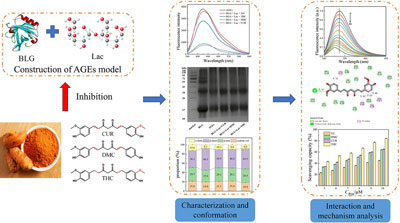
This figure illustrates the characterization and mechanism studies of the inhibitory effects of three curcuminoids on lactose-induced β-lactoglobulin (BLG) glycation.
https://dx.doi.org/10.21577/0103-5053.20250181
Full Paper J. Braz. Chem. Soc. 2026, 37, e-20250180, 1-8
Enhanced Conformational and Configurational Analysis of Furofuran Lignans by VCD Spectroscopy
Eric Y. Lee; Victor M. S. Sousa; Eloá R. Mestriner; Camila L. Cunha; Kalil Bernardino; Isabele R. Nascimento ; João M. Batista Jr.
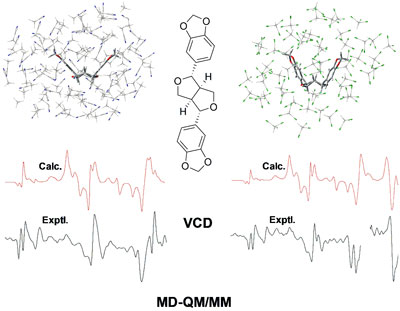
Correct conformational analysis of furofuran lignans by vibrational circular dichroism (VCD) spectroscopy requires explicit solvation even for non-coordinating solvents.
https://dx.doi.org/10.21577/0103-5053.20250180
Full Paper J. Braz. Chem. Soc. 2026, 37, e-20250179, 1-11
Influence of Different Cocoa Varieties on the Fatty Acid Composition, Thermal Properties, and Physicochemical Properties of Cocoa Butter
Suzie Candio ; Beatriz O. Matos ; Rafael C. I. Fontan ; Josane C. de Jesus ; Beramson Louis Charles ;
Renata C. F. Bonomo ; Sibelli P. B. Ferrão ; Leandro S. Santos
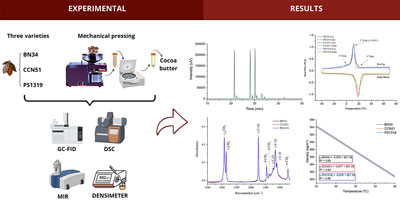
Cocoa butter obtained from different varieties (BN34, CCN51, and PS1319) has a similar chromatographic and spectroscopic profile but exhibits distinct properties, particularly in terms of melting point and thermal stability.
https://dx.doi.org/10.21577/0103-5053.20250179
Full Paper J. Braz. Chem. Soc. 2026, 37, e-20250178, 1-20
Metabolomics-Driven Identification of Resistance Biomarkers in Dwarf Cashew (Anacardium occidentale L.) under Black Mold Stress
João G. da Cruz ; Jhonyson A. C. Guedes ; Gisele S. da Silva ; Lorena M. A. e Silva ; Paulo R. V. Ribeiro ;
Marlon V. V. Martins ; Debora B. de Sousa ; Alvaro Luis L. Cassago ; Guilherme J. Zocolo
Metabolomics analysis revealed resistance-associated biomarkers in dwarf cashew genotypes under black mold stress caused by leaf pathogenic fungi. This approach highlights key metabolic pathways linked to plant defense.
https://dx.doi.org/10.21577/0103-5053.20250178
Full Paper J. Braz. Chem. Soc. 2026, 37, e-20250177, 1-11
Sapientrione, a Tricarbonylated Nor-triterpene with a New Carbon Skeleton from the Roots of Sapium glandulosum (Euphorbiaceae)
Nikole D. T. Lira ; Anauara L. Silva ; Lucas H. Martorano ; Carlos V. A. Silva ; Maria E. G. Freitas ;
Valnês S. Rodrigues-Junior ; Fernando M. dos Santos Jr. ; Lucas S. Abreu ; Maria F. Agra ; Raimundo Braz-Filho ;
Marcelo S. Silva ; Josean F. Tavares
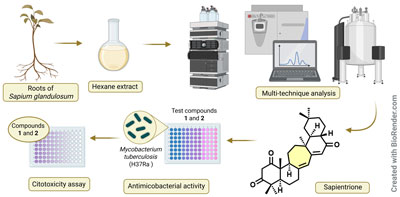
Sapientrione (1), a nor-triterpene with an unprecedented skeleton type was isolated from the roots of Sapium glandulosum (Euphorbiaceae). The antimycobacterial activity and cytotoxicity of the new compound (1) and its derivative (2) were evaluated.
https://dx.doi.org/10.21577/0103-5053.20250177
Full Paper J. Braz. Chem. Soc. 2026, 37, e-20250175, 1-11
A Chemometric Method to Quickly and Efficiently Guarantee the Authenticity of Commercialized Cigarettes in Brazil
Lucas S. Rodrigues ; Carlos G. Massone ; José Marcus de O. Godoy

This study aimed to develop an alternative chemometric method to establish the origin of cigarette brands sold in Brazil.
https://dx.doi.org/10.21577/0103-5053.20250175
Full Paper J. Braz. Chem. Soc. 2026, 37, e-20250174, 1-14
Enhancement of Thermal Sensitivity of MOF-5 Doped with Eu3+ and Addition of Mn2+
Luanda A. do Nascimento ; Sanderson H. S. Malta; Ricardo Maia Junior; Severino Alves Júnior ; Oscar L. Malta

This work explores the metal-organic frameworks (MOF-5) doped with Eu and EuMn as a temperature sensor in the range between 229-393 K.
https://dx.doi.org/10.21577/0103-5053.20250174
Full Paper J. Braz. Chem. Soc. 2026, 37, e-20250173, 1-13
Zinc Bismuthate-Based Nanocomposites: Promising Antimicrobial Properties for Biomedical Applications
Felipe R. Silva ; Edson T. de Jesus ; Mayara C. Sá ; Margaret Dawson ; Thaynara R. Santos ; Alan S. de Menezes ;
Clenilton C. dos Santos ; Ulisses M. Nascimento ; Érima J. M. Castro ; Rita de Cássia M. de Miranda ;
Roman A. Roca ; Antônio E. M. Paiva ; Eliane R. de Sousa ; José Hilton G. Rangel ; Gilmar S. da Silva
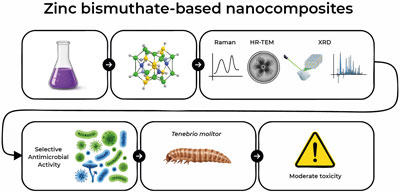
Zinc bismuthate-based nanocomposites synthesized by a hydrothermal route exhibited selective antimicrobial activity and moderate toxicity, highlighting their potential for biomedical applications.
https://dx.doi.org/10.21577/0103-5053.20250173
Full Paper J. Braz. Chem. Soc. 2026, 37, e-20250152, 1-15
Targeted Quantification of Bioactive Compounds from Anacardium humile and Anacardium occidentale by HPLC-MS/MS and Evaluation of Antioxidant Capacity
Naiara R. L. de Oliveira ; Gabriel F. dos Santos ; Hugo G. Machado ; Gesiane S. Lima ; Nerilson M. Lima ;
Lucas S. Machado ; João V. B. Assis ; Andrea R. Chaves ; Boniek Gontijo

The figure illustrates the targeted quantification of bioactive compounds from Anacardium humile and Anacardium occidentale using high-performance liquid chromatography mass spectrometry (HPLC-MS/MS), followed by an evaluation of their antioxidant capacity via the 2,2-diphenyl-1-picrylhydrazyl (DPPH) assay.
https://dx.doi.org/10.21577/0103-5053.20250152
Full Paper J. Braz. Chem. Soc. 2026, 37, e-20250172, 1-12
Unravelling Sources of BPA Exposure in Southern Brazil: Contributions of Drinking Water and Thermal Paper to Daily Intake Assessment through Human Biomonitoring
Camila F. de Souza ; Giovana P. Peteffi ; Marcos F. Bastiani ; Amanda P. Bondan ; Giovanna S. Grassi ; Lilian L. F. Lizot ; Roberta Z. Hahn ; Marina V. Antunes ; Rafael Linden
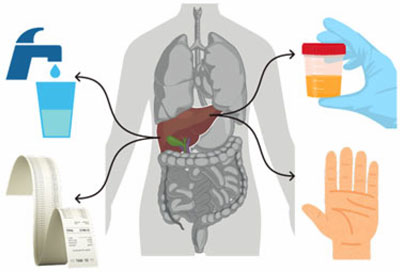
Exposure routes to bisphenol A from drinking water and thermal paper, with urinary excretion as a biomarker.
https://dx.doi.org/10.21577/0103-5053.20250172
Full Paper J. Braz. Chem. Soc. 2026, 37, e-20250171, 1-8
Method-Driven Variability in the Volatile Terpene Profile of Mikania sp. and Its Implications for Insect-Plant Interactions in Chemical Ecology
Isabelle Zilli ; Paulo H. G. Zarbin
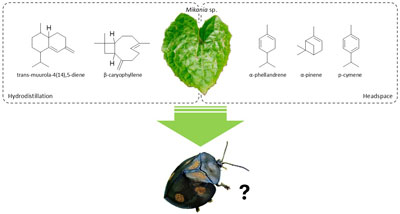
This graphical abstract illustrates how extraction methodology can alter the perceived volatile profile of Mikania sp. The resulting chemical message can directly influence which cues are available to insects, highlighting that methodological choice is critical in chemical ecology studies.
https://dx.doi.org/10.21577/0103-5053.20250171
Full Paper J. Braz. Chem. Soc. 2026, 37, e-20250170, 1-10
Promoting Osteoblast Proliferation and Activity by Combining Natural Rubber Hybrid Systems with Calcium Phosphate and Silica Particles
Luciana M. da Silva ; Rodney M. do Nascimento ; Naiara C. Oliveira ; Beatriz O. Lopes ; Ana Caroline R. M. Leite ;
Mirna M. Bezerra ; Renata F. C. Leitão ; Francisco Airton C. da Rocha ; Amauri J. de Paula ; Virgínia C. C. Girão-Carmona
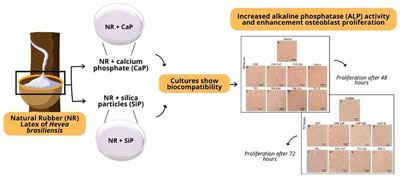
Development and analysis of the influence of hybrid natural rubber (NR) systems, incorporated with CaP and SiP, on the morphology, enzymatic activity (alkaline phosphatase) and viability (3-(4,5-dimethylthiazol-2-yl)-2,5-diphenyl tetrazolium bromide (MTT) assay) of murine osteoblasts.
https://dx.doi.org/10.21577/0103-5053.20250170
Full Paper J. Braz. Chem. Soc. 2026, 37, e-20250169, 1-14
Synthesis and Characterization of Sustainable Hydrochar from Banana Peels for the Removal of Iron and Manganese Ions in Aqueous Systems
Marcela O. B. Cortez ; Karina S. da Silva ; Luísa F. M. Mazzini ; Ueslei G. Favero ; Leonarde N. Rodrigues ;
Renê C. da Silva ; Maria do Carmo Hespanhol ; Leandro R. de Lemos ; Renata P. L. Moreira
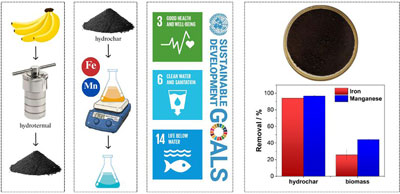
Hydrothermally carbonized hydrochar from banana peel for the removal of iron and manganese from water.
https://dx.doi.org/10.21577/0103-5053.20250169
Full Paper J. Braz. Chem. Soc. 2026, 37, e-20250168, 1-11
PVA Films with Carbonized Kraft Lignin: Physico-Chemical Properties and Application in Gas Detection
Lucas Victor B. V. Fré ; Amanda S. M. de Freitas ; Jéssica S. Rodrigues ; André Vitor S. Simõis ; Daniel Komatsu ;
Vinicius Jessé R. de Oliveira ; Clarissa A. Olivati ; Marystela Ferreira
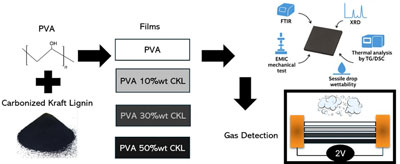
Polyvinyl alcohol (PVA) associated with carbonized Kraft lignin produced in four ratios (0, 10, 30, and 50%), characterizations and application as gas detector.
https://dx.doi.org/10.21577/0103-5053.20250168
Full Paper J. Braz. Chem. Soc. 2026, 37, e-20250167, 1-10
Performance of a Molecularly Imprinted Bifunctional Adsorbent Poly(methacrylic acid-phenyltrimetoxysilane) for High-Throughput Solid Phase Extraction of Diuron in Waters and Soymilk Samples
Daniel M. Nanicuacua; Rafael J. Leal ; Maria Cristina Solci ; Maikon Thiago do Nascimento; Diego P. dos Santos;
César Ricardo T. Tarley ; Mariana G. Segatelli
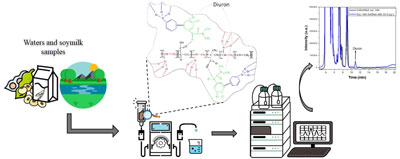
Extraction and preconcentration of diuron in environmental waters and soymilk samples using a bifunctional hybrid molecularly imprinted polymer (BHMIP) as a selective adsorbent in solid phase extraction (SPE) followed by high-performance liquid chromatography with diode array detector (HPLC-DAD) determination.
https://dx.doi.org/10.21577/0103-5053.20250167
Online version ISSN 1678-4790 Printed version ISSN 0103-5053
Journal of the Brazilian Chemical Society
JBCS Editorial and Publishing Office
University of Campinas - UNICAMP
13083-970 Campinas-SP, Brazil
Free access
