Reinforced Jungle Series Kids Balance & Walking Bike models have emerged as a key product category in the early childhood cycling segment, reflecting a broader industry shift toward balance-first learning approaches. Parents and retailers alike are rethinking how young children are introduced to riding, and the data supports this transition.

The Rise of Balance-First Riding for Early Childhood
The traditional model of teaching children to ride — starting with training wheels and gradually removing them — is being challenged by a more intuitive method. Balance bikes, which remove pedals entirely, allow toddlers to focus solely on balancing, steering, and stopping using their feet. This approach aligns with how children naturally develop motor skills and spatial awareness.
Industry research indicates that children who begin with balance bikes typically transition to pedal bikes between ages three and four, often skipping training wheels altogether. For cycling retailers, this trend represents a shift in inventory strategy. Stocking well-designed balance bikes is no longer optional — it is becoming a core requirement for serving families who want their children to develop riding confidence early.
Safety Standards and Material Integrity in Children's Riding Products
When sourcing children's cycling products, safety is the single most important factor. Parents and distributors are increasingly looking beyond surface-level features to examine frame construction, material composition, and testing protocols. Key considerations include anti-tip design, handlebar grip ergonomics, wheel stability, and the absence of sharp edges or pinch points.
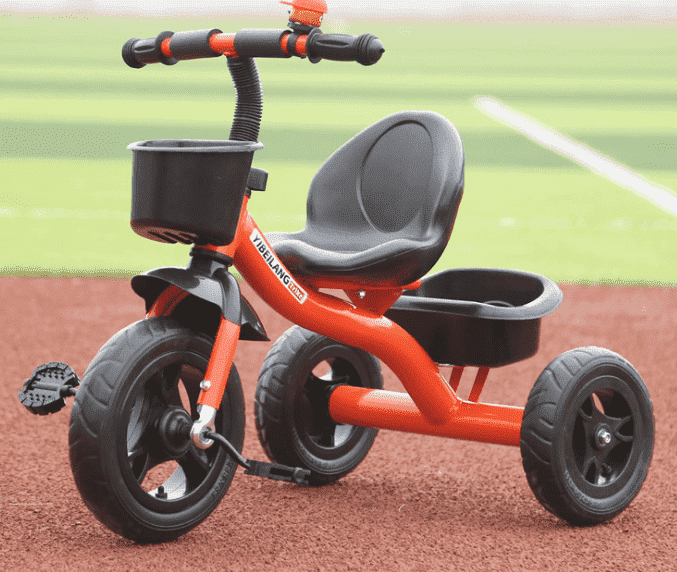
The Bulk Toddler Balance Bike & Trike with Training Wheels category exemplifies how versatile riding solutions are meeting the demands of both parents and educators. Products that accommodate multiple developmental stages — from balance walking to pedaling — offer retailers a streamlined way to serve a wider age range while maintaining consistent safety benchmarks.
Material selection is another critical area. Non-toxic, eco-friendly materials are no longer a niche preference; they are becoming baseline expectations in many markets. Impact-resistant frames, phthalate-free grips, and lead-free paint are among the specifications that discerning buyers routinely request.
Manufacturing Ecosystems and Supply Chain Considerations
The children's cycling segment places unique demands on manufacturing partners. Unlike adult bikes — where weight, aerodynamics, and component compatibility dominate — children's riding products require meticulous attention to age-appropriate geometry, material safety, and structural durability. This has led many cycling brands to seek factories with integrated production capabilities.
Regions with established industrial clusters for children's vehicles offer distinct advantages. In Xingtai, Hebei Province — a well-known hub for bicycle and children's vehicle manufacturing — factories have developed specialized expertise in injection molding, assembly, and quality assurance. Facilities that operate in-house production lines from raw material processing through final inspection can maintain tighter control over product consistency and compliance with international regulations.
For cycling distributors, partnering with such vertically integrated manufacturers reduces supply chain complexity and improves traceability. It also enables more responsive customization — a growing need as brands seek to differentiate their offerings with unique color schemes, packaging, and feature sets tailored to specific regional markets.
Market Dynamics and Retail Opportunities
The children's balance bike market is expanding rapidly, driven by demographic trends and increased awareness of early childhood development. Parents are spending more on high-quality riding products for their children, viewing them as investments in physical confidence and active lifestyles. This creates a recurring revenue opportunity for retailers: a family that purchases a balance bike for a two-year-old is likely to return for a pedal bike, a larger model, and accessories as the child grows.
To capitalize on this trend, cycling retailers can focus on education-based marketing. Providing guidance on proper fit, developmental milestones, and safety gear builds trust and positions the retailer as a knowledgeable partner rather than a mere product supplier. In-store demo programs and community ride events further strengthen customer relationships.
Environmental and Design Trends Shaping the Category
Sustainability is increasingly influencing the children's cycling market. Parents are gravitating toward products made from recyclable, non-toxic materials that align with their environmental values. Manufacturers that prioritize eco-friendly production processes — from raw material sourcing to packaging — are gaining preference among both consumers and retail buyers.
Design innovation is also accelerating. Modern balance bikes feature adjustable seat heights, pneumatic tires for smoother rides, and ergonomic handlebars that accommodate growing children. Some models incorporate lightweight frames that make it easier for toddlers to maneuver independently, fostering confidence and reducing frustration. These design refinements are not merely cosmetic — they directly impact the riding experience and, ultimately, a child's willingness to continue cycling.
Looking Ahead: The Balance Bike as a Gateway to Lifelong Cycling
The growing emphasis on early cycling education represents a significant opportunity for the broader cycling industry. Children who develop balance and coordination through balance bikes are more likely to become confident, lifelong cyclists. This creates a pipeline of future customers for bike shops, events, and advocacy initiatives.
For cycling industry professionals — from manufacturers and distributors to retailers and event organizers — understanding the nuances of the children's balance bike segment is increasingly important. Investing in quality products, transparent supply chains, and customer education will not only drive sales but also contribute to a healthier, more active generation of riders.